Inspiration
The inspiration behind the project stems from the recognition of a growing disconnect between generations and their cultural heritage. As societies evolve, there's often a challenge for younger generations to connect with the traditions, stories, and experiences of their elders. Additionally, factors such as adopted kids searching for roots, parents reconnecting with their heritage, and grandkids on a quest to know their origins further contribute to this cultural gap. Everyone in the group lives in a different country than where their heritage is from. This dynamic brings an added layer of complexity, highlighting the impact of global mobility on cultural preservation. The project seeks to bridge these gaps by leveraging mixed reality experiences. It draws inspiration from the desire to create a platform where people, regardless of age or cultural background, can explore, learn, and reconnect with their heritage. The initial focus on the Chinese experience serves as a starting point, with a broader vision to extend the platform to encompass diverse cultures worldwide. Ultimately, the inspiration revolves around fostering understanding, preserving cultural legacies, and creating a shared space where individuals can embark on a journey of exploration and connection with their roots.
What it does
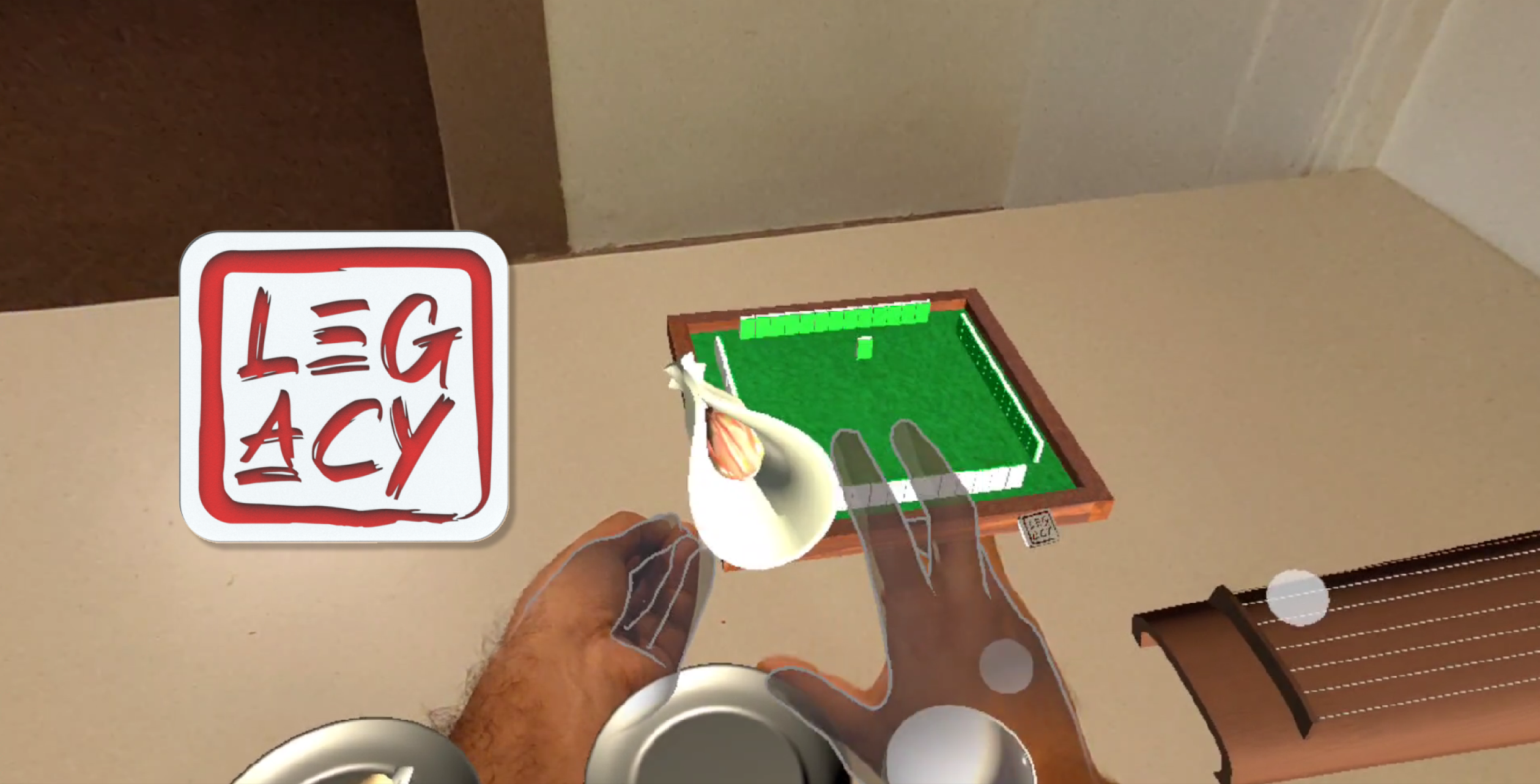
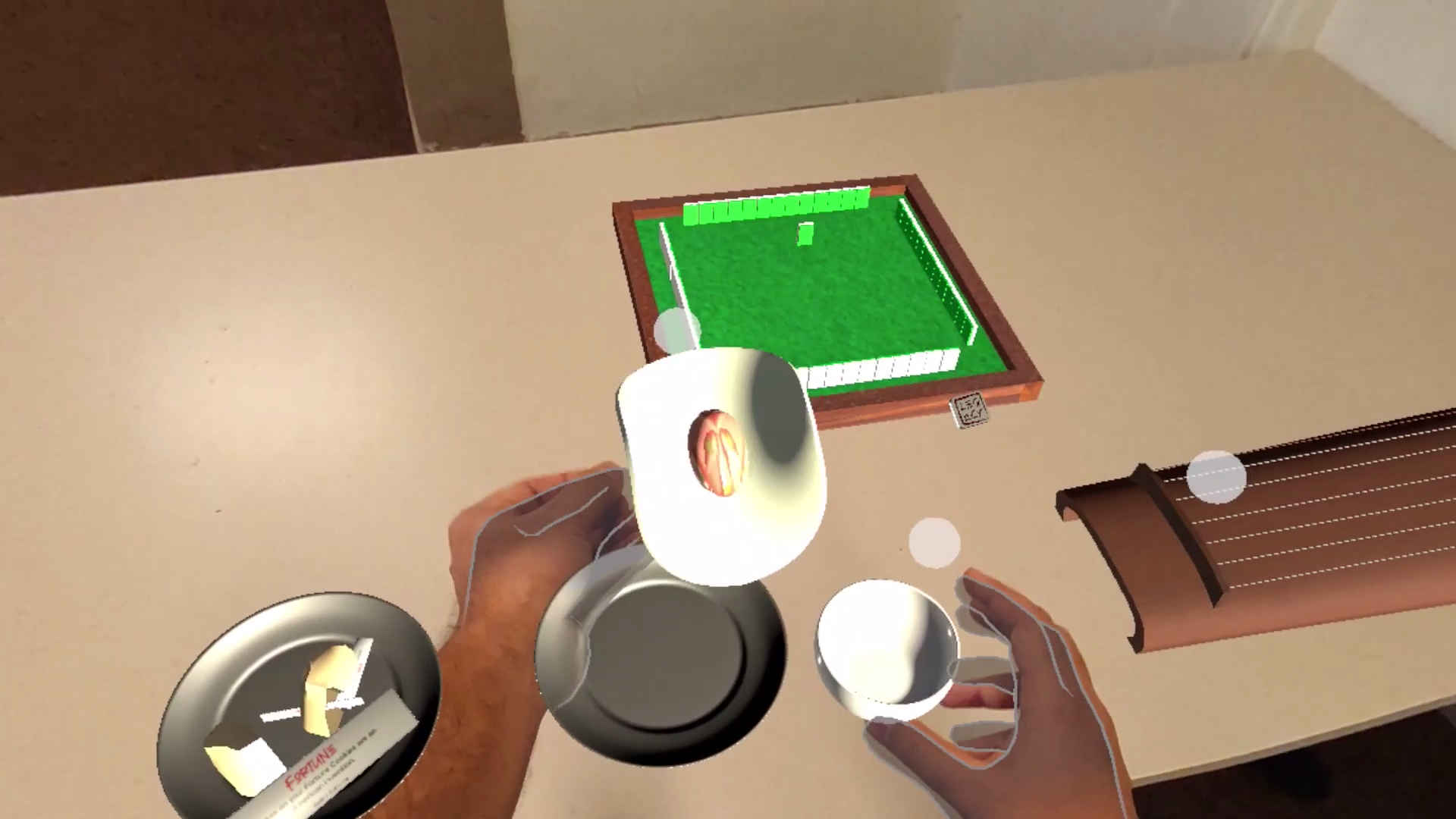
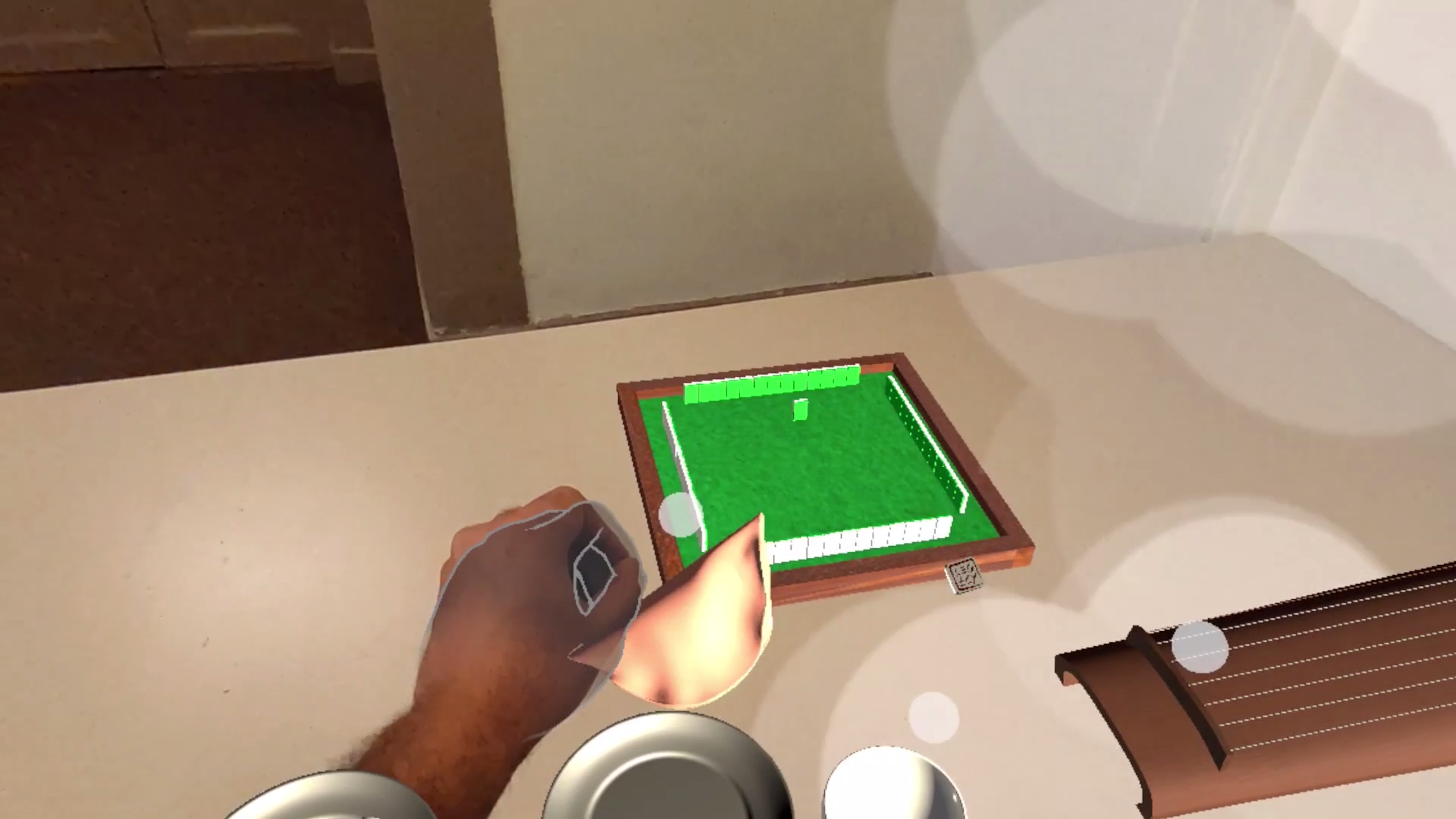
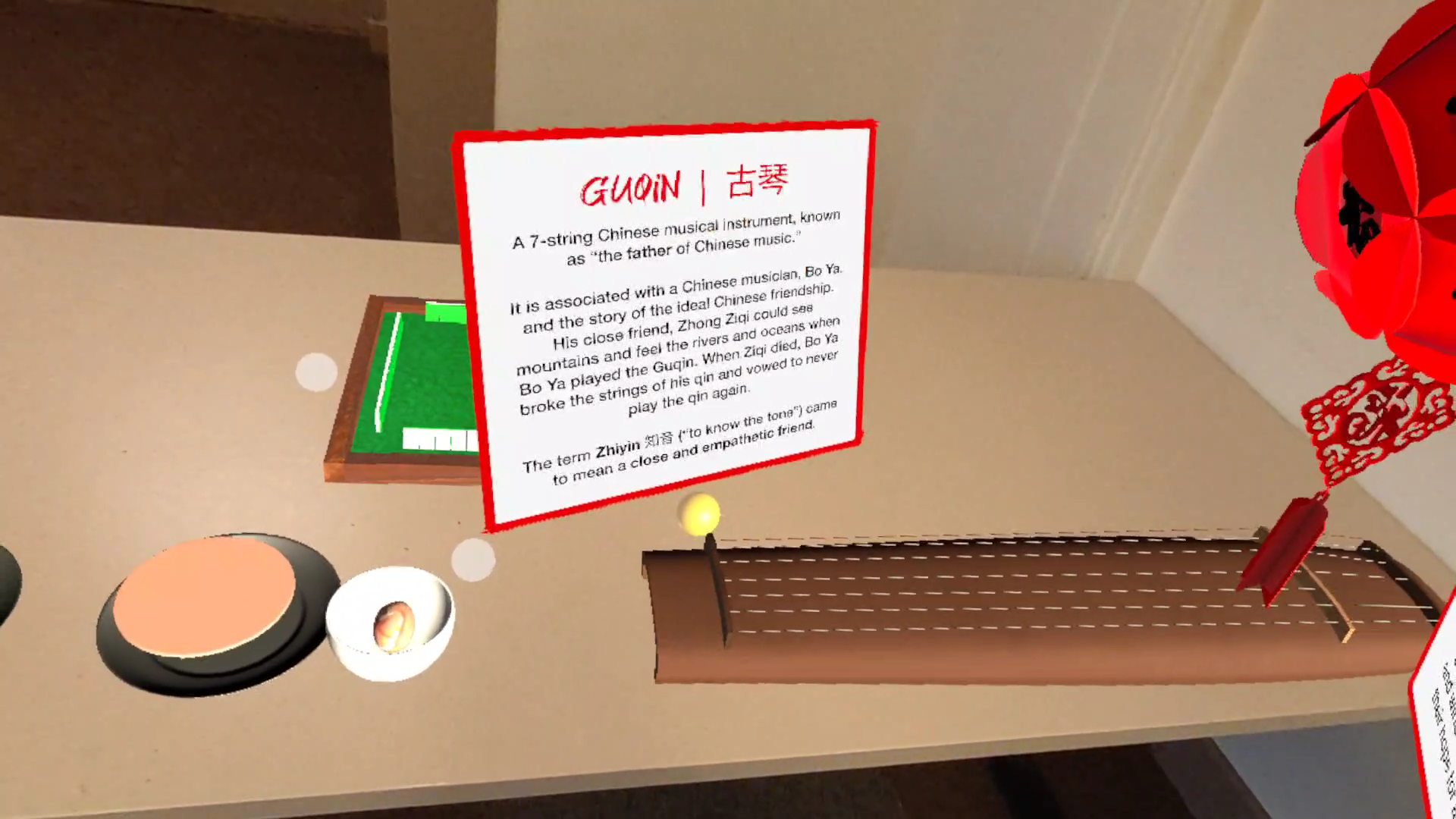
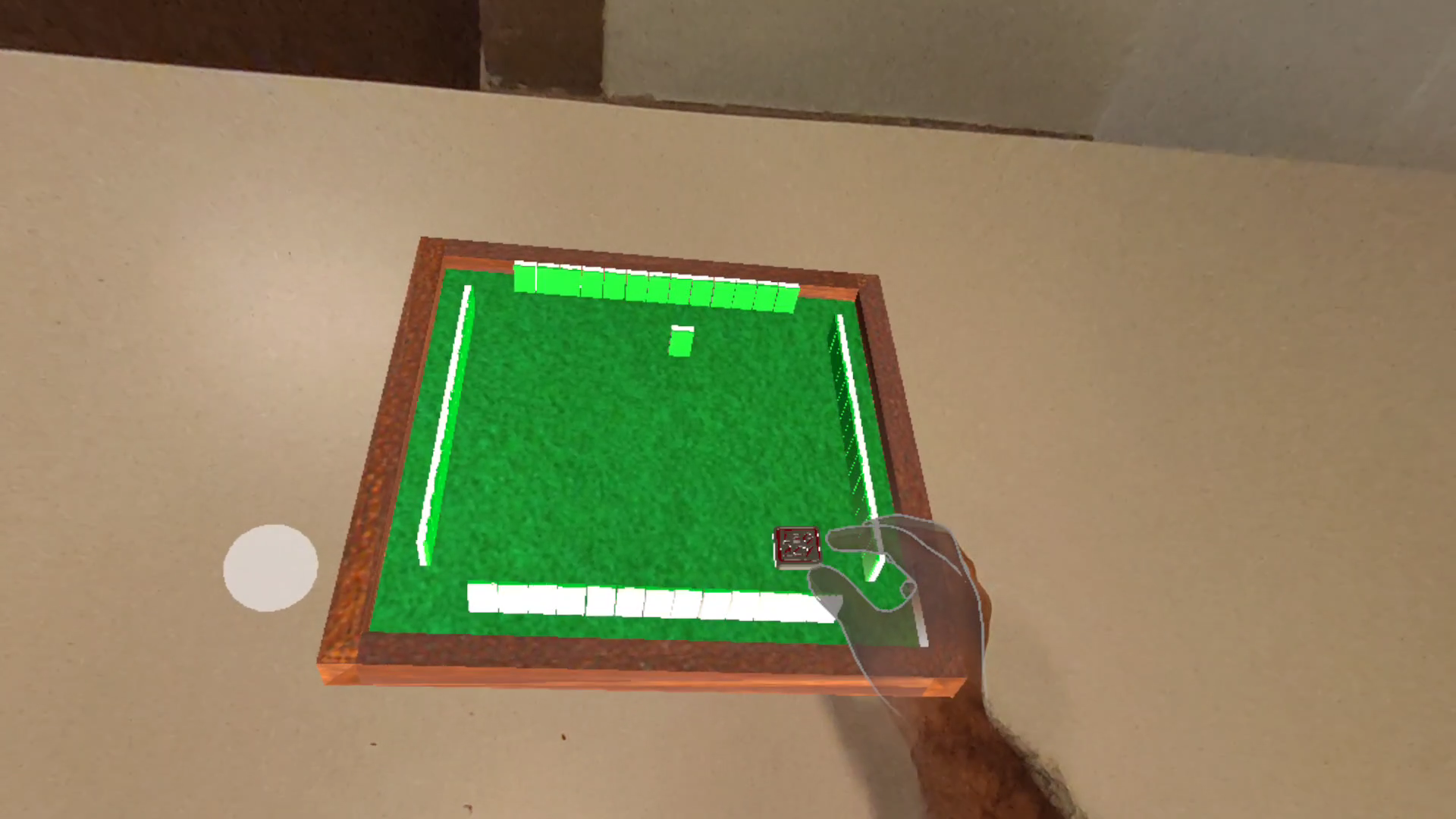
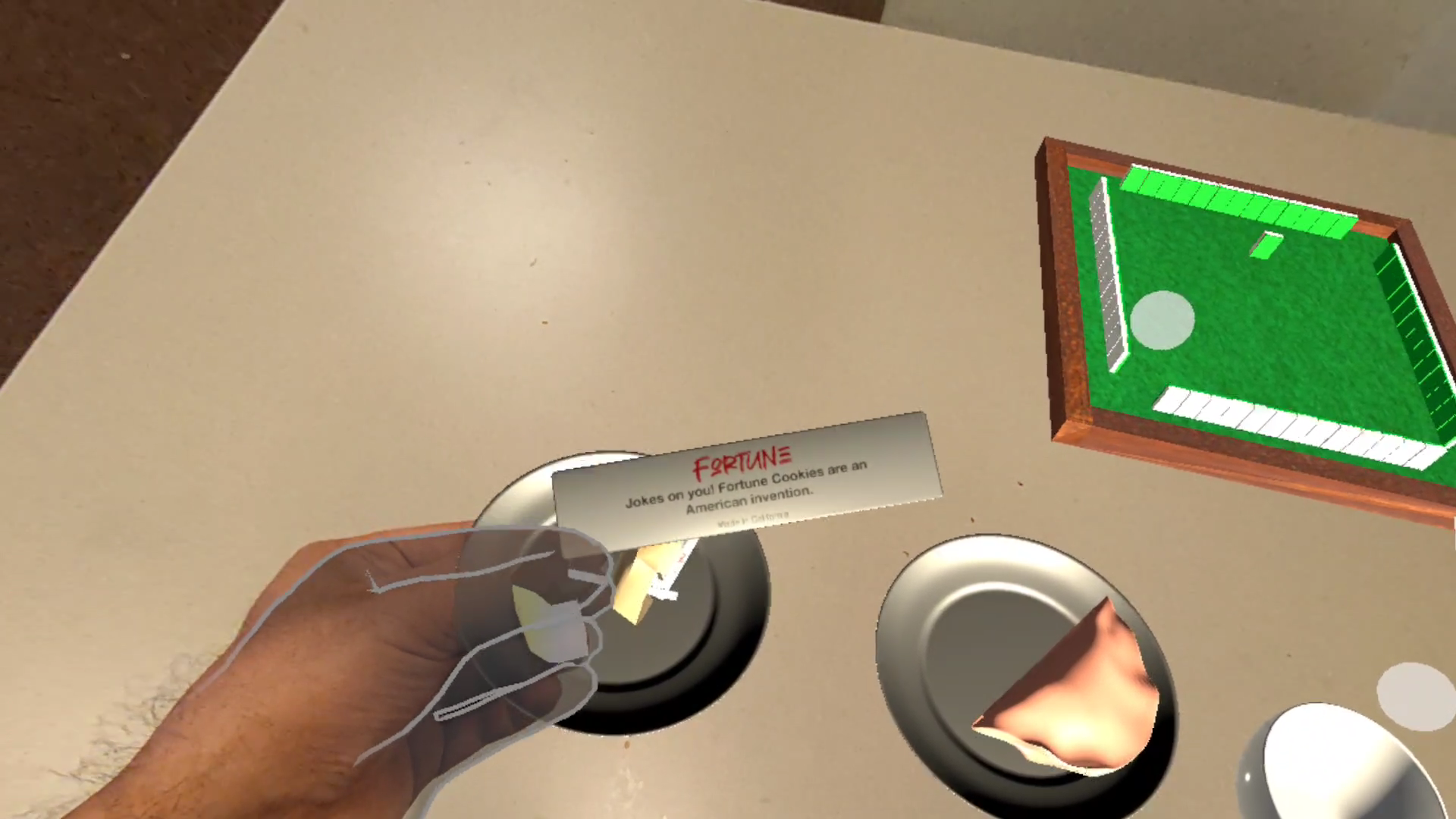
Legacy is an immersive Mixed Reality Experience designed for use with the Meta Quest. Users find themselves transported to the environment of their grandparents, delving into the rich tapestry of their cultures, habits, and lifestyles. Interaction with the experience requires a table. Initially, 3D assets materialize, featuring the engaging task of dumpling folding. As users progress, they not only master the art but also gain insights into their cultural heritage, ensuring they do not lose their connection to their roots.
How we built it
Legacy is built primarily with the use of the Meta Presence Platform plugin in Unity and Meta Quest 3. The Interaction SDK, Meta MR Utility Kit, and Lean Tween were all used in Unity to develop the experience. We used Audacity to adjust the sound effects, voice over and music. 3D assets used in the scene were found online and created by team members through the mixed use of Blender, Rhino, and Keyshot. To prototype and see the interactions with each object, the designers used Bezi’s shared collaborative space and animations. For UI info cards and branding, Figma was used to keep the overall project cohesive. Last but not least, we placed high importance on the open communication we had with each other and the willingness to have fun.
Challenges we ran into
For the project, there were many ideas we wanted to explore and features to create in this experience. Something we slowly realized was how much we had to narrow our scope in. Also, we received a lot of great feedback from mentors on how we could expand our project. However, we had to really focus on what was key to this experience. In terms of technical issues, Bezi was crashing from our use of their beta tools and generally trying their tools out for intense modeling. We later discovered how to best use Bezi as an interaction prototyping tool. For development, there was a learning curve to integrate the Meta Presence Platform and customize the templates to the interactions we want to have. The naming in the SDK was confusing and not consistent between the kit, so it was hard to understand the documentation and apply it to our use case. Also, setting up the Meta Quest 3 for development took some time, since it required factory reset to connect the device to the Meta Quest Developer Hub.
Accomplishments that we're proud of
We assembled a balanced team with different skill sets and worked together in a unified manner, respectfully supporting each other’s needs and ideas.
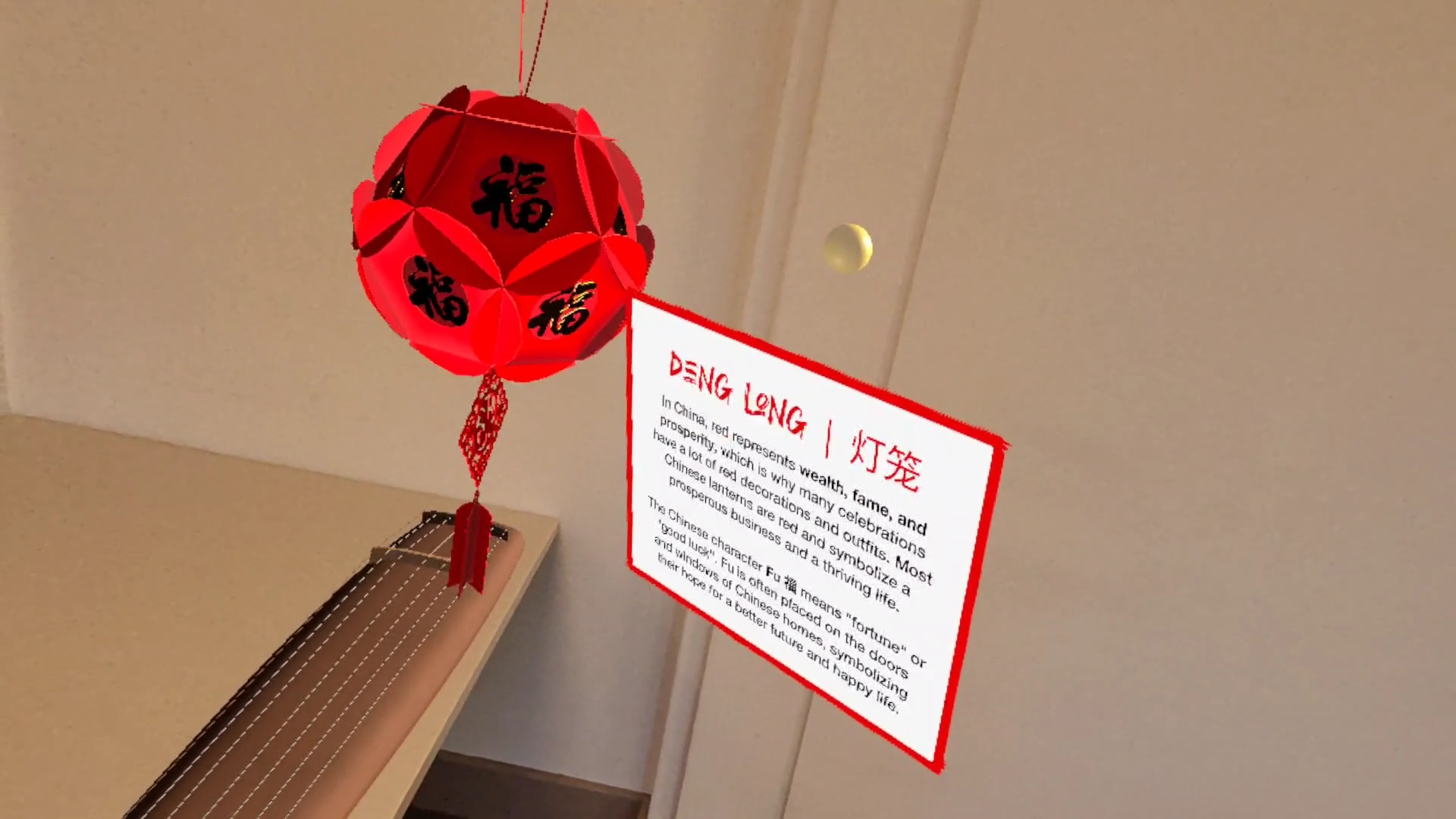
We built a Mixed Reality application that runs on top of a table with interactive learning experiences including how to make a dumpling, play Chinese cultural musical instruments, play with a new year lantern, play with a mahajong piece and learn about fortune cookies! Learn language, and some info on them with speech and music in the background to immerse yourself into the culture :)
What we learned
- How to build for Meta Quest 3
- Customizing the Meta Presence Platform for our use case
- How to integrate Meta Presence Platform in Unity for custom hand interactions, hand tracking, scene anchor for spatial recognition and scene interaction in mixed reality
- Use of Bezi as a prototyping tool for interactions and collaboration
- Blender organic modeling, export GLB to Unity and make them interactive objects with custom hand interactions like folding a dumpling.
- Splitting jobs up to ensure action items will be completed
- Working at an efficient pace to create an experience with a cross functional team
What's next for Legacy
With Legacy, our next goal is to create new worlds featuring diverse cultures, allowing grandparents to experience the world from the perspective of our generation. Our vision is to make every world open, enabling everyone to learn about different cultures and ultimately contributing to fostering understanding and harmony.
Built With
- adobe-aftereffects
- adobe-illustrator
- adobe-premiere
- audacity
- bezi
- blender
- figma
- keyshot
- leantween
- meta-interaction-sdk
- meta-mr-utility-kit
- meta-presence-platform
- metaquest3
- rhino
- unity


Log in or sign up for Devpost to join the conversation.