-
-
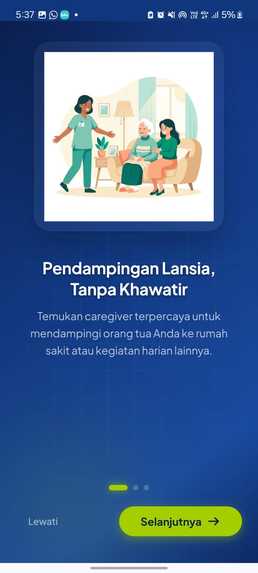
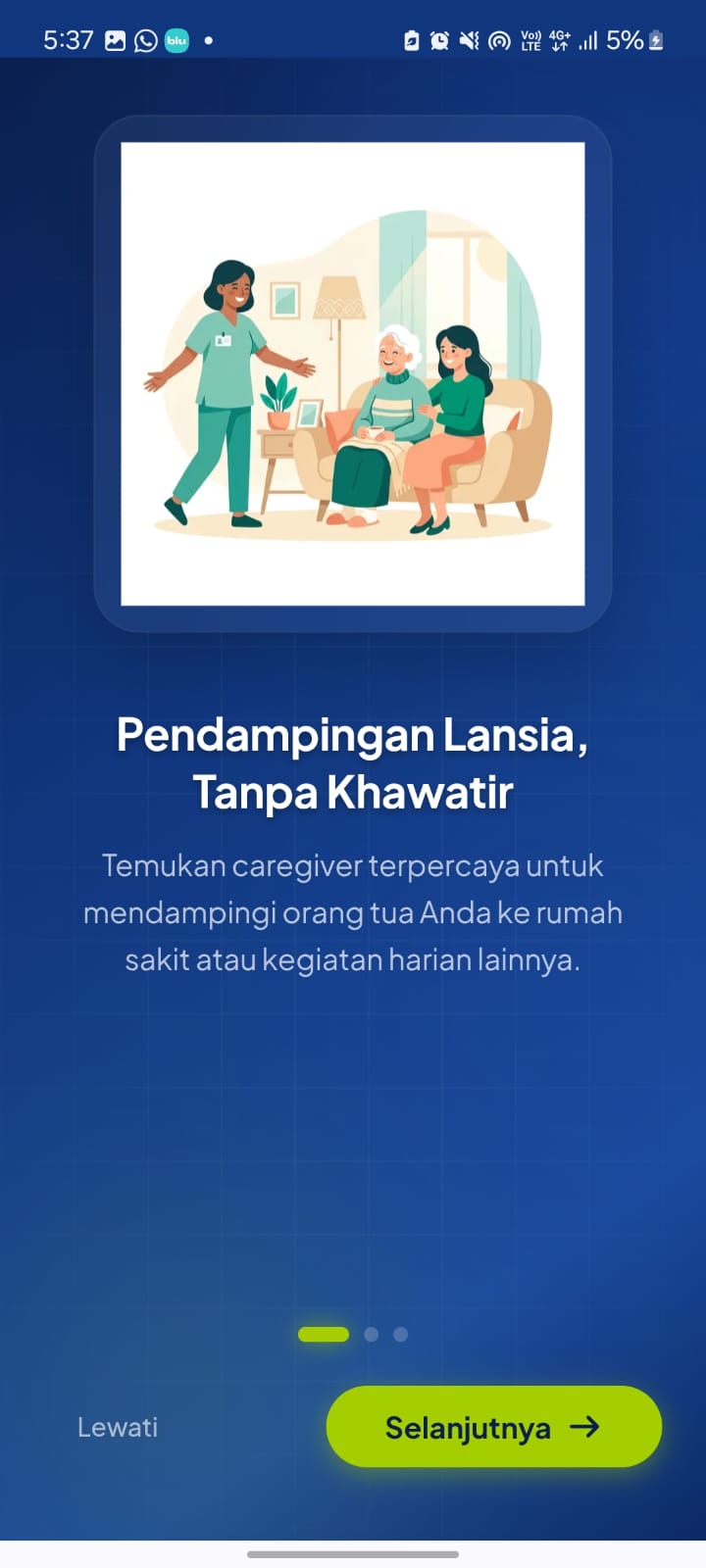
Onboarding Screen
-
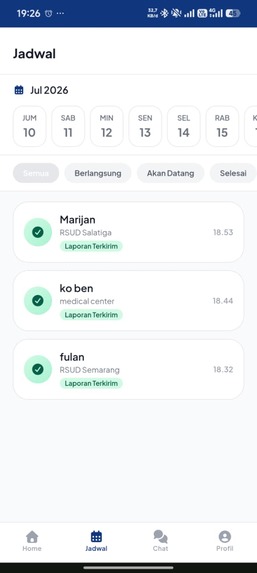
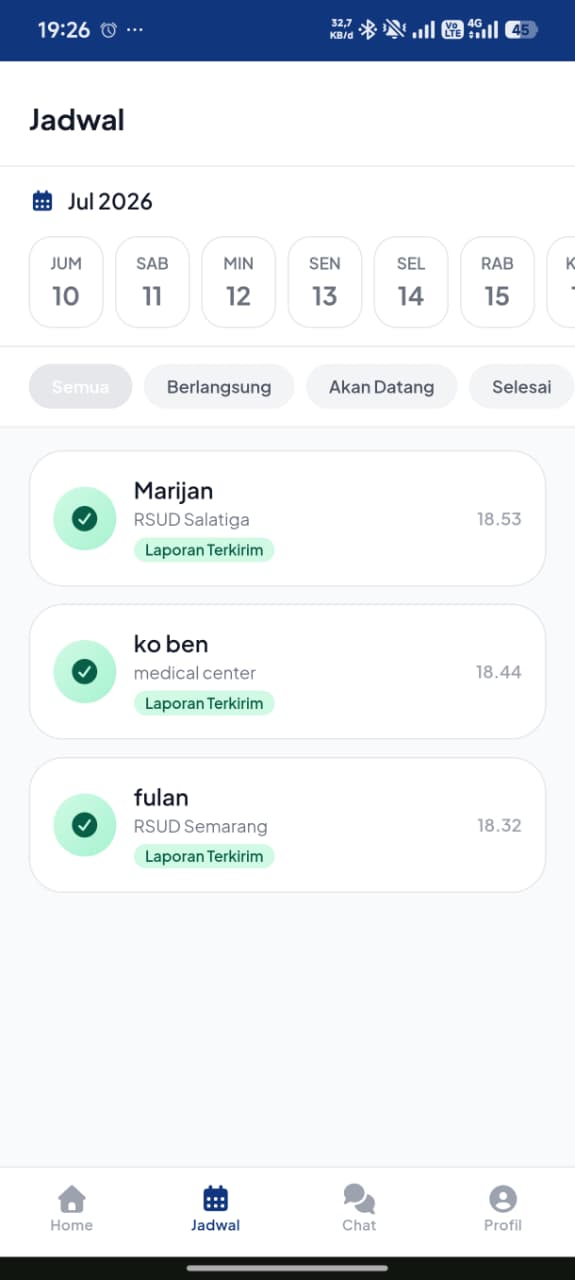
schedule
-
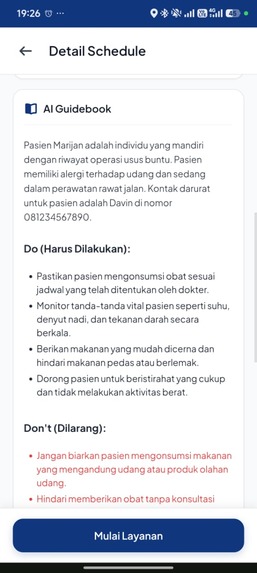
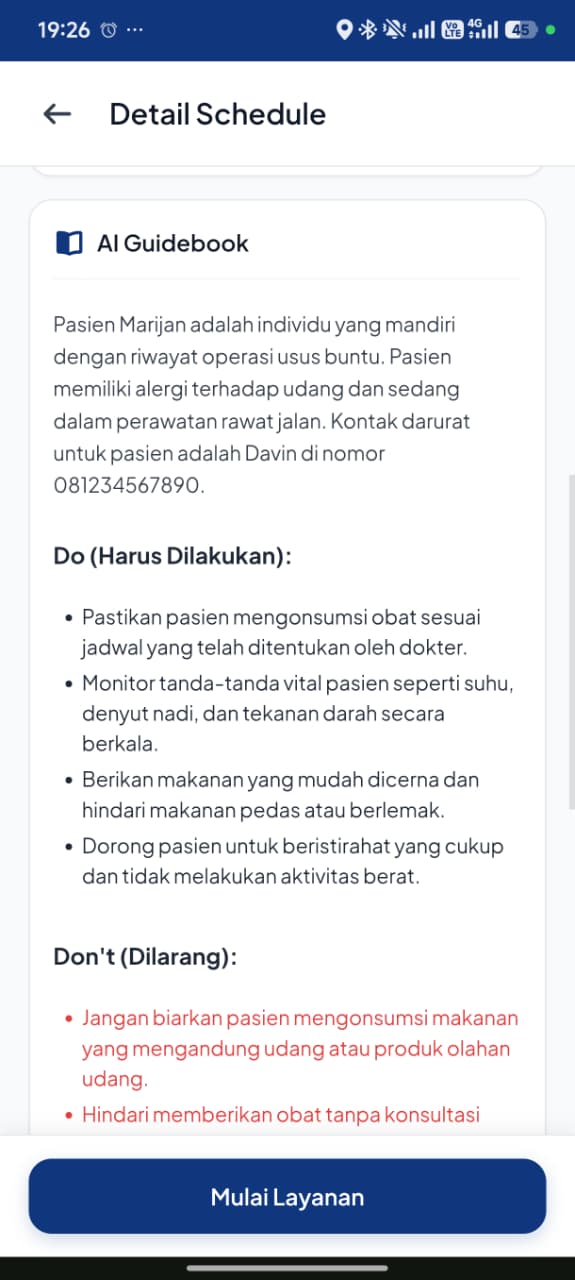
Patient's AI Guidebook for caregivers
-
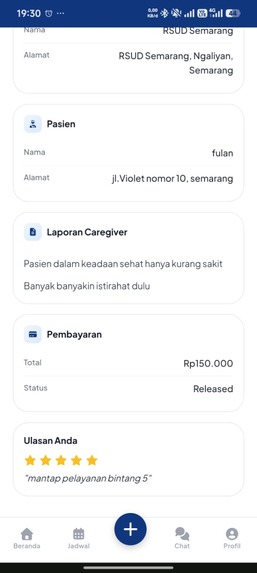
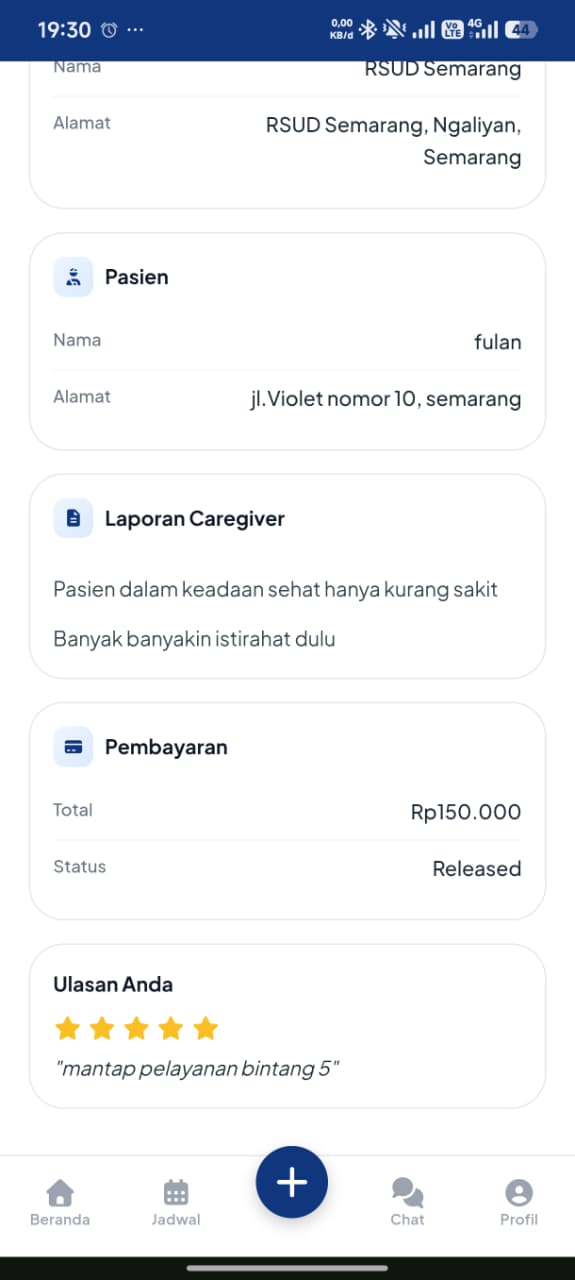
Report and Rating
-
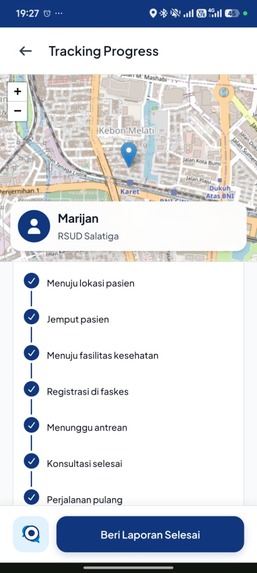
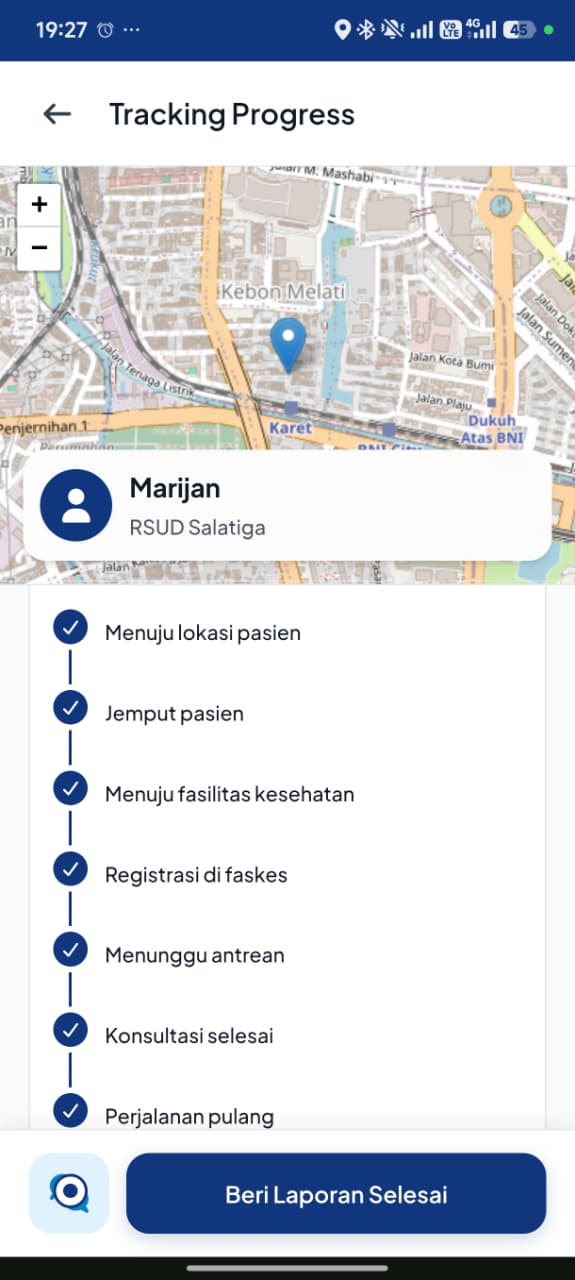
Progress Tracking
-
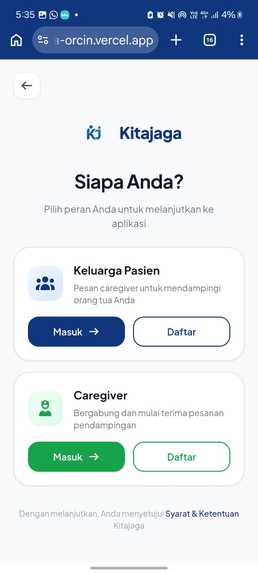
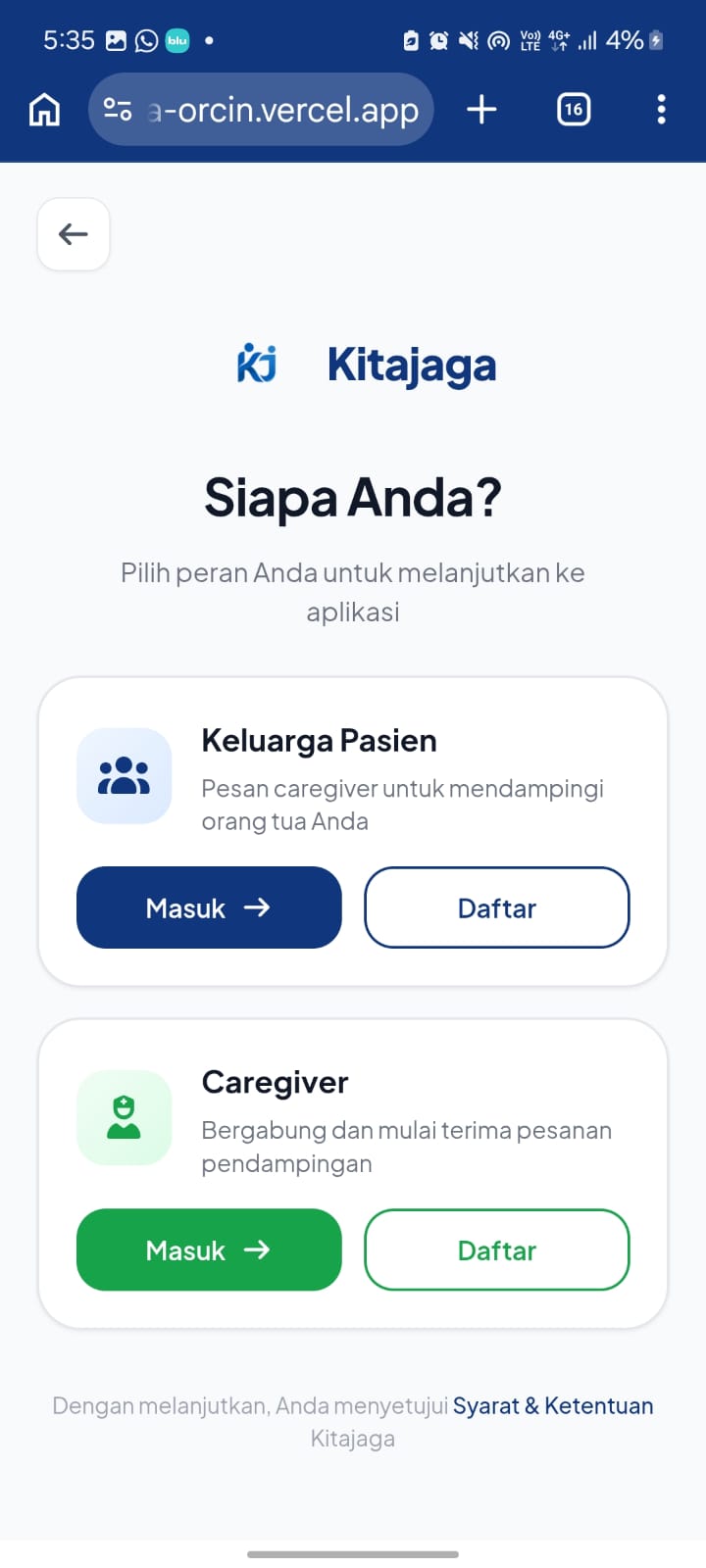
Role Pick
Inspiration
Technology is meaningless unless it solves human desperation. Kitajaga was born from a very personal crisis: my parents are part of the sandwich generation, working full-time to financially support both their children and their aging parents. When my grandparent fell ill and required two months of routine outpatient care, our family was completely paralyzed. My parents could not abandon their jobs without risking our livelihood, and my siblings and I were tied to our education.
This agonizing choice between career survival and family duty is a silent epidemic. The data validates this heartbreak: according to Purwadhika (2024), 73% of the sandwich generation in Indonesia is forced to work full-time, while 47% must frequently take sudden, disruptive leaves for family emergencies. The structural pressure is only compounding. Manulife projections indicate the national dependency ratio will reach 47.3% by 2025—meaning for every 100 working adults, there are roughly 47 non-productive dependents relying entirely on them.
We did not build Kitajaga just to engineer a scheduling algorithm. We built it to buy back time, preserve careers, and deliver peace of mind for families breaking under the weight of their own responsibilities.
What it does
At its core, Kitajaga is a lifeline disguised as a marketplace. We built it to bridge the critical gap in accessible healthcare by connecting desperate families with both certified nurses and vetted non-formal caregivers, like dedicated health students. Whether a family faces a sudden emergency requiring immediate dispatch or needs a scheduled companion for a routine checkup, Kitajaga ensures no elderly parent is left unattended.
We deliberately designed every feature to dismantle the anxiety of entrusting a vulnerable loved one to a stranger:
- Transparent, Panic-Free Matching: We rejected black-box algorithms. Our matching engine operates on strict, explainable rules—pairing caregivers based purely on distance, rating, and reliability. Families get the closest, most dependable help exactly when they need it most.
- Safety Through Context (AI Guidebooks): The biggest hurdle in utilizing affordable, non-formal caregivers is the fear of medical mishandling. We solved this by generating a hyper-specific AI guidebook tailored to the patient's exact medical condition. Caregivers are strictly locked out from accepting a request until they explicitly read and acknowledge these safety protocols, mitigating risk before the service even begins.
- Zero-Anxiety Escrow Payments: Financial friction adds unnecessary stress during a family crisis. We implemented a secure escrow system that holds funds and only releases them once the caregiving service is fully completed and a transparent post-care report is submitted.
- Milestone Tracking for Peace of Mind: The anxiety of wondering, "Did they arrive safely?" is paralyzing. Instead of implementing resource-heavy live GPS that drains caregivers' phone batteries, we engineered a checkpoint-based tracking system. Families receive definitive status updates, exact location pings, and photographic proof at critical milestones—keeping them connected to their parents' journey without the technical overhead.
How we built it
We did not choose our technology stack based on what was trendy; we chose it based on what a family in crisis desperately needs: speed, reliability, and unconditional trust. Every architectural decision was made with the user's anxiety in mind:
- Zero-Friction Access (Frontend): We built the client using Next.js (App Router) and deployed it as a Progressive Web App (PWA). When an elderly parent needs immediate help, families cannot afford to wait for a 50MB app store download or navigate clunky installations. A PWA ensures instant, frictionless access directly from the browser when every second counts.
- An Unbreakable Foundation (Backend & Database): We utilized Express.js (Node.js) backed by PostgreSQL and Prisma ORM. Healthcare applications demand absolute data integrity. We engineered a rock-solid infrastructure because dropped requests or lost medical notes are simply unacceptable when a life is involved.
- Killing the Anxiety of Silence (Real-time): Waiting in the dark is terrifying. We implemented Socket.IO to handle live chat and broadcast progress updates instantly. This real-time bridge closes the emotional distance, allowing working children to feel like they are right there next to their parents.
- Empathetic Tracking (Mapping): By integrating Leaflet.js, OpenStreetMap, and the Browser Geolocation API, we engineered a checkpoint-based tracking system. Continuous GPS streaming drains batteries and data limits, which burdens our non-formal caregivers. Milestone pings provide the exact proof of arrival families need to breathe easy, without exploiting the caregiver's device resources.
- Trust as a Protocol (Payments): Trusting a stranger with your parent is hard; trusting them with your money shouldn't be. We leveraged the Midtrans Snap API to simulate a secure escrow environment. Holding funds until the care report is submitted completely removes financial anxiety from an already highly stressful situation.
- AI as a Medical Safeguard (Intelligence): We integrated LLM APIs (Claude/GPT) to generate the mandatory caregiver guidebooks, backed by robust static templates if the network fails. We didn't use AI as a hackathon gimmick; we used it to synthesize complex medical data into actionable safety protocols, ensuring anyone stepping into the home is fully equipped to protect the ones we love.
- Always Online (Infrastructure): Containerized through Docker and Docker Compose, we guaranteed that the Kitajaga environment is highly resilient and rapidly deployable. Because emergencies don't wait for server downtime.
Challenges we ran into
When you are driven by a deeply personal mission, your ambition often outpaces your experience. The greatest challenge we faced was the crushing realization that the application we envisioned was exponentially more complex than we had originally anticipated. We quickly learned that when you are building a safety net for vulnerable parents, there is absolutely no room for shortcuts.
To honor our mission, we refused to compromise on the user experience, which forced us to confront a massive technical wall. Before this hackathon, our team had never touched Progressive Web Apps (PWA), Leaflet for mapping, Midtrans for payment escrow, or WebSockets for real-time communication. We had to learn and implement these entirely new technologies from scratch while the countdown timer was ticking.
It was exhausting, but the emotional weight of the problem pushed us through the frustration. We forced ourselves to learn PWA architecture overnight because a desperate family cannot afford to wait for app store approvals. We mastered WebSockets and Leaflet on the fly because a working mother’s peace of mind relies on seeing that her parent has safely arrived at the hospital. We wrestled with the Midtrans API because building financial trust during a medical crisis is non-negotiable.
The true challenge wasn't just learning a complex tech stack in a weekend; it was the humbling realization that building software with genuine empathy requires a level of technical rigor we had to aggressively force ourselves to achieve.
Accomplishments that we're proud of
In a hackathon environment, it is easy to get distracted by flashy features, but we are most proud of the fact that every technical victory we achieved translates directly into a safety net for a family in crisis.
- Engineering an Immediate Lifeline: We are incredibly proud that we didn't just build a software application; we built an instant, frictionless lifeline. By successfully deploying Kitajaga as an installable Progressive Web App (PWA), we completely bypassed the waiting times and barriers of traditional app stores. When a parent needs help, a family doesn't have time to navigate a complex download—giving them a fully functional tool directly from their browser is a massive victory for accessibility.
- Choosing Transparency Over Trend: We actively resisted the urge to use a "black-box" machine learning algorithm just to impress judges. Instead, we engineered a highly transparent, rule-based matching engine. By explicitly calculating matches based on distance (50%), rating (40%), and reliability penalties (10%), we ensured that anxious families aren't leaving their parents' care to a mystery algorithm—they are getting an explainable, logical match that prioritizes speed and trust.
- Systematizing Empathy and Safety: Our proudest technical achievement is solving the trust deficit associated with affordable, non-formal caregivers. We successfully integrated an AI-generated safety guidebook that strictly gates the caregiver's ability to accept a booking. Knowing that we built a system that actively prevents medical mishandling by forcing caregivers to acknowledge personalized protocols before stepping into a patient's home—that is the exact kind of meaningful, life-protecting impact we set out to achieve.
What we learned
We learned that when you are building a product for vulnerable people, writing code is not just an engineering exercise—it is an exercise in profound empathy.
- Architecture is About Human Dignity: We realized that database architecture is fundamentally about protecting people. While structuring the data model for patient medical records, we faced the ethical challenge of segregating sensitive data. We learned how to build secure backend systems that aggressively protect an elderly patient's privacy and dignity, while simultaneously ensuring the matched caregiver has the exact, critical medical context they need to safely perform their duties.
- True Innovation Respects Real-World Limits: We learned that the "most advanced" technology is not always the right solution. Initially, we assumed that continuous, real-time GPS streaming was the ultimate way to comfort anxious families. However, we realized that non-formal caregivers often rely on mid-range smartphones and limited data plans. By pivoting to lightweight, milestone-based checkpoint tracking, we learned that true engineering elegance lies in building resource-conscious, inclusive solutions that do not exploit the caregiver's device, yet still deliver absolute peace of mind to the family waiting at home.
- The Weight of the Sandwich Generation: More than any framework or library, we learned the sheer emotional weight carried by the sandwich generation. Speaking to the problem and seeing the statistics come to life taught us that technology must do more than just process transactions; it must buy back time, alleviate guilt, and give exhausted families the grace to simply breathe.
What’s next for Kitajaga
Our MVP is just the beginning of a much larger mission. We are not just building a product roadmap; we are expanding a safety net for the sandwich generation. Moving forward, every feature we develop is designed to deepen trust, empower our caregivers, and protect the most vulnerable members of our families.
- Precision Care Through Tiering: We will implement a robust caregiver tiering structure (general, semi-professional, and professional). This is not just about categorization; it is about aggressively matching a parent's specific medical risk level with the exact caliber of expertise required, removing any lingering guesswork or anxiety for the family.
- Scaling Trust with Automated Verification: To rapidly expand our lifeline, we will integrate OCR technology to automatically verify caregiver credentials, such as medical certificates and student IDs (KTM). This allows us to safely open doors for thousands of passionate health students to earn a flexible income, without ever compromising the strict safety standards our families demand.
- Empathetic Dispute Management: We recognize that human care is complex and unexpected situations happen. We are building a comprehensive complaint system and administrative panel to handle conflicts and manual refunds. When things go wrong, families and caregivers deserve swift, compassionate human resolutions, not automated rejection emails.
- Fairness in Crisis (Dynamic Pricing): We plan to introduce dynamic surcharges for immediate, short-notice bookings. When a family faces a sudden emergency, this system ensures that the caregivers who drop everything to rush to their aid are fairly and proportionally rewarded for their urgency.
- The Ultimate Lifeline (Emergency SOS): Elderly parents are most vulnerable when they are completely alone. We are developing a standalone medical emergency SOS feature entirely separate from the standard booking flow. Our vision is for Kitajaga to evolve beyond a marketplace and become an instant, one-tap lifeline on every parent's phone when every second determines a life.
Built With
- express.js
- leaflet.js
- nextjs
- openstreetmap
- railway


Log in or sign up for Devpost to join the conversation.