-
-
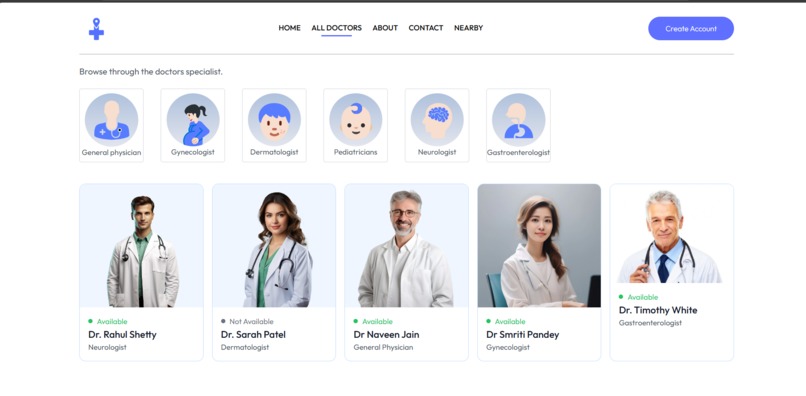
book appointments online
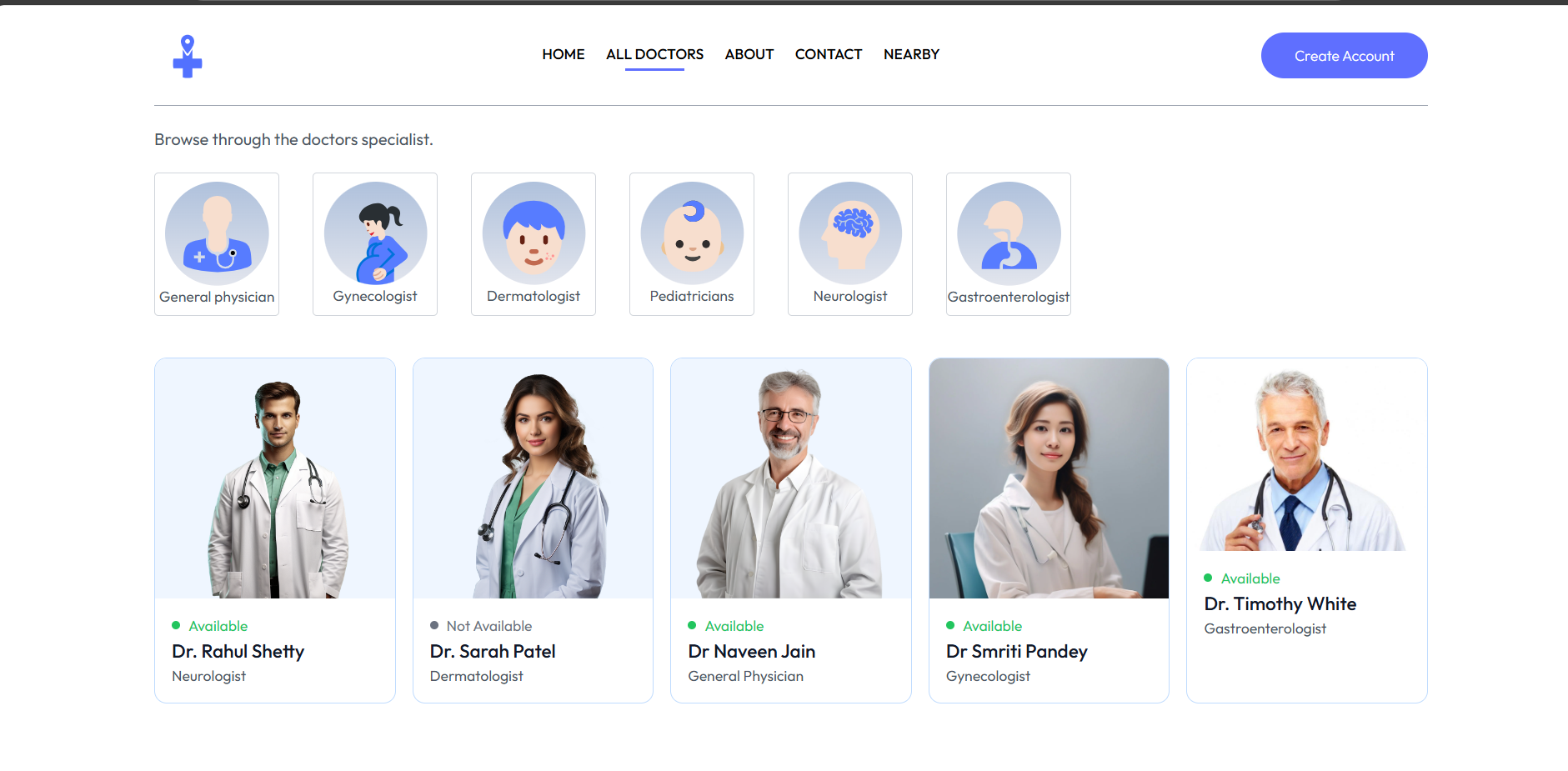
Inspiration
Access to quality healthcare should be universal, yet many people in remote or underserved areas face significant challenges in receiving timely medical assistance. Our inspiration for InstaMed stems from a desire to bridge this gap, leveraging technology to provide healthcare services that are accessible, convenient, and impactful, regardless of geographical constraints.
What it does
InstaMed connects patients to healthcare providers through a dual-mode consultation system. Users can choose video consultations for minor health issues or in-person visits for more serious concerns. The platform also integrates real-time mapping to show the nearest available hospitals or clinics and calculates travel distances. Additionally, InstaMed enables seamless appointment booking and secure payment processing for a comprehensive healthcare experience.
How we built it
We developed InstaMed using the MERN stack, ensuring a responsive and efficient application. The frontend is built with React to provide a user-friendly interface, while Node.js and Express handle the backend server operations. MongoDB is used as the database to store user information and appointment data. For real-time mapping and location services, we integrated the OpenStreetMap API, allowing users to locate nearby healthcare facilities with ease.
Challenges we ran into
We encountered several challenges, including managing real-time data for accurate distance calculations, integrating secure payment processing, and ensuring a smooth user experience across different devices and connectivity levels. Debugging and optimizing the mapping API integration also required careful adjustments to meet the project’s requirements effectively.
Accomplishments that we're proud of
We’re proud to have created a functional, user-centered app that addresses a critical need for accessible healthcare. Successfully integrating dual consultation options, real-time mapping, and secure payment capabilities in a seamless way was a significant achievement. Seeing the platform work effectively and understanding its potential to impact lives has been incredibly rewarding.
What we learned
Throughout the development of InstaMed, we deepened our knowledge of the MERN stack, particularly in handling API integrations and ensuring smooth interactions between the frontend and backend. We also learned the importance of designing with user experience in mind, especially when dealing with essential services like healthcare.
What's next for InstaMed
Moving forward, we plan to expand InstaMed’s features by incorporating multilingual support, AI-based health insights, and personalized health tracking for a more holistic approach. Our goal is to continually refine the app to better serve diverse populations and further reduce barriers to quality healthcare access.


Log in or sign up for Devpost to join the conversation.