-
-
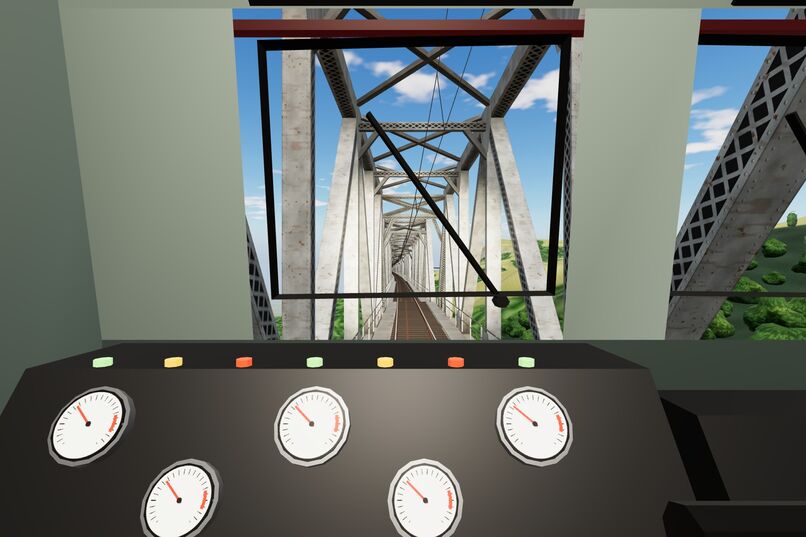
Drive the Indian locomotives
-
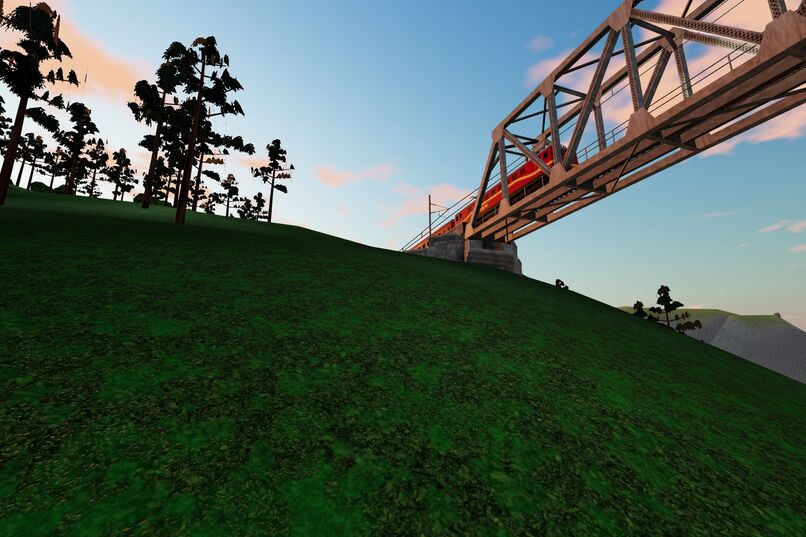
Construct real life bridges
-
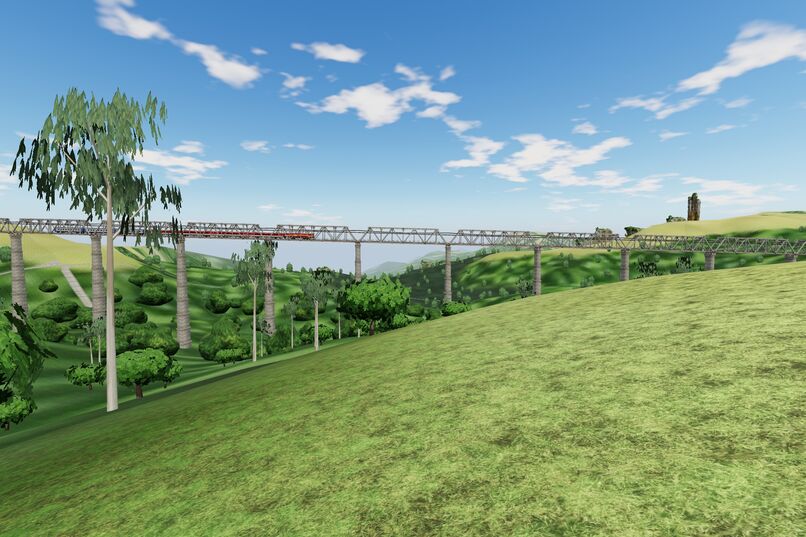
-
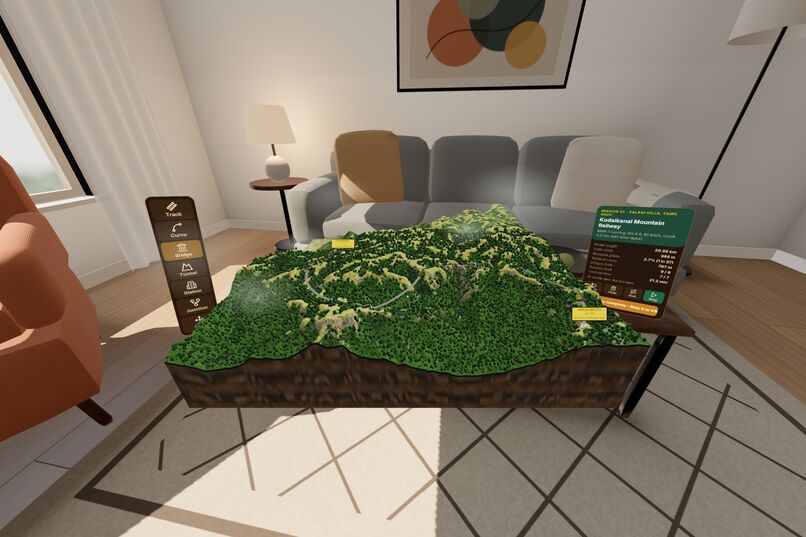
Build the train track in Ar setup
-
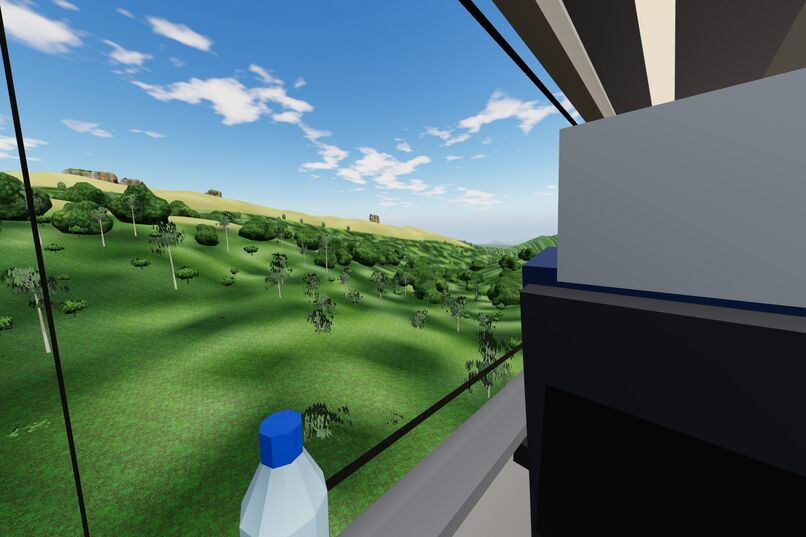
travel through out the journey as a passenger
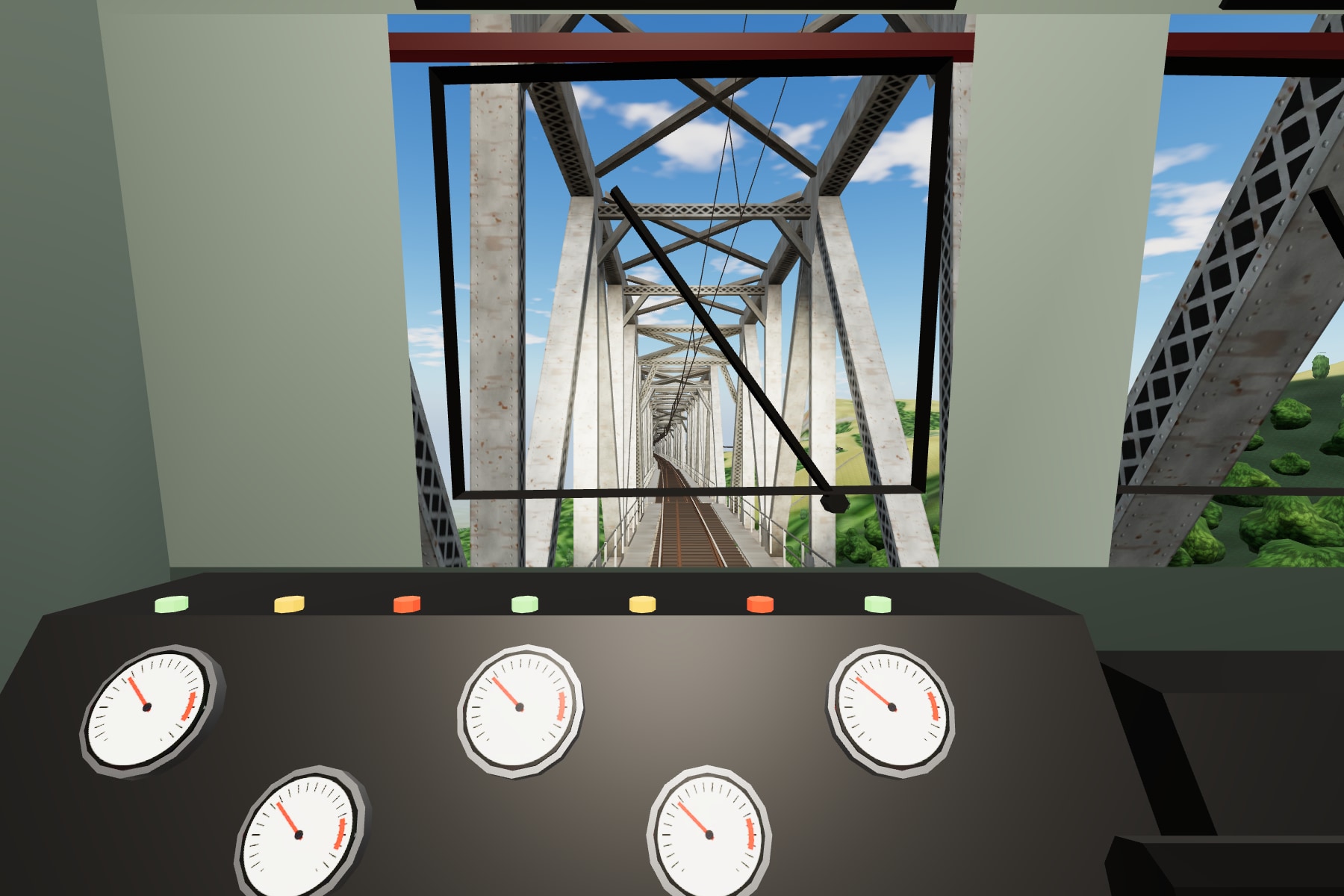
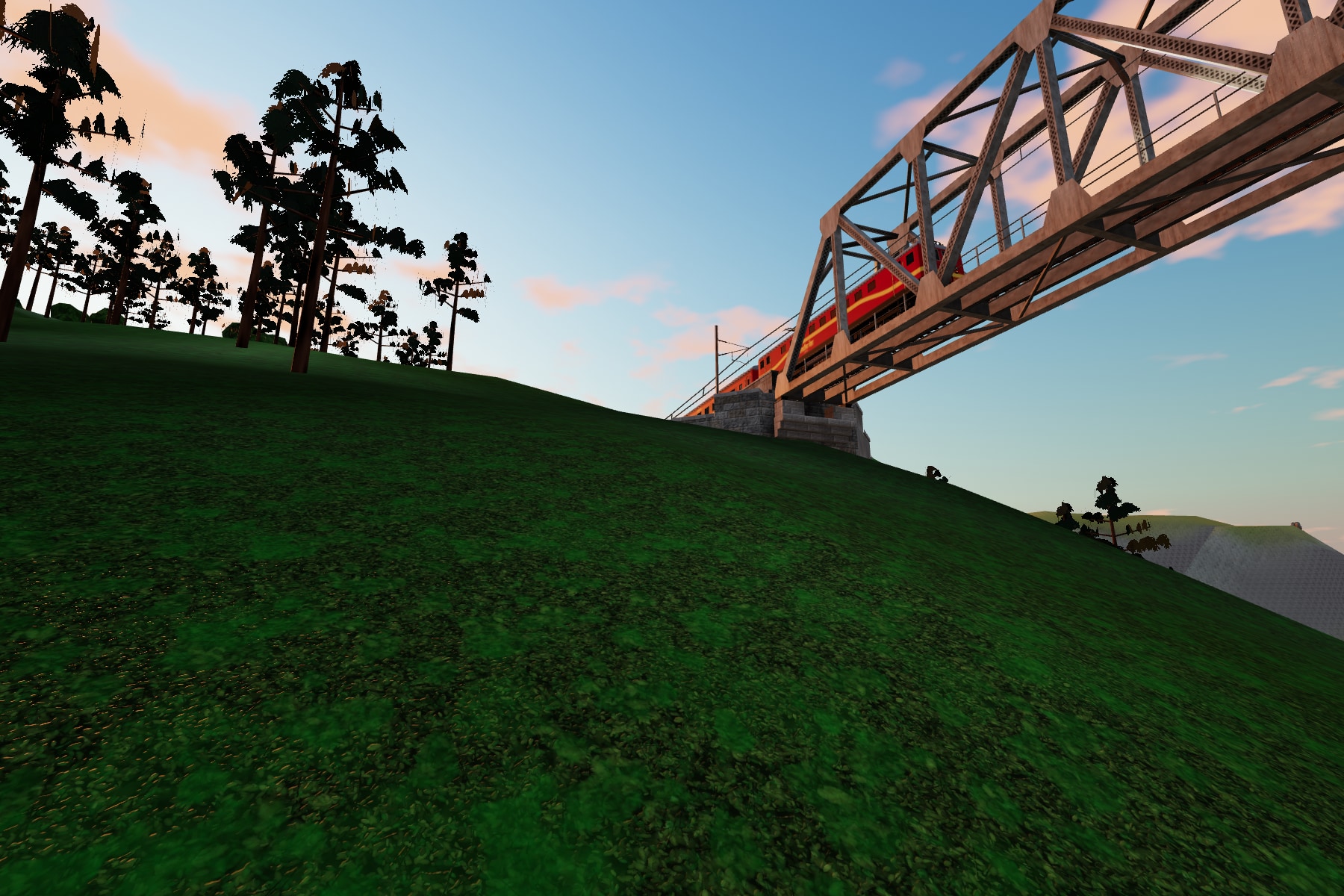
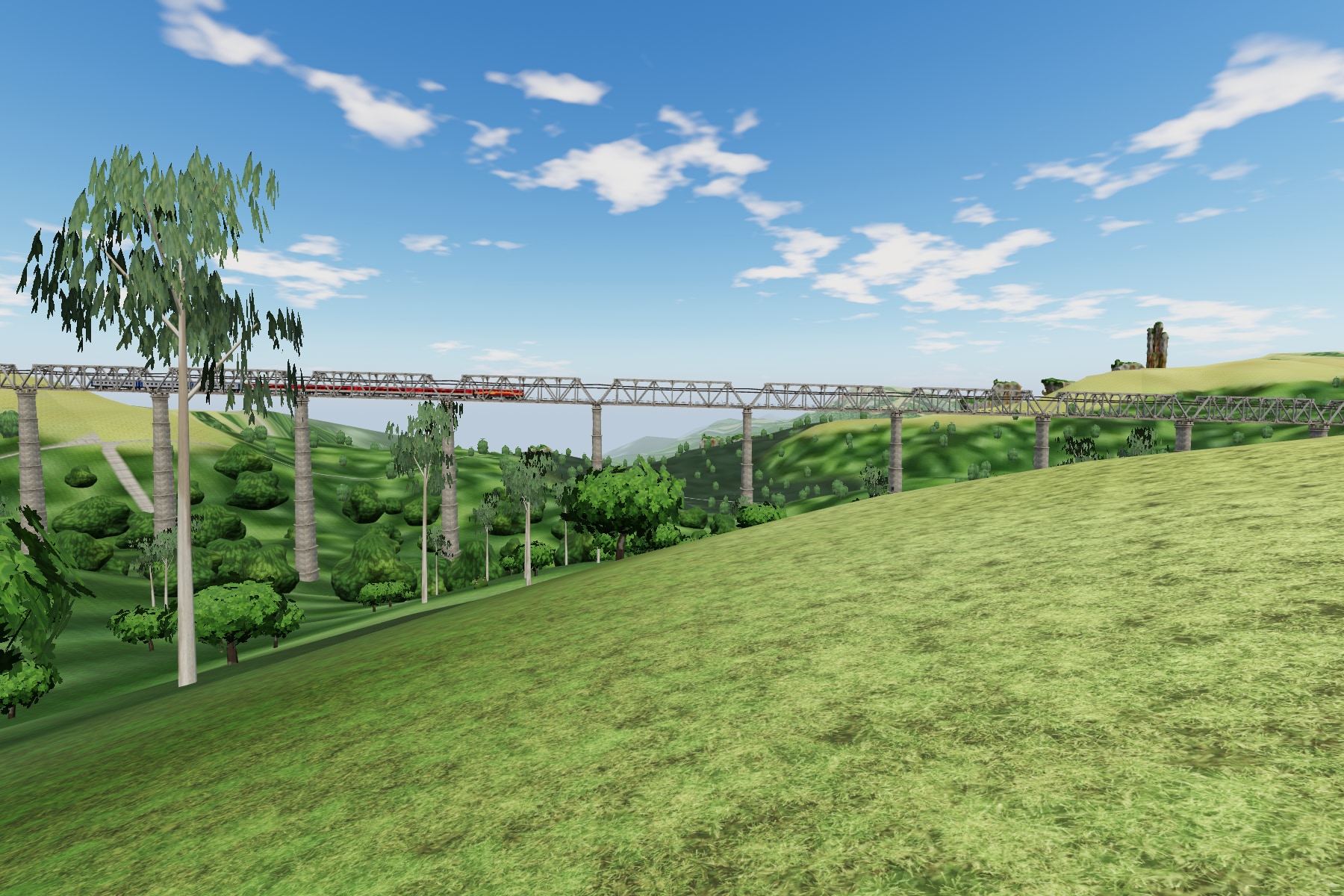
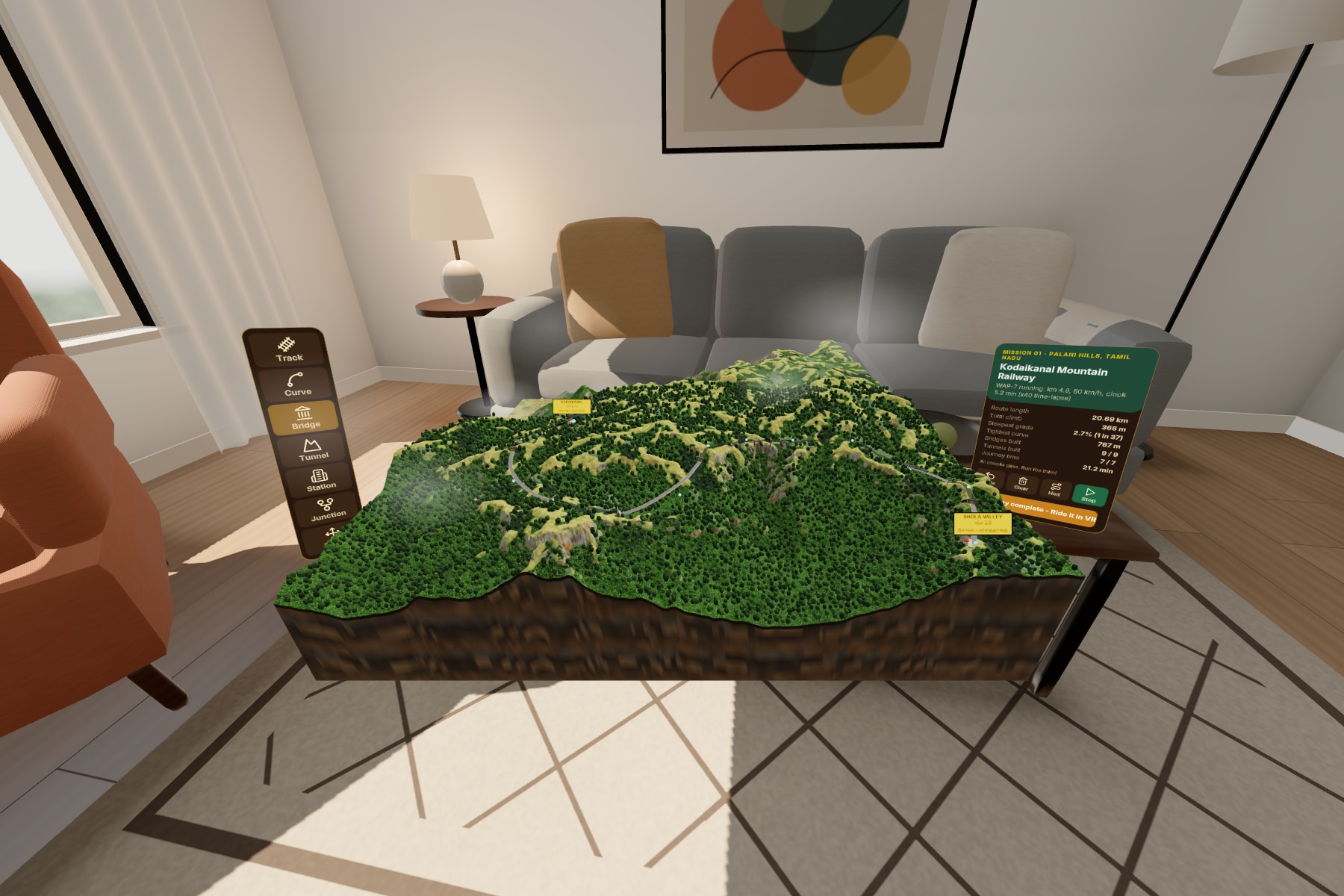
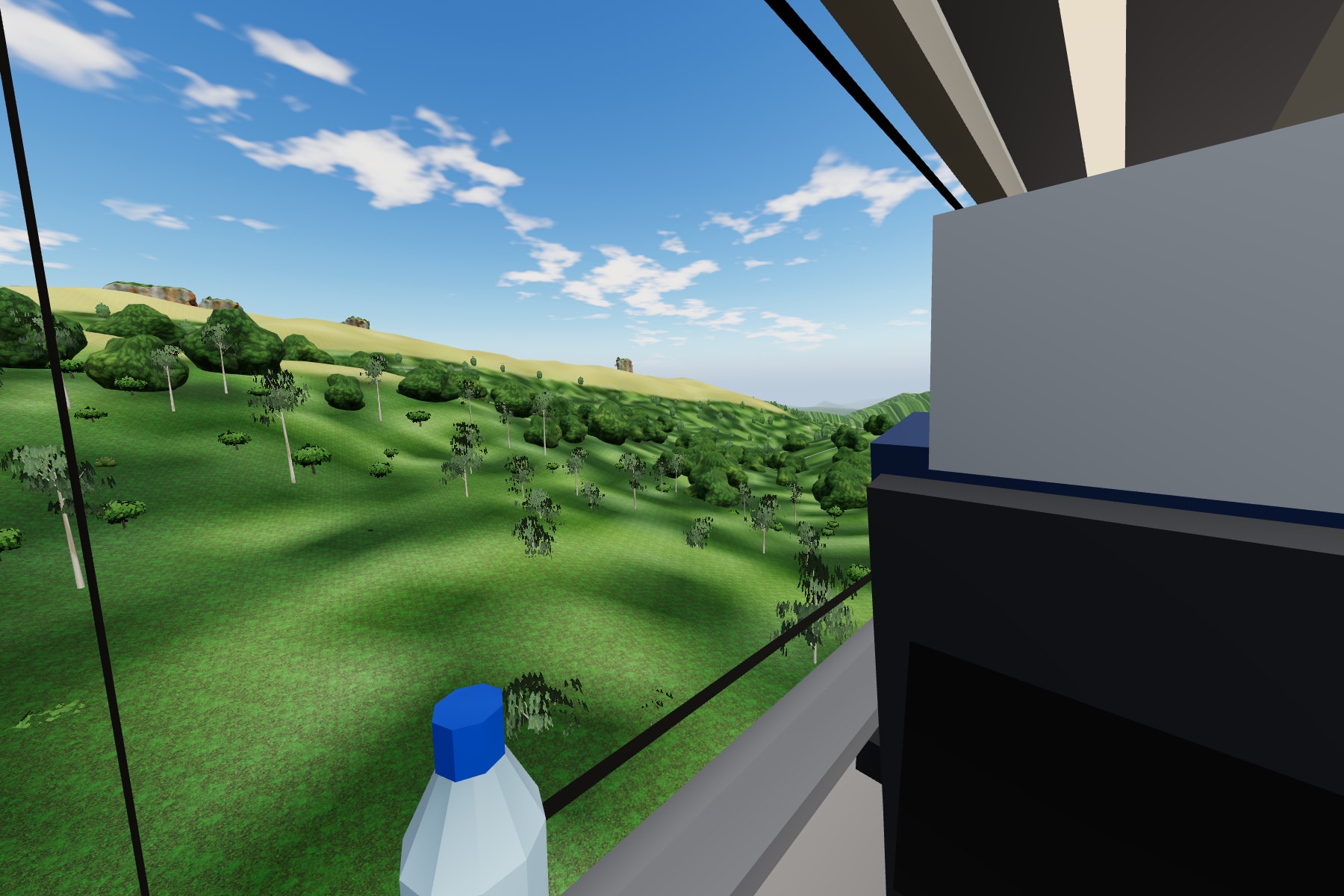
Indian Railway Odyssey India's railway network is more than a means of transportation; it is a living story of engineering, culture, history, and human connection. From the busy railway stations of metropolitan cities to the breathtaking landscapes of the Western Ghats, every railway journey has a story to tell. This was the inspiration behind Indian Railway Odyssey — an attempt to transform the experience of exploring Indian railways into an immersive and interactive virtual adventure.
We wanted to create something beyond a conventional train simulator. Most existing railway games focus primarily on driving trains, managing signals, or completing predefined routes. However, we envisioned an experience where users could understand the railway system from a much broader perspective. What if someone could experience the journey of an Indian train, explore its surroundings, understand the engineering behind railway infrastructure, and become part of the story rather than simply controlling a locomotive? This thought became the foundation of Indian Railway Odyssey.
The game takes users on an immersive journey through the world of Indian railways, where they can explore realistic Indian train models, experience railway environments, and discover the engineering and operational aspects that make these journeys possible. Rather than presenting information through conventional lessons or instructions, we wanted learning to happen naturally through exploration and interaction. Every journey is designed to introduce users to a different aspect of Indian railway infrastructure, allowing them to experience the sights, sounds, and atmosphere of railway travel in a virtual environment.
Building this experience required bringing together multiple elements, including realistic 3D environments, train modelling, interactive storytelling, and immersive VR experiences. We focused on representing Indian railway scenarios as authentically as possible, paying attention to train appearance, railway stations, tracks, surrounding landscapes, and the overall atmosphere of an actual railway journey. The idea was to make users feel as though they were stepping into a real railway environment rather than interacting with an ordinary digital game. We also explored how storytelling could guide users through different experiences without making the application feel like a traditional educational platform.
One of the biggest challenges we encountered was translating the complexity and diversity of Indian railways into an engaging virtual experience. Indian railway infrastructure varies significantly across regions, from densely populated urban stations to mountainous routes, bridges, tunnels, and rural landscapes. Recreating these environments while maintaining realism and an enjoyable user experience required careful consideration. Another challenge was finding the right balance between educational value and entertainment. We did not want users to feel that they were attending a virtual classroom. Instead, we wanted every interaction to feel like a meaningful part of their journey. Ensuring that the experience remained immersive, intuitive, and accessible was equally important.
What makes Indian Railway Odyssey particularly exciting for us is the opportunity to present Indian railways in a way that has not been commonly explored in conventional gaming experiences. We are proud of the idea of combining railway simulation, immersive storytelling, and practical learning into a single experience. More importantly, we are proud that the concept is rooted in something familiar to millions of Indians. Railway journeys are deeply connected to our everyday lives, memories, and culture. By bringing these experiences into a virtual environment, we aim to create a connection between entertainment, technology, and the engineering that powers one of the world's largest railway networks.
Throughout this journey, we learned that building an immersive experience involves much more than creating visually appealing 3D models. A successful VR experience depends on how naturally users interact with the environment, how effectively the story guides their attention, and how realistically the virtual world responds to their actions. We also realised the importance of understanding the actual engineering and operational principles behind railway systems before attempting to represent them digitally. Most importantly, we learned that learning becomes significantly more engaging when users are allowed to experience, explore, and interact with concepts instead of simply reading about them.
Our vision for Indian Railway Odyssey extends far beyond its initial experience. We aim to expand it into a comprehensive virtual railway ecosystem where users can explore different Indian train models, travel across geographically diverse railway routes, understand railway construction and infrastructure, and experience the challenges involved in operating and maintaining railway systems. We also envision introducing more interactive scenarios, realistic railway operations, route exploration, and advanced VR interactions that allow users to become active participants in the railway environment.
Ultimately, Indian Railway Odyssey is not just about experiencing a train journey; it is about discovering the engineering, stories, and experiences behind every journey. We want users to see Indian railways through a completely different perspective — not merely as passengers, but as explorers, learners, and enthusiasts.
Every track has a story. Every journey has a purpose. And every explorer has an odyssey waiting to begin.
