-
-
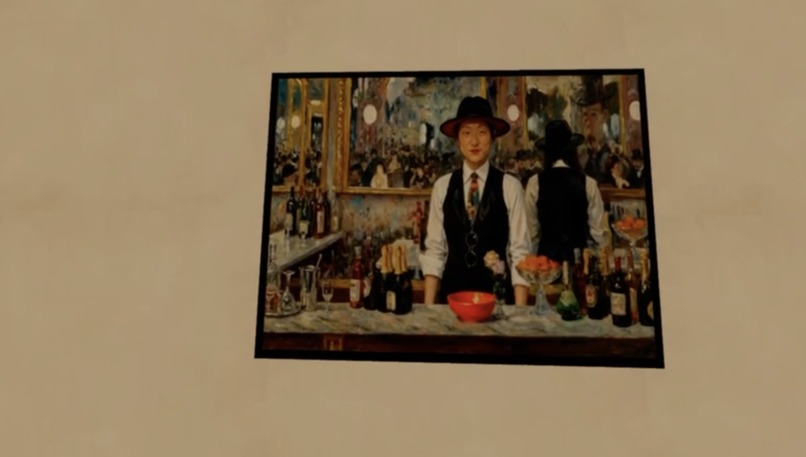
-
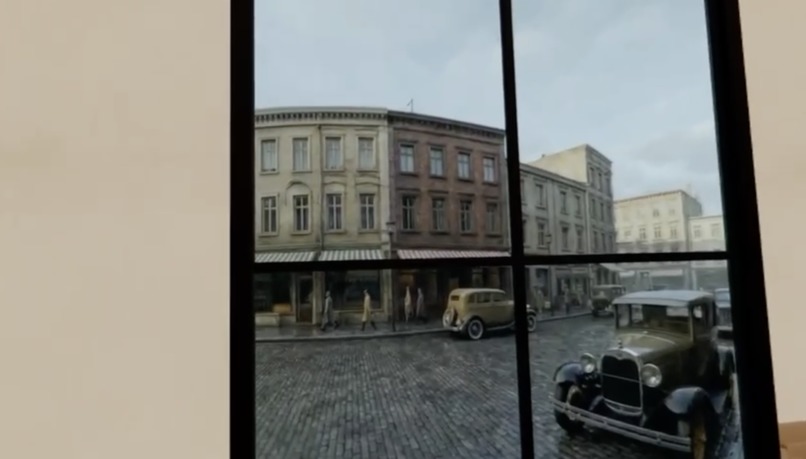
-
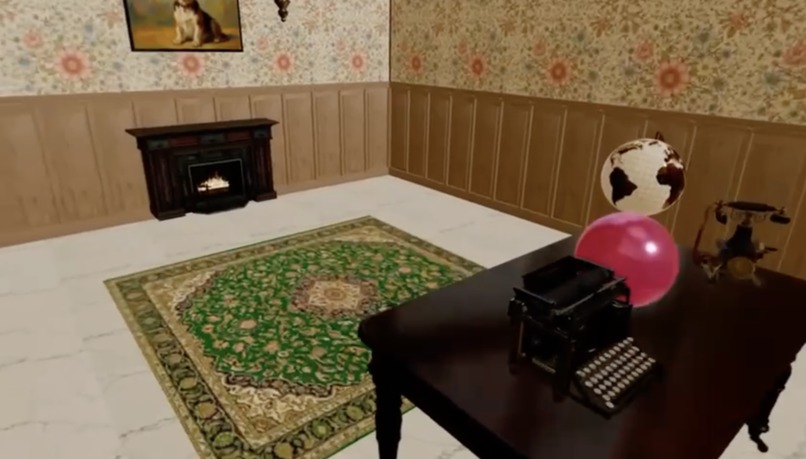
-

-

-

-
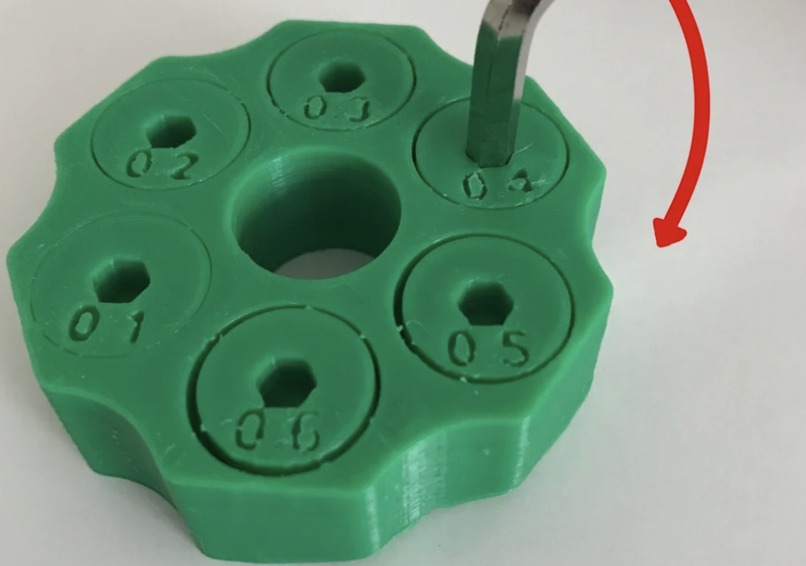
Key to room for Super Power

Inspiration
We wanted to eliminate the barrier between imagination and world-building. Game designers, filmmakers, and storytellers spend hours building environments manually. Our inspiration was simple: What if someone could design an entire room or scene just by speaking? HoloDraft was created to make creativity instant, intuitive, and accessible.
What it does
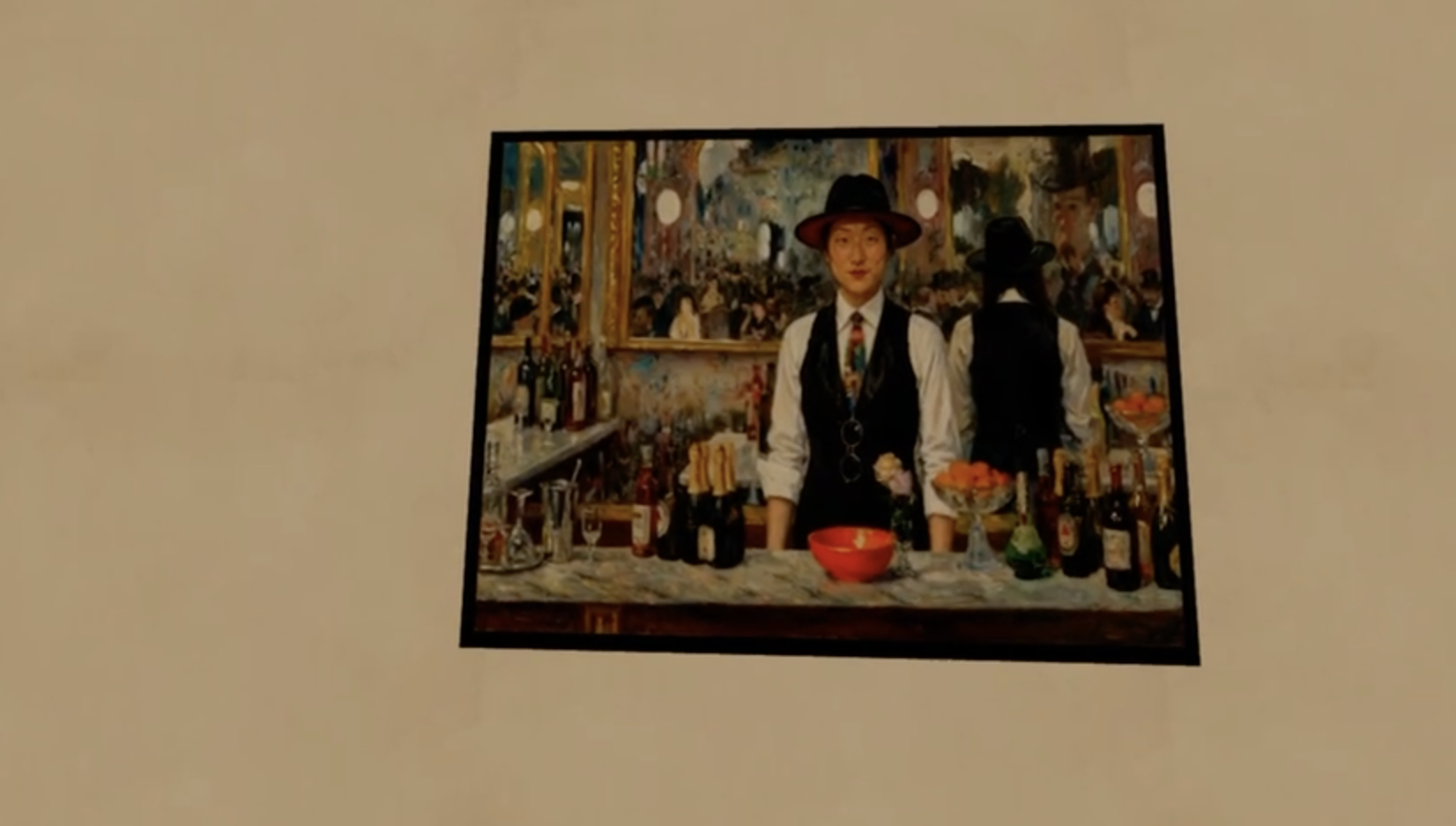
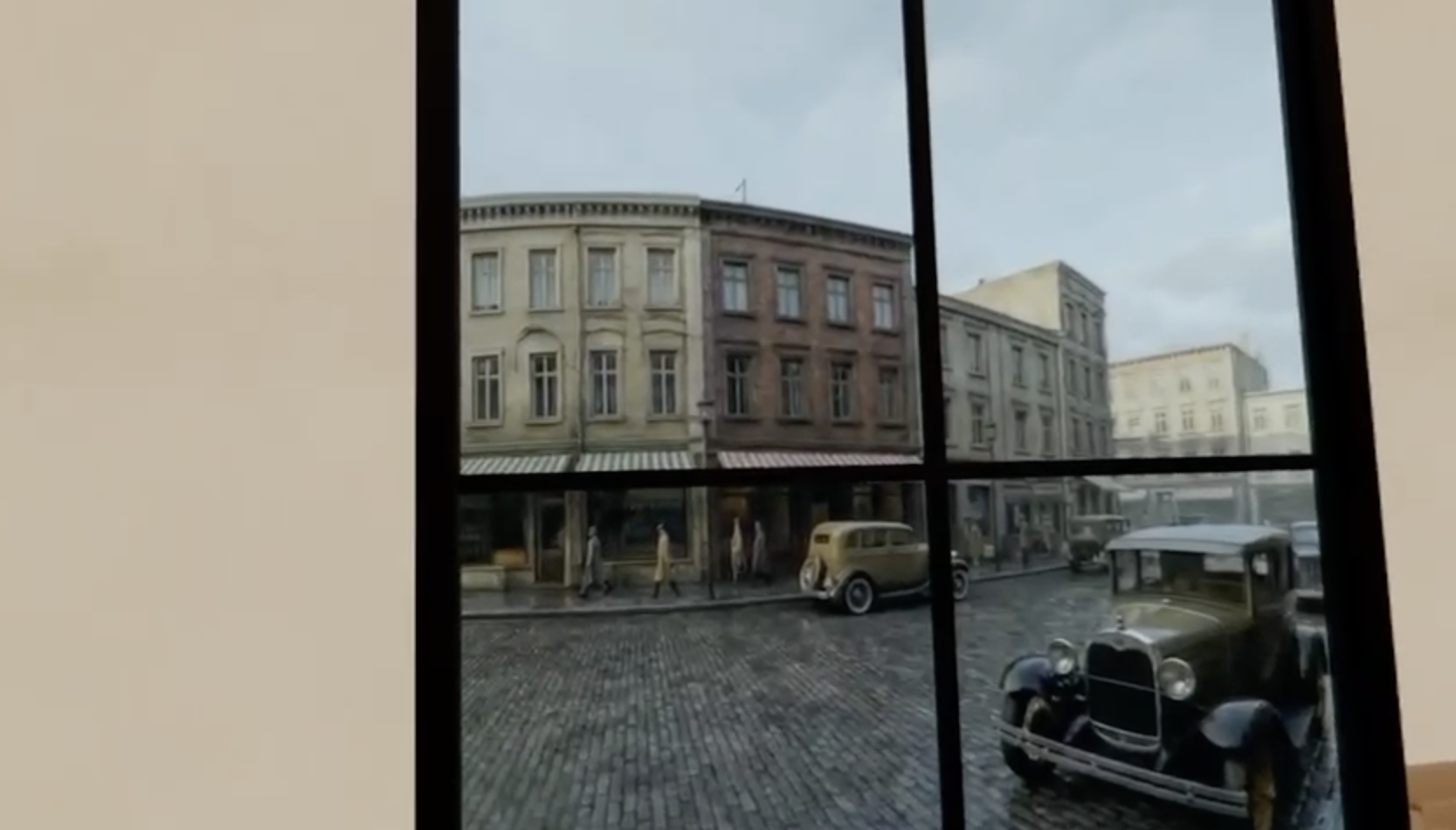
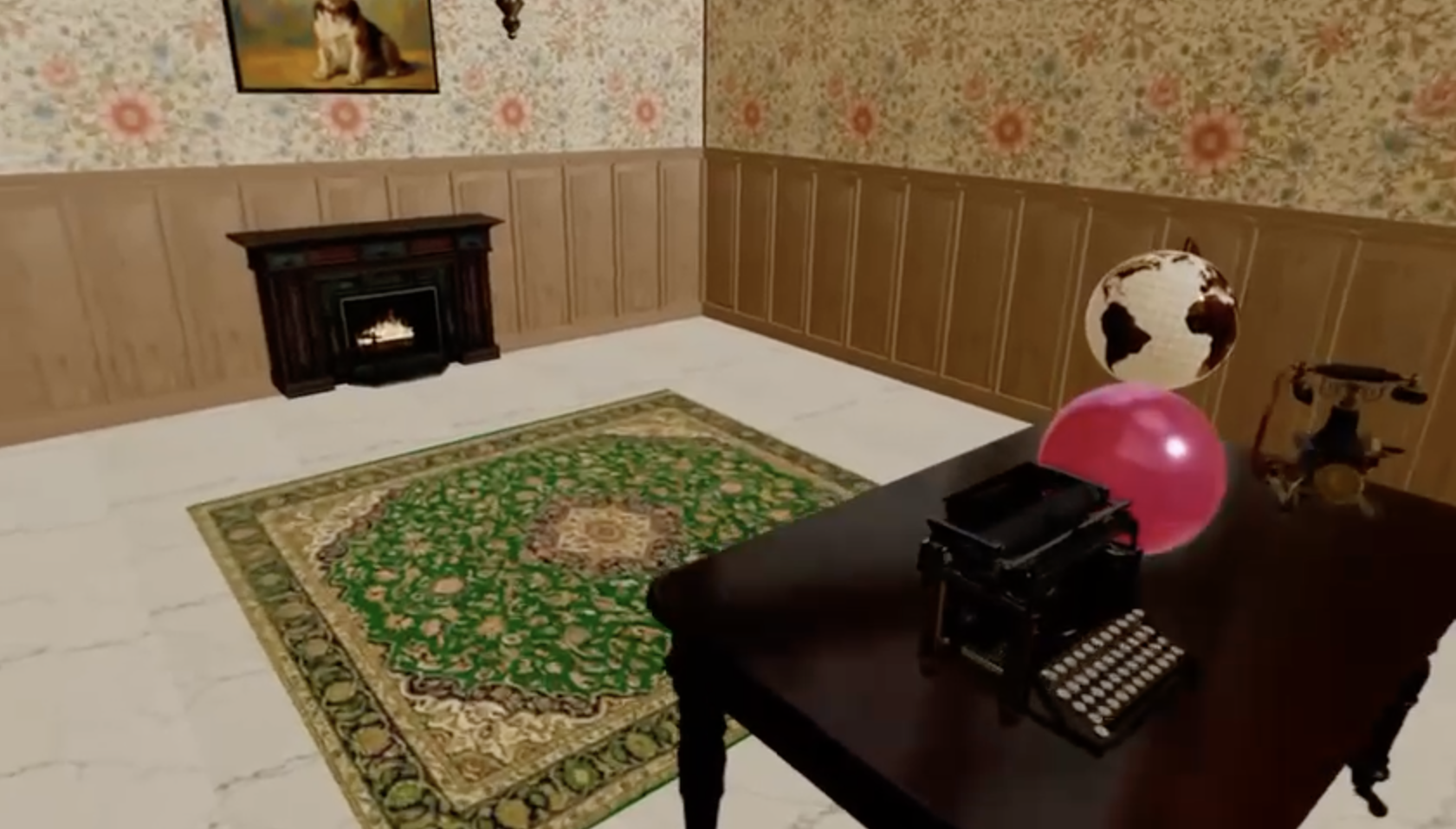
HoloDraft is an AI-powered Room Designer for games, storytelling, and filmmaking. Users describe a room with text or voice, and HoloDraft instantly generates a 3D environment. They can then edit the entire scene using voice prompts, such as: “Add neon lights and make the room darker.” “Replace the bookshelf with a sci-fi control panel.” “Turn this into a medieval tavern for my story.” HoloDraft becomes the fastest way to draft, iterate, and visualize creative worlds.
How we built it
Used AI language models to convert prompts into structured 3D scene definitions. Built a GLB-driven 3D engine that loads, modifies, and updates environments in real time. Implemented speech-to-text for seamless voice-based editing. Used custom models for object placement, lighting, style, and mood transformations. Created a lightweight browser interface optimized for fast prototyping and storytelling workflows.
Challenges we ran into
Turning free-form voice instructions into specific spatial changes was difficult. Ensuring logical object placement without breaking physics took several iterations. Keeping real-time rendering smooth while loading complex GLB models was challenging. Designing a prompt-diff system that understands edits, not just fresh prompts, required deep experimentation. Balancing creative freedom with engine constraints pushed both our design and technical limits.
Accomplishments that we're proud of
Built a working voice-editable 3D room generator within hackathon time. Achieved real-time visual updates based on natural speech commands. Integrated storytelling cues with spatial generation — a breakthrough moment. Delivered a UX where anyone, not just 3D artists, can create rooms instantly. Produced a demo that felt magical for users and judges alike.
What we learned
Voice is becoming the most natural interface for creative tools. Translating emotions (“make this room feel tense”) into spatial design is powerful. Iteration must be rapid—creators think in changes, not full rewrites. AI + 3D design must be grounded in user intuition, not technical complexity. Collaboration across AI, UX, and graphics results in exponential progress.
What's next for 1201-SF28 HoloDraft
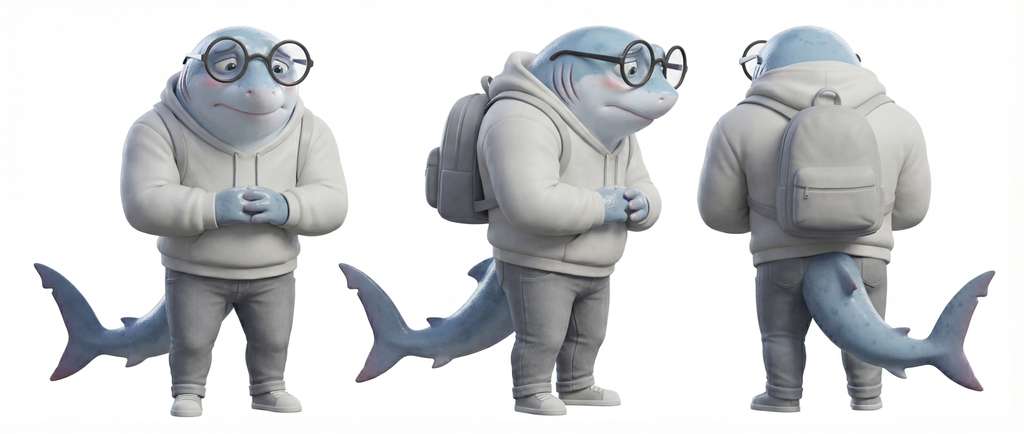
Add characters and props that users can place with voice. Enable multi-room and full world generation. Integrate HoloDraft into Unity, Unreal, Blender for production workflows. Add a story mode, where scenes evolve dynamically based on narration. Build collaborative editing, allowing teams to create worlds together in real time. Evolve HoloDraft into a universal AI world-building tool for games, films, and immersive storytelling.
Built With
- 3d
- antigravity
- shipbuild
- unity


Log in or sign up for Devpost to join the conversation.