-
-
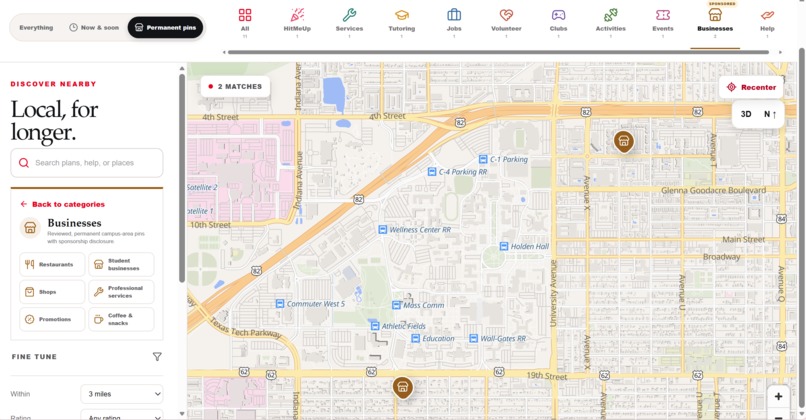
General map view with filters
-
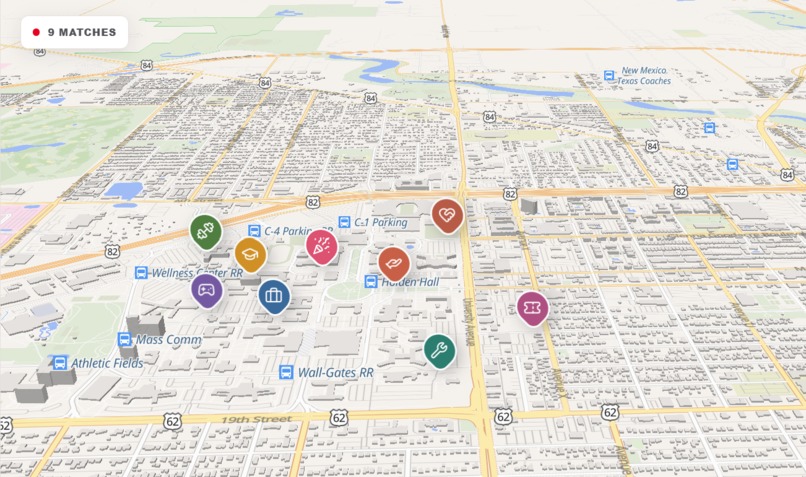
Dynamic map view
-
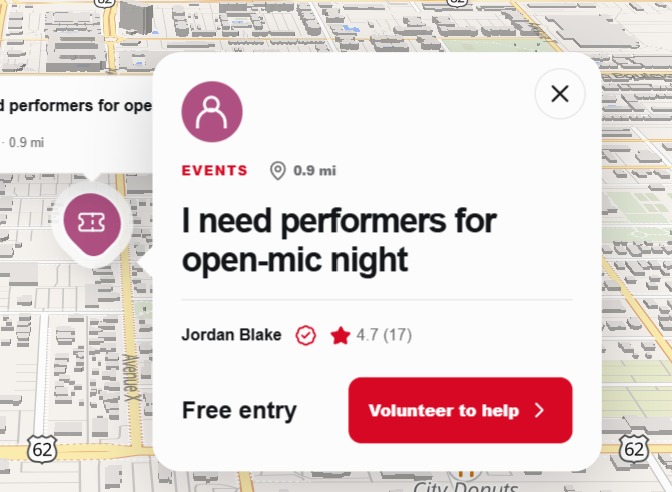
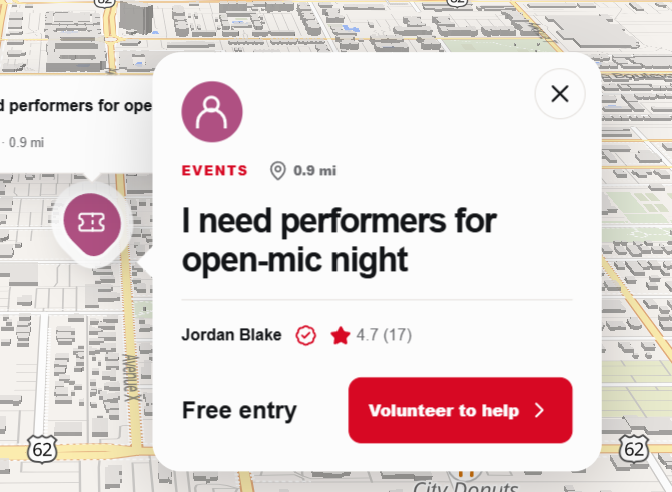
Information bubble when u click a pin
-
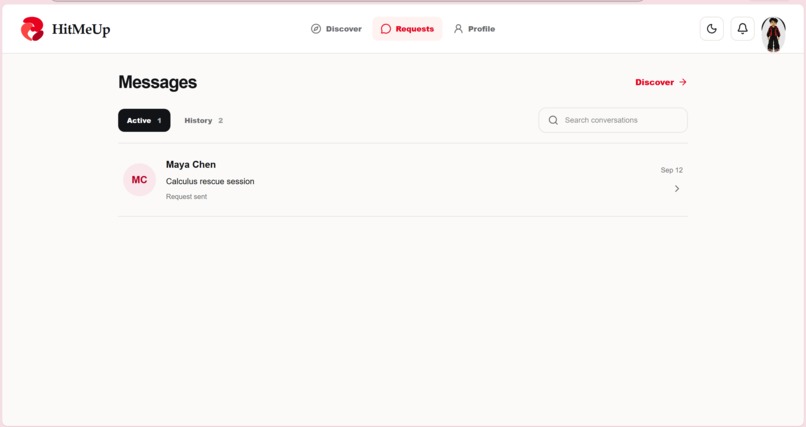
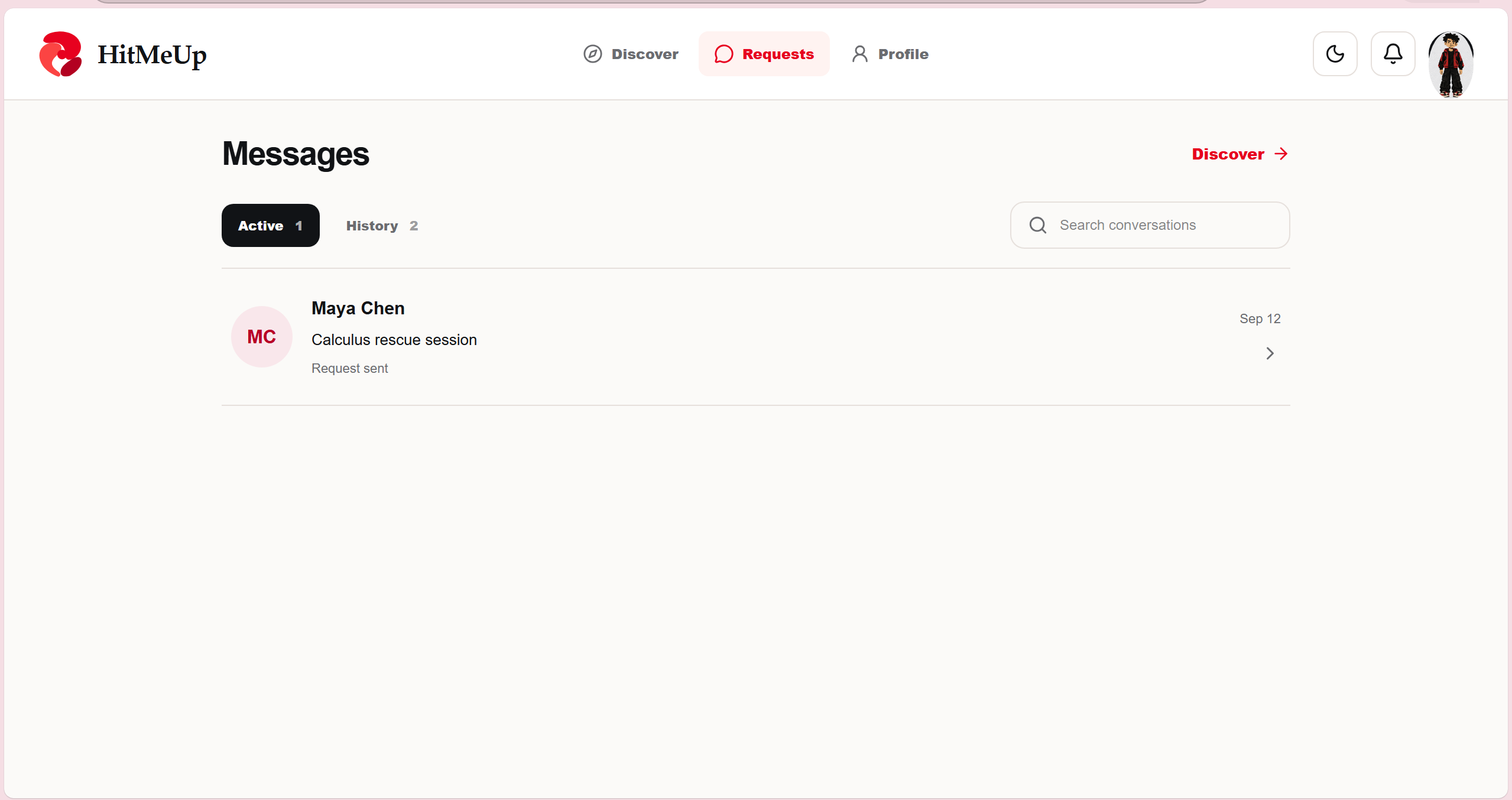
Chat and meet requests
-
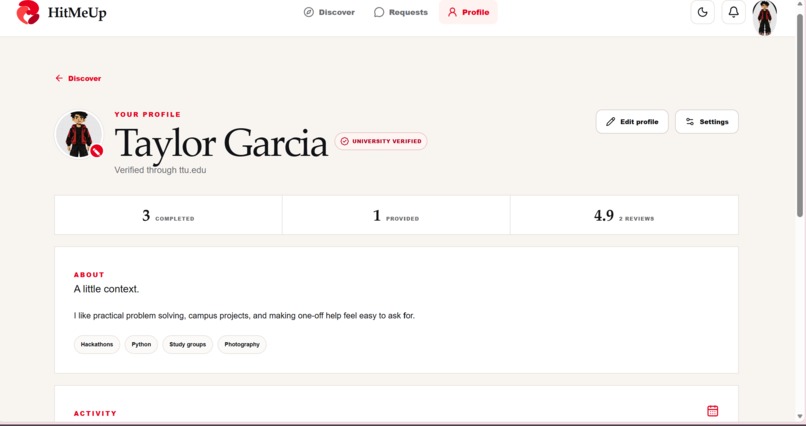
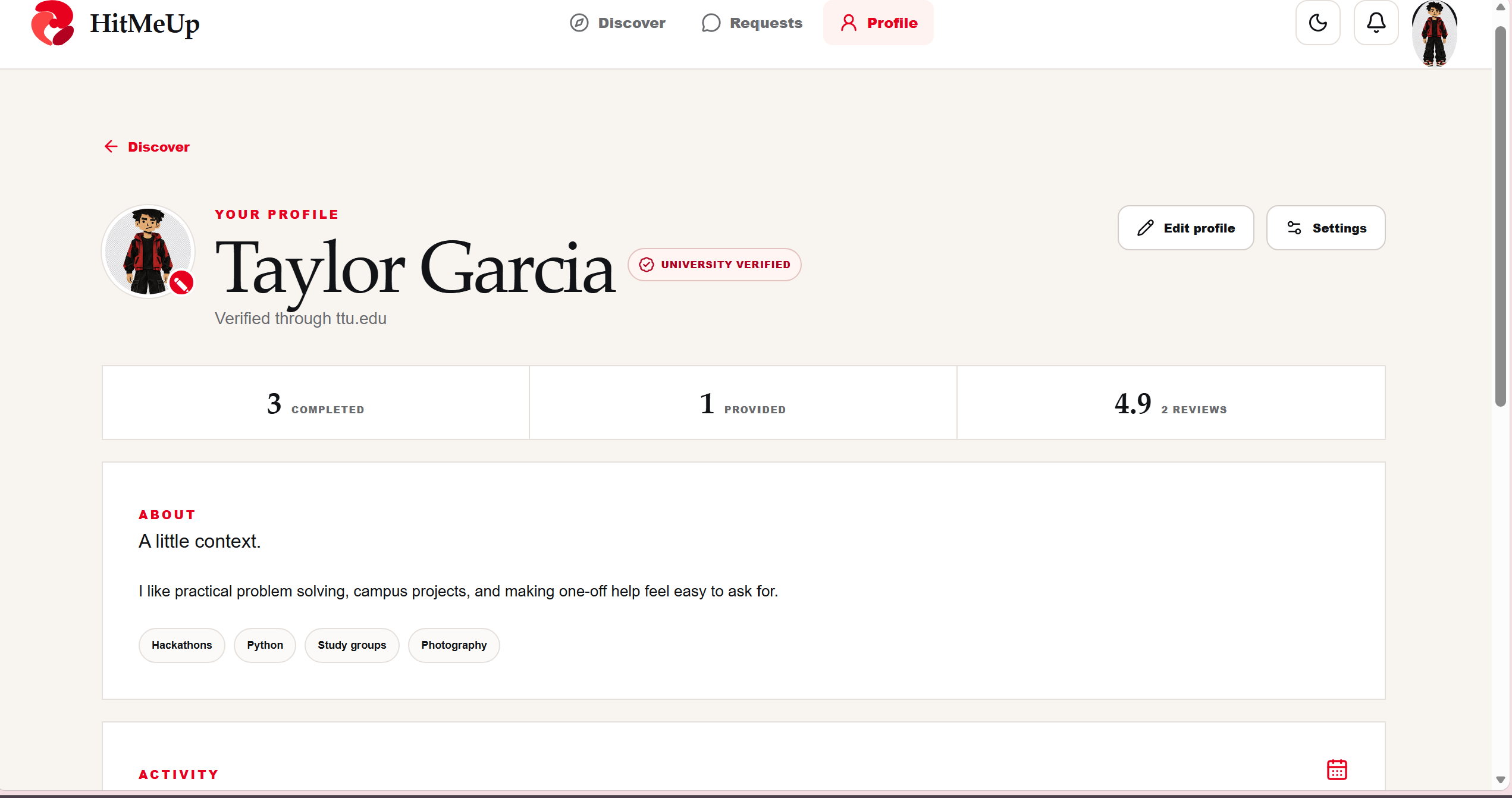
Personal information
-
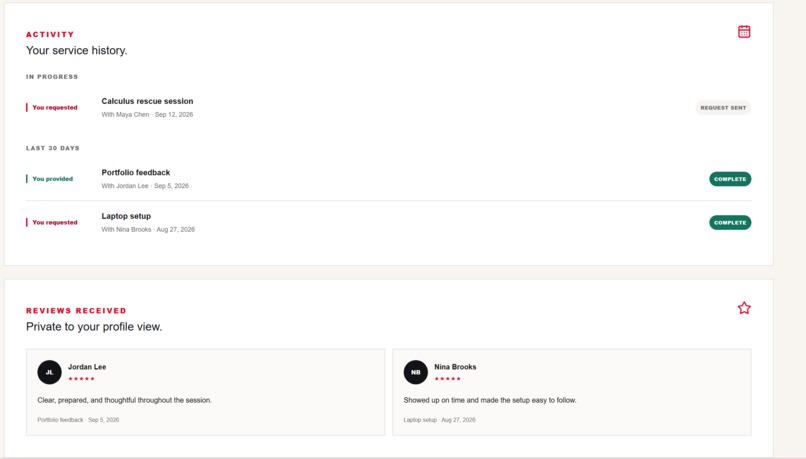
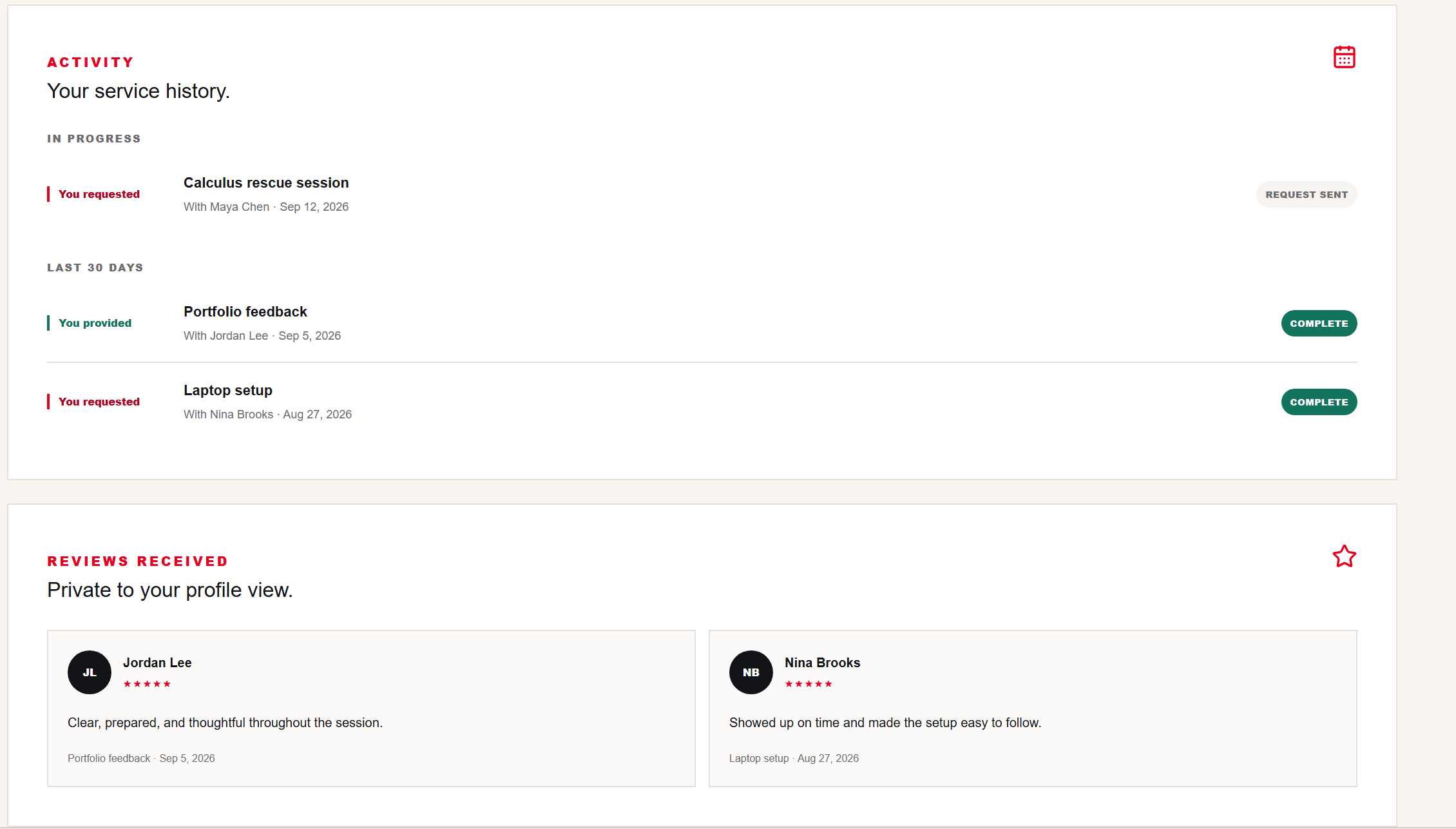
Ratings (shows on your profile)
-
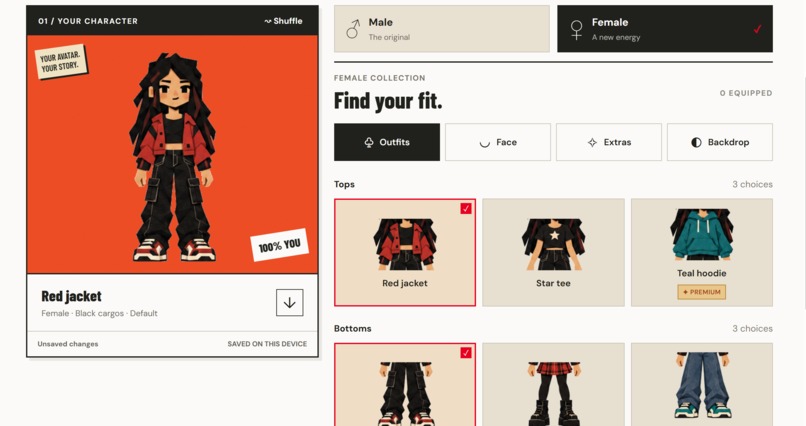
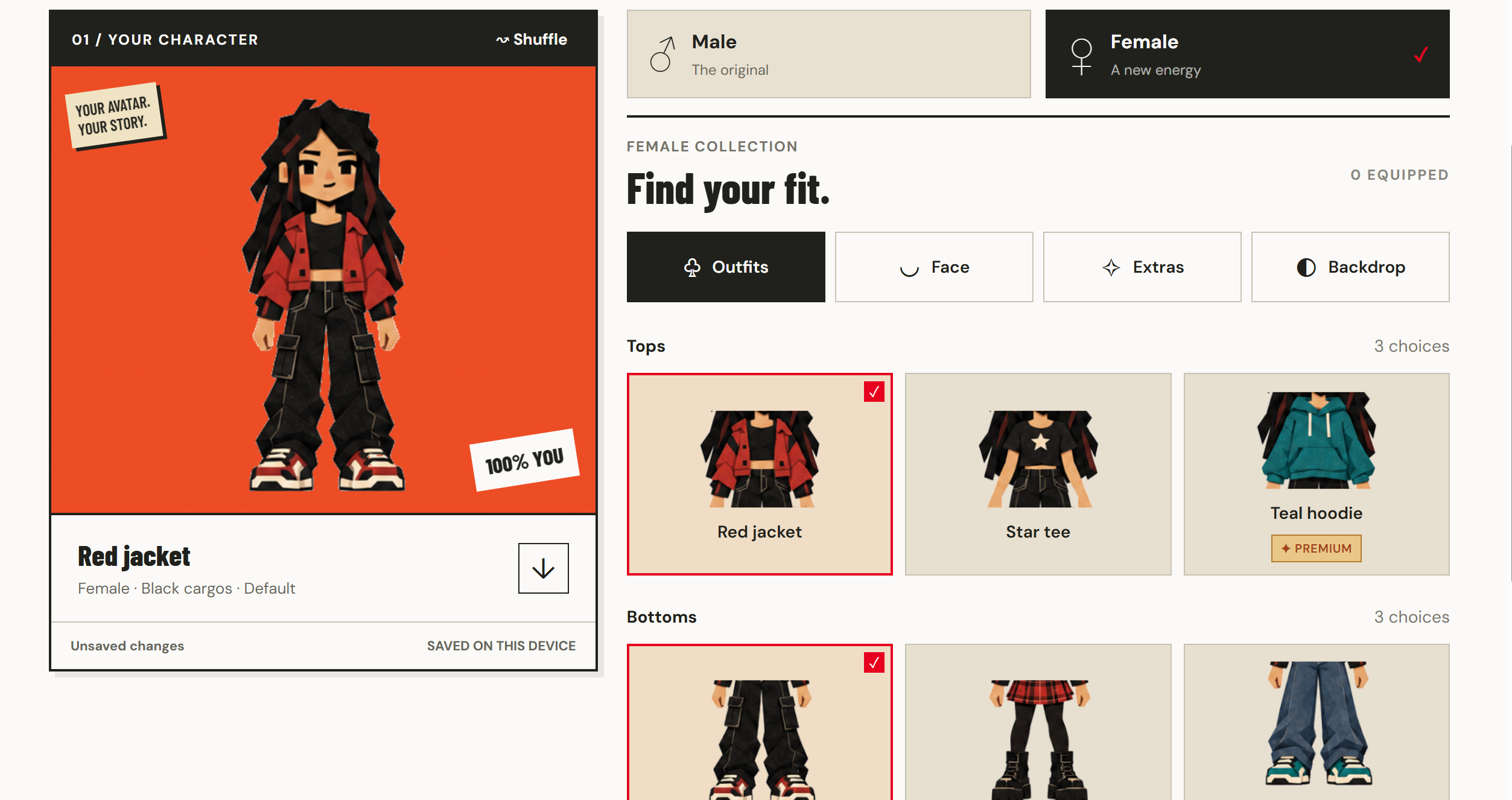
Female avatar customizations
-
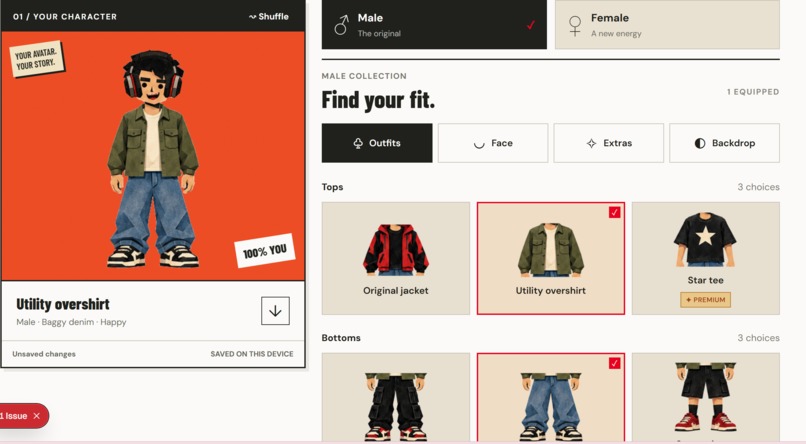
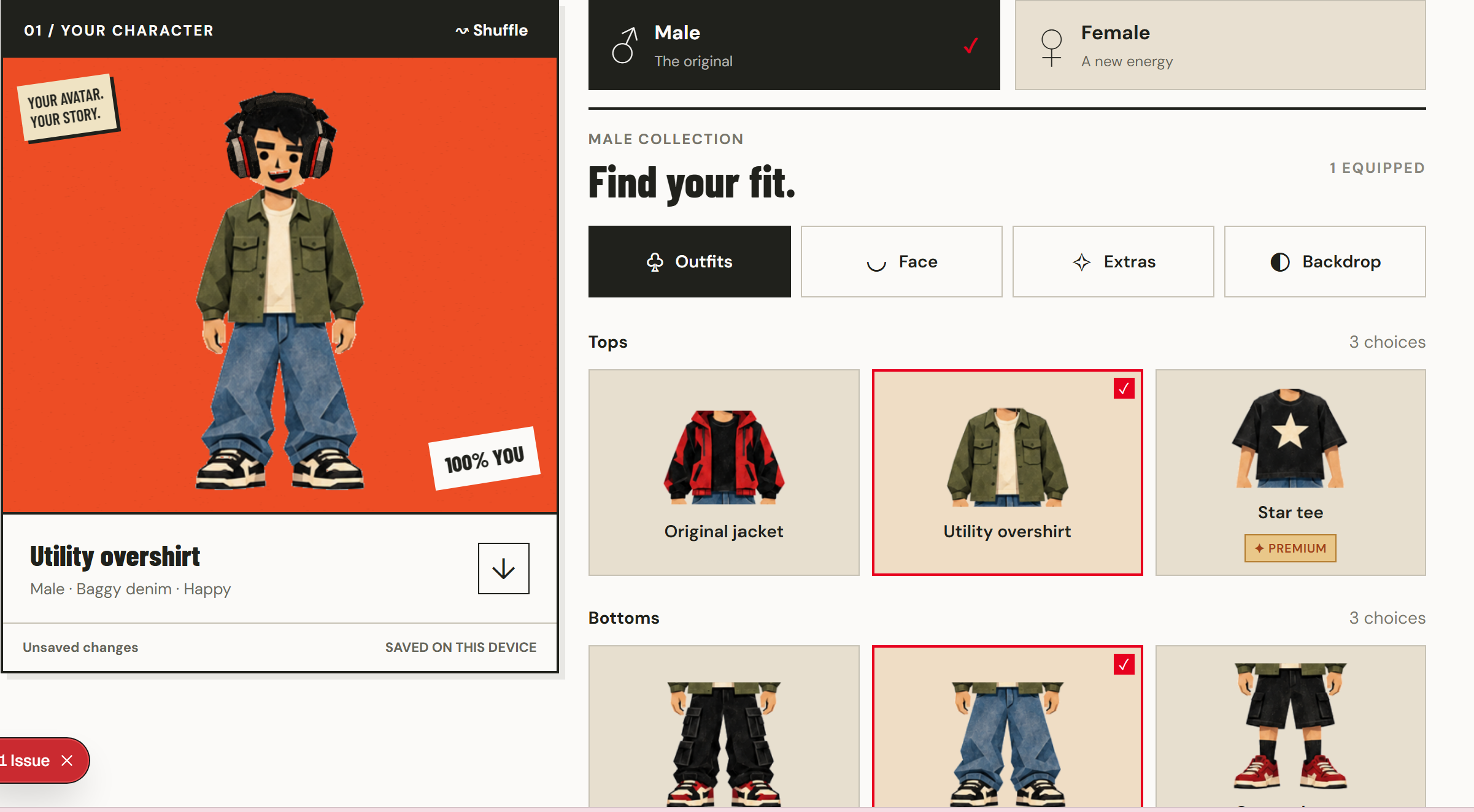
Male avatar customizations
-
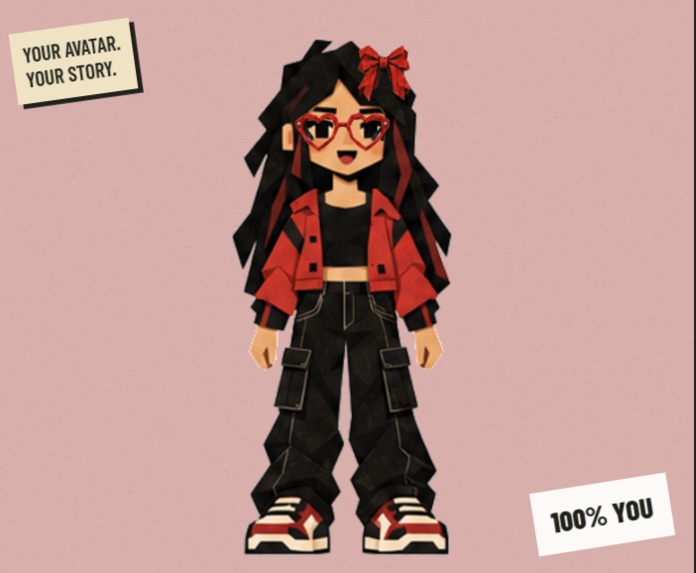
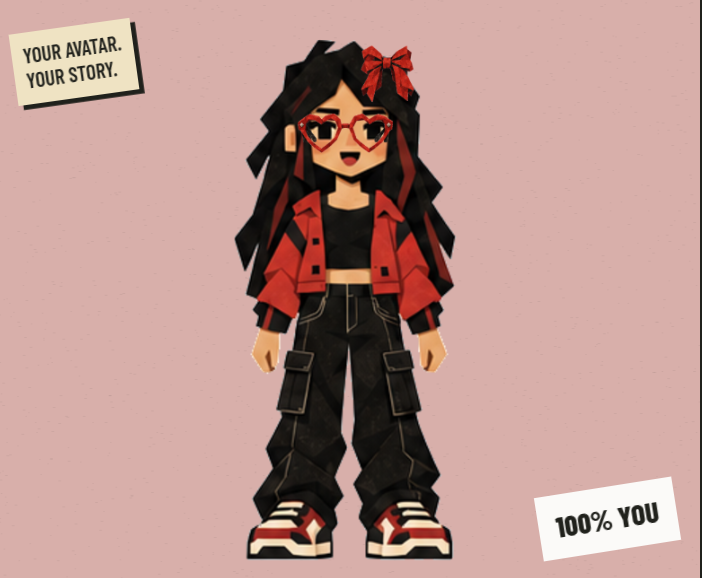
Female avatar example
-
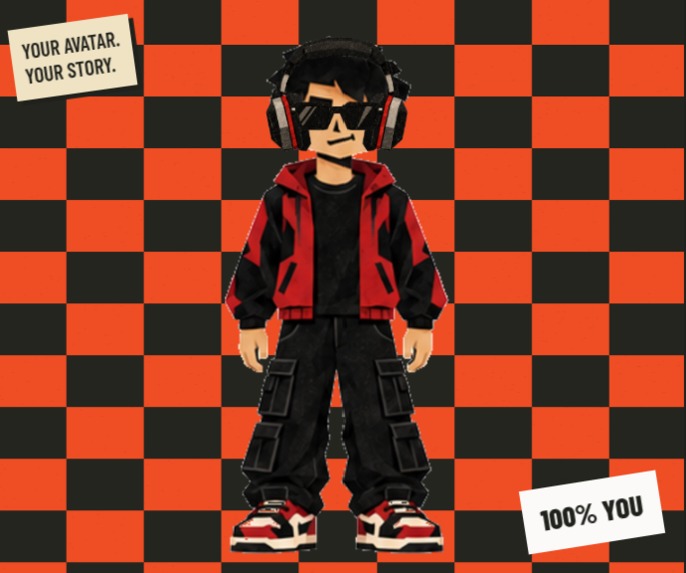
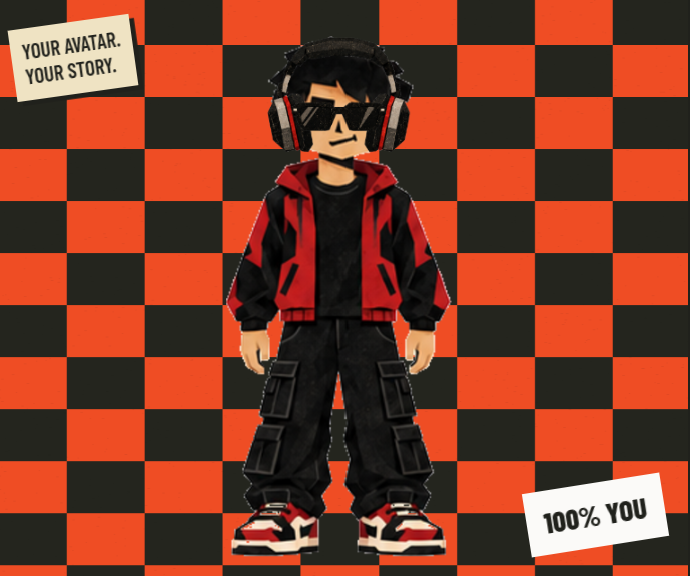
Male avatar example
-

Paid Accesories tab

Inspiration
We are CrackX, the HackWesTX team behind HitMeUp.
For this hackathon, we wanted to build something that matched the Beyond the Feed theme in a simple way. Campus life is full of small moments when you need another person. You might need help carrying a desk, someone to explain a calculus problem, or a few people for a pickup game. Finding that person usually means posting in a large group chat, sharing too much on social media, or giving up.
As a group, we liked the idea of using technology to get people off their phones instead of keeping them scrolling. That became the starting point for HitMeUp.
What it does
HitMeUp is a campus marketplace where verified students can ask for help, offer a service, or find something to do nearby.
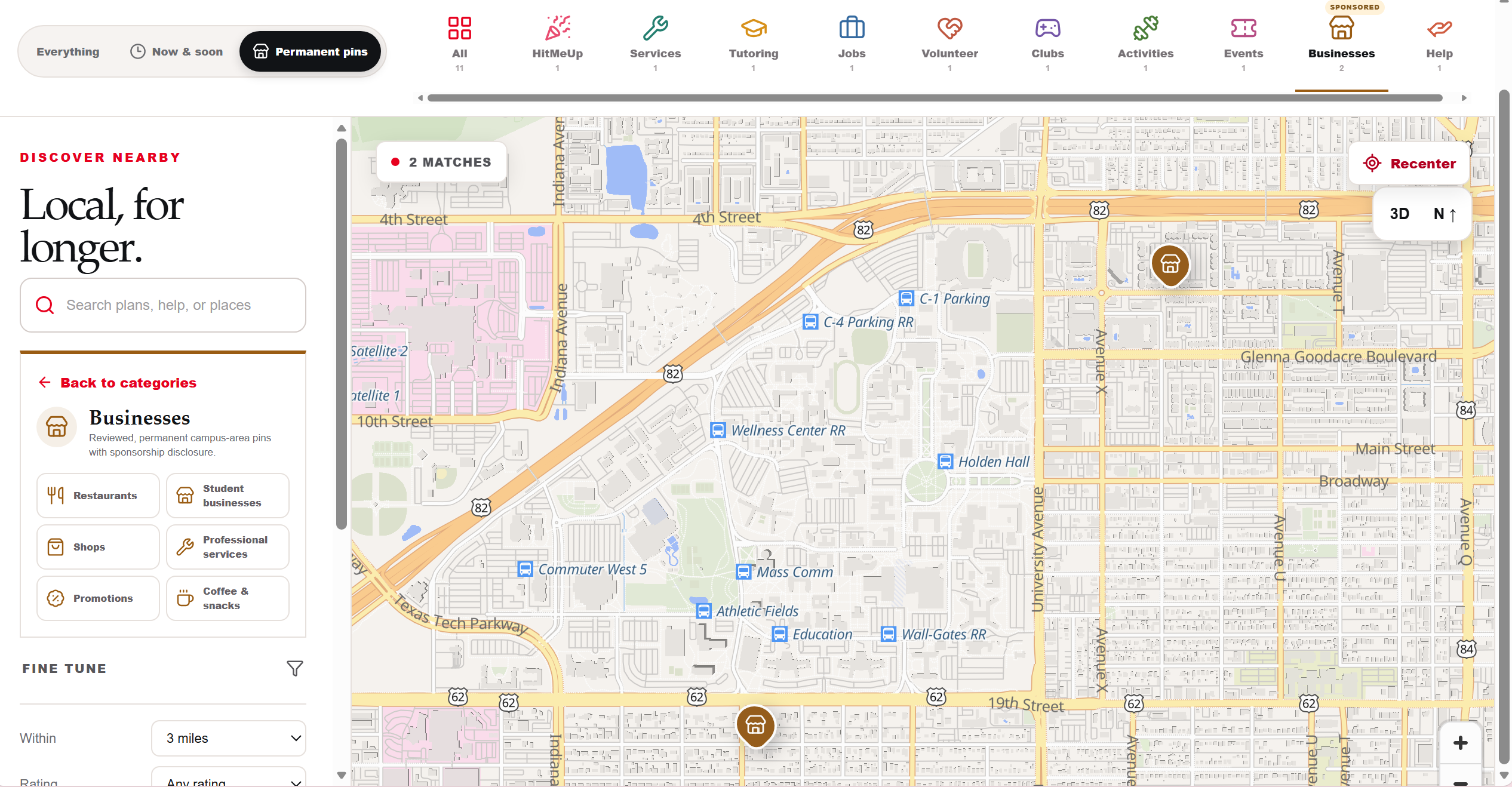
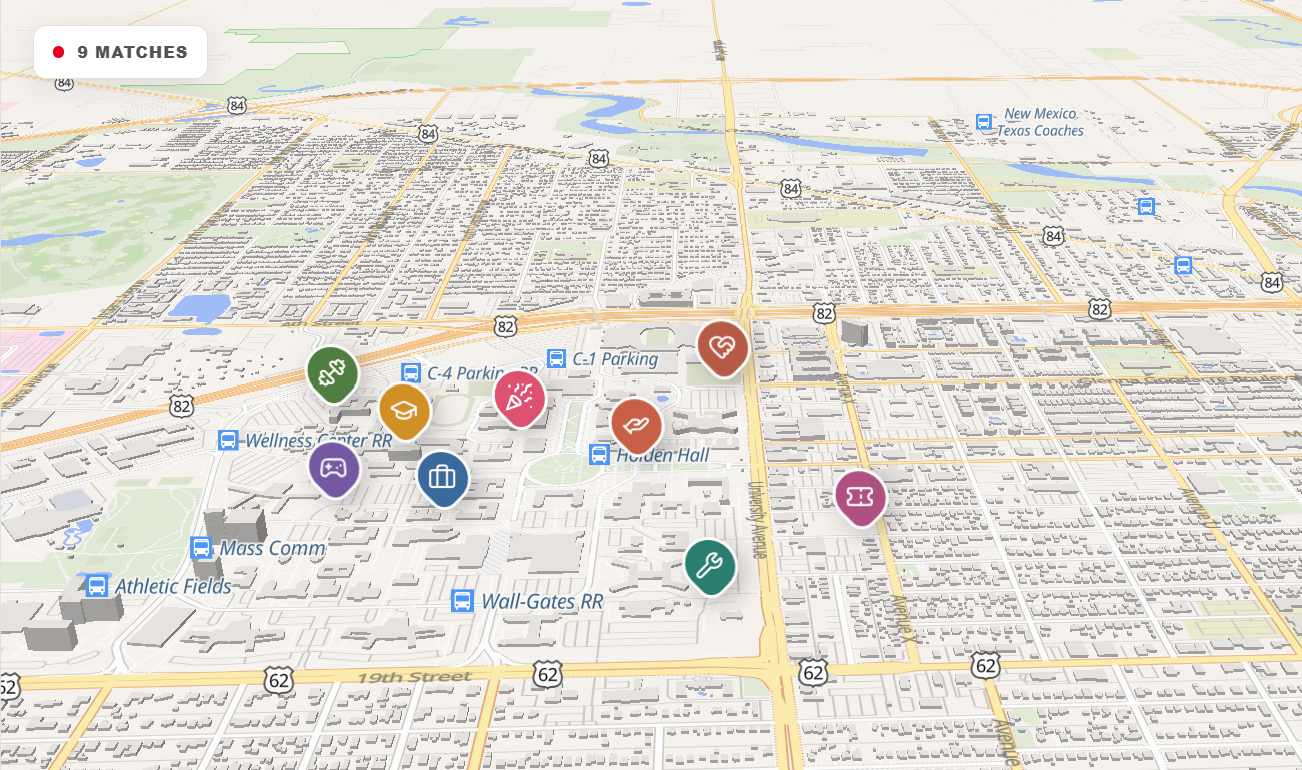
The main screen is a map, not a feed. Students see approximate pins for nearby services and requests. They can browse by category or describe what they need in one sentence. Gemini turns that sentence into useful search filters.
Students sign in with a verified Microsoft university account. They can create a listing, send a request, chat, and follow the request from acceptance to completion.
Location was something CrackX took seriously from the beginning. Exact coordinates are never shown on the public map. After a request is accepted, each student can choose whether to share a meeting point. That permission can be removed and it expires after the service.
Both people confirm when the service is complete and rate the interaction. If someone still owes a rating, they must finish it before starting another service. We wanted trust to come from the way HitMeUp works, not from a promise written on a page.
Profiles use avatars, so students do not have to upload a personal photo. Solana is only used for optional avatar cosmetics on Devnet. Payments for real services stay between students and happen in person.
Building HitMeUp as CrackX
HitMeUp brought several parts of the project together at once: product decisions, interface design, maps, authentication, data, privacy, AI, and deployment. As CrackX, we had to keep all of those parts connected to the same goal.
A feature only stayed if it helped a student safely connect with someone nearby. That question helped us make decisions when time was short. It also stopped the project from becoming a collection of unrelated sponsor integrations.
We built the interface with Next.js, React, TypeScript, and Tailwind CSS. MapLibre GL JS, OpenFreeMap, and OpenStreetMap power the campus map.
The backend uses Supabase PostgreSQL with PostGIS for location data. Row Level Security and server-side checks protect profiles, requests, messages, ratings, and private meeting points. Server-Sent Events keep messages, notifications, request changes, and safe map updates live.
We used Auth0 for the Microsoft university sign-in flow. The app checks for a verified university email before giving access to the full product.
Gemini API helps with search and listing quality. It turns a normal sentence into map filters, checks new listing details, and explains why a result may be relevant. We validate its output and keep a regular fallback, so the marketplace still works if the model does not respond. Exact locations, private messages, and student identity are not sent to Gemini.
Tiger Data stores a separate stream of pseudonymous product events. We kept analytics away from the operational student data on purpose.
For avatar cosmetics, Solana Web3.js handles optional Devnet transactions through the student's wallet. HitMeUp never asks for a seed phrase or private key.
We originally expected to use Vultr for hosting, but the access we needed was not available during the hackathon. CrackX had to adjust quickly. Instead of leaving the project offline, we deployed it with Vercel and connected our .Tech domain. The working site is available at hitmeup.tech.
How the technologies fit together
We did not want to add partner names just to make the list longer. Each technology has a clear job in HitMeUp.
- Auth0 verifies that a student can enter.
- Gemini makes it easier to find the right request or service.
- Supabase and PostGIS handle the marketplace and location rules.
- Tiger Data records product events without mixing them with student activity data.
- Solana supports optional digital cosmetics, not service payments.
- Vercel and .Tech keep the web app online and easy to open.
Challenges we ran into
Our first challenge as CrackX was making a location-based product useful without exposing students. A normal map wants precise coordinates, but our public map could not. We had to separate approximate discovery from private meeting points and treat location sharing as permission, not just a database field.
The second challenge was the two-person workflow. A request can look finished for one student while it is still waiting on the other. Acceptance, chat, location sharing, completion, cancellation, and ratings all needed clear rules on the server and in the interface.
The third challenge was keeping the whole team focused while many parts of the product were moving at the same time. Every new integration created another decision about data, failure cases, and the user experience. We had to communicate, cut ideas, and keep returning to the main flow.
Deployment also changed during the hackathon. Vultr was not available to us when we needed it, so we moved to Vercel. That decision let CrackX keep working on HitMeUp instead of spending the rest of the event waiting on infrastructure.
Accomplishments that we're proud of
As CrackX, we are proud that HitMeUp became more than a map mockup. We built a working web experience with a real student sign-in flow, live requests and messages, location consent, completion, ratings, avatar customization, and a public domain.
We are also proud that the final product still explains itself in one sentence. A student asks for something. Another student nearby responds. HitMeUp provides enough trust and structure for them to meet in real life.
Not every idea survived the time limit, and that helped us. The features we kept support the same story instead of competing with each other.
What CrackX learned
This hackathon taught us that privacy has to shape the database, the API, and the interface from the beginning. It cannot be added at the end.
We also learned that connecting an API is usually the easy part. The harder question is deciding what that service should be allowed to see and what happens when it fails. That changed how our group used Gemini, Auth0, Tiger Data, and Solana.
Most importantly, CrackX learned how much a project can change when a team keeps testing the main idea instead of protecting every early feature. HitMeUp works because the experience stays simple: ask, connect, meet, complete, and rate.
What's next for HitMeUp
CrackX wants to continue HitMeUp after HackWesTX with a focused campus pilot. We want to learn which categories students actually use, improve onboarding and accessibility, and add stronger moderation and safety tools.
We also want to expand the avatar studio and make university verification work across more schools. The long-term goal is not one giant global feed. It is a network of trusted campus communities where nearby students can help each other in real life.
Built by CrackX. Less scrolling. More helping. More campus life.
To be able to use the app u will need to have a .ttu email
Built With
- .tech
- auth0
- gemini-api
- git
- github
- maplibre-gl
- microsoft
- next.js
- oauth
- openfreemap
- openstreetmap
- postgis
- postgresql
- react
- rest-api
- server-sent-events
- solana
- supabase
- tailwind-css
- tiger-data
- typescript
- vercel
- vitest
- web3.js
- webapp

Log in or sign up for Devpost to join the conversation.