Inspiration
You can live in Sheffield for years and still walk the same few streets. What would you find if you took a different route home?
We built Hexplore for HackSheffield’s Off the Grid theme. It’s a pixel-art AR game where everyday objects hide creatures, and Sheffield’s least-documented streets give you the best odds of finding something rare.
What it does
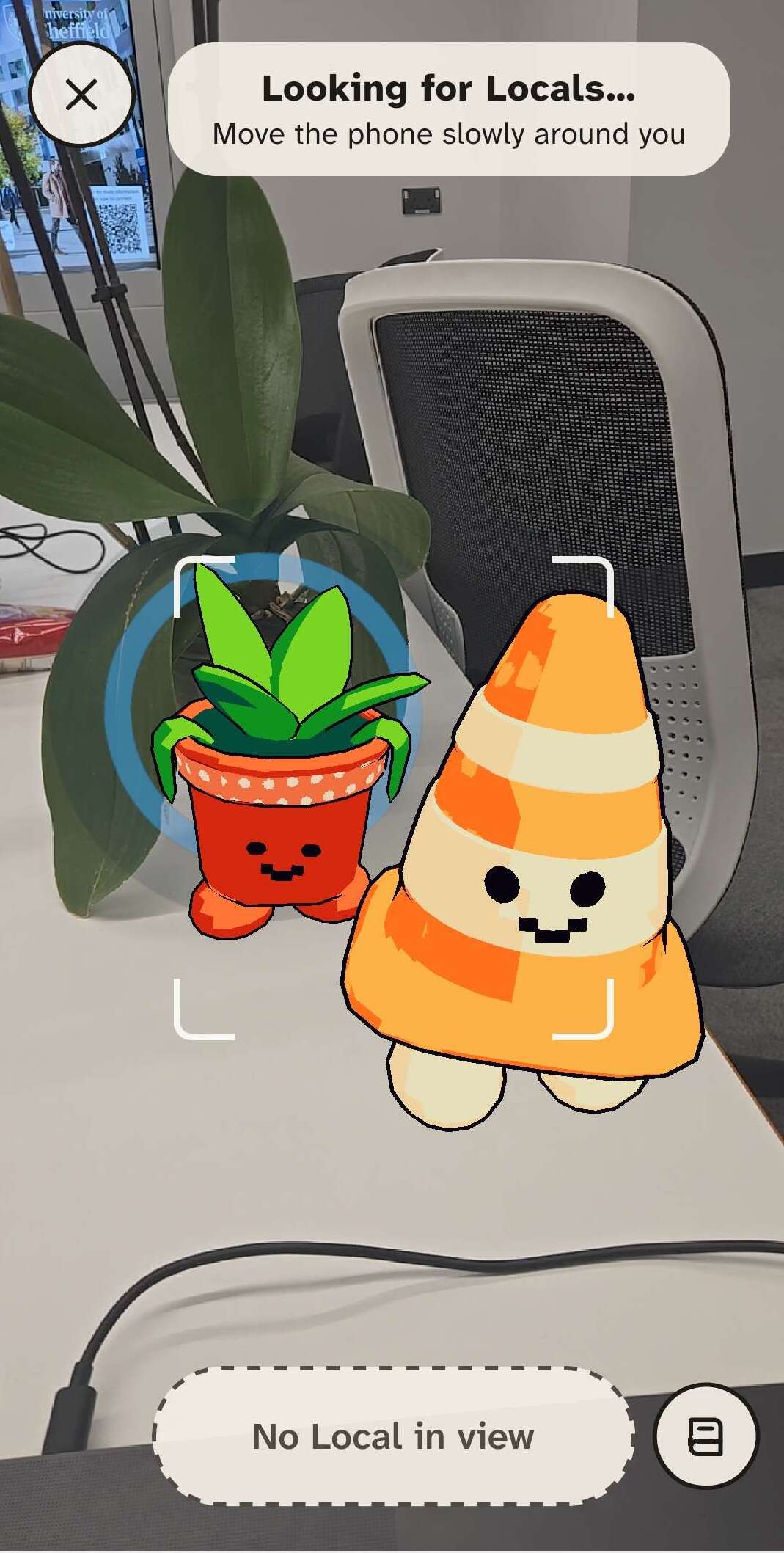
Walk somewhere new. Spot a floating “!”. Shake your phone and watch a traffic cone turn into Conekin.
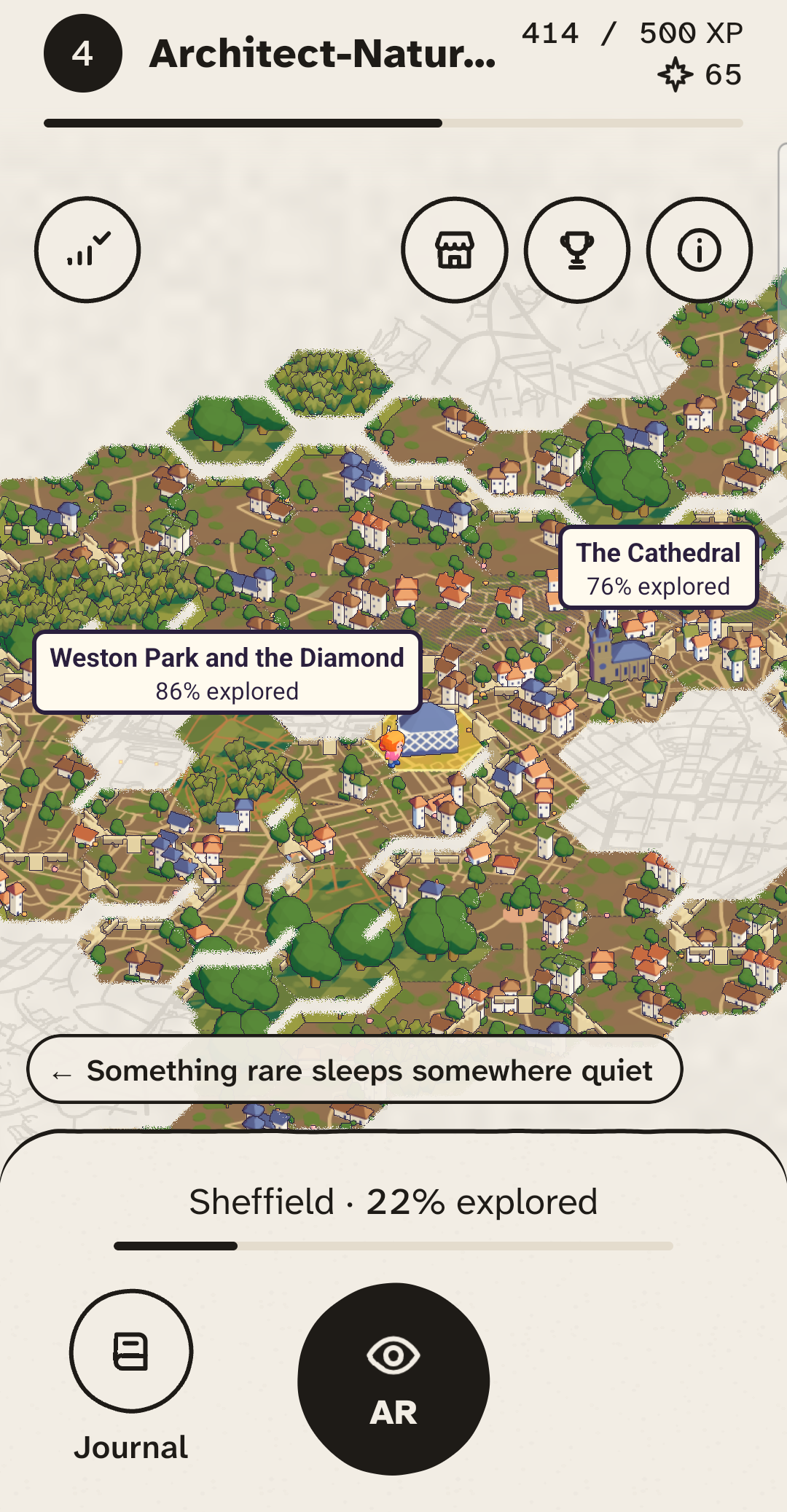
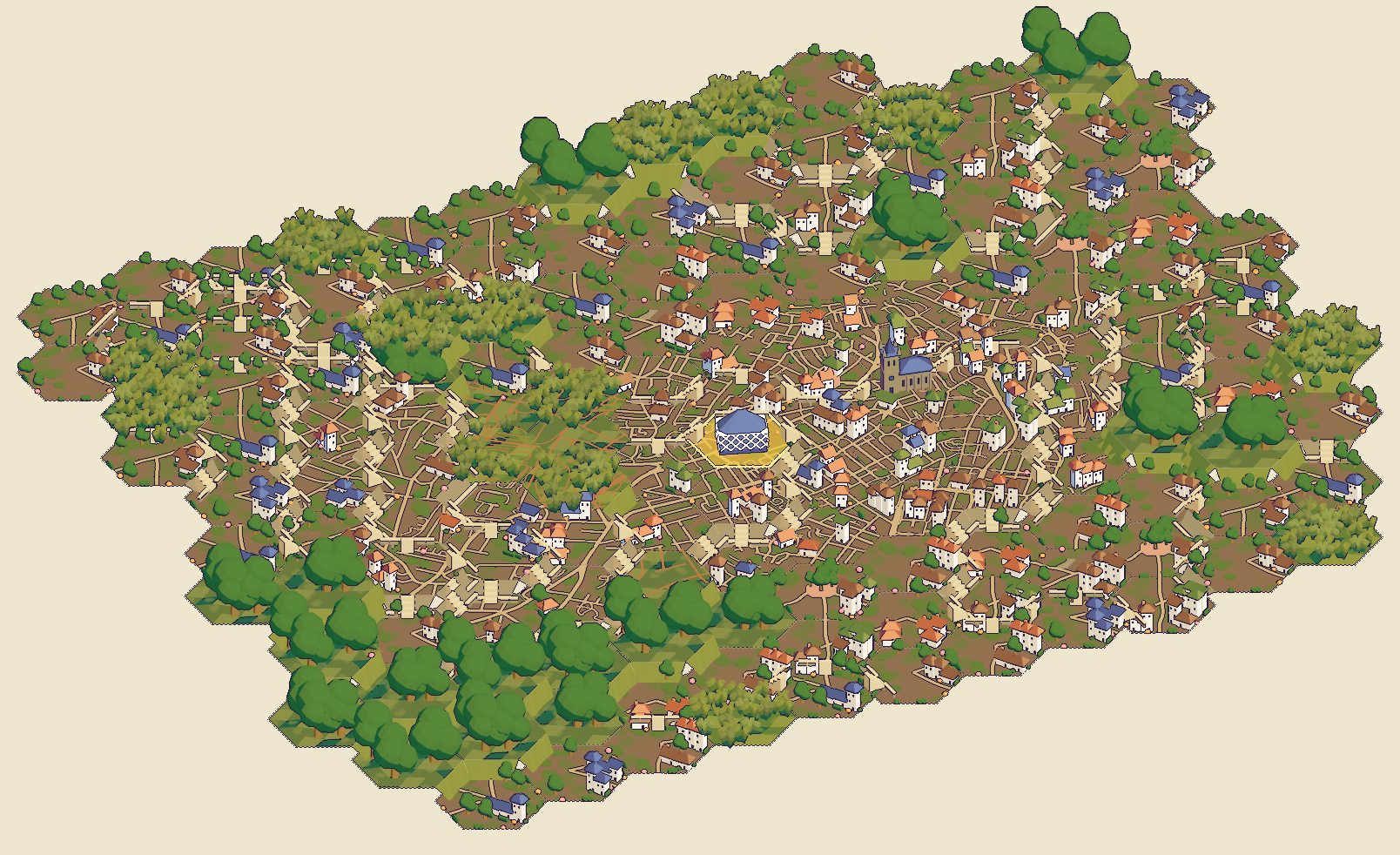
When you enter an unexplored hex, the map tells you “Something stirs here.” Hold up your phone, find a marked object and tap Interact. The app captures the AR view, then you shake your phone to develop the snapshot like an instant photo. A creature called a Local pops out of the object and joins your field journal.
The same object can yield a rarer find on a less-documented street. We use local photo counts, geotagged Wikipedia articles and named map features to estimate how well documented each hex is. Taking a different route changes what you might find.
No signal? Keep exploring. Hexplore recognises objects on your phone and saves your finds offline. When you reconnect, they develop with an Off the Grid reward bonus.
How we built it
- On the phone. We built the Android app with Expo and React Native. An ONNX detector recognises objects on-device, ViroReact and ARCore place encounters in the scene, and Skia draws the pixel map. We modelled, rigged and animated our low-poly Locals in code.
- On the map. We group Geograph photos, Wikipedia articles and OpenStreetMap features into H3 hexes to calculate rarity. A Next.js API and PostgreSQL handle finds and rewards. Your explored map stays on your phone.
- As a team. Four of us built Hexplore in 24 hours. We used Claude Code with testable acceptance criteria and independent pull request reviews. Entire linked agent sessions to the commits they produced.
Challenges we ran into
Our rubber duck kept getting recognised as a traffic cone. It lost its spot in the demo, but it taught us what to test on a real phone: when a marker appears, where it sits and how it behaves as you move. We also replaced our Gemini prototype with on-device recognition so players could spot Locals even without a connection.
Accomplishments that we're proud of
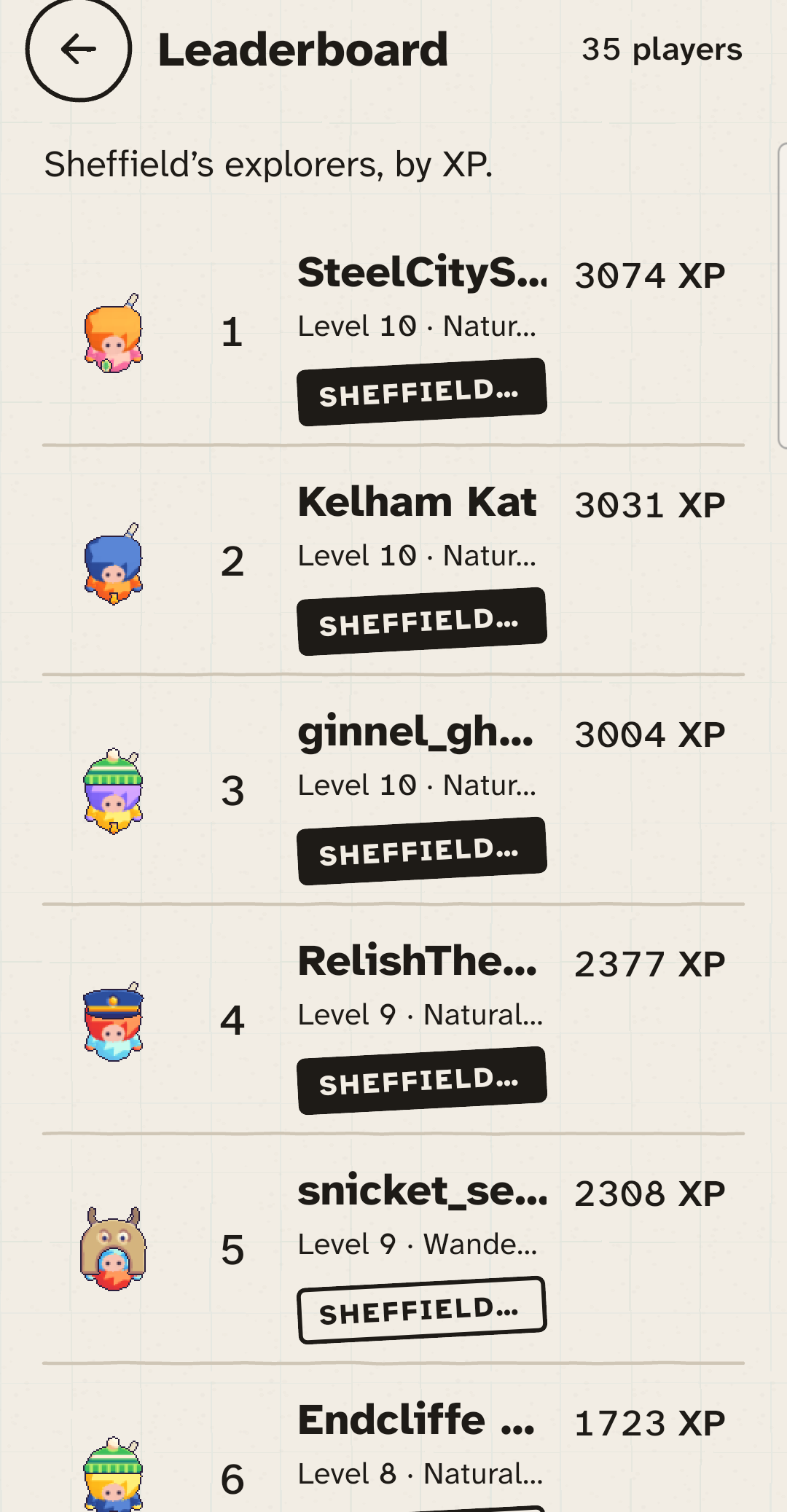
Our demo follows a complete encounter using a simulated walk. We enter a new hex, spot the cone, shake to develop the snapshot, meet Conekin and open the journal. The journal connects the find to a sourced fact about the real place, while badges, XP and Waypoints reward further exploration.
What we learned
A detector can recognise the right object and still feel wrong in AR if its marker arrives late or drifts. Testing on a real phone helped us design for the way people actually look around. We also learned that open data can shape where players choose to go as well as what the map looks like.
What's next for Hexplore
We want to cover more of Sheffield, add one-of-a-kind Locals tied to landmarks and let players share discoveries by broad area.
First on the creature wishlist: a pigeon that drops loot only after you surrender your chips.
Built With
- android
- arcore
- claude-code
- copernicus-dem
- entire
- esa-worldcover
- expo.io
- geograph
- kotlin
- next.js
- njs
- onnx
- openstreetmap
- overture-maps
- postgresql
- react-native
- skia
- three.js
- tiger-data
- viroreact
- wikimedia-commons
- wikipedia


