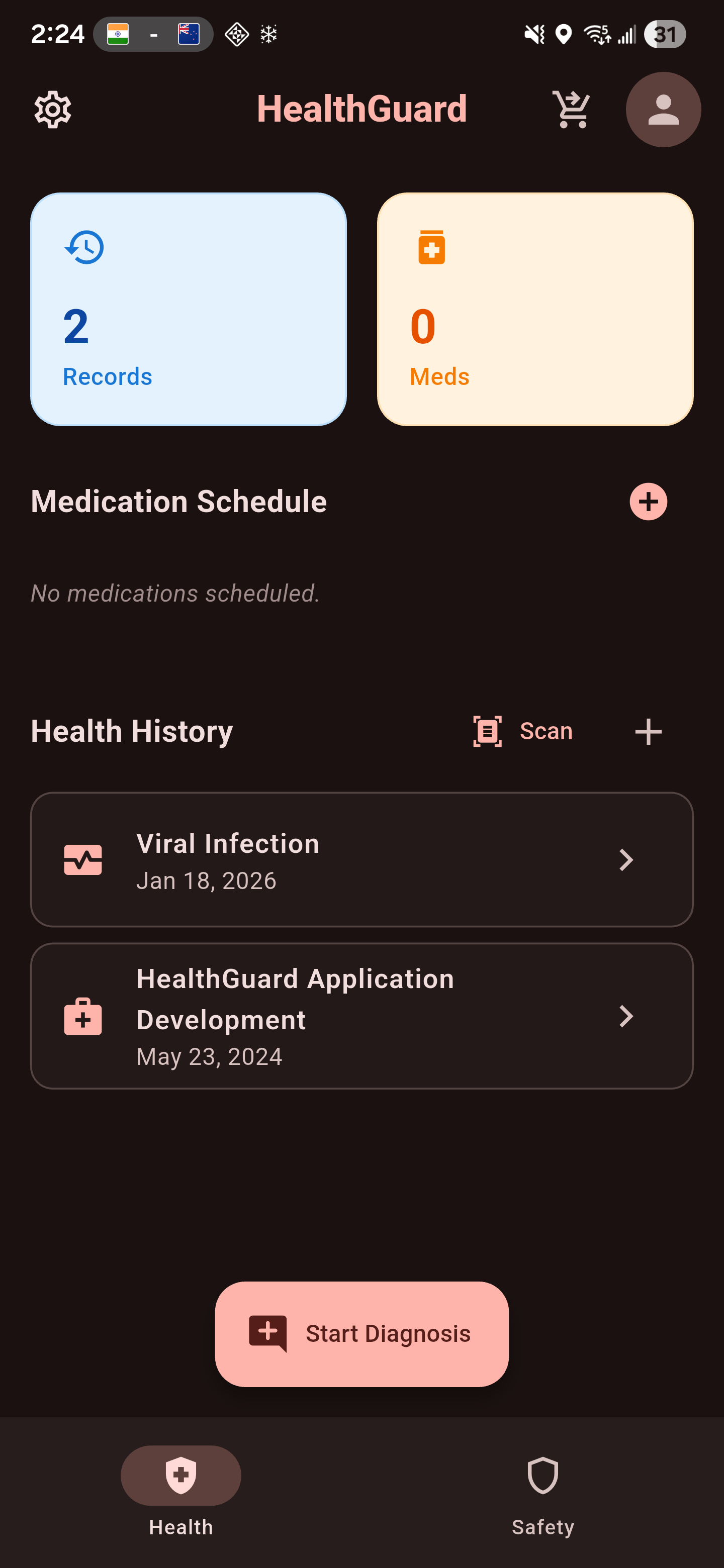
Inspiration In an era of overwhelmed healthcare systems, patients often face three critical bottlenecks: uncertain diagnosis, difficulty finding necessary medication, and the tedious process of clinical intake. We asked ourselves: What if your phone could be your first responder?
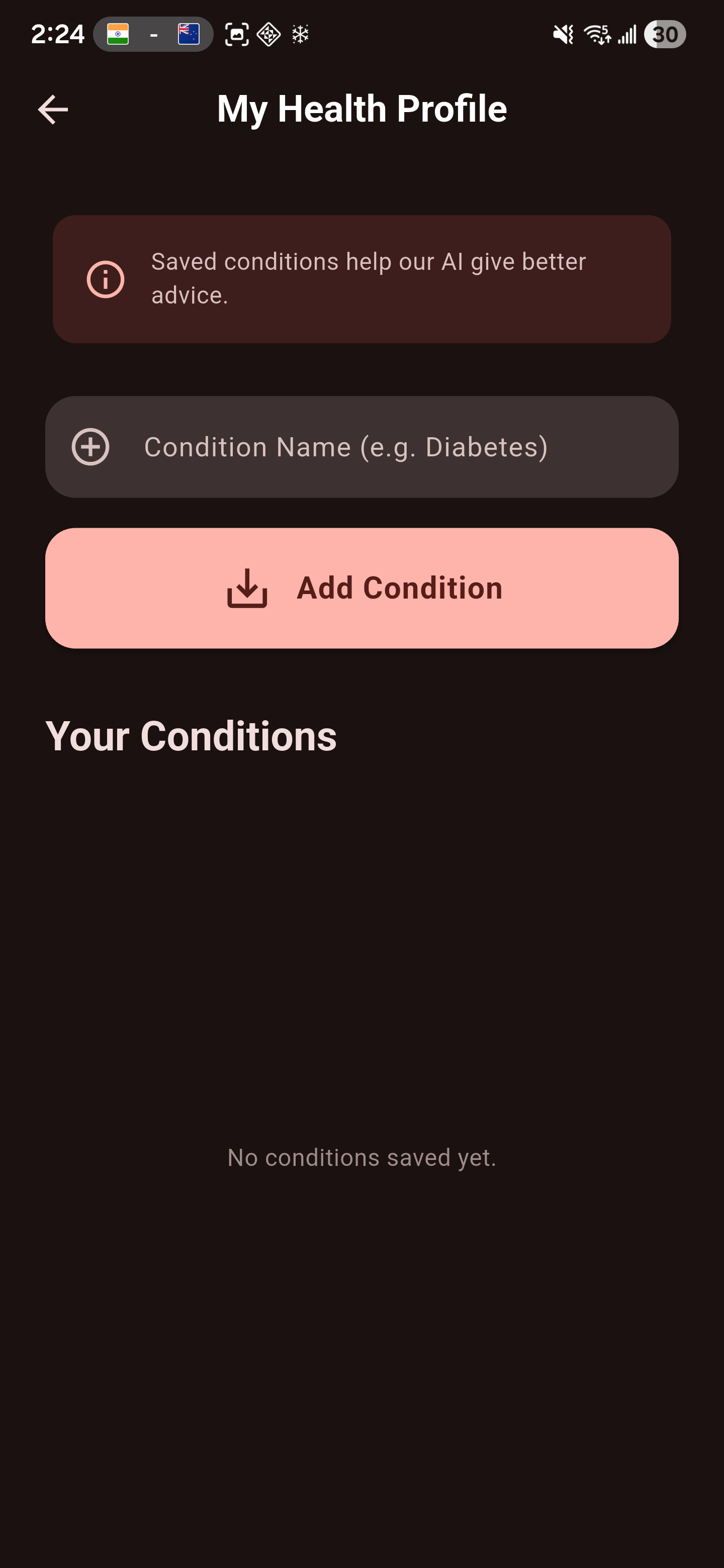
We were inspired to build HealthGuard to bridge the gap between "Googling your symptoms" (which causes anxiety) and seeing a doctor (which takes time). We wanted to create a unified ecosystem that not only diagnoses you using advanced AI but also instantly finds where your medicine is in stock and seamlessly updates your doctor—all without you typing a single word.
What it does HealthGuard is a comprehensive AI Health & Safety Ecosystem designed for the modern patient.
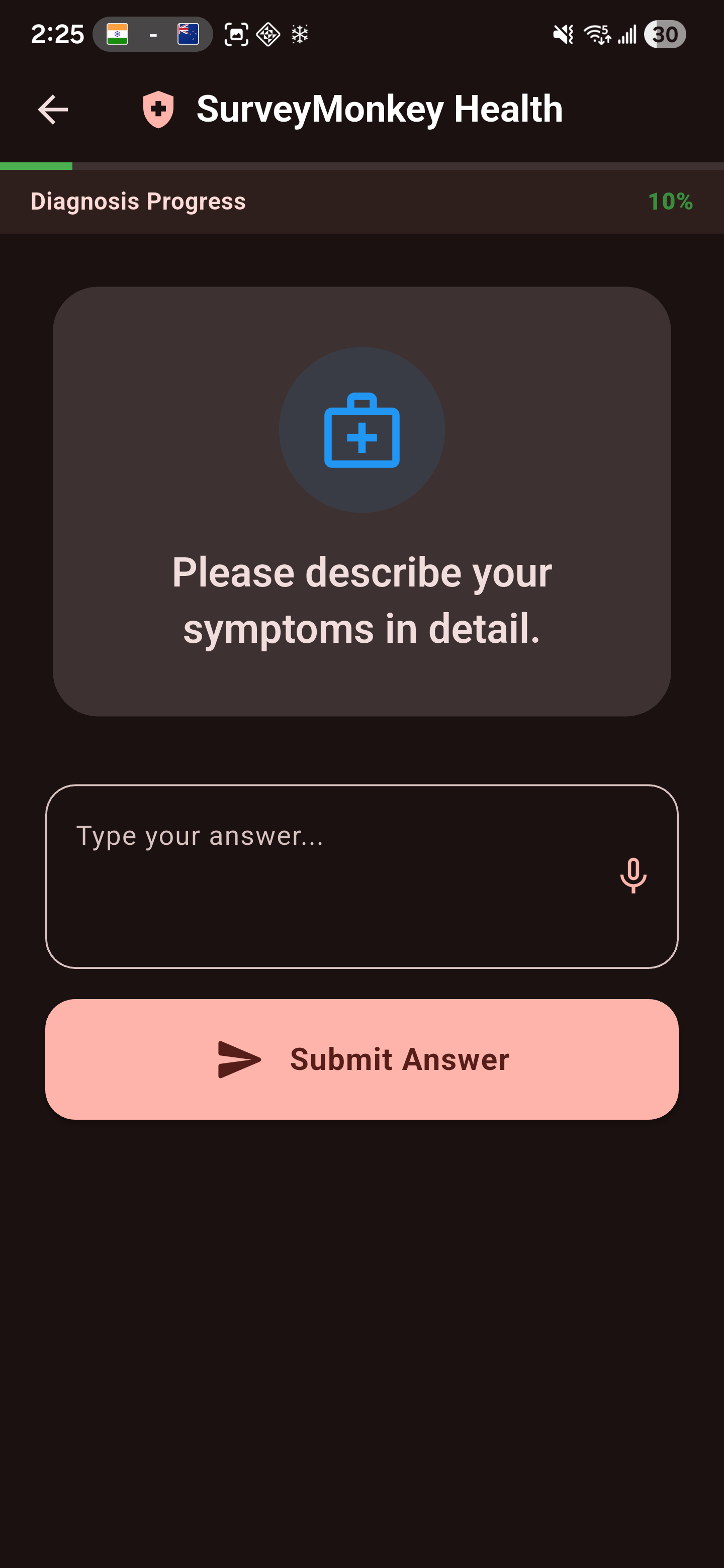
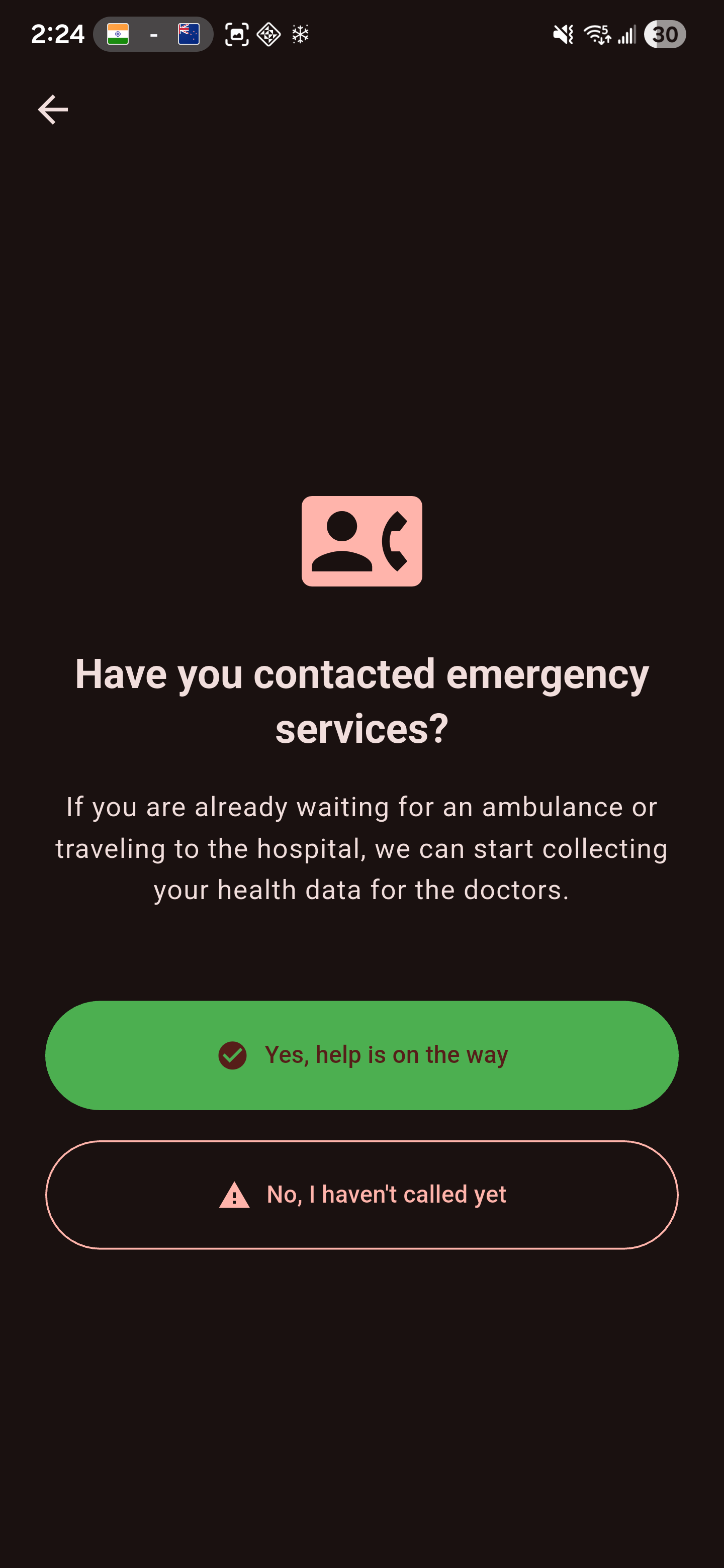
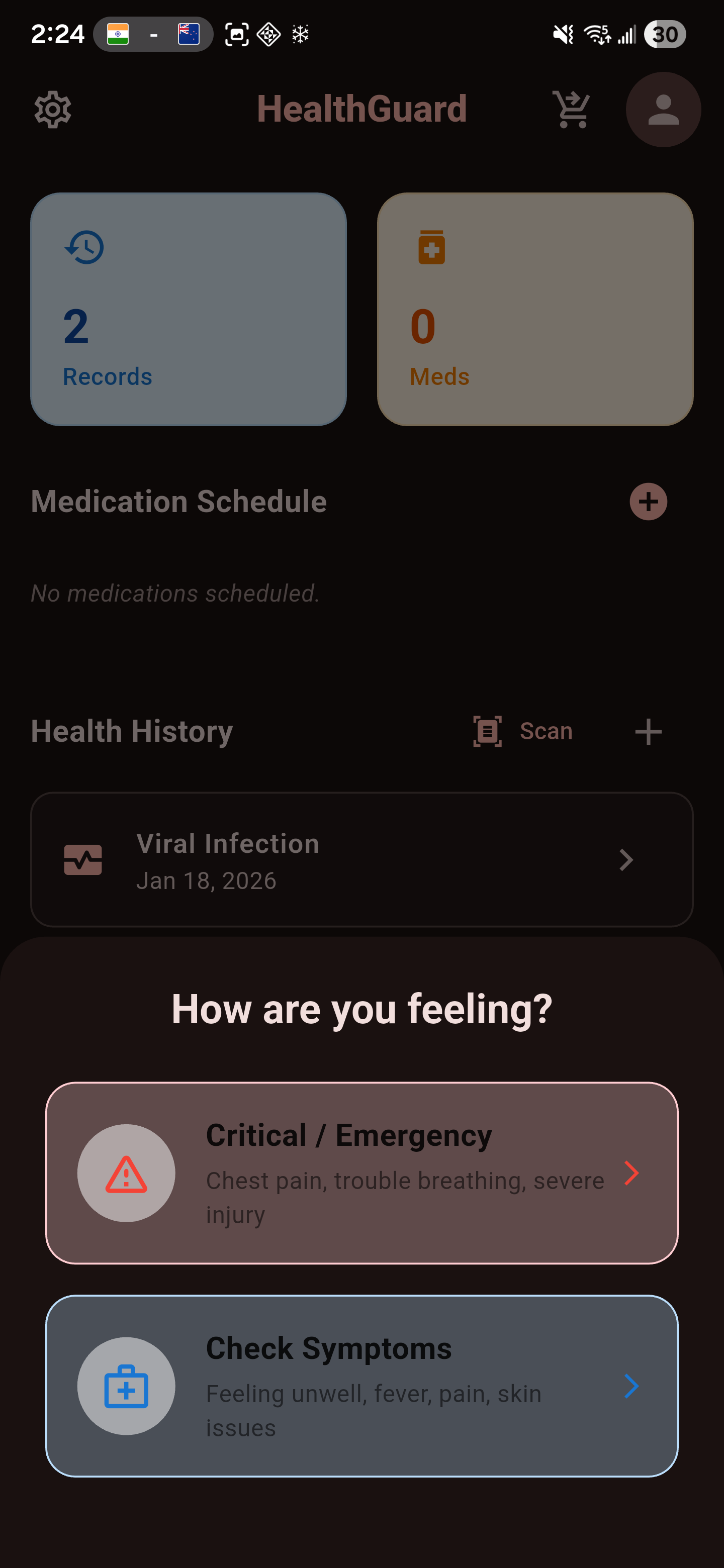
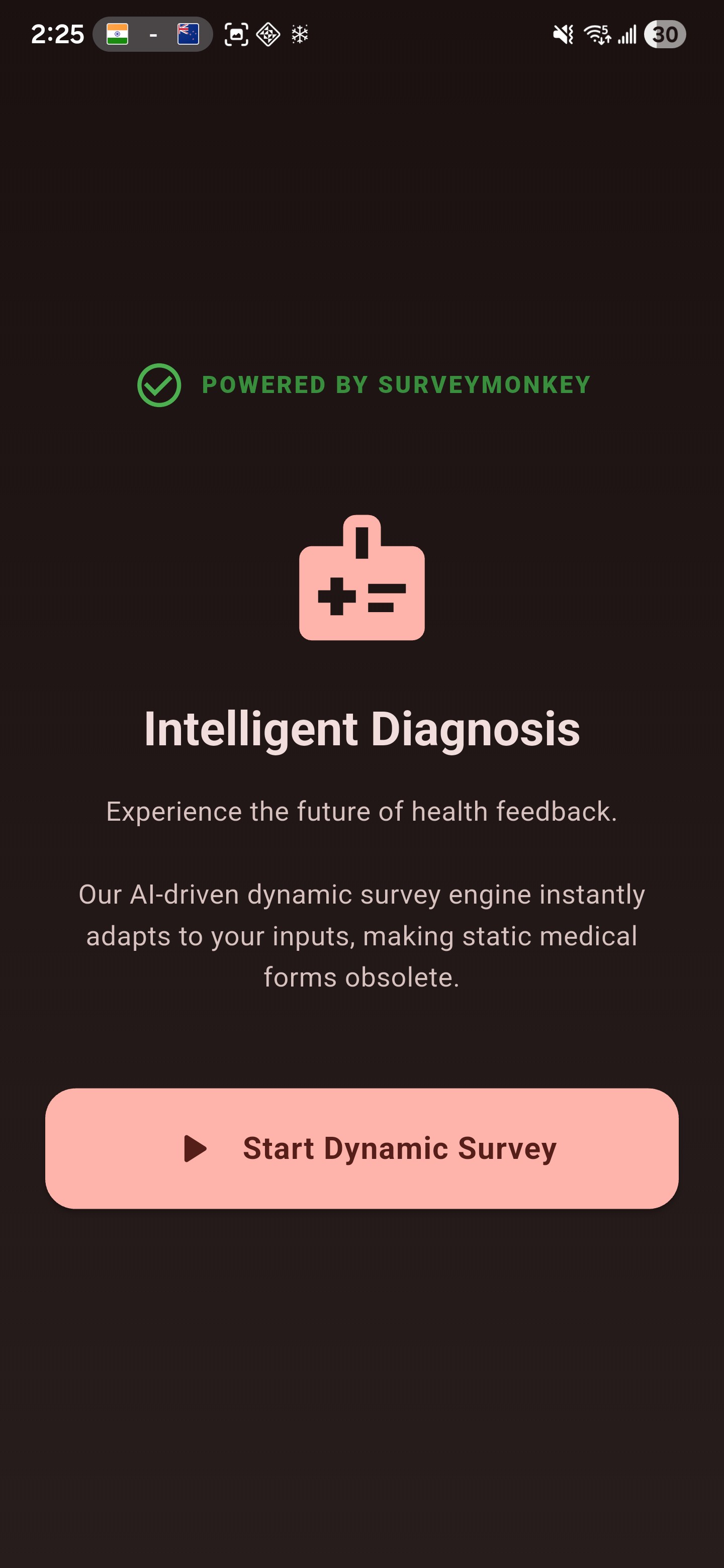
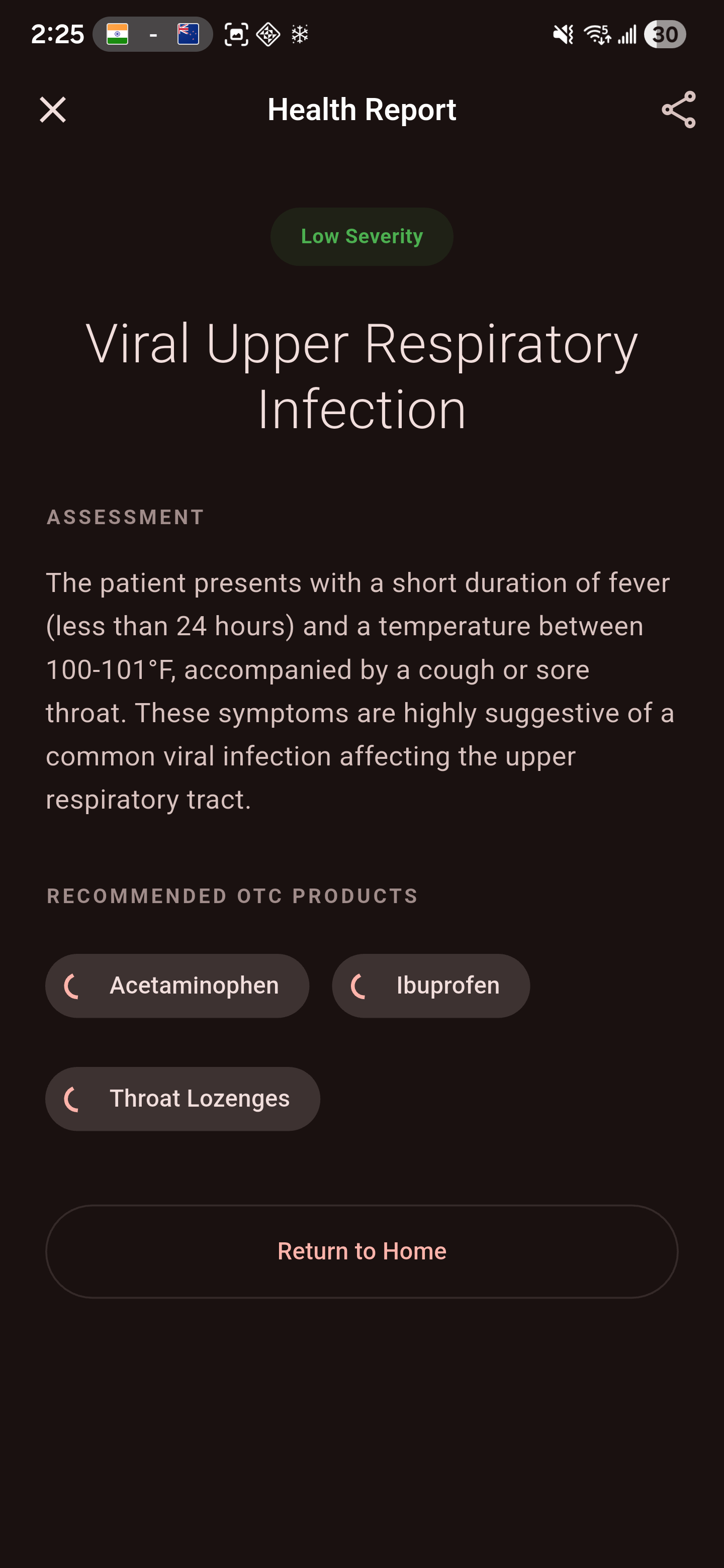
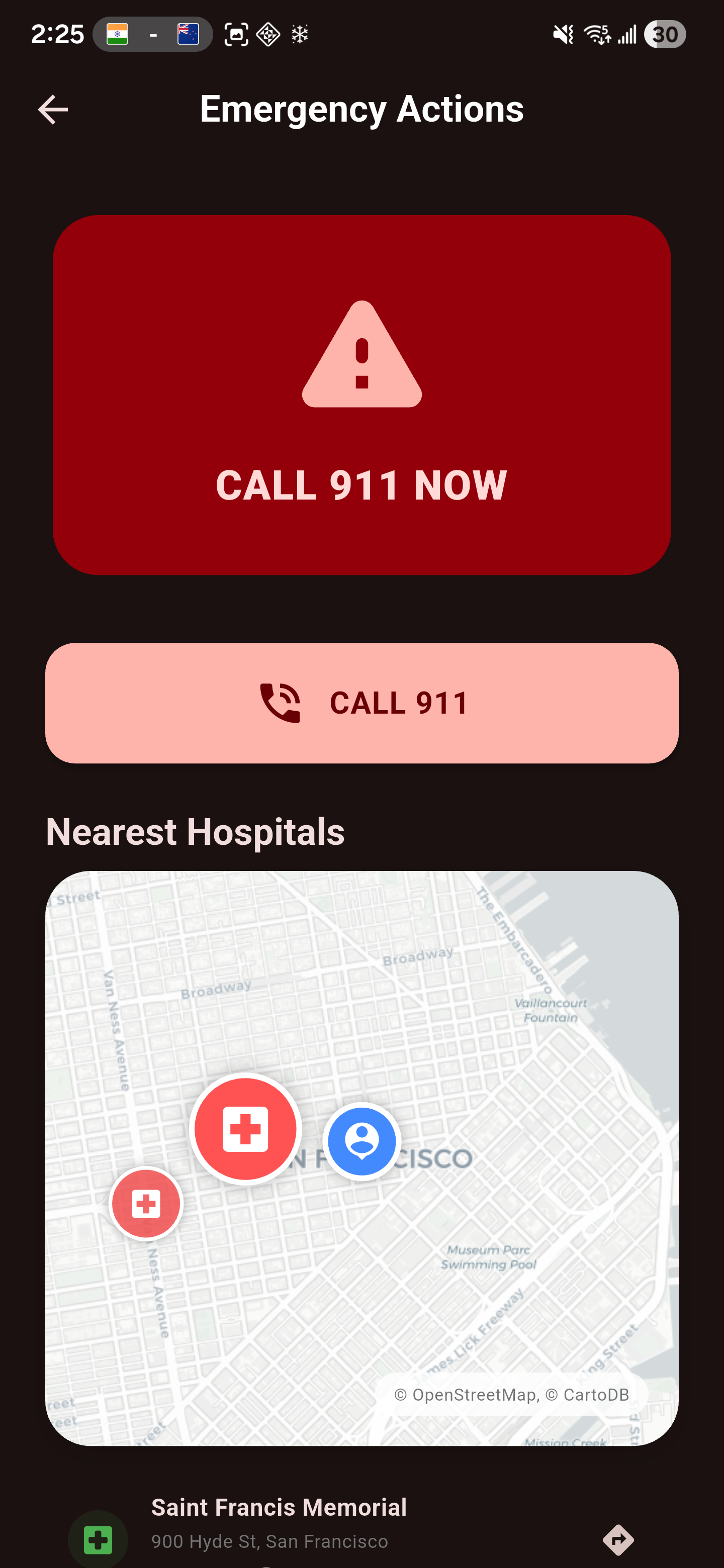
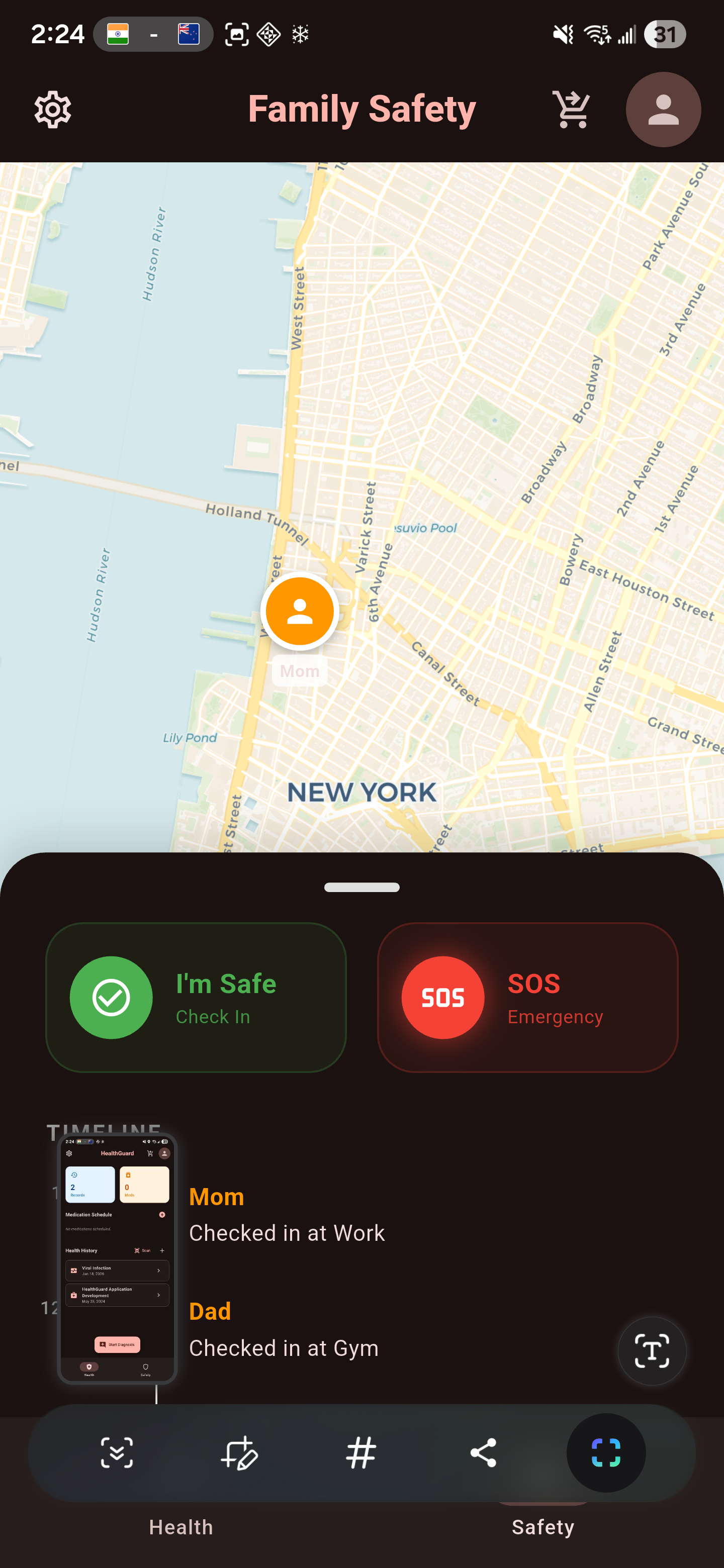
AI Voice Triage: Users speak their symptoms naturally. Our Gemini 3-powered agents (Triage, Diagnosis, and Survey) analyze the input to assess severity and provide a preliminary diagnosis. Real-Time Medication Finder: Once a remedy is suggested (e.g., "Advil" or "Melatonin"), the app uses Yellowcake to launch a distributed scraping job across major retailers (Amazon CA, Walmart CA, Shoppers Drug Mart) to find real-time stock and prices nearby. Invisible Clinical Intake: While the user interacts with the app, we invisibly synchronize their data to SurveyMonkey. This turns a standard chat into a structured medical intake form that doctors can review before the patient even arrives. Family Safety Mesh: In emergencies, the app broadcasts a geolocation payload via Solace PubSub+, alerting family members instantly through a real-time event mesh. How we built it The app is built with Flutter for a seamless cross-platform experience (iOS, Android, macOS). The architecture relies on three core pillars:
- The Intelligence Layer (Google Gemini) We implemented a multi-agent system using Gemini 3 Preview:
TriageAgent: Determines if a situation is life-threatening. DiagnosisAgent: Performs the differential diagnosis. SentimentAgent: Analyzes user feedback to detect emotional distress.
- The Connectivity Layer (Solace PubSub+ & Yellowcake) Solace Event Mesh: We utilized Solace's MQTT broker (tcps) to create a real-time "Family Safety Grid." When a user triggers an SOS, the event is published to healthguard/users/{uuid}/alert, which subscribers (family devices) receive with sub-millisecond latency. Yellowcake Distributed Scraping: We built a custom service that dispatches parallel extraction jobs to Yellowcake's Extraction Grid. It dynamically scrapes product cards from multiple e-commerce sites simultaneously, parsing unstructured HTML into structured JSON pricing data.
- The Data Layer (SurveyMonkey) Instead of traditional databases, we used the SurveyMonkey API as a "Headless CMS" for clinical data. We auto-generate surveys and collectors, then post structured patient histories as survey responses, allowing for powerful backend analytics without managing a custom database.
Challenges we ran into Live Data Extraction: Integrating Yellowcake was tricky because e-commerce sites frequently change their DOM structure. We had to implement a robustness layer that handles "empty success" states—where the scraper works but finds 0 items—and gracefully falls back to a high-fidelity simulation. Event Mesh Security: Configuring Solace for a mobile environment required careful handling of MQTT Secure (tcps) connections and ensuring our topic namespace (healthguard/users/...) supported multi-tenancy. MacOS Hardening: Preparing the app for a desktop release involved complex entitlement debugging (Sandbox, Network Client, Audio Input) to prevent crashes when accessing hardware features like the microphone. Accomplishments that we're proud of "Invisible" Survey Sync: We successfully turned SurveyMonkey into a backend database, where acts like "clicking a safety button" automatically register as "survey responses" for compliance logging. Multi-Agent Coordination: Getting three separate AI prompts to context-switch and share information without hallucinating was a significant prompt engineering achievement. Distributed Scraper on Mobile: Running a parallel web-scraping job initiated from a phone that aggregates data from 3 different major retailers in under 2 seconds. What we learned We gained deep appreciation for Event-Driven Architecture (EDA). By decoupling our safety alerts (Solace) from our data logging (SurveyMonkey), the app remains incredibly fast and responsive even if one service lags. We also learned the power of Agentic Workflows—treating LLMs not just as chatbots, but as functional components that can drive app logic.
What's next for HealthGuard Wearable Integration: Publishing heart rate data directly to the Solace Mesh. Telehealth Handover: Using the SurveyMonkey data to pre-fill EMR (Electronic Medical Record) forms for real doctors. Pharmacy Reservation: Allowing users to reserve the "Yellowcake-found" medication directly from the app.
Built With
- android
- dart
- elevenlabs
- flutter
- gemini
- google-cloud
- ios
- openstreetmap
- solace
- speech
- surveymonkey
- yellowcake

Log in or sign up for Devpost to join the conversation.