-
-
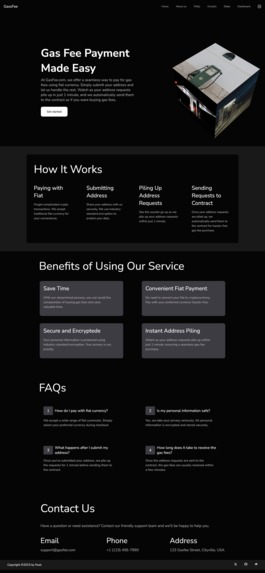
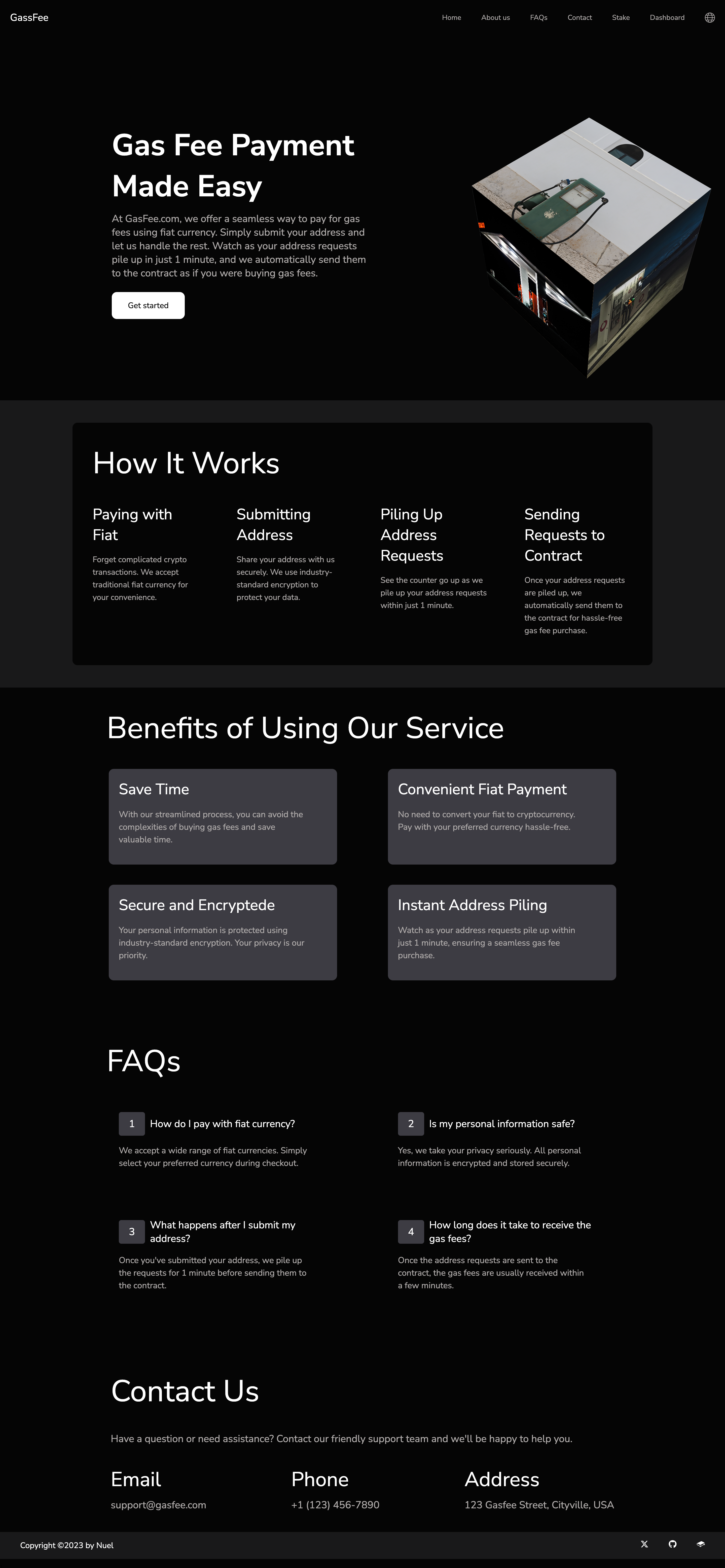
Home
-
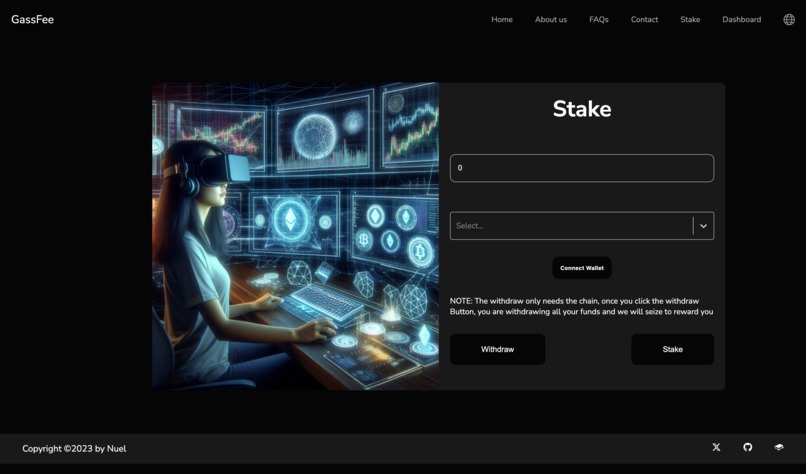
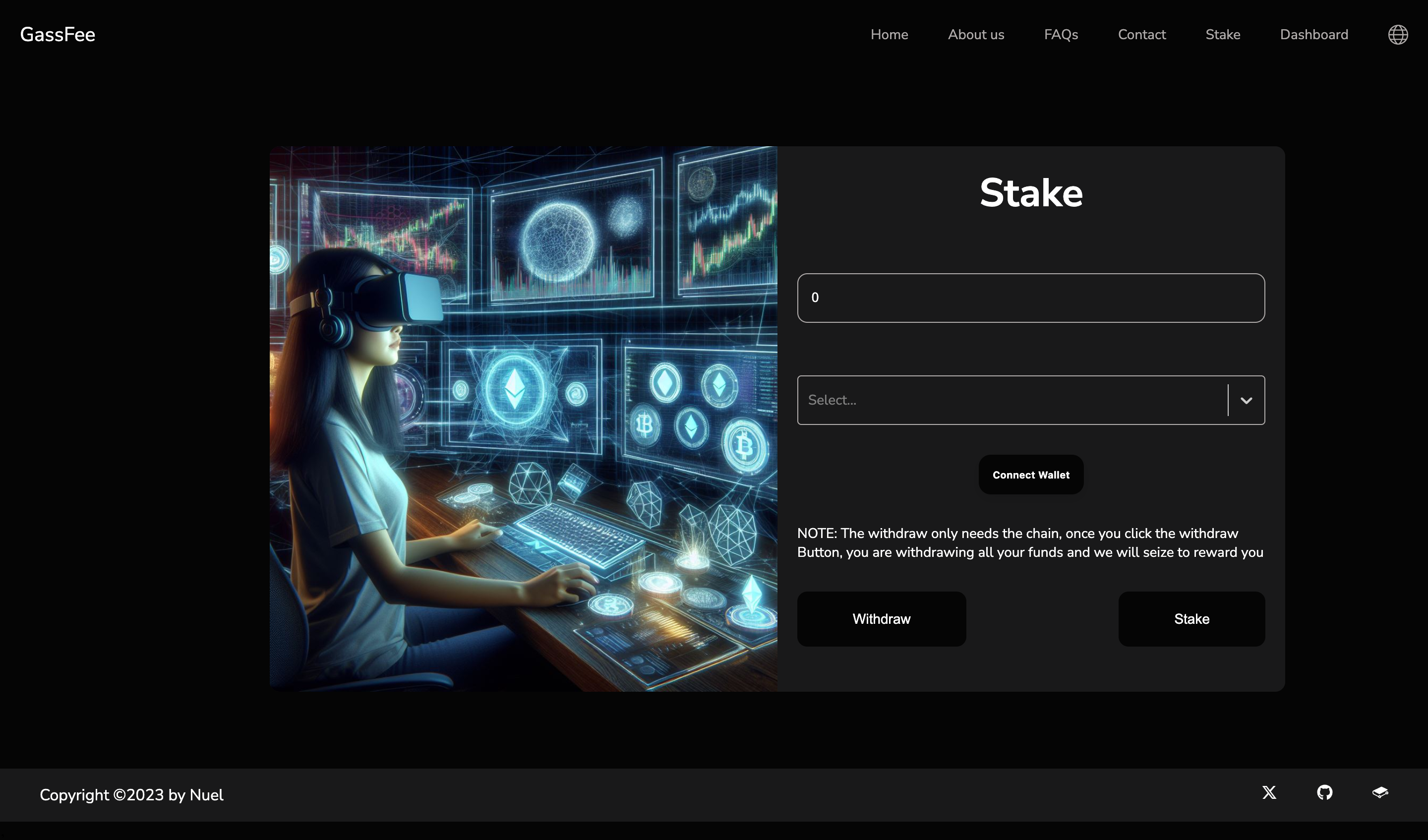
Stake
-
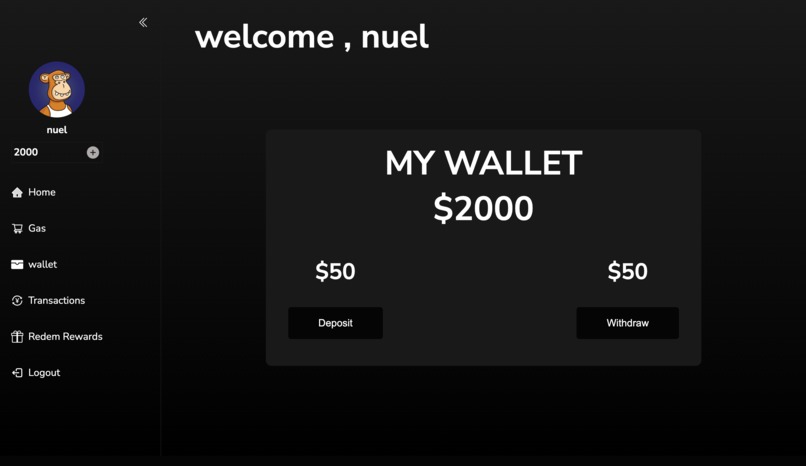
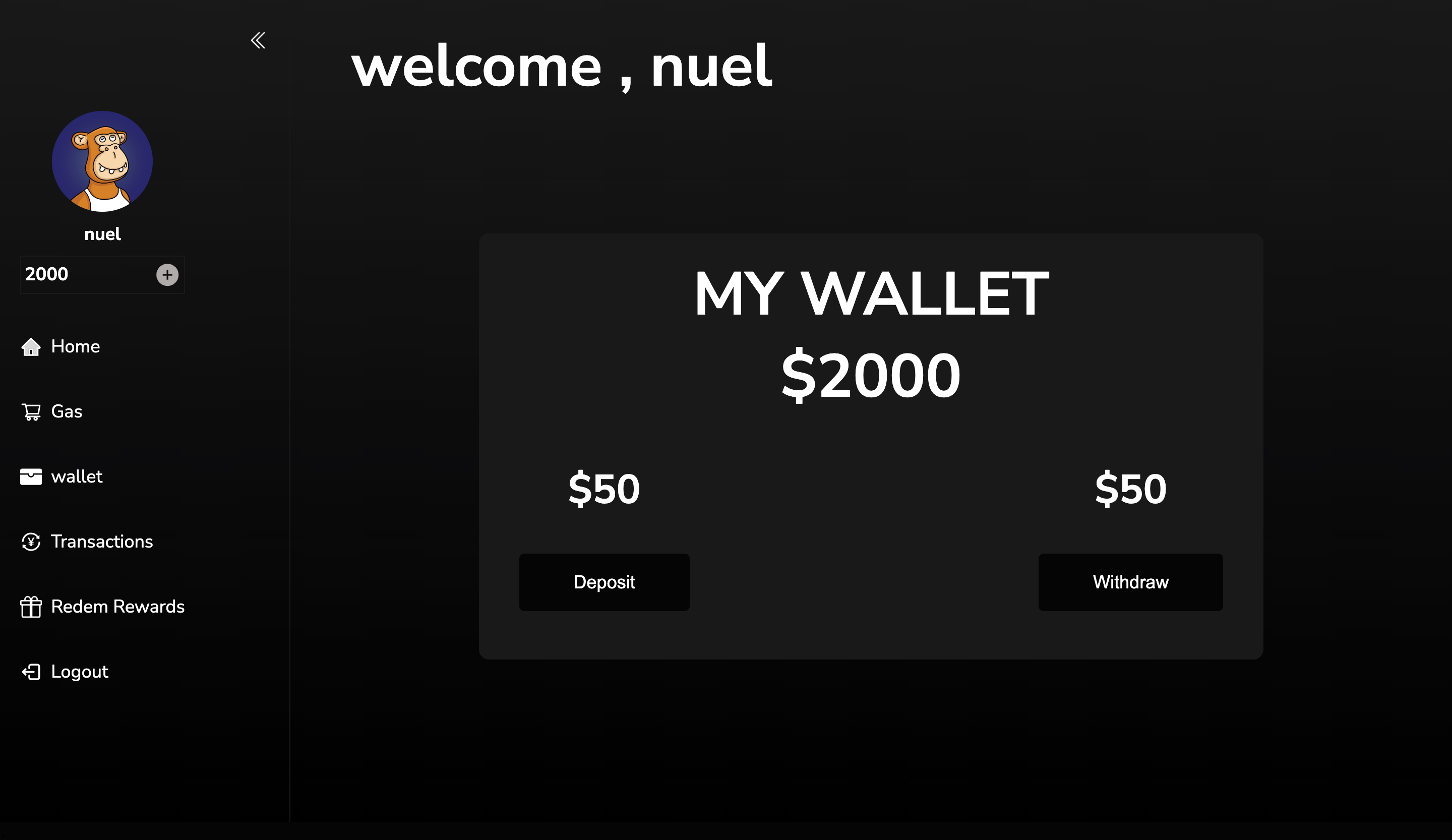
deposit and withdraw
-
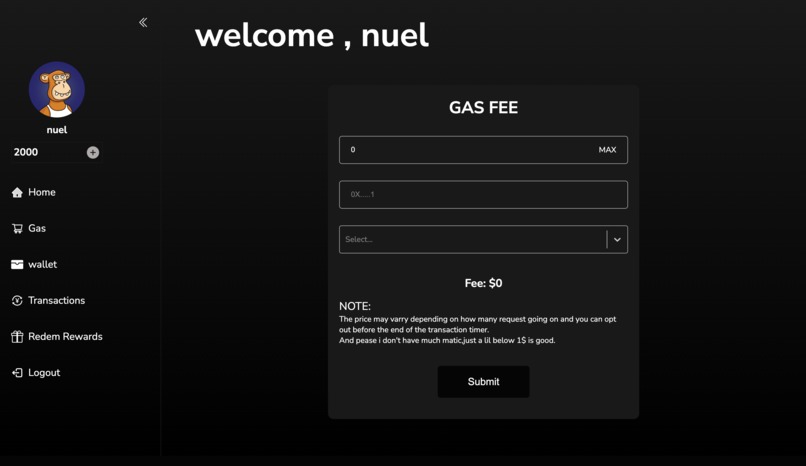
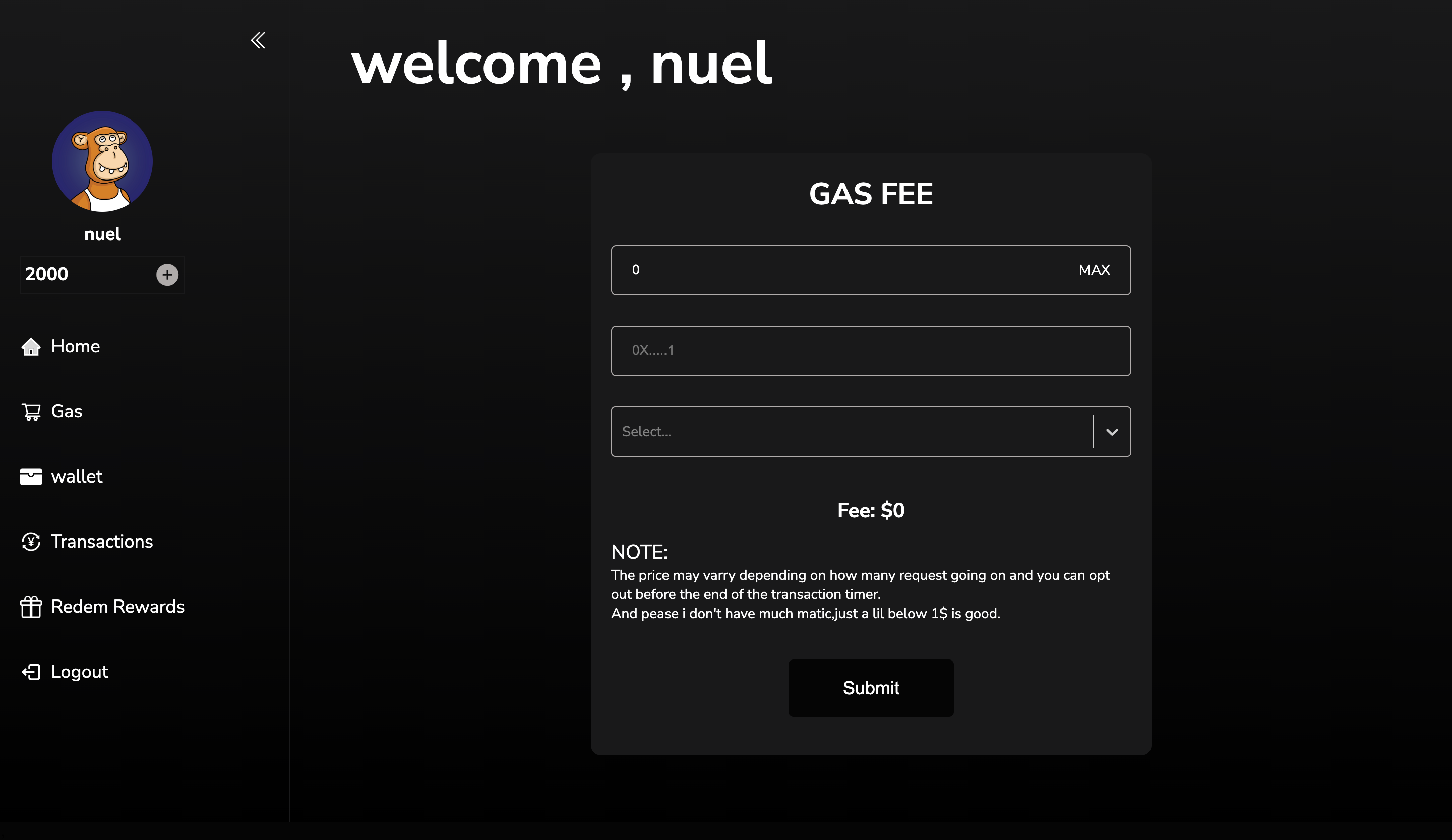
Request Gas fee
-
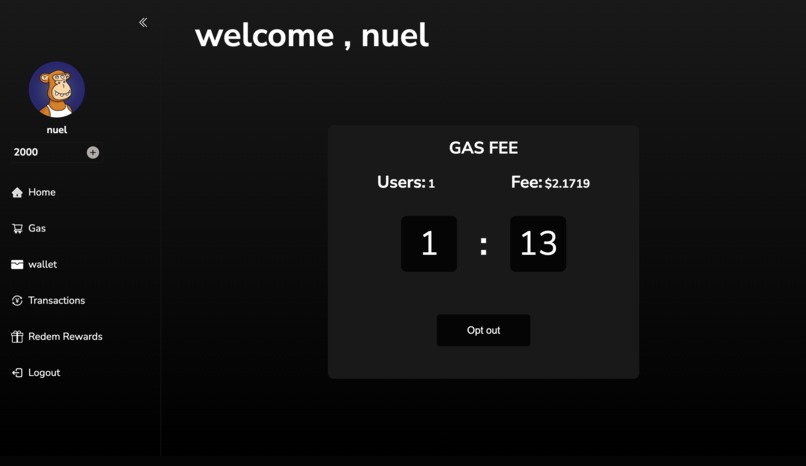
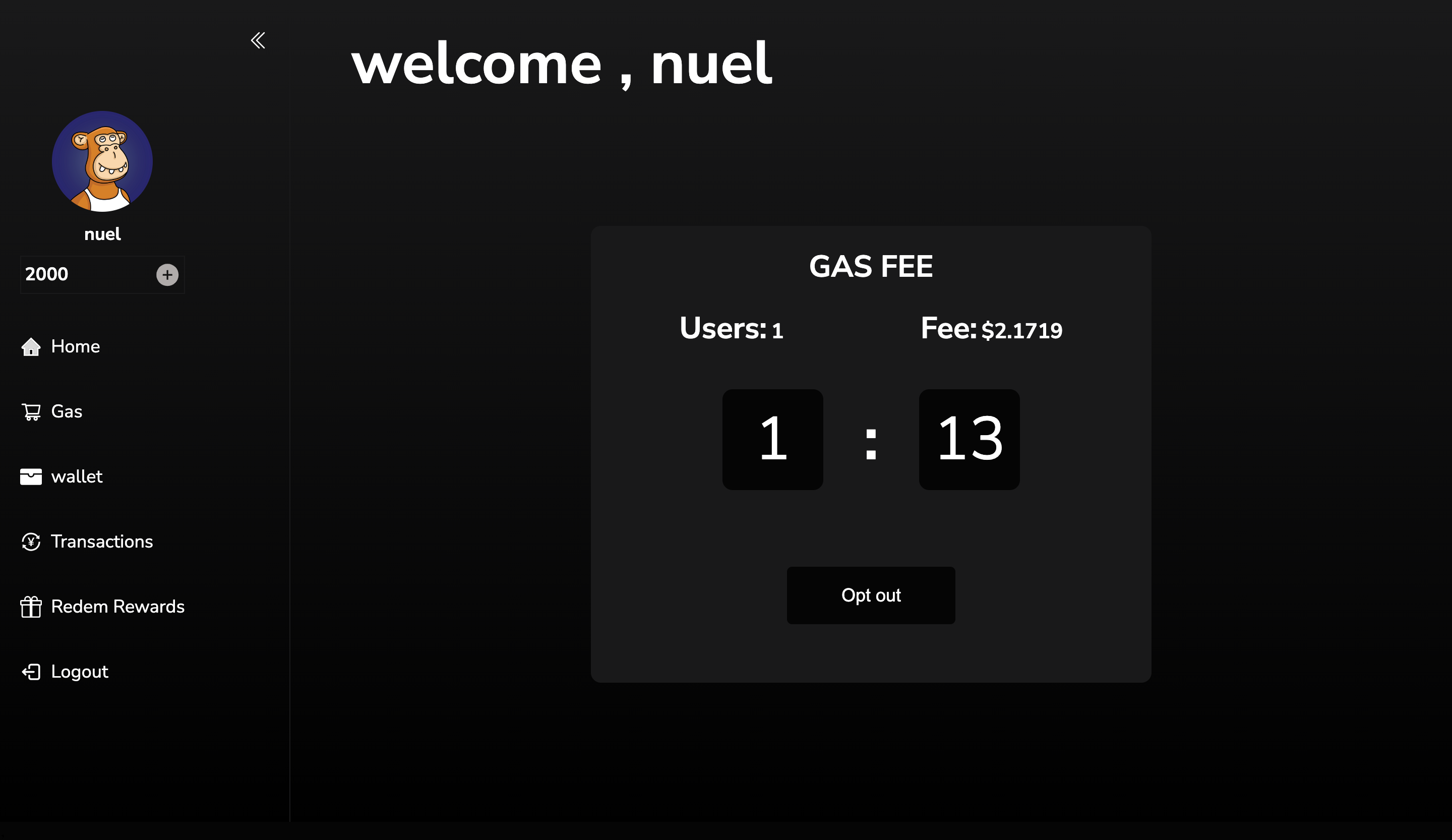
Gas Fee queing
-
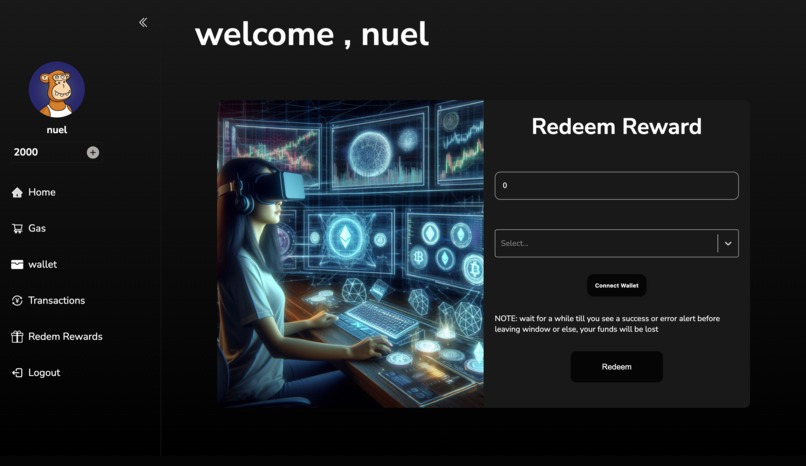
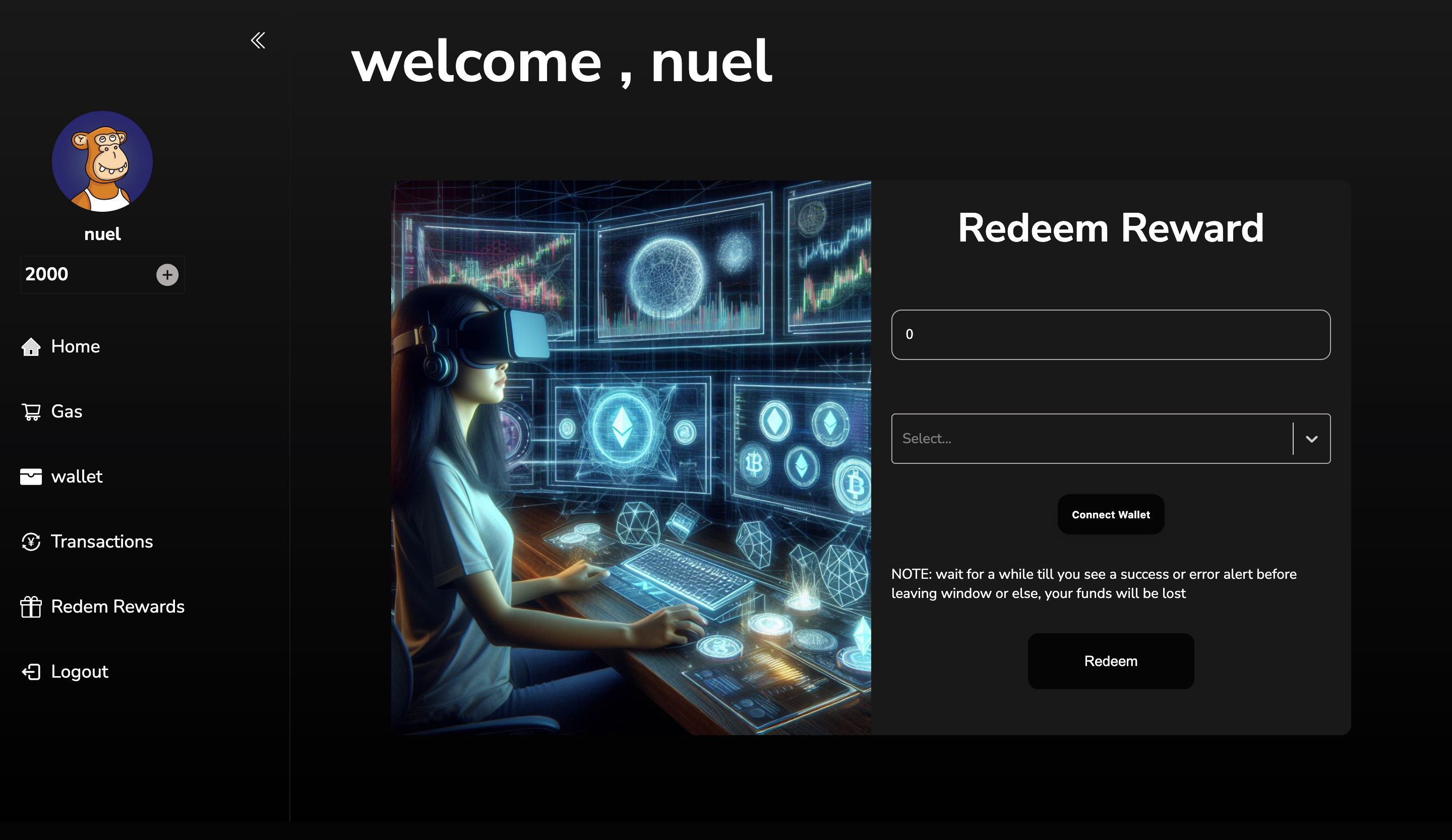
Redem claimed reward
Inspiration
Facing challenges securing gas fees, especially for small amounts needed in ETH and other airdrops, sparked the idea for GasFee. Traditional methods of acquiring these funds, like asking friends or trusting strangers, were inconvenient for small transactions. The vision was to create a solution that bundles transactions, reducing gas fees and making the process more user-friendly.
What it does
GasFee serves as a comprehensive platform that streamlines the entire process. Users can purchase native tokens for gas fees and stake them for rewards. The platform simplifies obtaining small amounts like $1 ETH by allowing users to request and receive them directly from the website. Transactions are processed in batches, with a 1:30-minute window or upon reaching five users. Gas costs are shared among users in the batch, making it cost-effective.
Additionally, GasFee integrates a funding system where users can deposit funds into their wallets seamlessly. Online payments are facilitated in real-time, eliminating the need for complex processes. Users can also stake their ETH or MATIC to earn rewards automatically every six hours. The system utilizes Chainlink automation for this purpose.
GasFee supports two chains, ETH and Polygon, and batches transactions for efficiency. The platform provides an interface for users to connect their wallets, claim and withdraw funds in fiat. Transactions are processed and withdrawn from user balances upon successful completion.
How we built it
GasFee's development involved the integration of wallet funding and deposits in real-time. The platform utilizes socket.io for the first time, enabling batch transactions across different chains. Challenges during the development process included estimating gas fees, initially attributed to code issues but later addressed by ensuring an adequate token supply. The batch processing, involving socket.io, posed a learning curve that was successfully navigated.
Challenges we ran into
Estimating gas fees presented an initial challenge, initially attributed to code problems. The root cause was identified as insufficient token supply, a challenge that was successfully addressed. The implementation of socket.io for batch processing was a new experience, requiring a learning curve to overcome.
Accomplishments that we're proud of
Overcoming challenges in estimating gas fees and mastering batch processing with socket.io marked significant accomplishments. Despite joining the hackathon late, the project showcased effective learning, skill refinement, and successful contributions to the development.
What we learned
The GasFee project provided valuable learning experiences, from addressing estimation challenges to mastering new technologies like socket.io. The process enhanced familiarity with error resolution, refined blockchain skills, and improved proficiency in batch processing.
What's next for GasFee
Future plans for GasFee involve integrating an existing or new payment system. This enhancement aims to provide users with the capability to buy crypto directly on the platform, further reducing transaction amounts. The goal is widespread adoption, addressing common user challenges in claiming and sharing crypto.


Log in or sign up for Devpost to join the conversation.