-
-
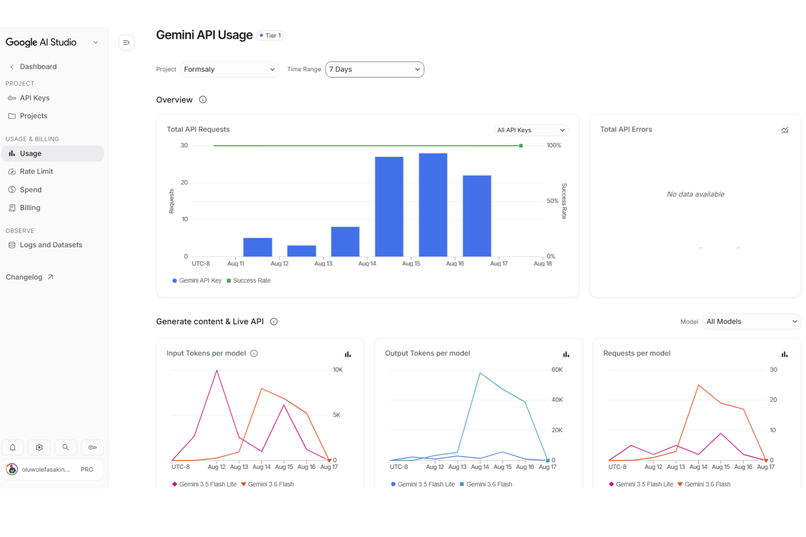
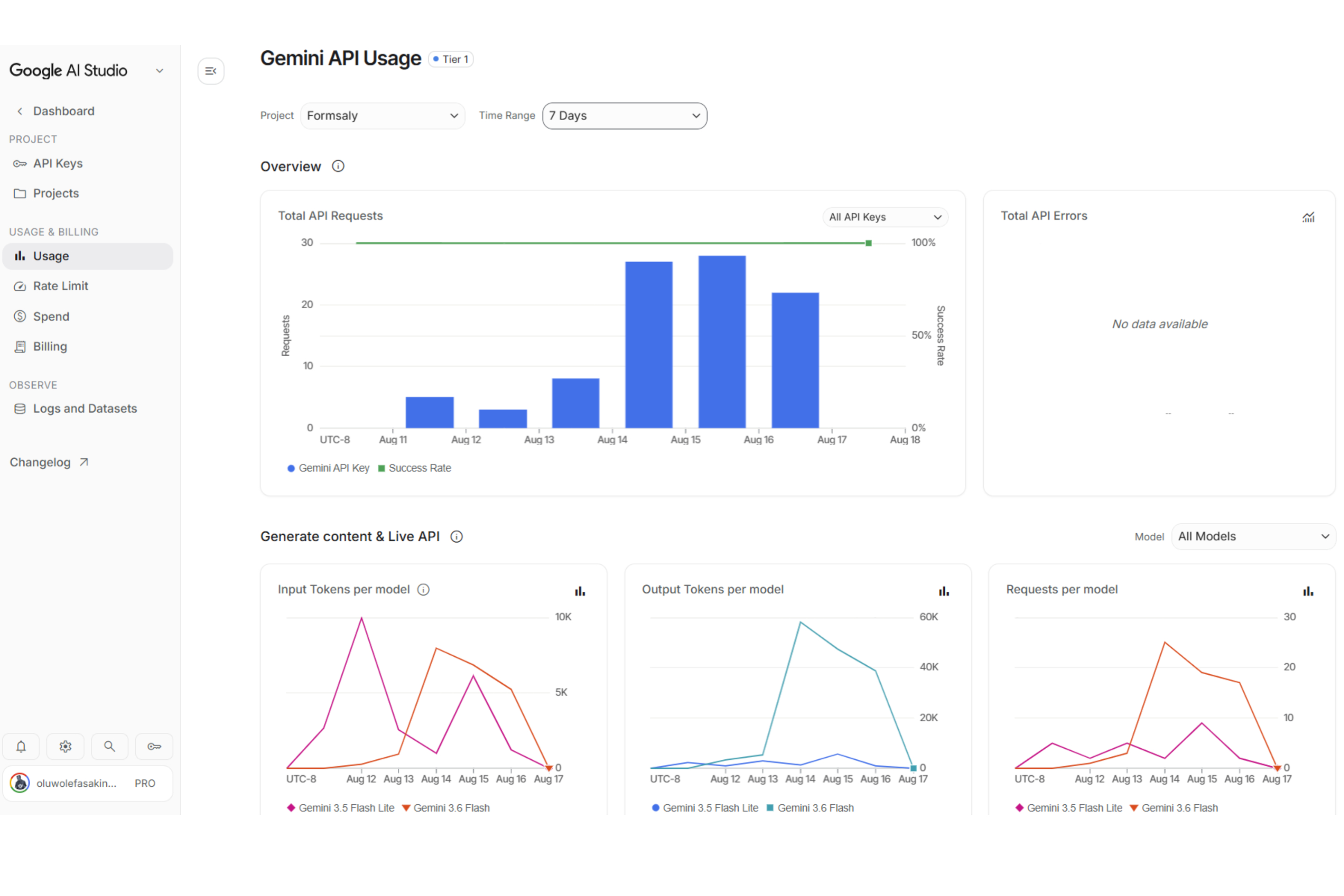
Gemini API Usage
-
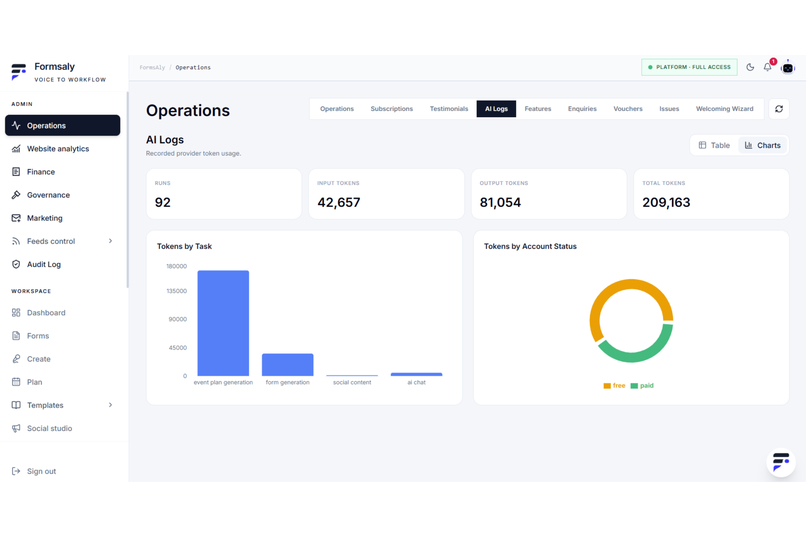
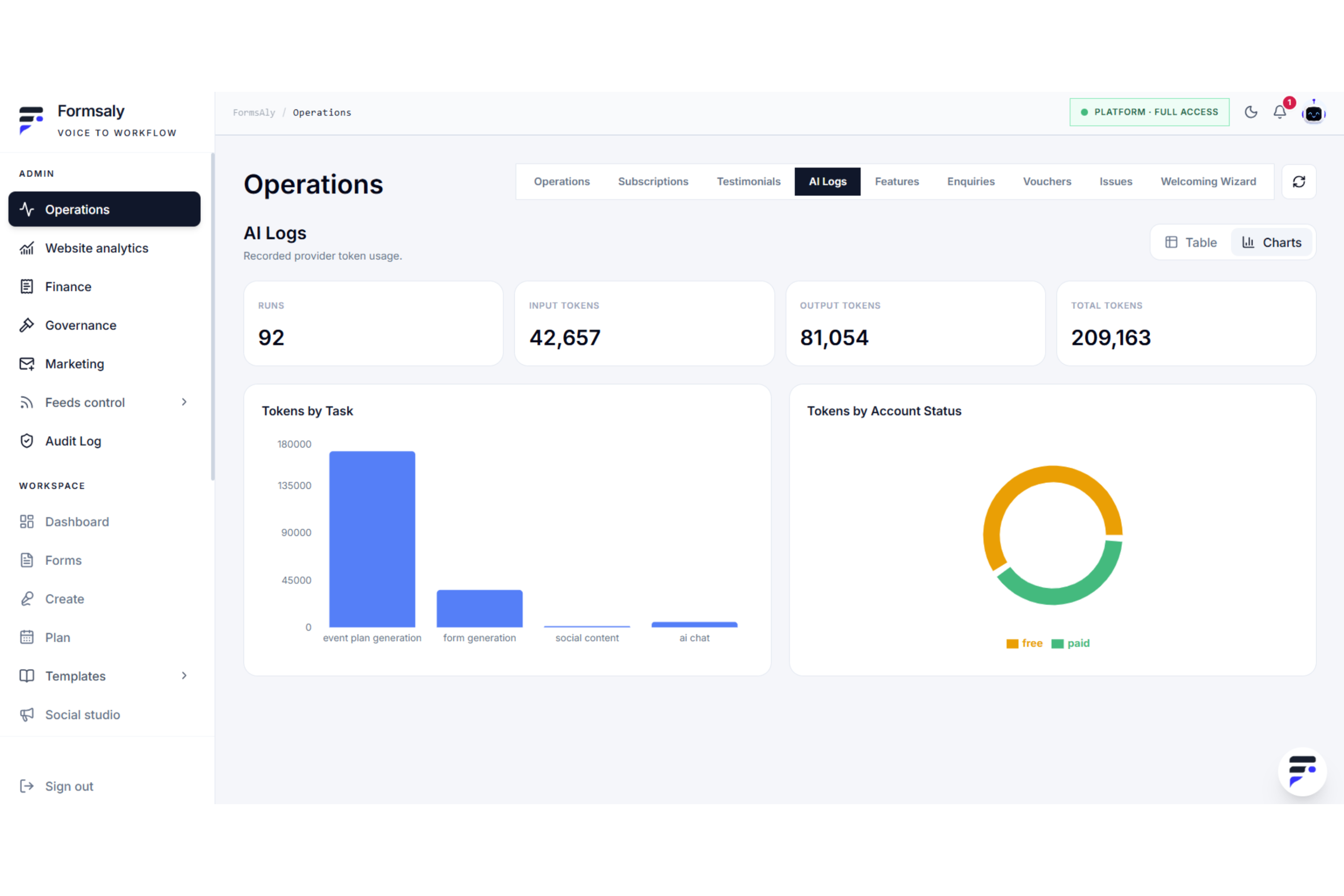
AI Token Usage Formsaly
-
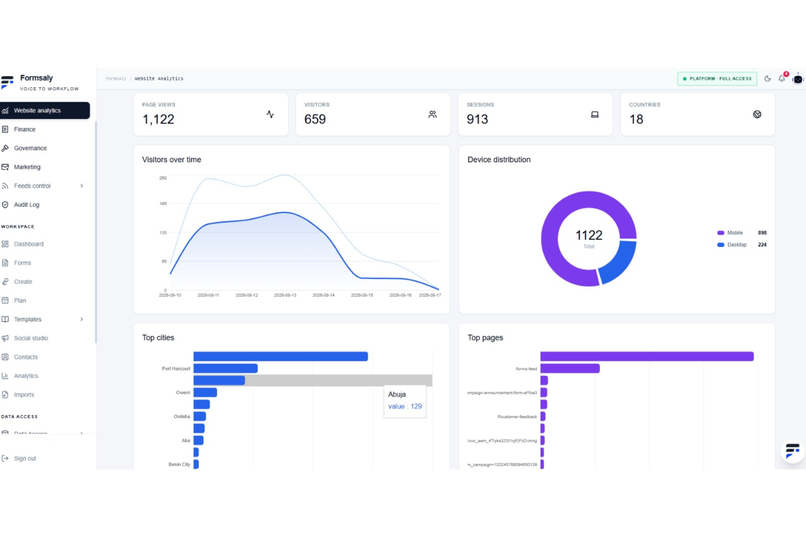
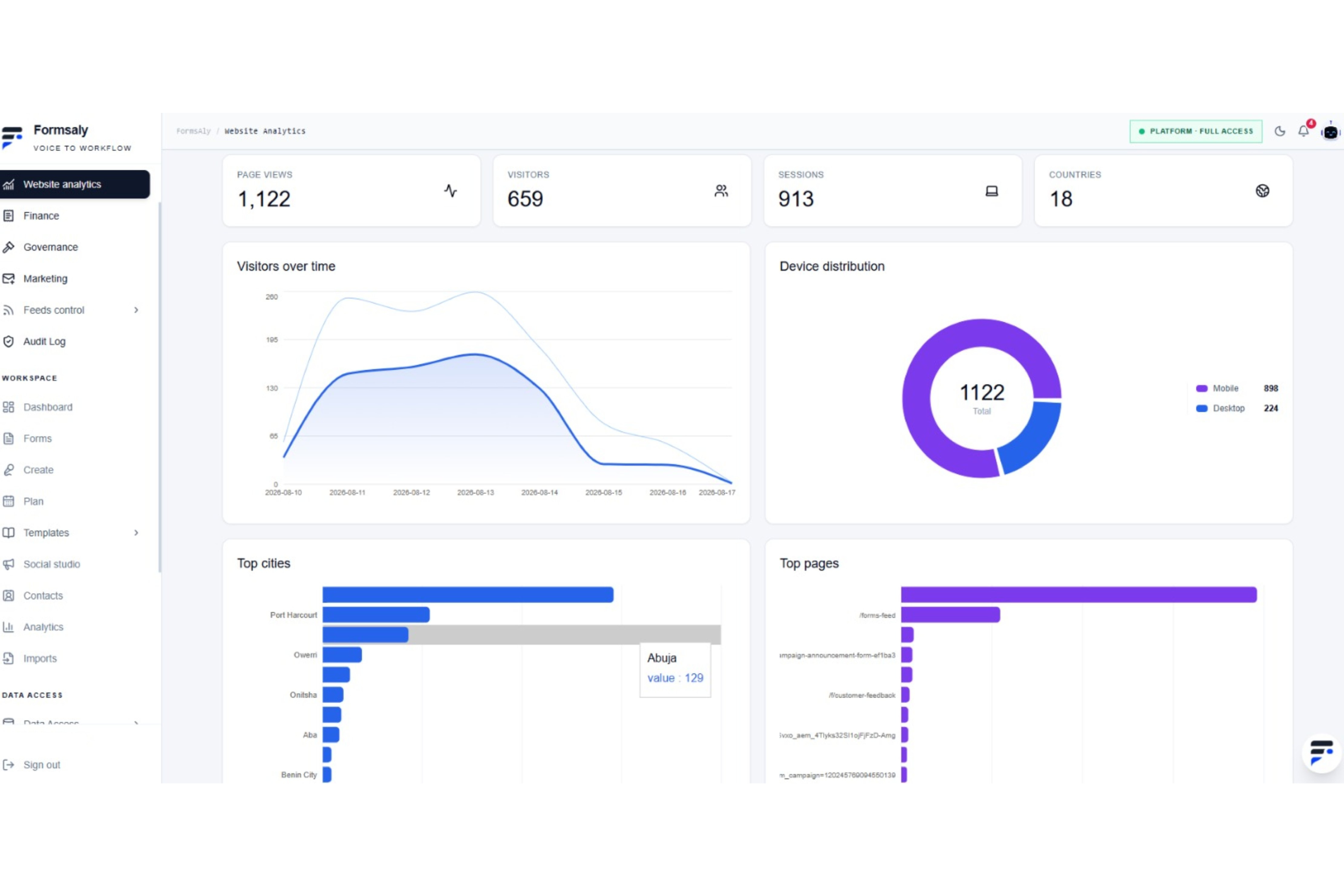
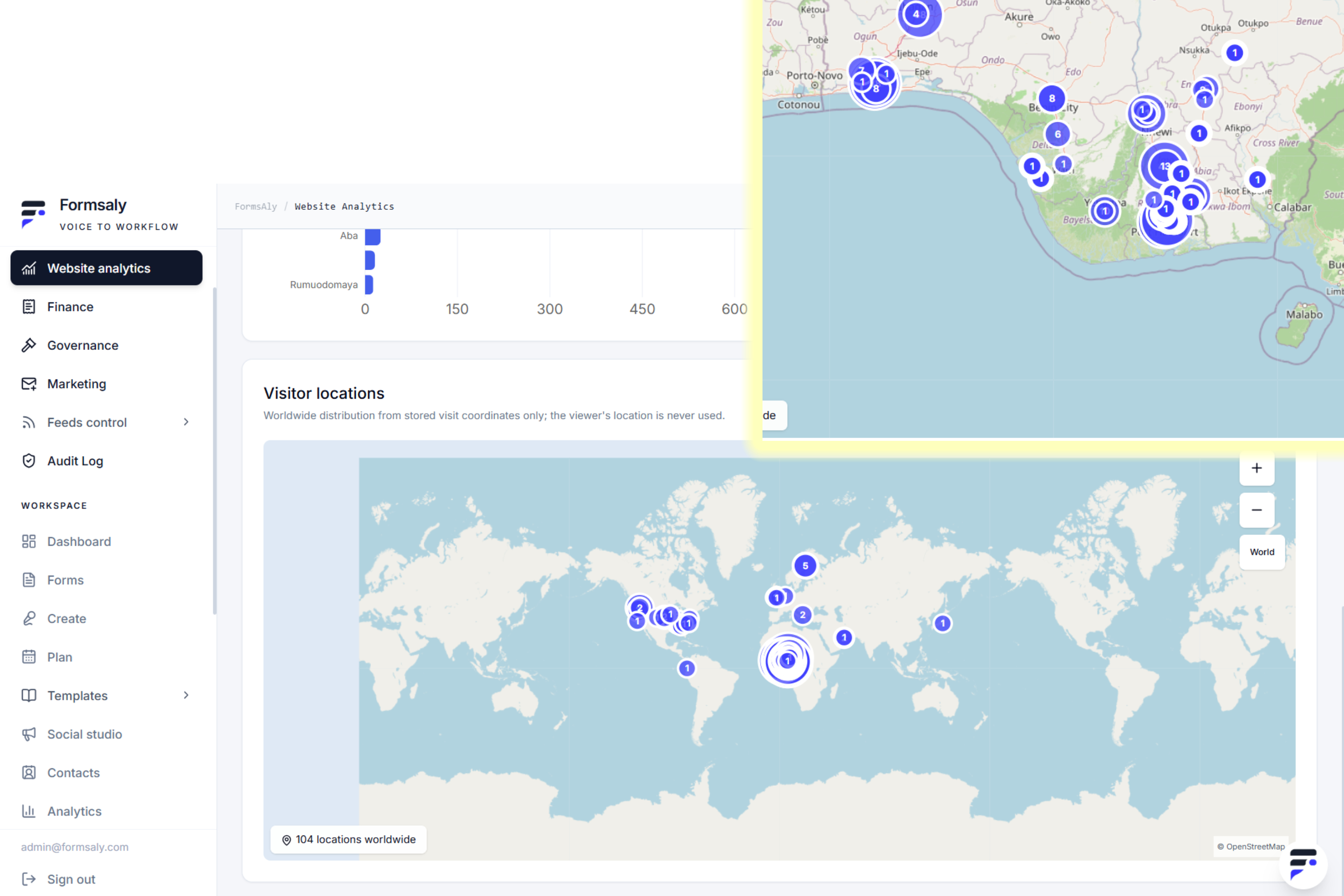
Formsaly Website Analytics
-
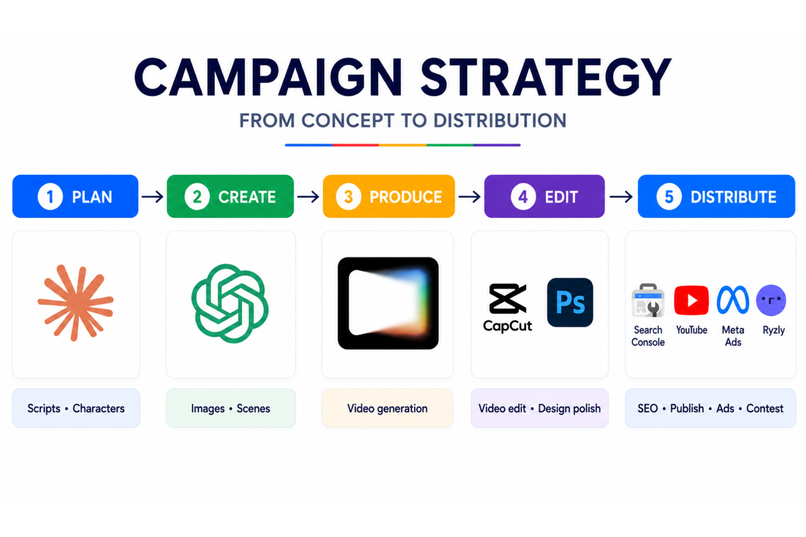
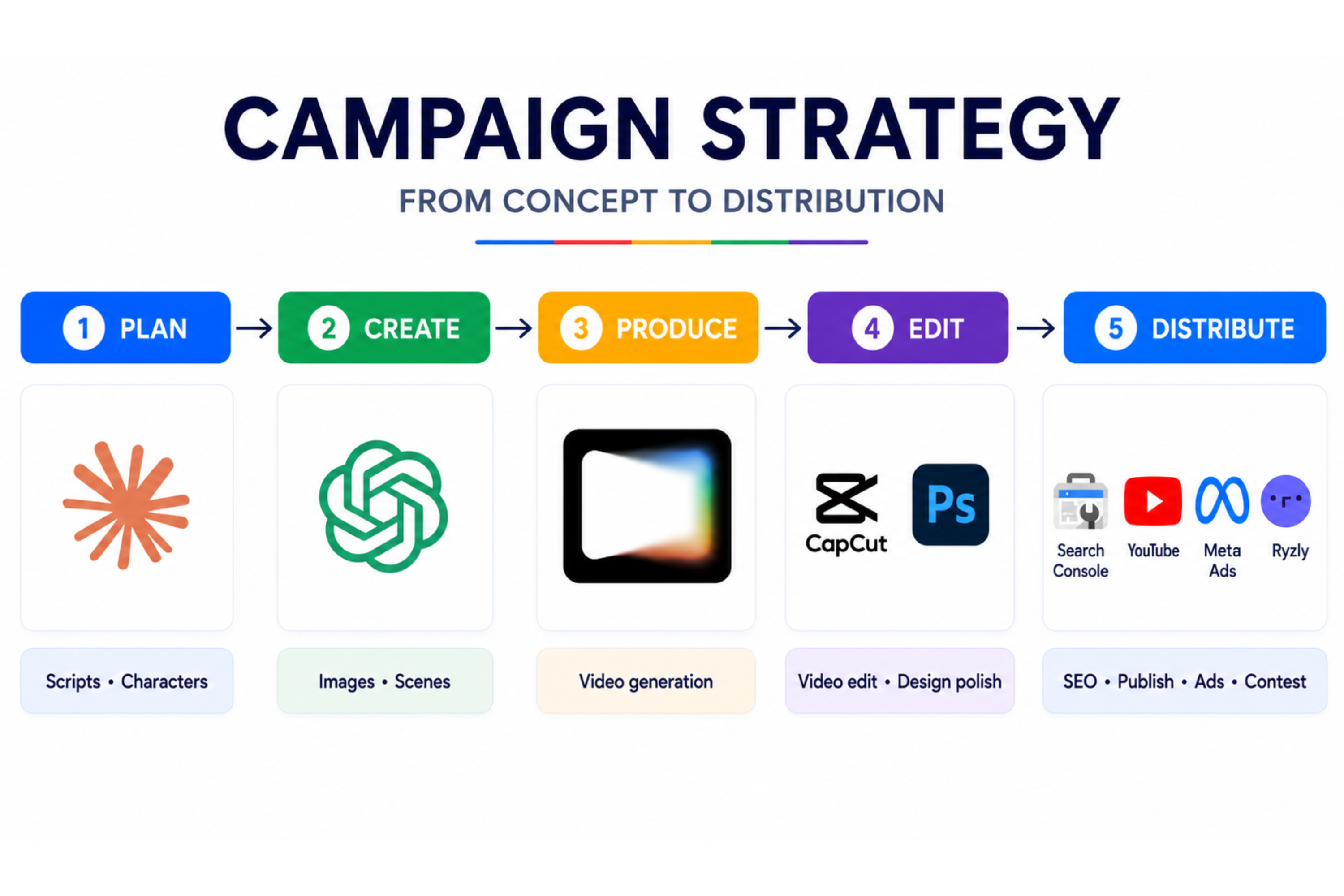
Formsaly Initial Campaign Strategy
-
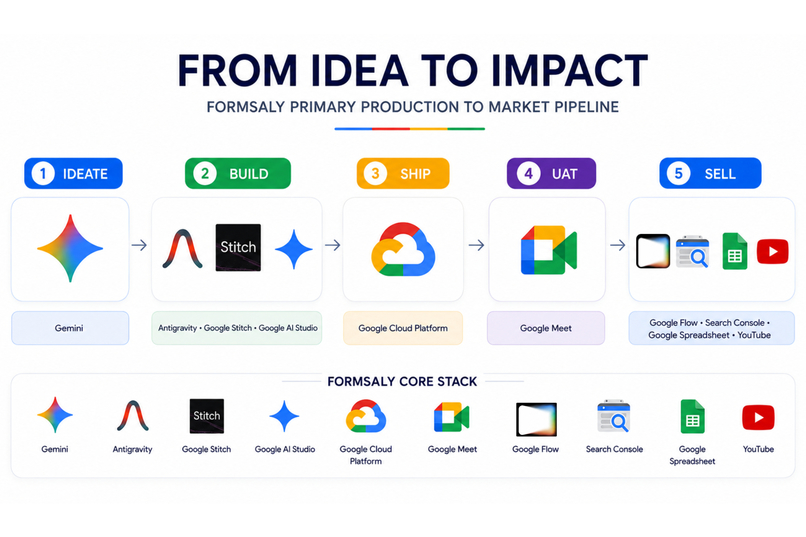
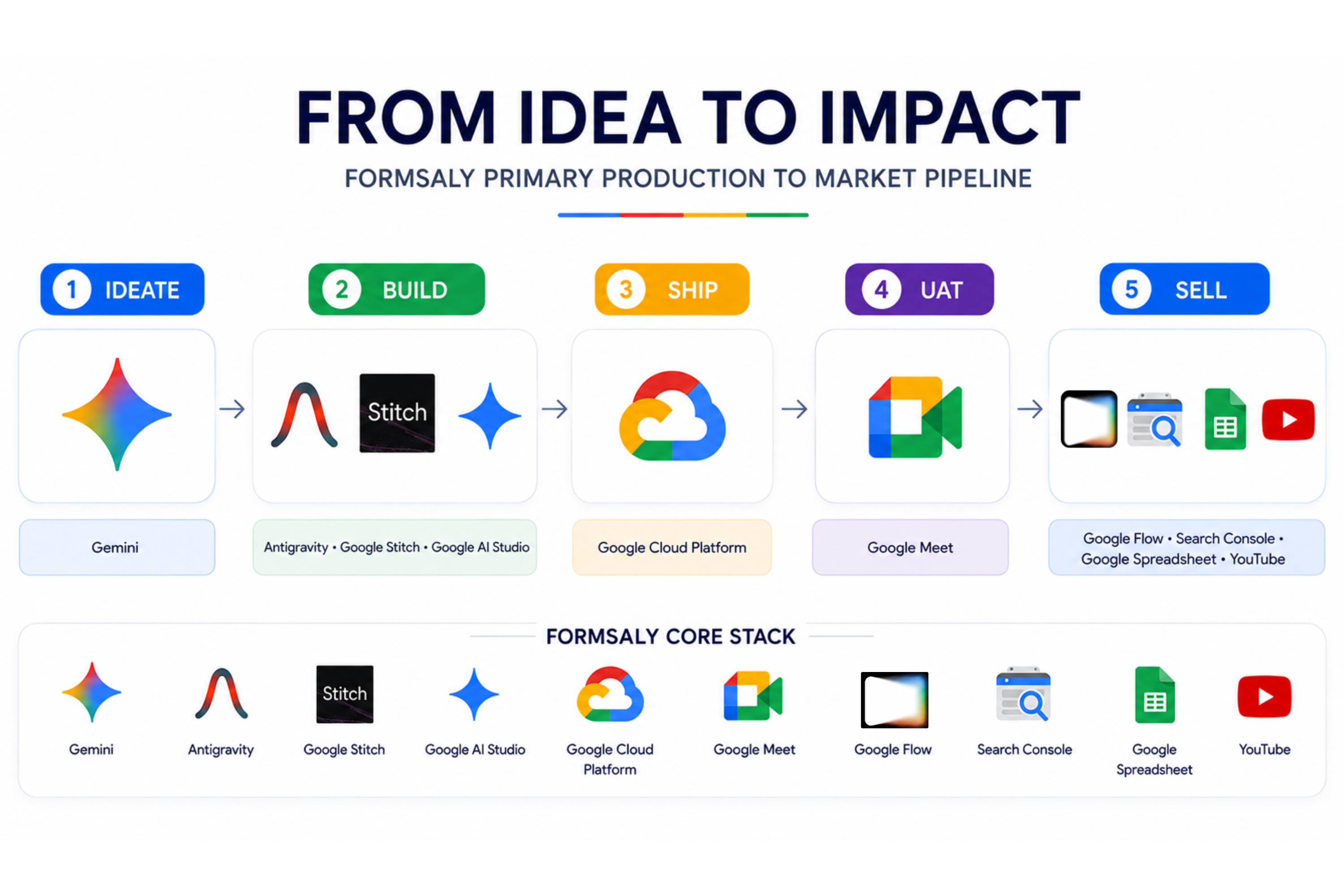
Formsaly Idea to Market on Google Ecosystem
-
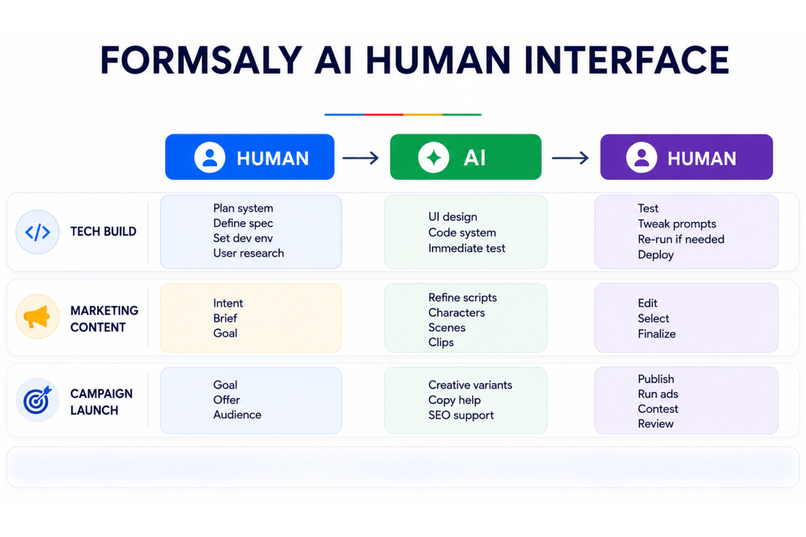
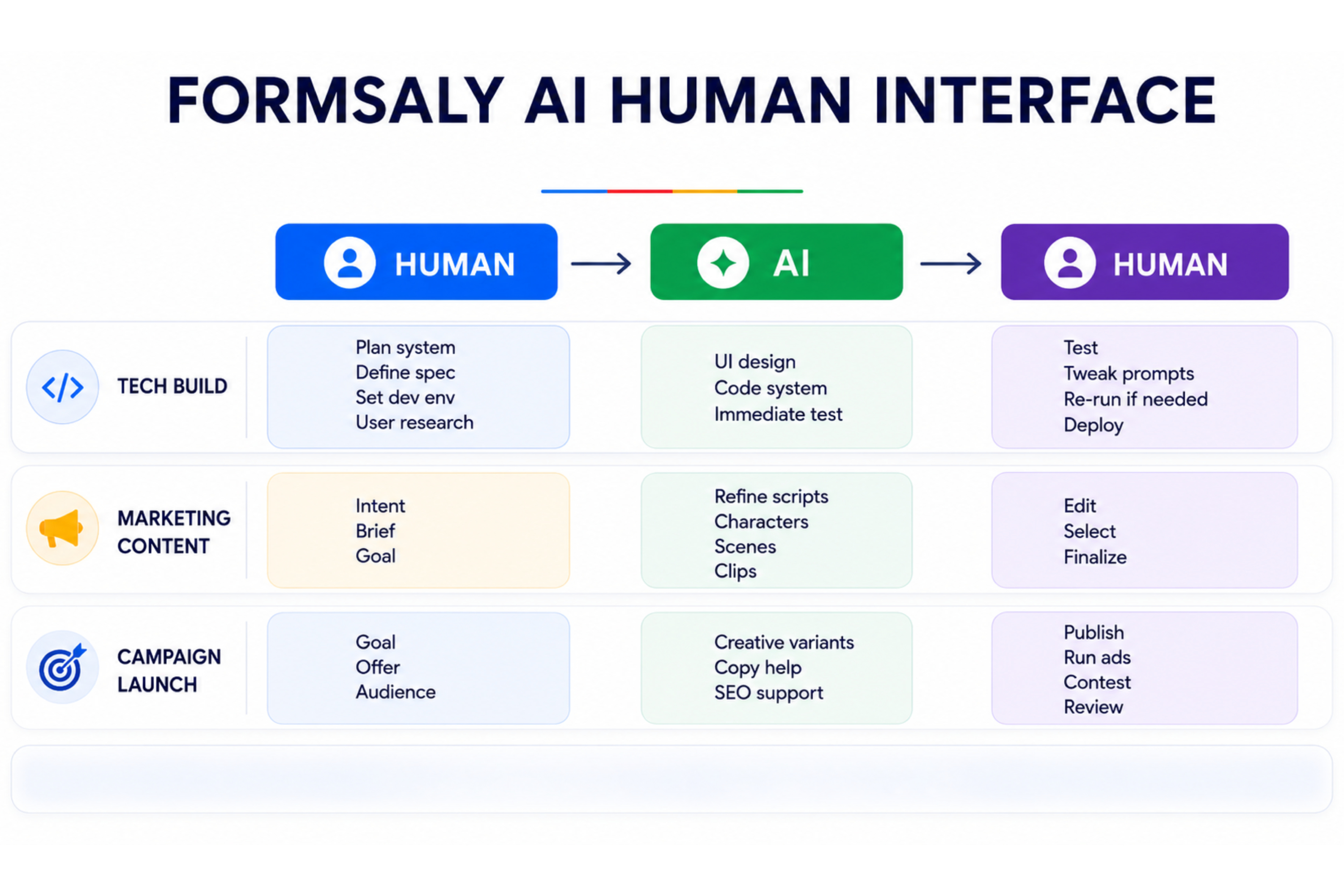
Formsaly Human AI Workflow
-
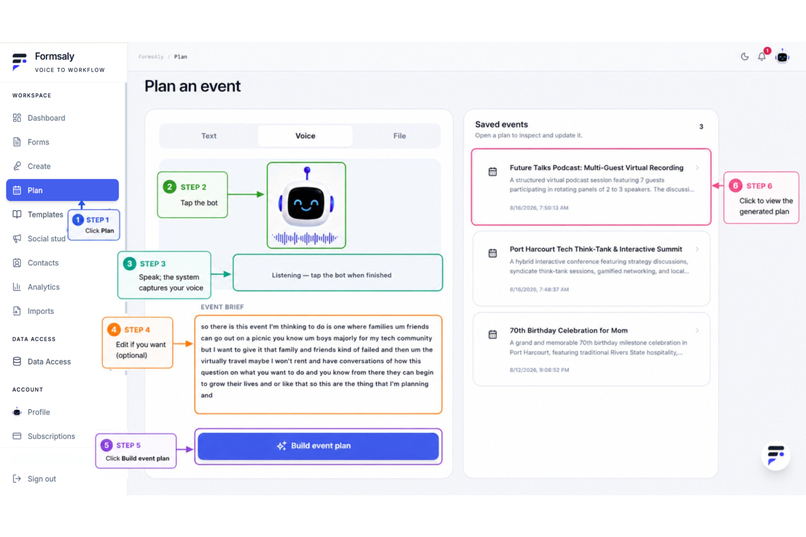
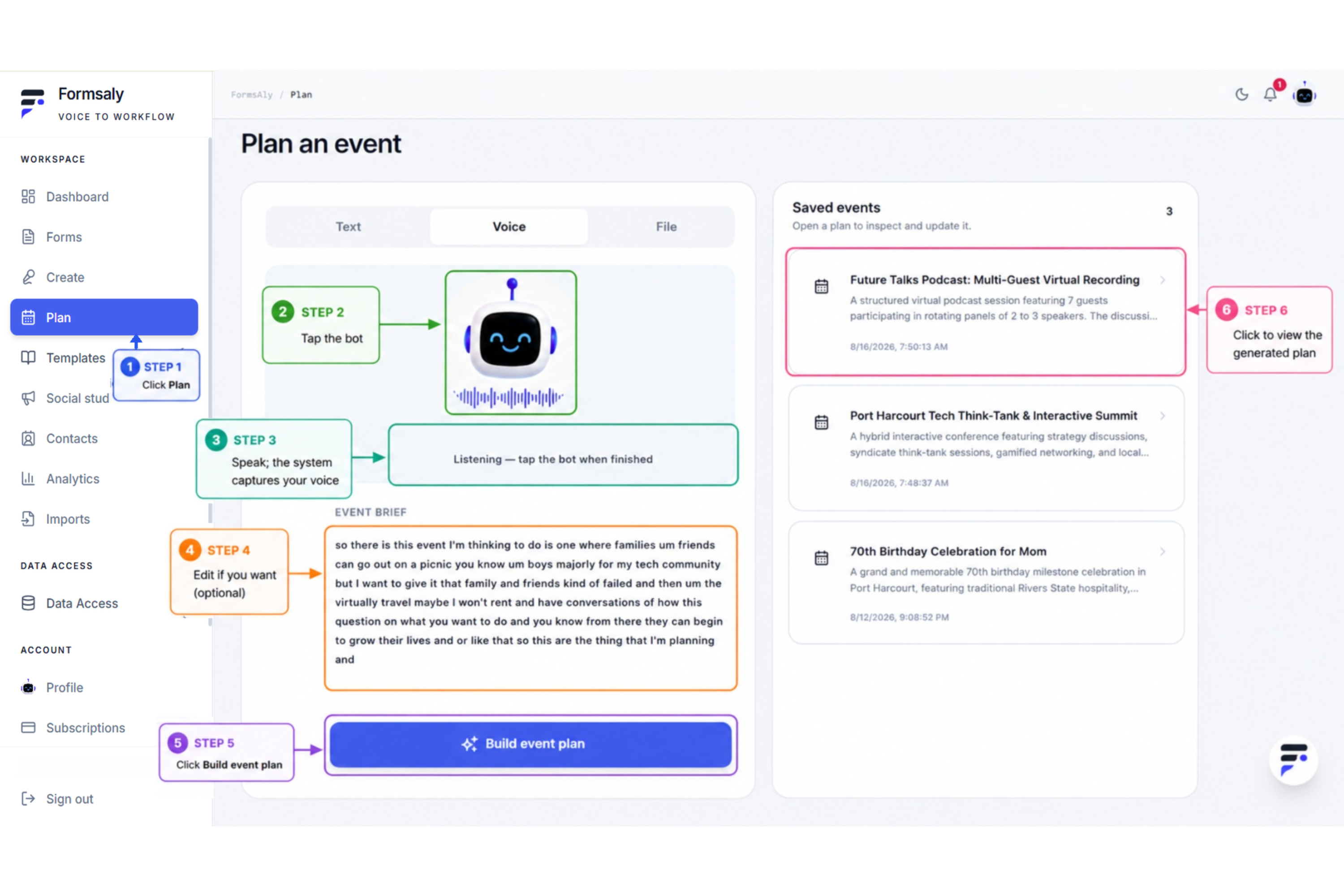
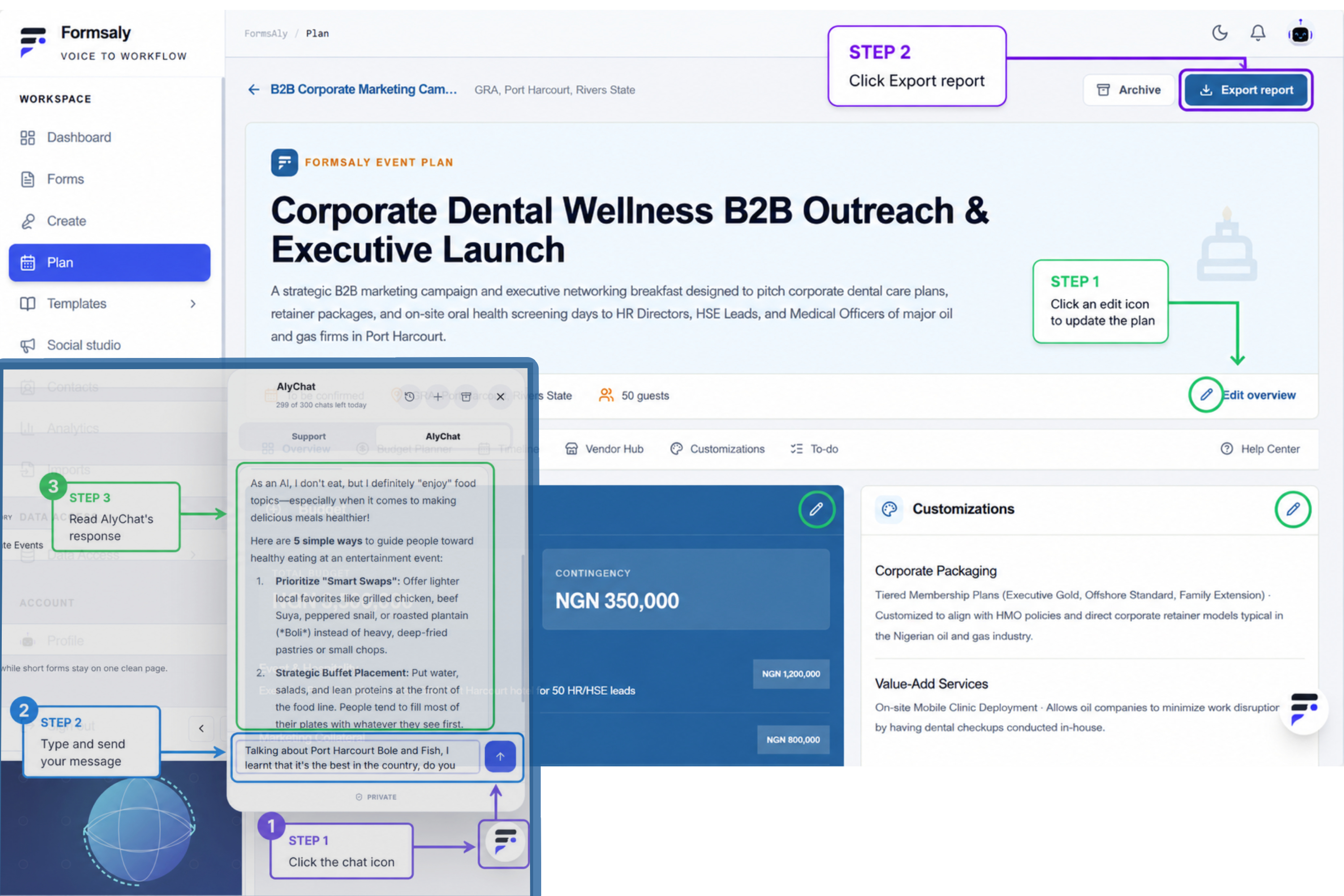
Plan Realization Steps
-
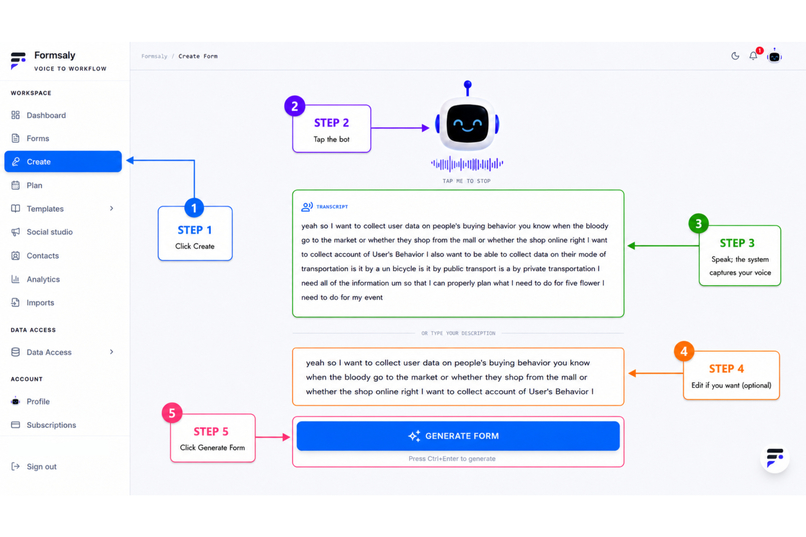
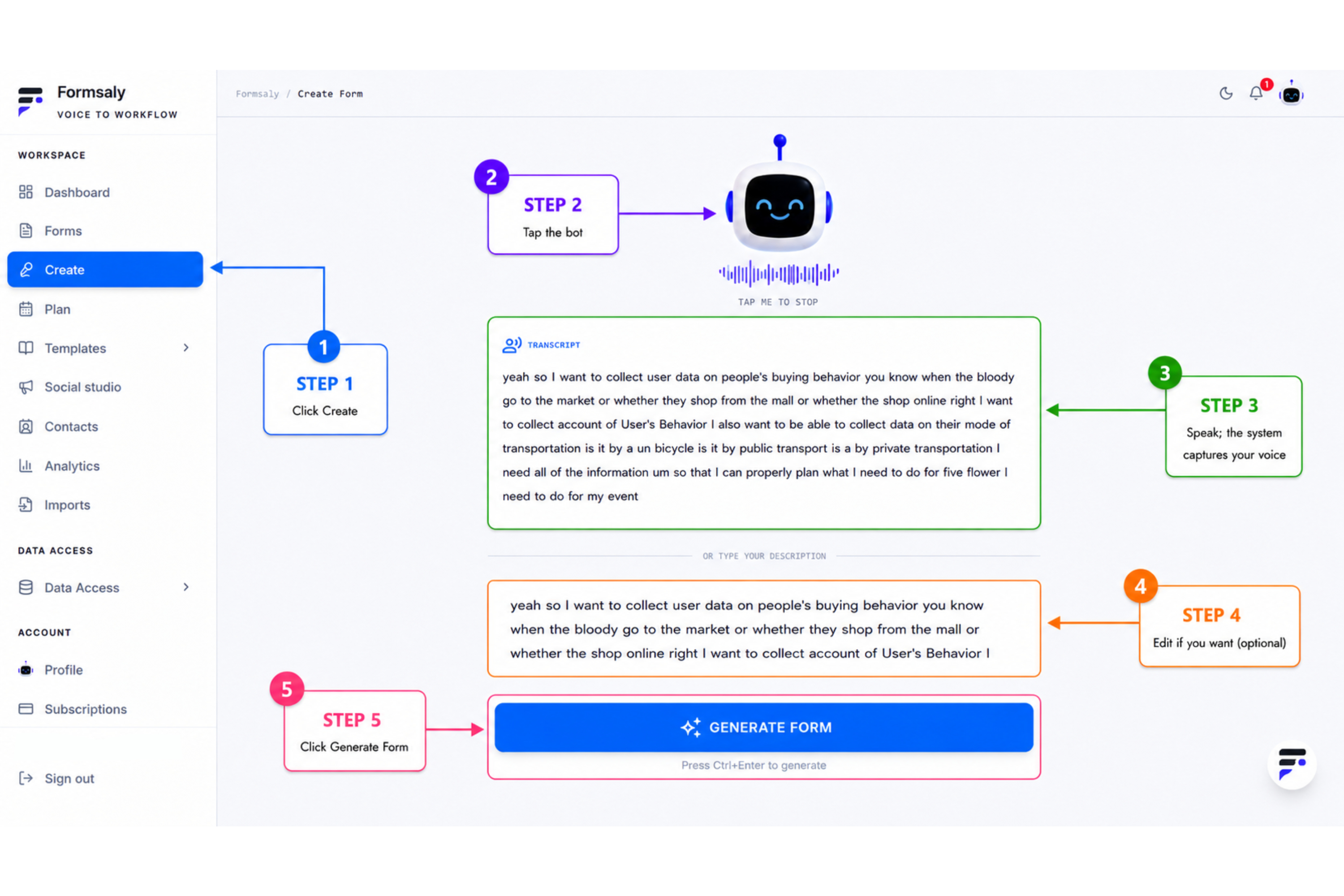
Form Creation Steps
-
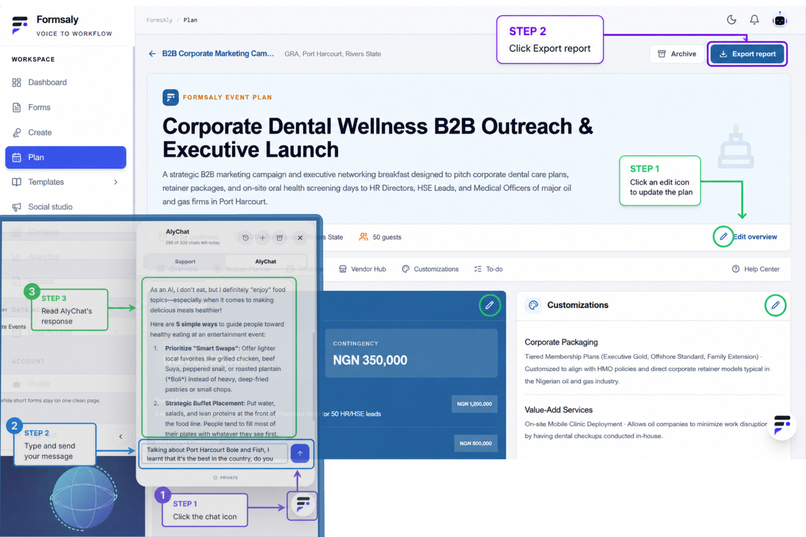
Plan Details_AlyChat
-
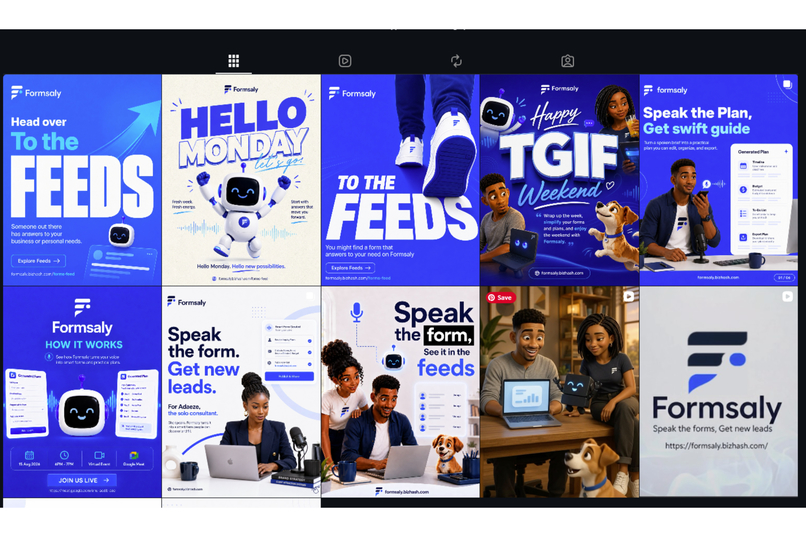
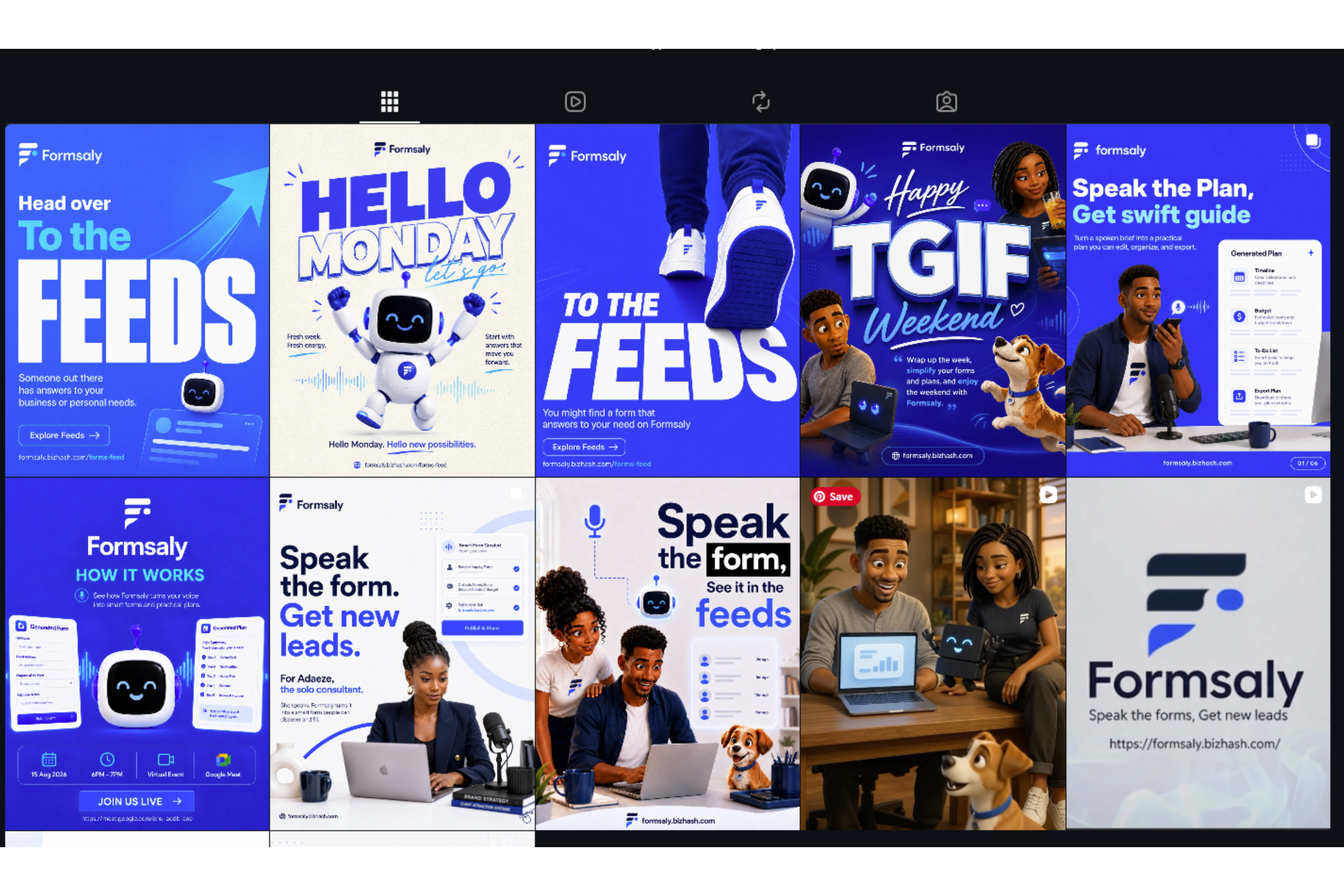
Content Implementation with Flow and Other Design Toolsxprize submission
-
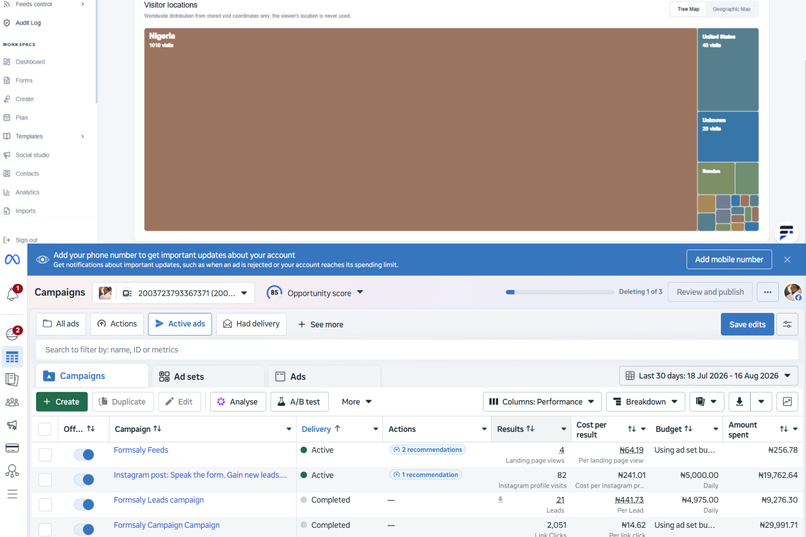
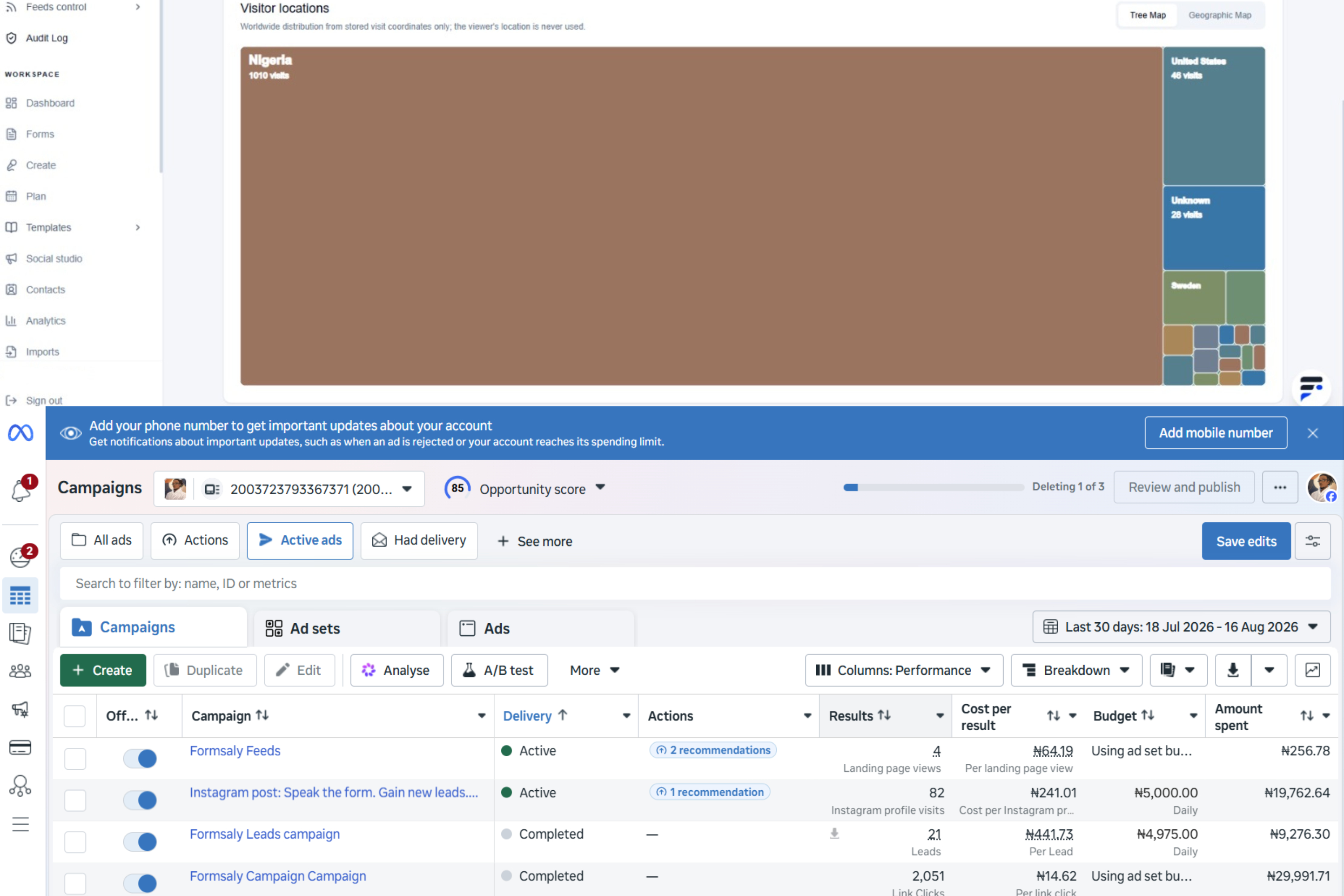
Meta Ads_Formsaly Visitors Tracked by Location
-
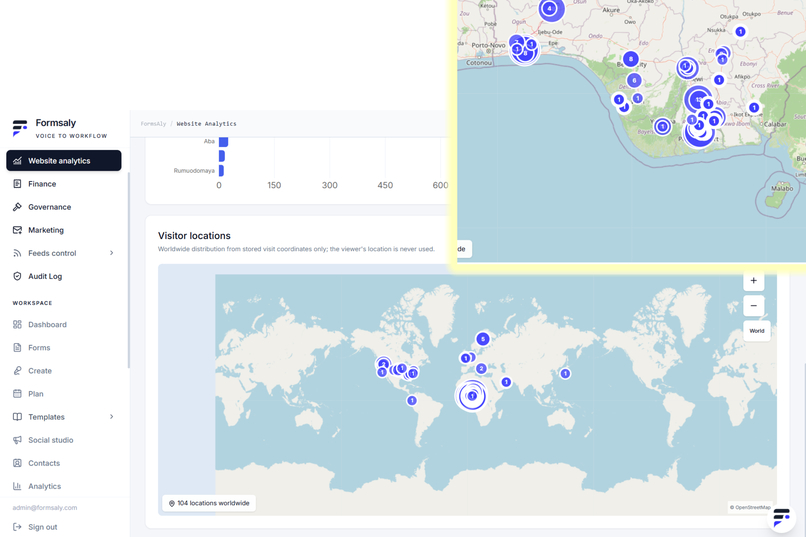
Website Visit Map Distribution
FORMSALY
Inspiration
In these days of prompting and getting quick responses, the world is rapidly moving toward a point where many hardware-dependent and hard-process jobs will simply disappear. That realization sparked the idea for Formsaly. What if someone could visit a single site, describe exactly what form they need and why they need it, and then walk away while the solution generates the form, creates a design for it, attaches the form link and publishes everything to a feed? People would fill it out, and later the creator would return to find complete records and analytics already waiting.
Formsaly has since evolved beyond forms. Users can now speak a plan into existence, edit and refine it, then export it as a shareable resource. Formsaly also has its own Feeds, while form links and plan resources can still be copied and shared anywhere. The entire experience keeps moving toward one idea: speak what you need and move on.
What it does
Formsaly lets businesses and individuals speak a form into existence, parse files into forms, publish to Feeds, collect structured data, and turn every response into actionable intelligence. A user describes the form and its purpose in natural language, chooses a visual template for the feed post, and the platform handles generation, publishing, data capture, and insight delivery.
Formsaly also lets users speak plans into existence, edit and refine those plans through conversation, and export them as shareable resources. Forms and plans are not limited to Formsaly itself; their links can be copied and shared anywhere.
How I built it
I started with a conversational interface powered by Gemini AI that interprets spoken or typed requests and converts them into structured form fields. I layered in document parsing so uploaded PDFs or images become editable forms through vision models and layout analysis.
I then built Formsaly Feeds for publishing and discovering content directly within the platform while keeping every form independently shareable through its link. The same conversational approach powers planning, allowing users to generate, edit and refine a plan before exporting it.
On the backend, a data pipeline records every form submission and applies analytics models to surface trends and intelligence in a clean dashboard. The whole stack prioritizes a continuous flow from intent to creation, sharing and insight.
Challenges I ran into
Making its speech feature multilingual, that's a new concern my prospective team and I will be exploring
Making the experience truly hands-off while still giving users control when they need to edit a form or refine a plan created a constant tension between automation and flexibility. Building Feeds also required ensuring Formsaly could have its own distribution layer without restricting users from copying their links and sharing resources elsewhere.
Accomplishments that we're proud of
I succeeded in uniting voice-driven form creation, file conversion, Feeds, data collection and intelligence into one continuous product. A spoken request can become a live form, be published to a feed, shared anywhere through its link, and return structured responses with analytics ready for the creator.
Formsaly has also grown beyond forms. Users can now speak a plan into existence, continue the conversation to edit it, and export the completed plan as a shareable resource.
What I learned
Research confirmed that strong solutions already exist for individual steps such as voice form generation, PDF conversion, planning and response analytics. The missing element is the connection between them.
Closing that gap taught me the value of treating creation, publishing, sharing, collection and understanding as one journey rather than disconnected features. It also showed the importance of letting Formsaly have its own Feeds while ensuring users remain free to take their form links and plan resources anywhere.
What's next for Formsaly
I plan to improve multilingual voice understanding, add deeper predictive analytics, and expand collaboration for forms and plans. Plans will also gain support features that allow other people to participate in a shared plan, comment on it and even contribute financially to it.
Longer-term goals include shared workspaces, stronger Formsaly Feeds discovery, and tighter integrations with common business tools so the speak-and-move-on experience becomes even more powerful.
Built With
- antigravity
- capcut
- cloudflare
- docker
- drizzle
- gcp
- geminiapi
- googleaistudio
- googleflow
- googlesearchconsole
- googlestitch
- lucidereact
- mysql
- nextjs
- node.js
- openstreetmap
- paystack
- photoshop
- react
- recharts
- resend
- tailwind
- tailwindcss
- tidb
- typescript


Log in or sign up for Devpost to join the conversation.