-
-
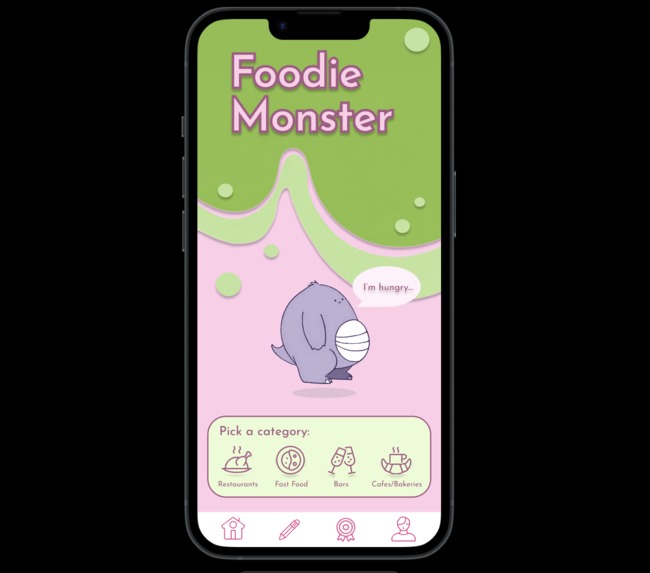
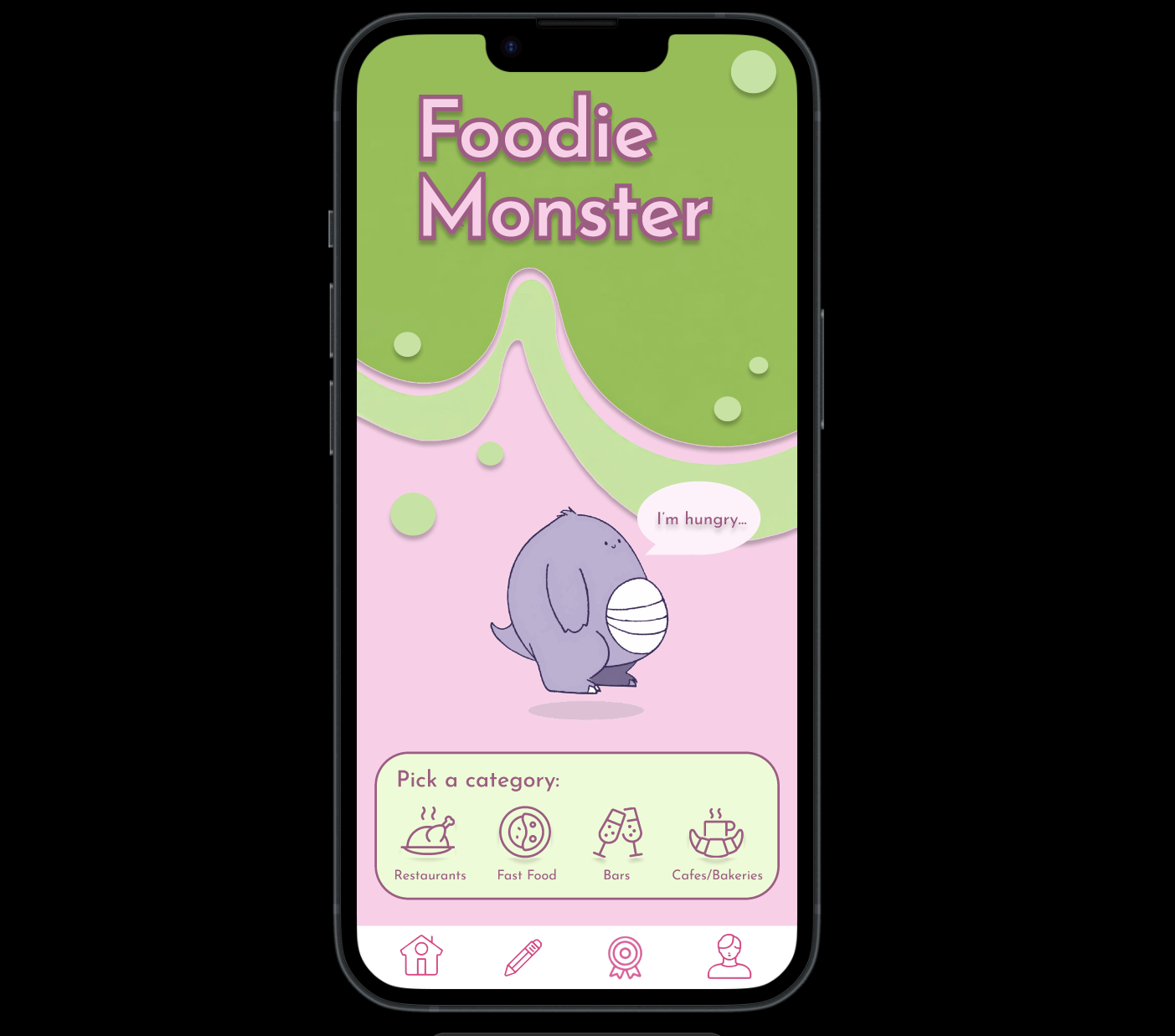
Home
-
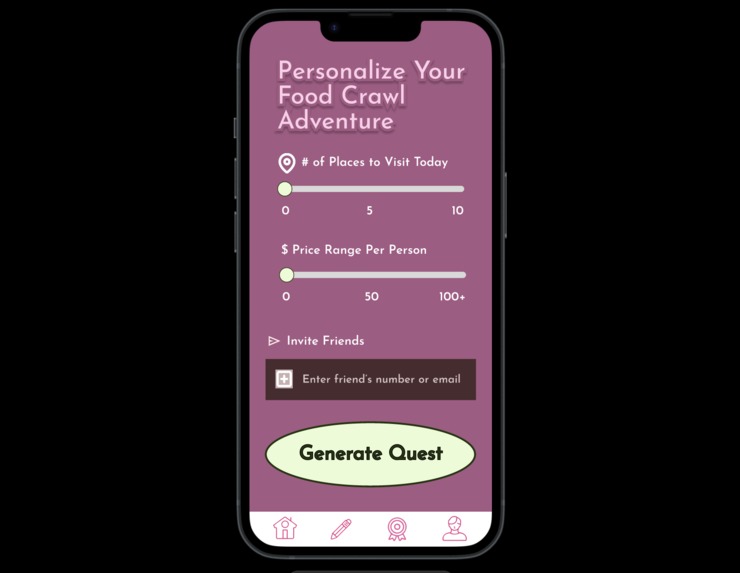
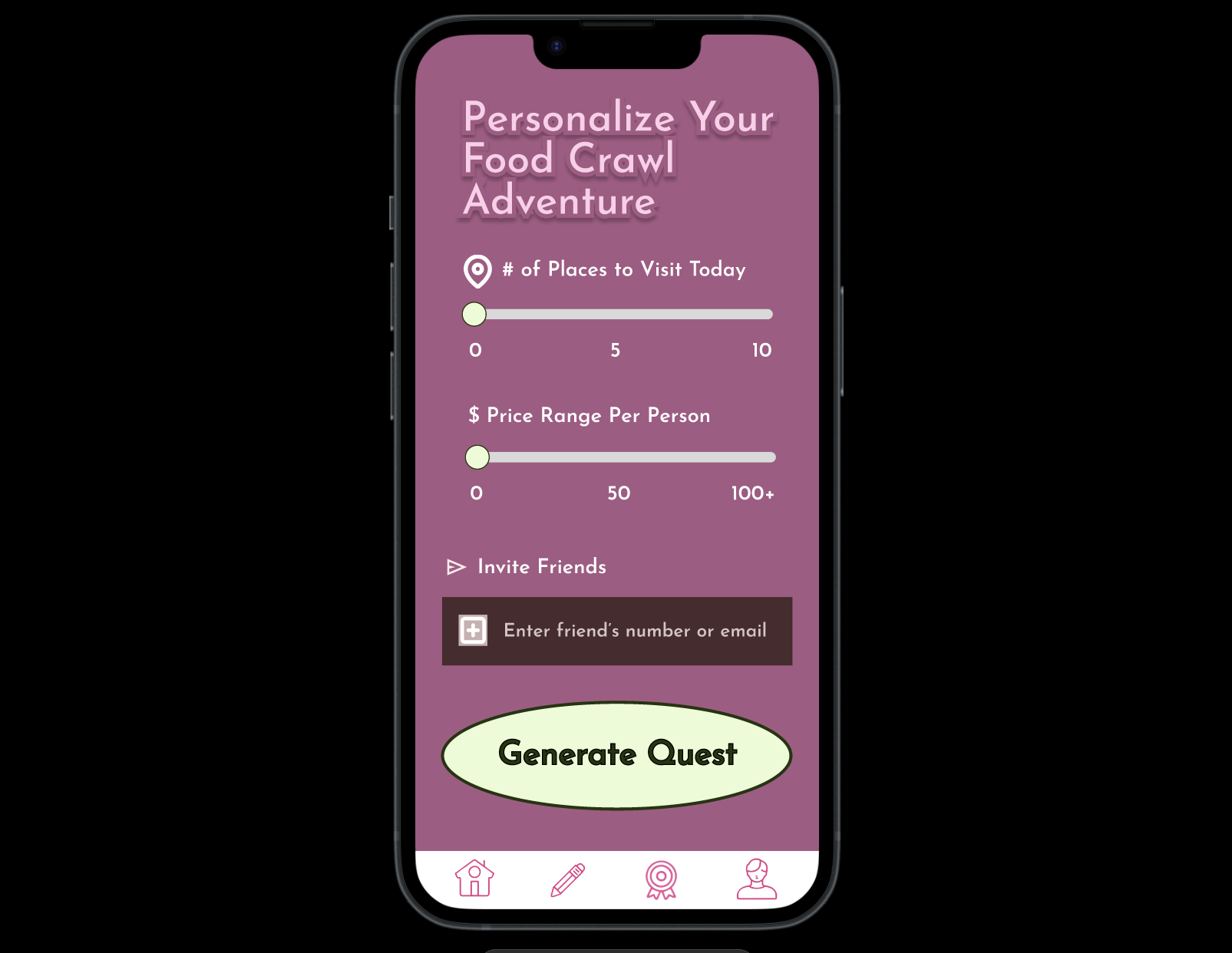
Getting started
-
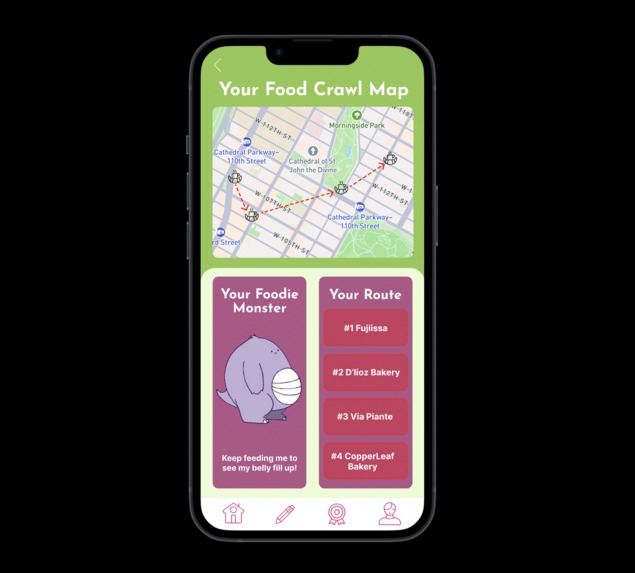
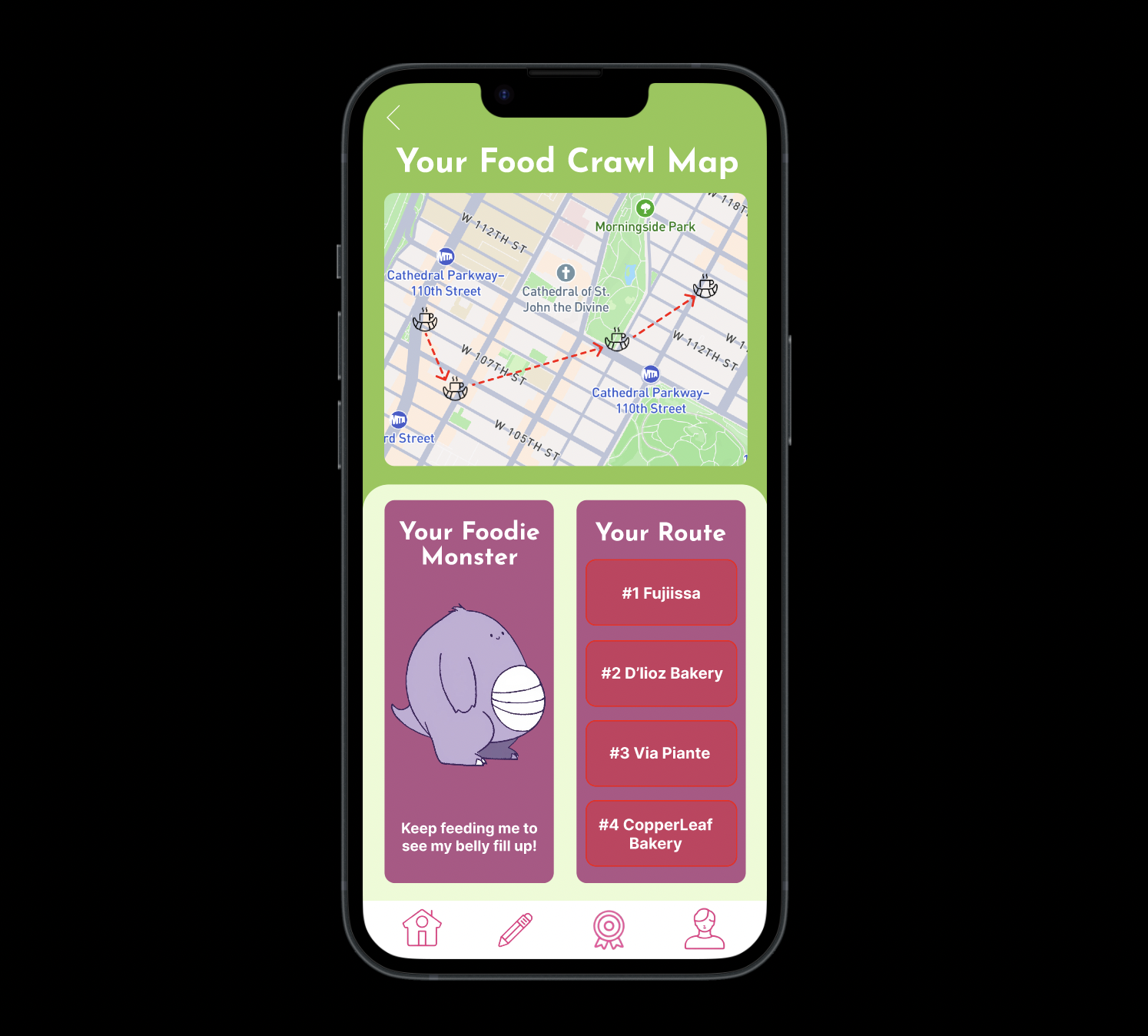
Feeding Foodie Monsted
-
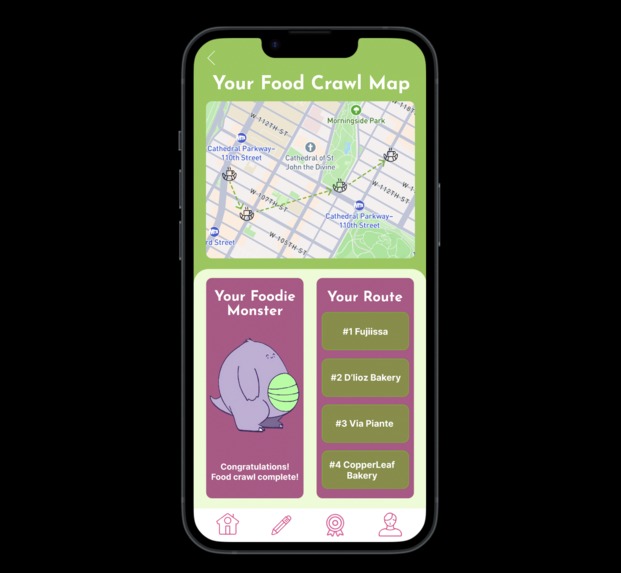
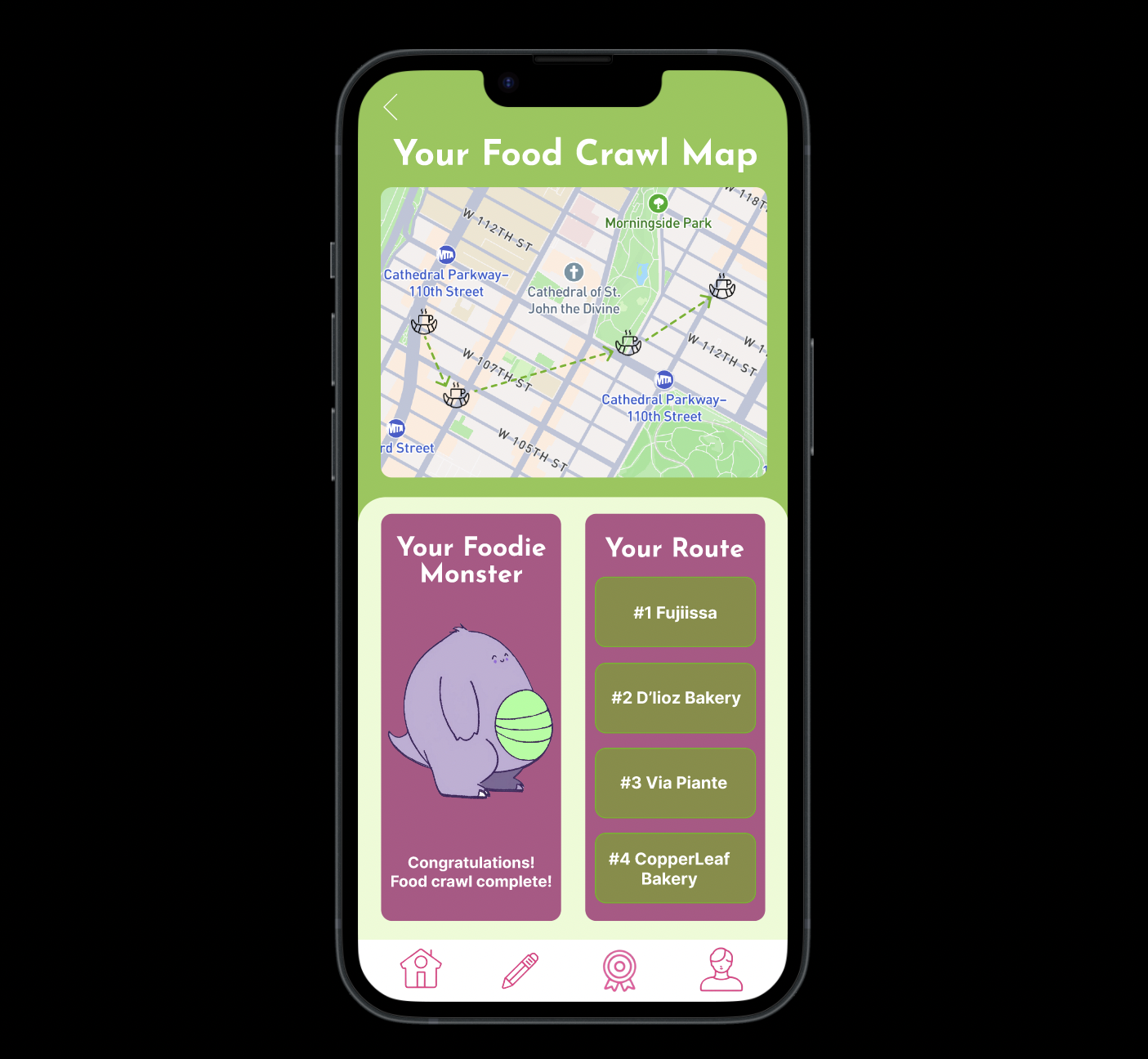
Game completed
-
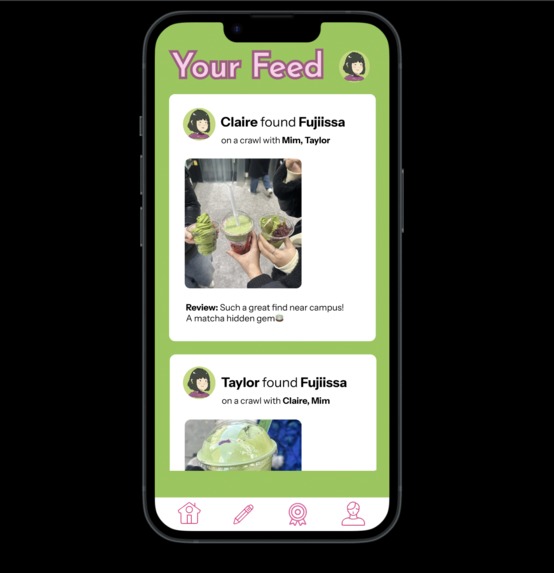
Feed
-
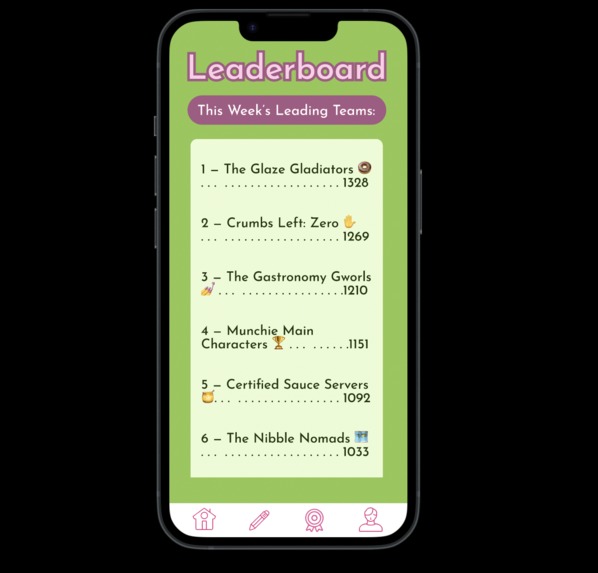
Leaderboard
-
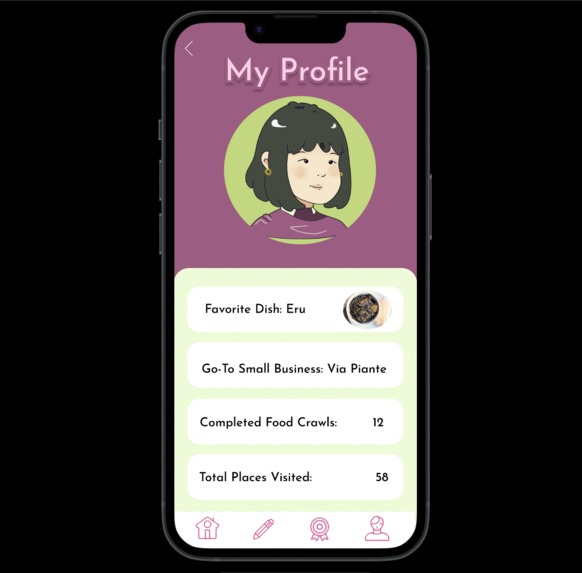
Profile
-
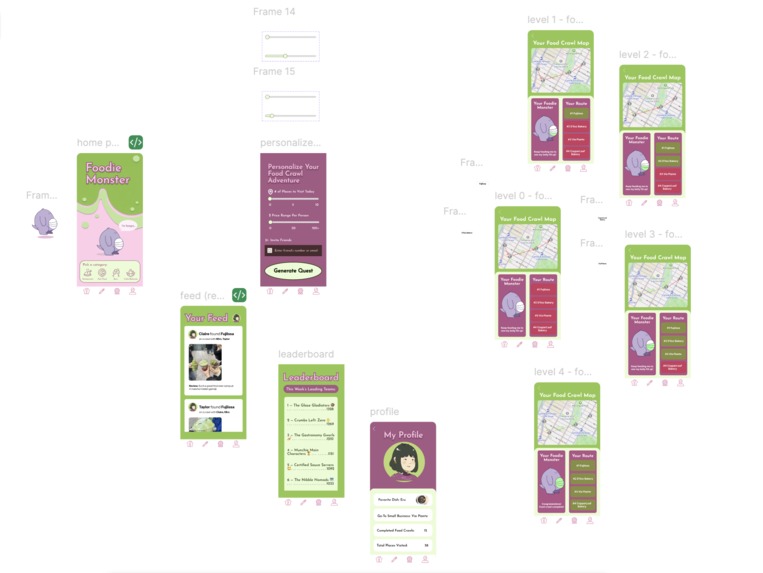
Prototype
Inspiration
Food has always been more than just something to fill our stomach (although it does)–it’s culture, memory, and connection. Yet for many people today, eating has become a rushed, transactional habit–or something one has to do for the sake of doing. At the same time, small restaurants struggle to build lasting relationships with customers beyond discounts and delivery apps. We asked ourselves: how can we make food feel meaningful again while helping local small, lesser-known businesses create real, repeat engagement? Foodie Monster was inspired by the idea of turning everyday meals into playful, shared experiences that people actually remember.
What it does
Foodie Monster is a multiplayer, real-world game that turns dining into an interactive food crawl. Players explore local food spots, complete IRL food quests, and track their progress through a shared game world.
The app centers around:
- A discovery engine that generates “food crawl quests” prioritising local businesses with less than 100 reviews online.
- An interactive map that tracks every visit fills the monster’s empty stomach meter up.
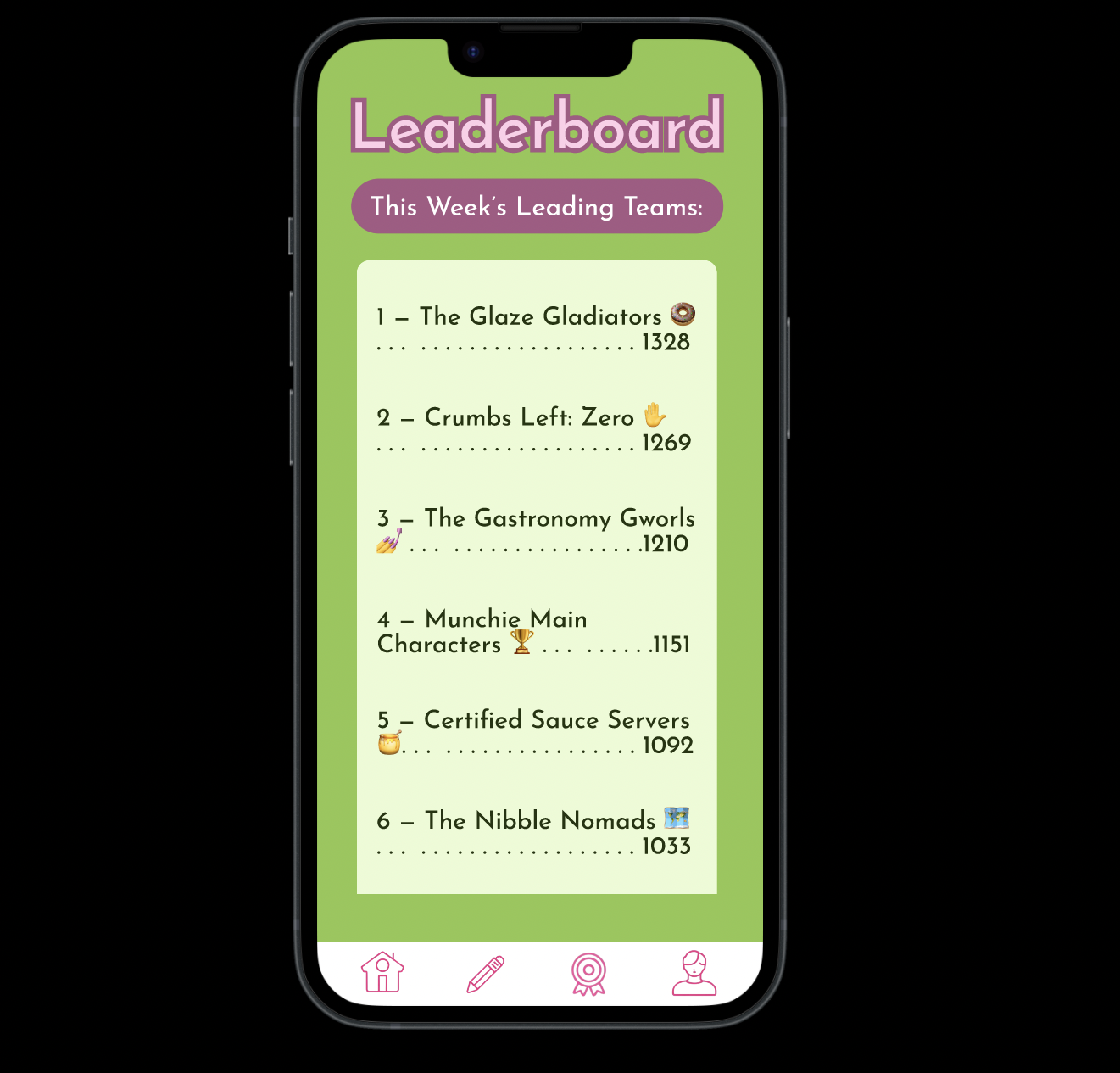
- A leaderboard showcasing leading teams, incentivizing players to compete together against others for the weekly podium while building social connections.
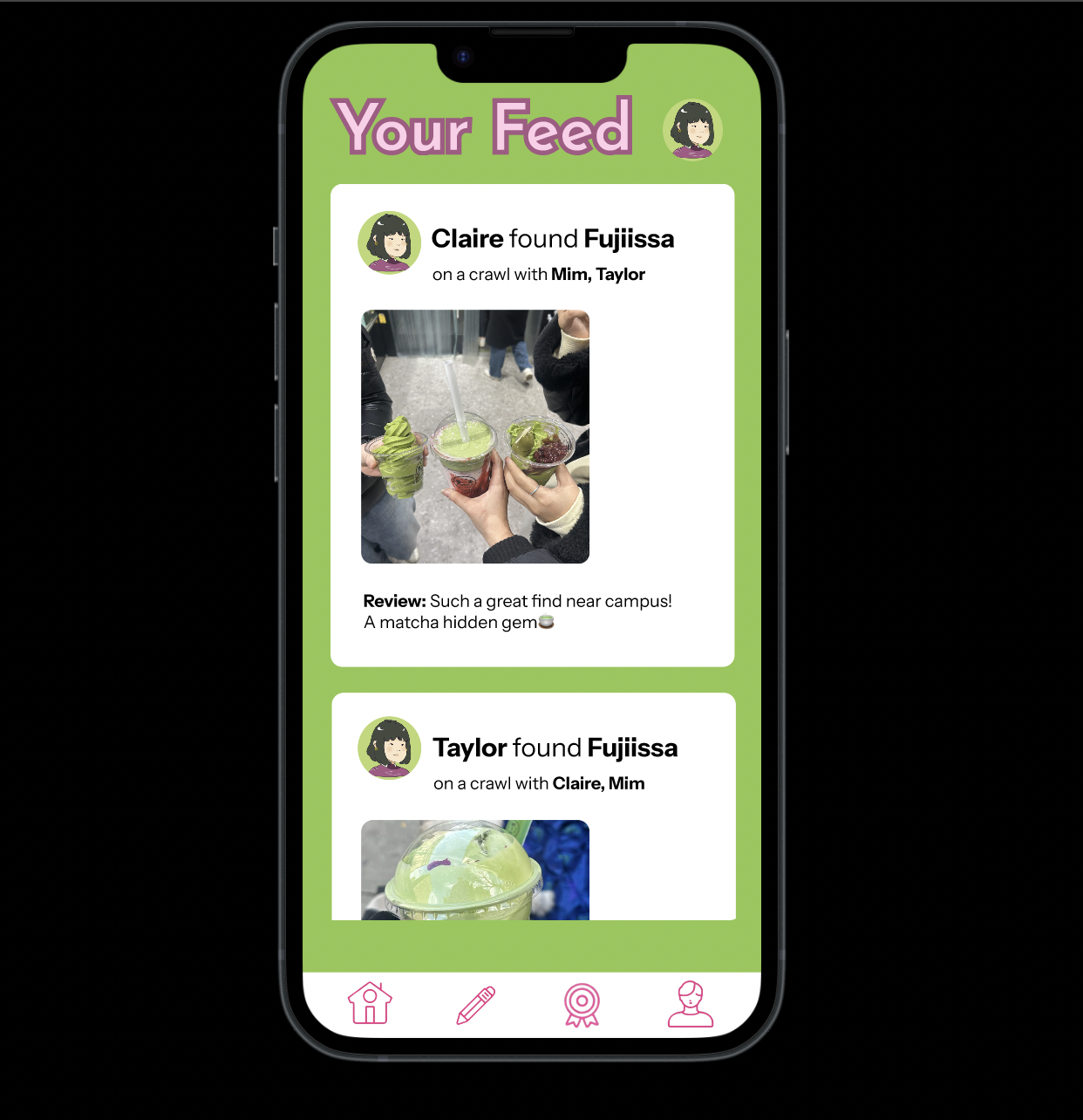
- A feed to write reviews and tag your friends(other players).
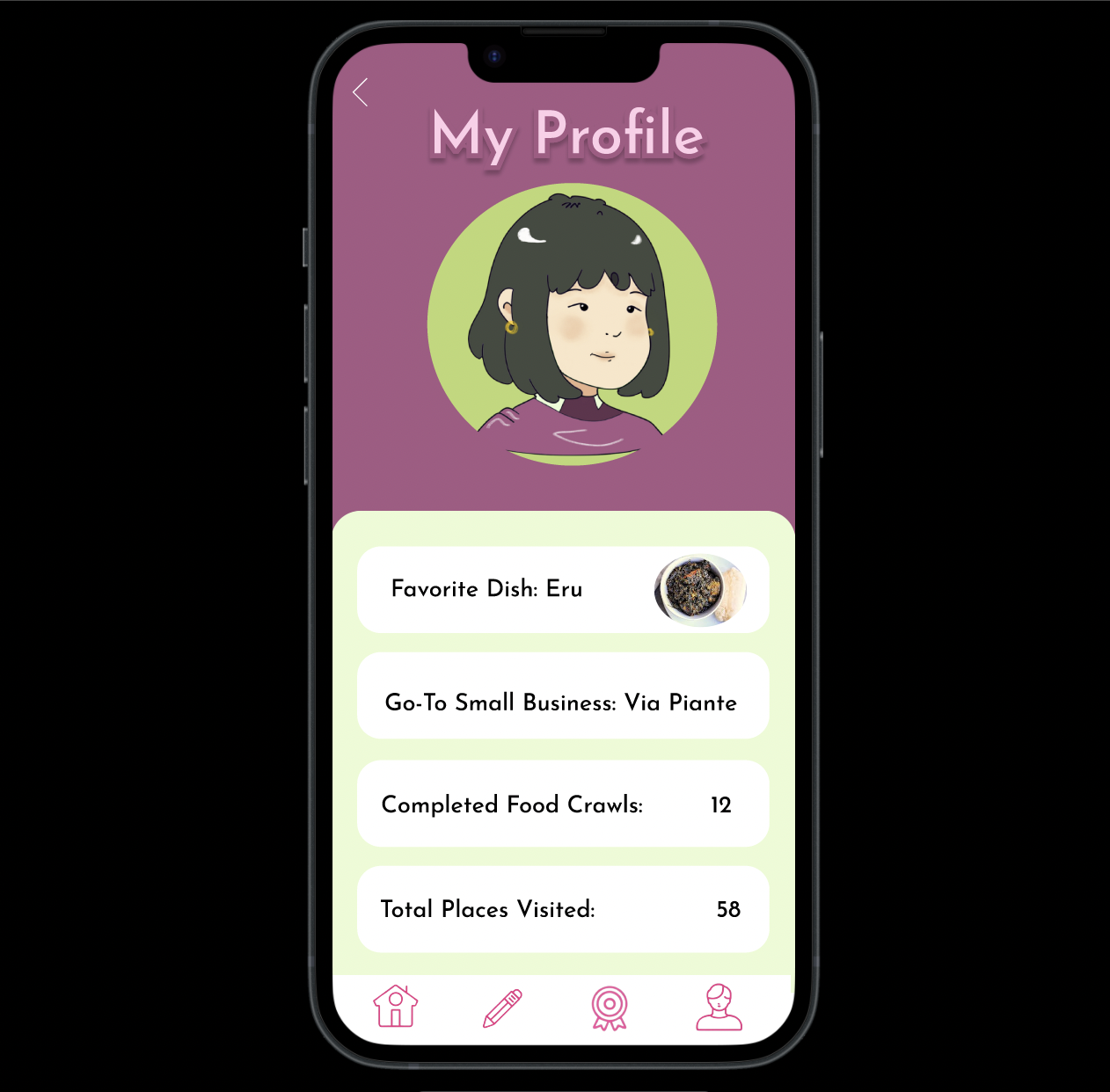
As players visit new places and participate in the experience, they build a personal food journey while contributing to a larger, shared sense of community. For businesses, Foodie Monster encourages repeat visits, discovery, and engagement without relying on traditional advertising.
How we built it
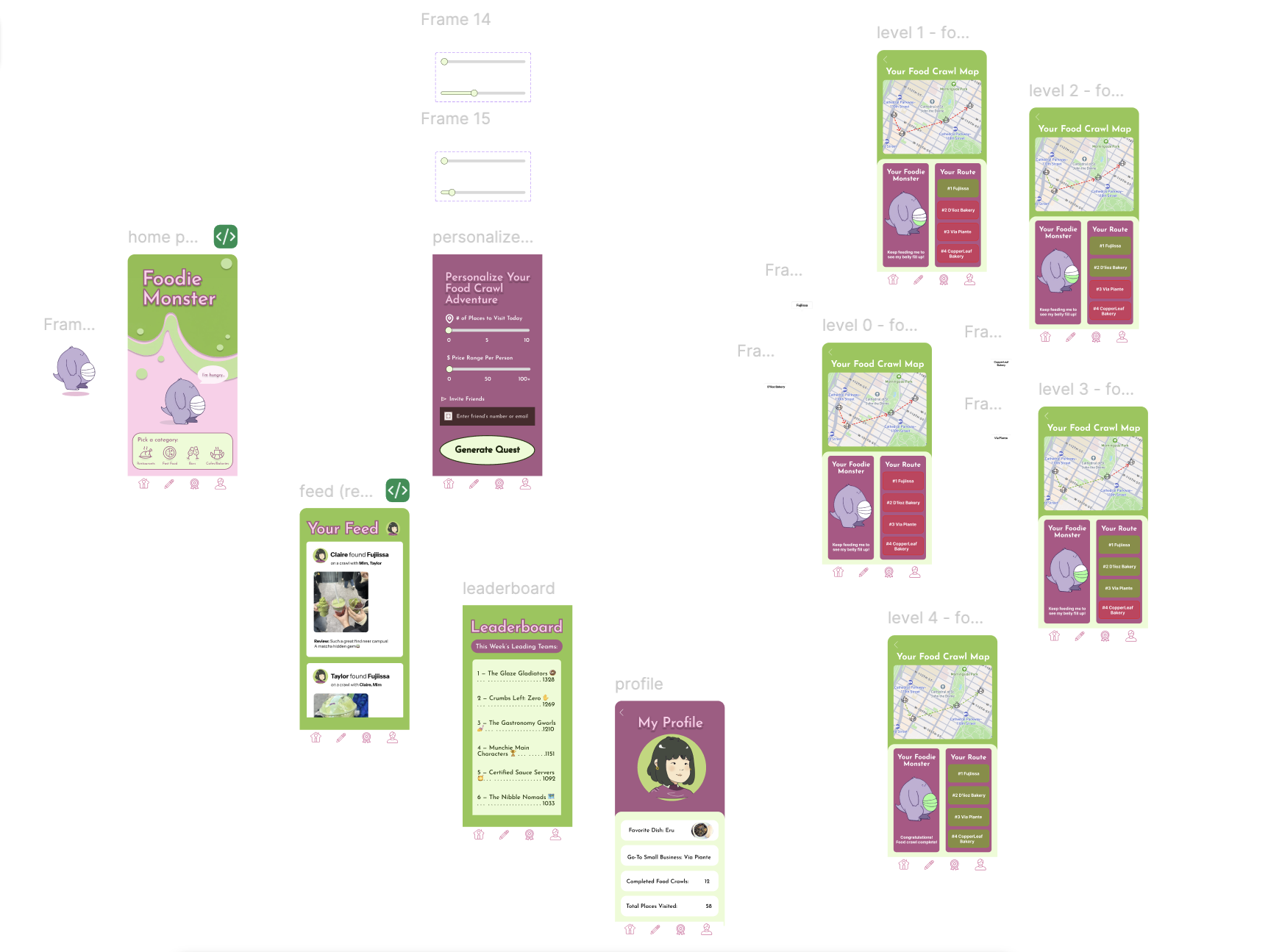
We started by prototyping the app in Figma to figure out the core user flows, including the home feed, avatar, categories, and map experience. From there, we looked into GIS mapping features and database structures online to understand how location tracking and visited places could work in a real product.
Challenges we ran into
One of the biggest challenges was designing a system that felt playful and engaging without becoming overwhelming, especially as beginners at game development. Another challenge was creating a seamless user flow. Due to the time constraints, we didn’t get the same amount of reflection nor problem resolution as a more relaxed schedule. Regardless, we were able to create a user experience we are proud of.
Accomplishments that we're proud of
We’re proud of the team energy we shared over the past 24 hours. Even through tiredness, setbacks, and making changes, we kept refining the project and building the designing and coding craft we all deeply care about.
What we learned
- Designing such experiences requires prioritizing simplicity and low friction
- Defining and translating game flow into real-world behavior
- Building clear UI and UX flows for discovery, exploration, and progress with Figma
- Creating social features that don’t rely on forced interaction
- Rapid iteration, communication, and task division under short time period
What's next for Foodie Monster
We plan to test Foodie Monster in small, local pilots to understand how players explore categories, revisit locations, and engage with the map over time (and keep track of any issues that surface). We want to add more incentives including coupons and food deals. We also want to conduct partnerships with local food/drink places in NYC. In the long term, we hope to grow Foodie Monster into a platform that helps people rediscover their passion for social gathering around food while giving local food businesses exposure to their communities.


Log in or sign up for Devpost to join the conversation.