-
-
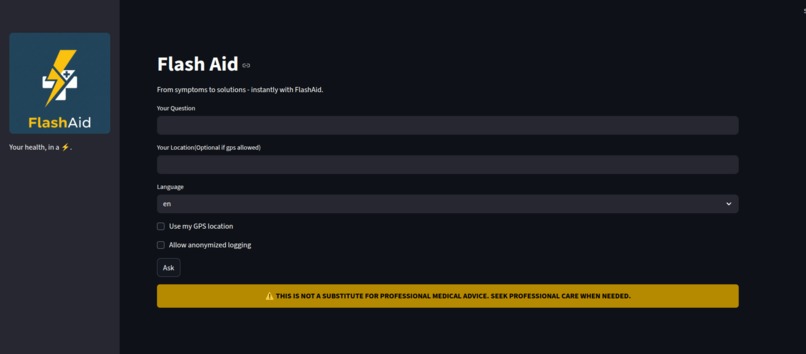
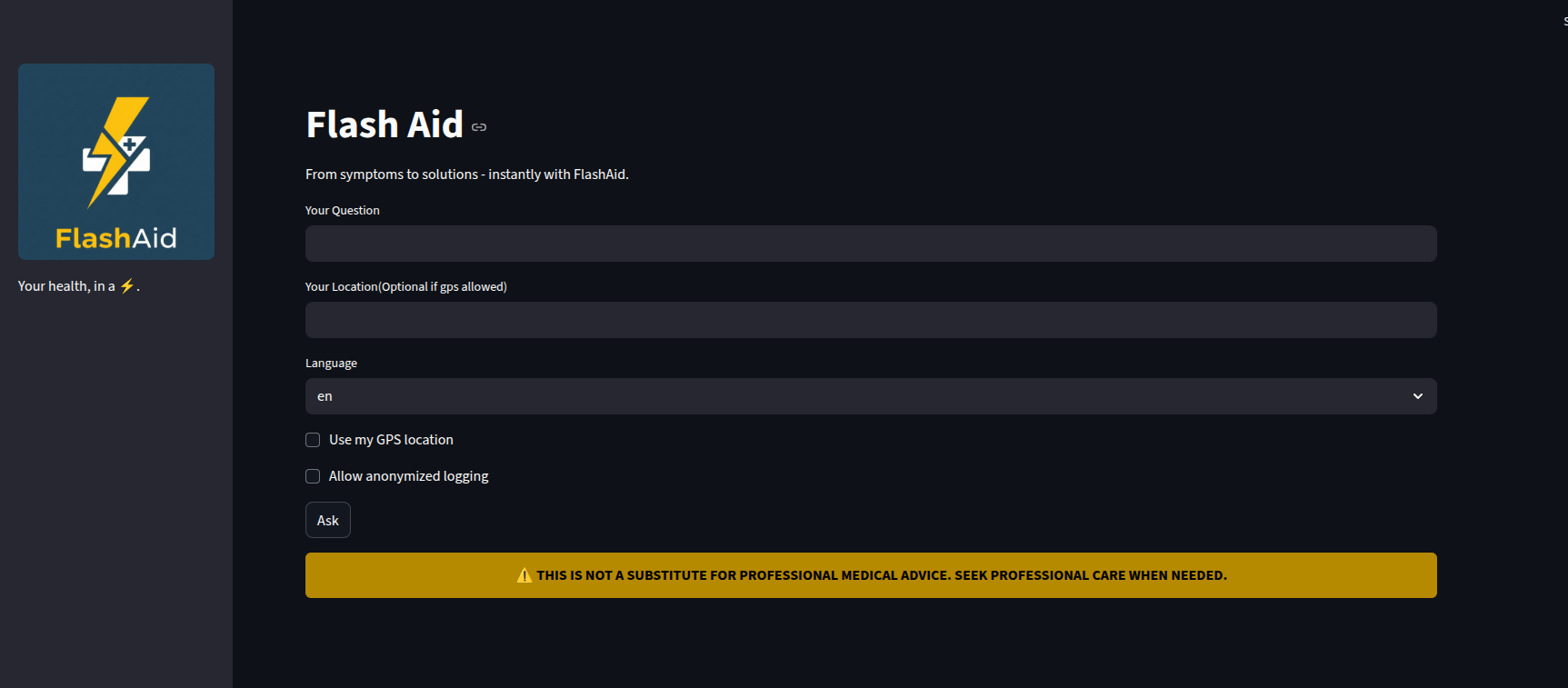
Landing Screen
-
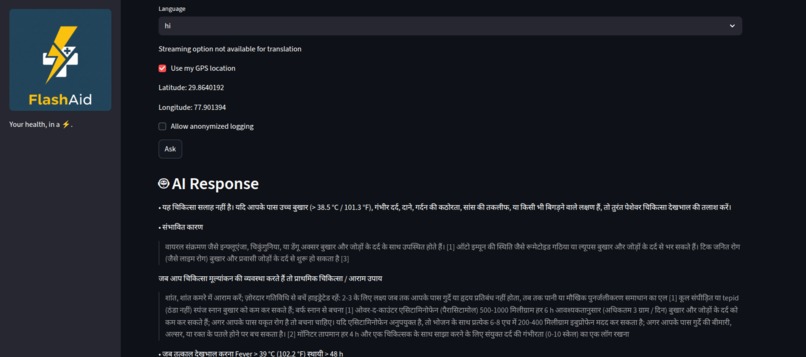
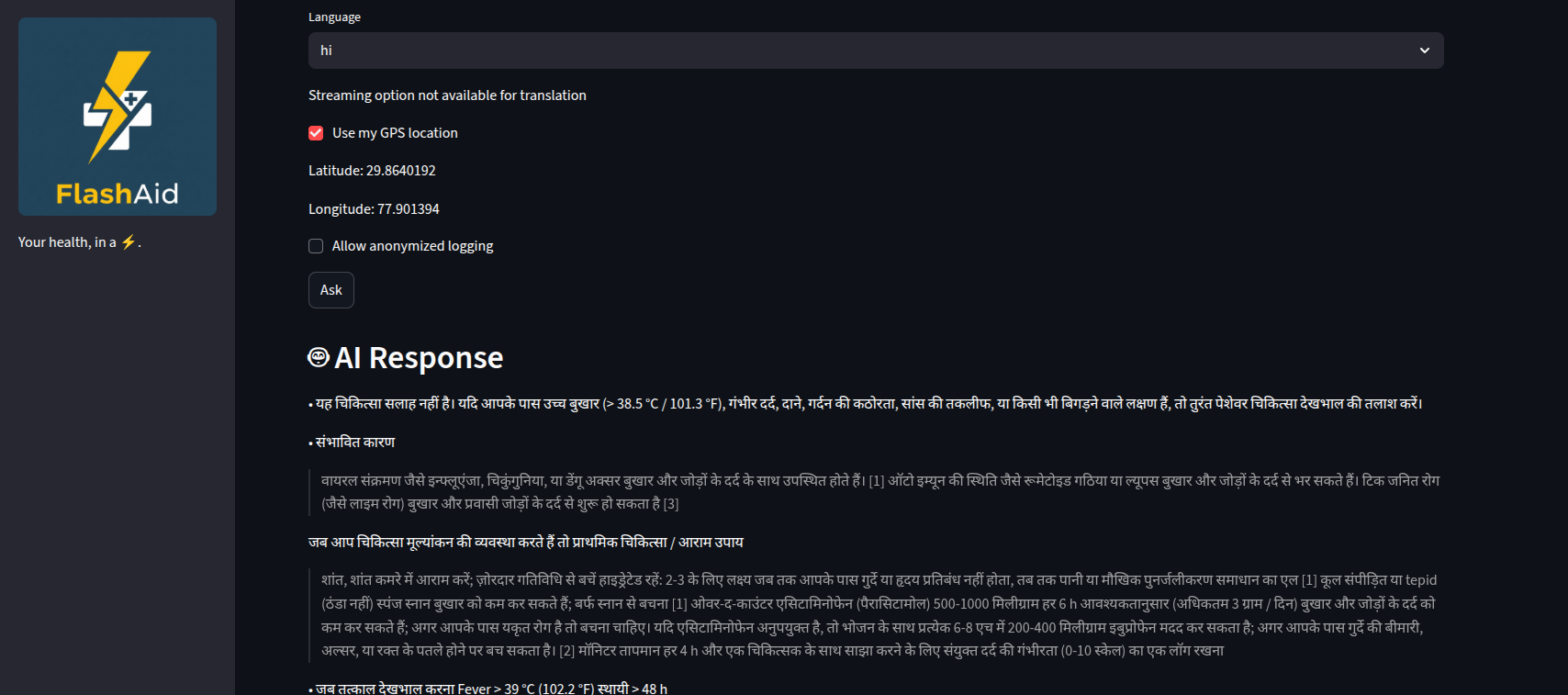
Translated Response
-
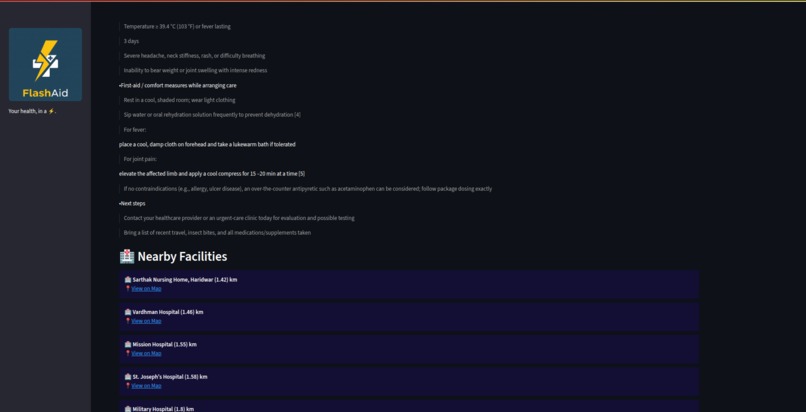
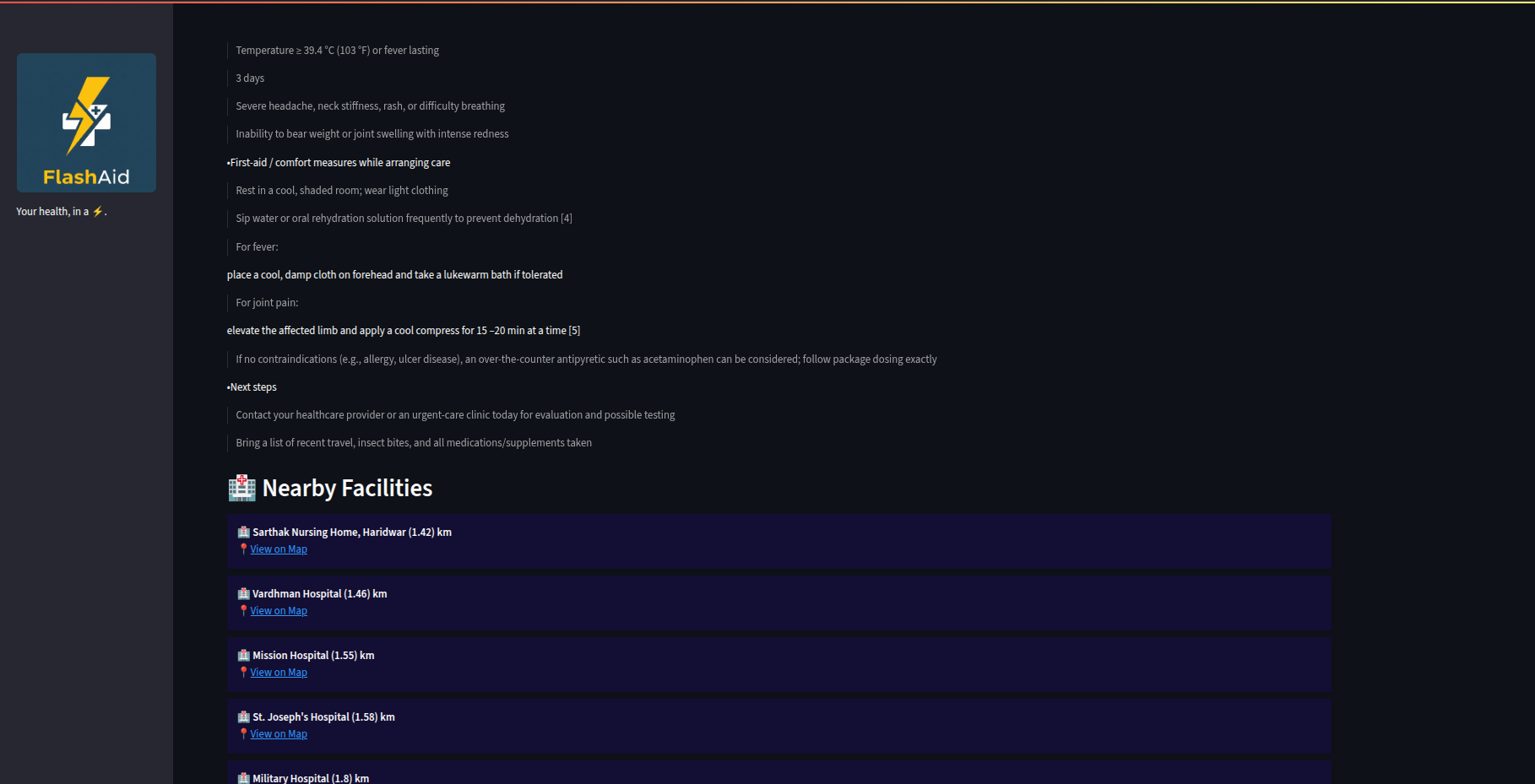
Streamed english response and Nearby Facilities
-
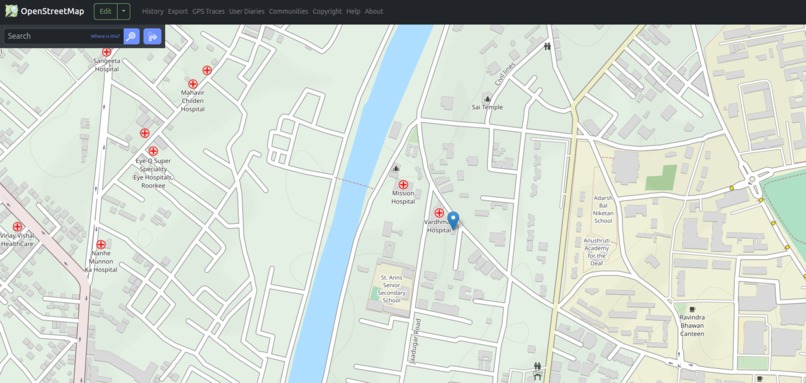
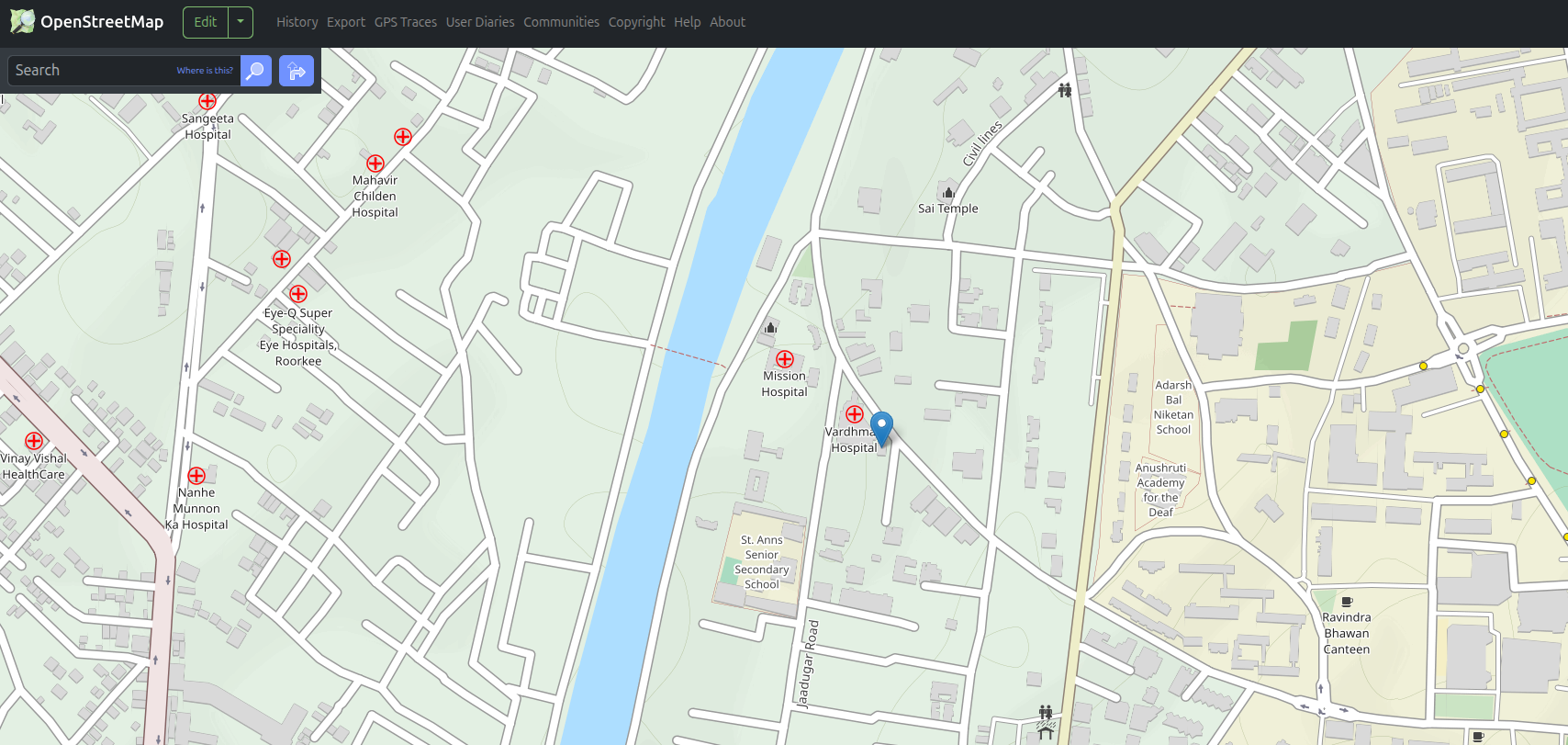
Map Integration
-
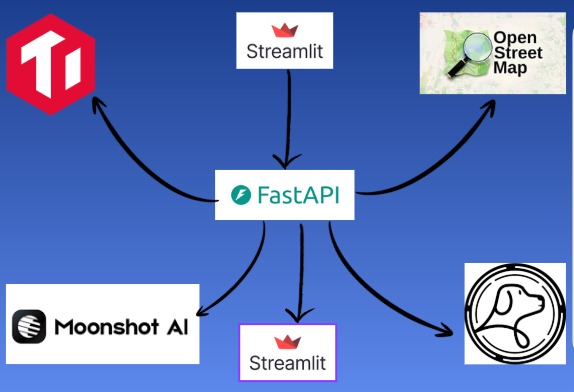
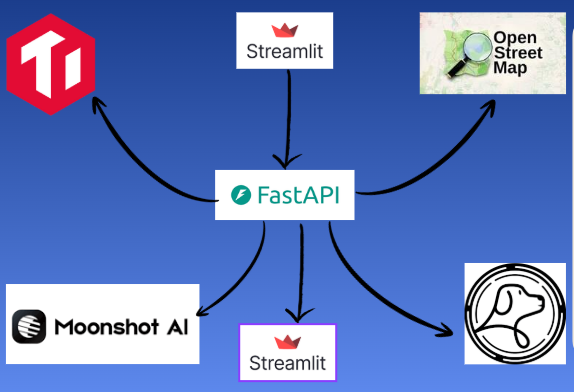
System Architecture
🚑 Flash Aid – Project Story 🔹 About the Project
Flash Aid is an AI-powered emergency assistant designed to deliver instant, accessible medical guidance during critical moments. It streams clear instructions in English while also providing direct translations into local languages—ensuring no one is left behind due to language barriers.
Our vision: fast, reliable, multilingual first-aid guidance—anytime, anywhere. 🌟 Inspiration
During emergencies, every second matters. We realized that many people struggle to get reliable first-aid information quickly, especially when language barriers or internet limitations are in the way. Flash Aid was inspired by the idea of creating a “flashlight for first aid” — fast, clear, and accessible guidance, right when it’s needed most.
🚑 What it does
-Flash Aid is an AI-powered emergency assistant that:
-Streams clear medical guidance in English.
-Provides direct translations into local languages (Hindi, Bengali, etc.).
-Suggests nearby medical facilities using location data + OpenStreetMap.
-Ensures answers are short, clear, and stress-friendly.
🛠️ How we built it
-Frontend: Streamlit for the user interface.
-Database-TiDB with vector seacrh for semantic search.
-Backend: FastAPI to handle queries and integrations.
-AI Models: Moonshot AI for context-aware responses.
-Translation: Argos Translate(Open Source) for multilingual support.
-Maps: OpenStreetMap(Open Source) for showing nearby hospitals/clinics.
-Infra: Deployed via Railway , with & async requests.
⚡ Challenges we ran into
-Handling streaming and non streaming translation side by side.
-Keeping latency low while juggling multiple APIs.
-Designing a UI that works for people in panic mode.
-Integrating open-source tools smoothly with cloud services.
🏆 Accomplishments that we're proud of
-Built a lightweight, multilingual app in limited hackathon time.
-Created a streaming-first design for instant answers.
-Integrated location + translations to make it globally useful.
-Delivered a clean, distraction-free interface tailored for emergencies.
📚 What we learned
-The importance of UX under stress — simplicity saves lives.
-Practical trade-offs between real-time streaming and multilingual delivery.
-How to integrate open-source tools like Argos Translate alongside commercial APIs.
-How critical latency optimization is for emergency apps.
🚀 What's next for Flash Aid
-Adding offline support for use in low-connectivity areas.
-Expanding translations to more regional languages.
-Integrating with emergency hotlines for one-tap calling.
-Improving accuracy with medical domain fine-tuning.
-Building a mobile-first version for wider accessibility.
Built With
- argos-translate
- fastapi
- moonshot-ai
- overpass-openstreetmap
- python
- railway
- streamlit
- tidb

Log in or sign up for Devpost to join the conversation.