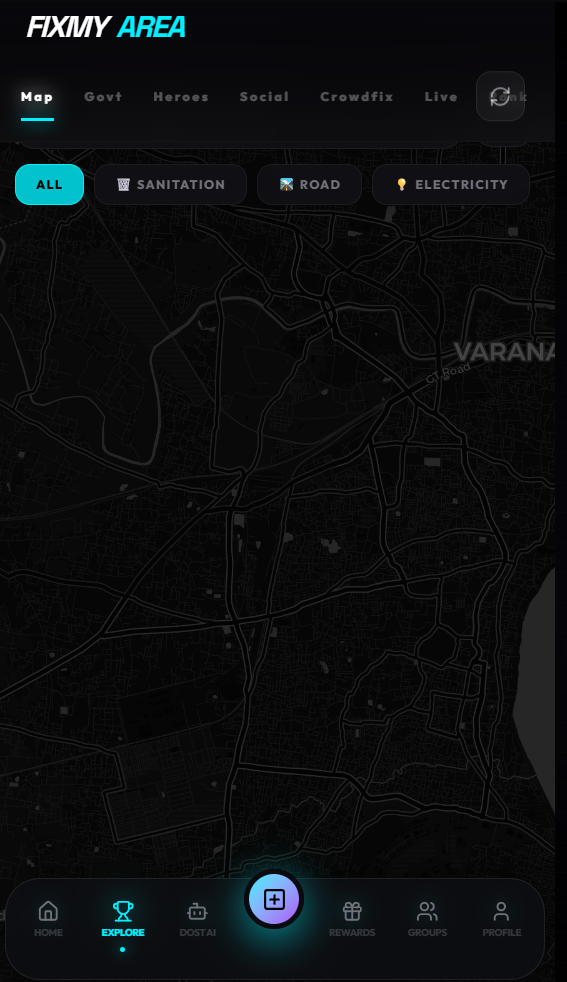
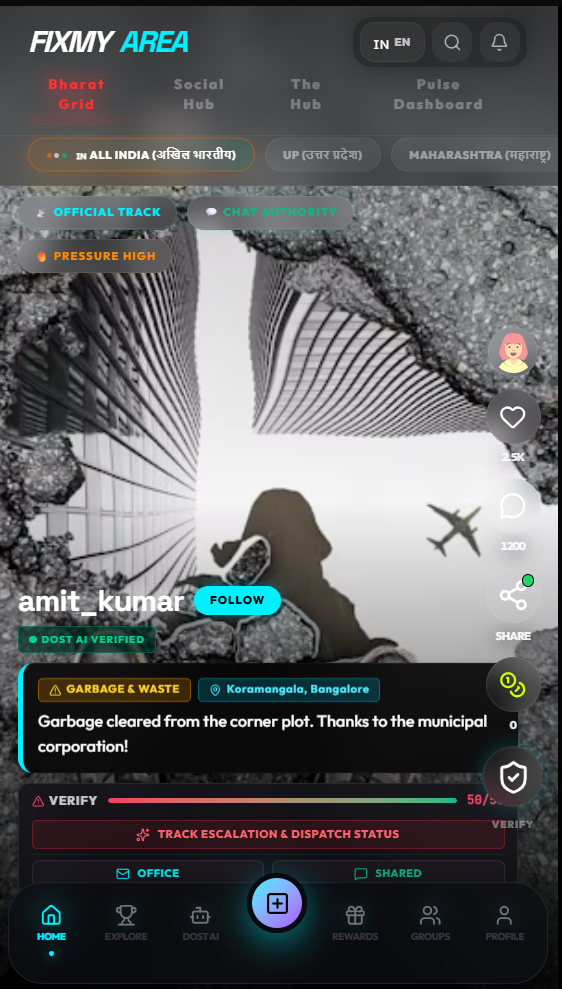
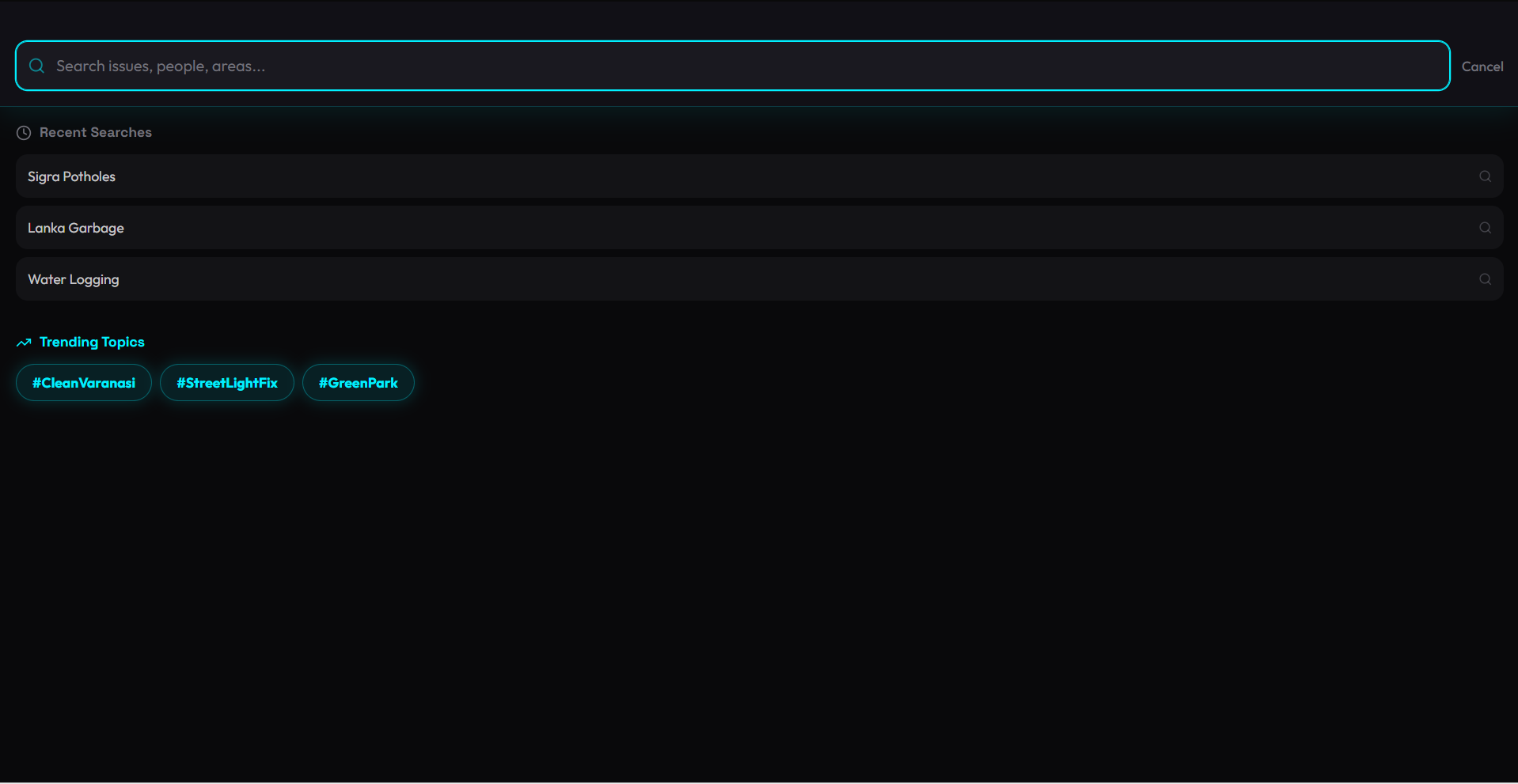
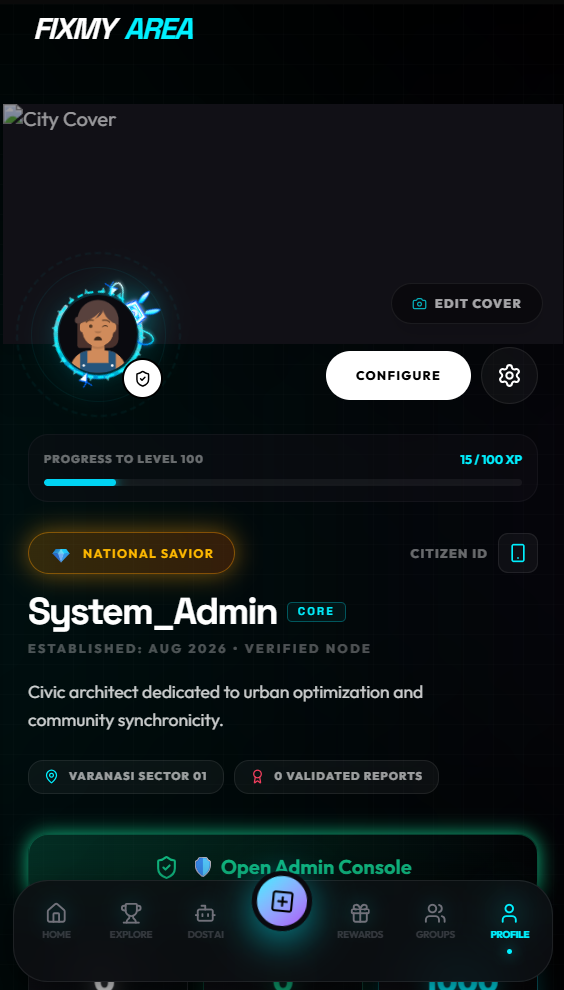
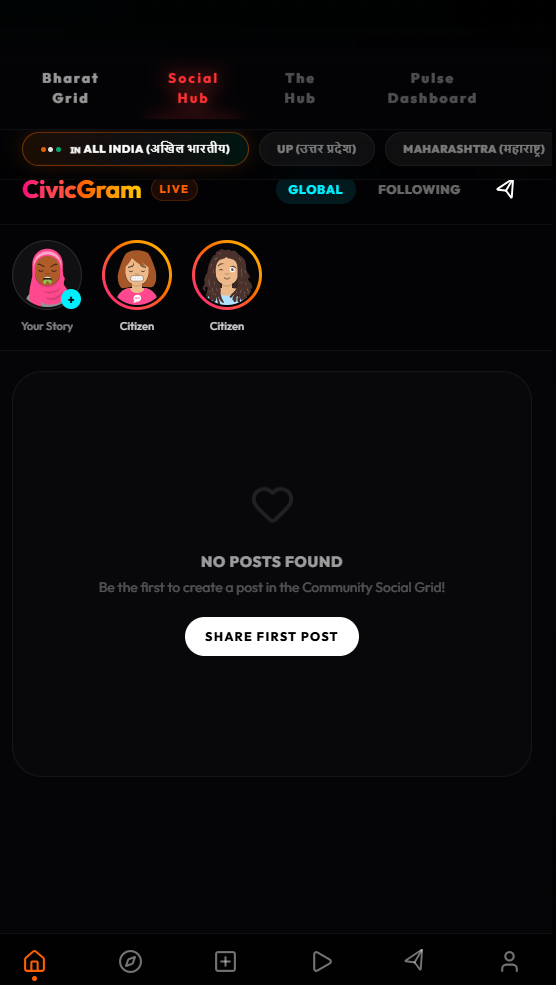
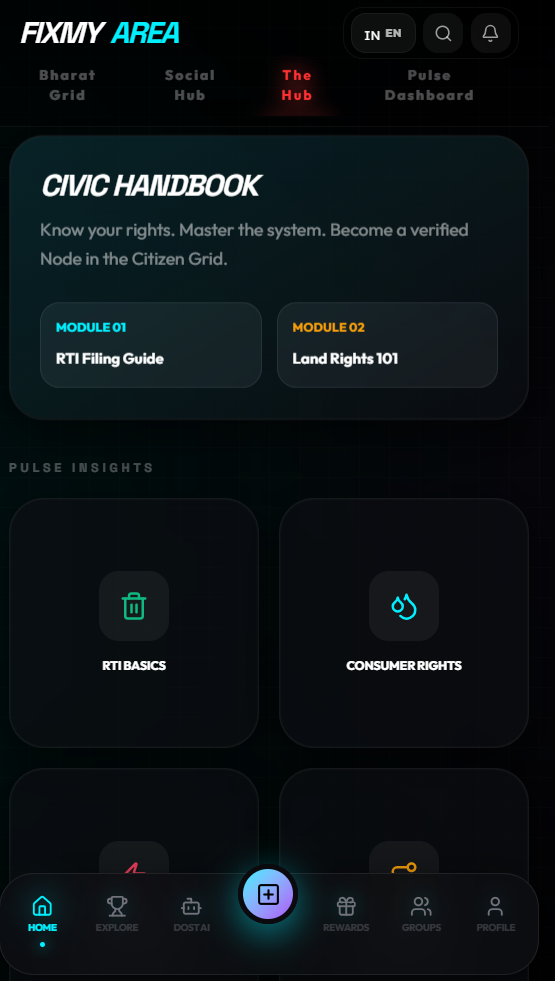
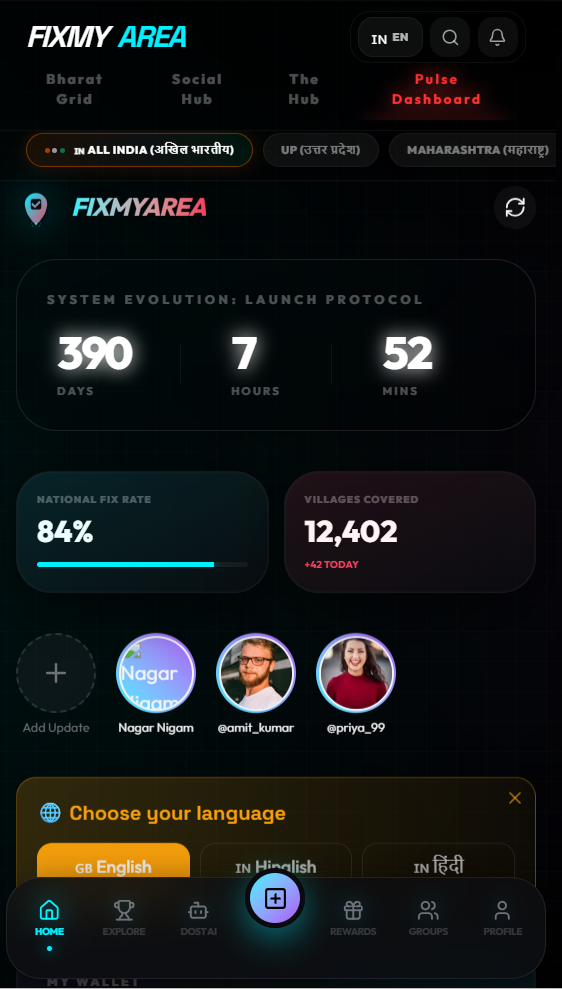
Inspiration Living in India, local municipal issues like deep potholes, overflowed garbage dumps, and dark streetlights are visible everywhere, yet reporting them feels like a endless bureaucratic maze. Most complaints get lost in manual paperwork, lack transparency, or are simply ignored. I wanted to leverage artificial intelligence to empower everyday citizens, bridge the communication gap between communities and authorities, and bring total accountability to public infrastructure.
What it does FixMyArea is an AI-powered civic engagement platform that turns every citizen into a community contributor:
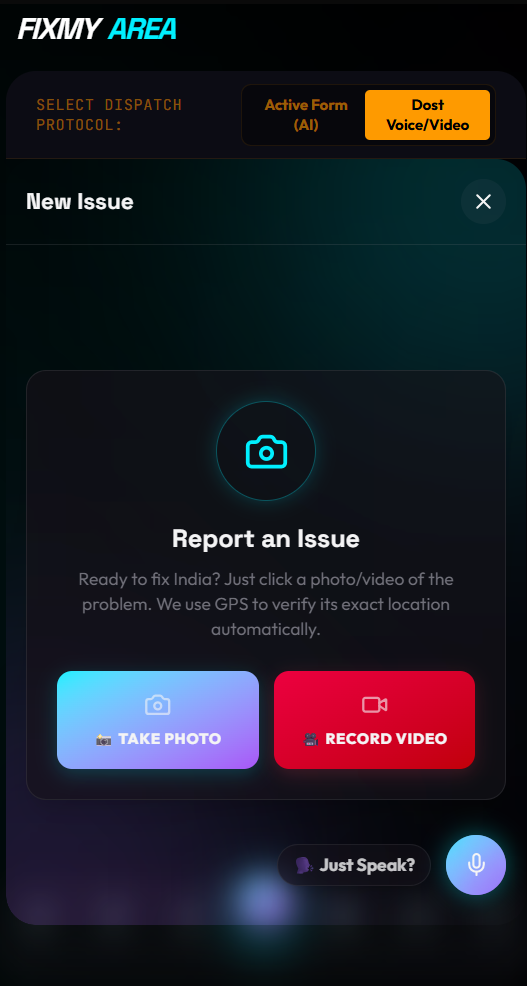
Multi-Modal Reporting: Snap a photo or record a voice note describing an issue in any local Indian language.
Instant AI Analysis: The app automatically geotags the location, detects the exact problem type (e.g., road damage, waste management), and assesses the severity level using AI vision.
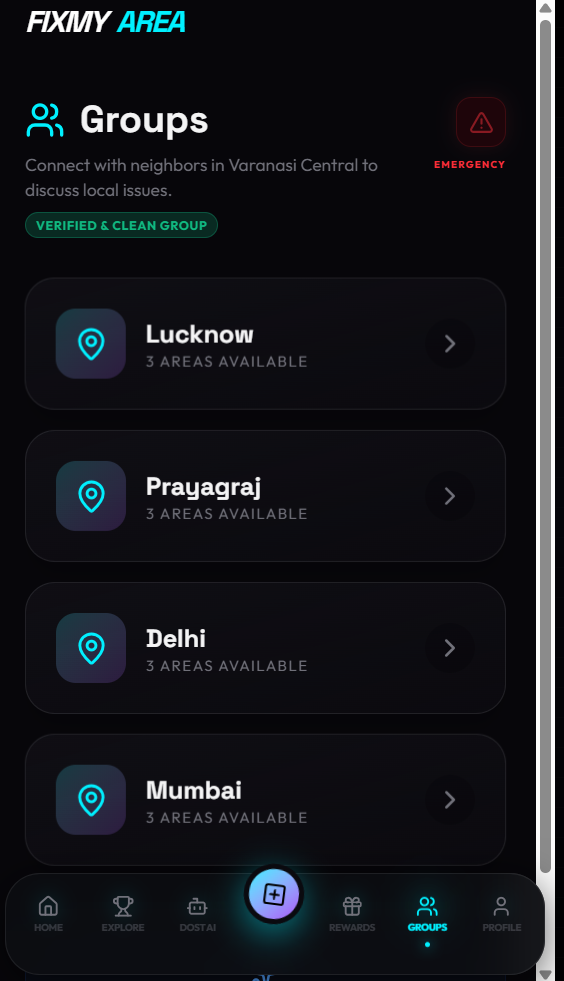
Automated Routing & Escalation: Generates a structured ticket, routes it to the correct municipal ward, and auto-escalates unresolved issues up the administrative chain if deadlines are missed.
How we built it As a solo developer working over the course of a full year, I built the entire platform end-to-end:
Frontend: Built and prototyped using Google AI Studio to generate and refine a high-performance, modern glassmorphism interface across web and mobile.
Backend & Database: Implemented a hybrid architecture using Firebase and Supabase for real-time ticket sync, user authentication, and multi-region database storage.
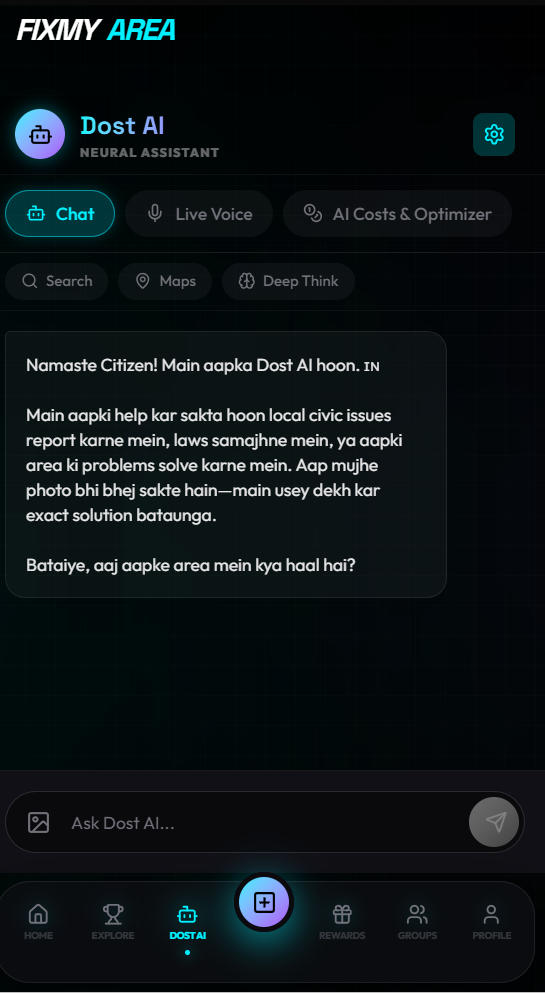
AI Engine: Integrated Gemini AI models for multi-language speech-to-text conversion, automated image tagging, and complaint severity scoring.
Challenges we ran into Building a production-ready application entirely solo brought significant hurdles:
Complex Backend Sync: Balancing data streams between Firebase for real-time user updates and Supabase for structured relational queries required careful state management.
Geotagging & Mapping: Ensuring high-precision location overlays worked reliably across low-connectivity regions in India.
Solo Scope Management: Managing UI design, prompt engineering, backend integration, and testing all by myself required a disciplined 12-month development roadmap.
Accomplishments that we're proud of Fully Functional Solo Build: Successfully taking a complex civic project from a raw idea to a polished, fully working platform over a dedicated year of development.
Seamless AI Integration: Building an automated pipeline where a user simply takes a single picture, and Gemini AI does 90% of the reporting work instantly.
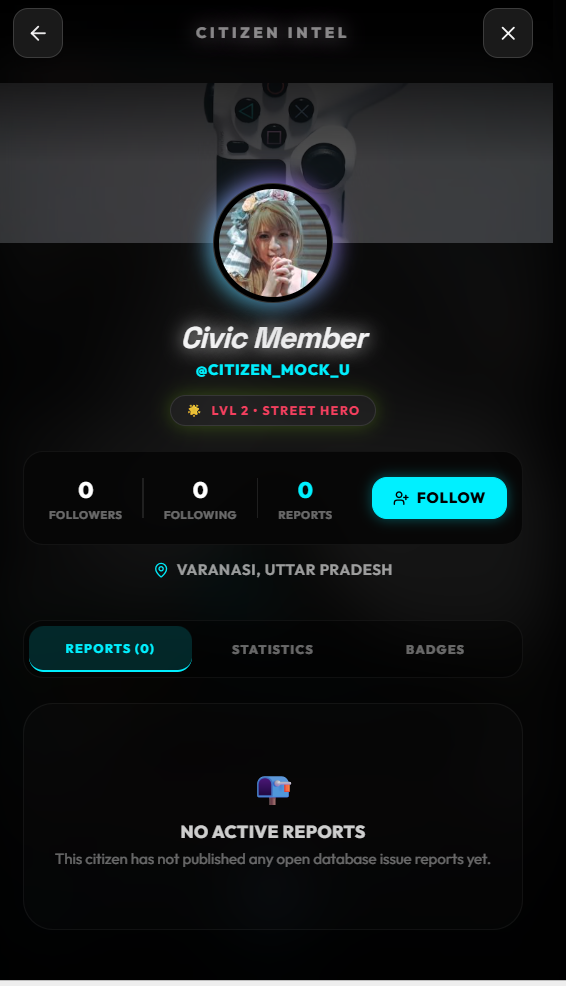
Clean & Modern UI: Designing a visually striking glassmorphism interface through Google AI Studio that makes civic reporting intuitive and engaging rather than tedious.
What we learned Power of AI-Assisted Workflows: Utilizing Google AI Studio allowed me to work at the speed of a full engineering team as a single developer.
Real-World System Architecture: Deepened my understanding of combining serverless databases (Firebase) with relational backends (Supabase) to handle real-time spatial data.
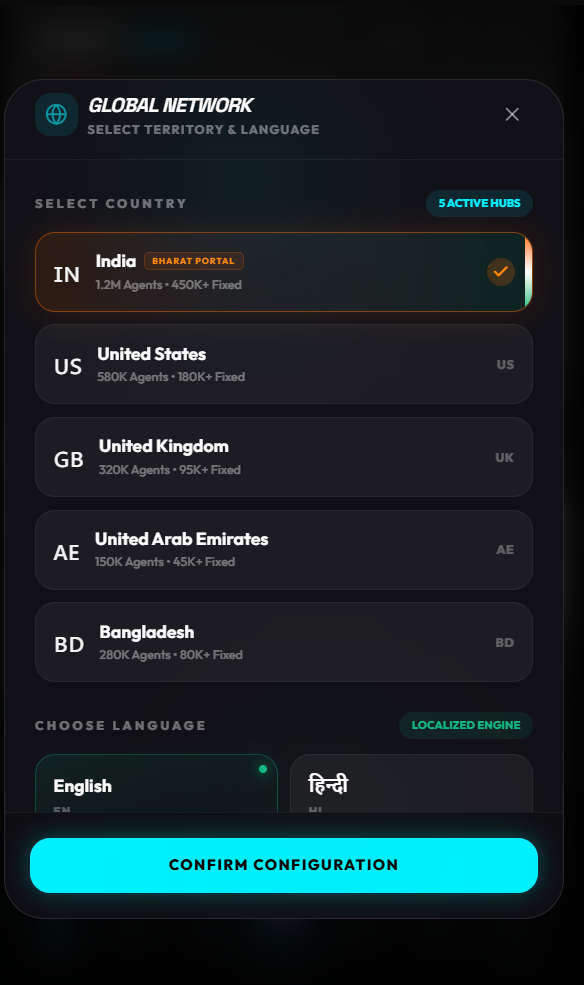
Designing for Accessibility: Learned how crucial multi-language voice input is for bridging the digital divide across diverse Indian demographics.
What's next for FixMyArea – AI Civic Issue Resolver Offline Mesh Networking: Allowing citizens in low-network areas to report issues that automatically upload once connectivity is restored.
B2G Admin Dashboard: Building a dedicated SaaS portal for municipal officers to track, manage, and mark resolved issues with verified proof photos.
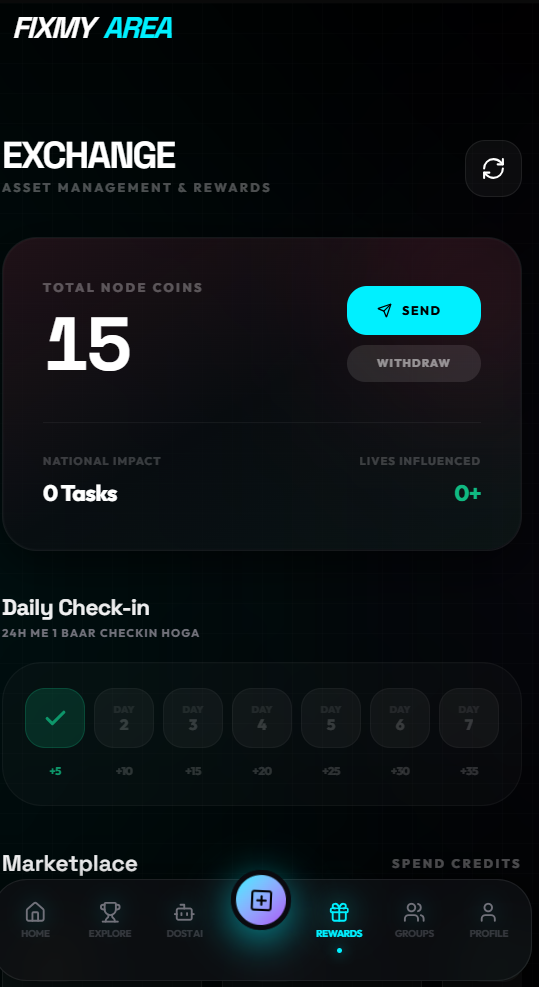
Community Gamification: Introducing citizen leaderboards, badges, and rewards to encourage active participation in keeping local neighborhoods clean and safe.

Log in or sign up for Devpost to join the conversation.