-
-
Thumbnail
Inspiration
Fresh produce buyers like large supermarkets whether is Walmart in the US or Lidl in Europe often hear about heat, drought or crop stress through scattered supplier messages, news and weather tools. But fragile crops cannot be replaced instantly. I wanted to explore a simpler question: could AI help a buyer collate information in one place and initiate the right supplier conversation before a disruption becomes an availability problem?
The idea began as a wildfire adviser for rural property owners. My personal experience as a Sustainability Manager for a vegetable producer in the United Kingdom showed the more useful opportunity was upstream: helping buyers and growers make earlier, better-informed supply decisions.
What it does
Firewatch or Firewise Supply Watch is a buyer-first decision-support prototype for fragile fresh produce.
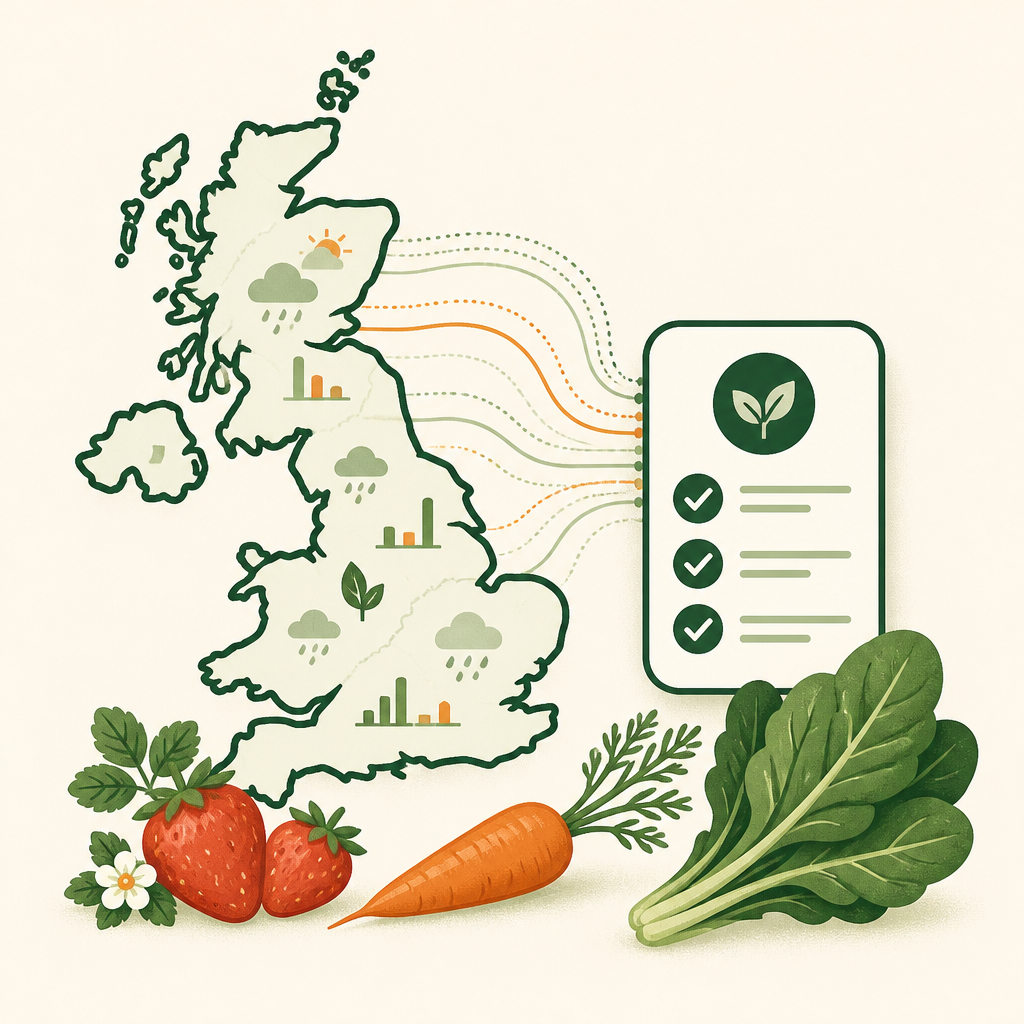
Users choose a crop scenario, source region and planning timeframe. The app shows map context, transparent demo signals and an explainable planning priority. Its Buyer Decision Card turns this into a practical update: what is known, what a grower should confirm, what the buyer should prepare and when to review.
GPT-5.6 then turns the selected context into a cautious, plain-English planning brief.
How we built it
I used Codex to shape the product, build the responsive frontend, create the map experience, add the Buyer Decision Card and develop a small Node.js and Express backend.
The backend calls GPT-5.6 through the OpenAI Responses API. The API key stays in a local .env file, never in browser code or GitHub.
GPT-5.6 is given only the selected scenario and visible demo inputs. It is instructed to use UK English, be practical and cautious, and not invent crop-loss, supply, fire, yield or price forecasts.
Challenges we ran into
The biggest challenge was avoiding a misleading “AI risk score.” Public climate data alone cannot prove a specific retailer or supplier will face a shortage.
I addressed this by making the score a transparent demo planning rule, visibly labelling simulated inputs, and positioning the app as a conversation tool rather than a validated forecast.
I also had to narrow the concept. A broad map of weather and wildfire risk was less useful than a focused workflow for a buyer facing a time-sensitive sourcing decision.
Accomplishments that we're proud of
- Turning ideas into practical solutions that is pertinent to the current situation
- A coherent buyer journey, not just a map or chatbot.
- An explainable planning priority that changes with visible inputs.
- A copyable Buyer Decision Card for supplier calls or internal updates.
- GPT-5.6 guidance with clear safety boundaries.
- A documented prototype with data-source context, limitations, accessibility improvements and setup instructions for judges.
What we learned
The most valuable AI role here is translation, not prediction. GPT-5.6 helps turn evidence into practical questions and next steps, but it should not pretend to know the future.
I also learned that the commercial value is likely in the shared buyer-grower decision: public climate signals become more useful when combined with authorised supplier updates, stock cover, lead times and crop-condition information.
What's next for Firewatch
The next step is a small concierge pilot with one fragile commodity, such as cucumbers or berries.
A future version could connect licensed weather and water data, NASA FIRMS satellite detections, and authorised buyer and grower information such as stock cover, confirmed volume, irrigation status, quality and delivery timing.
Success would not be a more complex score. It would be evidence that Firewatch helps a buyer and grower have an earlier conversation, agree a contingency and make a better-timed decision.
Built With
- codex
- express.js
- gpt-5.6
- javascript
- leaflet.js
- node.js
- openai-responses-api
- openstreetmap

Log in or sign up for Devpost to join the conversation.