-
-
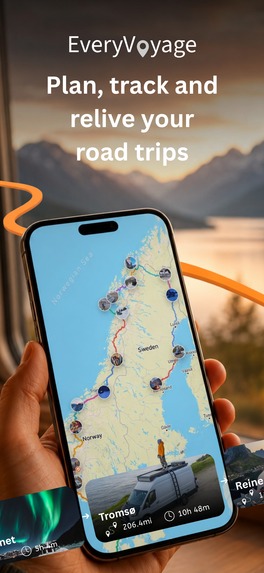
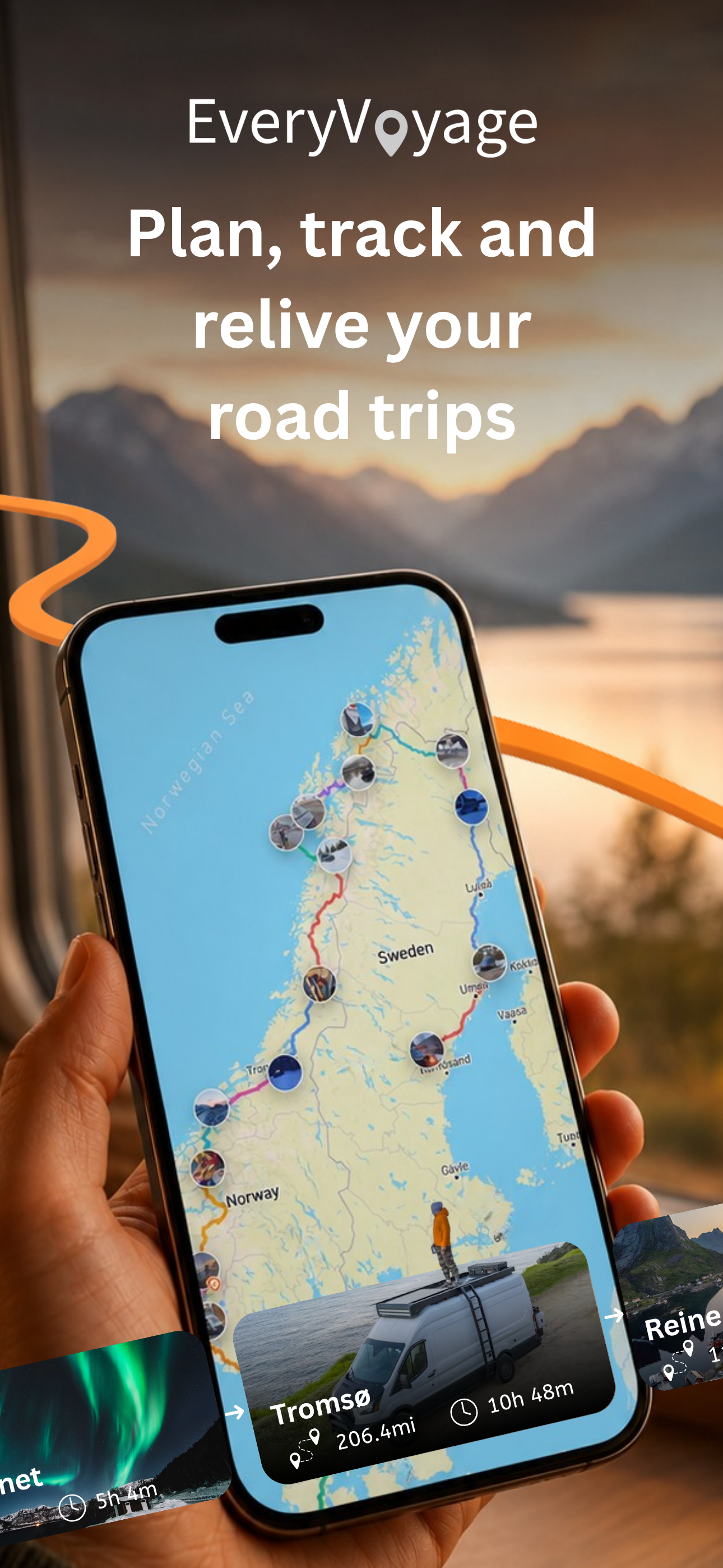
Plan, track and relive entire road trips in one place, with routes, stops, photos and memories connected on a single journey map.
-
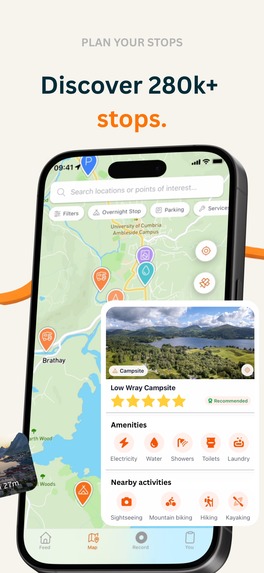
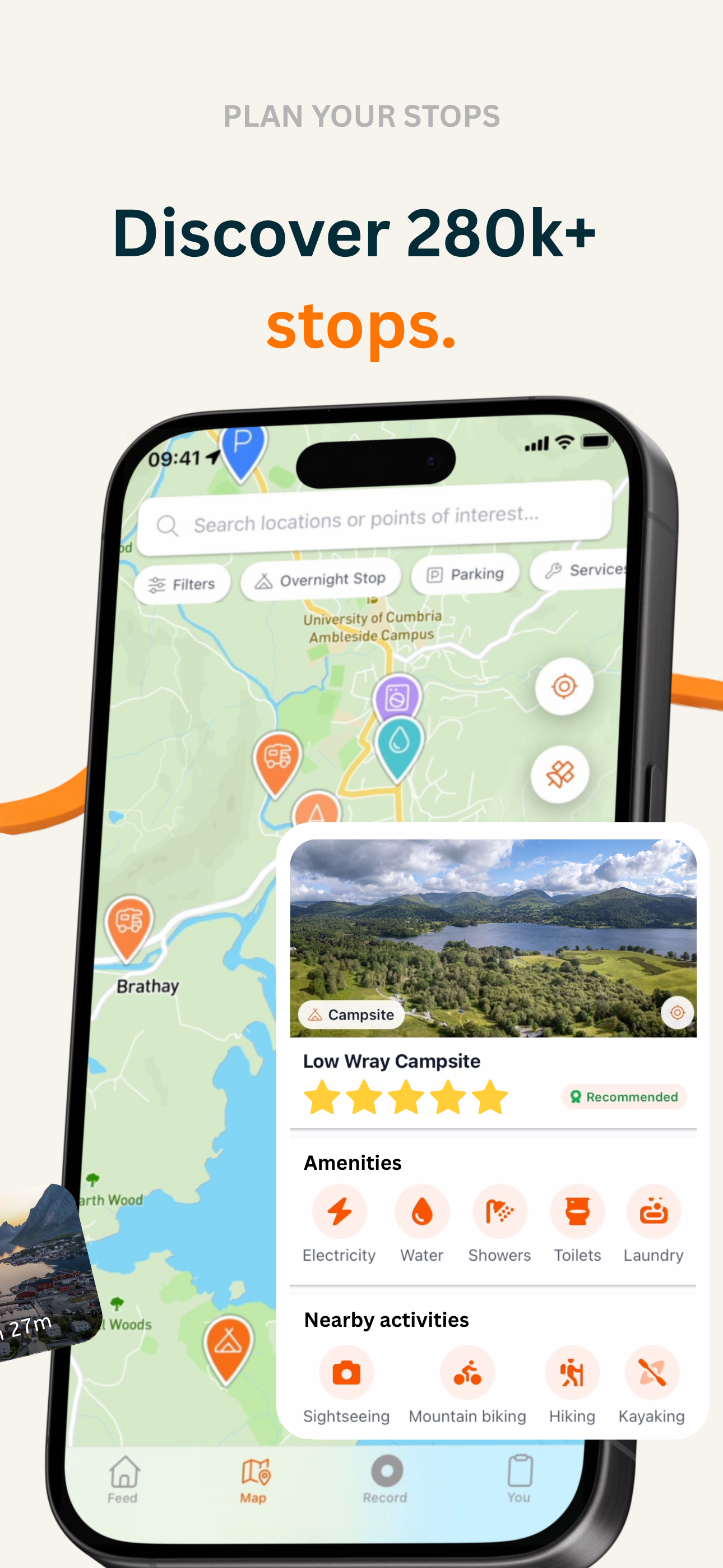
Discover 280,000+ useful stops, from campsites and overnight parking to services and places worth visiting along the way.
-
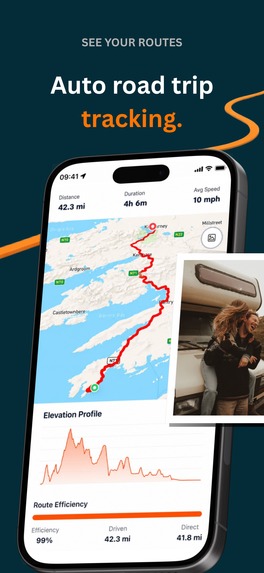
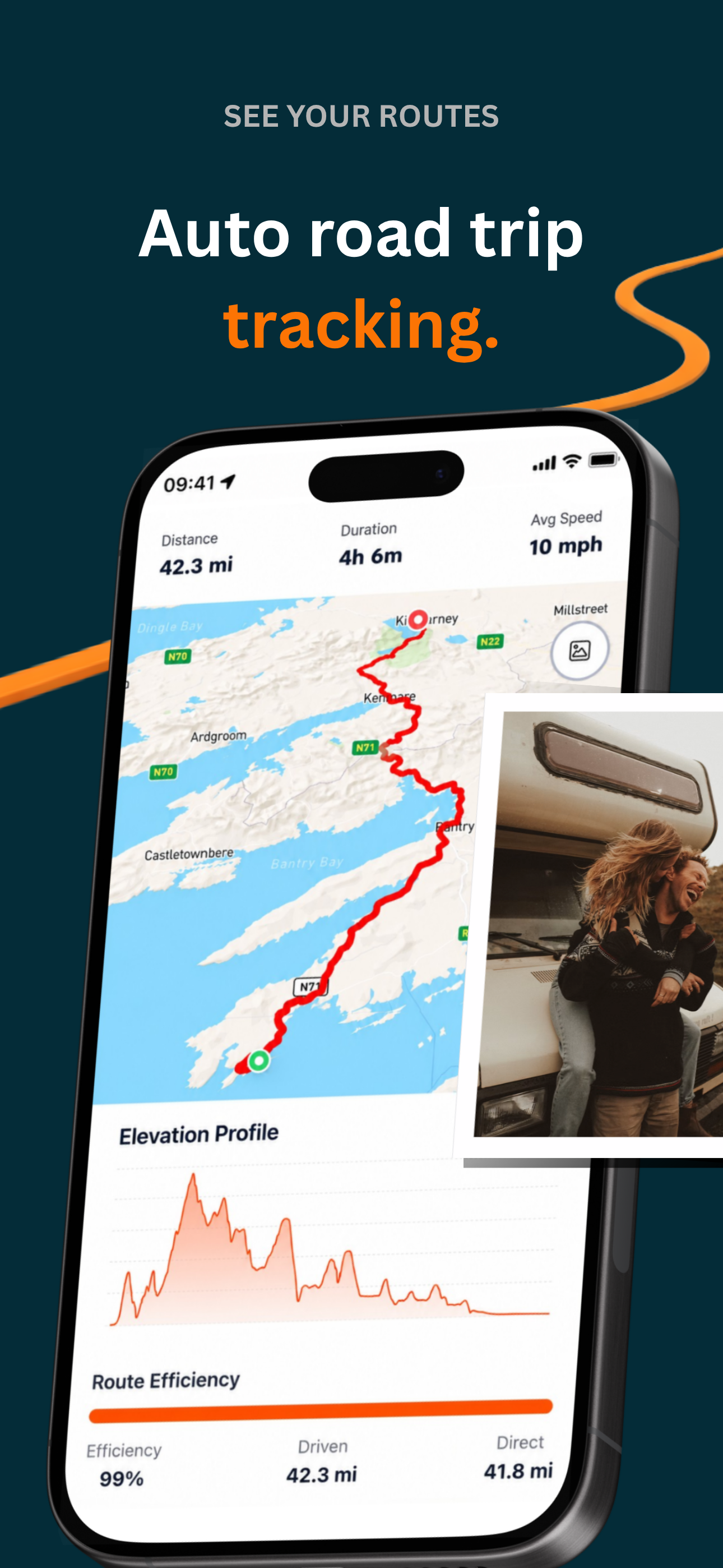
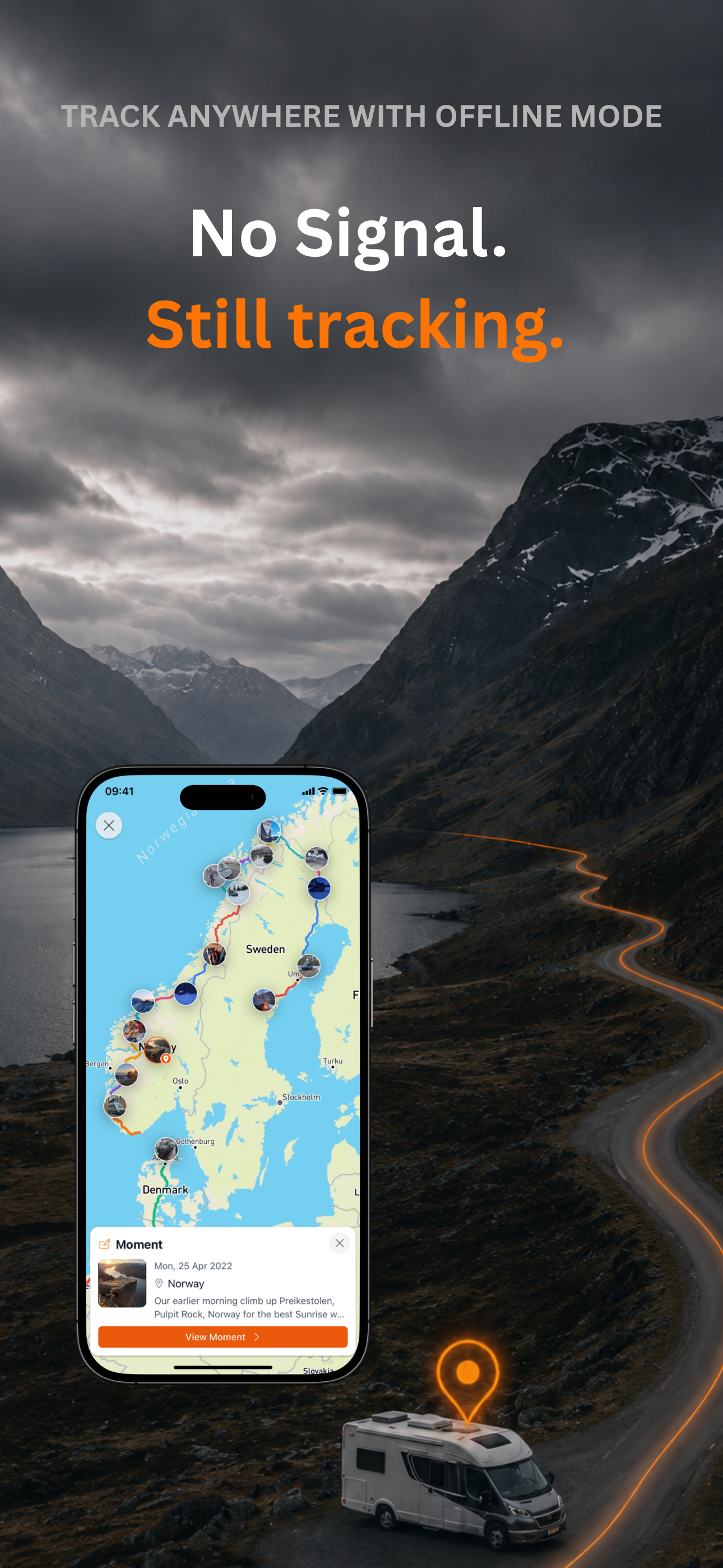
EveryVoyage records the road as you travel, turning GPS data into a complete route with distance, duration, elevation and trip insights.
-
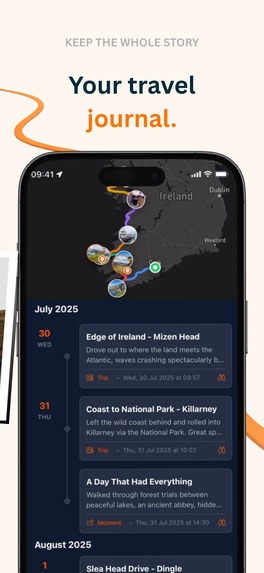
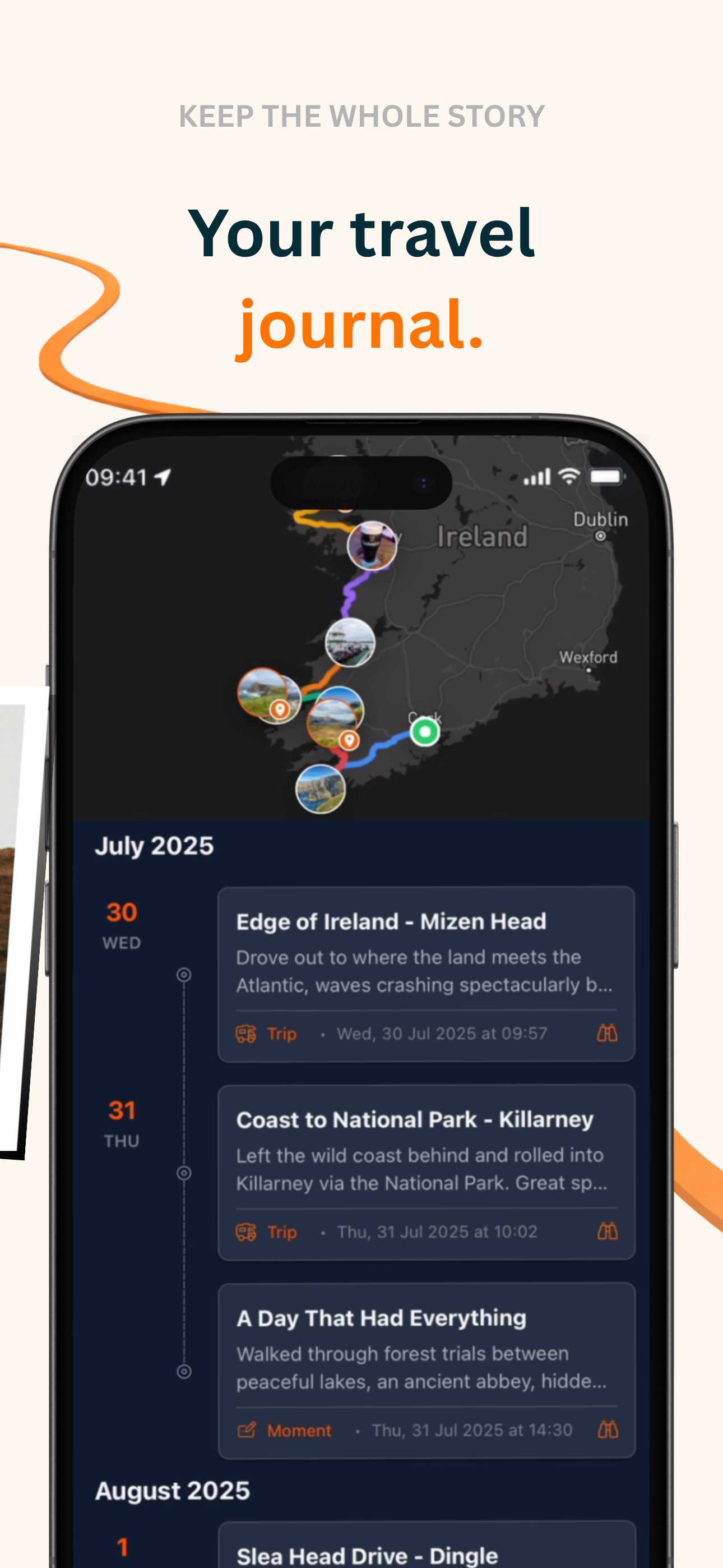
Trips and Moments come together as a visual travel journal, keeping the full story of a journey long after the drive is over.
-
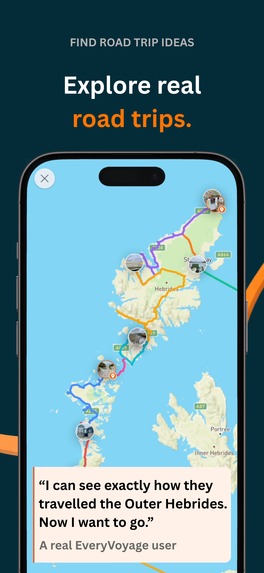
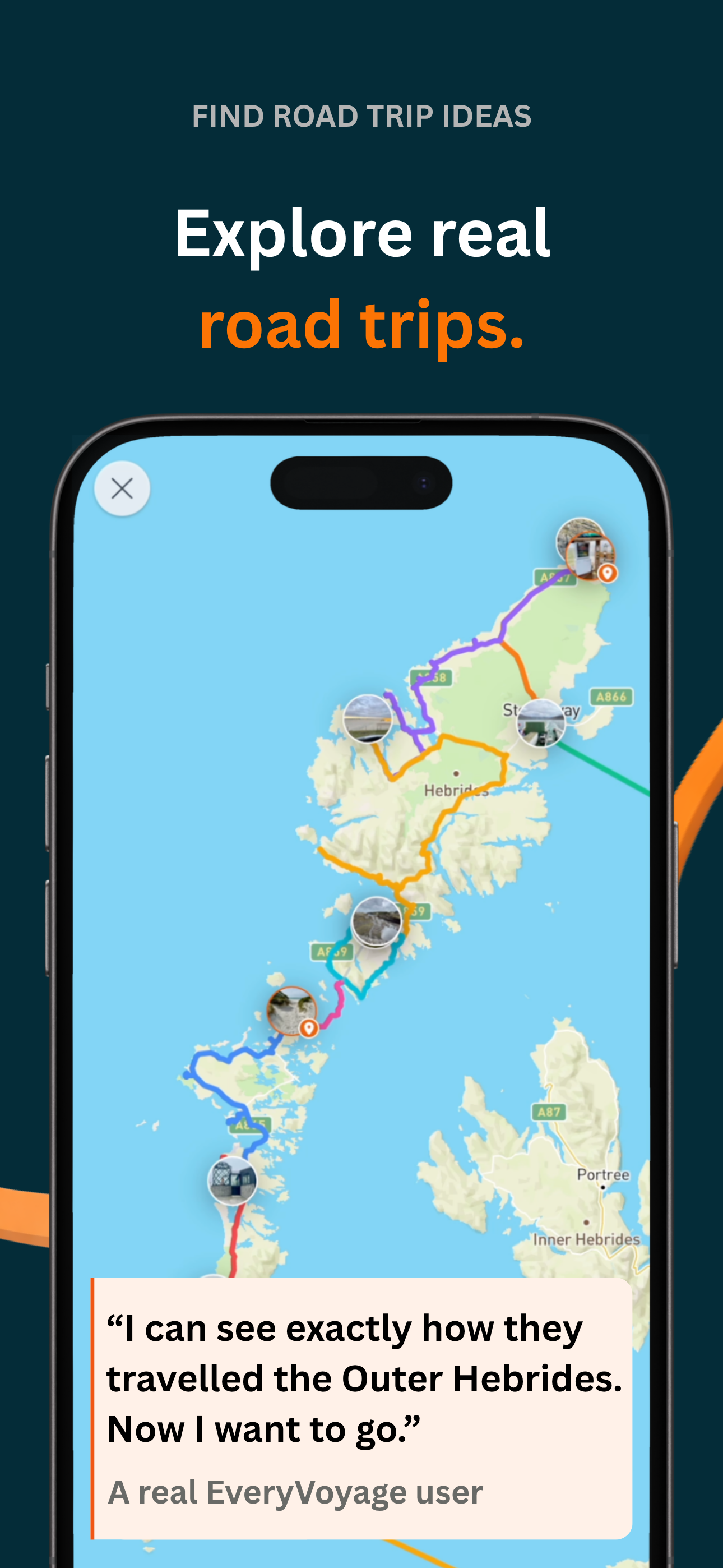
Explore road trips shared by real travellers and see not just where they went, but the actual route they took to get there.
-
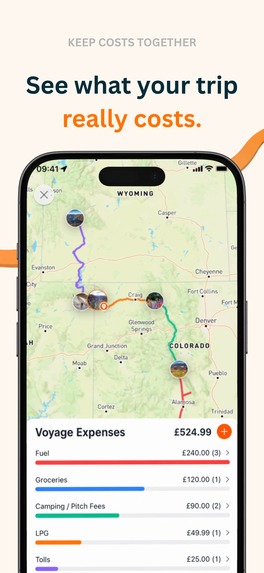
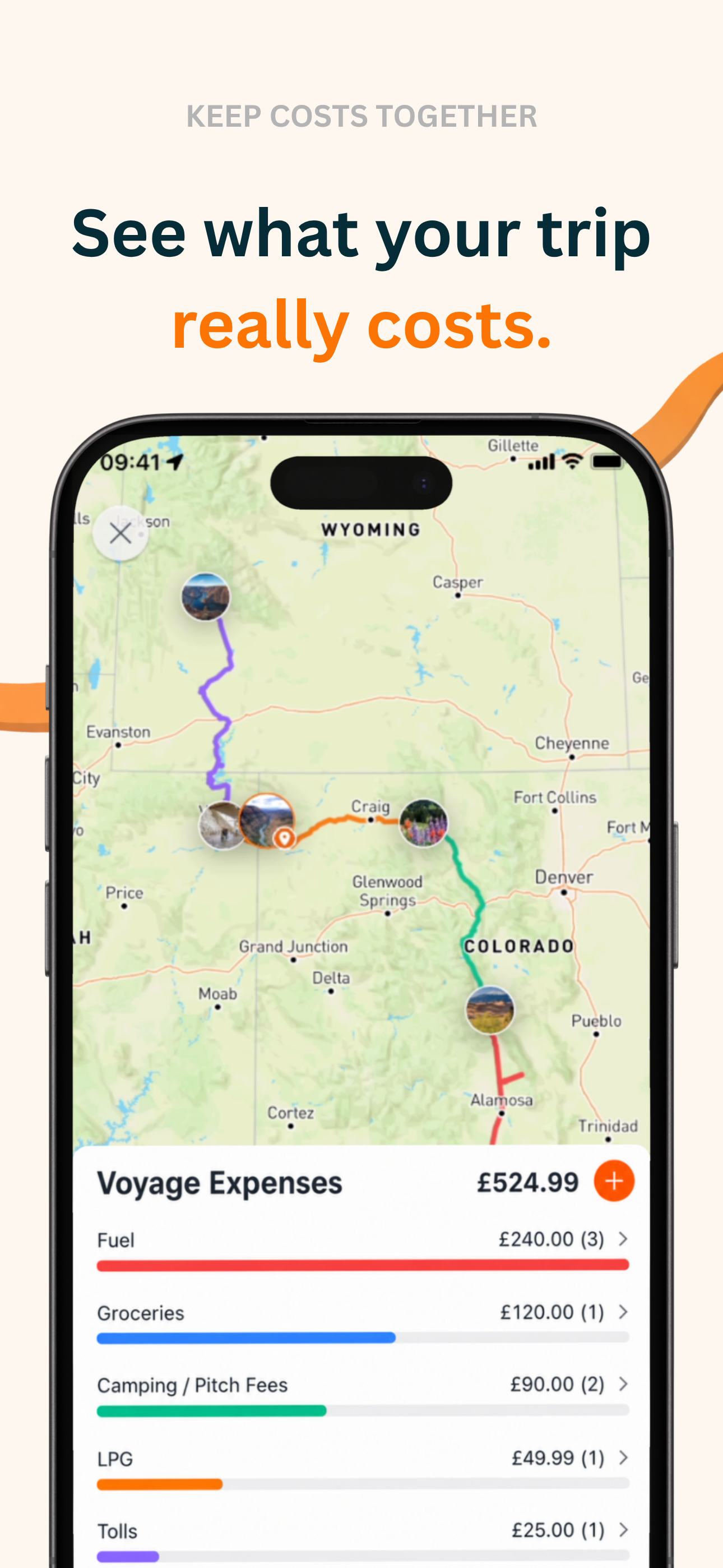
Track expenses across an entire Voyage, giving travellers a clear view of what their road trip really cost.
-
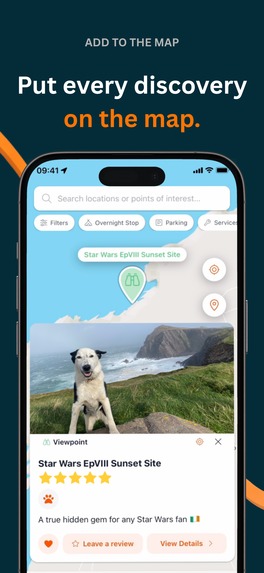
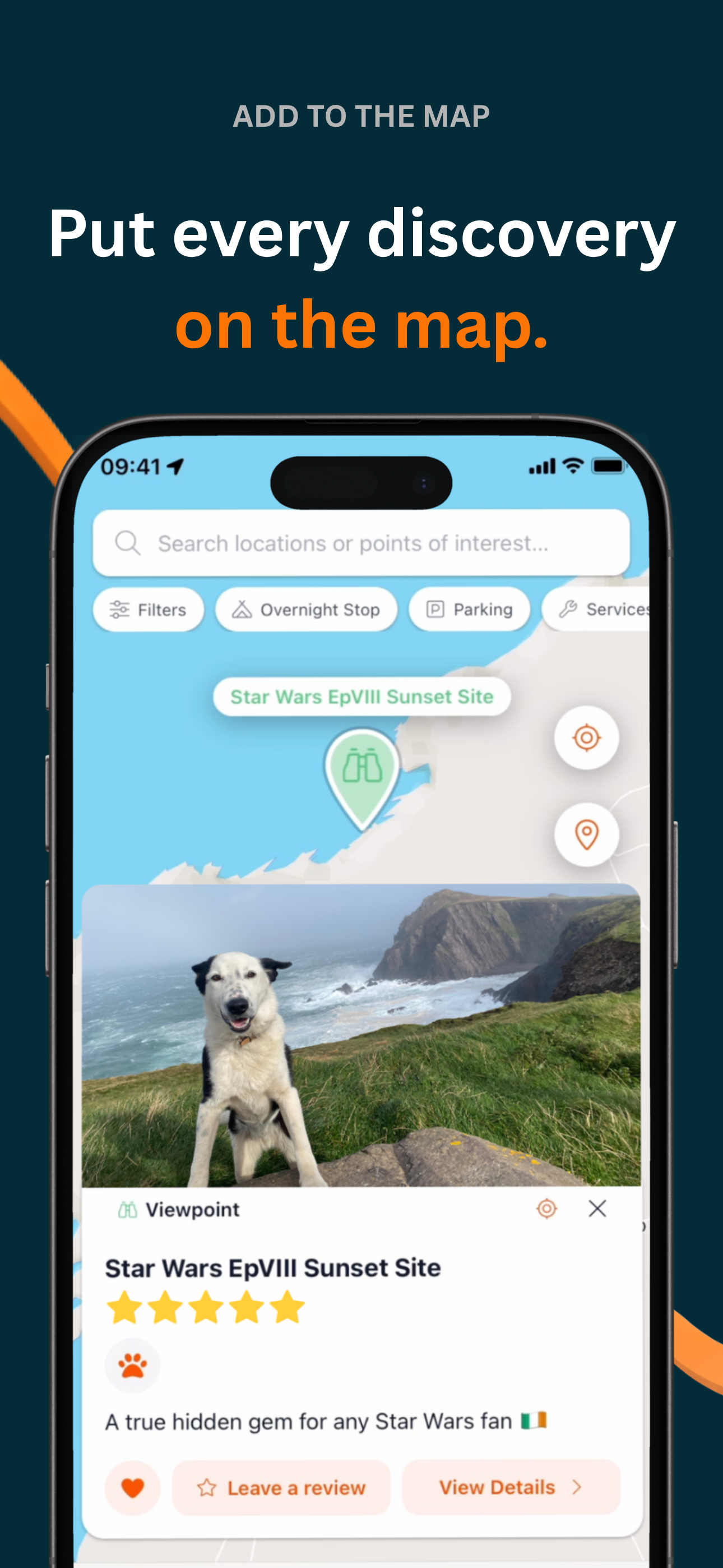
Travellers can add missing discoveries to the map, helping the EveryVoyage database grow with useful places found on the road.
-
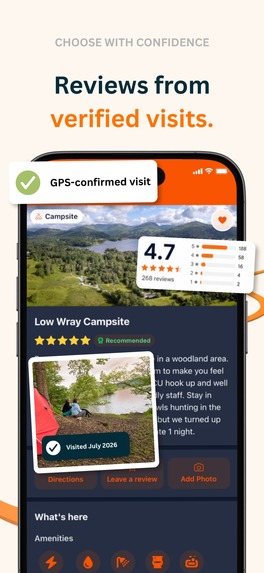
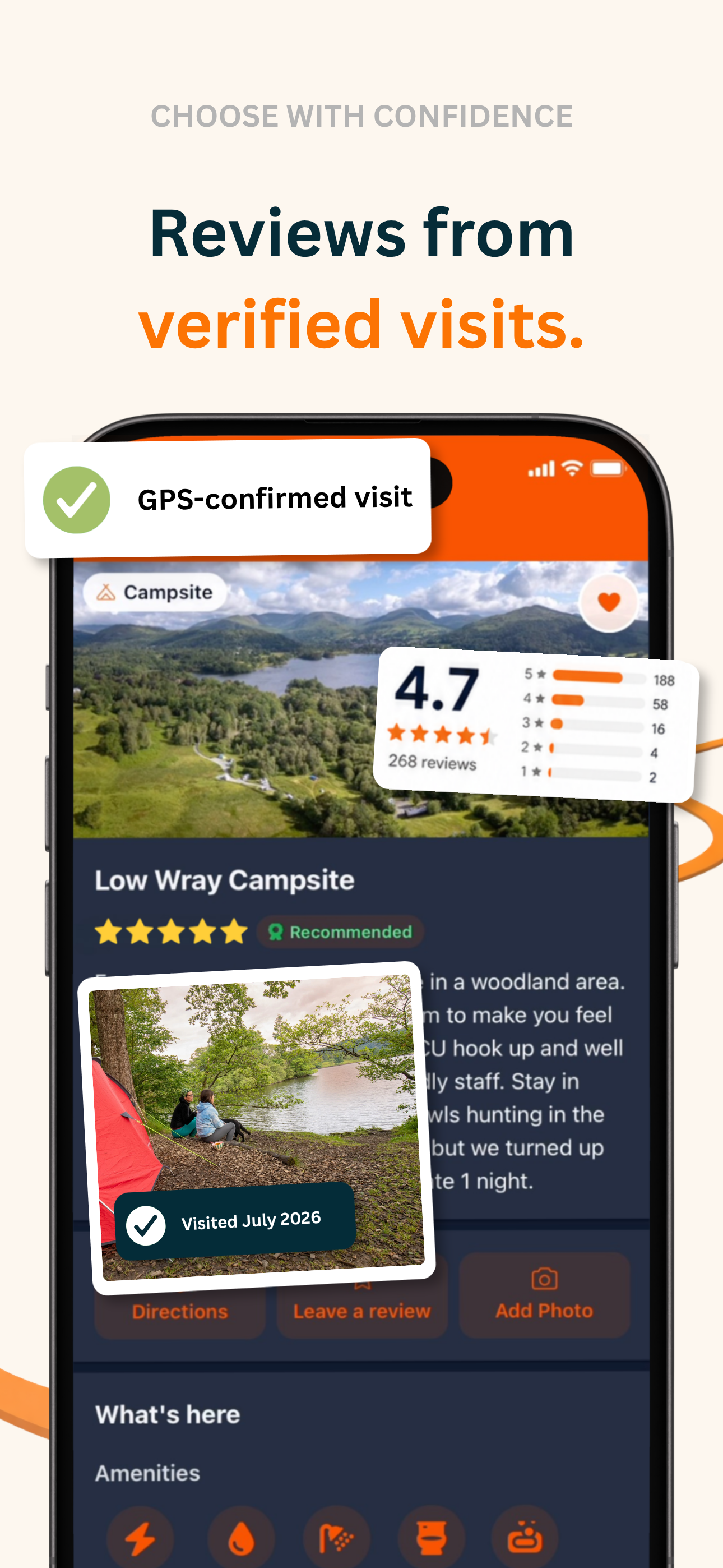
Reviews can be tied to GPS-confirmed visits, creating a more trustworthy feedback loop based on travellers who were actually there.
-
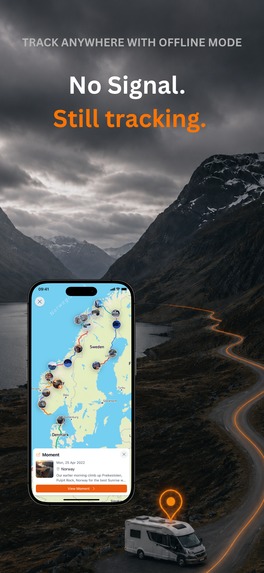
EveryVoyage keeps recording without a signal, so remote roads, mountains and off-grid adventures are still captured accurately.
-

App Icon

Inspiration
Road trips are strangely fragmented.
You plan in one app, navigate in another, save places somewhere else, take hundreds of photos, and by the time you get home the actual journey is scattered across your phone.
We wanted to build something different: one app that understands the journey itself.
EveryVoyage started with a simple idea. What if recording a trip could do more than draw a line on a map?
What if that journey could automatically help you remember where you went, identify the places you actually stopped, make it easier to leave useful information for the next traveller, and eventually help plan better journeys for everyone?
That became EveryVoyage.
What we built
EveryVoyage brings the whole road trip together.
Travellers can record their route with GPS, add photos, videos and Moments, organise individual trips into larger Voyages, discover more than 280,000 useful places, check in to places they visit, leave reviews and build a visual record of an entire journey.
But the individual features are not really the interesting part.
The important part is how they connect.
A recorded trip creates location data. That data helps EveryVoyage recognise where someone stopped. A stop can become a check-in. A check-in can generate a review, photo, price or updated information about that place.
Because the visit came from an actual recorded journey, we can also distinguish feedback connected to a real visit.
The result is a feedback loop:
Travel → Track → Stop → Check in → Contribute → Help the next traveller
Instead of relying entirely on static databases that gradually become outdated, the act of travelling can continuously improve the information available to the community.
That loop is where we believe the real defensibility of EveryVoyage lies.
How we built it
Building EveryVoyage meant creating far more than a GPS tracker.
We built the mobile experience, backend systems, location and mapping infrastructure, databases, APIs, media handling, subscriptions, privacy controls and community features, then connected them so that a recorded journey can interact with our growing database of places.
AI already plays an important role behind the scenes.
Reviews are processed as they are submitted to clean spelling, grammar and readability while preserving what the traveller actually said. The same content can then be translated across the languages supported by EveryVoyage, allowing a useful review left by a traveller in one country to help someone travelling from another.
Users can also add completely new Stops that are missing from our database. This is important because the real world changes constantly. New campsites open, parking rules change, facilities appear and useful places can exist long before they reach a traditional dataset.
But allowing the community to grow the database creates another problem: trust.
We therefore built a validation layer around contributions. Today, newly contributed place data can be checked manually where needed while we learn what good and bad submissions look like. Our goal is to progressively automate more of those checks using AI and validation rules, identifying duplicates, inconsistent information, poor-quality content and potentially incorrect submissions before they affect the wider community.
The aim is not to use AI because it is AI. It is to use it where automation can make a community-powered dataset scalable without sacrificing quality.
Challenges
Our biggest challenge became one of our biggest opportunities.
It would have been considerably easier to build a route tracker or a stop finder.
We decided to build both and make them talk to each other.
That means EveryVoyage has to understand the relationship between a user's movement, their journey, the places around them and the information they contribute afterwards.
A recorded trip creates location data. That can help identify where somebody stopped. A stop can become a GPS-confirmed visit. That visit can lead to a review, photo, price or updated information about the location. Users can even add a place that did not previously exist in our database.
Suddenly, tracking is not simply a feature. It becomes an input into a data engine.
The challenge is making that engine trustworthy.
Community data can grow incredibly quickly, but only if we can validate, clean, translate and structure it at scale. We are currently combining automated processing with manual validation while building towards increasingly automated checks as the volume of contributions grows.
There is also a UX challenge. Travellers do not want to spend their holiday maintaining a database. The system needs to recognise as much context as possible and ask for the smallest useful contribution at exactly the right moment.
And all of this sits alongside another non-negotiable challenge: privacy. Location makes the system powerful, but location is sensitive. We built controls including Privacy Zones and location hiding so travellers can benefit from tracking without accidentally sharing places such as their home.
What we have learned is that the difficult part is not building any individual feature.
The difficult part, and ultimately the moat, is making all of these systems reinforce each other while still making the product feel simple.
What we learned
The biggest lesson has been that the value of EveryVoyage does not come from any single feature.
It comes from the connections between them.
Tracking makes the travel journal better. Tracking makes check-ins easier. Check-ins make reviews more trustworthy. Reviews make the places database better. Better place data improves discovery.
Each part strengthens the next.
And that leads to the part we are most excited about.
What's next
Today the loop primarily helps travellers record, remember and contribute.
The next stage is to close the loop completely.
The growing dataset of real journeys, real stops, real visits and real traveller feedback can eventually feed back into planning.
Instead of simply asking:
"What campsites are near my destination?"
we want EveryVoyage to understand questions more like:
"I'm travelling through France for ten days, I don't want to drive more than four hours a day, I need dog-friendly overnight stops, I like hiking, and I want the journey itself to be worth taking."
The same data generated by people travelling can help the next person decide where to go, where to stop and how to get there.
That is the long-term vision for EveryVoyage:
A journey that gets smarter every time someone takes one.
Built With
- ai
- android
- api
- apis
- app
- claude
- connect
- data
- geospatial
- gps
- internationalisation
- ios
- javascript
- maps
- notifications
- openai
- play
- push
- python
- rest
- revenuecat
- store
- typescript

Log in or sign up for Devpost to join the conversation.