Inspiration
There is a distinct need for an object that can make water from air, since these hot and humid regions have unlimited access to water. Our answer was to use solar stills to create the much sought after water and provide families with clean drinking water.
What it does
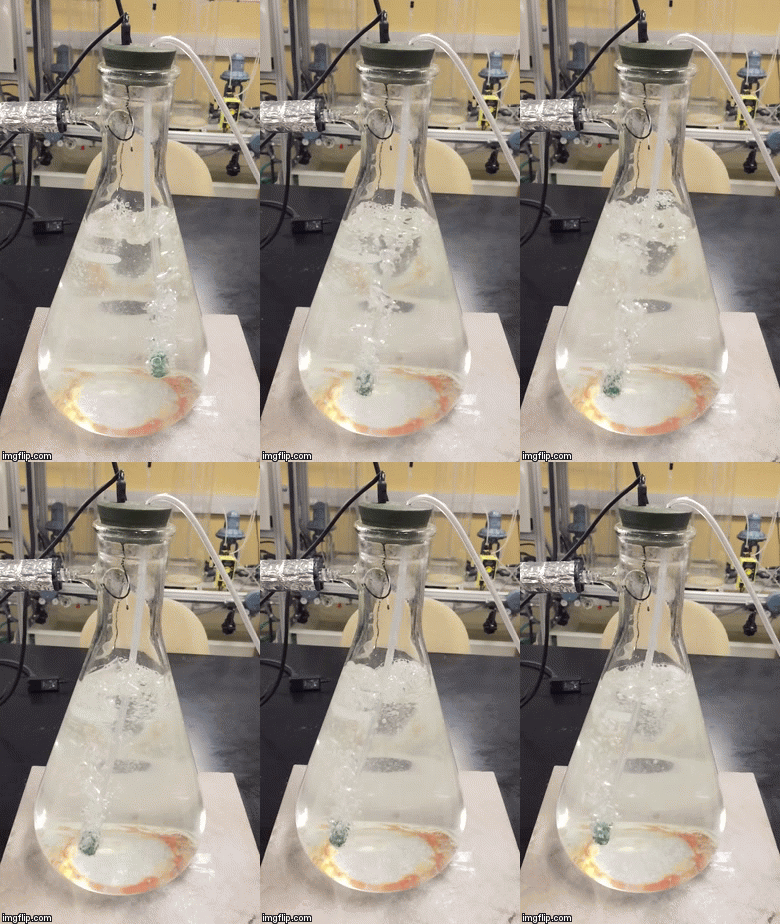
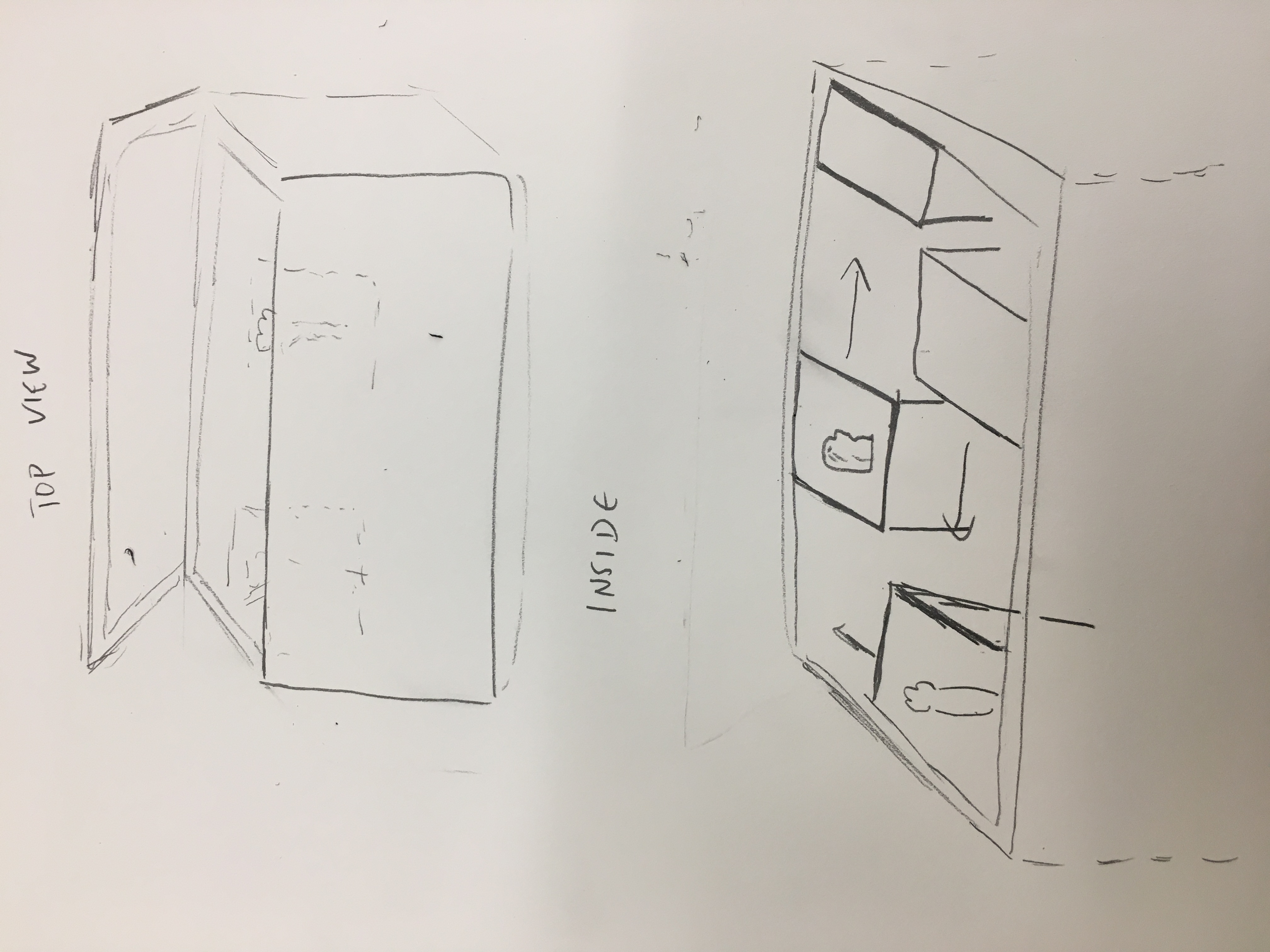
Our final design still follows the basic idea of a single sloped basin solar still, with slight changes. It consists of a fully insulated basin for the dirty water to be put in through a pipe and a solar collector at the top of it for the heat. Inside the basin there is a pipe that is connected to a fan to provide forced air inside the system. An air stone is attached to the end of this pipe inside the basin to provide improved airflow and bubble the water. This basin is attached to a copper pipe, where the condensation process takes place and there is another container at the end of this pipe for pure water collection
How I built it
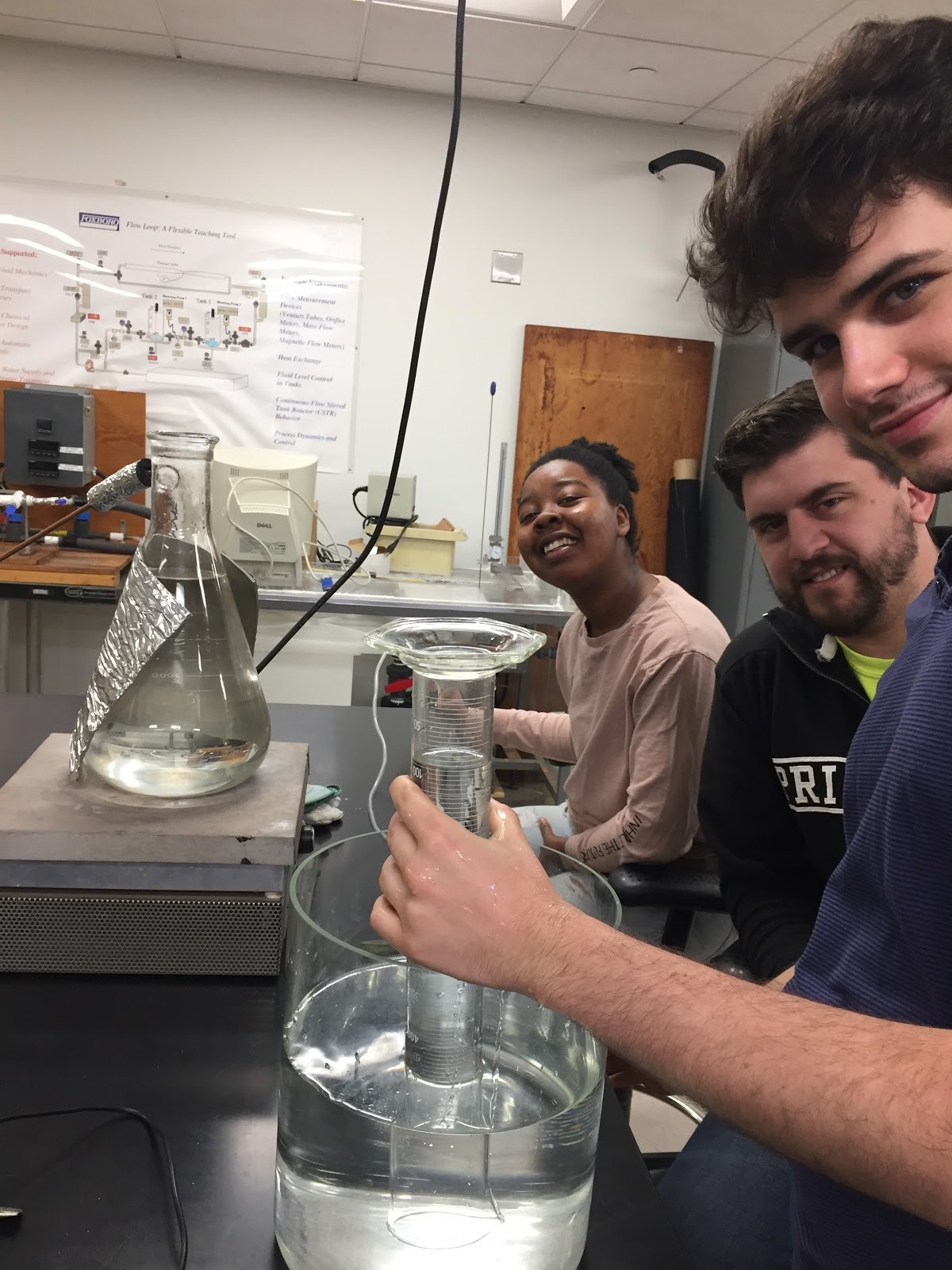
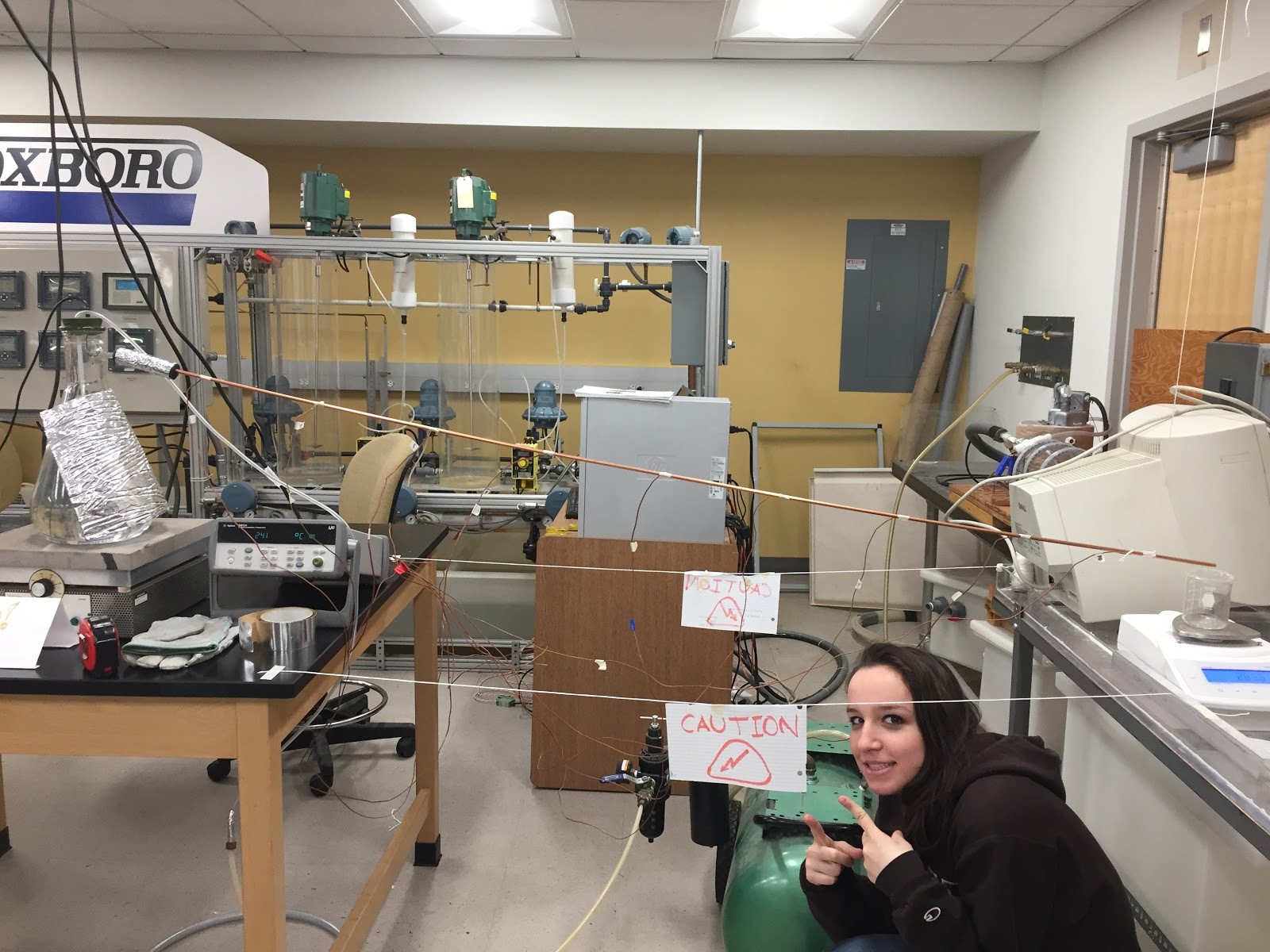
The juice of our project was in our experimentation. Here is what it looked like...
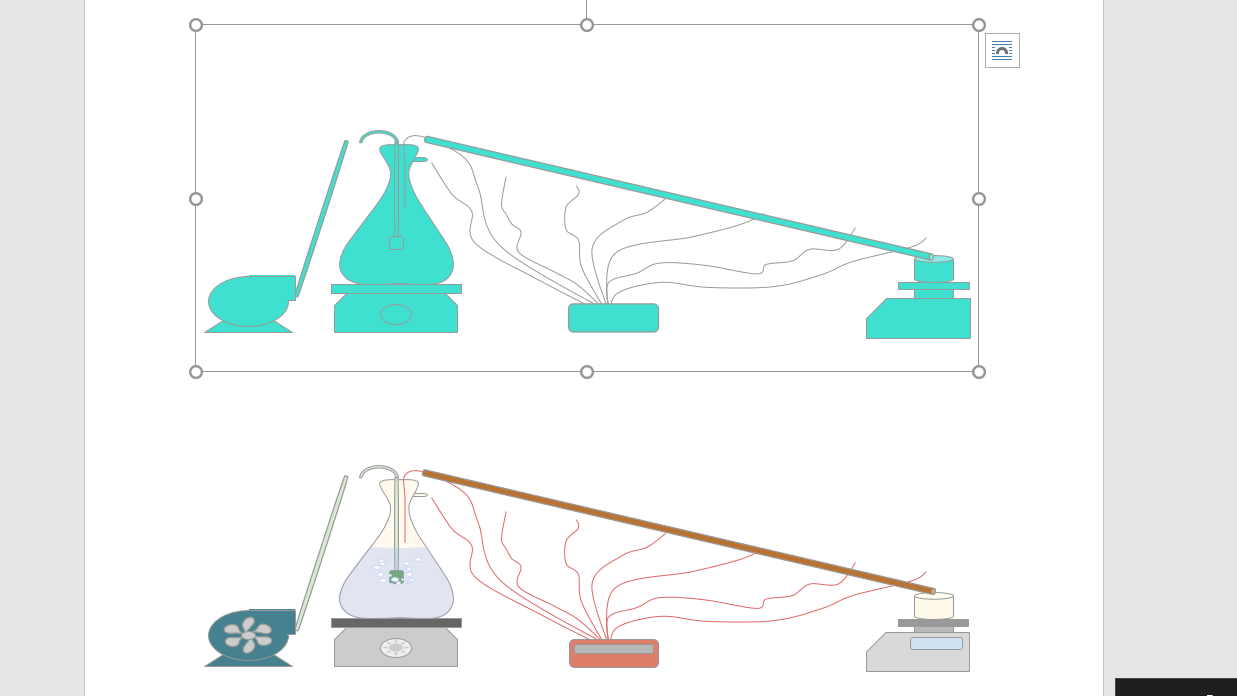
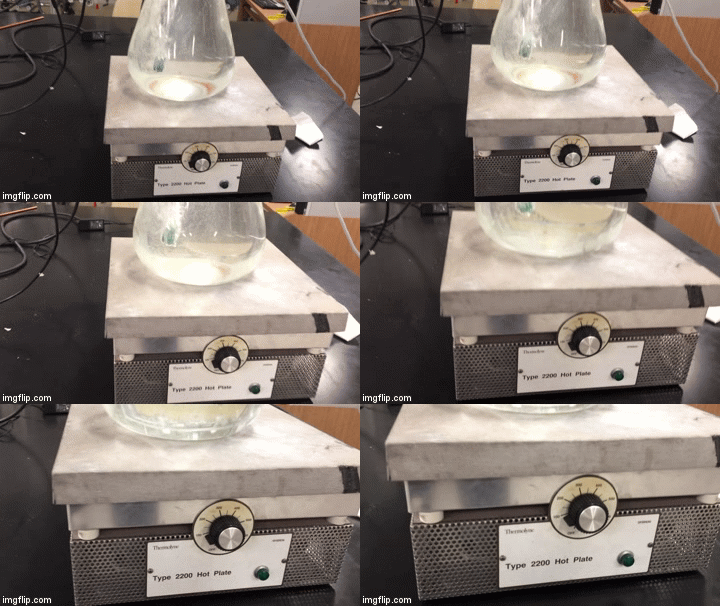
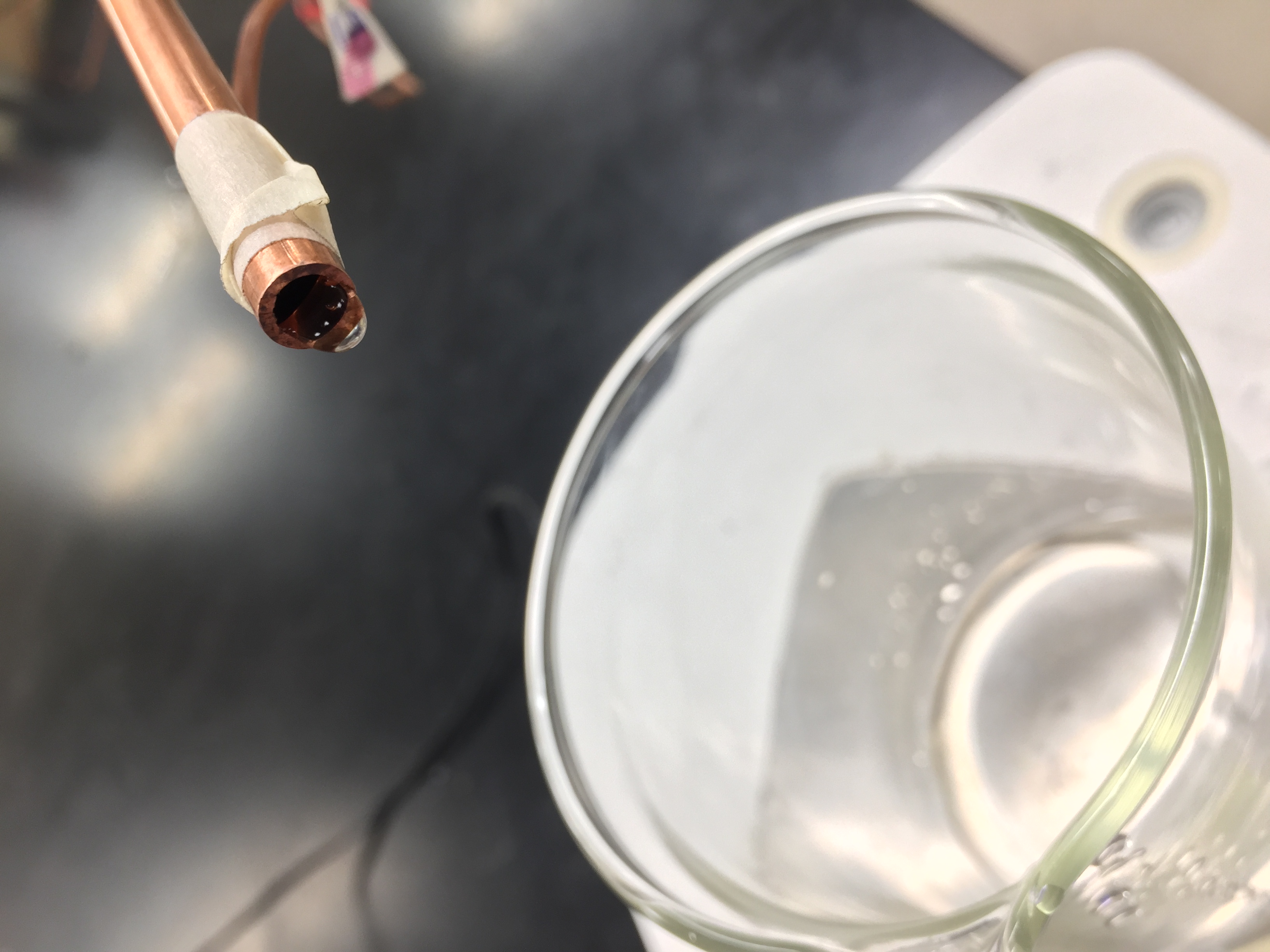
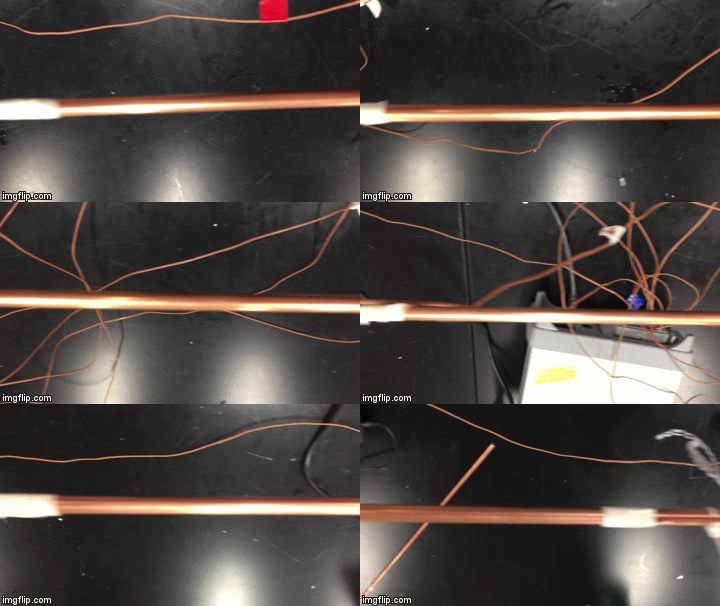
After finalizing the theoretical and computational components of our project we started setting up the experimental procedure. The goal was to run a set of four two-hour long experiments, in which we would keep the initial temperature of the system, the room temperature, and CFM flow rate of air constant, while varying the length of the tubes. The figure below displays the setup for the experiment. Air comes in from the compressor into a closed environment where it is moisturized, and its temperature is risen to about 50℃ . This is facilitated by a hot plate heating up a flask with water to a point below vaporization, to avoid having steam coming through the tubes and condensation in the flask. A rubber tube was used to connect the exiting point of the flask and the copper pipes. This was insulated using foam. The thermocouples were evenly spaced along the pipes up to the very end of the system where the water was collected in a beaker and weighed with a scale. The temperature was measured with Labquest thermometers and SMT Multimeters.
Challenges I ran into
We changed ideas for this project halfway through the semester. We had limited time to finish this new project idea. Some assumptions had to be made to fulfill our scope of calculations. Figuring those assumptions was difficult.
Accomplishments that I'm proud of
I am proud of making a great proof of concept and actually proving that our new design increased water production by over 10 percent.
What I learned
The biggest takeaway I have from this project is good teamwork. Our group was faced with many challenges that pushed us behind schedule, but we learned how to overcome those obstacles, work together, and OVERCOMMUNICATE to finish the product on time. In terms of technical skills, I learned how to better apply Heat Transfer Calculations to a real-world scenarios, and continued to improve my Adobe Illustrator skills.
What's next for ENGN 1000: Solar Still
The actual prototype!
Built With
- 3d-printing
- adobe-illustrator
- metal-working
- powerpoint
- prototype
- solidworks
- wood-working

Log in or sign up for Devpost to join the conversation.