-
-
buttons
-

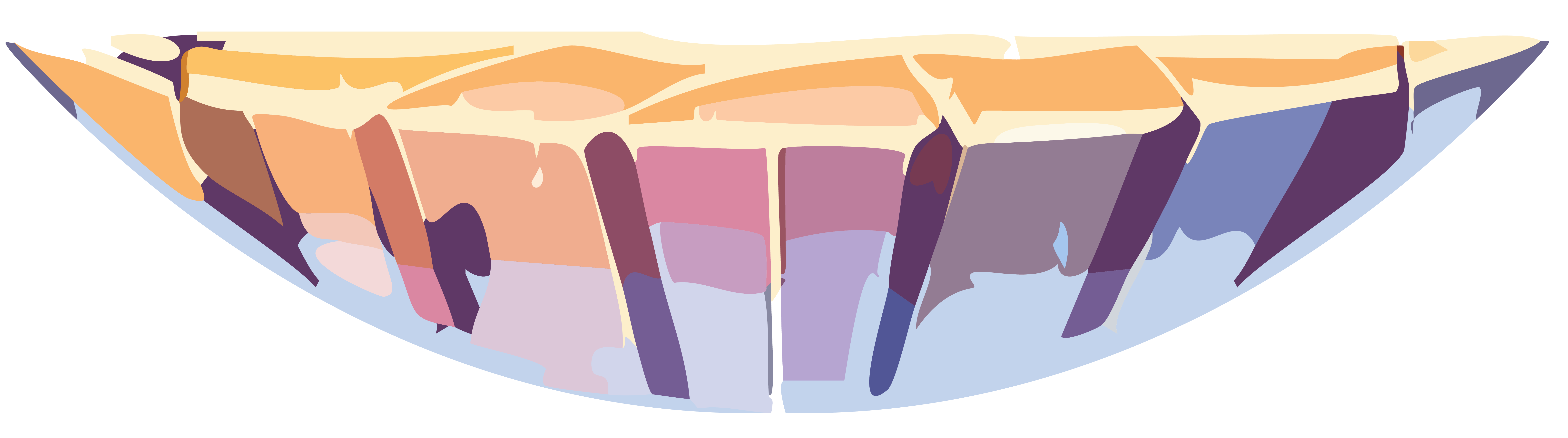
platform
-
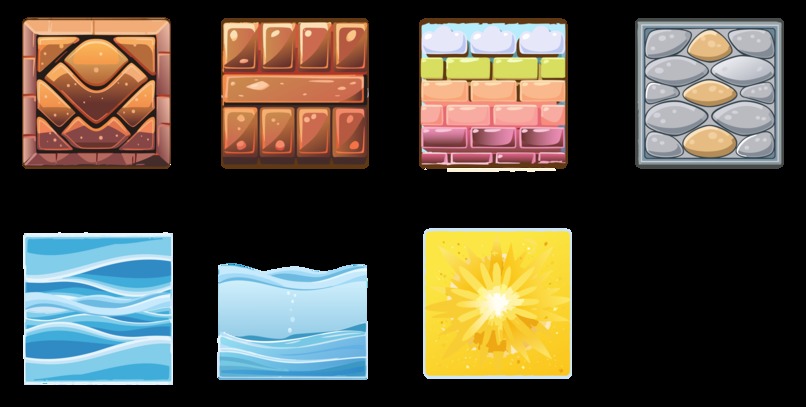
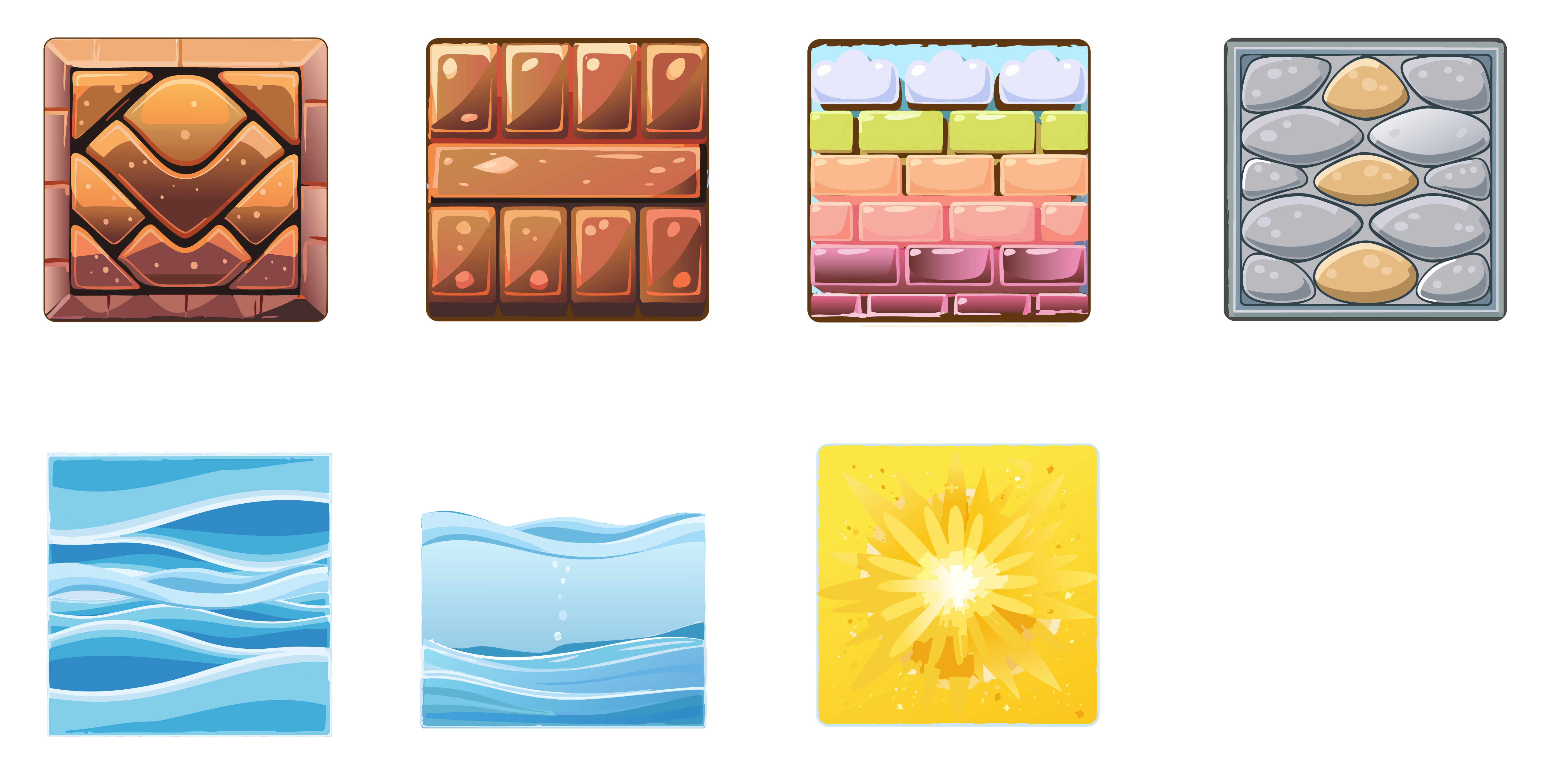
tiles
-
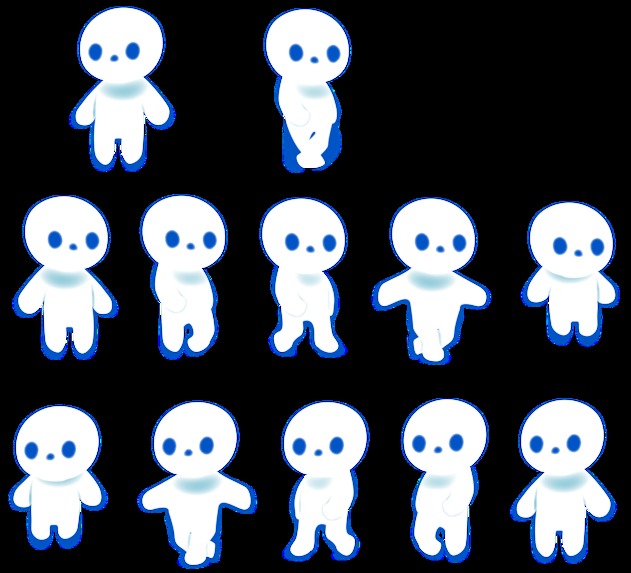
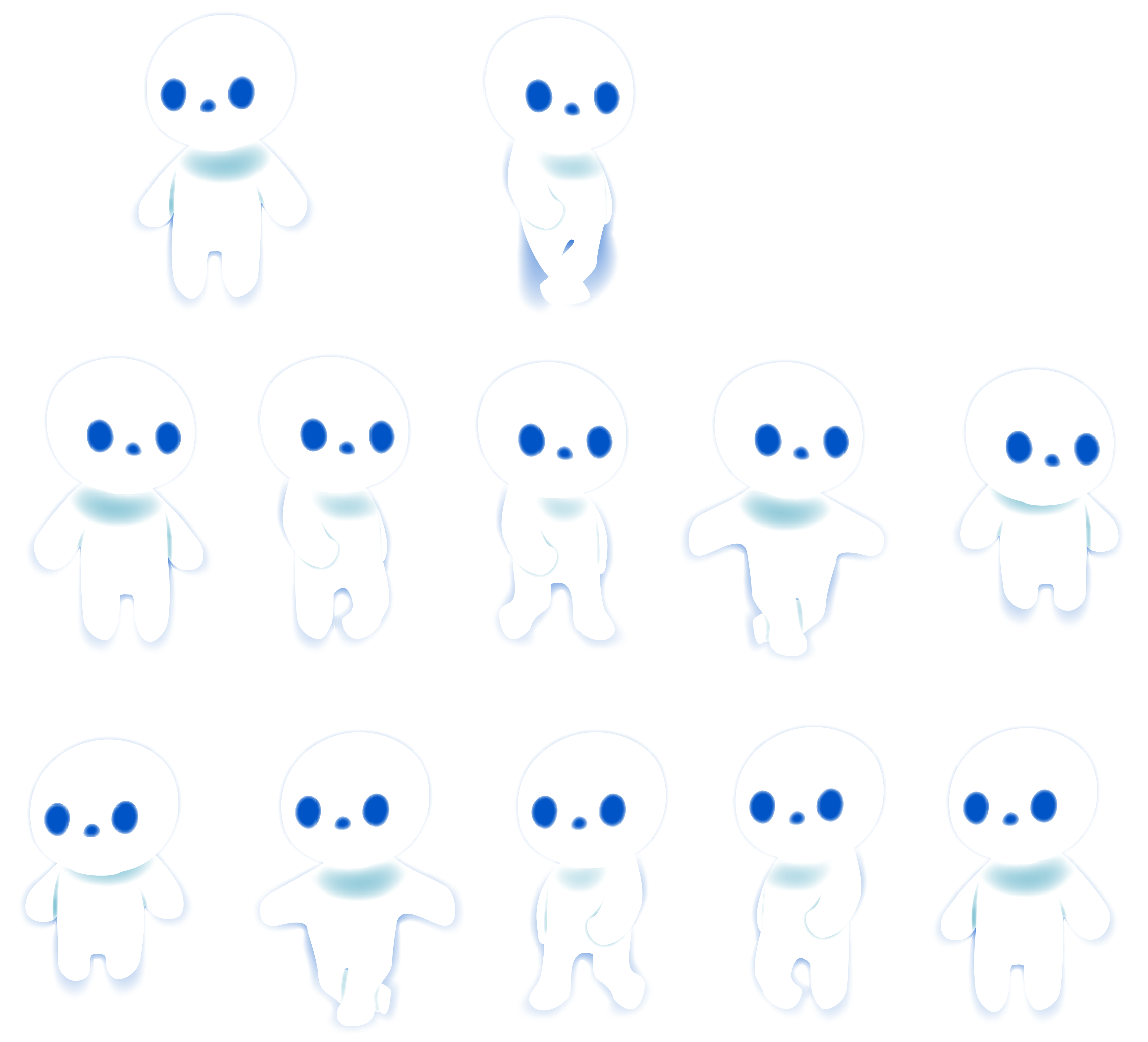
character
-

-

-
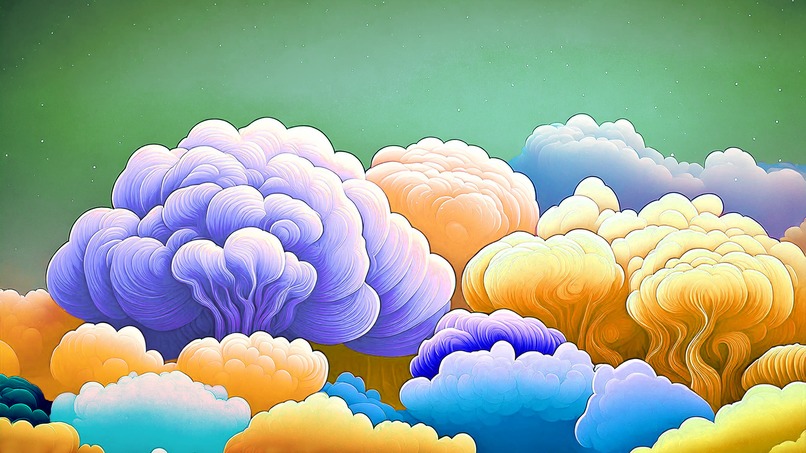
-
-
-



Controls for player (left):
- W: Jump
- A: Left
- D: Right
- 1: Building Joy blocks
Controls for player (right):
- Up arrow key: Jump
- Left arrow key: Left
- Right arrow key: Right
- Shift: Building Joy blocks
EmoFusion Game Design Document
- EmoFusion is a cooperative puzzle/adventure game set in a mystical realm called Empathylia.
- The game is designed to promote collaboration and empathy by requiring players to work together to balance their emotions and solve puzzles.
Empathy
- The game centers around the concept of empathy, which is defined as an emotional response influenced by individual traits and situational factors.
- Empathic processes are both automatic and subject to conscious control.
- The resulting emotion mirrors the perceived or imagined emotion of another, with the understanding that the source of the emotion is external.
Game Setting and Plot
- Empathylia, the game's setting, is a realm where emotions are the core of existence.
- A mysterious "fracture" has disrupted Empathylia's emotional balance, creating zones of extreme emotion and trapping its inhabitants.
- Players take on the roles of "Emotion Weavers" tasked with healing Empathylia.
- As they progress, players discover their own emotional resonance is vital to the world's survival.
- The main scene is a tutorial introducing the characters and their abilities.
- Level 1, "The Land of Joy and Sadness," challenges players to use their emotions to solve puzzles and manage the "empathy meter."
Game Characteristics
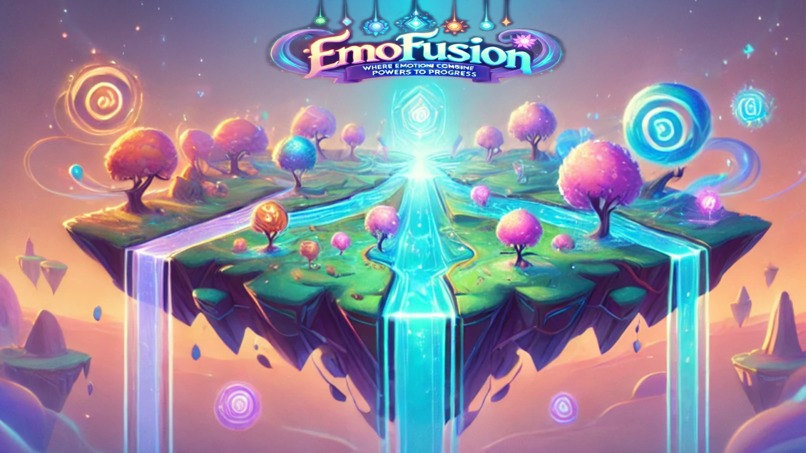
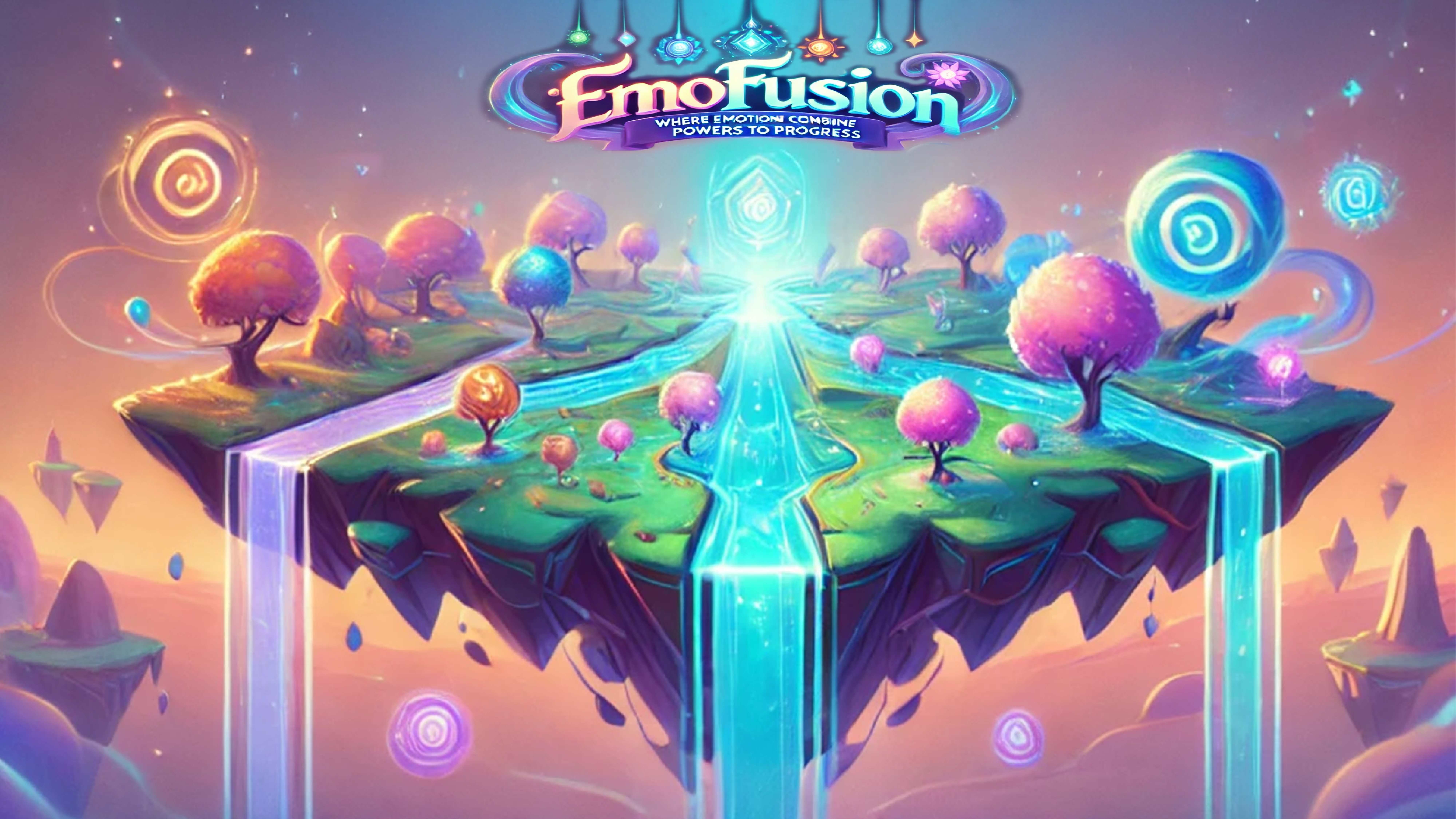
- Game Name: EmoFusion: "Where emotions come together and combine powers to progress."
- Logo Concept: A combination of colors representing joy, sadness, anger, and empathy.
- Main Elements:
- Emotions are represented as stylized icons or abstract symbols, using colors, shapes, or elements.
- The fusion of emotions is depicted through merging or swirling symbols in an ethereal form.
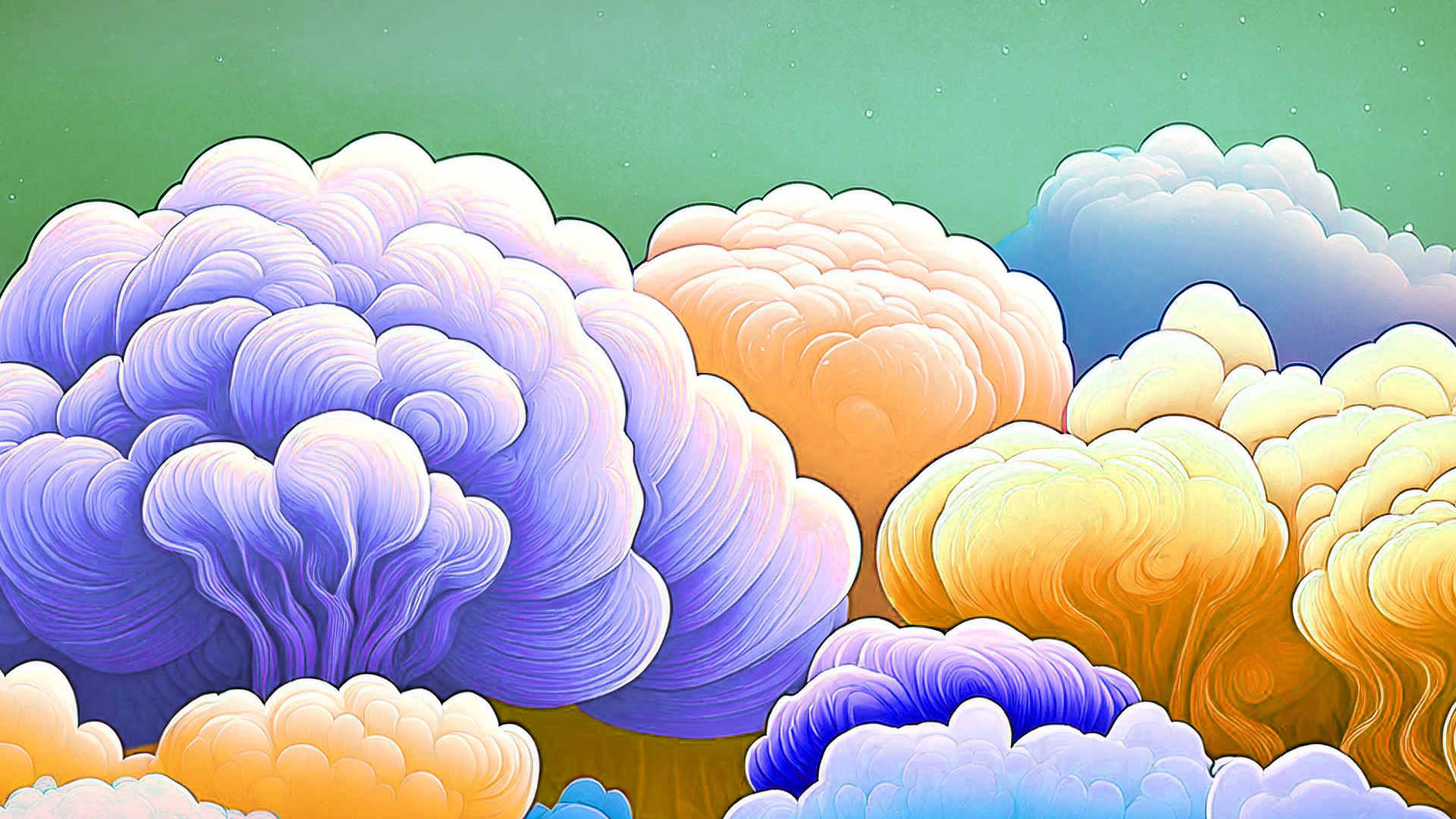
- Empathylia is represented as a dreamscape with mystical elements like glowing lights, swirling clouds, enchanted trees, and magical artifacts.
- The title "EmoFusion" uses an enchanting font to evoke a magical vibe, while the subtitle provides context in a simpler font.
- Emphasize "The Magical Land of Empathylia" to highlight the game's setting.
- Concept: Two players with different emotions connect and collaborate, utilizing their "powers" to fix the fracture in Empathylia and resolve emotional conflicts.
- Color Palette:
- The game uses color psychology to reflect the impact of color on mood and behavior.
- Red: Anger
- Blue: Sadness
- Yellow: Joy
- Purple: Fear
- Green: Empathy
Characters and Abilities
| Emotion | Emotional Ability ("Powers") | Character Color | Color Psychology |
|---|---|---|---|
| Joy | Build bridges | Yellow | Triggers feelings of happiness |
| Sadness | Creates body of water | Blue | Triggers meditation and relaxation |
| Anger | Breaks blocks | Red | Triggers emotions of passion, strength, and power |
Visual and Audio Design
- Art Style: Dreamlike, watercolor-inspired landscapes that dynamically shift with emotional states.
- Aesthetics: Pastel colors and cartoonish style.
- Music: AI-generated, motion-driven dynamic soundtrack that layers instruments and themes based on the dominant emotion.
- Players hear distinct tones based on their chosen roles, harmonizing as they achieve resonance.
Development
- Assets: Created using Adobe Photoshop and Illustrator.
- Environment: Developed using the GoDot game engine.
Narrative Structure
- Act 1: Awakening: Players learn their abilities, establish their Empathy Link, and explore the Neutral Zone, encountering NPCs who introduce the concept of emotional imbalances.
- Act 2: Exploration: Players journey through distinct emotional zones:
- "The Land of Joy & Sadness": Featuring illusions and puzzles.
- "The Inferno of Anger & Sadness": Characterized by chaotic, destructible environments.
- "The Desert of Sadness & Anger": Presenting sparse, lonely puzzles that test patience.
- Act 3: Convergence: Players uncover the truth behind the Fracture, which was caused by the Heartforge's inability to reconcile its own emotions.
- They must enter the Heartforge, resolve emotional traumas, and confront a final, corrupted emotional force to restore Empathylia.
Gameplay Mechanics
- Emotional Roles: Each player embodies a specific emotion.
- Emotion Influence: A player's chosen emotion affects their abilities and interactions with the environment and NPCs.
- Empathy Meter: Players must maintain emotional harmony, as overloading on one emotion weakens abilities and risks creating destabilizing "Emotional Storms."
Future Implementations
- Link Challenges: Puzzles requiring synchronized inputs or rhythm-based actions to reflect emotional harmony.
- Emotional discrepancies weaken the Empathy Meter, reducing effectiveness.
- Emotional Zones: Areas dominated by a single emotion, requiring combined abilities to restore balance.
- Balancing a zone unlocks pathways, restores the environment, and triggers story events.
- Emotional Gameplay Loops:
- Emotional Echoes: Players explore NPCs' backstories and memories to understand and resolve their emotional imbalances.
- Resonance Puzzles: Environmental puzzles requiring players to channel specific emotions in unison.
- Empathy Link Trials: Story events that challenge players to confront their differences and make decisions affecting their bond.
Endgame and Replayability
- The game's outcome depends on how well players balanced emotions, zones, and their own resonance, ranging from restored harmony to further fragmentation.
- Different player roles and decisions encourage multiple playthroughs.
- The game has potential for multiplayer expansion with multiple players embodying various emotions.
Game Assets
- The document includes images of game assets like bricks, tiles, platforms, buttons, backgrounds, and characters.
References
- The document cites two references for information on empathy and color psychology.
- Chang-Arana, A. M., Surma-aho, A., Hölttä-Otto, K., & Sams, M. (2022). Under the Umbrella: Components of Empathy in Psychology and Design. Design Science, 8.
- Mental Health America. (2023). How Do Colors in My Home Change My Mood? Color Psychology Explained. Mental Health America.
Built With
- adobe-illustrator
- github
- godot
- gscript
- huggingface
- photoshop


Log in or sign up for Devpost to join the conversation.