-
-
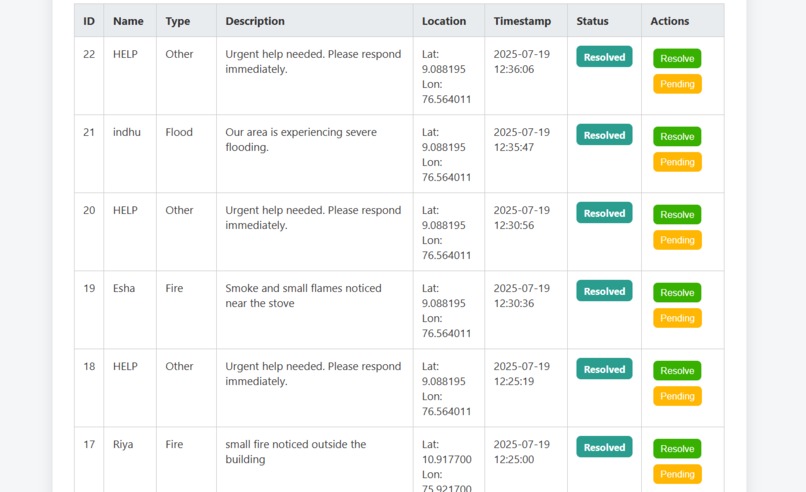
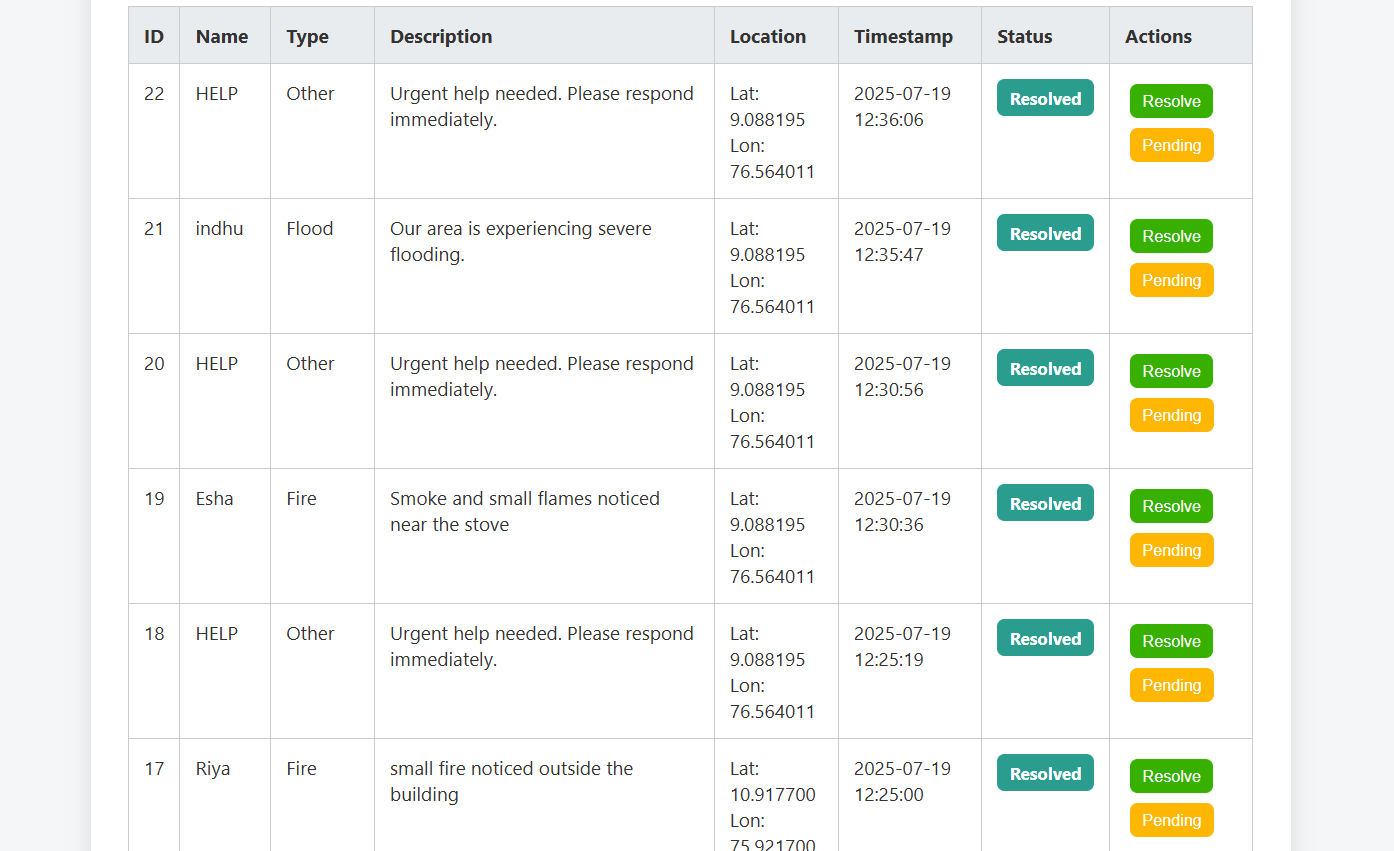
Admin Dashboard :Any backend or organizer view.
-
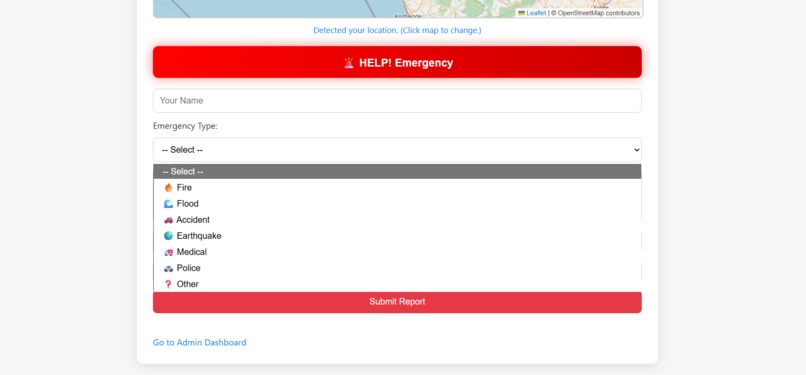
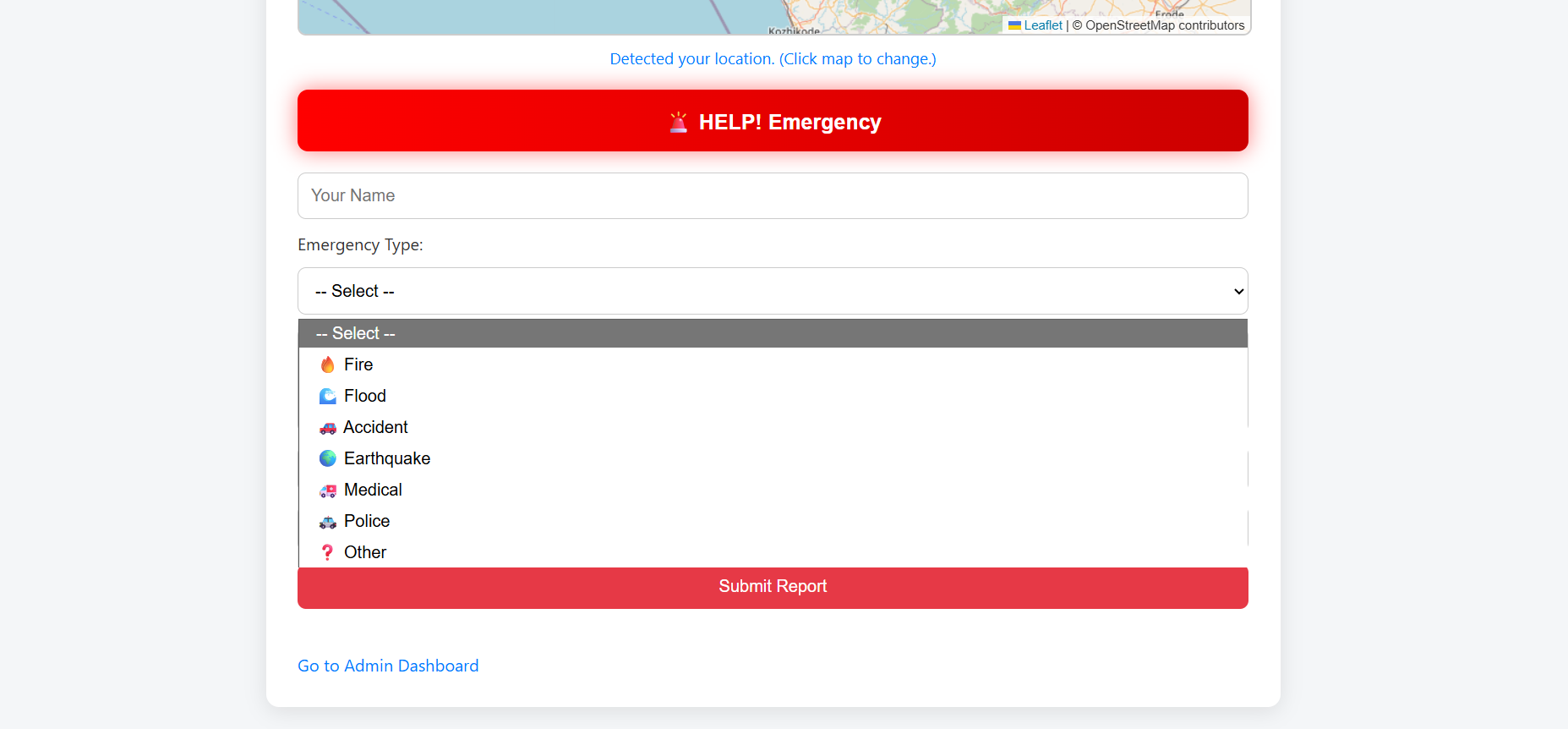
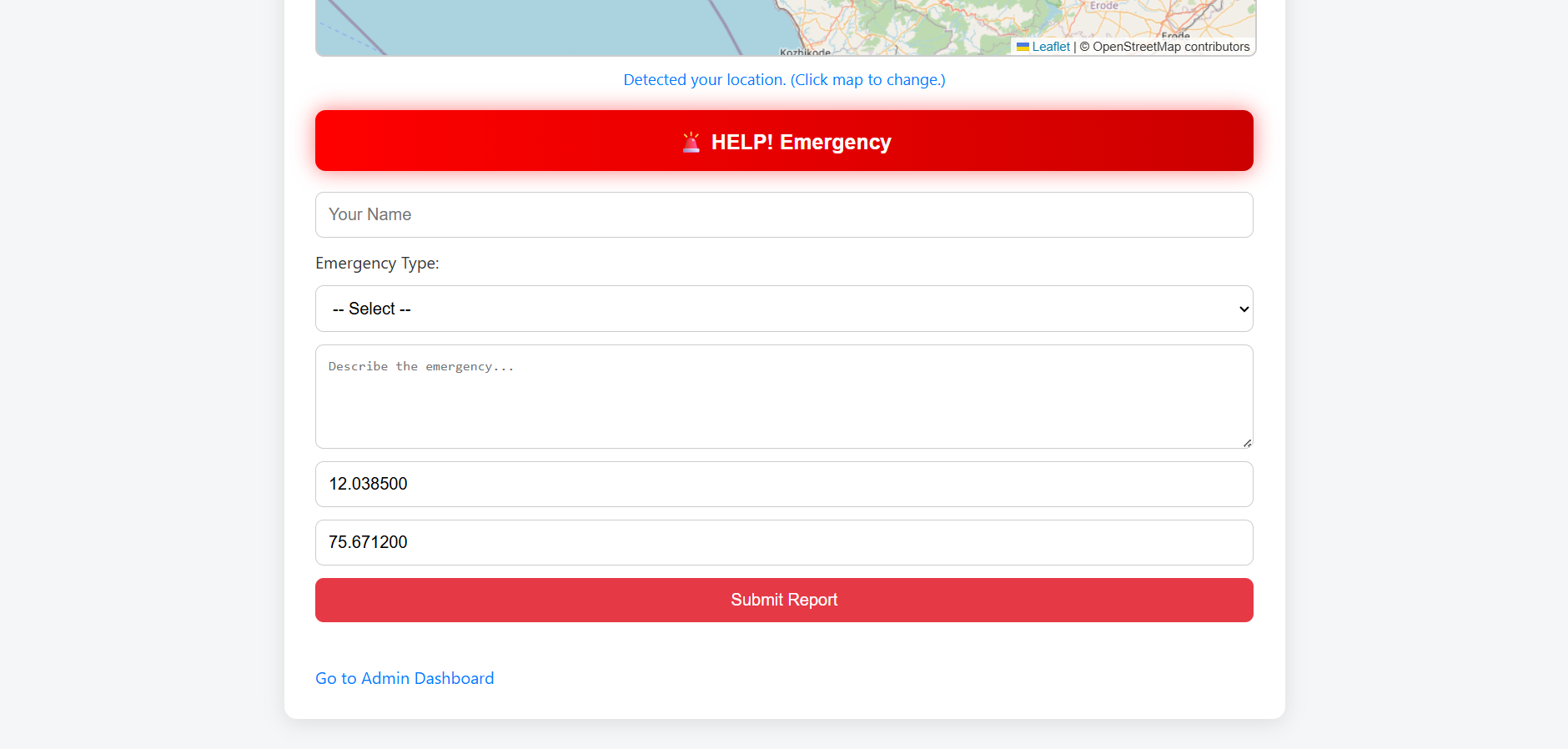
Emergency Report Form :The part where users enter emergency details.
-
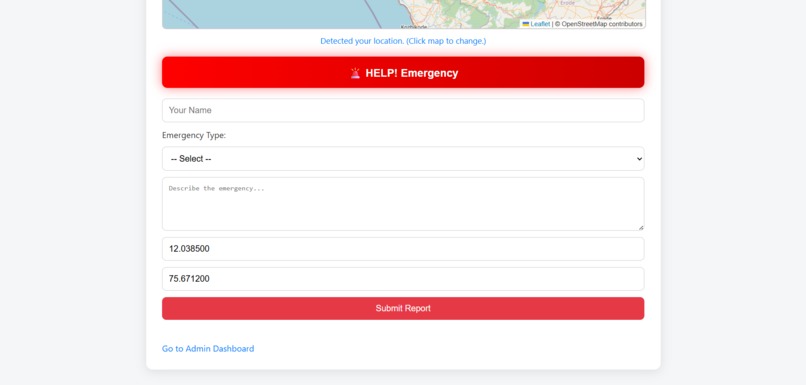
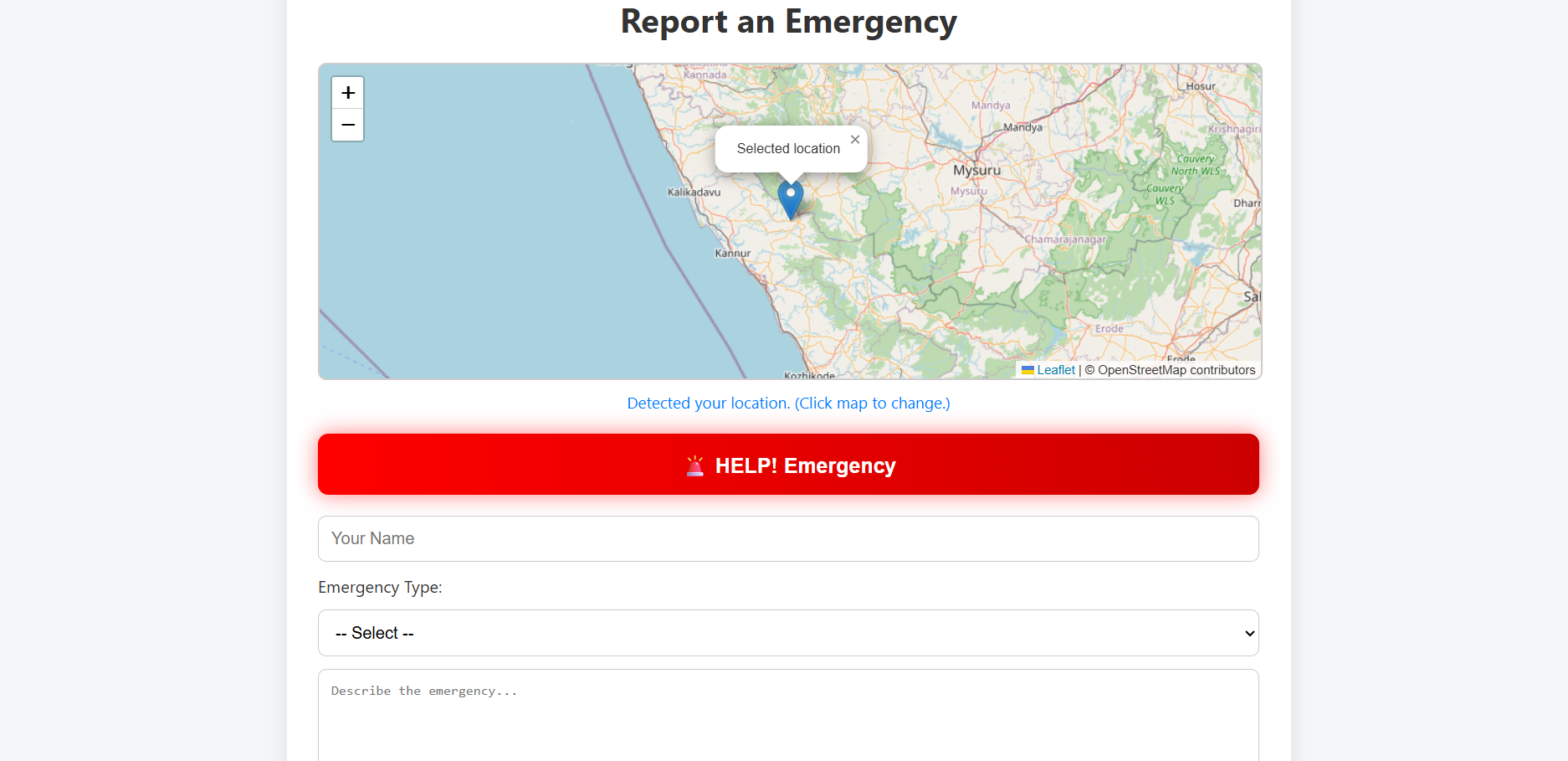
Shows the main interface
-
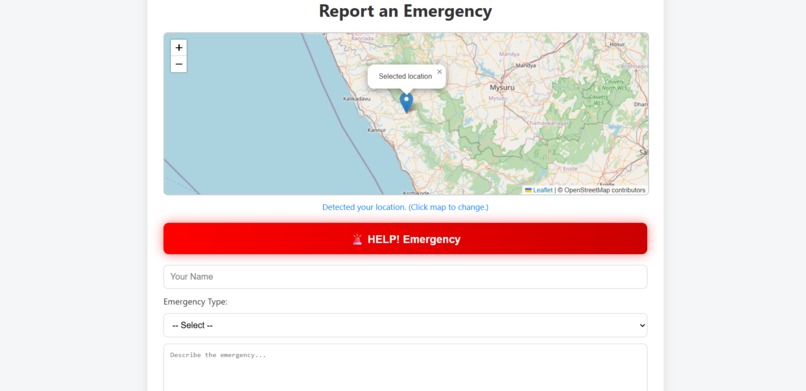
Homepage or Landing Page
Inspiration
During natural disasters or large-scale emergencies, communication breakdowns and delayed response coordination often cost lives. We were inspired to create Emergency Response Hub to bridge this critical gap by providing a centralized platform for real-time coordination, resource sharing, and emergency updates.
What it does
Emergency Response Hub is a web-based platform that allows emergency responders, volunteers, and affected communities to:
- Report incidents in real time
- Locate and request essential resources (like food, shelter, or medical aid)
- Coordinate relief operations
- Broadcast verified updates through a unified dashboard
How we built it
We built the project using:
- Frontend : HTML, CSS, and JavaScript
- Backend : Python (Flask framework)
- Database : SQLite
- APIs : Google Maps JavaScript API and Geolocation API for real-time location tracking
- Hosting : Not hosted — code is available on GitHub and demonstrated in the video
Challenges we ran into
- Integrating real-time location tracking was tricky due to API rate limits
- Ensuring user authentication while keeping the system lightweight
- Handling asynchronous data updates across multiple users smoothly
Accomplishments that we're proud of
- Successfully built a working prototype in under 48 hours
- Enabled real-time map updates and incident reporting
- Designed an intuitive UI that’s mobile-friendly and accessible
What we learned
- Working under pressure with tight deadlines
- Best practices in using location APIs and managing async data
- Importance of UI/UX in crisis-response scenarios
What's next for Emergency Response Hub
- Add SMS and WhatsApp integration for offline accessibility
- Partner with local NGOs for testing and feedback
- Improve backend scalability and add push notifications

Log in or sign up for Devpost to join the conversation.