-
-
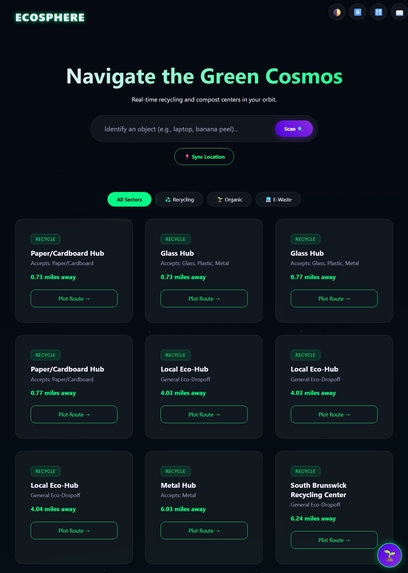
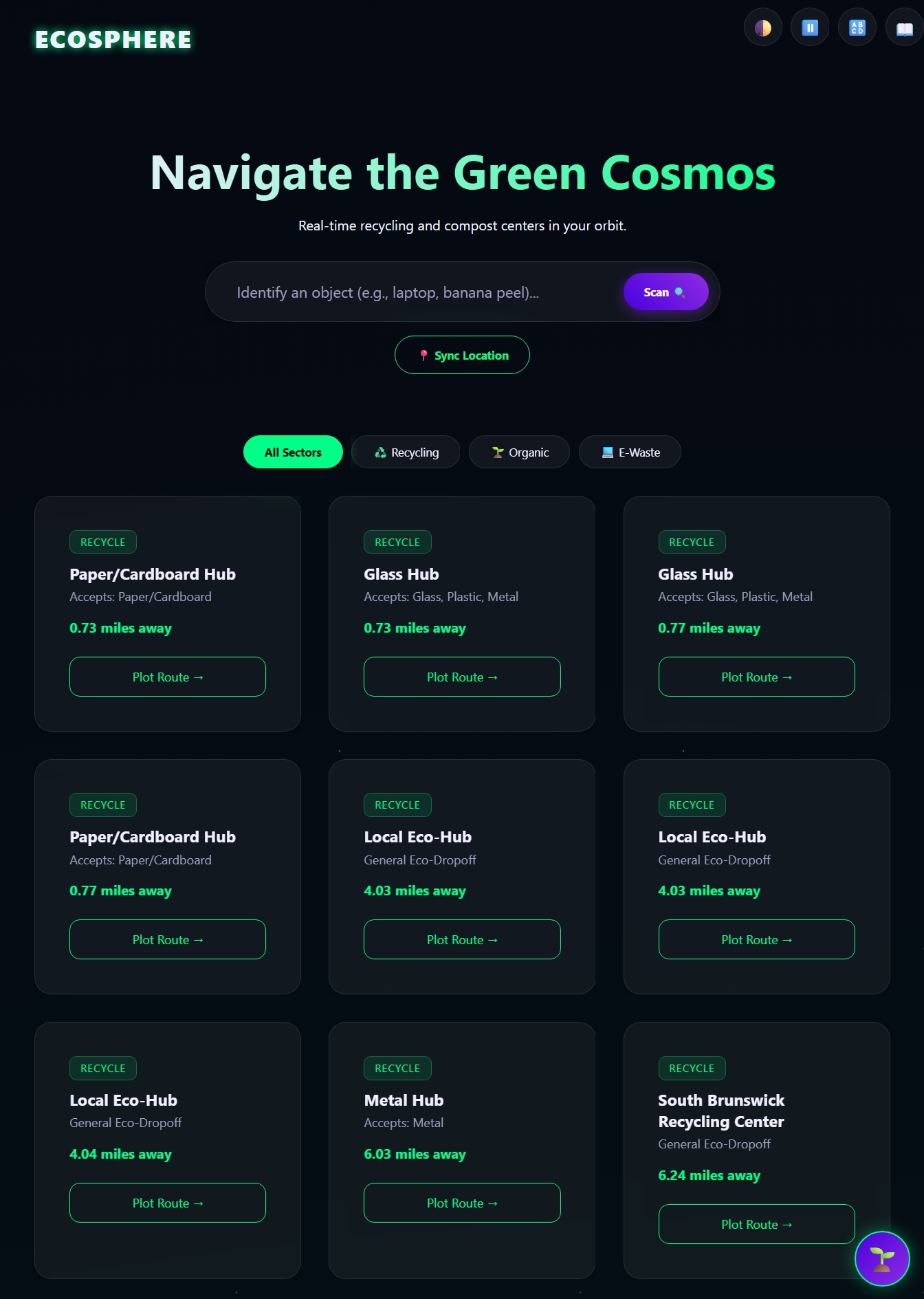
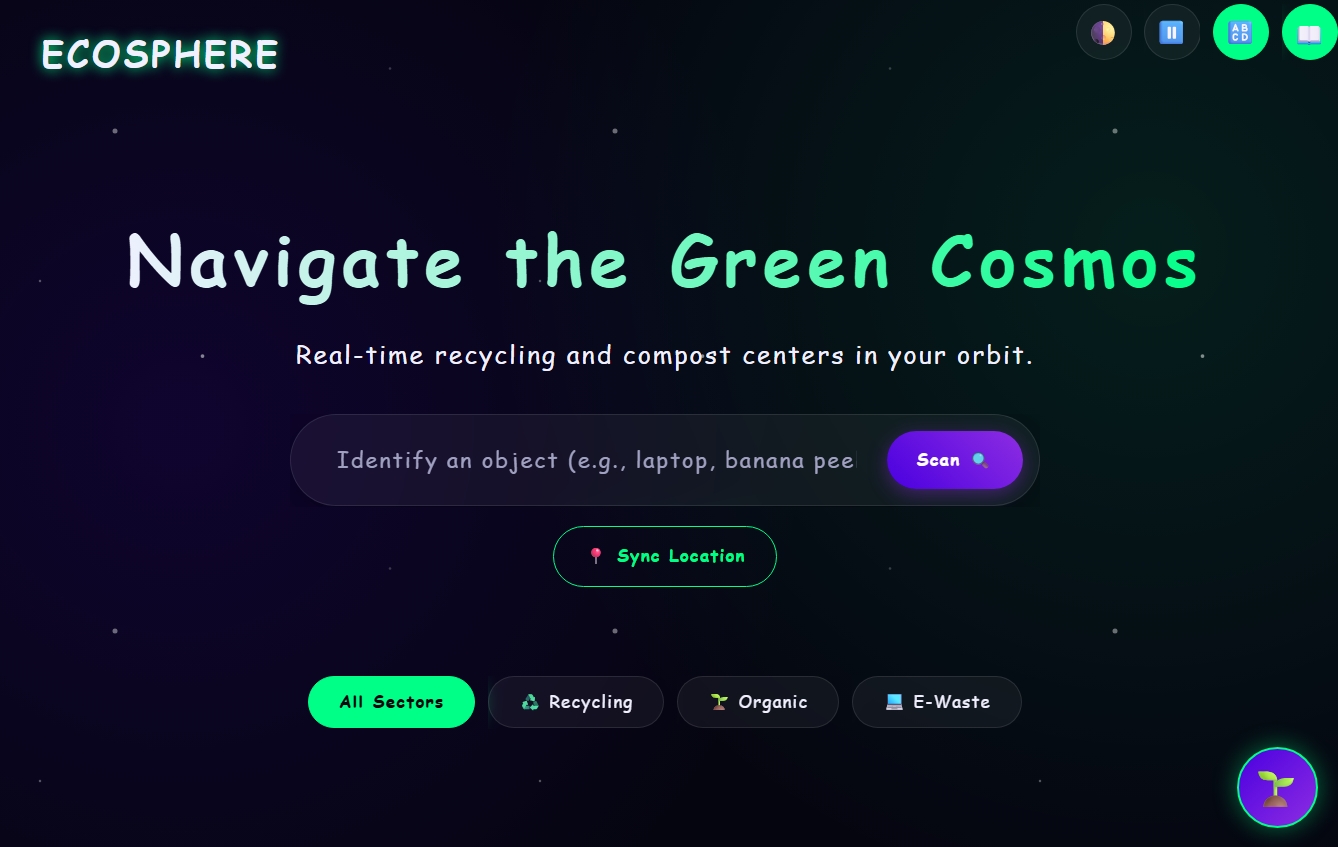
Homepage
-
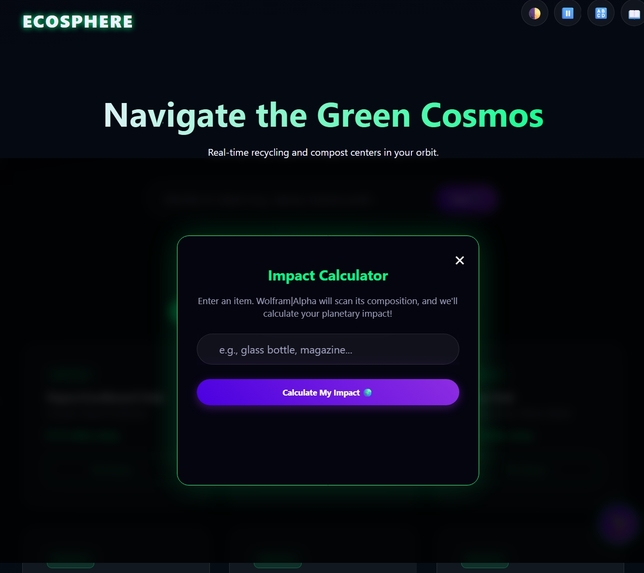
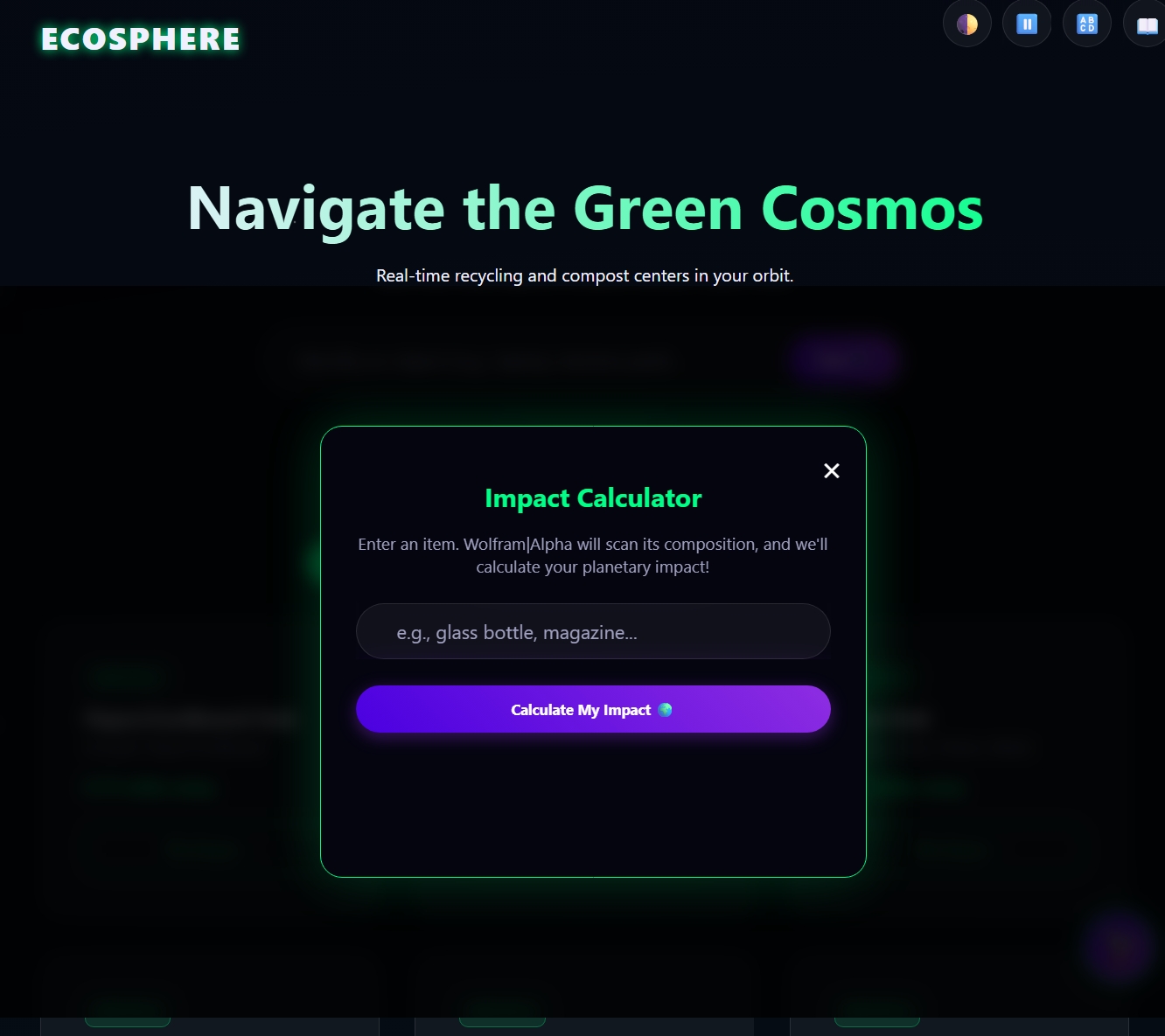
Know your impact
-
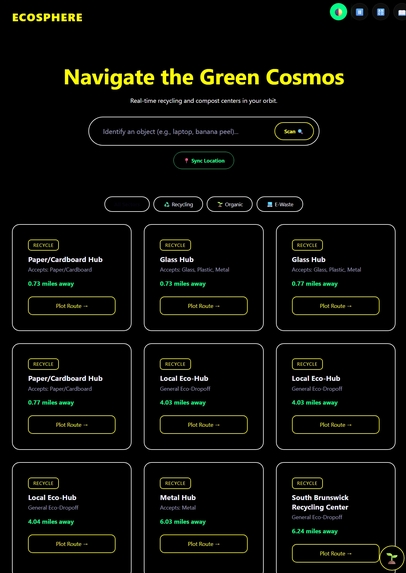
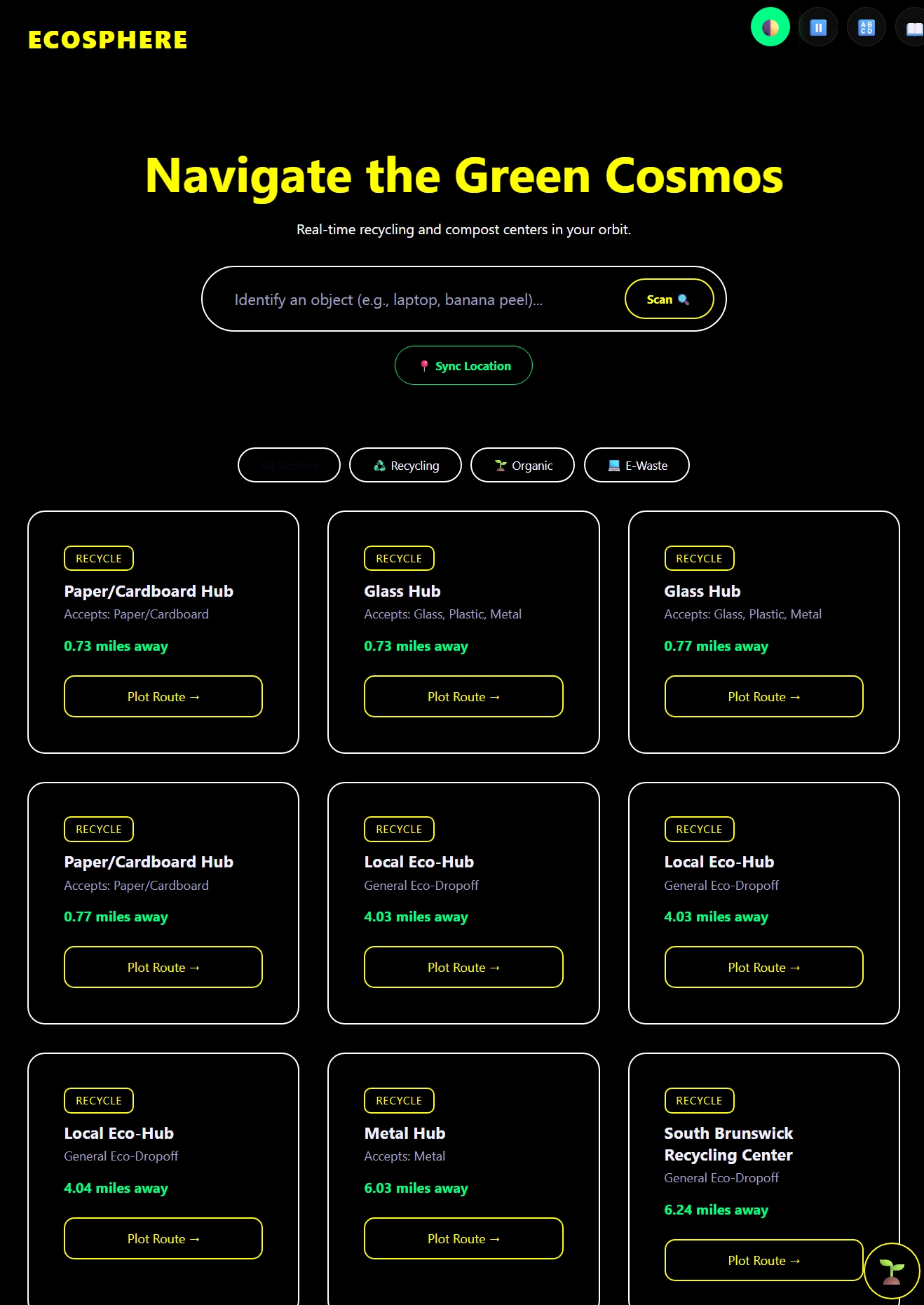
High contrast - 1/4 accessibility modes
-
-
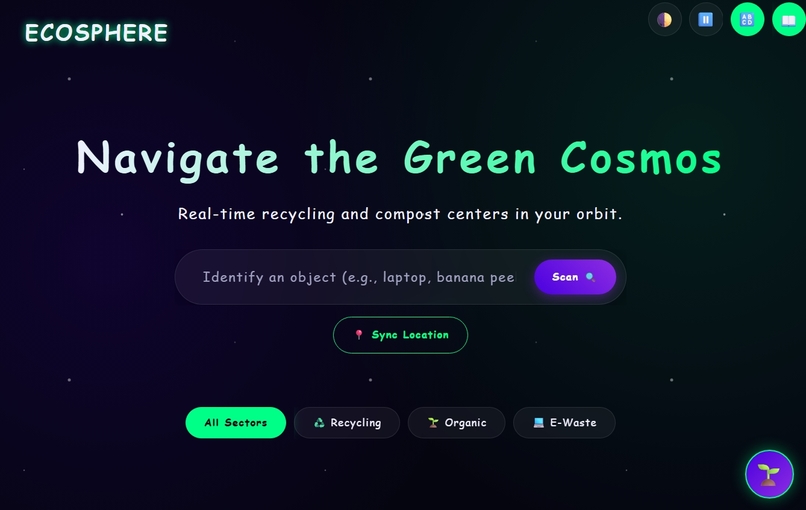
Eco-sphere webpage with dyslexia-accessible font and larger fonts modes activated
Inspiration
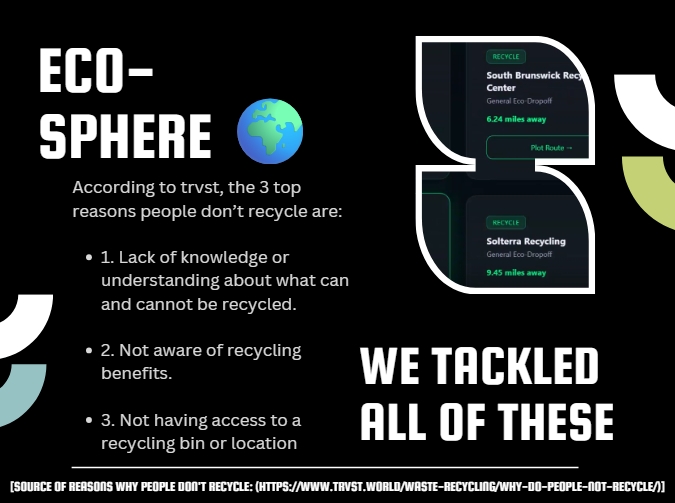
I took inspiration from some of the most common issues which prevent recycling from having success. For example, many people would recycle, but they simply don't because they don't know where or how to dispose of their trash. Figuring out how and where to sort out their trash requires a lot of tedious research, which usually ends up in a lot of things going straight to landfill. People also don't feel a tangible connection to the impact of their actions, thinking that their recycling would not make an impact to global environmental issues. I also took inspiration from an article I read which describes the problem of **cross contamination of landfill trash in recycling plants, which can make a whole batch of recycling trash unusable!
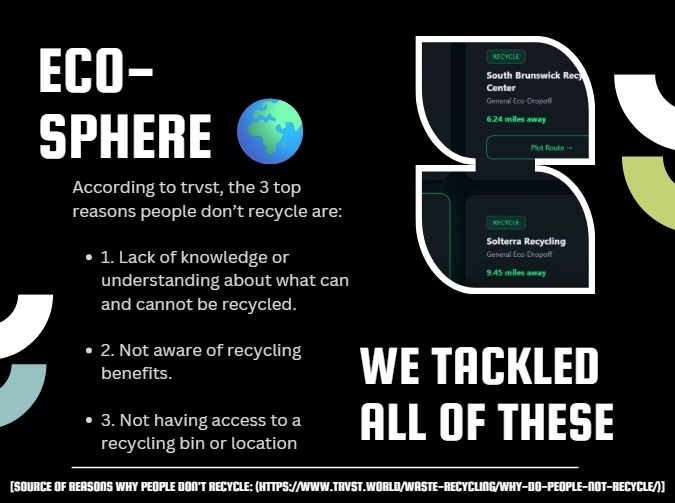
In summary, Project Eco-Sphere addresses 3 top reasons why people don't recycle: 1. **People don't know what can and cannot be recycled. 2.** They are not aware of recycling benefits. **3. **Not having access to a recycling bin or location [Source of reasons why people don't recycle: (https://www.trvst.world/waste-recycling/why-do-people-not-recycle/)]
What it does
- Syncs with the user's GPS to find the closest recycling/compost/electronic drop-off centers
Smart Search: Users can type in objects that they want to dispose of, and the app queries a Wolfram|Alpha knowledge engine to determine the object's material composition and automatically routes them to the correct facility.
Know your Impact chat feature: A floating little sprout which pops up into a chat that calculates the real-world environmental impact of recycling specific items to encourage sustainable habits.
Accessibility: Features four distinct, easy to use accessibility toggles: High Contrast mode, Reduced Motion, Large Text, and a Dyslexia-Friendly font.
How we built it
For all features we used prompt engineering in Gemini AI to build its code/functionality, then went through phases of research, testing, and debugging.
For the front-end, to incorporate vanilla HTML, CSS, and JavaScript, and featured a custom glass-morphism UI, CSS keyframe animations, and a responsive grid layout.
AI/Data: We used the OpenStreetMap Overpass API for live, global geographic data for recycling/compost nodes. We also integrated the Wolfram|Alpha Full Results API to classify where a disposable belongs, and in the chat which tells users the impact they made.
For backend, we used a lightweight, fast Node.js and Express.js server to handle API routing and keep API keys secure.
Challenges we ran into
- 504 Gateway Timeout which caused server to crash due to amount of data being searched
- First time for all team members of integrating an ai into a chat -Various other code errors that we had to debug -Extremely low budget due to both team members being high-school students.
Accomplishments that we're proud of:
- Creating a tool that helps solve a real everyday problem and that encourages sustainability
- Creating an immersive deep-space themed UI that incorporates accessibility
- Learning how to integrate tools such as Wolfram and Google maps
What's next for EcoSphere - Find recycling centers near you:
Interactive embedded map with sprout-lings to mark nearby recycling centers.
Gamification: adding a user dashboard to track drop-offs, visualize lifetime environmental impact, and possibly make a sort of points system where you could get little digital badges or compete with friends
-making EcoSphere a fully functional/installable Web App that is accessible by both phone and computer
Built With
- axios
- cors
- css3
- express.js
- gemini
- gps
- javascript
- node.js
- overpass-api
- wolfram|alpha-api

Log in or sign up for Devpost to join the conversation.