-
-
logo
-
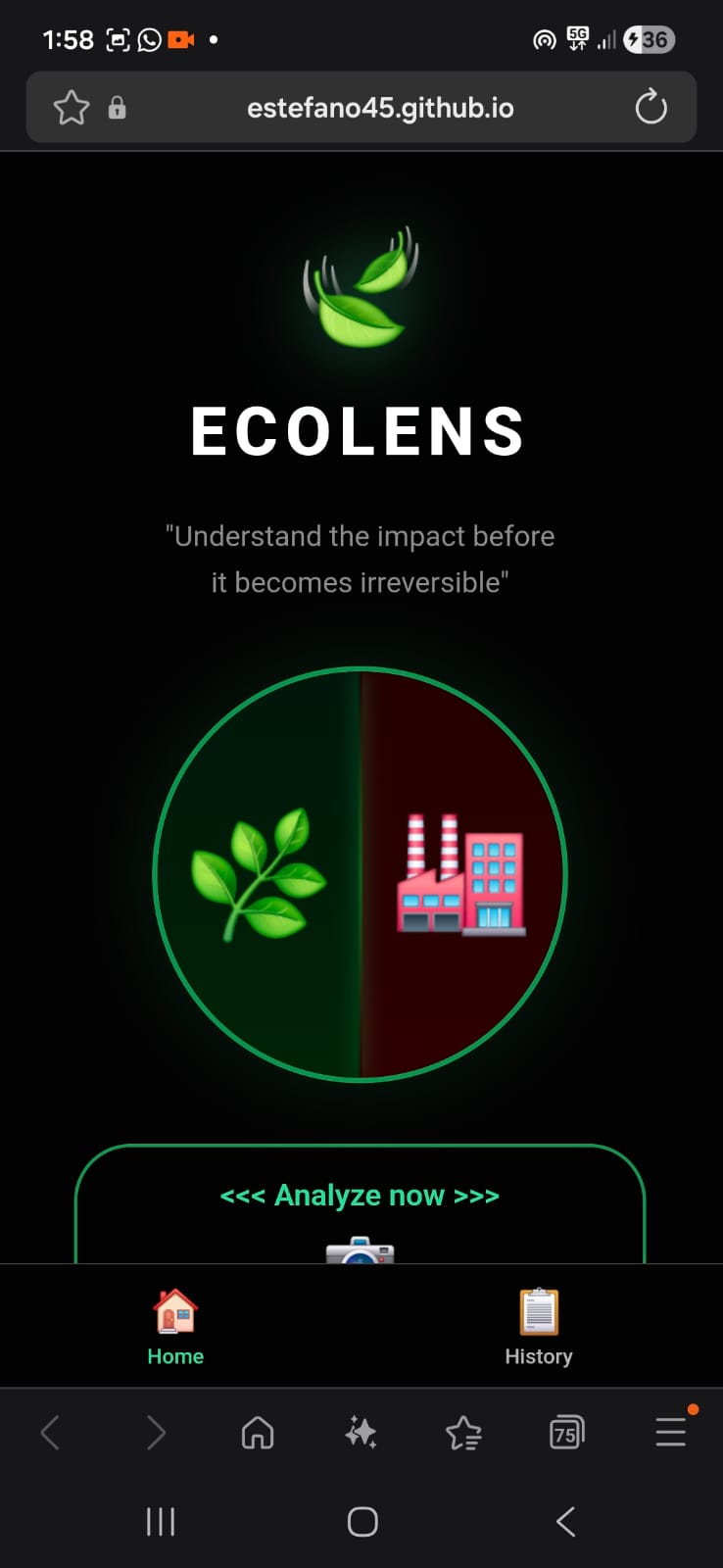
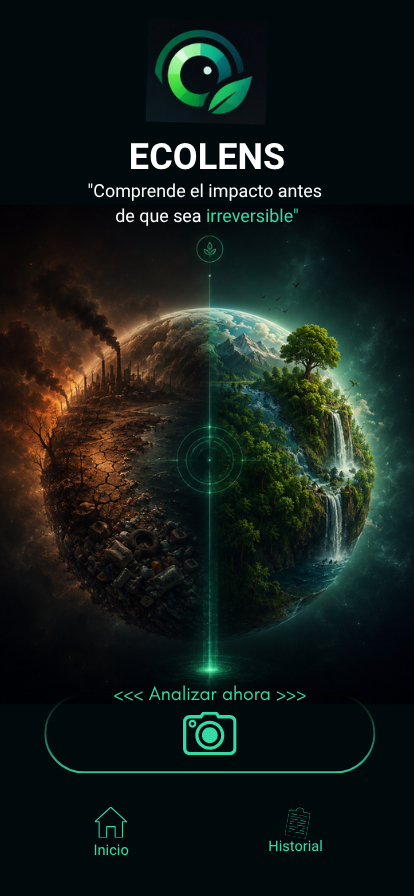
main_screen
-
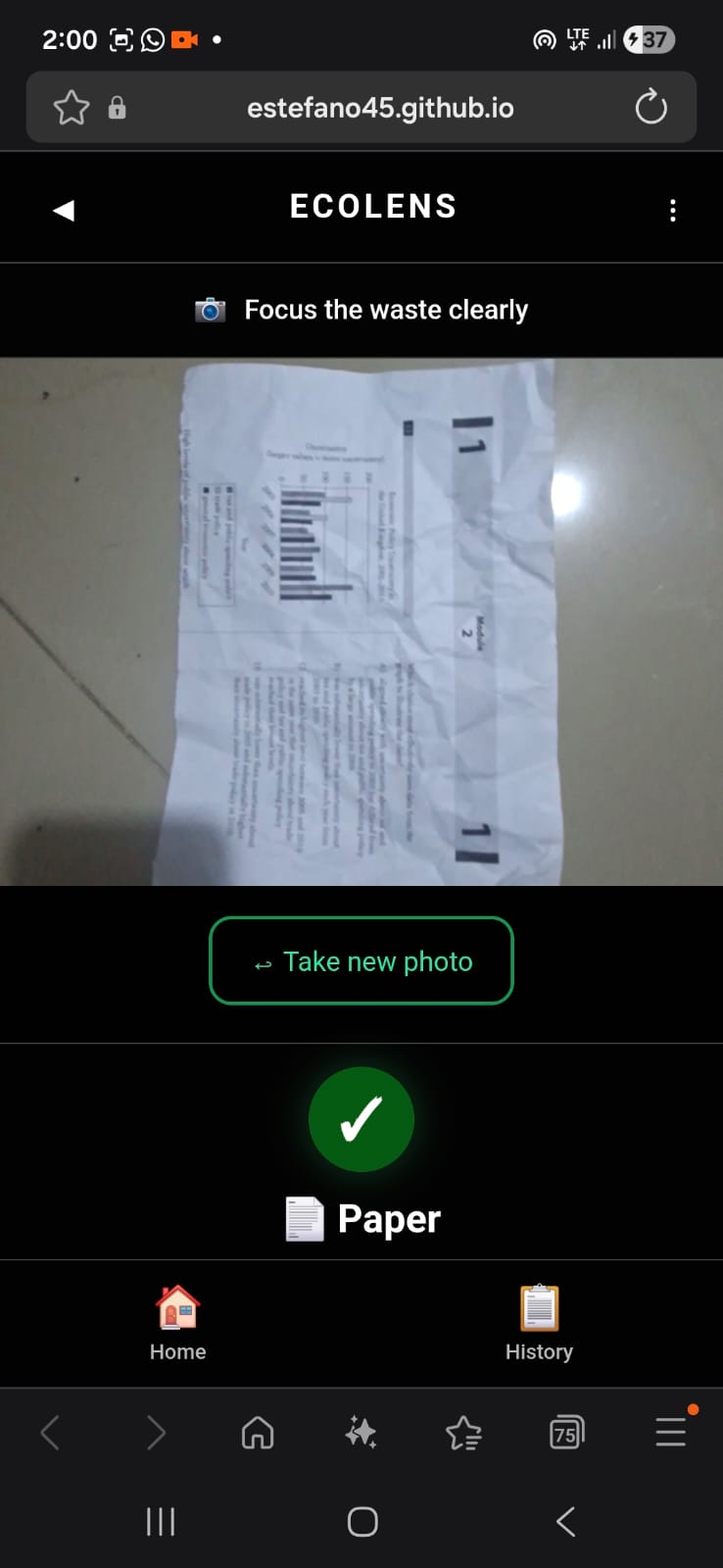
photo_analyzed
-
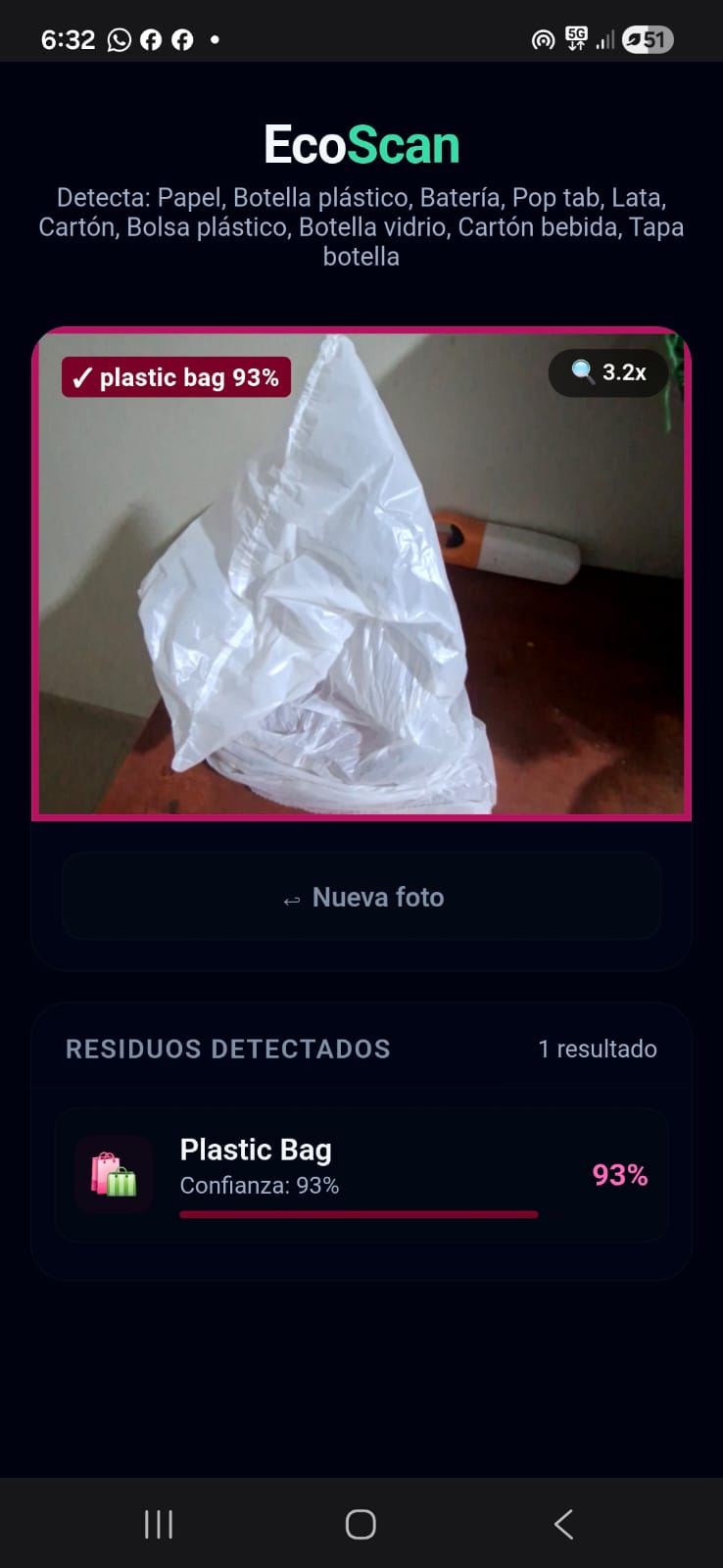
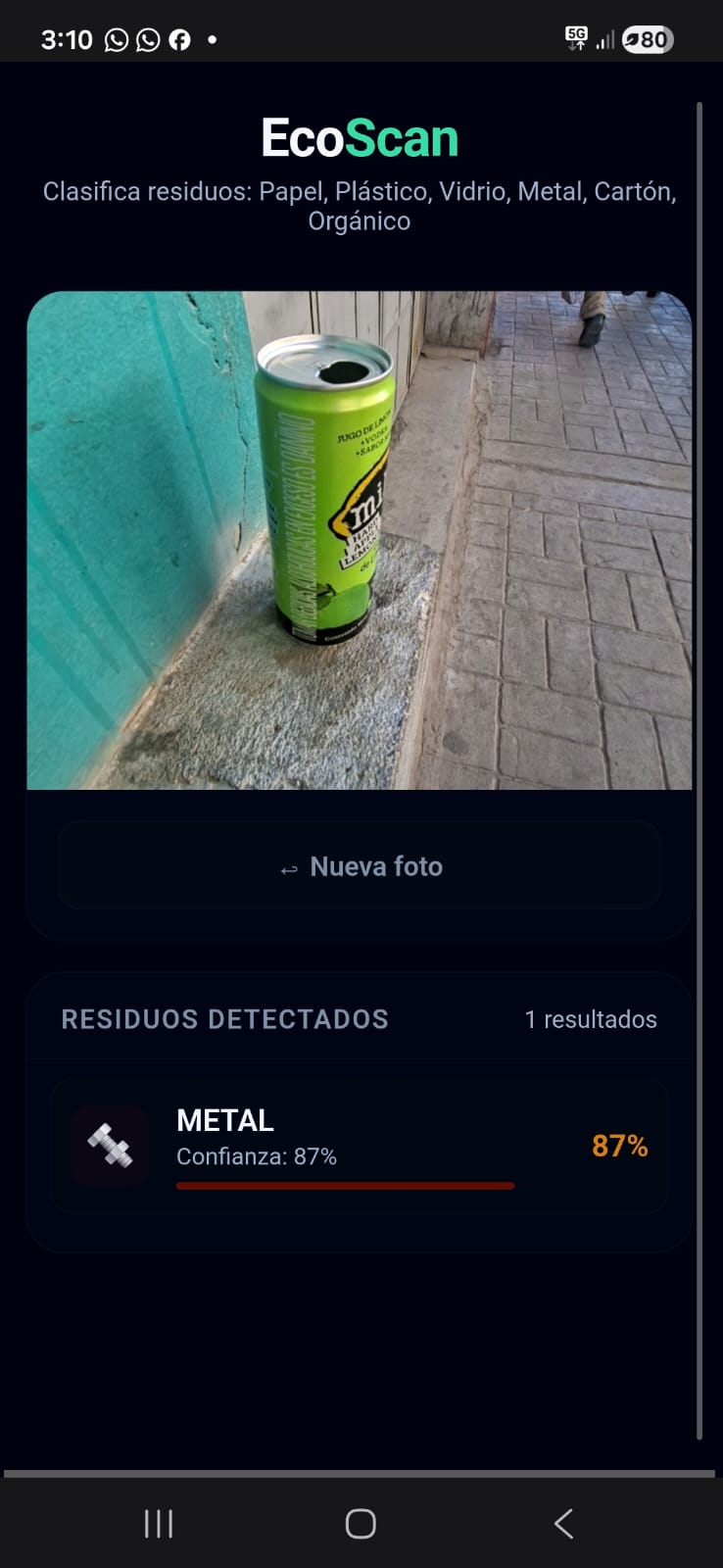
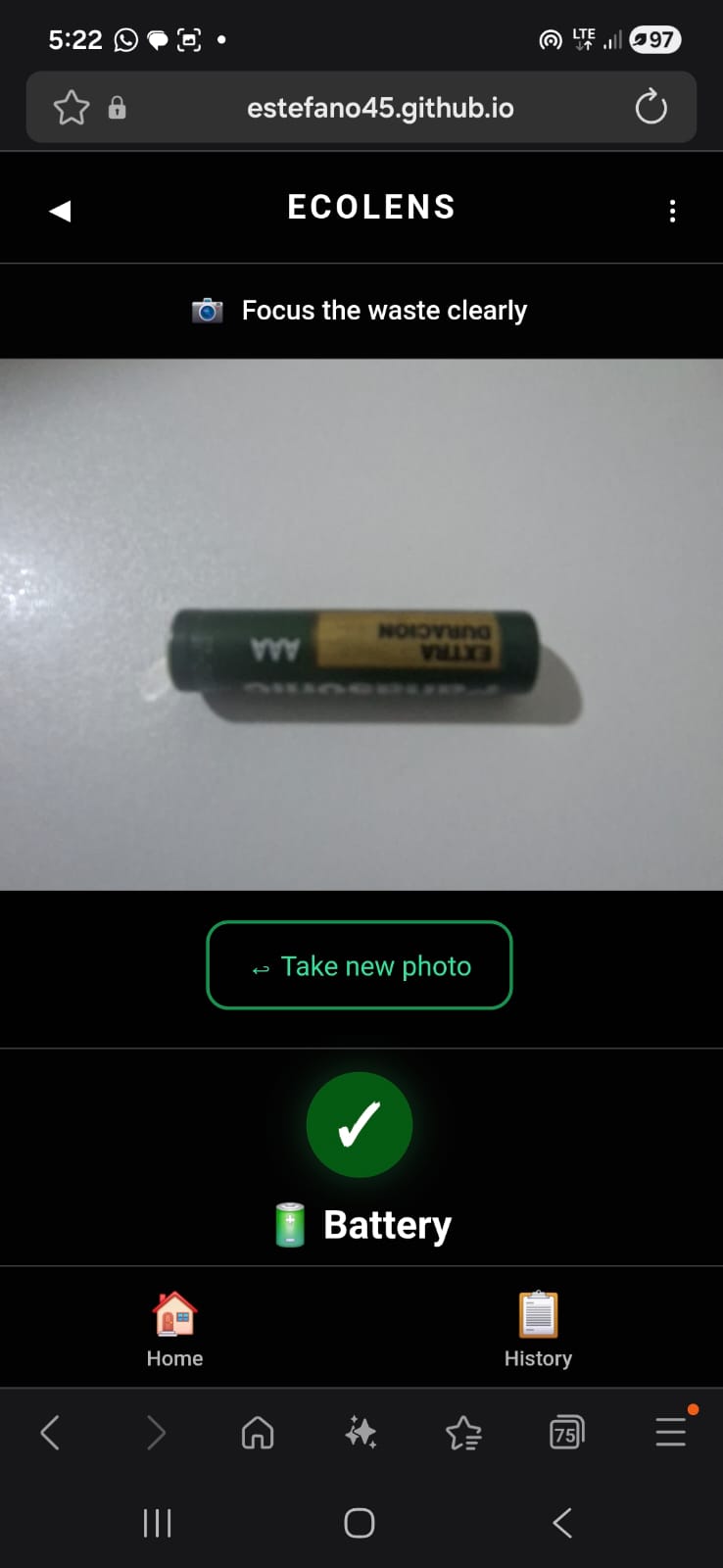
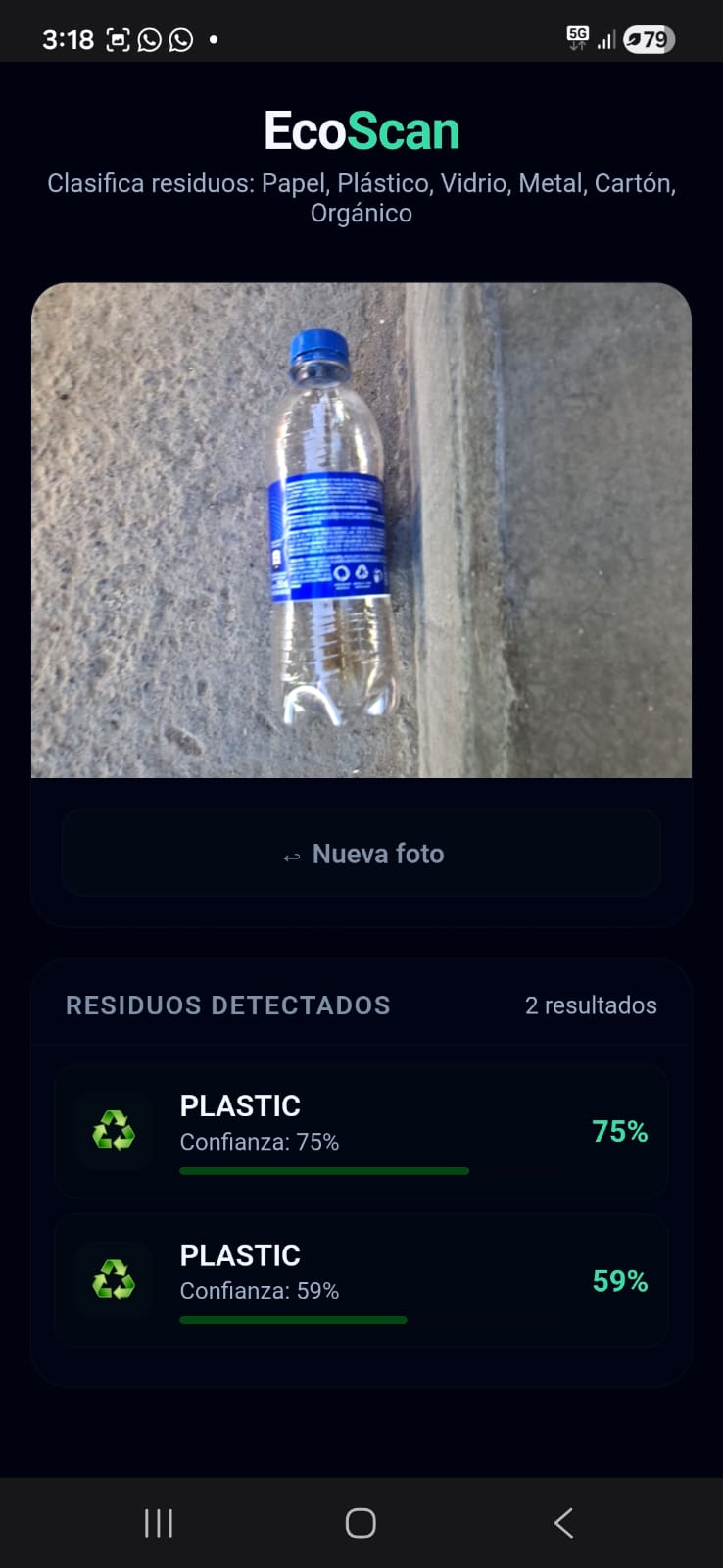
scan_test1
-
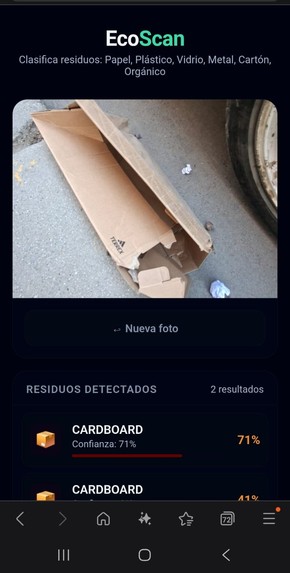
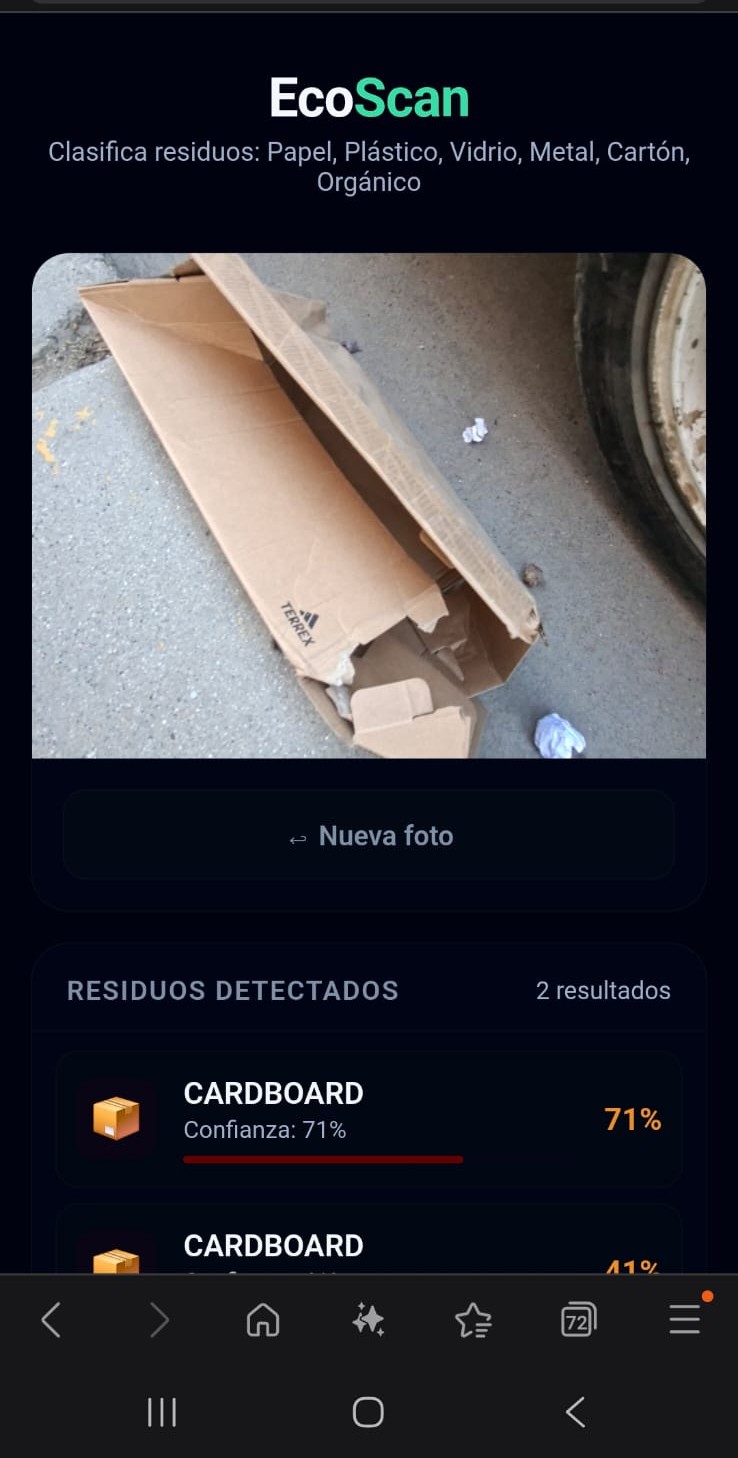
scan_test2
-
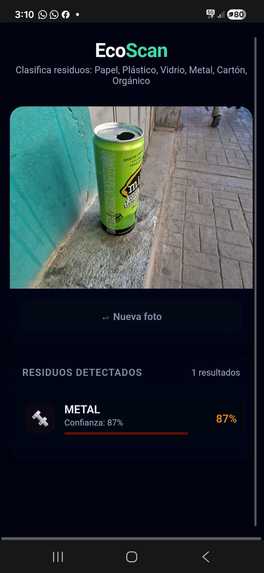
scan_test3
-
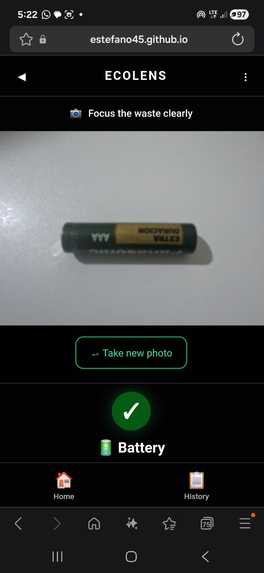
scan_test4
-
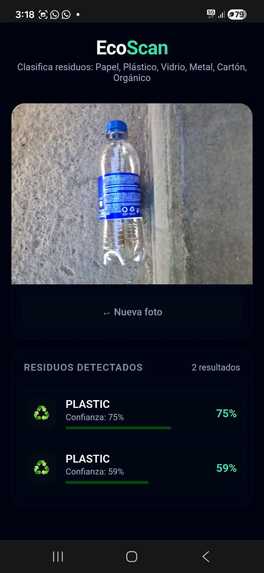
scan_test5
-
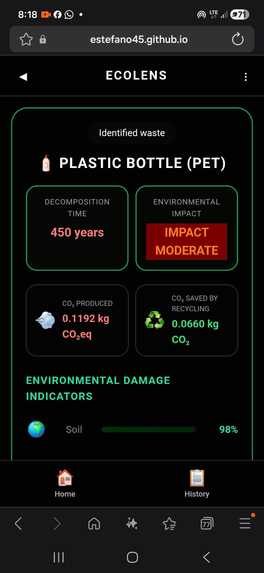
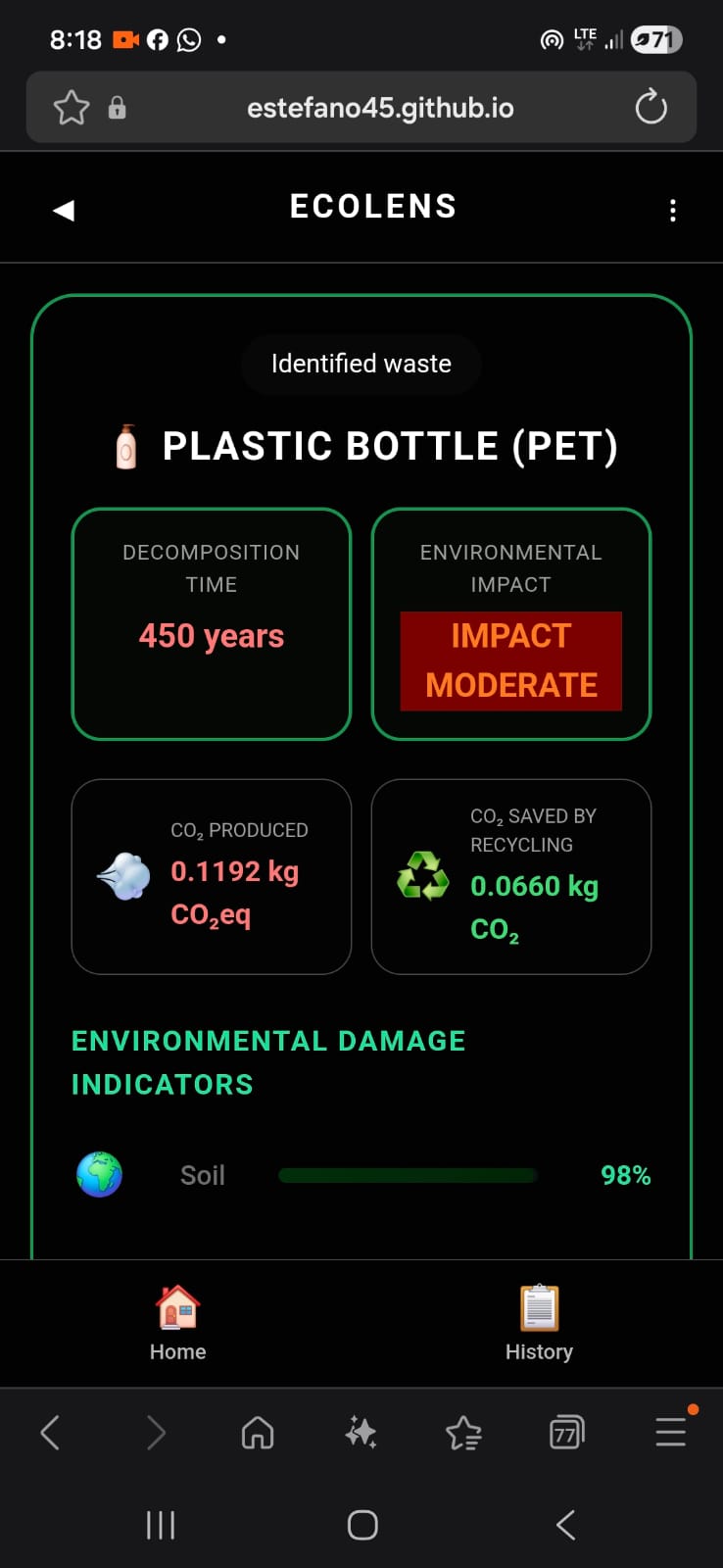
impact_screen
-
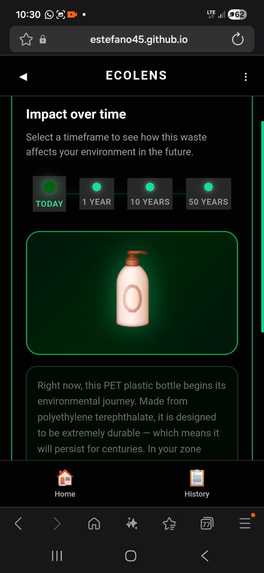
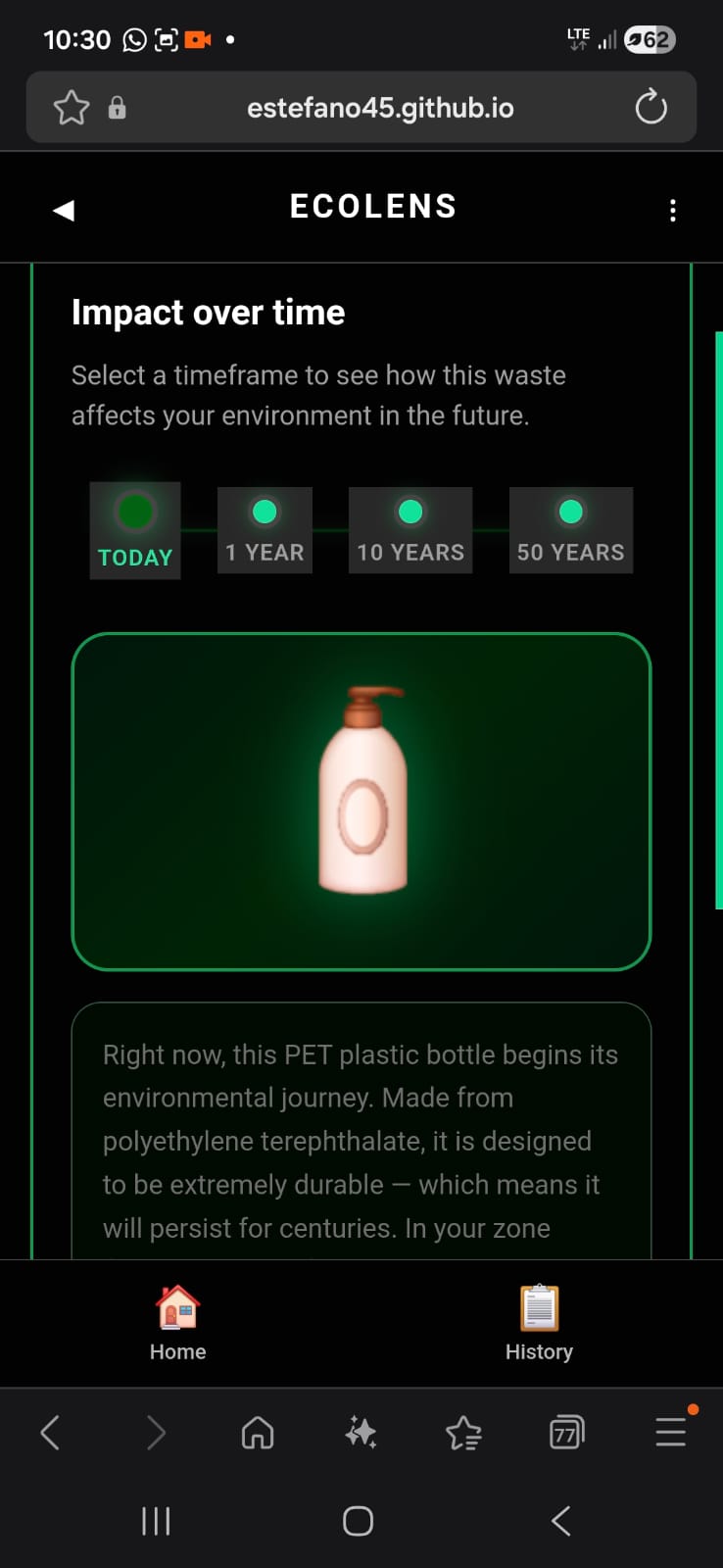
impact_screen_in_years
-
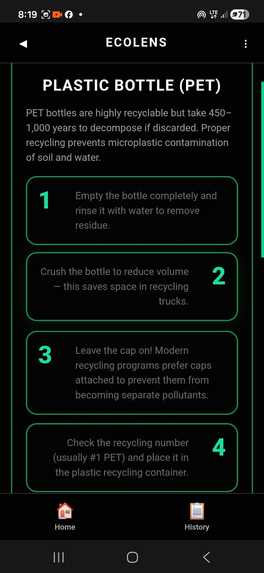
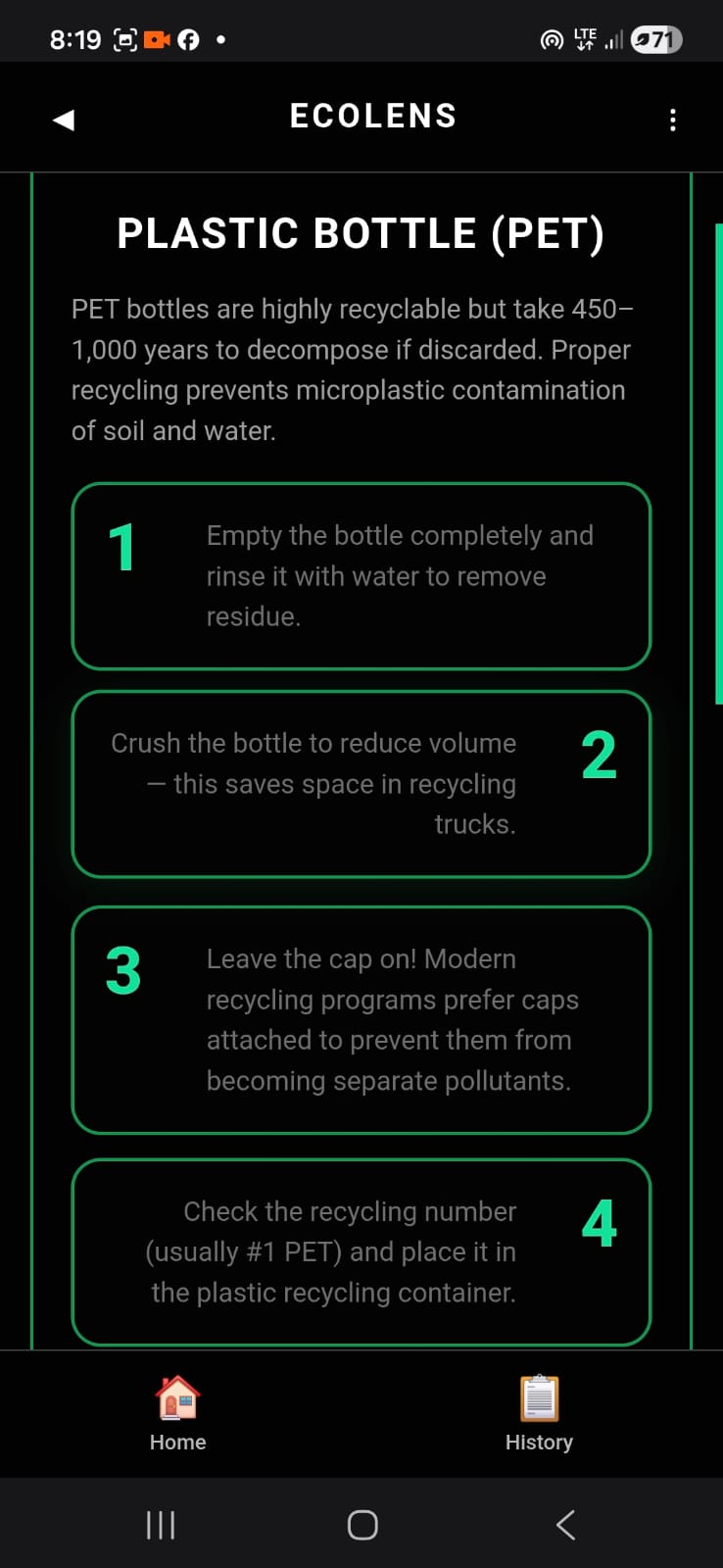
advice_screen
-
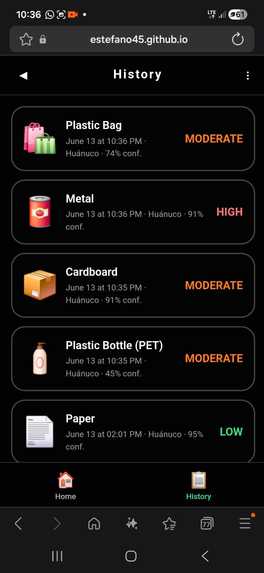
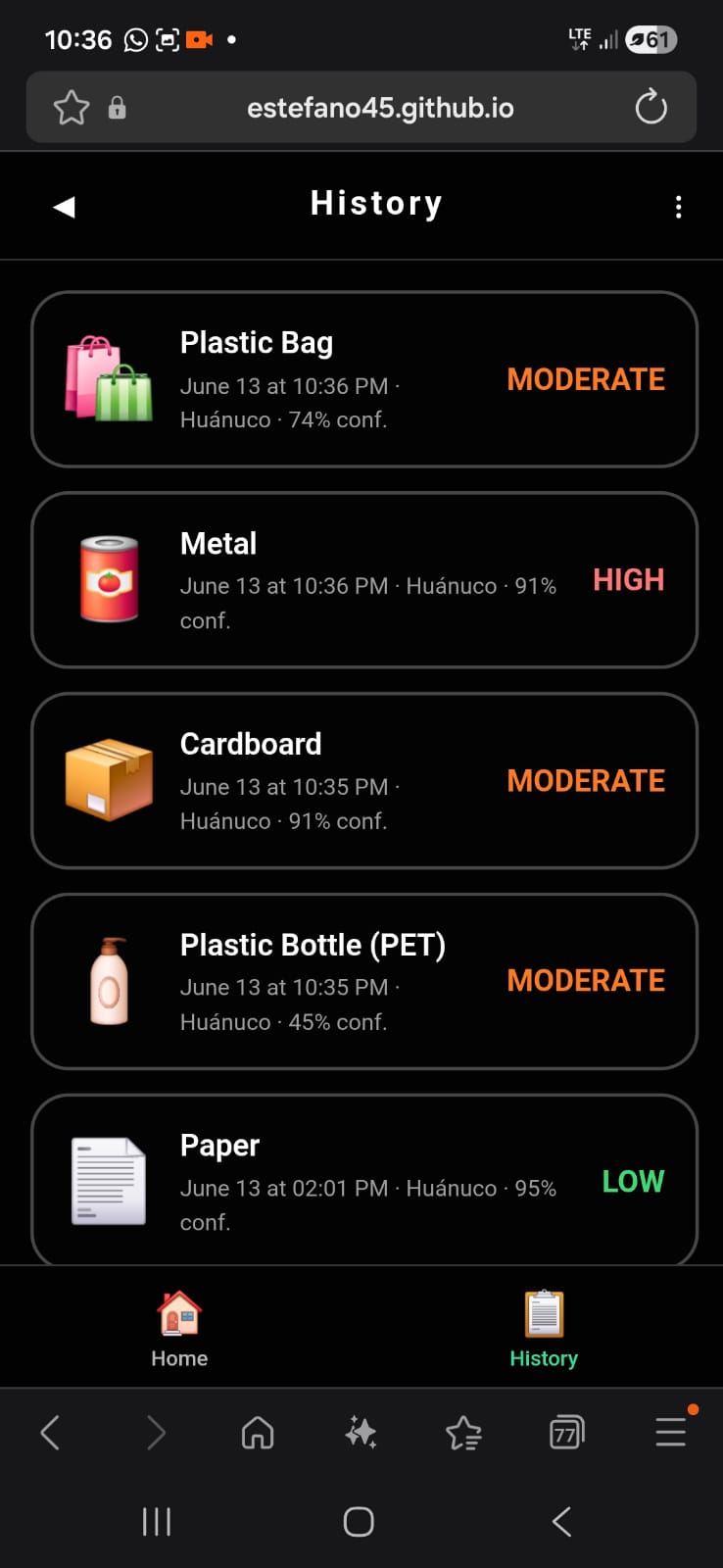
history
-
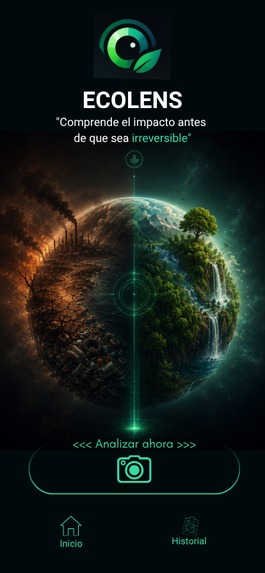
design1
-
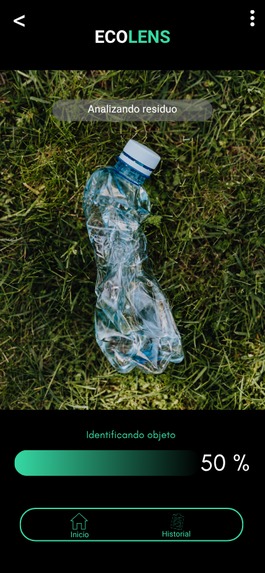
design3
-
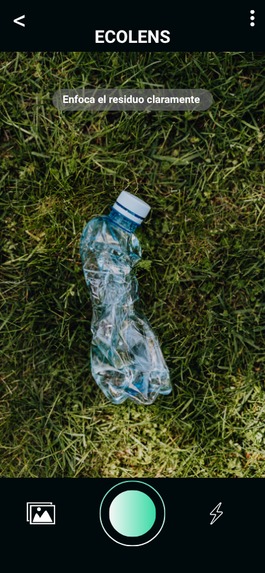
design2
Inspiration
According to Statista's Research Department (2025), more than two billion metric tons of municipal solid waste are generated worldwide every year. Looking at our own surroundings, we realized that one of the main drivers of this problem is the lack of awareness around proper waste disposal and a general unfamiliarity with its real consequences, a reality that has normalized polluting habits and eroded concern for their environmental toll. Ecolens was born from that observation.
What it does
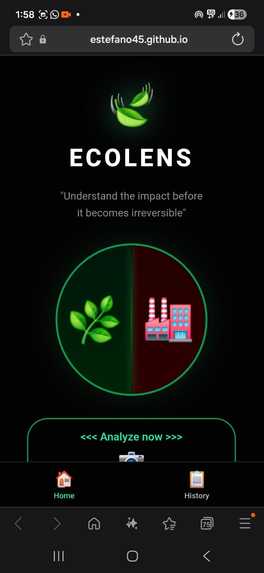
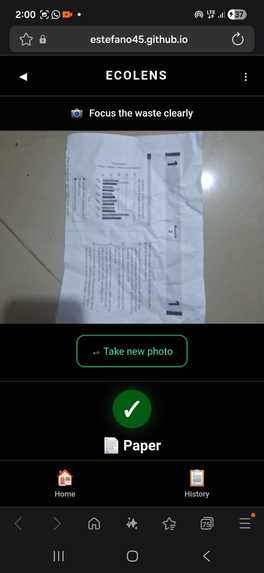
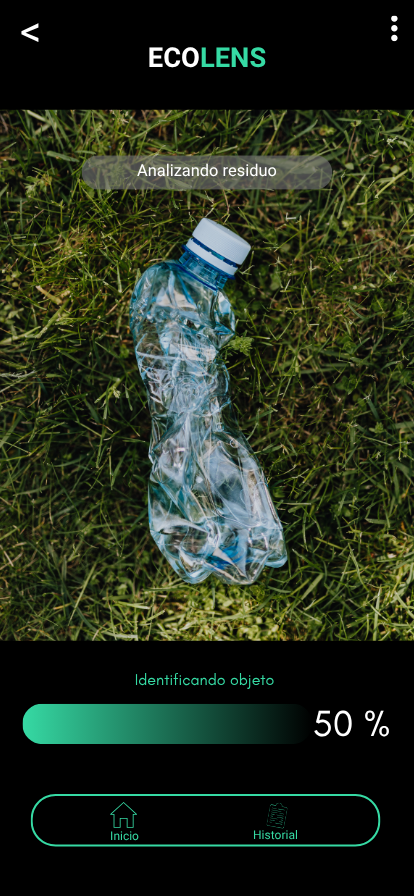
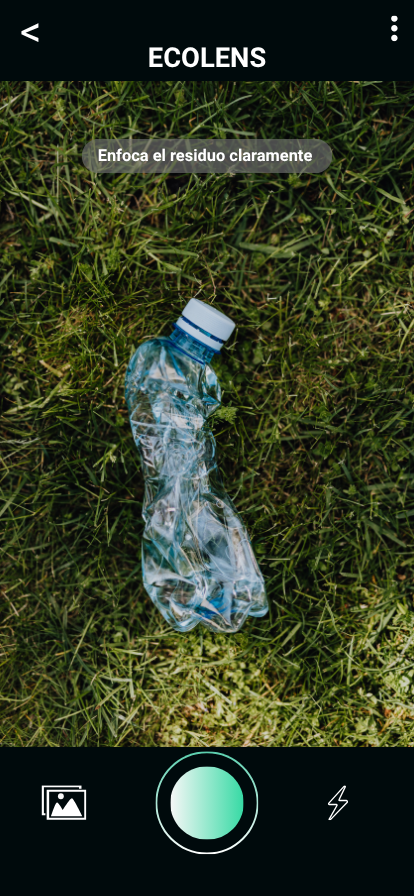
Ecolens turns any citizen into an active agent of environmental care. By simply taking a photo, the app identifies the type of waste, estimates its impact both in the present and over time, and offers practical tips to encourage more responsible decisions for the planet.
How we built it
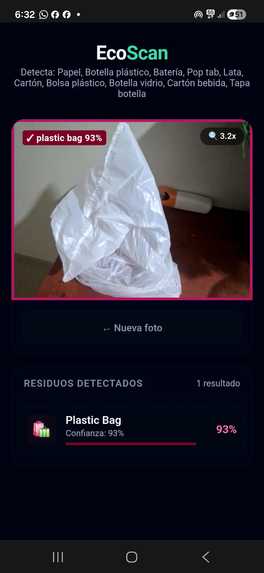
We began by defining the central premise: calculating the environmental damage caused by waste based on the user's specific context. To accelerate development during the hackathon, we strategically used artificial intelligence tools: Claude helped us plan the application architecture and identify the appropriate APIs and machine learning models, while Kimi and Minimax supported us with API and model integration, the interface for navigating between screens, and bug fixes (minimax also helped us create clips for the video). Next, we developed the location detection module, integrating the WAQI (World Air Quality Index) API along with OpenStreetMap Nominatim and OpenStreetMap Overpass to identify air quality and nearby natural areas. Subsequently, we developed the waste scanner using Roboflow's public yolov8-trash-detections/6 model with a private API key. AI was used as a development support tool, not as a substitute for decision-making, which allowed our team to efficiently prototype, integrate technologies, and solve technical challenges within the hackathon's limited timeframe.
Challenges we ran into
Finding a free API with real-world environmental data was a major hurdle, which we finally overcame with WAQI. Integrating the computer vision model directly into an HTML environment to function as a real-time scanner was one of our biggest technical challenges, and getting the location detection and scanner to work in sync to produce a consistent impact result required more iterations than we had initially anticipated.
Accomplishments that we're proud of
-Getting the Roboflow model to work as a functional real-time scanner was, without a doubt, our proudest technical achievement, it required navigating the gap between a machine learning model and a live HTML environment, and seeing it successfully detect waste through the camera felt like the moment the project truly came to life.
-We were also pleasantly surprised by how well the environmental context layer came together. The combination of real-time air quality data and the detection of nearby natural areas ended up painting a much richer picture of the user's surroundings than we initially expected, giving the impact calculation a depth that made the app feel genuinely meaningful.
-But the milestone that brought everything together was the moment we successfully integrated the location and environmental features with the scanner into a single, coherent flow. That was the point where Ecolens stopped being a set of disconnected pieces and became a real product.
What we learned
This process taught us things we never anticipated. We came to understand how computer vision models work and the logic behind their training, as well as the real and differentiated impact that different types of waste have on ecosystems. We also learned that building a web application means weaving together multiple languages and technologies — HTML, JavaScript, CSS — and that pre-trained models can tackle complex tasks like image detection with surprising accessibility. But perhaps the most meaningful shift was gaining a much deeper understanding of the environmental problem itself, which gave Ecolens a genuine social purpose.
What's next for ECOLENS
-Ecolens' impact lands directly with the citizen: it transforms an everyday action into a gesture of environmental responsibility and, as its user base grows, it could become a valuable data source for governments and environmental organizations alike.
-Looking ahead, we plan to integrate an AI layer that delivers personalized recommendations for disposing of each type of waste, implement a gamification system with points and rewards to encourage ongoing participation, and expand our detection models to identify pollution patterns by zone, ultimately generating real-time environmental risk maps.
-Ecolens is not just an app; it's a starting point for a more informed, responsible generation of citizens who are truly connected to the real impact of their actions on the planet.
Built With
- apis
- claude
- css
- github
- html
- javascript
- kimi
- minimax
- openstreetmap
- roboflow
- visual-studio-code
- waqui


Log in or sign up for Devpost to join the conversation.