-
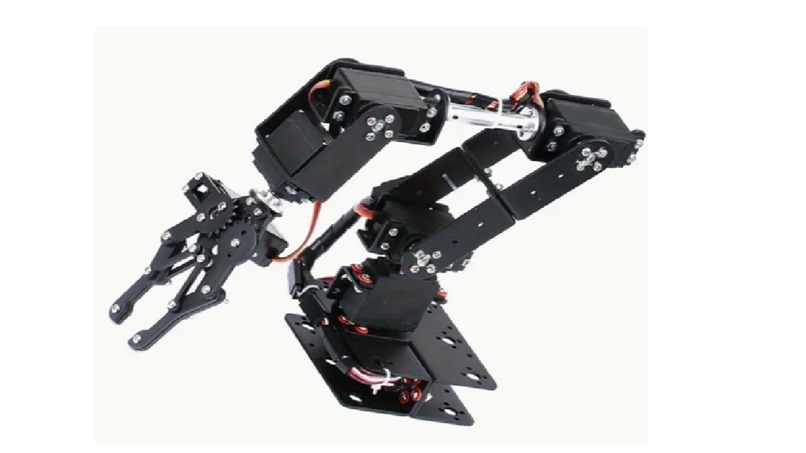
Robotic Arm
-
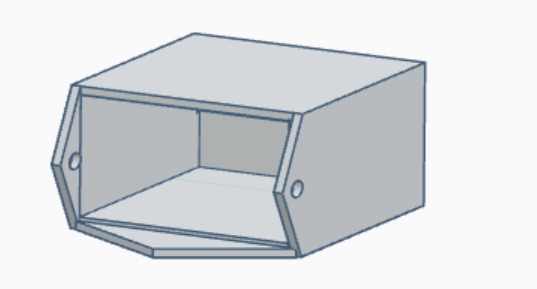
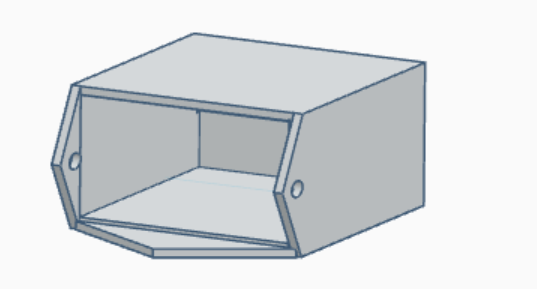
The main structure of our project.
-
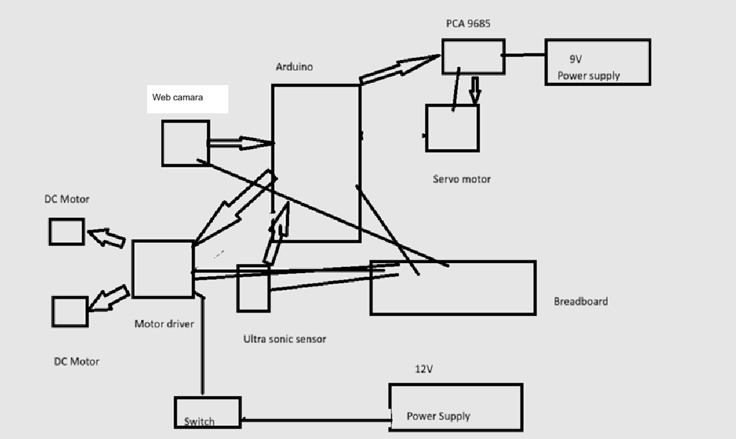
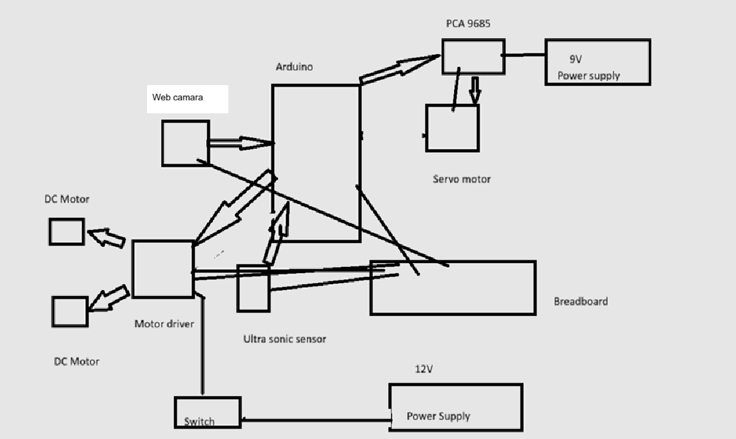
The circuit system
Inspiration
Our inspiration for EcoBot comes from the growing problem of plastic waste in public parks and the limitations of current cleanup methods. Keeping parks clean often depends on manual effort and volunteers, which is inconsistent and difficult to sustain over time. We are motivated by the idea that technology can support communities in solving everyday environmental challenges. By combining robotics, simple AI, and affordable components, we explore how automation can make cleanup efforts more efficient and accessible. EcoBot reflects our vision of creating smarter, cleaner public spaces, where technology and people work together to protect the environment.
What it does
EcoBot is an autonomous park-cleaning robot designed to detect, navigate to, and collect plastic waste in public outdoor spaces. Using onboard computer vision and simple sensors, EcoBot scans its surroundings for litter—such as discarded plastic bottles and wrappers—drives toward the trash while avoiding obstacles, and picks it up into an onboard storage bin.
How we built it
Brain & Code: We used an Arduino Uno and an ESP32 microcontroller as the brains of the robot, writing the code with C, C++, and Python.
AI & Vision: We trained an artificial intelligence model using Edge Impulse so EcoBot can recognize plastic trash in the park.
Movement & Motors: We connected servos, a PCA9685 driver, and a motor driver to control the wheels and physical mechanism for picking up litter.
Sensors & Navigation: We added an ultrasonic sensor so the robot avoids crashing into obstacles, alongside a GPS module to track its location.
Challenges we ran into
Outdoor Lighting & Terrain: Shifts in daylight, shadows, and uneven grass made consistent object detection and smooth robot wheel movement trickier than in indoor tests.
False Positives in AI: Distinguishing plastic waste from natural park elements (like dry leaves or rocks) required retraining our detection model with custom outdoor image datasets.
Power & Weight Limitations: Balancing the weight of batteries, motors, and structural parts while keeping the robot agile and efficient required careful component choices.
Accomplishments that we're proud of
Smart Trash Detection: Successfully connecting a webcam with Edge Impulse so the robot can spot plastic waste in real time.
Smooth Hardware Integration: Getting the ESP32, Arduino Uno, and PCA9685 driver to work together seamlessly to control the motors, servos, and ultrasonic sensor.
Budget-Friendly Innovation: Building a working, AI-powered cleaning robot using low-cost, accessible electronics.
What we learned
Working with the Arduino UNO Q: How to code and set up the Arduino UNO Q—using its dual-brain processing to handle both AI software and real-time motor control.
Training AI Models: How to use Edge Impulse and a webcam to teach a robot how to recognize specific objects like plastic trash.
Hardware & Software Teamwork: How to make code written in C++ and Python smoothly control physical parts like servos, motor drivers, and GPS.
What's next for EcoBot - Smart Cleaning for Greener Parks
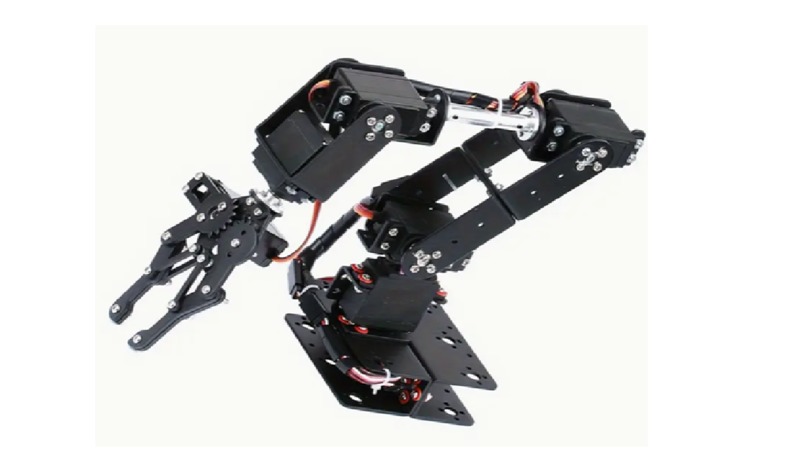
Internal Sorting Arm: Adding a robotic arm inside EcoBot to sort trash into separate bins after it is picked up normally.
Upgraded Wheels: Switching to stronger, off-road wheels so the robot can easily travel over thick grass, dirt, and uneven park ground.
Solar Power: Adding small solar panels to keep the battery charged during long outdoor cleaning tasks.


Log in or sign up for Devpost to join the conversation.