Inspiration
Finding a home can be difficult and time-consuming. People usually have to search through listings, apply many filters, compare properties, check nearby amenities, calculate affordability, save options, and contact sellers themselves.
We wanted to explore a different experience: a real-estate website where people and AI agents can work together.
What we built
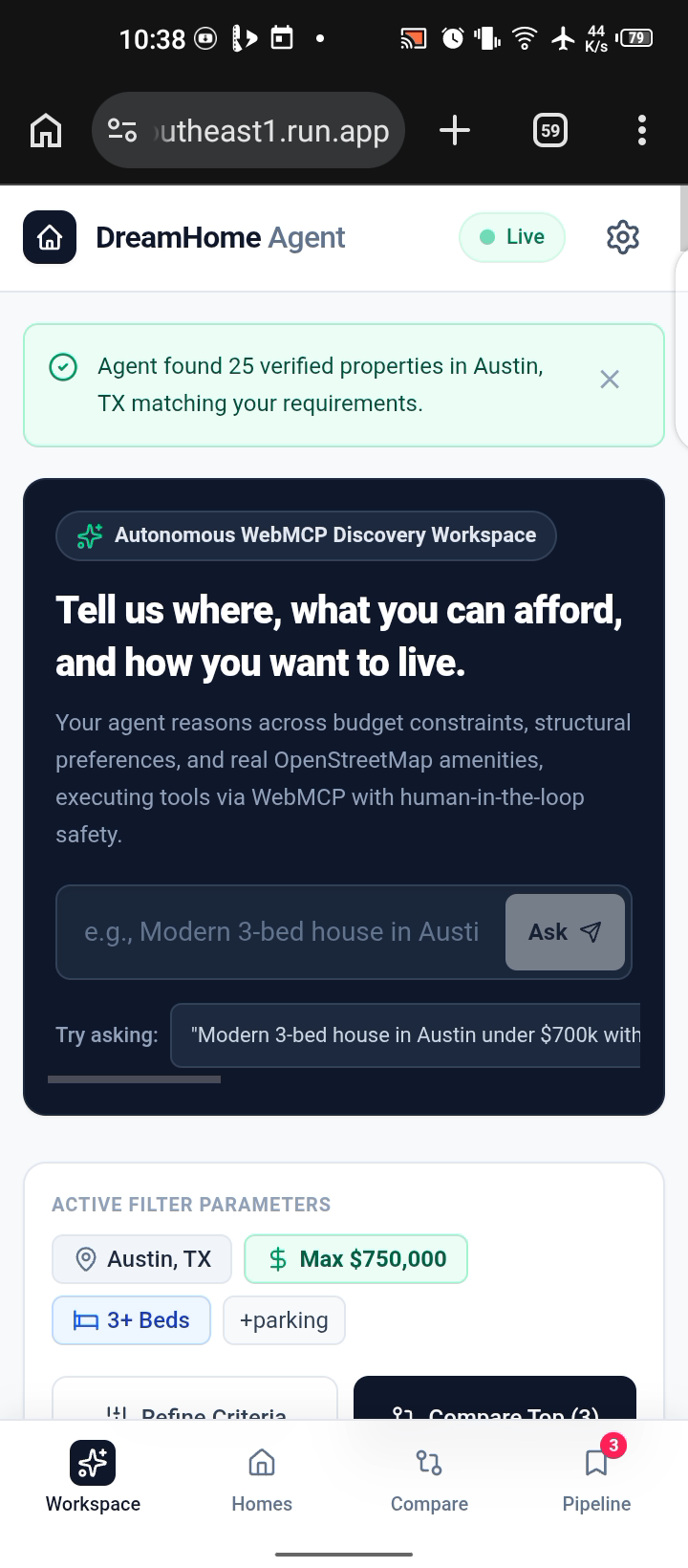
DreamHome Agent is an AI-powered, WebMCP-enabled real-estate discovery platform.
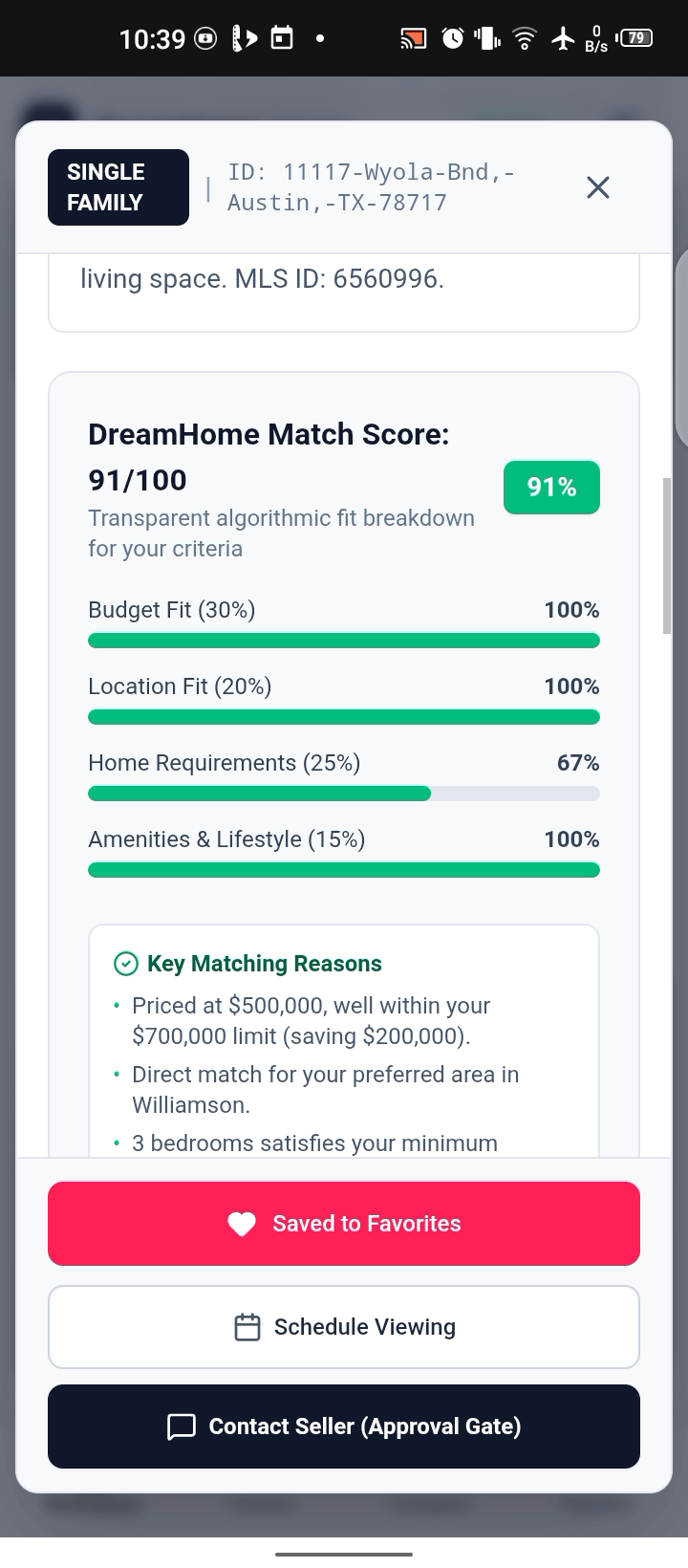
Users can simply describe what they are looking for, such as a home's location, budget, bedrooms, and lifestyle preferences. The AI agent can then use structured WebMCP tools to search and analyze properties.
The agent can:
- Search homes based on location, budget, bedrooms, property type, and features
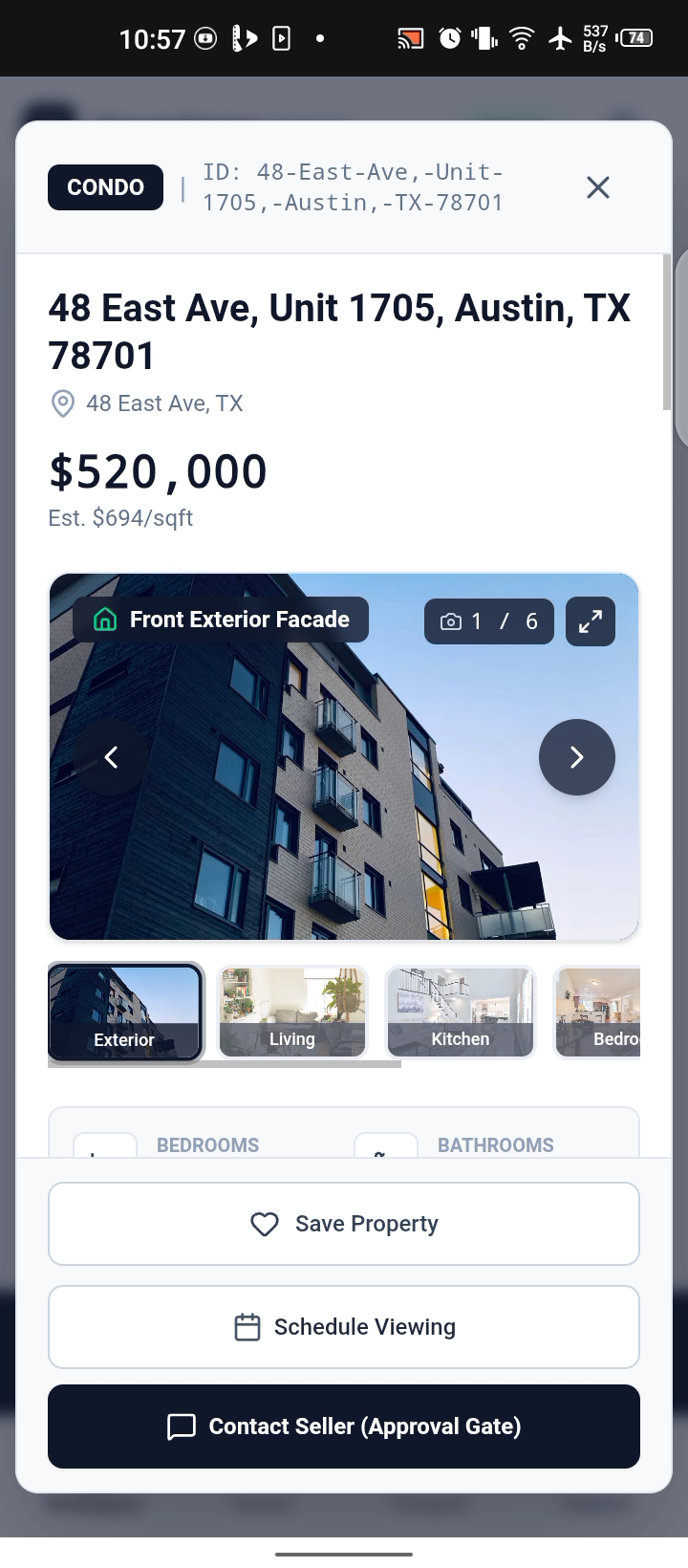
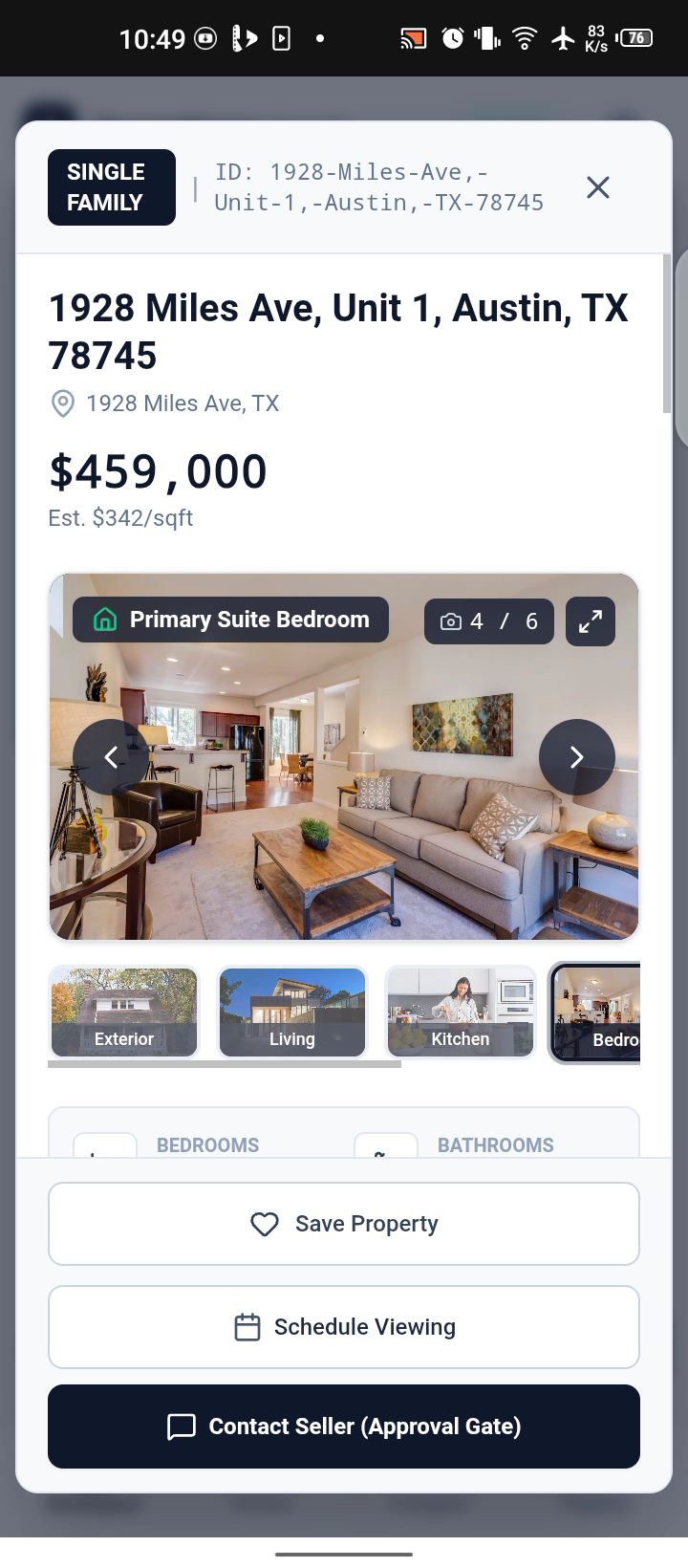
- Get detailed property information
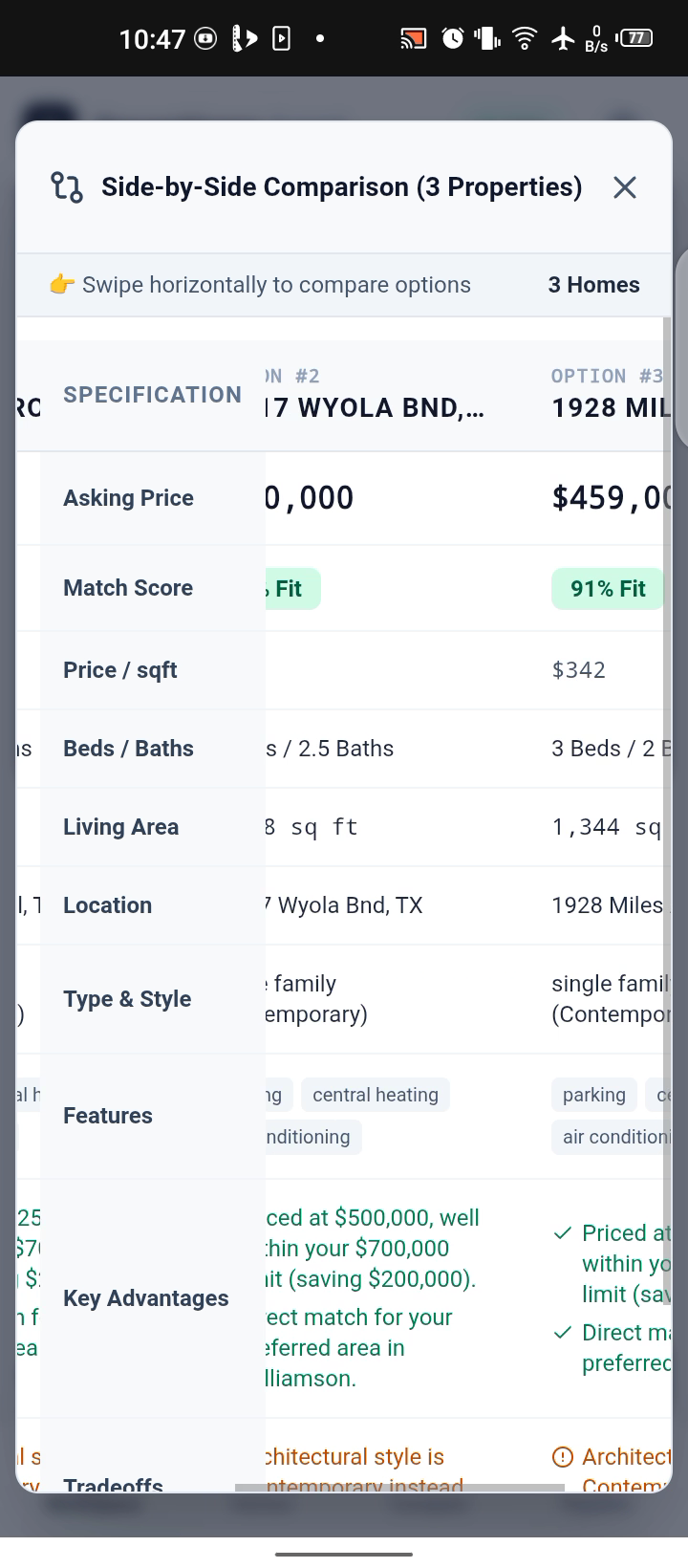
- Compare 2–4 properties with pros, cons, and tradeoffs
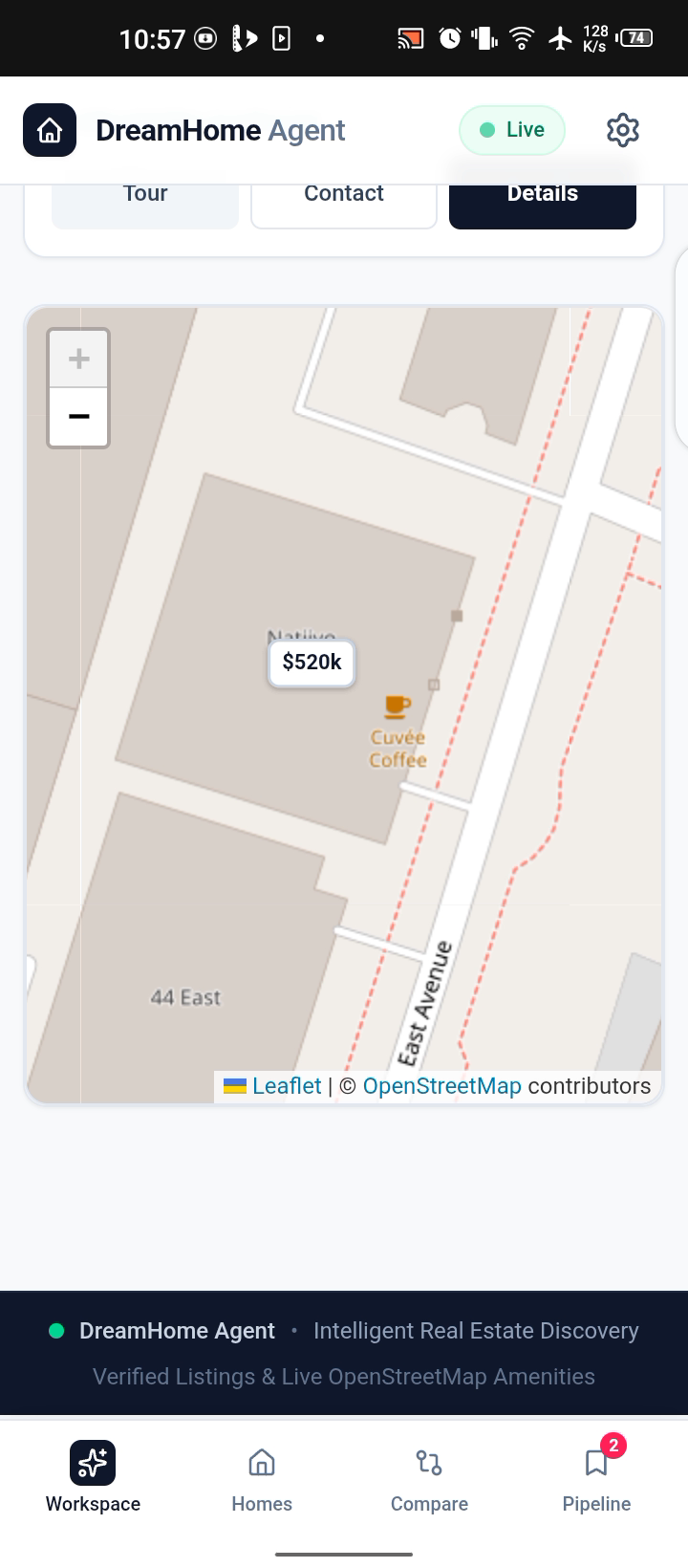
- Explore nearby schools, hospitals, parks, supermarkets, and transit using OpenStreetMap
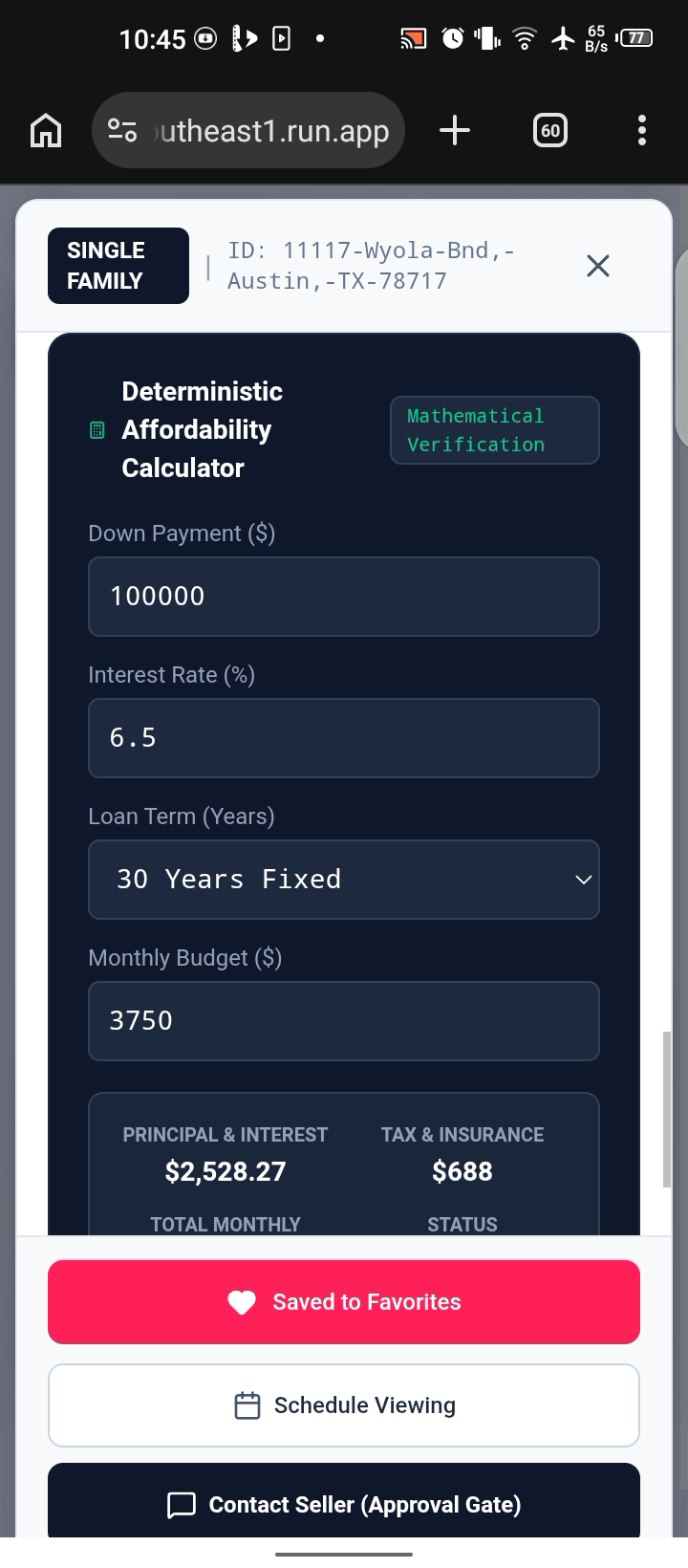
- Calculate mortgage and monthly affordability
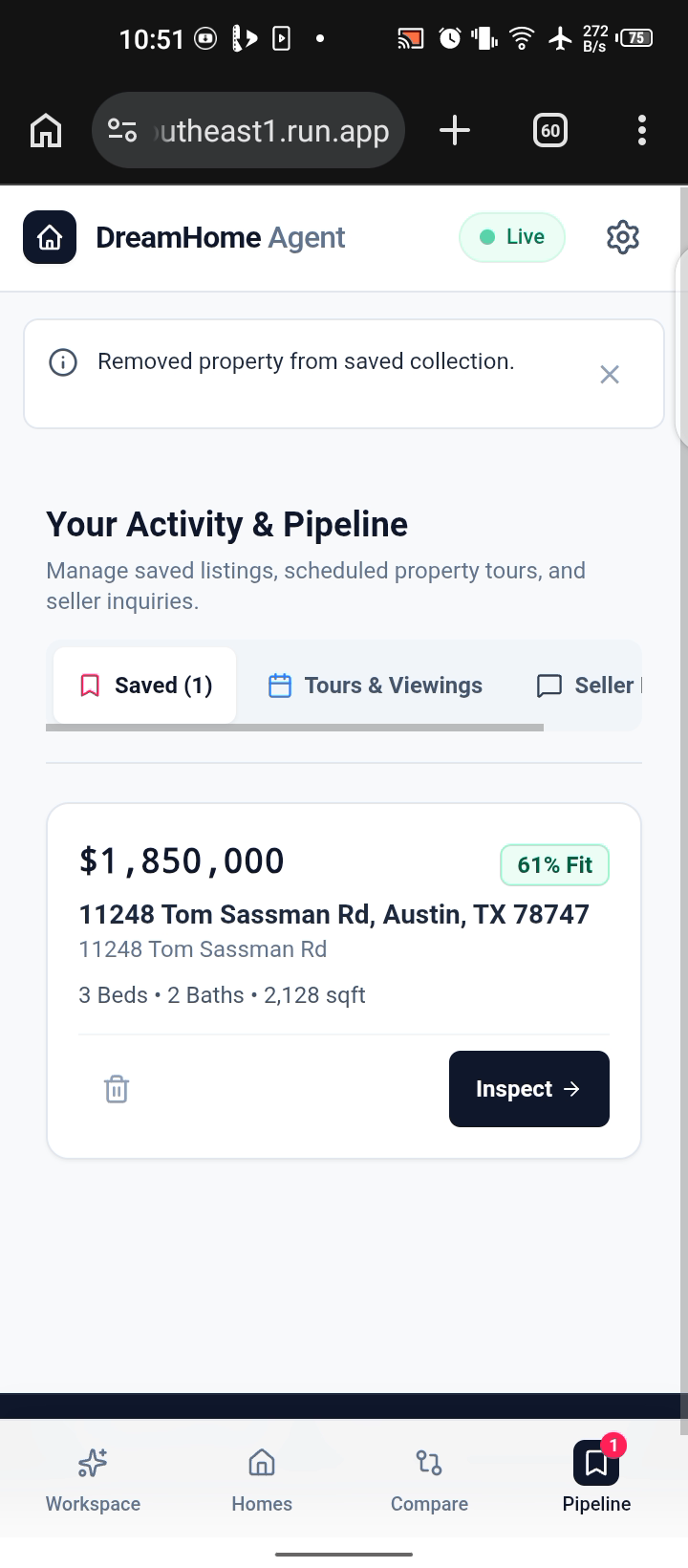
- Save properties and retrieve saved homes
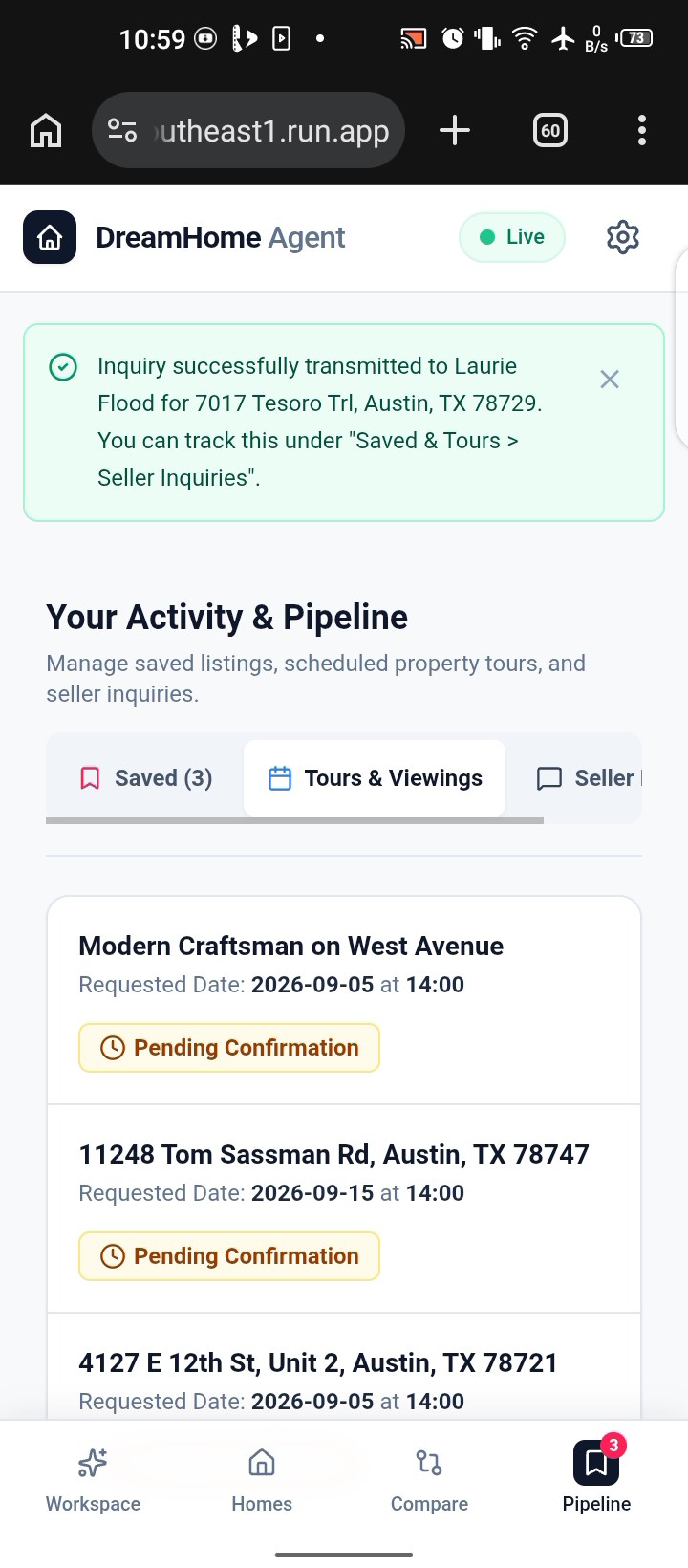
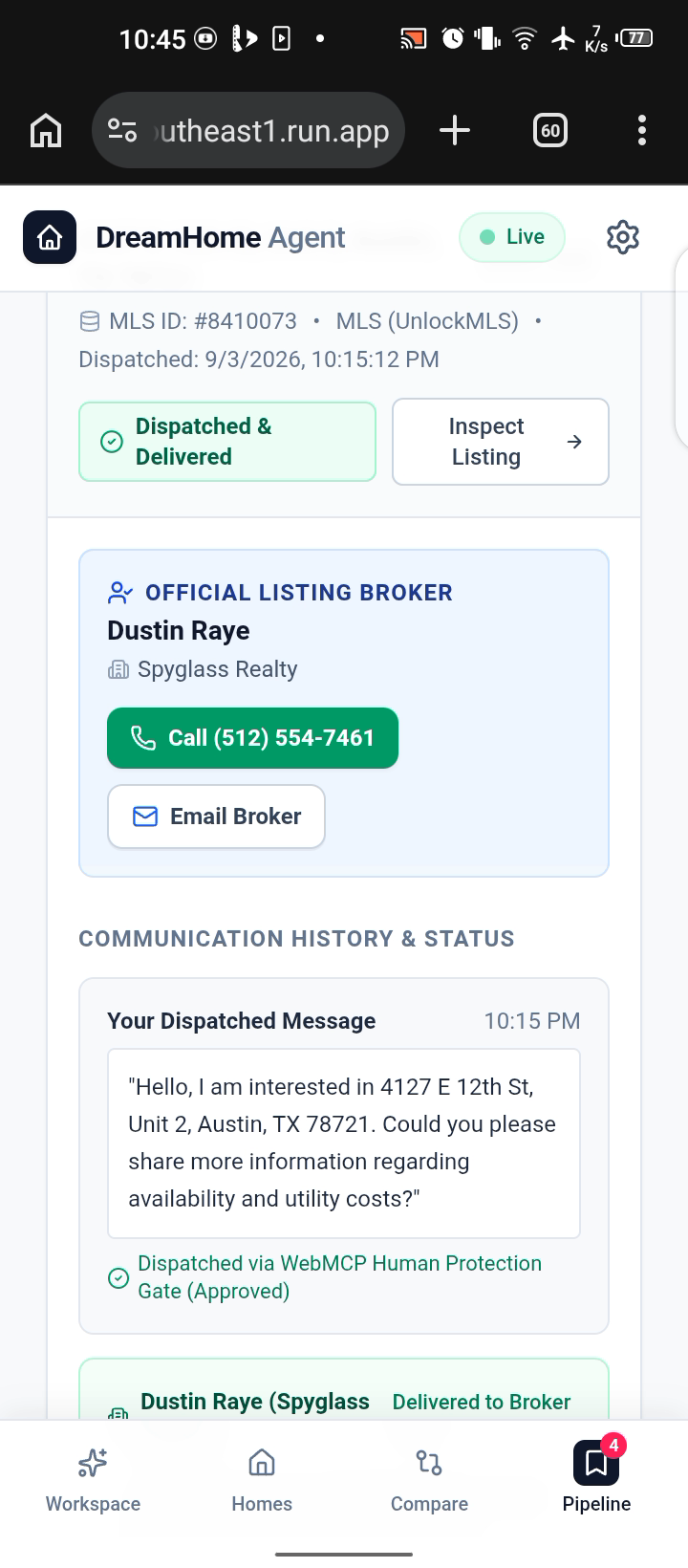
- Request property viewings
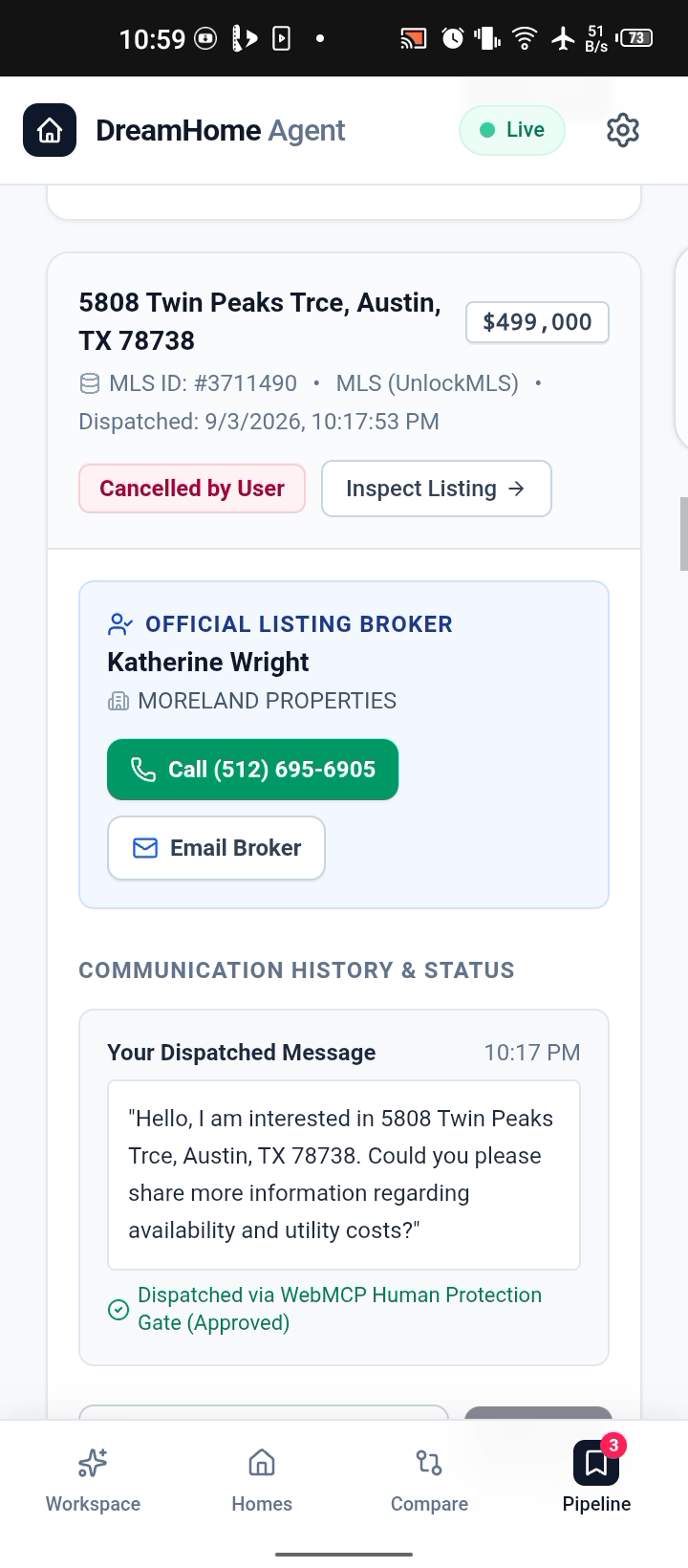
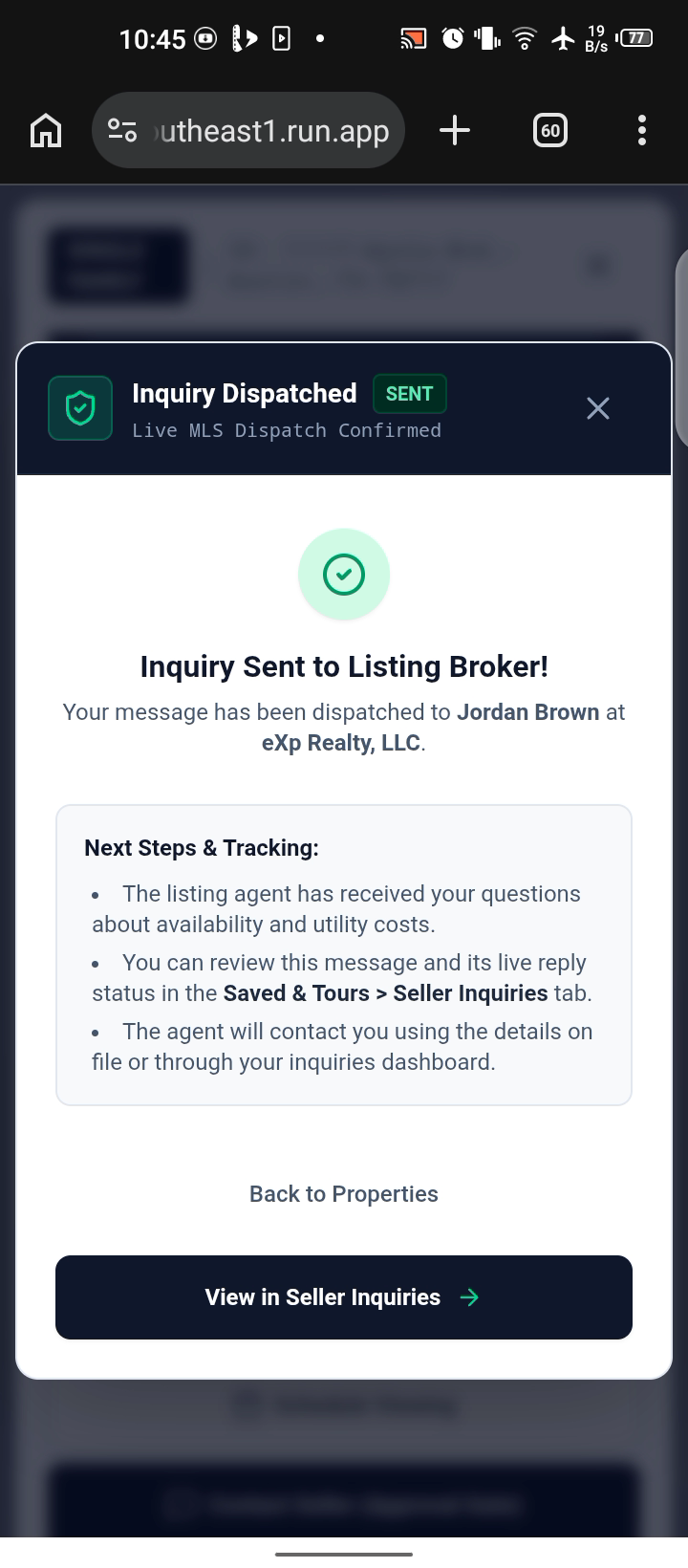
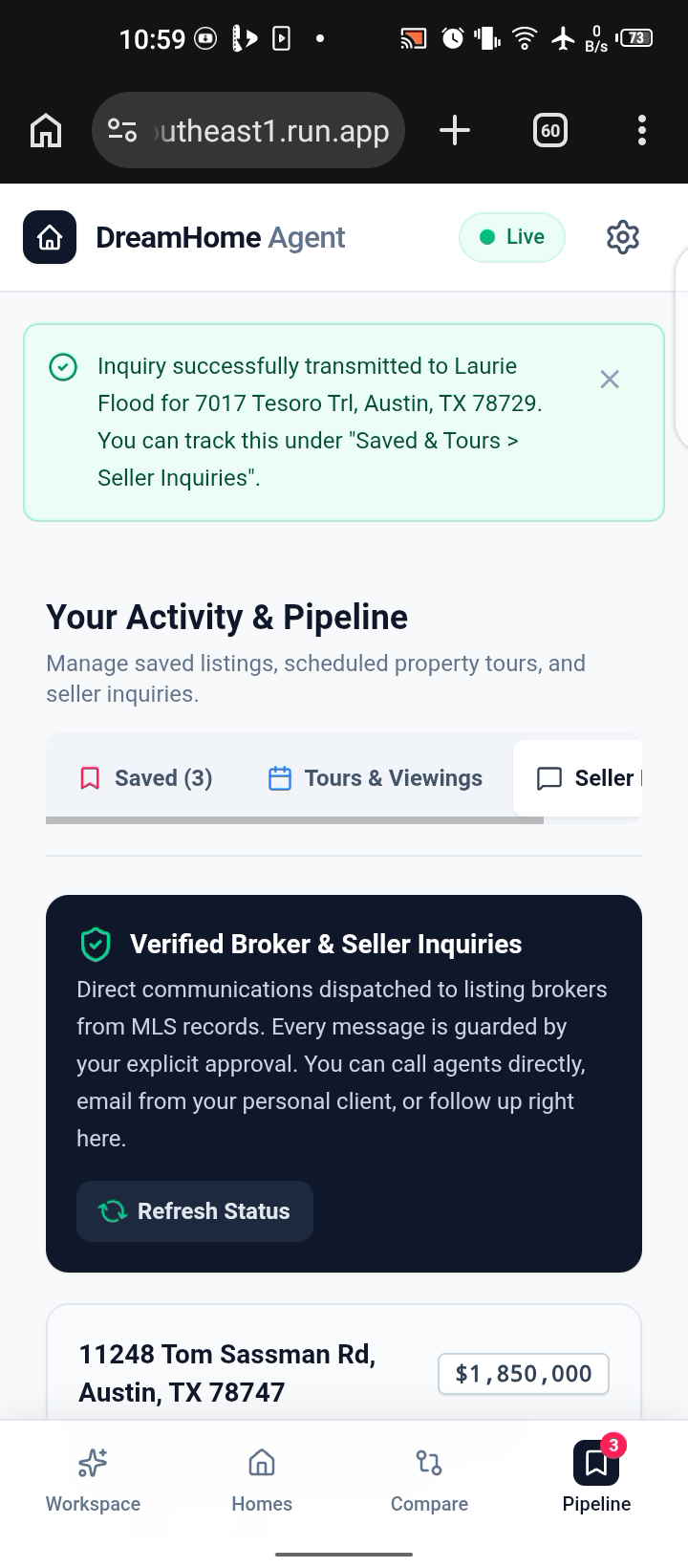
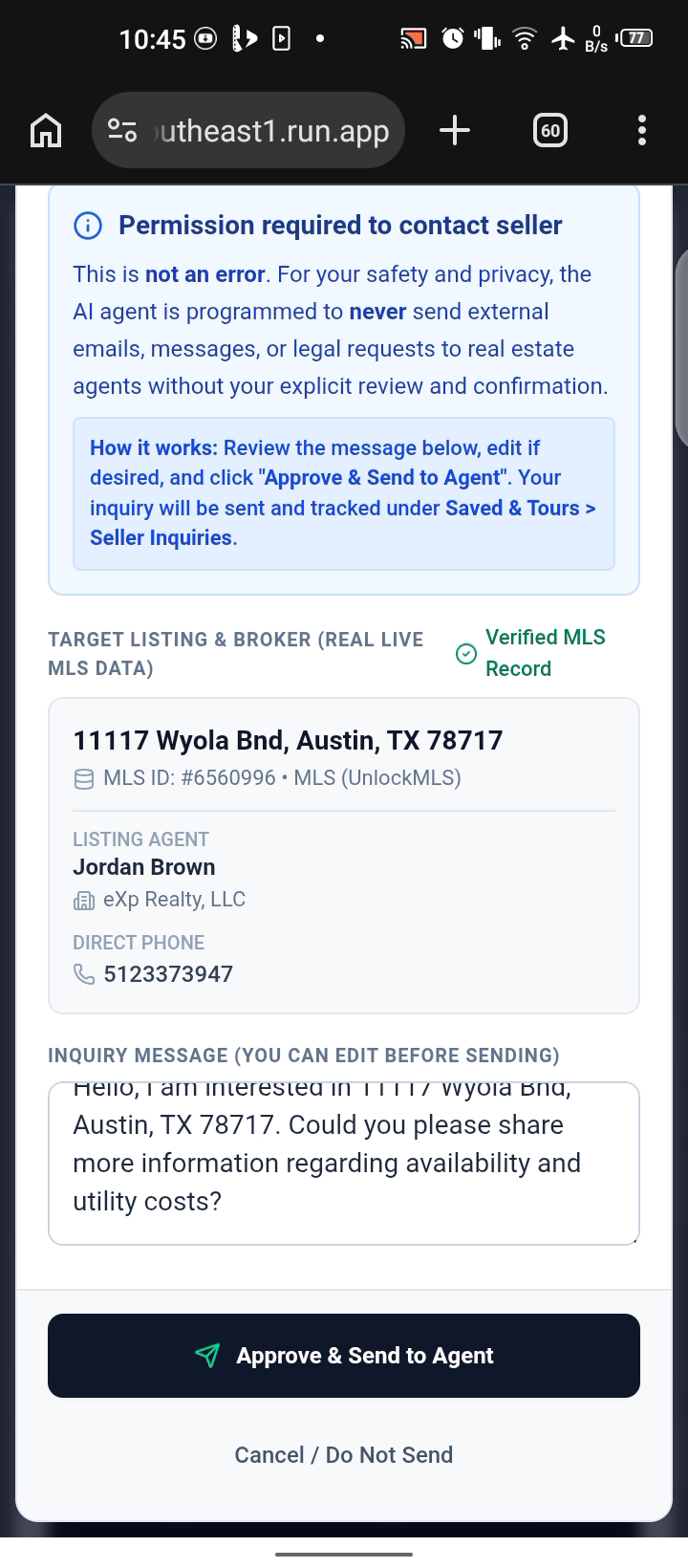
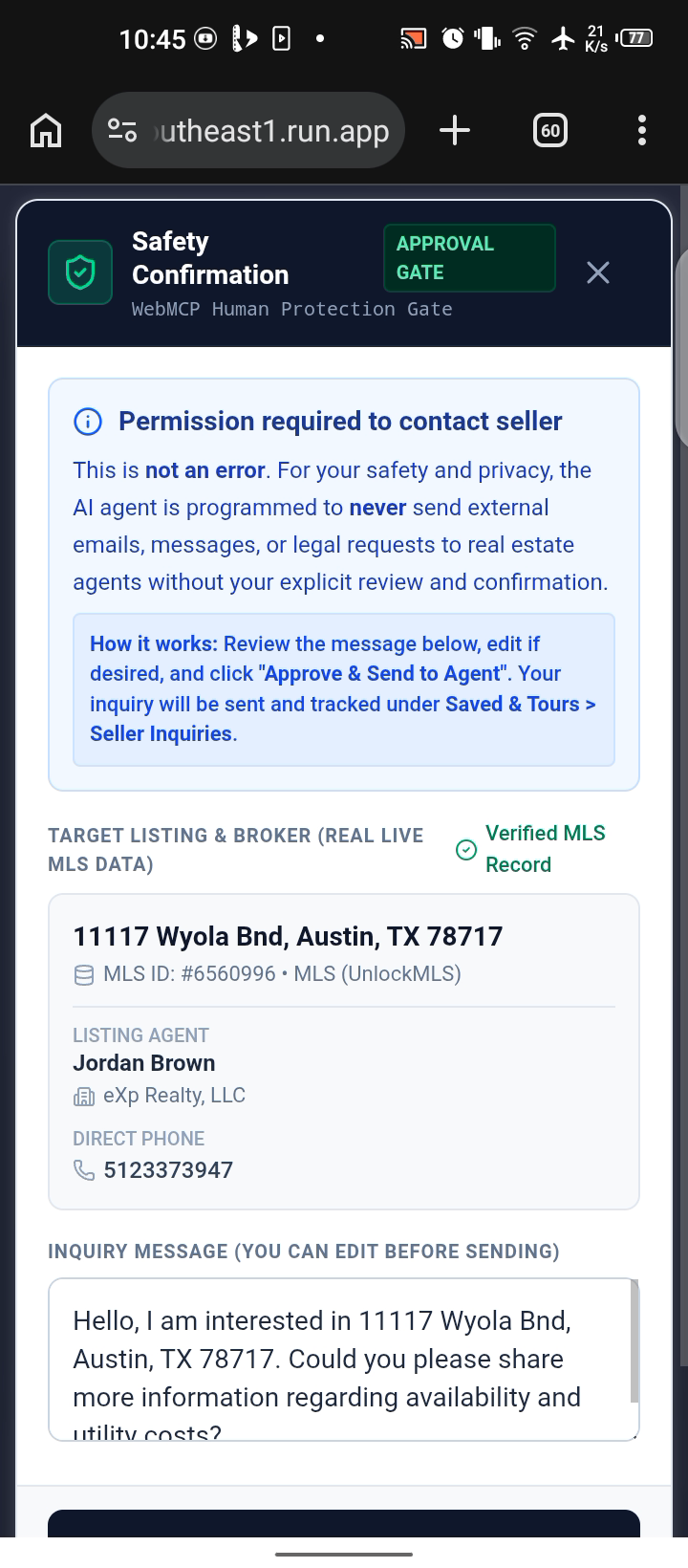
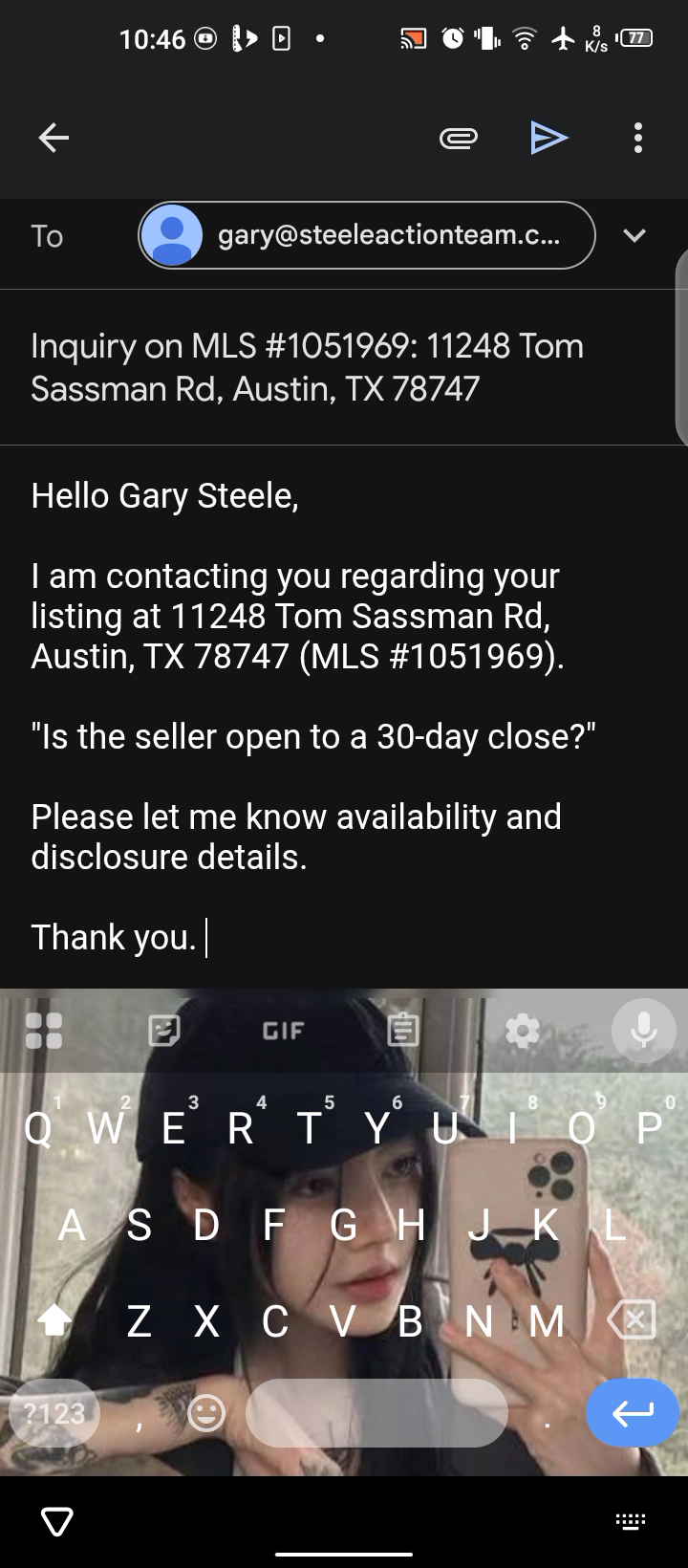
- Prepare seller inquiries
For consequential actions such as contacting a seller, DreamHome Agent uses human-in-the-loop approval. The agent prepares the action, but the user must review and approve it before it is sent.
Why WebMCP?
WebMCP allows DreamHome Agent to expose real application capabilities as structured tools that an AI agent can discover and use.
Instead of an agent guessing how to navigate the website, it can directly use tools such as search_homes, compare_properties, search_neighborhood, and calculate_affordability.
This creates a better experience where the user gives the goal and preferences, the agent performs structured discovery and analysis, and the user remains in control of important decisions.
How we built it
DreamHome Agent was built with React, TypeScript, Vite, Node.js, Express, Google Gemini, WebMCP, PostgreSQL, Drizzle ORM, Leaflet, OpenStreetMap, and Zod.
We implemented a WebMCP tool layer using document.modelContext.registerTool() and connected the tools to the application's real property search, comparison, affordability, saved-property, viewing, and seller-contact functionality.
Challenges and what we learned
One of the biggest challenges was going beyond a simple AI chatbot and making the agent capable of performing meaningful actions inside a real web application.
We learned how structured WebMCP tools can make websites easier for AI agents to interact with, while human approval can provide an important safety layer for actions that have real-world consequences.
DreamHome Agent explores what real-estate websites could look like when they are designed for both humans and AI agents.
Built With
- drizzle-orm
- express.js
- google-gemini
- leaflet.js
- node.js
- openstreetmap
- postgresql
- react
- typescript
- vite
- webmcp


Log in or sign up for Devpost to join the conversation.