-
-
-
-
-
-
-
-
-
-
-
-
Default Icon
-
Inspiration
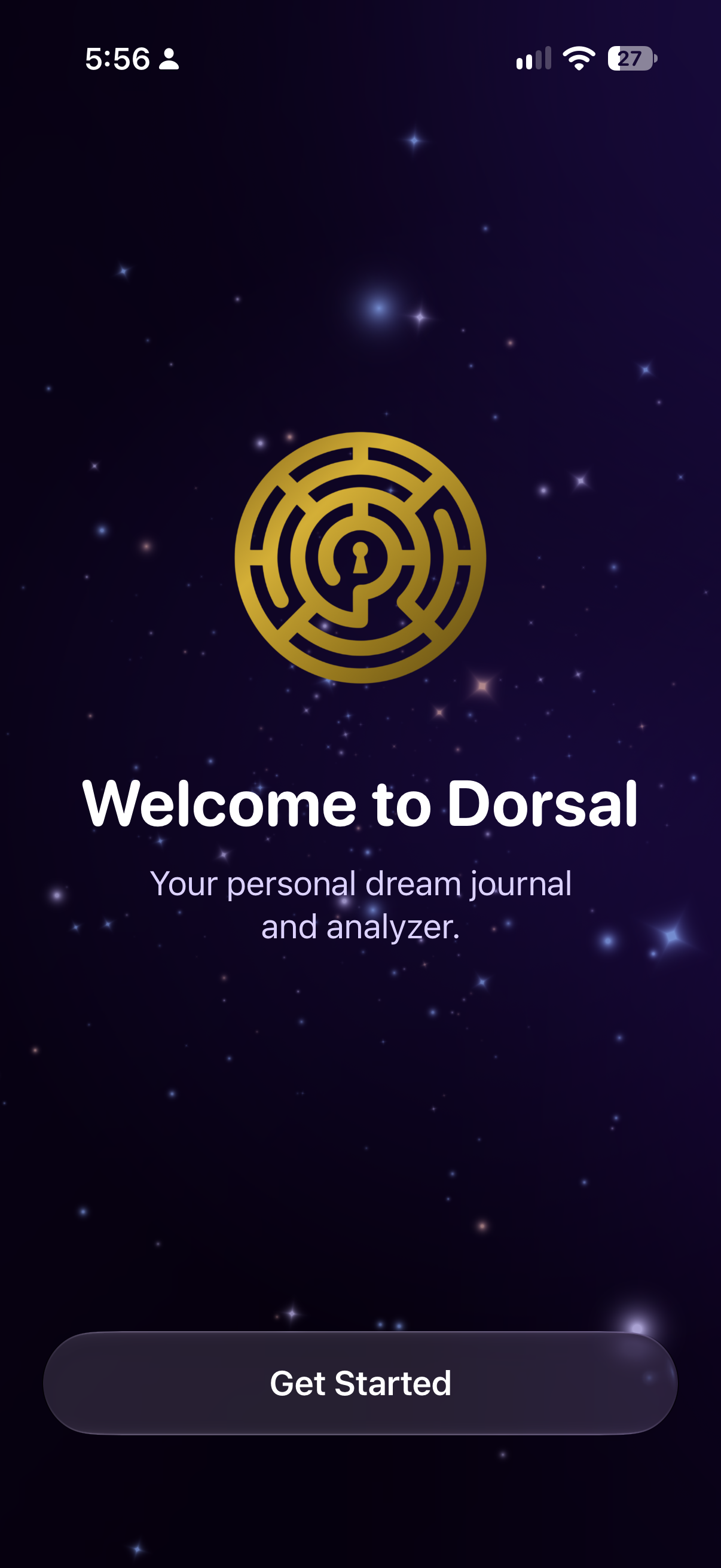
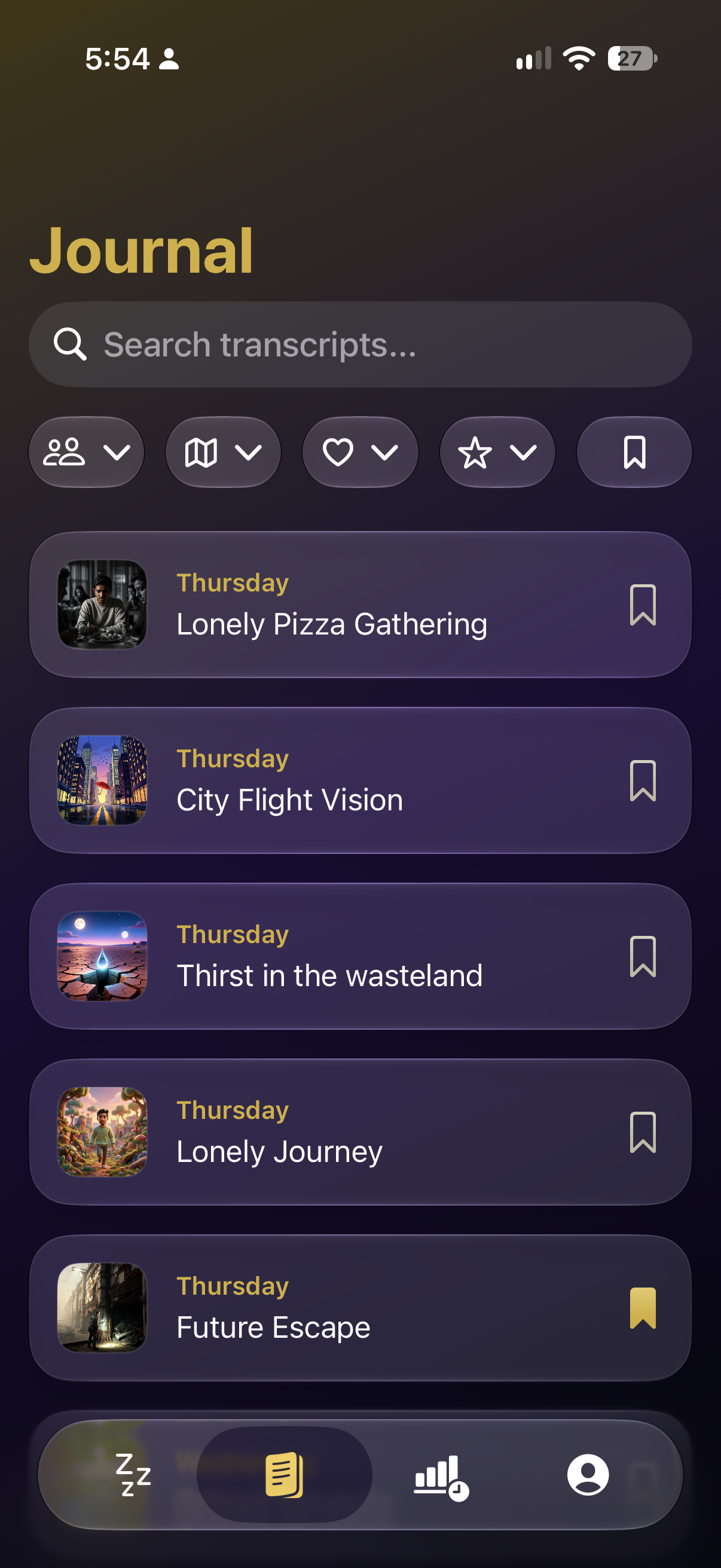
Dreams can feel incredibly vivid when we wake up, yet within minutes the details begin to disappear. I built Dorsal because most dream journals felt like digital notepads rather than tools for actually understanding your dreams.
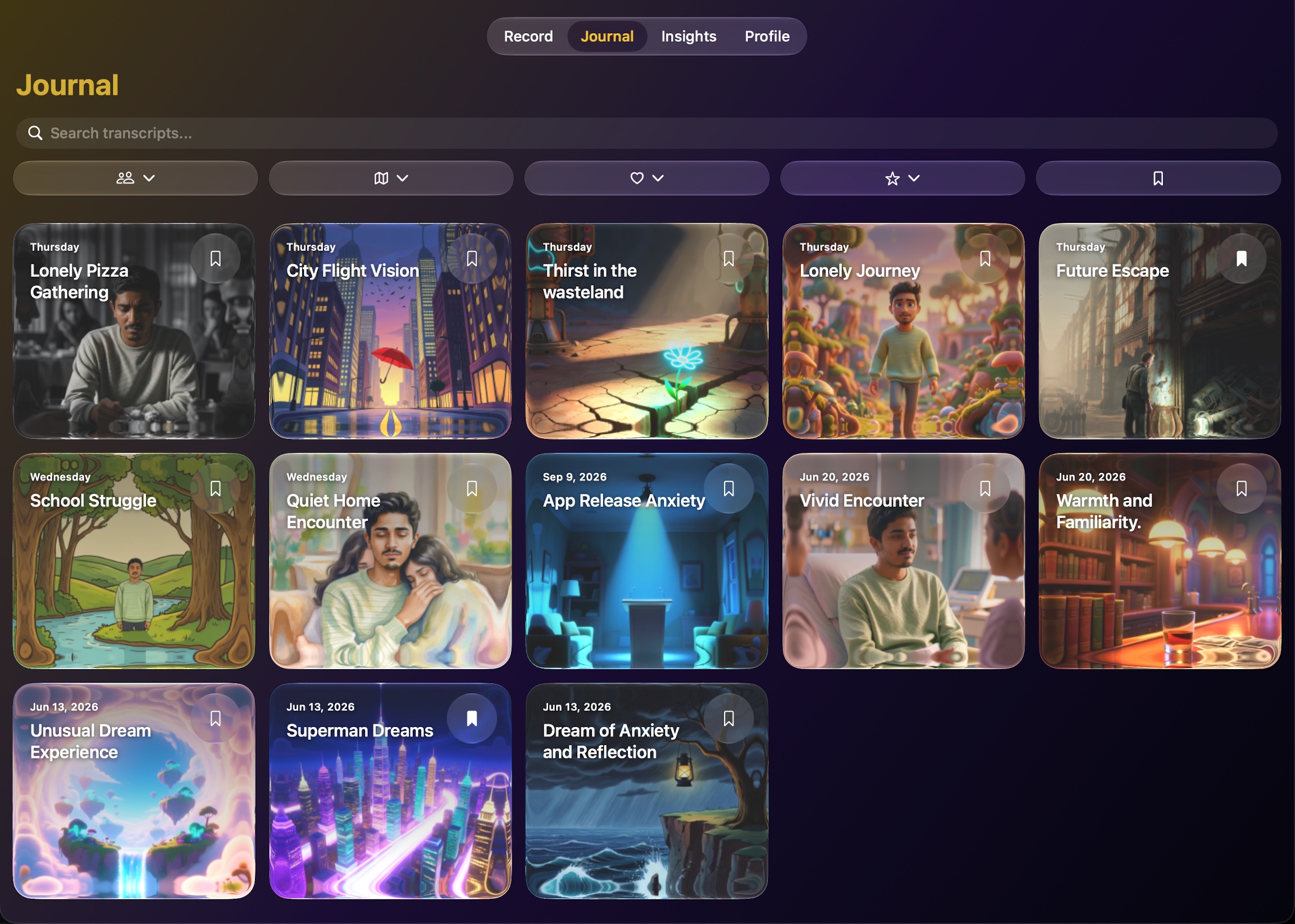
I wanted to create a private, accessible experience that helps people capture a dream before it fades, visualize it, and discover patterns between their dreams, sleep, and daily energy.
What it does
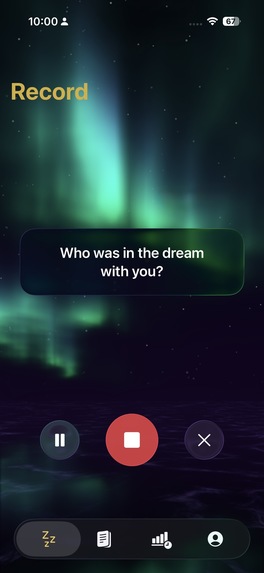
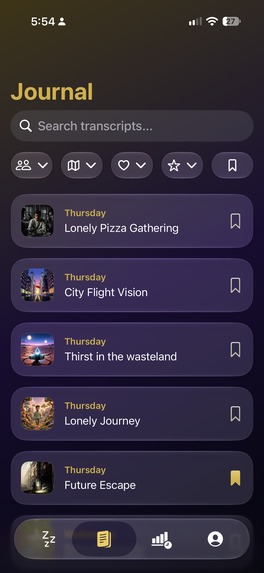
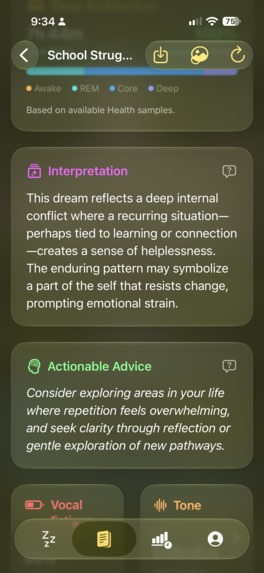
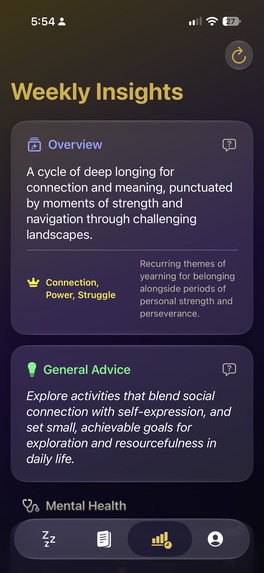
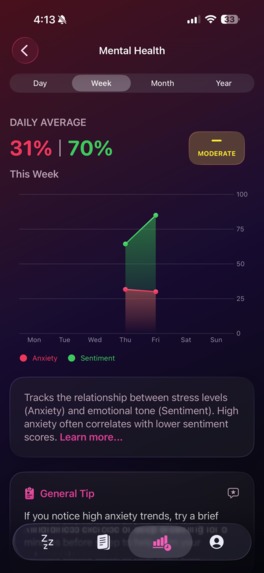
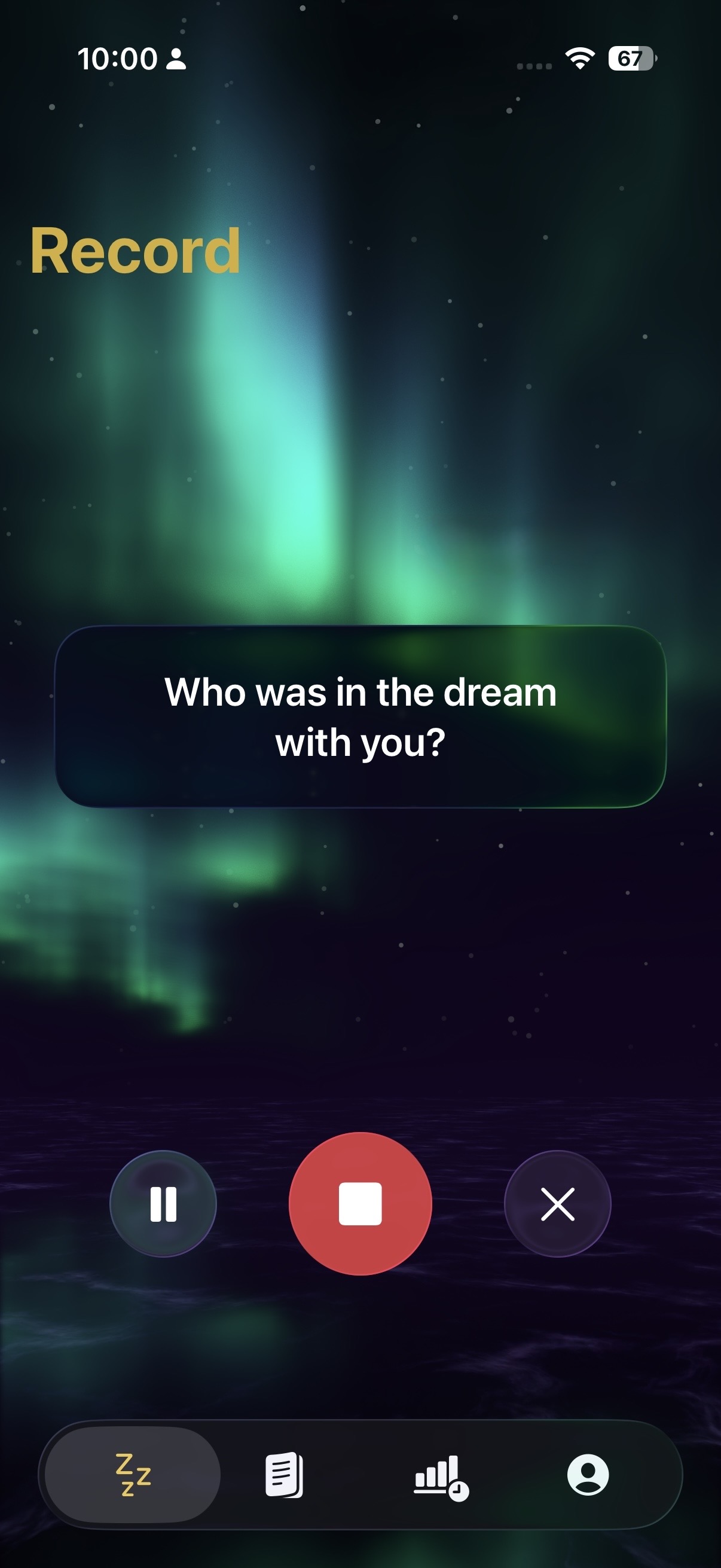
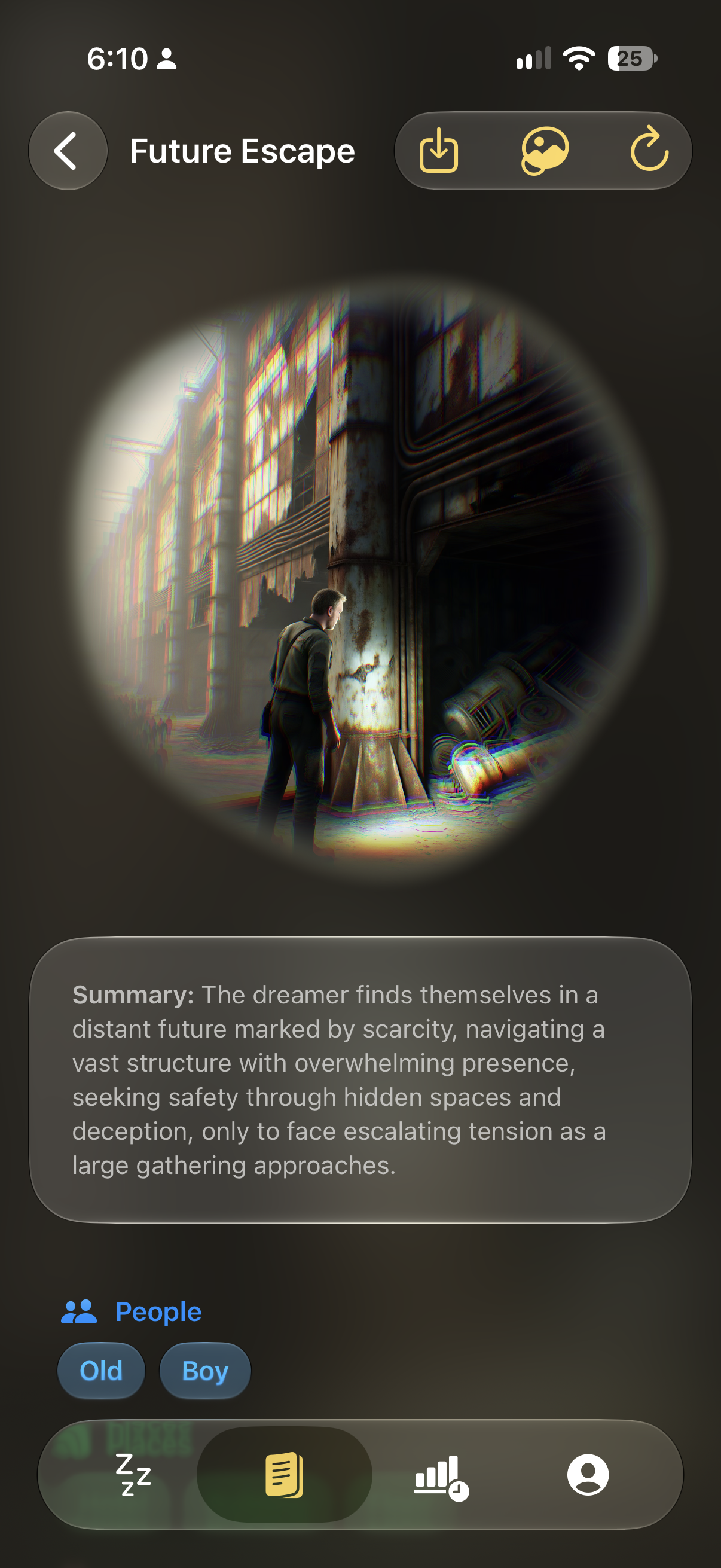
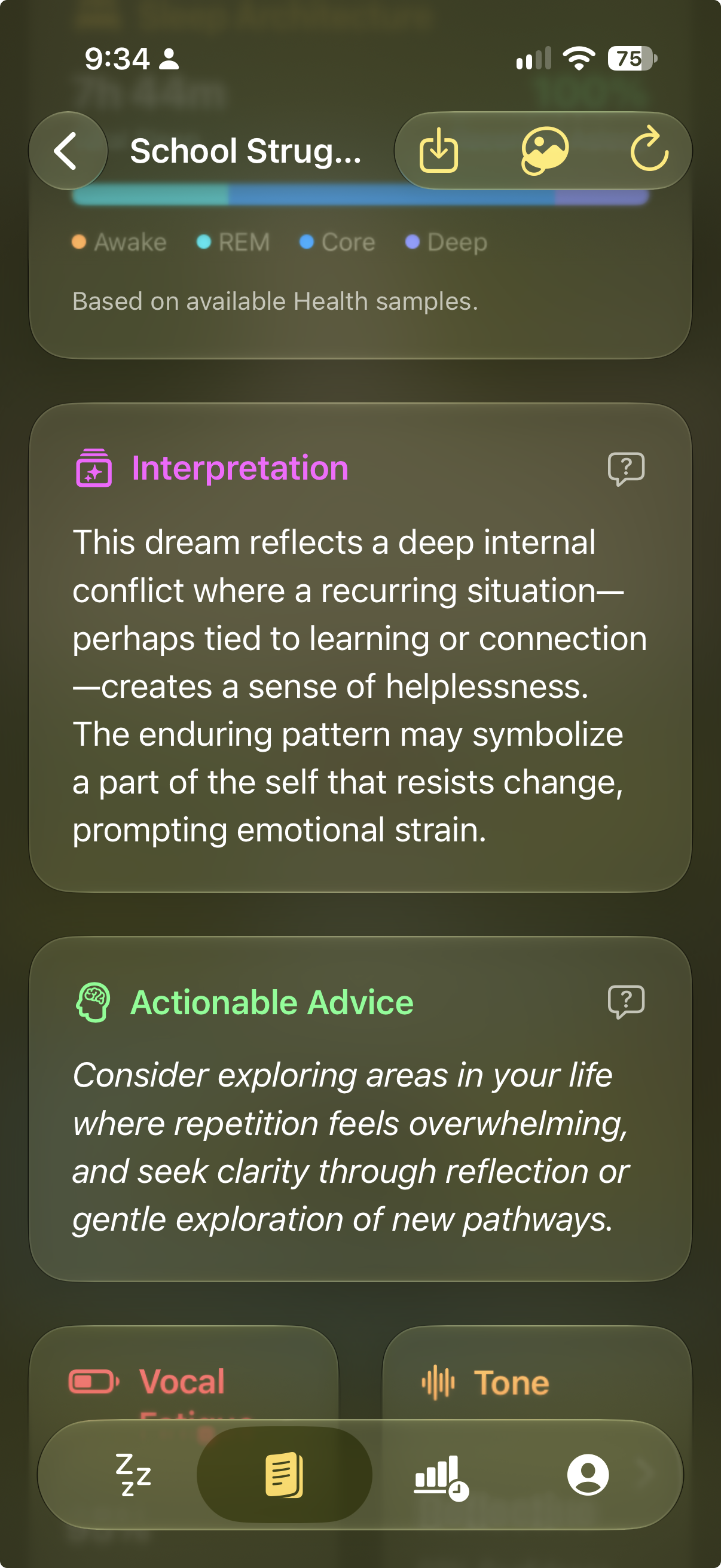
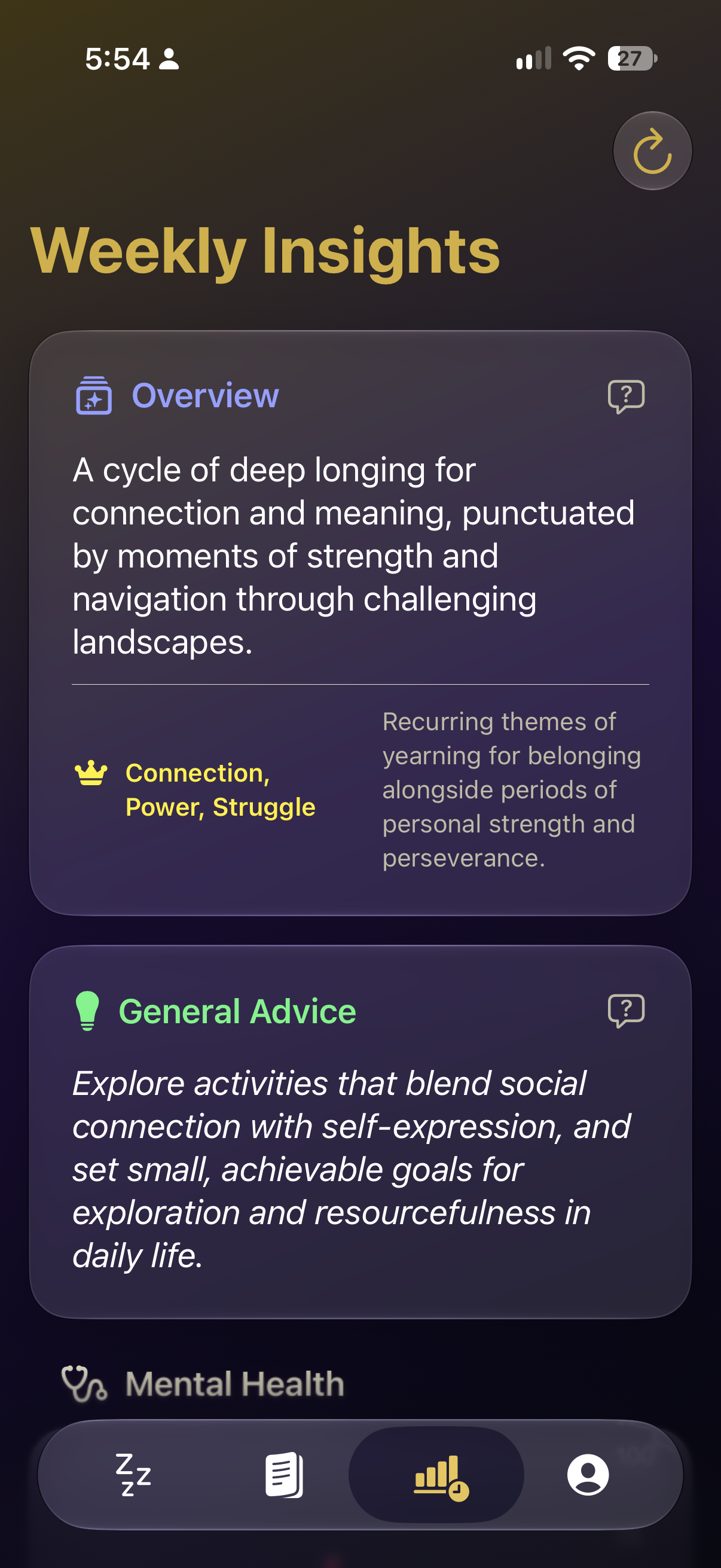
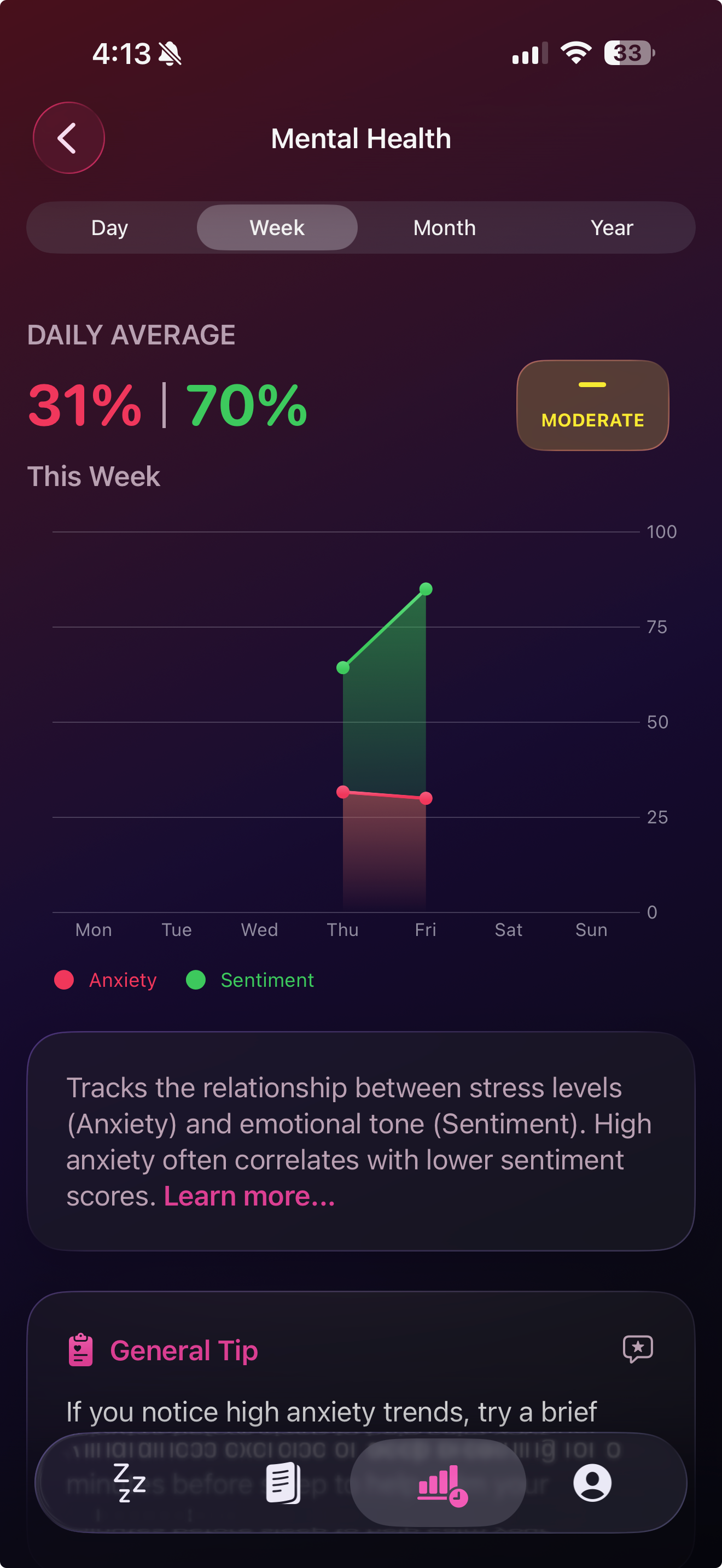
With Dorsal, users simply talk about their dream. Behind that interaction, Dorsal transcribes the recording and analyzes signals like emotion, anxiety, vividness, coherence, recurring patterns, and vocal fatigue.
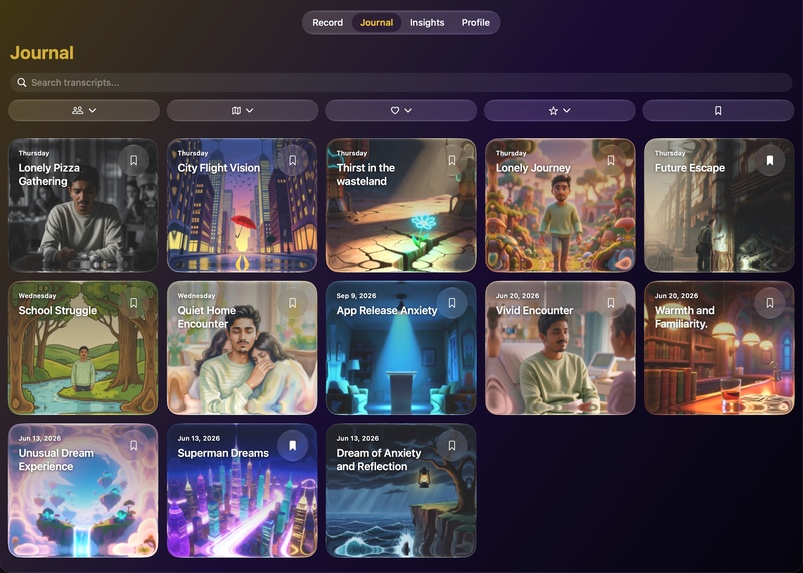
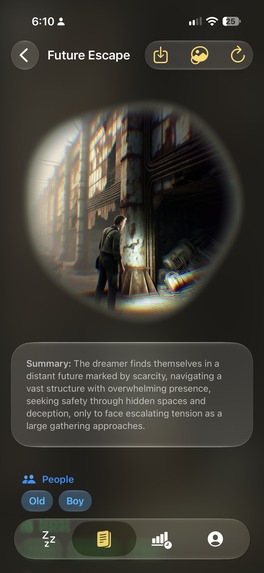
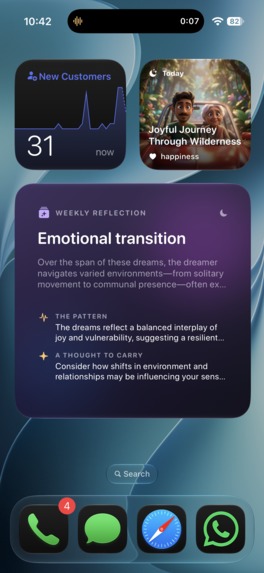
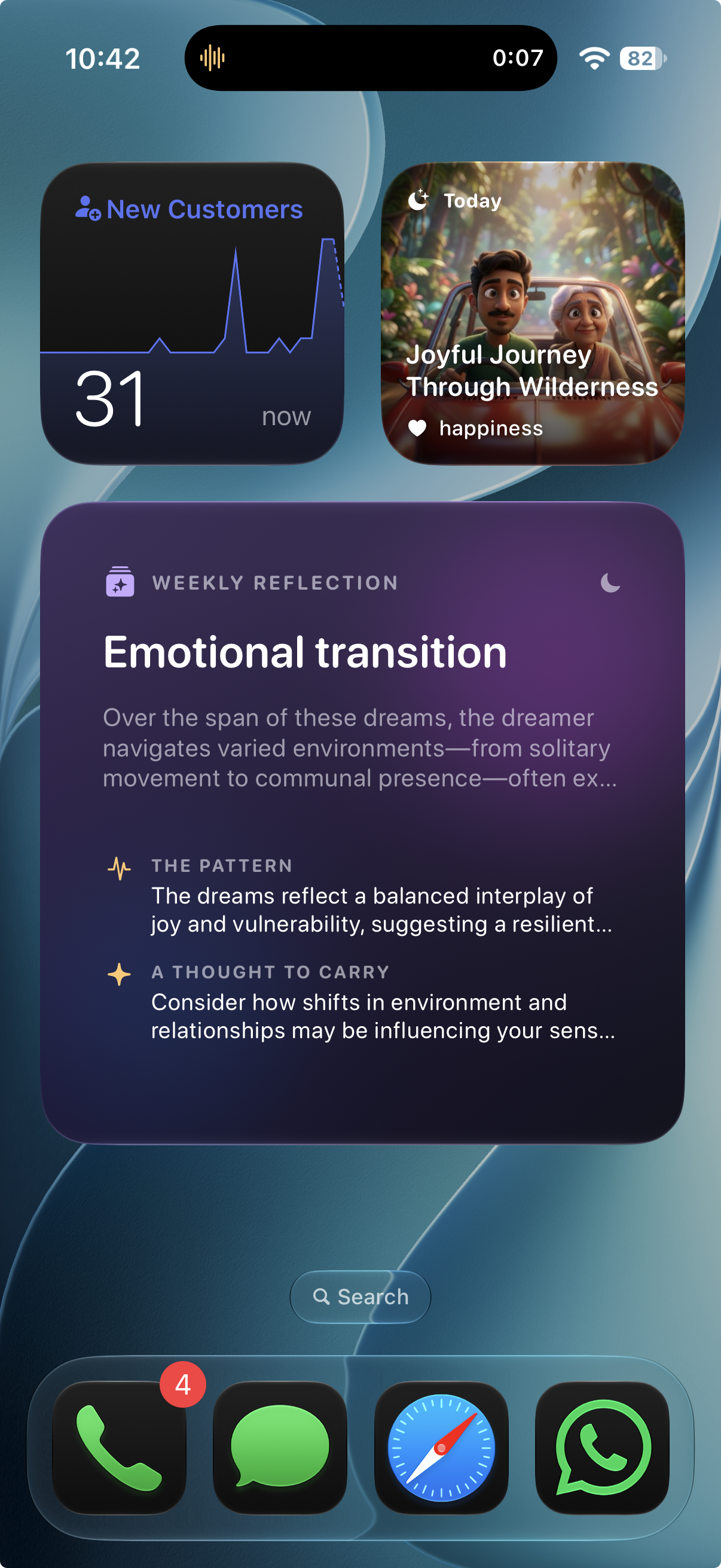
Dorsal combines those insights with optional HealthKit sleep data to help users explore connections between their dreams, sleep, and daily energy. It can identify recurring people, places, emotions, and themes across dreams, while generated imagery helps users visually revisit what they experienced.
The complexity stays in the background. Apple's Foundation Models can call specialized tools to gather and connect these signals, while Dorsal turns the results into a simple, playful interface. If users want to go deeper, they can tap an insight for an explanation or ask follow-up questions directly about their dreams.
How I built it
Dorsal is built natively with SwiftUI, Foundation Models, HealthKit, and Metal. I use Apple's Foundation Models for private intelligence and agentic tool calling, allowing Dorsal to combine information such as dream patterns, sleep context, and vocal fatigue without relying on a traditional cloud LLM backend.
I also created custom Metal shaders and fluid aurora effects so the interface itself feels dreamlike.
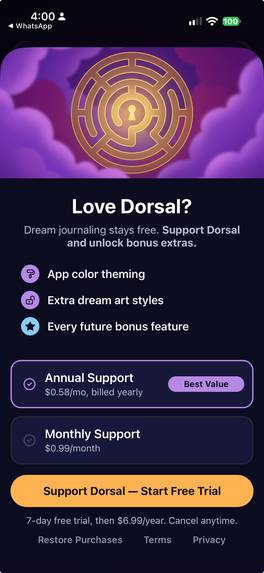
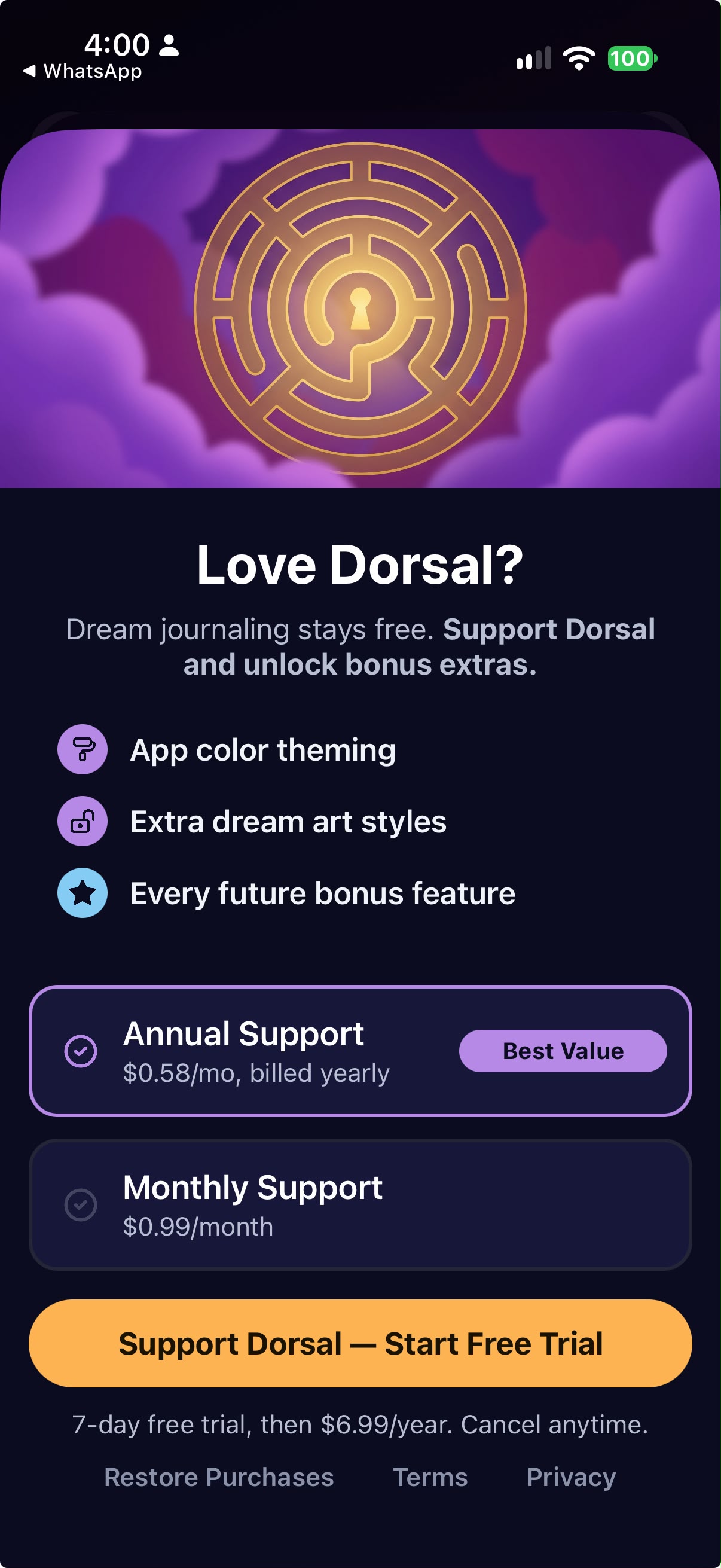
RevenueCat powers optional personalization for $0.99/month or $6.99/year, with a 7-day free trial on the annual plan. Supporters unlock additional themes and dream art styles while the core experience stays free.
Challenges and what I learned
One of my biggest challenges was making something technically complex feel effortless. Recording, transcription, Foundation Models, tool calling, HealthKit, vocal analysis, and image generation all work together behind an experience that should feel as simple as telling someone about your dream.
I also struggled with what to monetize. I didn't want essential reflection features behind a paywall, so personalization became the premium layer instead.
Dorsal began as my 2026 Apple Swift Student Challenge submission, where it was selected as a Distinguished Winner. I used feedback I received at Apple Park to continue developing it from a student project into an app I shipped on the App Store.
What's next
I want to turn dream visualization from individual images into sequential visual stories and comic-style scenes, while continuing to explore privacy-first ways of connecting dreams with patterns in sleep and everyday life.
Built With
- accessibility
- ai
- app
- apple-icloud
- apple-push-notifications
- avfoundation
- coreml
- foundation-models
- healthkit
- image-playground
- intents
- ios
- machine-learning
- metal
- natural-language-processing
- revenuecat
- sirikit
- speech-analyzer
- spotlight
- swift
- swiftdata
- swiftui
- uikit
- widgetkit

Log in or sign up for Devpost to join the conversation.