-
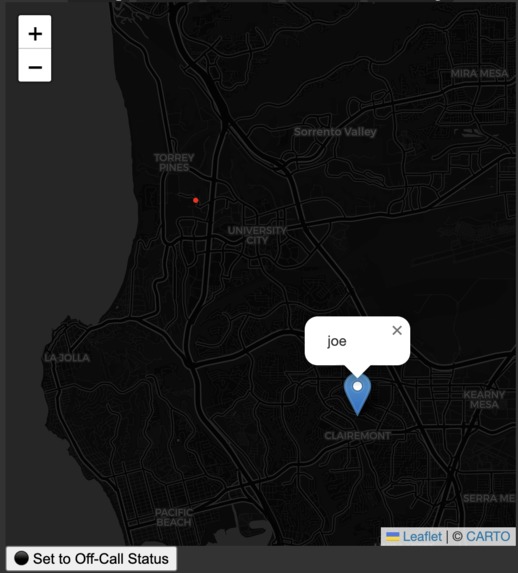
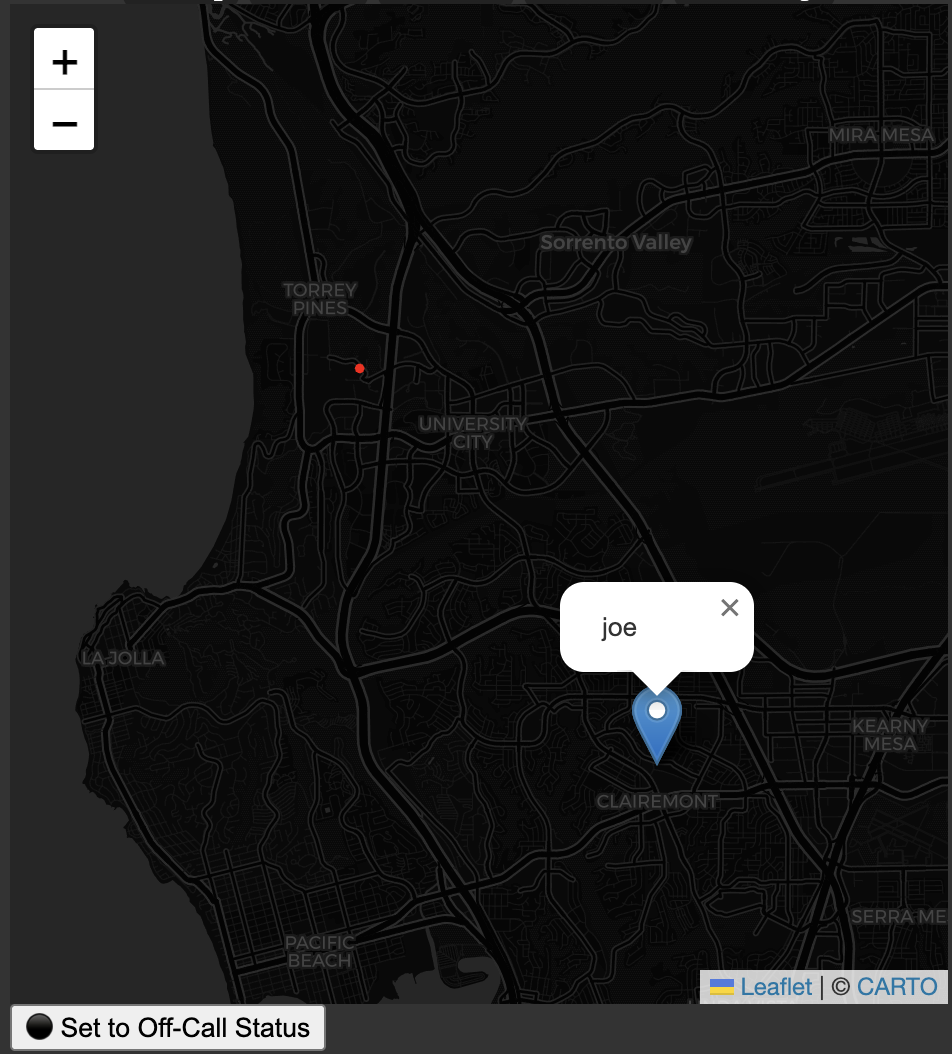
Live Teammate Map
-
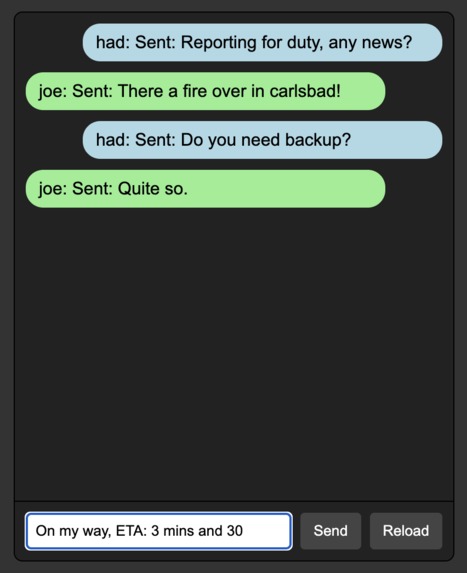
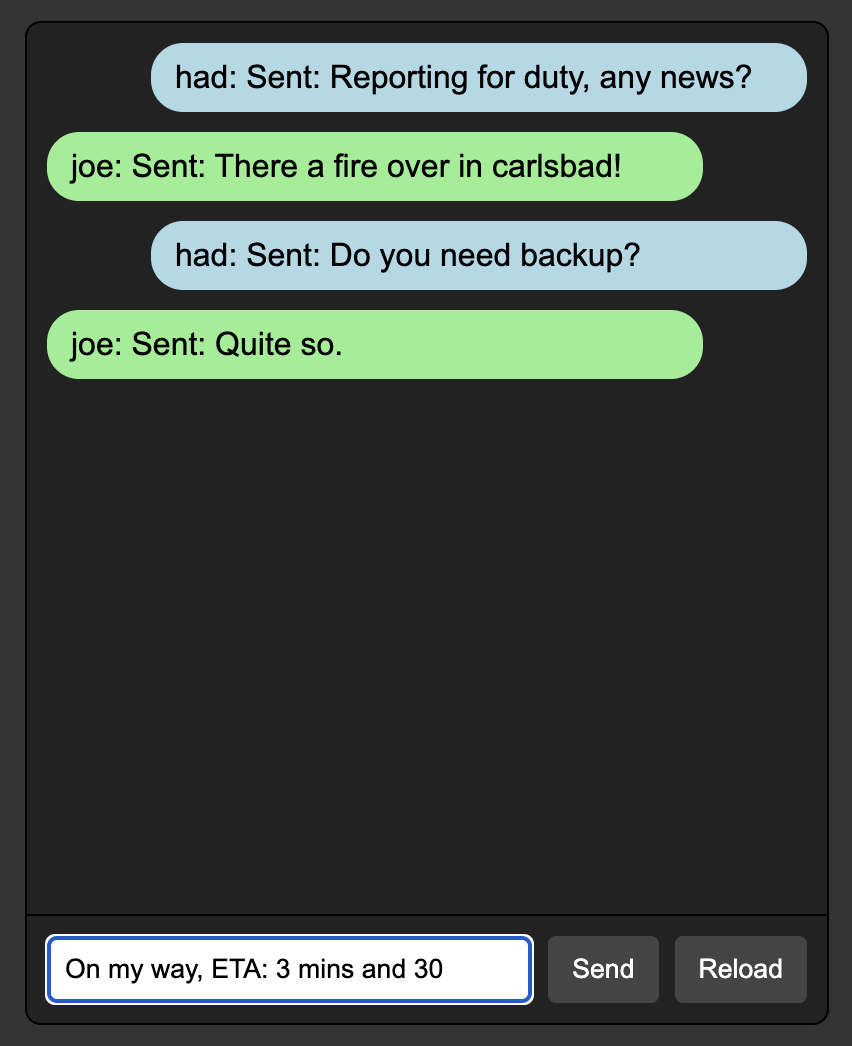
Chat system between two team members
-
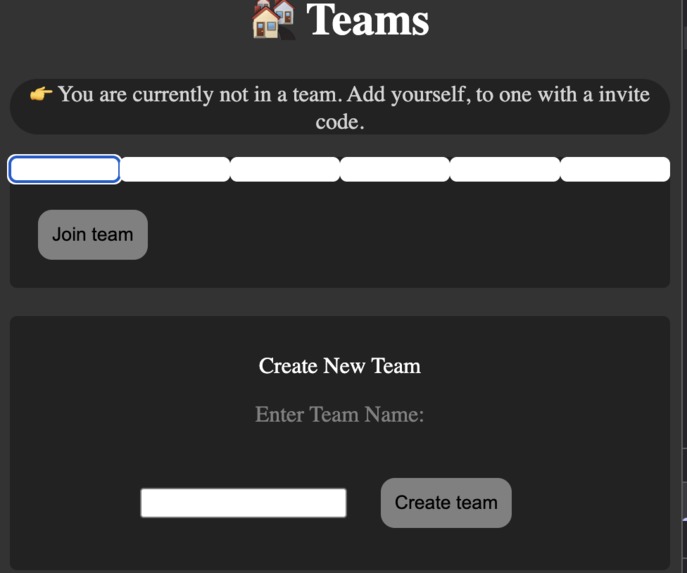
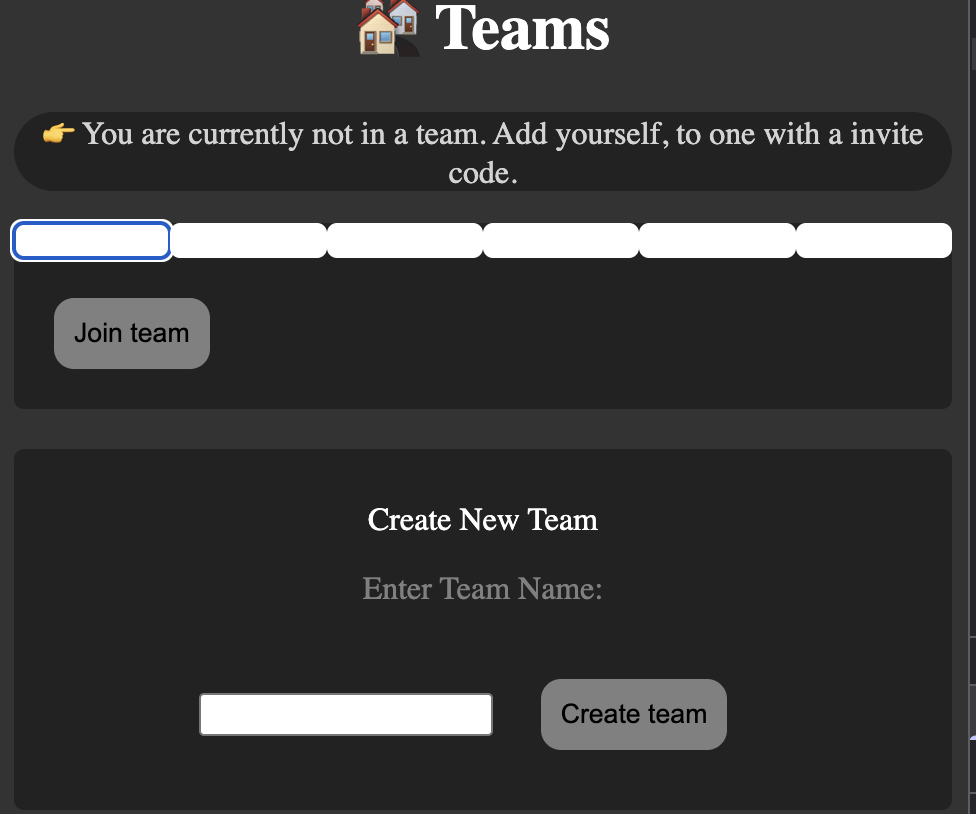
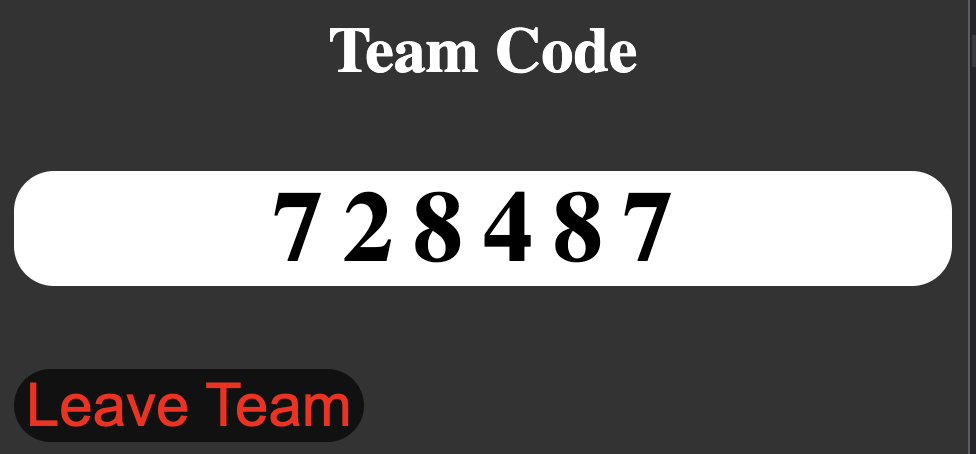
Team Join/ Team Creation page with 6 digit code entery
-
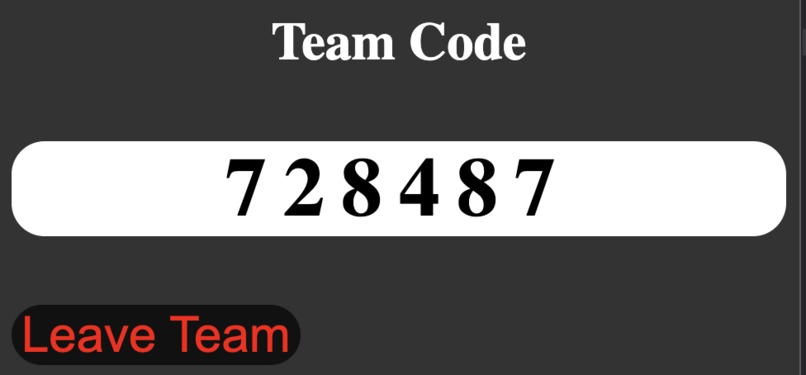
Code Pusdeo Randomly generated for this team
-
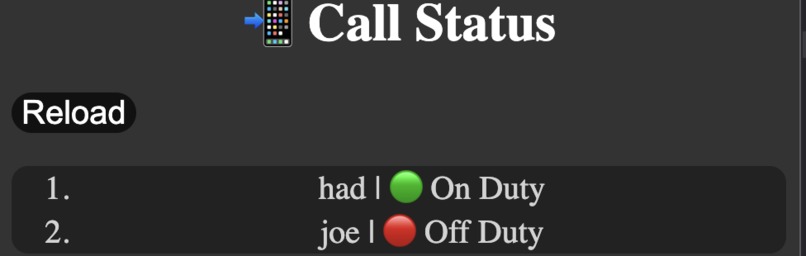
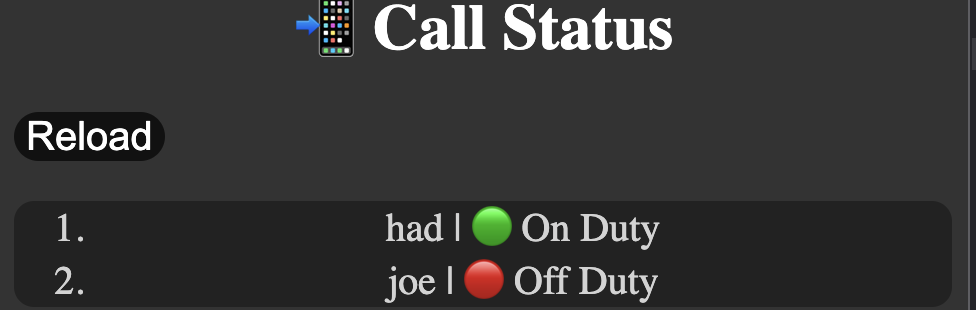
On duty live status
Inspiration
Emergency coordination today is slow, fragmented, and often built on outdated tech. In those first critical moments, when every second counts, delays cost lives. I wanted to fix that.
What it does
DispatchFlow is a lightweight, web-based platform for real-time team tracking. Teams can instantly join, update their status, and see each other live on the map, no installs, no friction, no AI-generated code to break under pressure. It’s all hand-coded by me, in Rust, because reliability matters.
How we built it
I chose Rust for the backend, it’s fast, memory-safe, and perfect for real-time systems. The frontend is hand-coded in HTML and CSS, and the map is powered by OpenStreetMap and LeafletJS, optimized for mobile. Even the SQLite integration was manually written to keep things lightweight and efficient.
Challenges we ran into
I did it all: backend, frontend, user auth, live geolocation, team status tracking. Even the SQL, and yeah, I despise SQL, but I still ground through it in Rust.
Originally, I teamed up with someone using Cursor, but when they typed in a two-paragraph prompt and generated an entire frontend in seconds… I froze. It felt hollow. I bailed and went solo. I realized that if I couldn’t trust the code, I wouldn’t ship it. AI-generated code might look pretty, but you can’t fix what you didn’t write. And in a system where failure = real-world consequences? That’s a risk I refuse to take.
Accomplishments that we're proud of
I’m proud that every line came from me. No ChatGPT wrappers. No Cursor-generated blobs. No blind copy-paste. Sure, my frontend’s not flashy, just a clean dark mode, but it works, and I understand every part of it. That’s what matters.
What we learned
When lives are on the line, “AI-assisted” just doesn’t cut it. One silent bug, one crash, and you’re not just losing users, you’re losing trust, maybe worse. I chose to hand-code DispatchFlow because I wanted full control, full accountability, and real reliability. I now own every bug and every success. This approach is slower, but when you need your system to perform under pressure, nothing beats real engineering.
What's next for DispatchFlow
I'm working on getting DispatchFlow deployed, either self-hosted or on a platform like Vercel or GitHub Pages. I also plan to give the frontend a redesign, one that’s still lightweight and hand-coded, but with a more intuitive, responsive UI.
Built With
- css
- html
- leaflet.js
- openstreetmap
- rand
- rocket
- rusqlite
- rust
- sqlite

Log in or sign up for Devpost to join the conversation.