
Inspiration
This idea stemmed from Japanese "Help Marks," which allowed social workers to visually identify and aid those who are impaired.
What it does
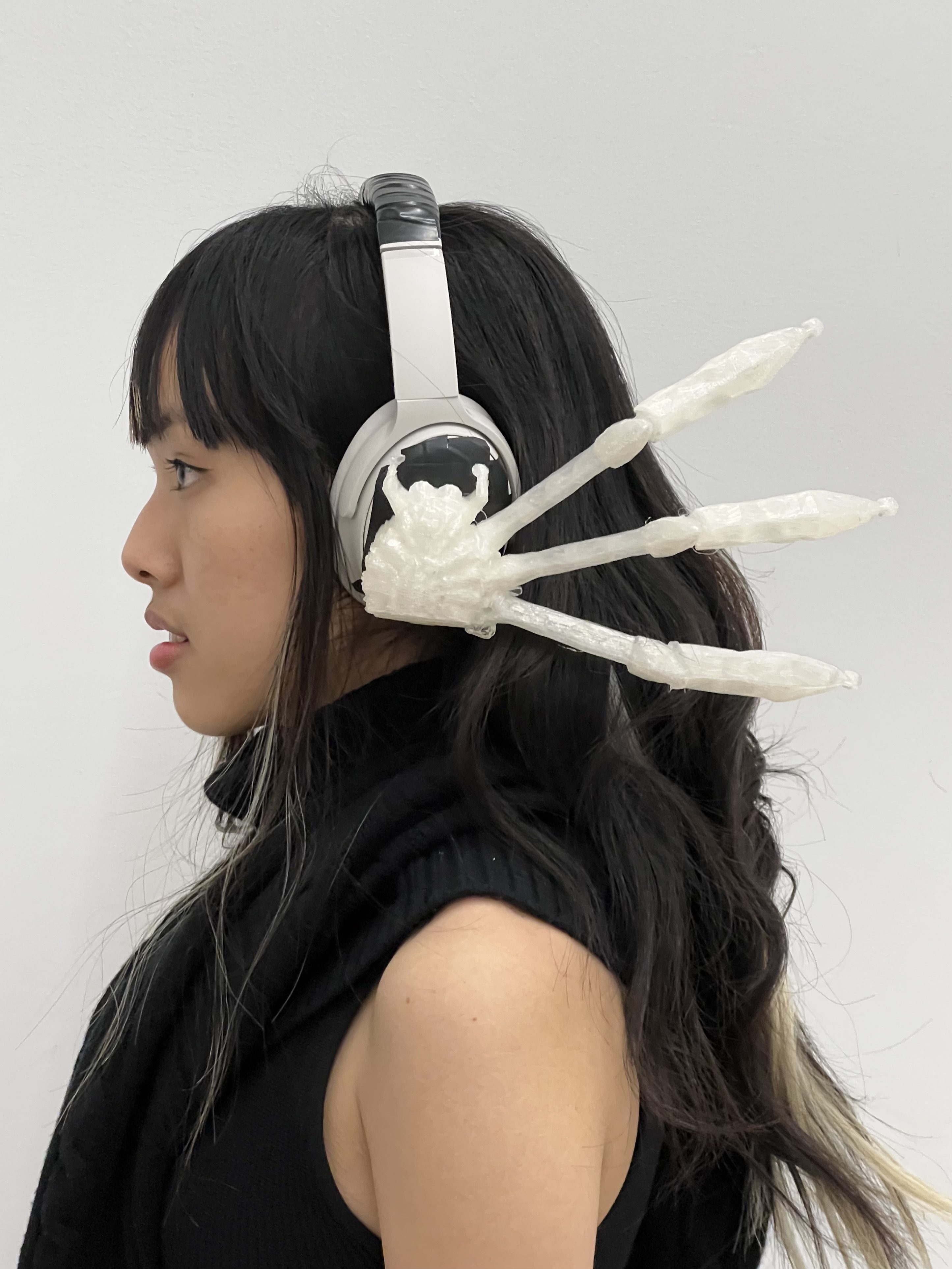
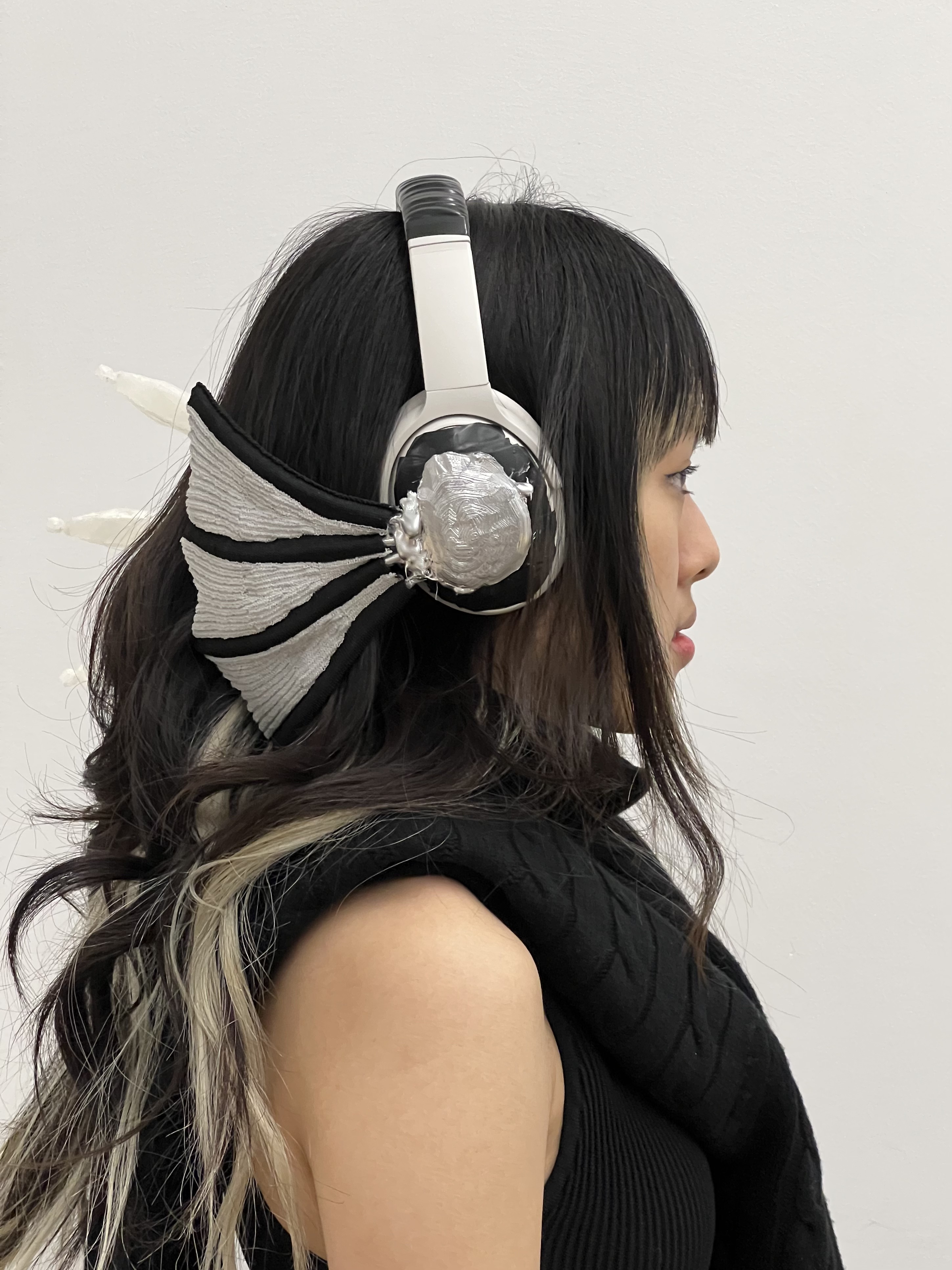
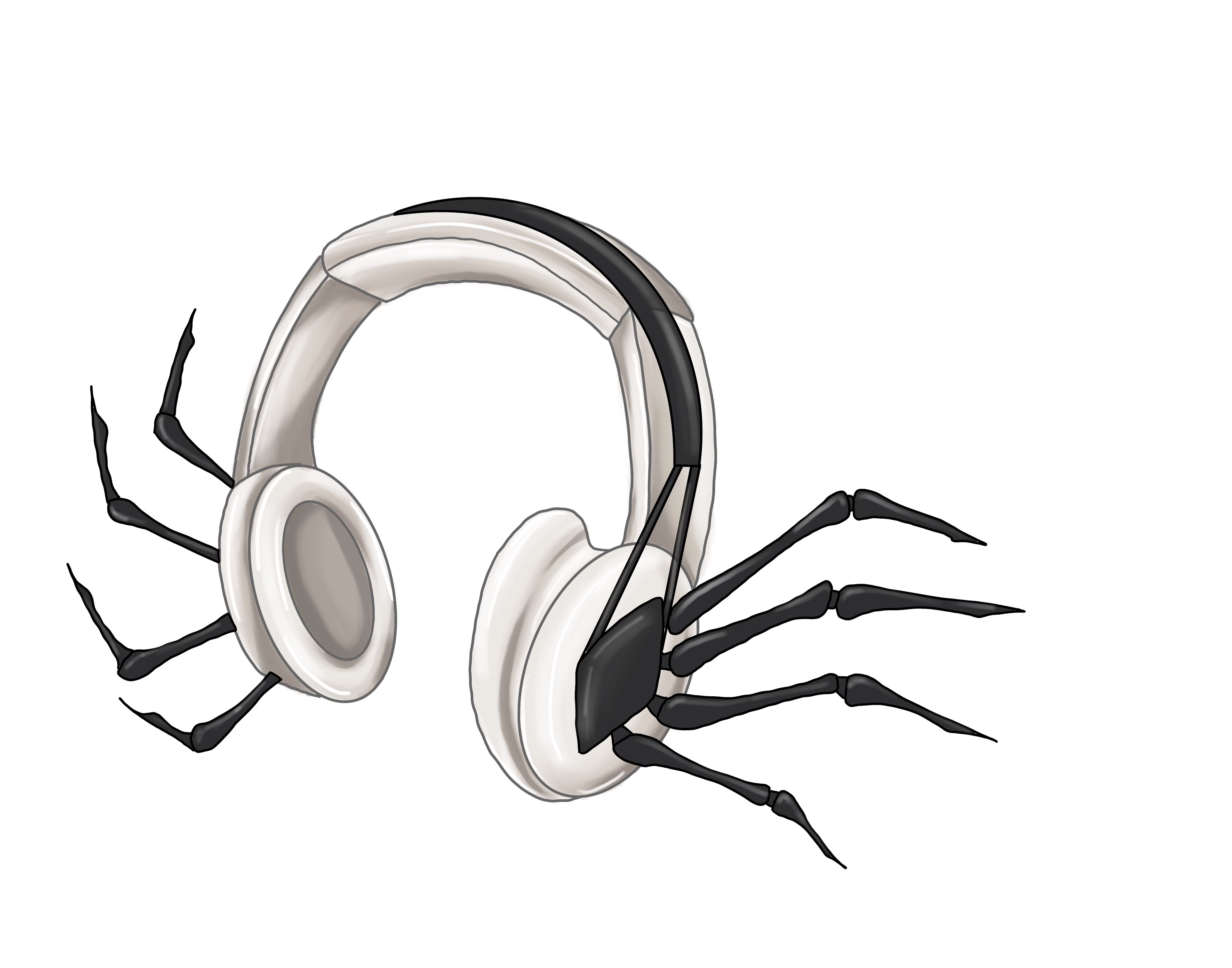
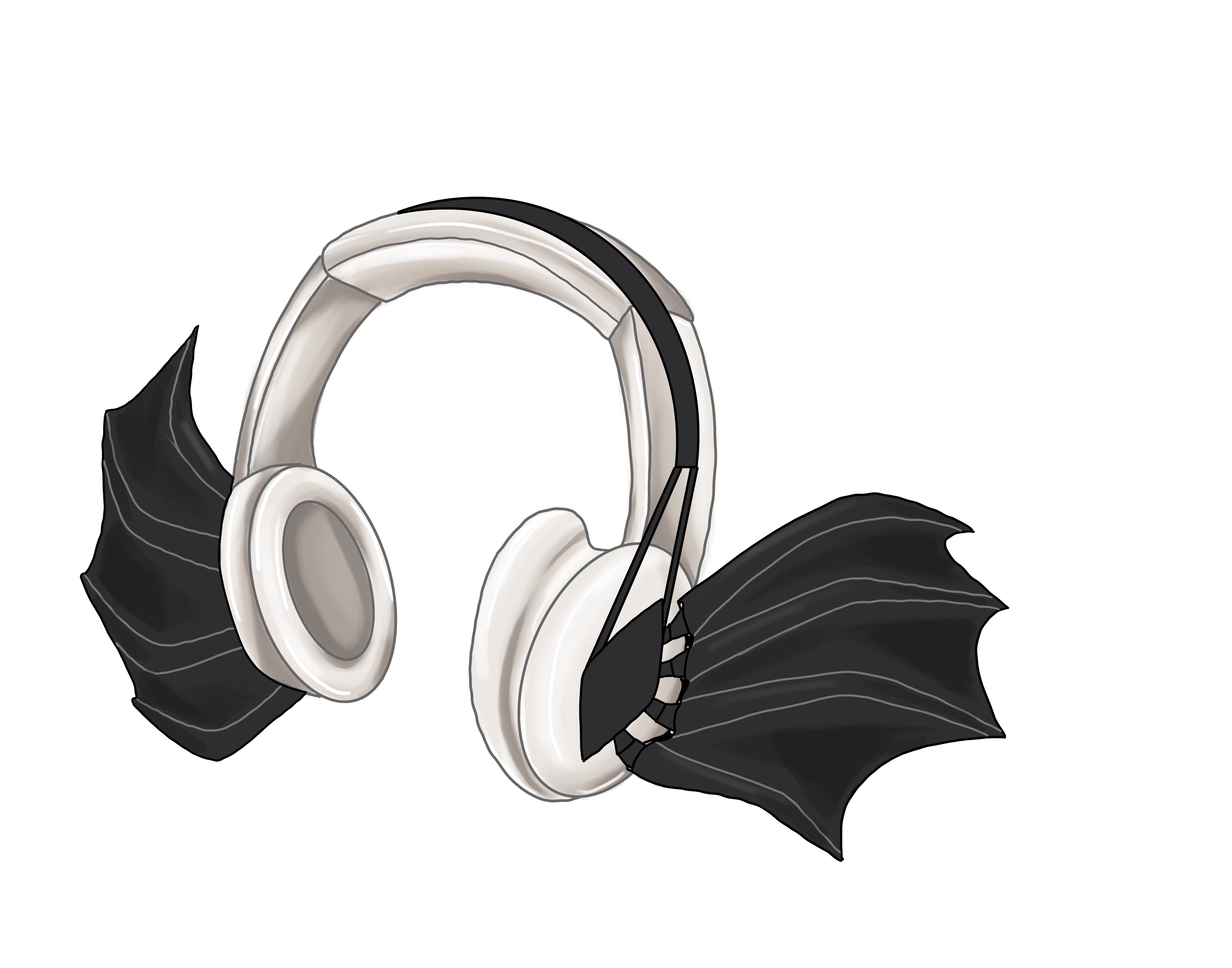
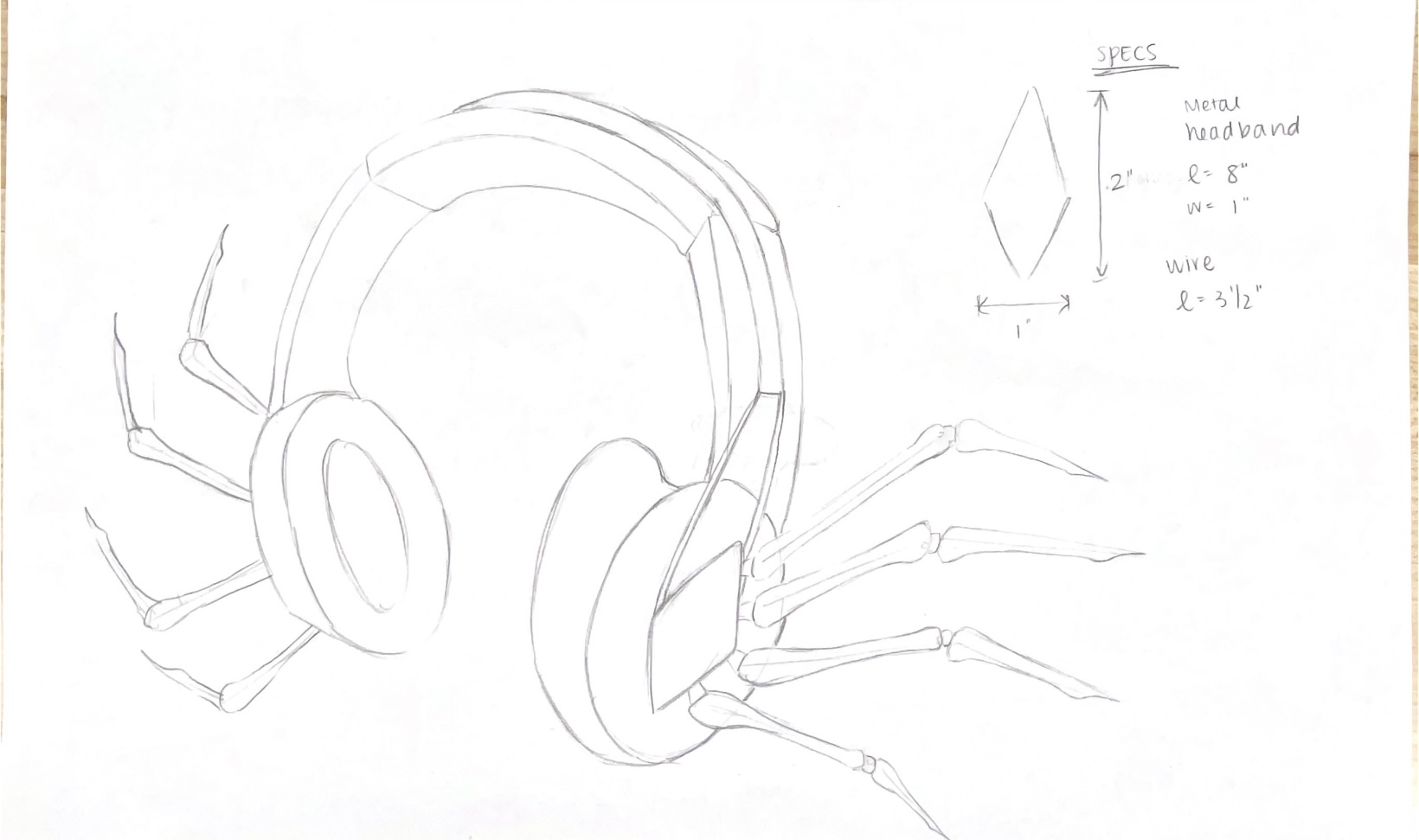
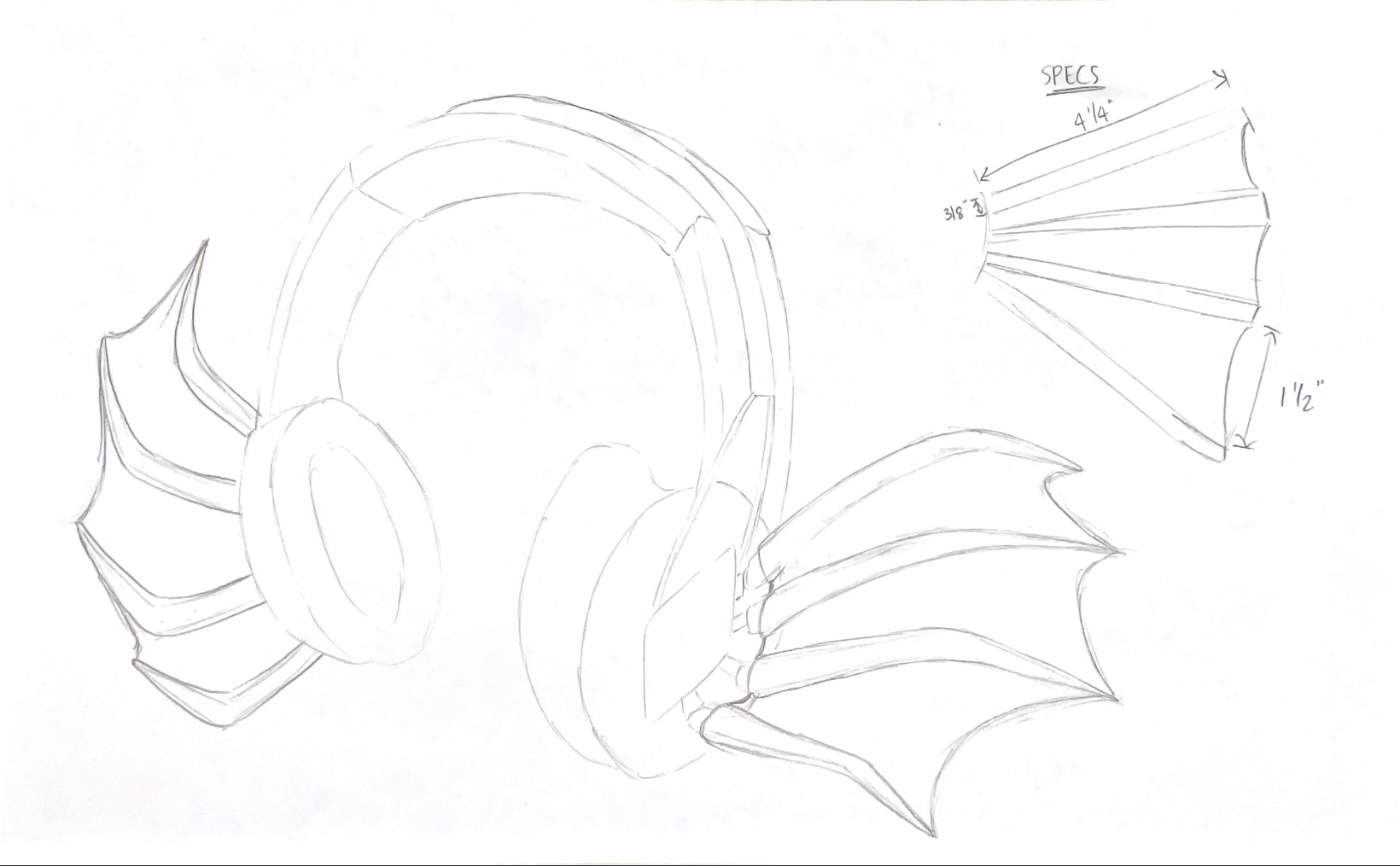
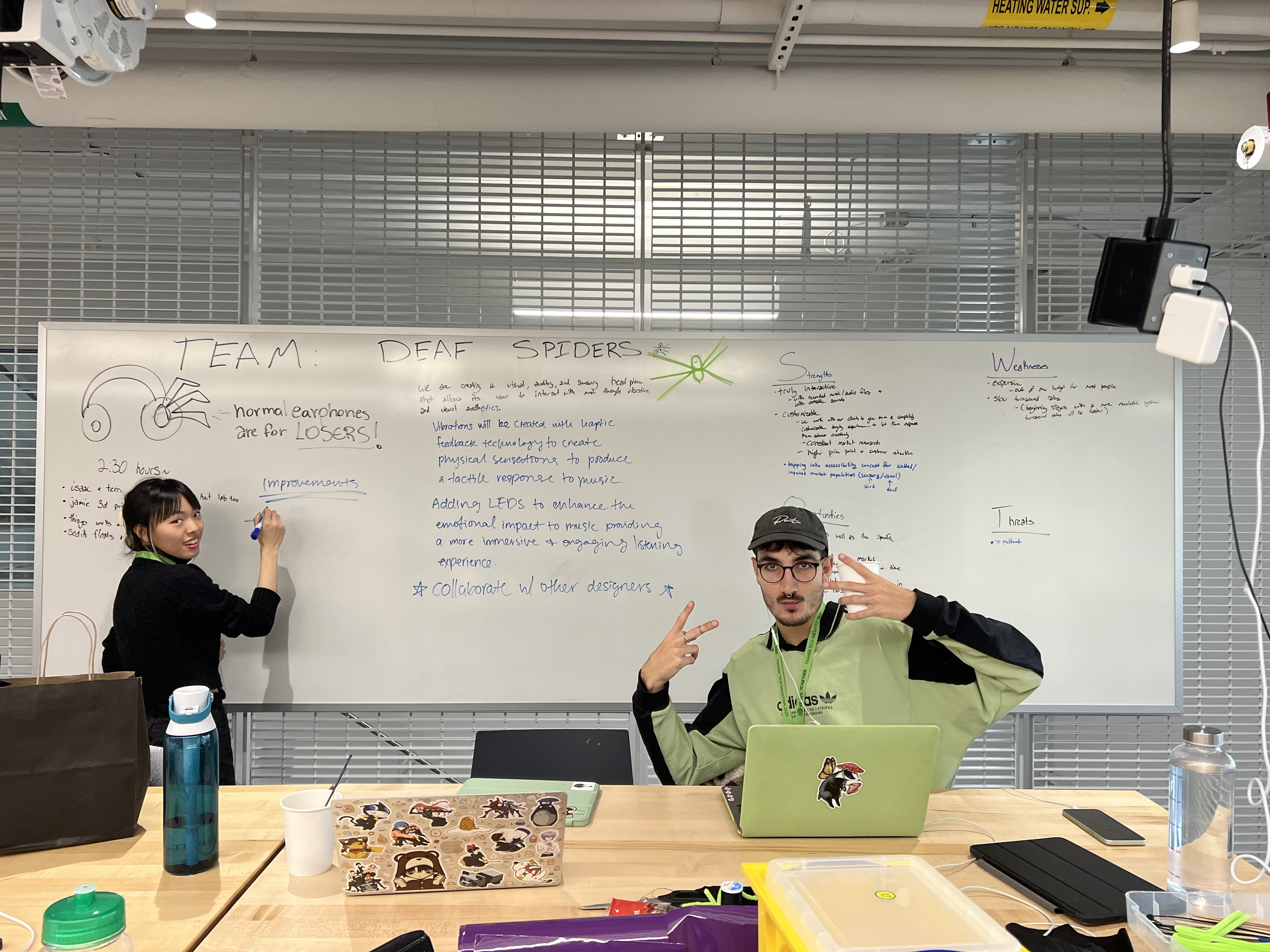
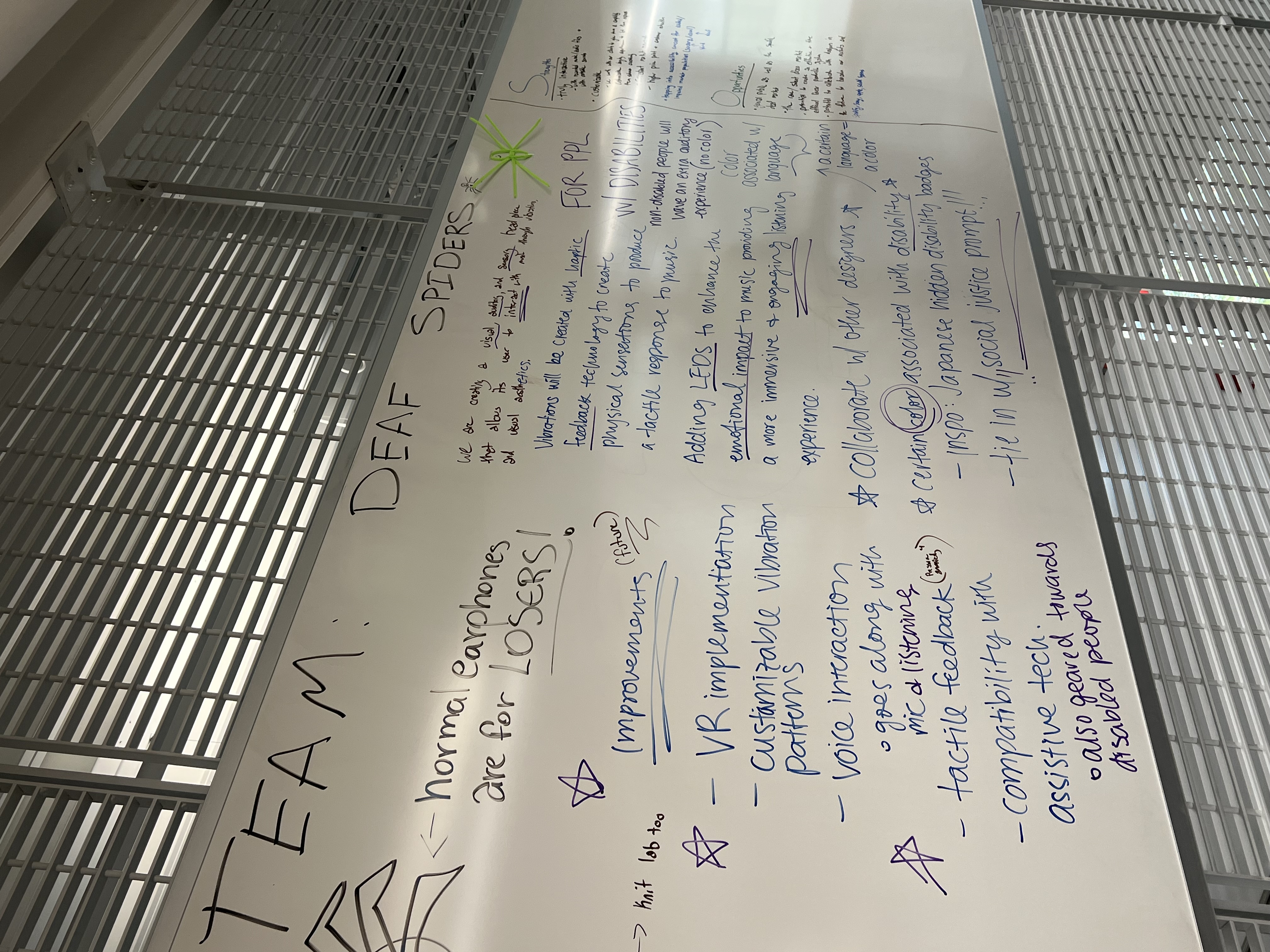
We are creating a visual, auditory, and sensory headpiece that has the ability to clip onto any headphone. This wearable musical headpiece technology allows everyday users to interact with music in a much more engaging manner, tapping into multiple sensory elements through vibrations and visual aesthetics, especially effective for those with auditory impairments. Vibrations will be created with haptic feedback technology to create physical sensations to produce a tactile response to music.
How we built it
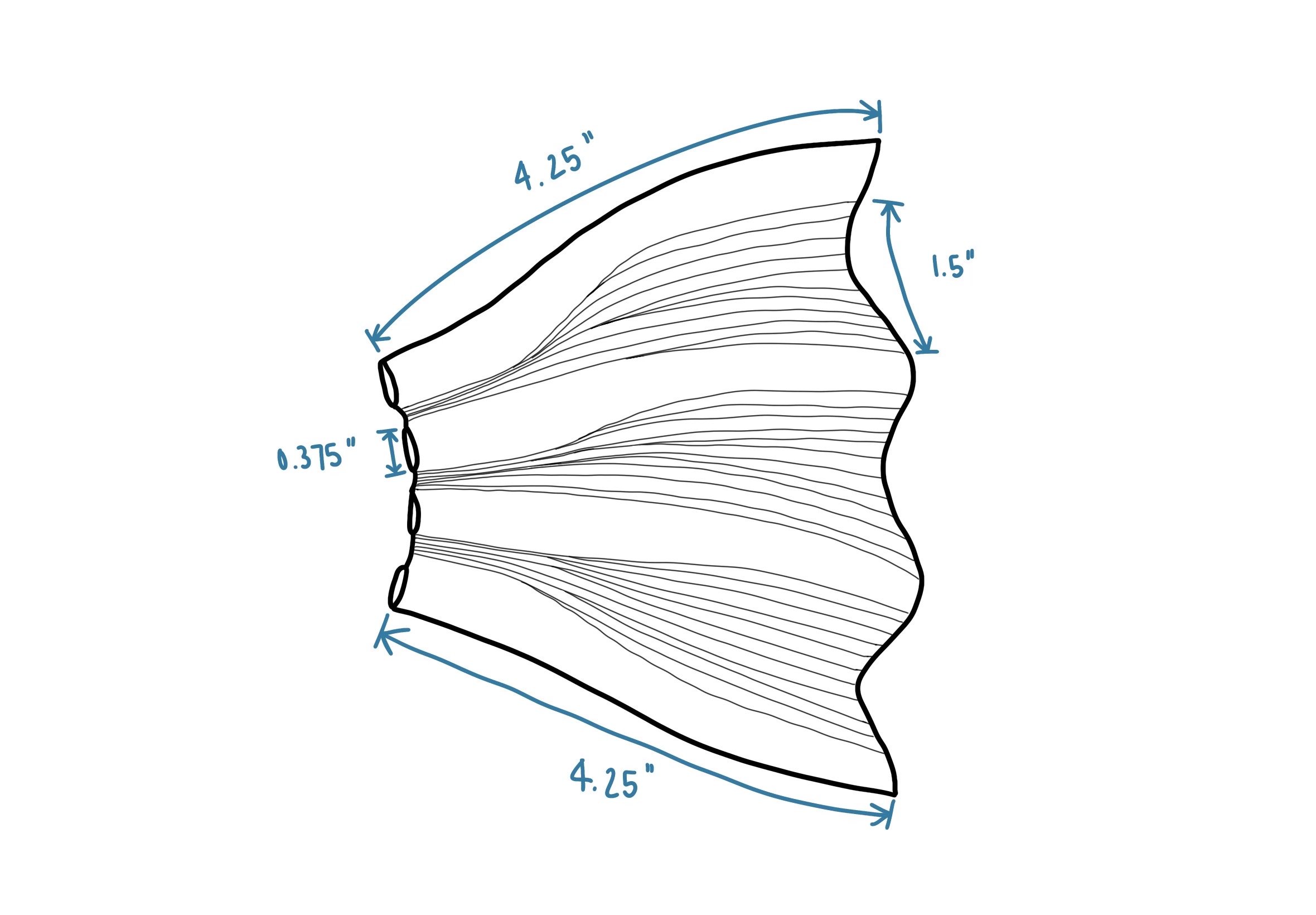
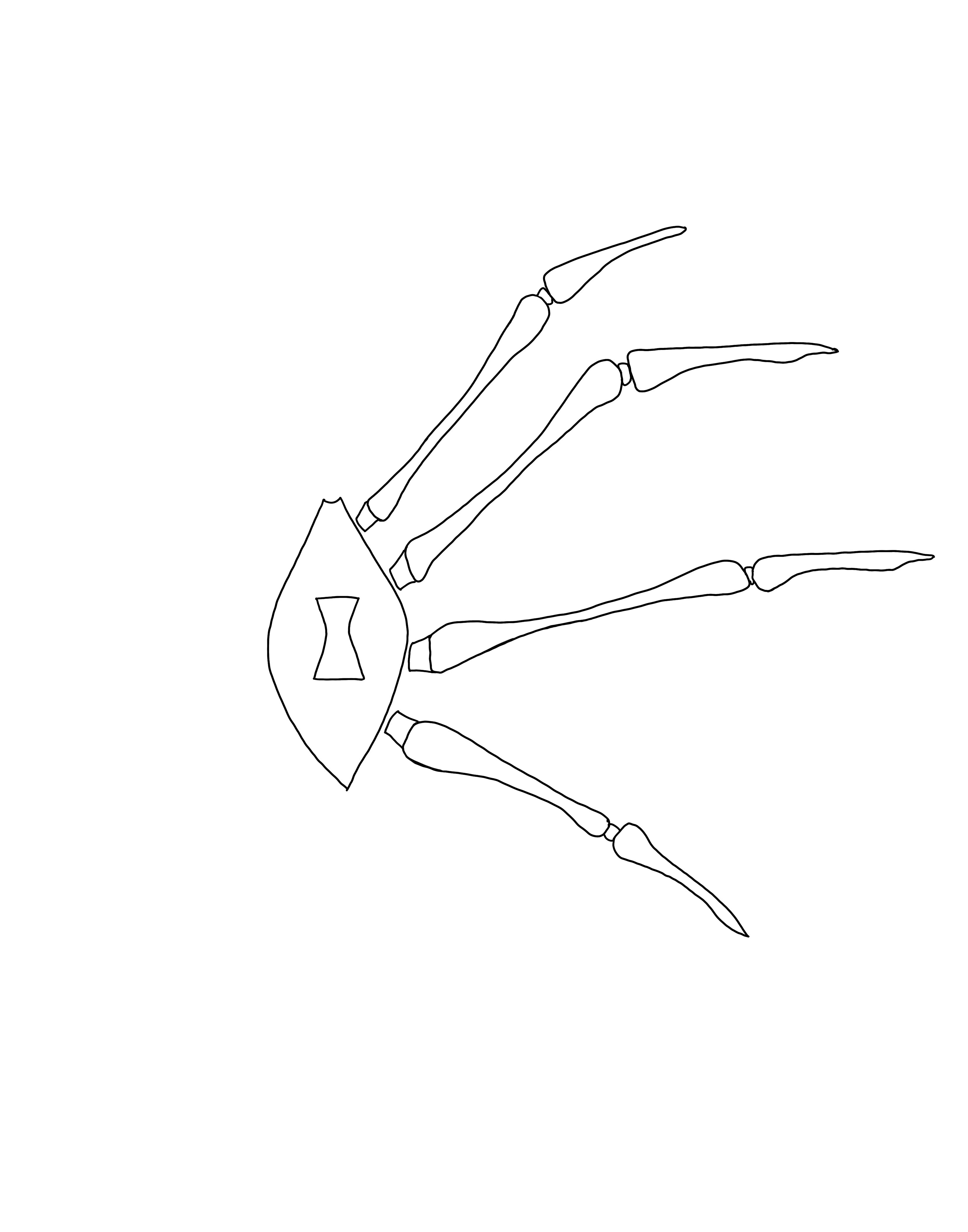
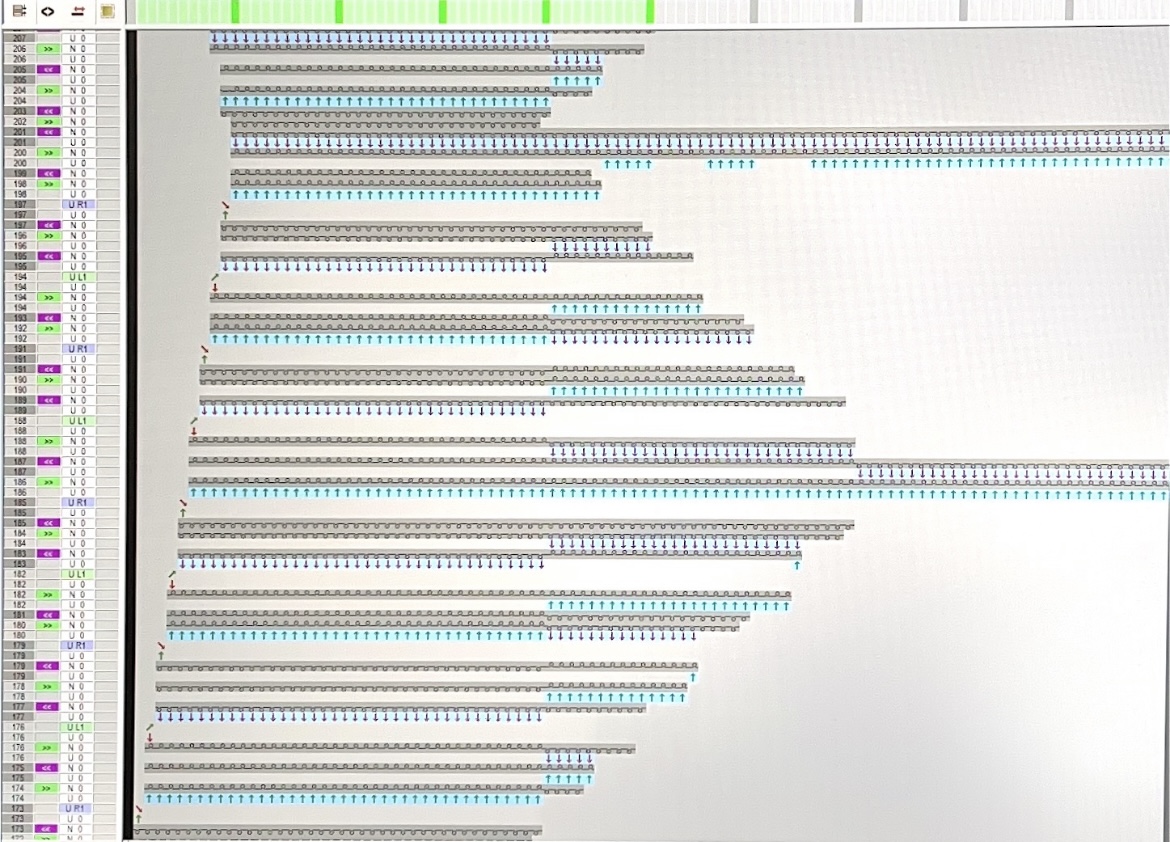
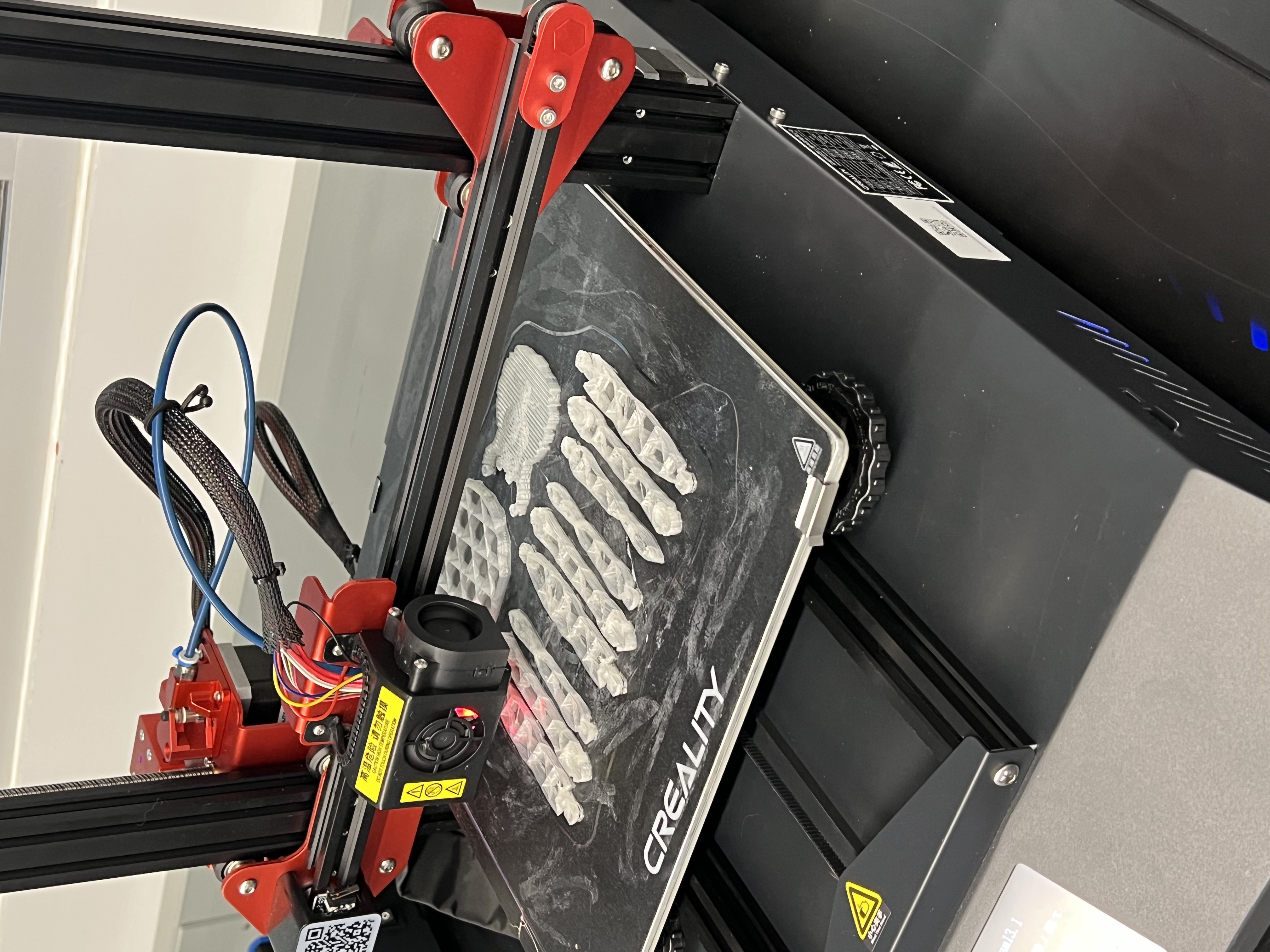
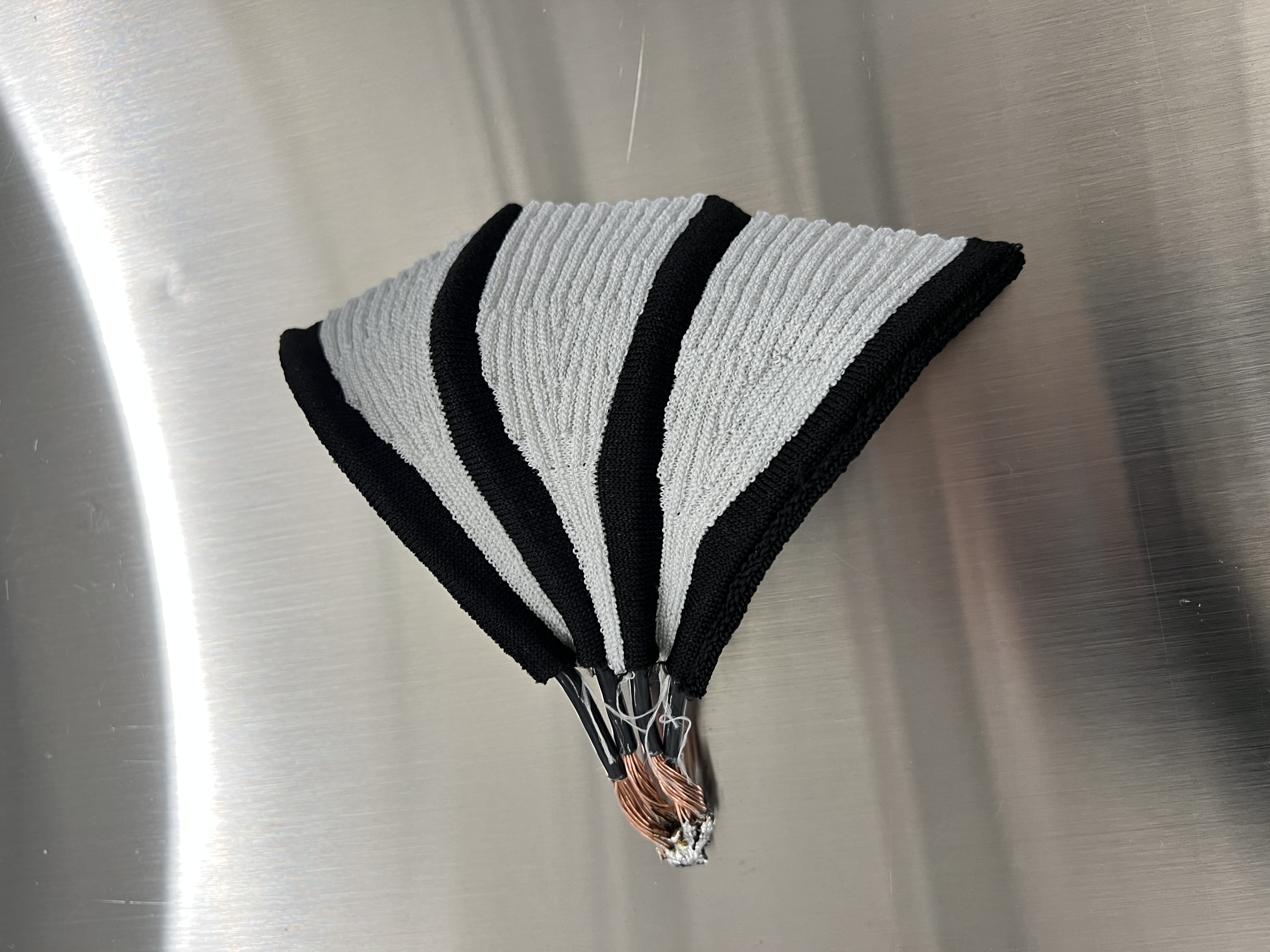
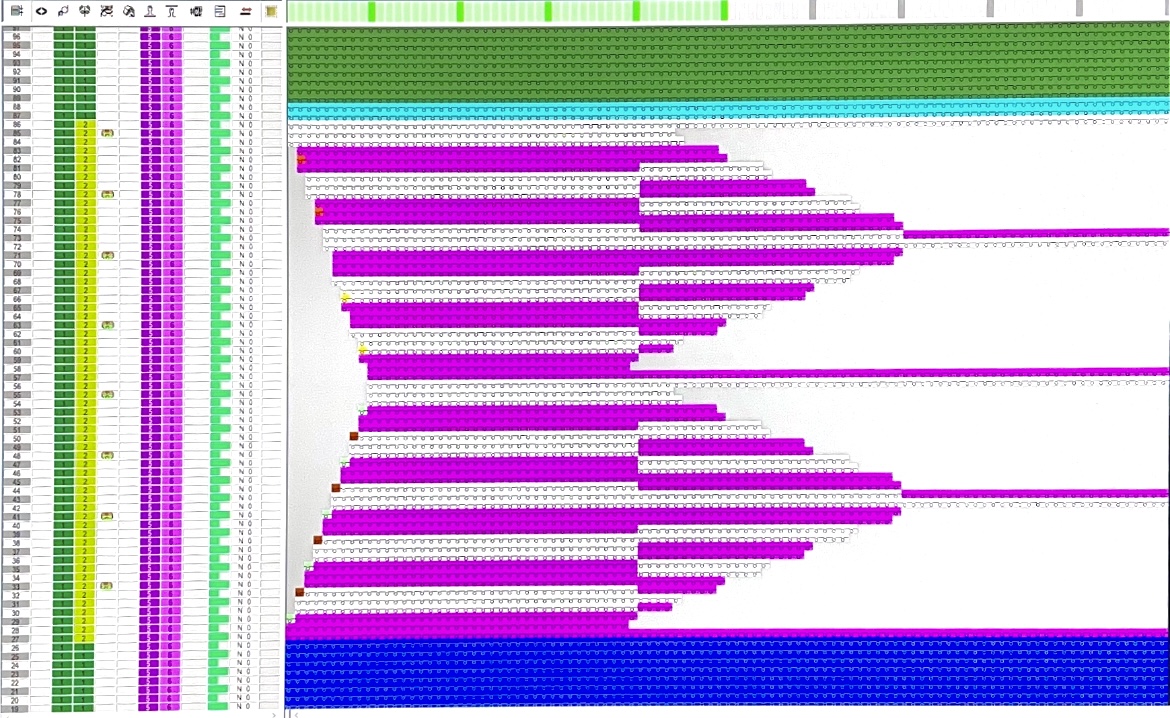
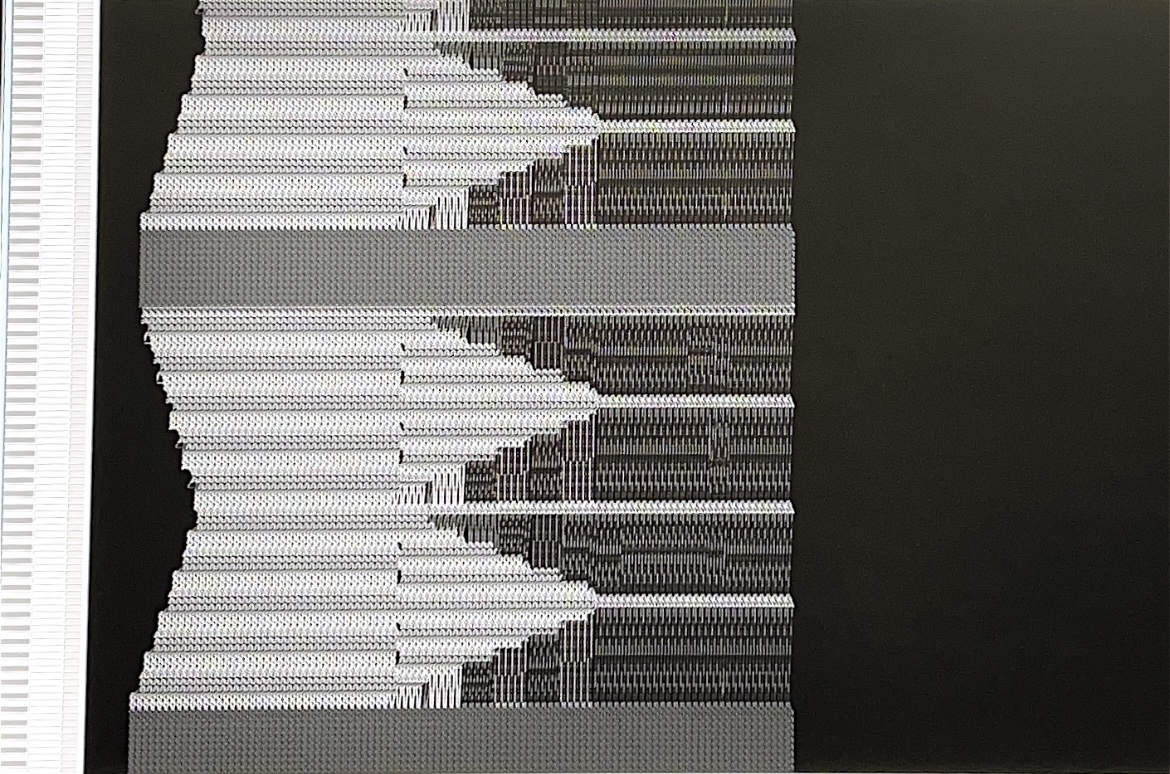
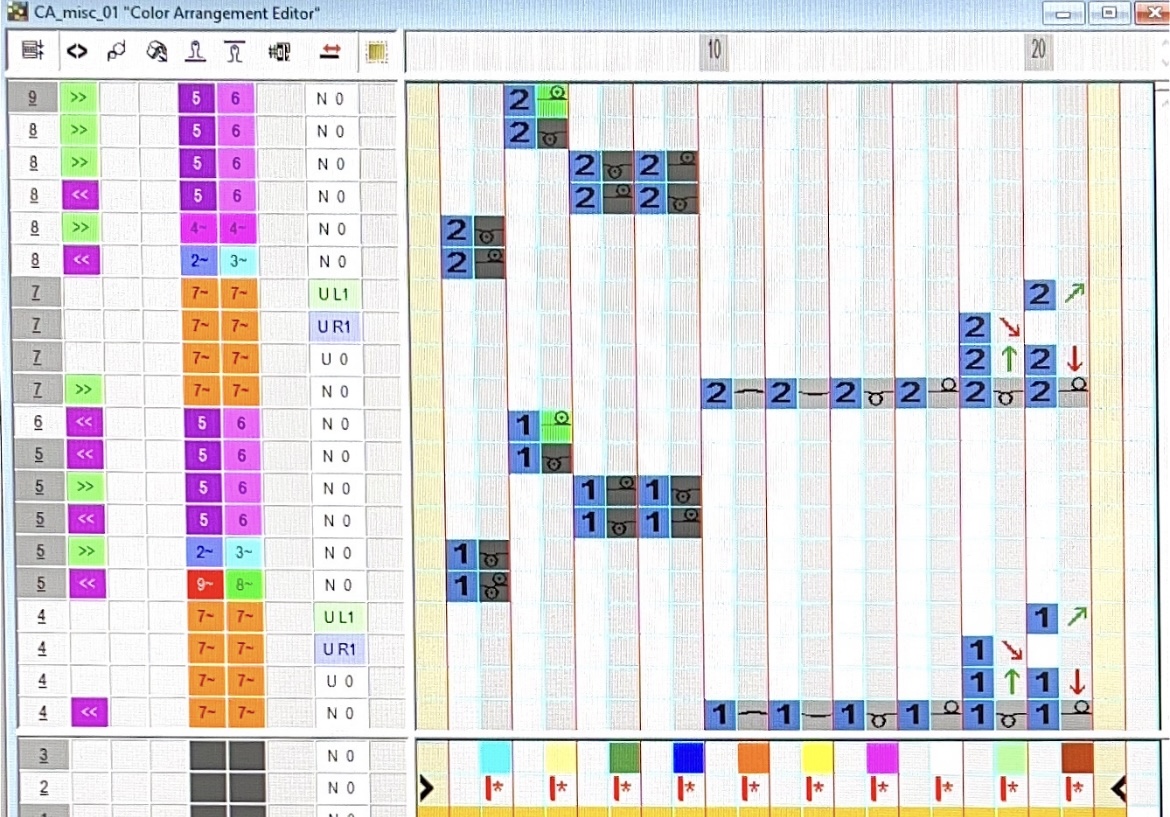
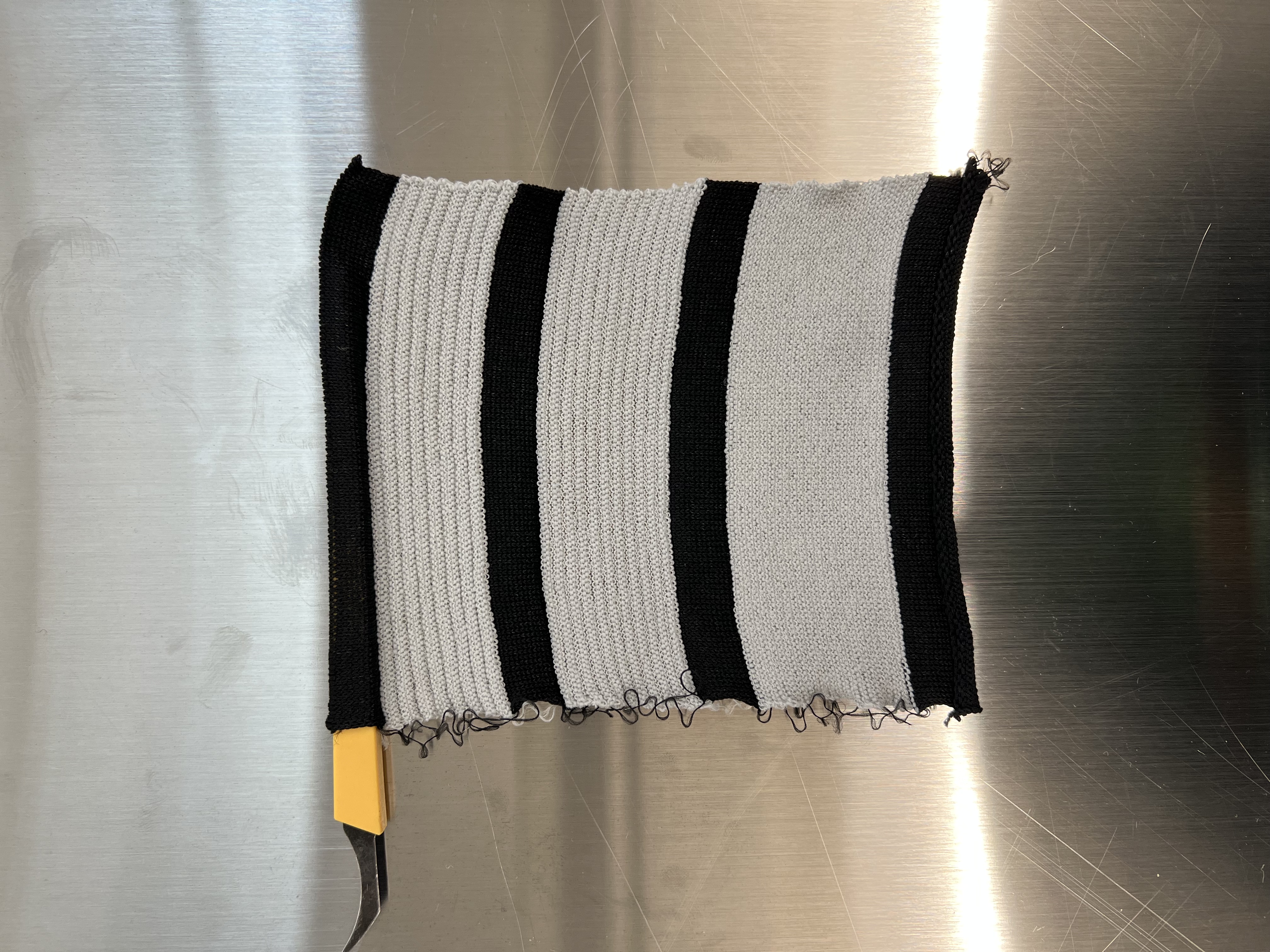
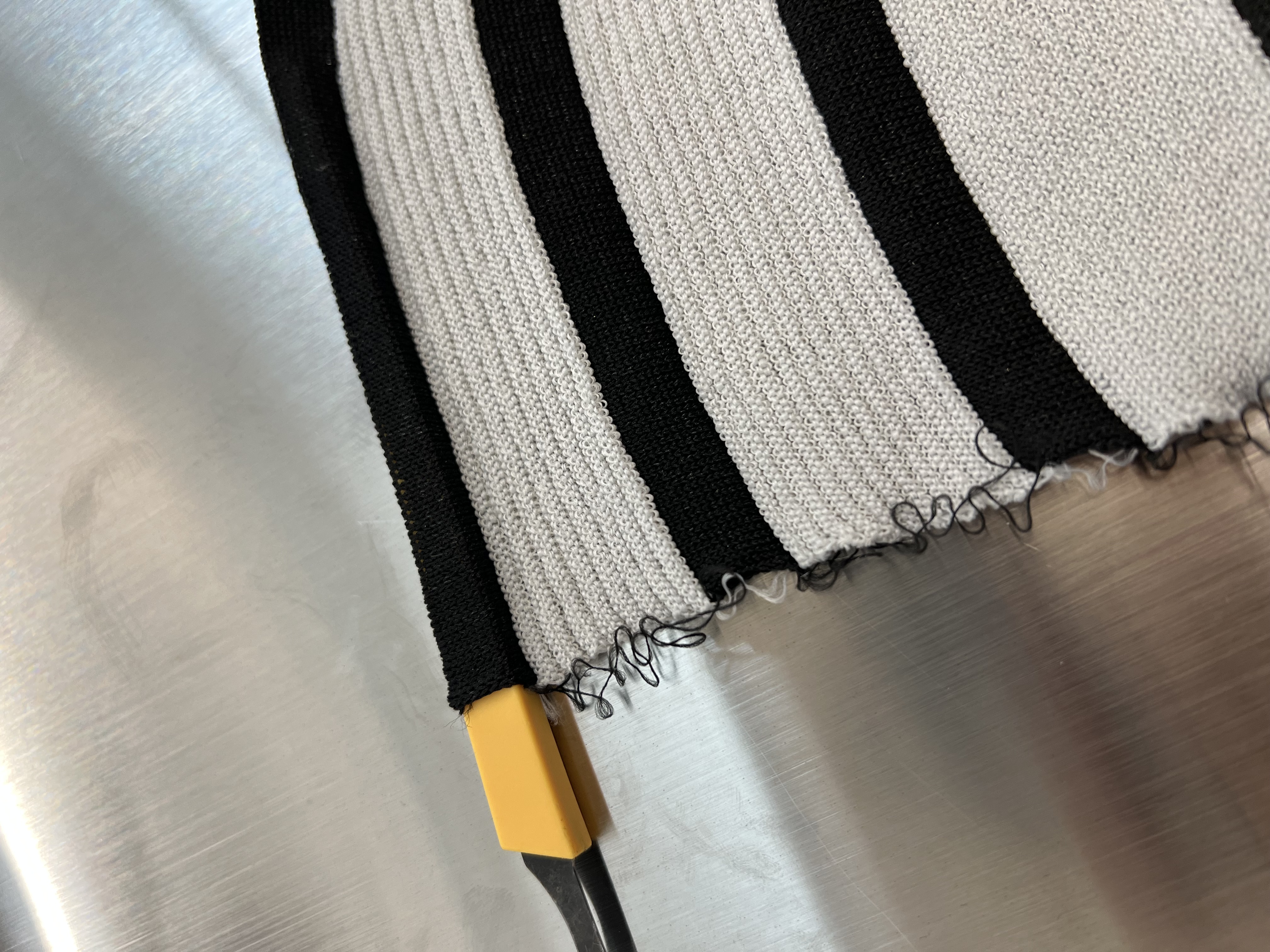
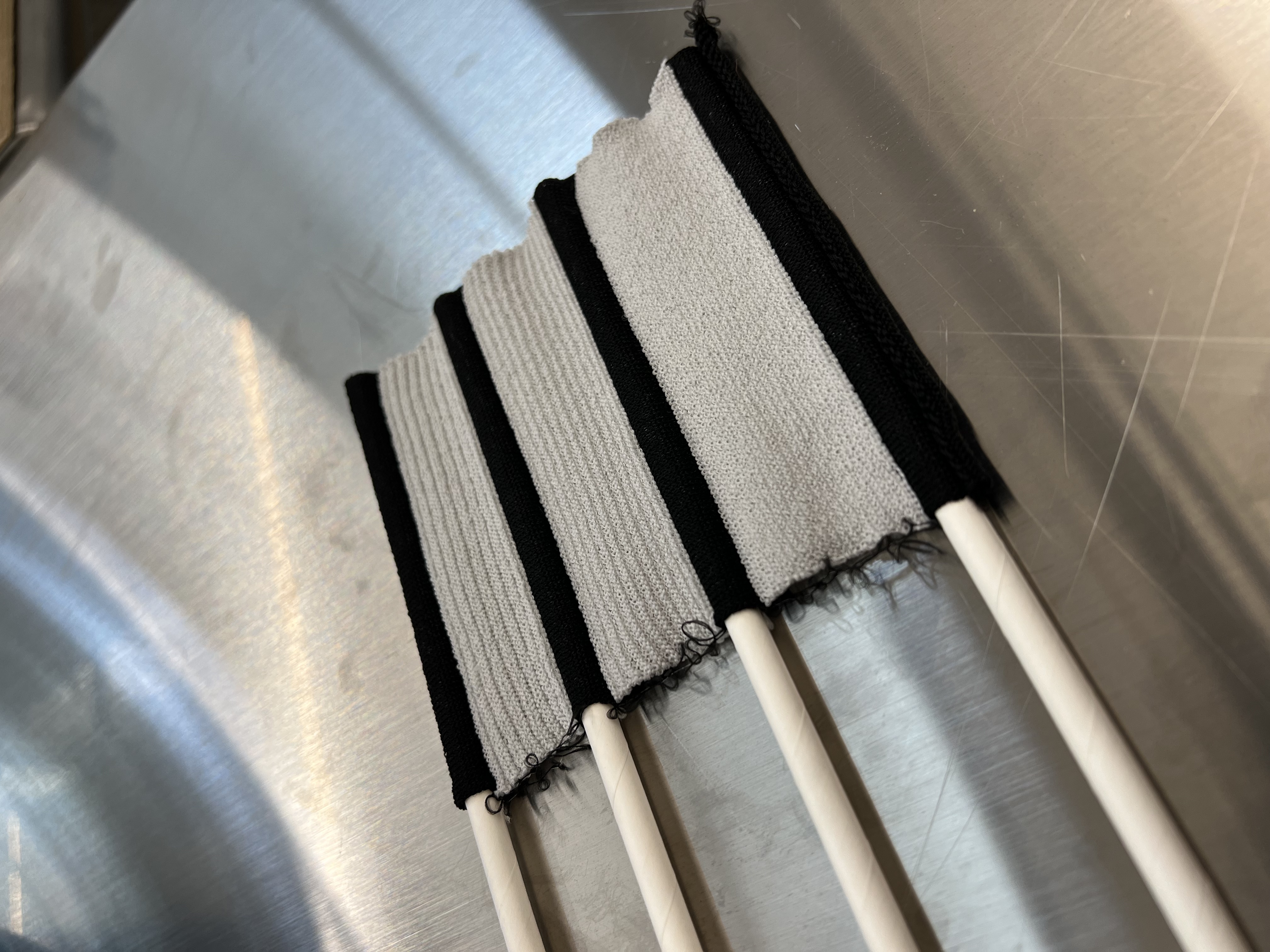
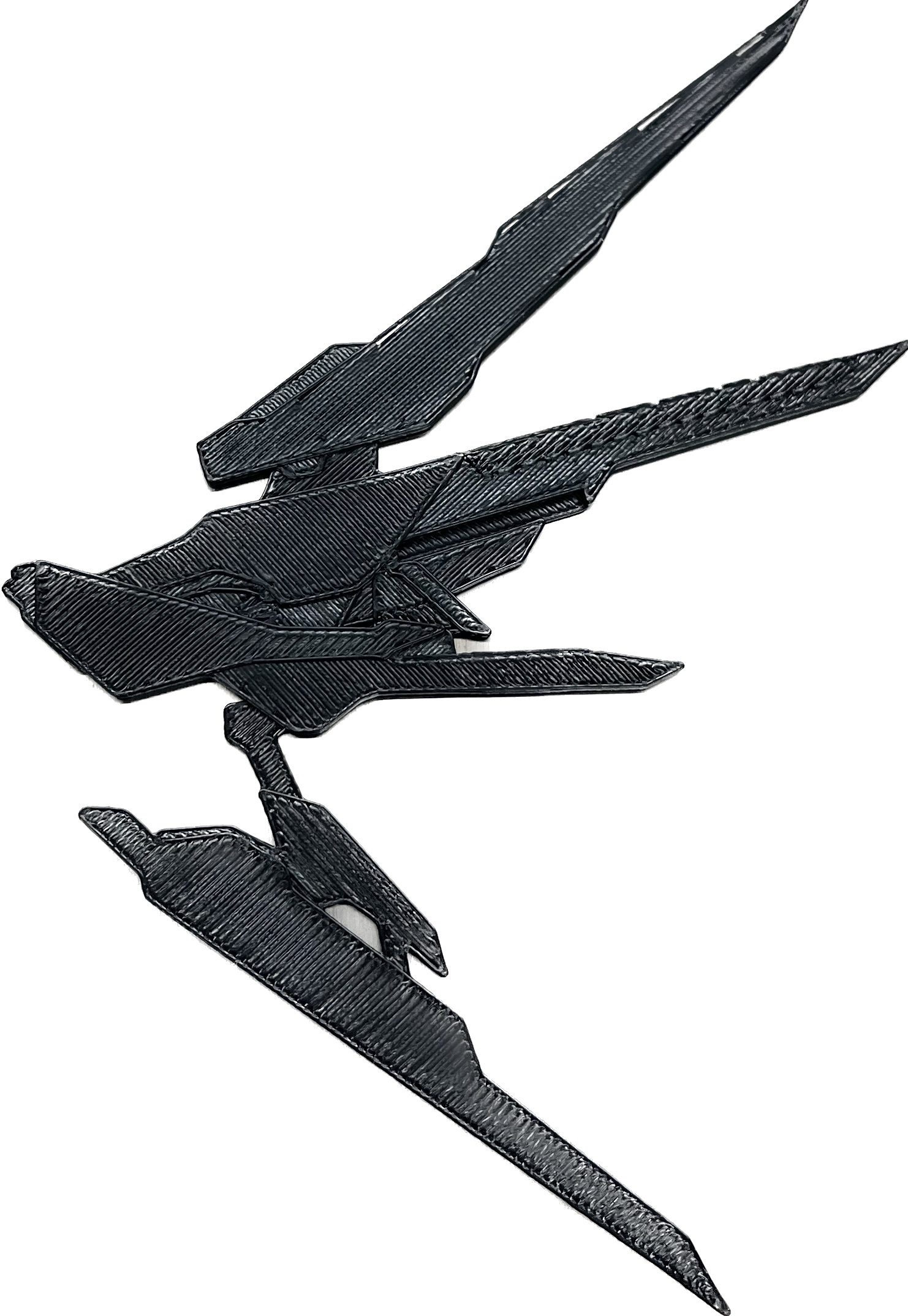
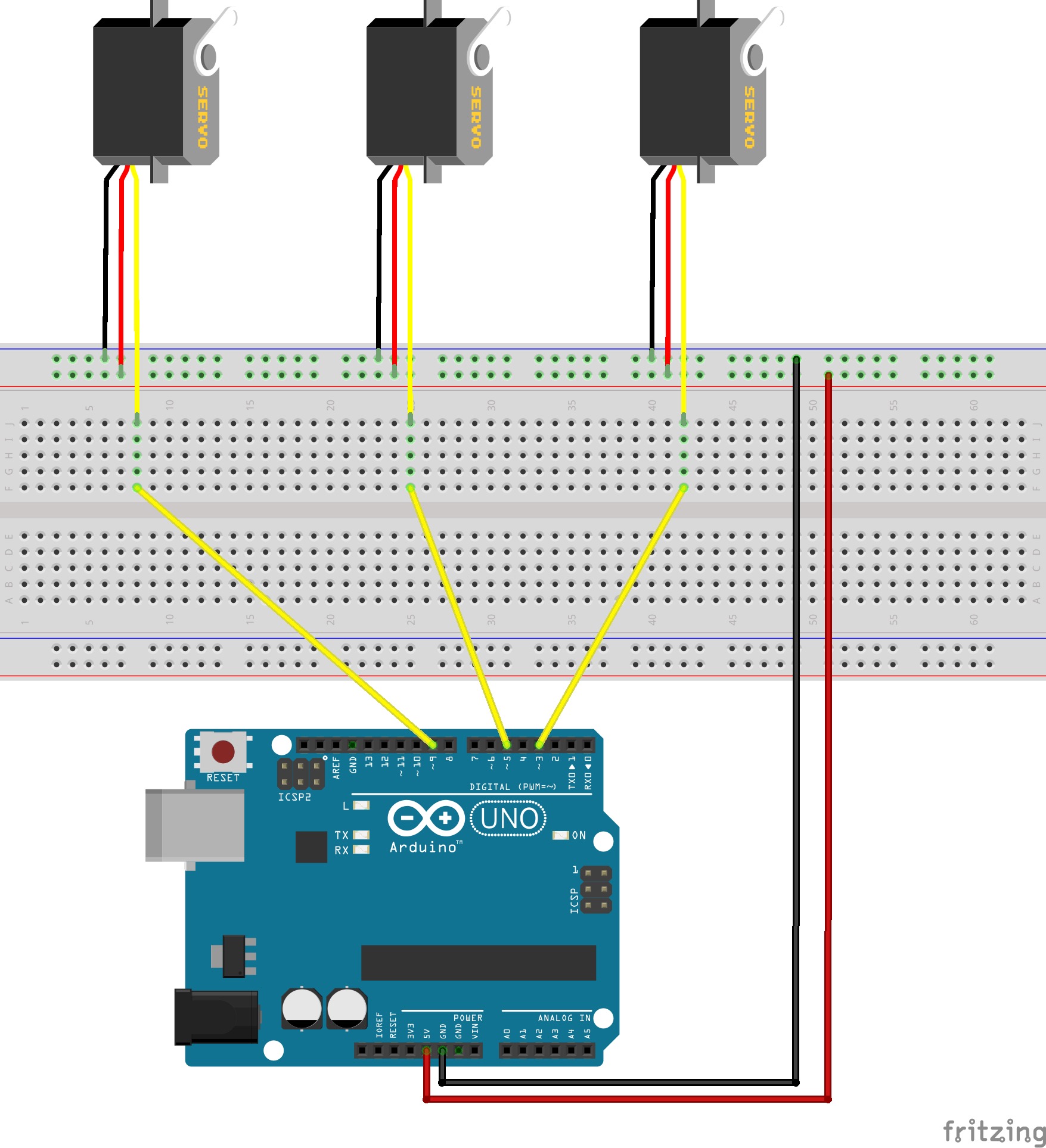
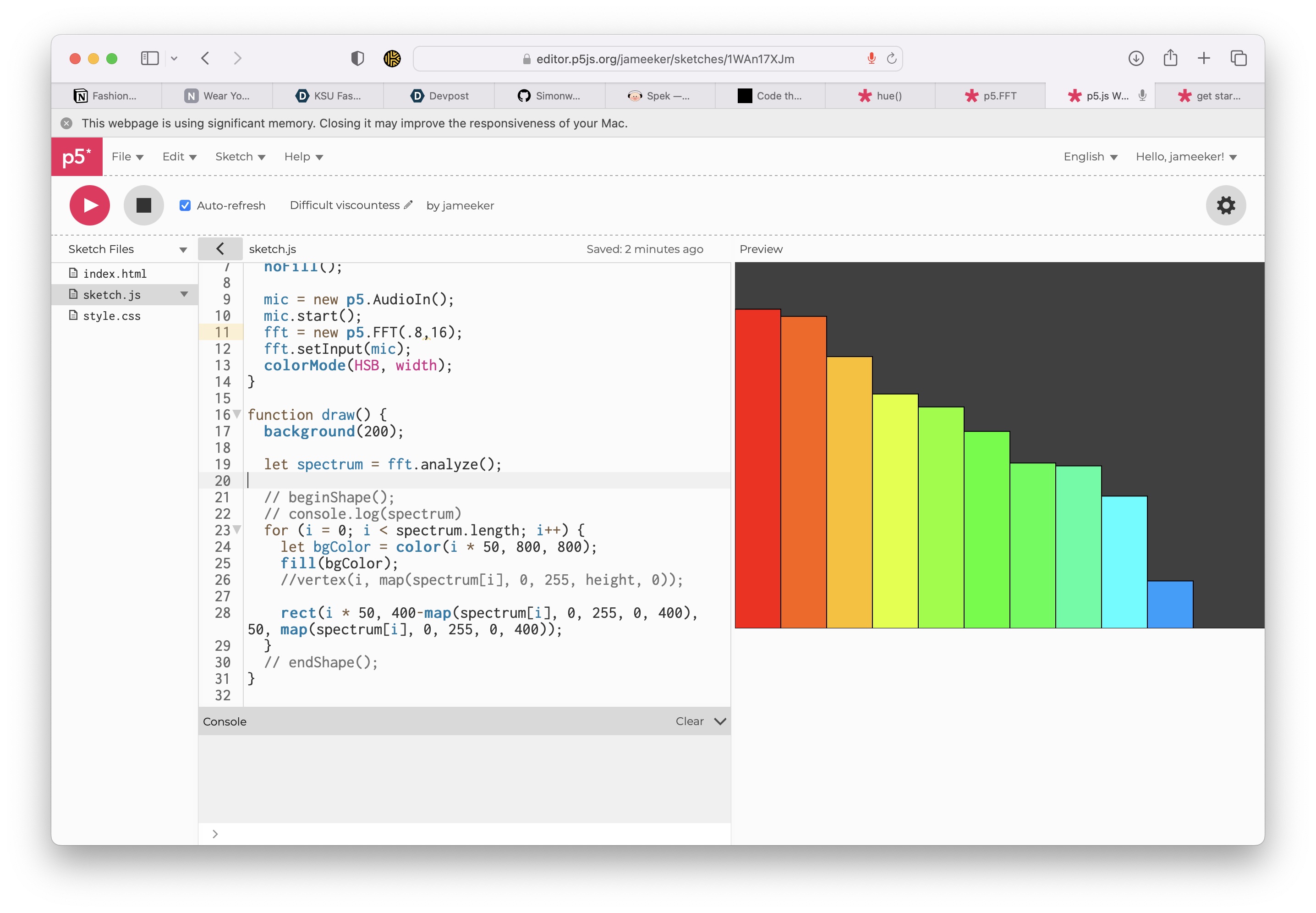
We looked at auditory accessibility issues that were related to the Wear Your Music Maker challenge. after brainstorming ideas and looking at inspiration as a team, we started sketching different designs with various characteristics and aesthetics. Once we had a finalized design, we researched materials and created prototypes. To accomplish a design, we used technical drawing, 3D modeling, digital knitting techniques, and laser cutting to create a real-life model. We wanted to create a product that moves in response to auditory queues, thus analyzing audio frequency information to transform that into rhythmic vibrations for the wearer of our headpiece, creating an immersive and musical experience for all.
Challenges we ran into
Some challenges we ran into was design limitations with the allowed time given, technical ability and navigating new technology to bring our product to life, and team communication.
Accomplishments that we're proud of
We're proud of our teamwork and collaboration in an unfamiliar environment, all teammembers participated and utilized their individual strengths to seamlessly progress our content and design to create a final outcome that was cohesive and are proud of.
What we learned
We learned about planning, the design process, how to navigate technical and material limitations, compromising as a team, group communication, and how to balance realistic expectations throughout the lifecycle of bringing a product to life.
What's next for Deaf Spiders
In the developmental stages we will be fleshing out how the motors will move in space and react to the highs, mids, and lows of audio. Create multiple working prototypes to test their wearability and practicality with that of people with hearing disabilities. We aim to work very closely with our future clients to make sure our product is the best version of itself and serve our clients with the utmost respect. In the future, there could be a sync feature and communal aspect as there would be multiple people with headpieces. An example would be at a music concert, rave, or dance festival multiple wearers of the headpiece would be in sync if in close proximity. Movement of the legs would be synced amongst wearers. Additionally, there are plans to add LED lighting which would aid to the cohesiveness of the design, more sensors that would provide aid for accessibility purposes (such as vibrations), and any other aesthetically robust features that may add to the product.
Built With
- adobe
- adobe-illustrator
- afteraffects
- arduino
- c++
- javascript
- m1plus
- p5js
- photoshop
- premiere
- python

Log in or sign up for Devpost to join the conversation.