-
-
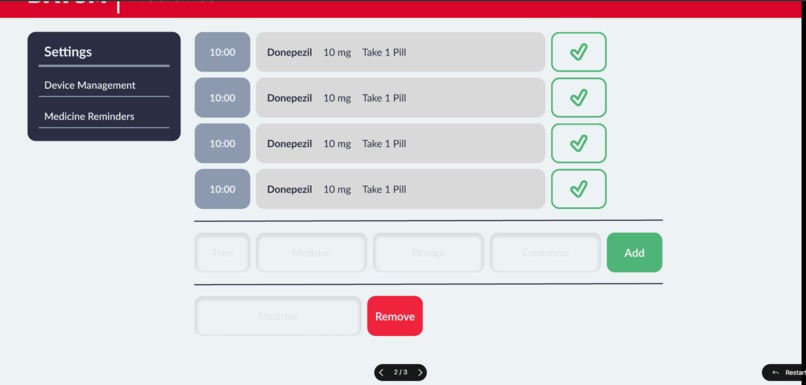
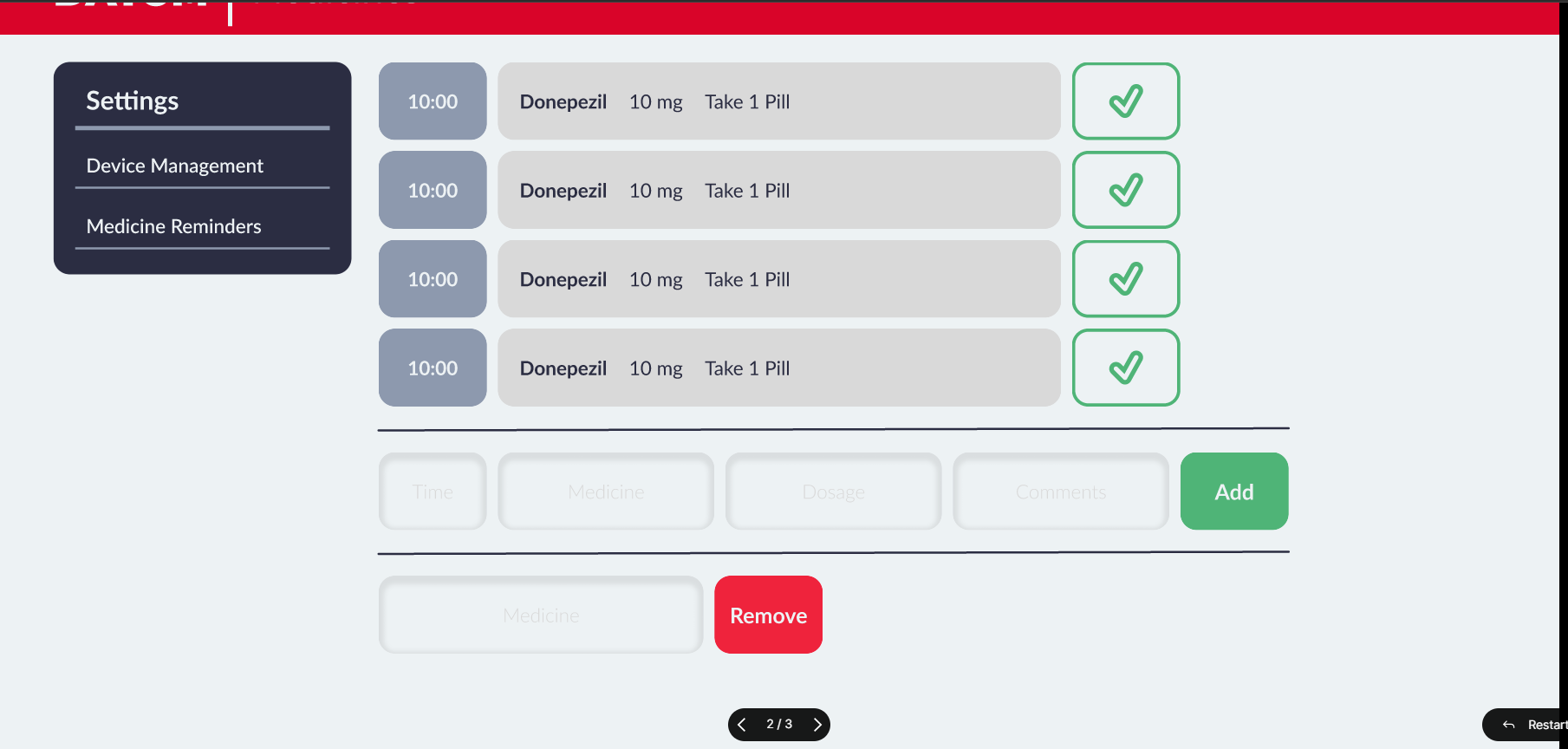
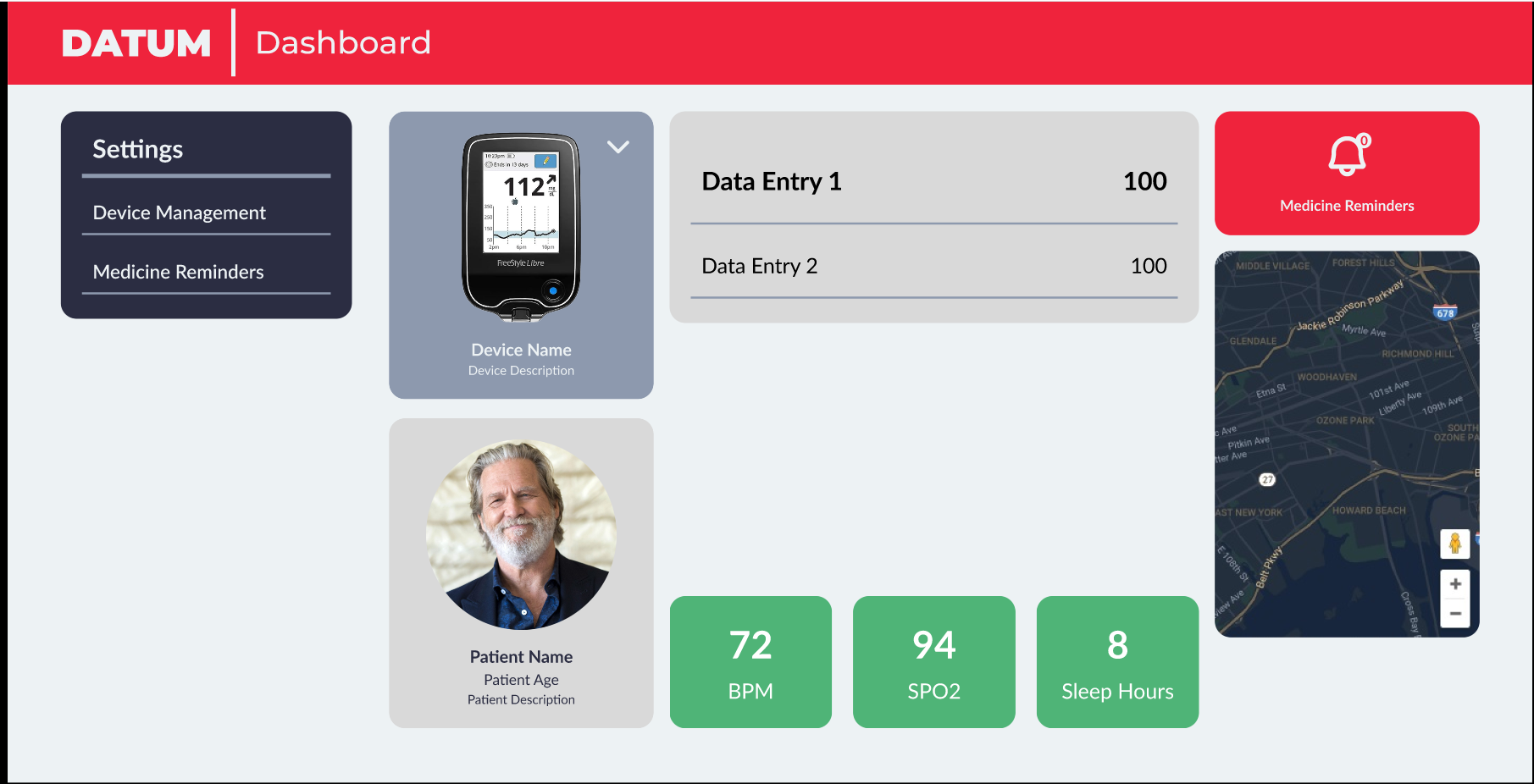
Medicine Reminder Screen
-
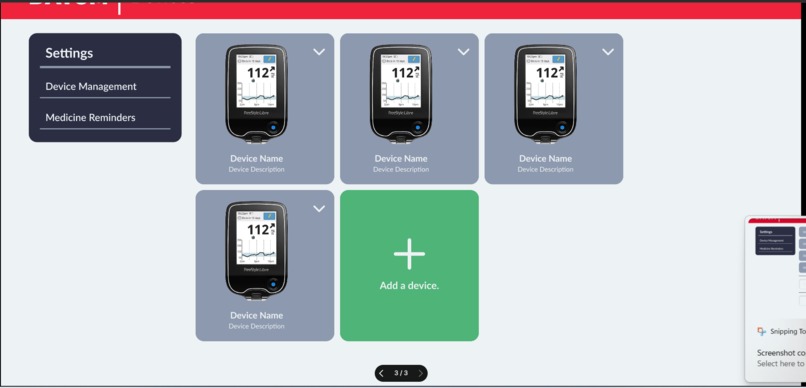
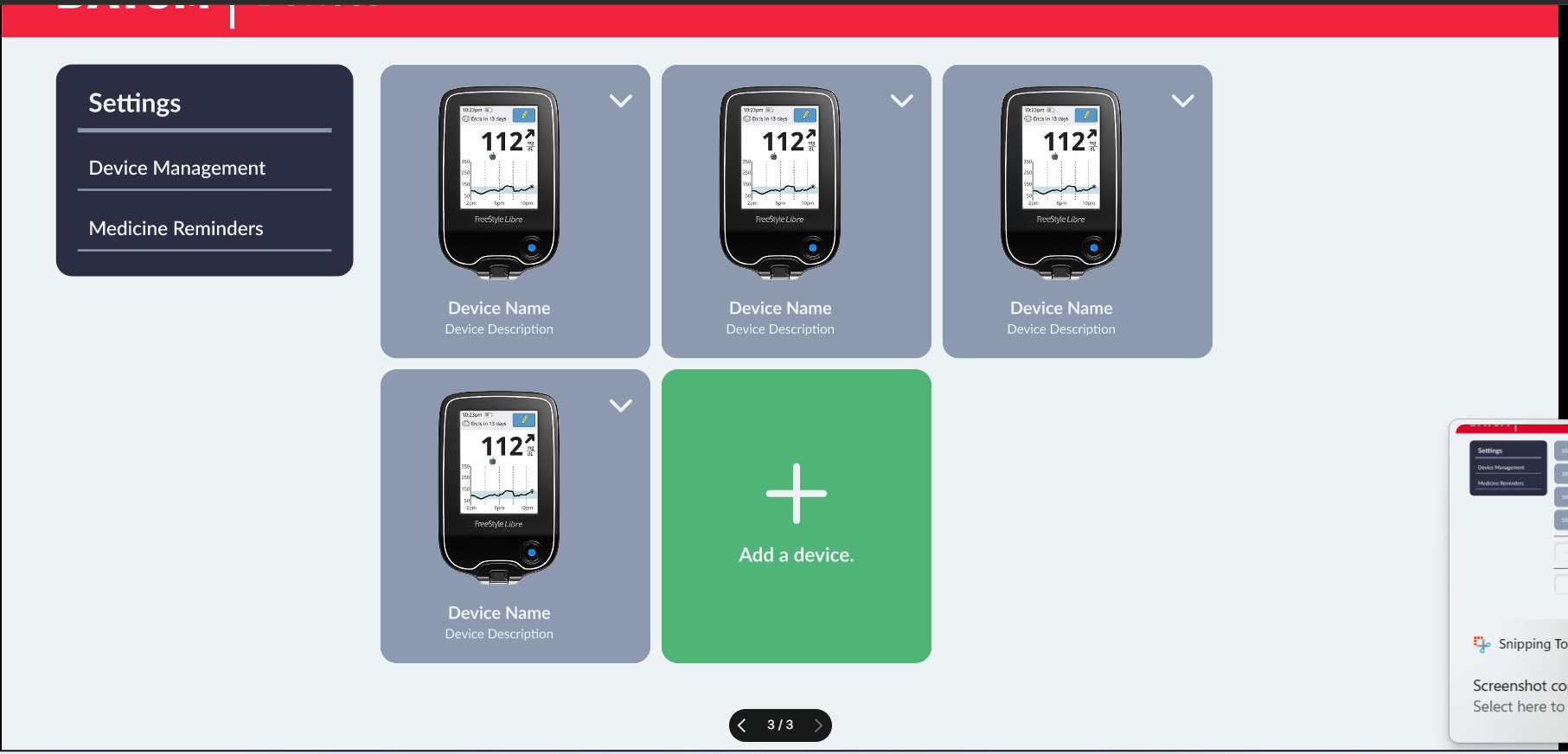
Device Manager
-
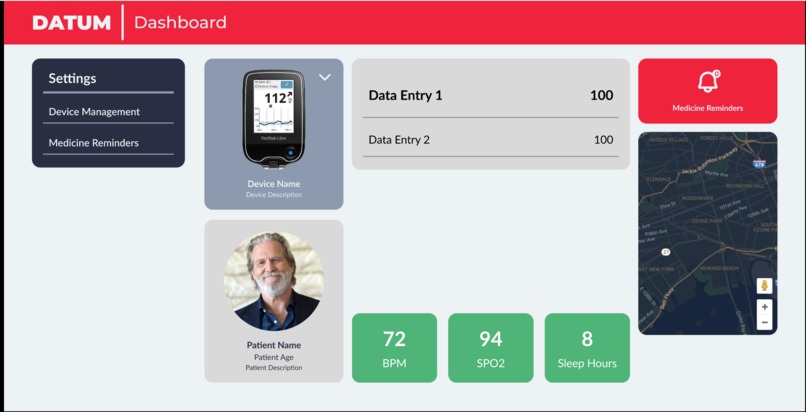
Dashboard
-
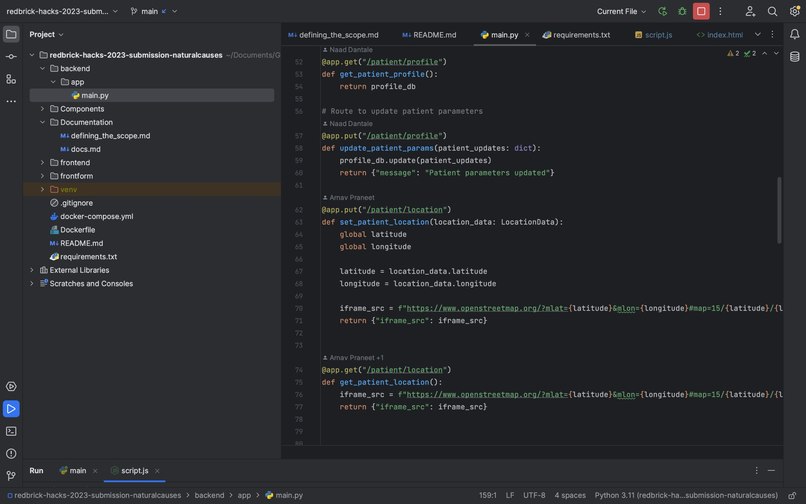
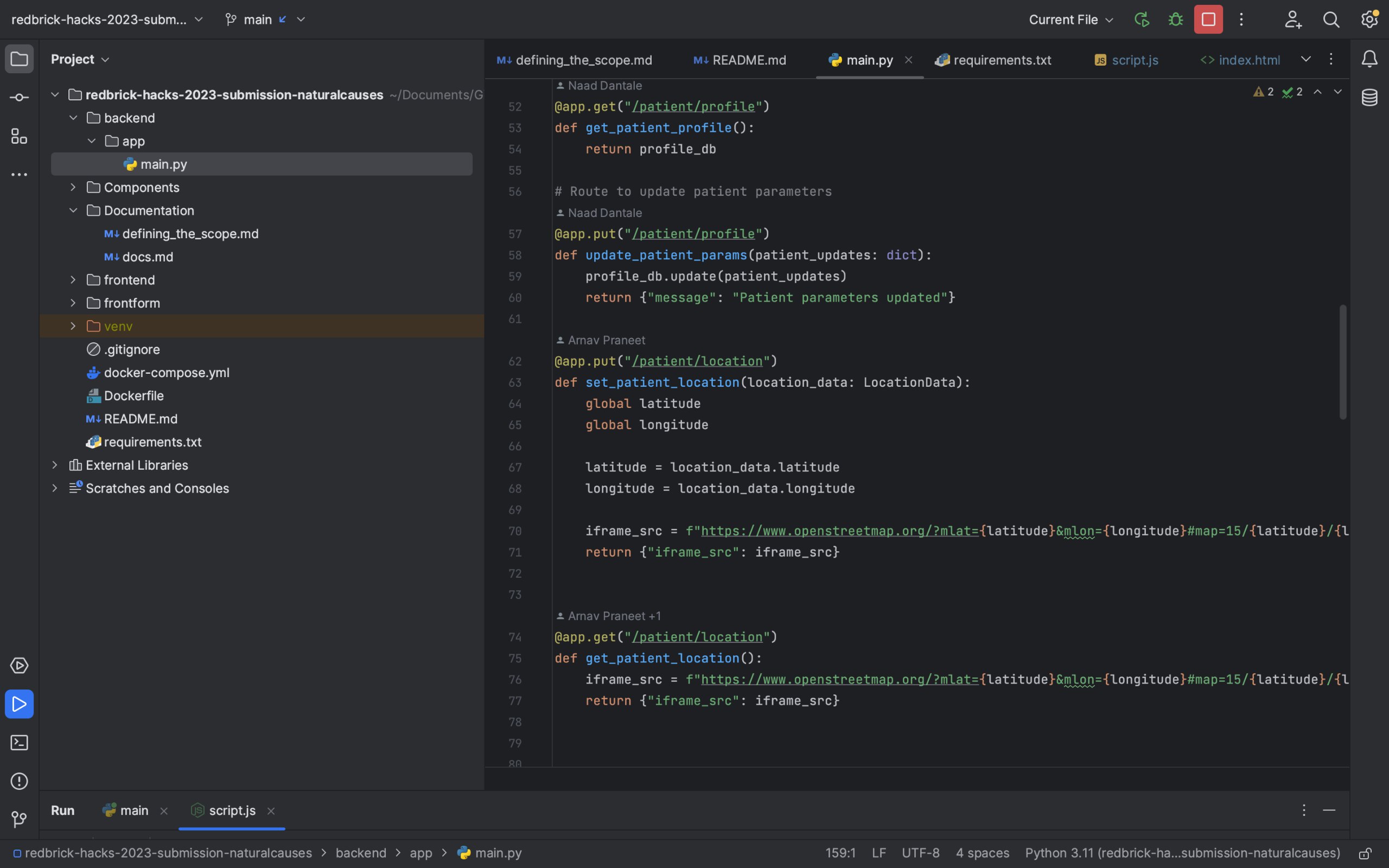
Code Snippet
-
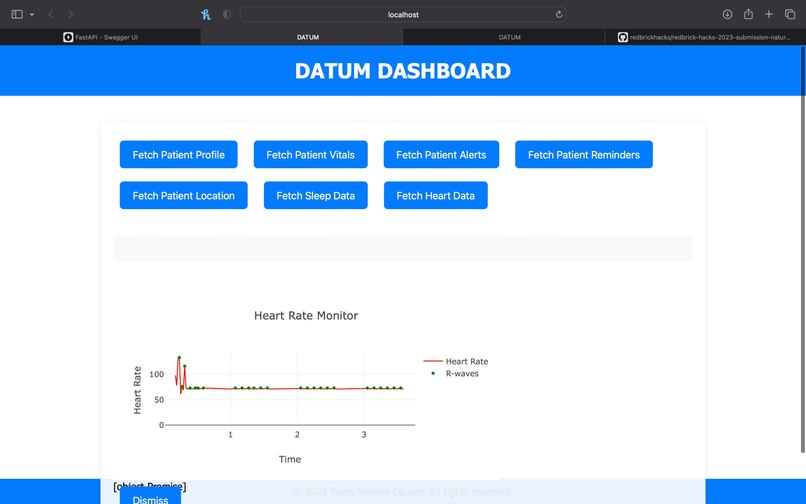
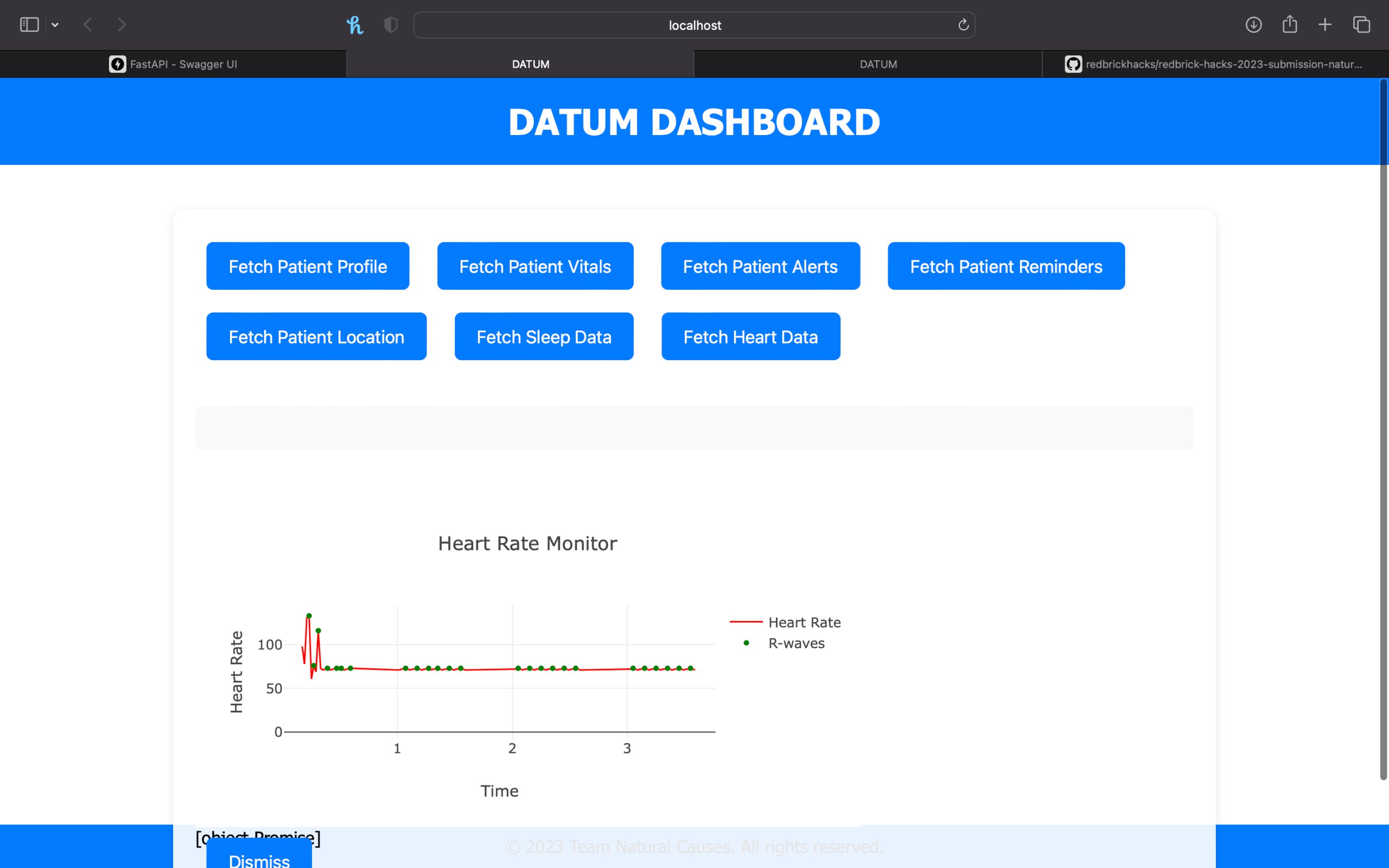
Working Skeleton Webpage
-
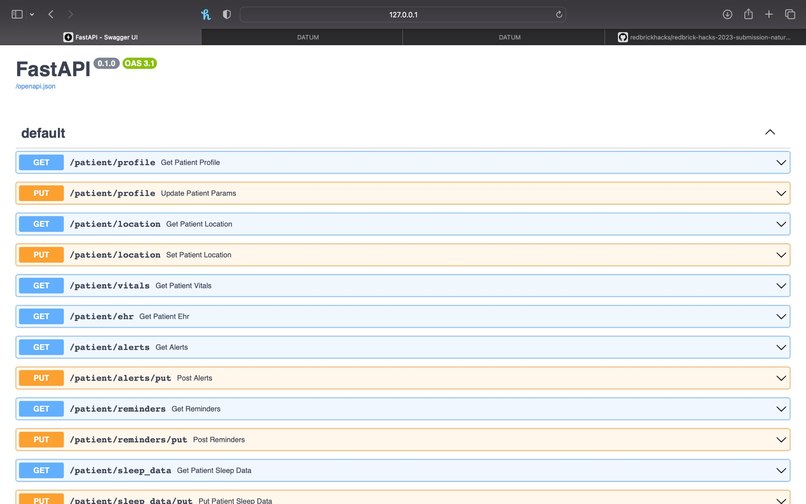
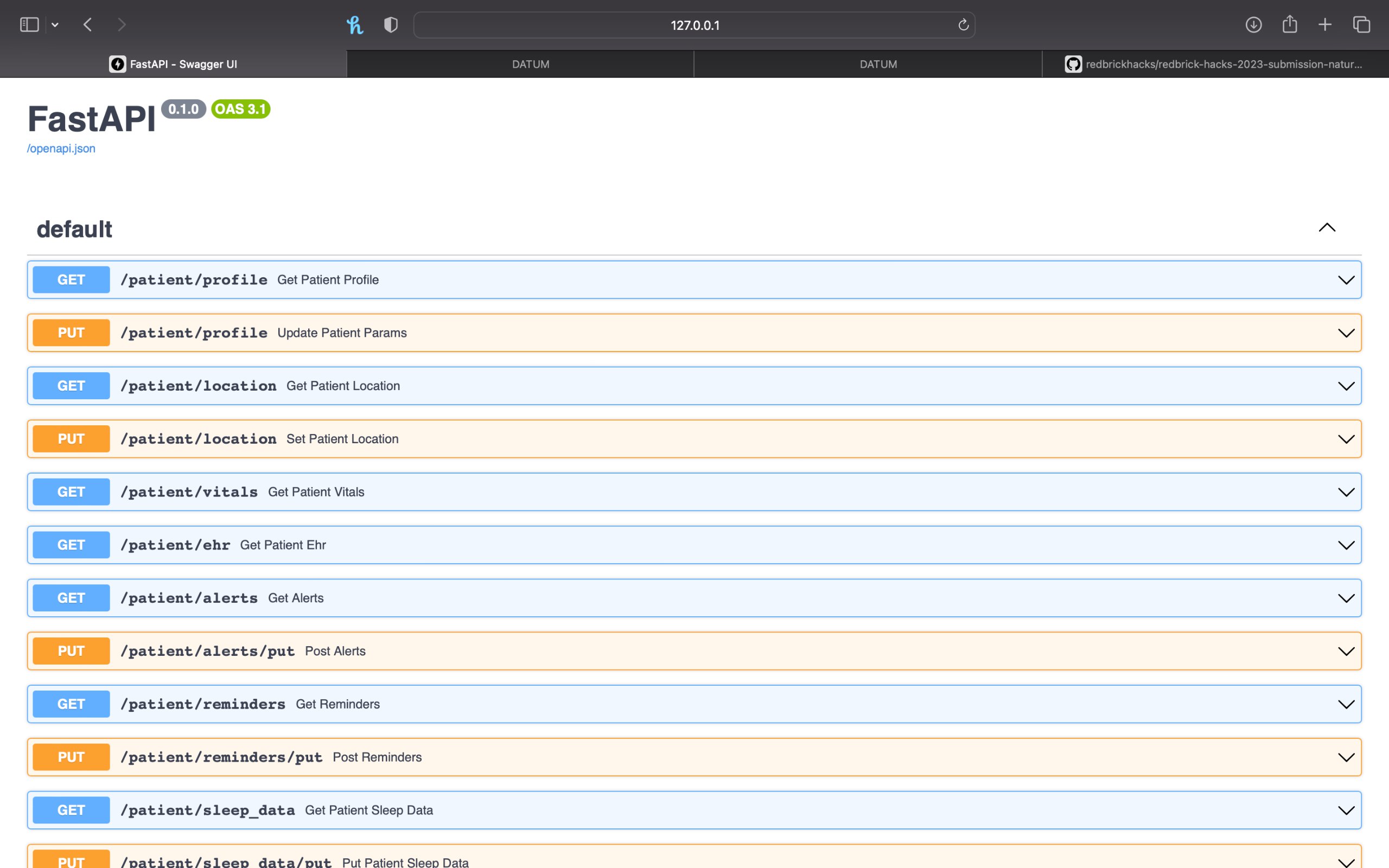
API Dashboard
Inspiration
The inspiration behind DATUM - Dynamic Assistive-Tech Unifying Mechanism stems from the growing need to address the challenges faced by individuals living with dementia. As the prevalence of dementia continues to rise, there's a pressing need for innovative solutions to improve the quality of life for these individuals. DATUM seeks to revolutionize dementia care by creating a connected ecosystem of medical devices, enhancing communication, insights, and support for both individuals and their caregivers.
What it does
DATUM serves as a comprehensive framework that facilitates seamless communication and integration among various assistive medical devices. Its primary function is to unify data from devices such as glucometers, heart rate trackers, GPS trackers, BP monitors, SPO2 sensors, and pillboxes. This unified data provides a holistic understanding of an individual's health status, generating real-time insights into health trends. DATUM also offers personalized alerts and reminders, particularly for medication adherence, and enables family and caregiver collaboration through a secure platform. Additionally, it focuses on privacy by ensuring that sensitive health data remains within a local network.
How we built it
DATUM was developed using a combination of software engineering, hardware integration, and data science. The framework involves the integration of different medical devices, requiring robust communication protocols and data standardization. Machine learning algorithms were employed to identify patterns in the integrated data, offering predictive insights into the user's health progression. The platform was built with a user-friendly and intuitive UI for seamless interaction. The development also involved addressing challenges related to data security and privacy concerns.
Challenges we ran into
During the development of DATUM, several challenges were encountered. Integrating diverse medical devices and ensuring their seamless communication required addressing compatibility issues and developing standardized protocols. Data security and privacy were paramount, and designing a system that securely stores and exchanges sensitive health information within a local network posed technical challenges. Balancing the need for real-time communication with data accuracy and privacy also presented a significant challenge. A particular challenge presented itself in the form of configuring medical data output from devices to trigger every few minutes and render on our user interface.
Accomplishments that we're proud of
One of the key accomplishments of DATUM is its successful integration of various assistive medical devices into a unified communication framework. The platform's ability to generate real-time health insights and predictive patterns through machine learning is another noteworthy achievement. Moreover, ensuring data privacy through local communication and secure collaboration for caregivers highlights DATUM's commitment to protecting user information. To summarize, we are most proud of the fact that the system we attempted to develop here has the potential to free end-stage users from the walled gardens of proprietary medical systems, especially the most vulnerable sections like patient's of Alzheimer's and Parkinson's who may end up paying huge sums of money in order to sustain their medical care. As Aaron Swartz once said "Information is power. But like all power, there are those who want to keep it for themselves." We hope to live up to the word's of the first martyr of the digital age and counteract the monopoly on health information held by corporations.
What we learned
Through the development of DATUM, the team learned about the complexities of integrating diverse medical devices, designing secure communication protocols, and implementing machine learning for health insights. The importance of balancing innovation with data security and privacy was also a valuable lesson. Collaborative care models and the significance of empowering individuals with dementia were further emphasized during the development process.
What's next for Datum
Looking ahead, DATUM envisions further advancement in its capabilities. The platform plans to transition towards decentralization, reducing reliance on centralized systems and enhancing security and data privacy. This shift aligns with the growing trend towards decentralized applications (DApps), ensuring even greater control and security for users' health data. Additionally, the integration of voice commands and ongoing refinement of the platform's features based on user feedback are part of the roadmap for DATUM's future development. We also hope to make it a reliable and real solution for dementia patients.
Built With
- css
- docker
- fastapi
- figma
- html
- javascript
- nginx
- notion
- openstreetmap
- python
- telegram

Log in or sign up for Devpost to join the conversation.