Inspiration
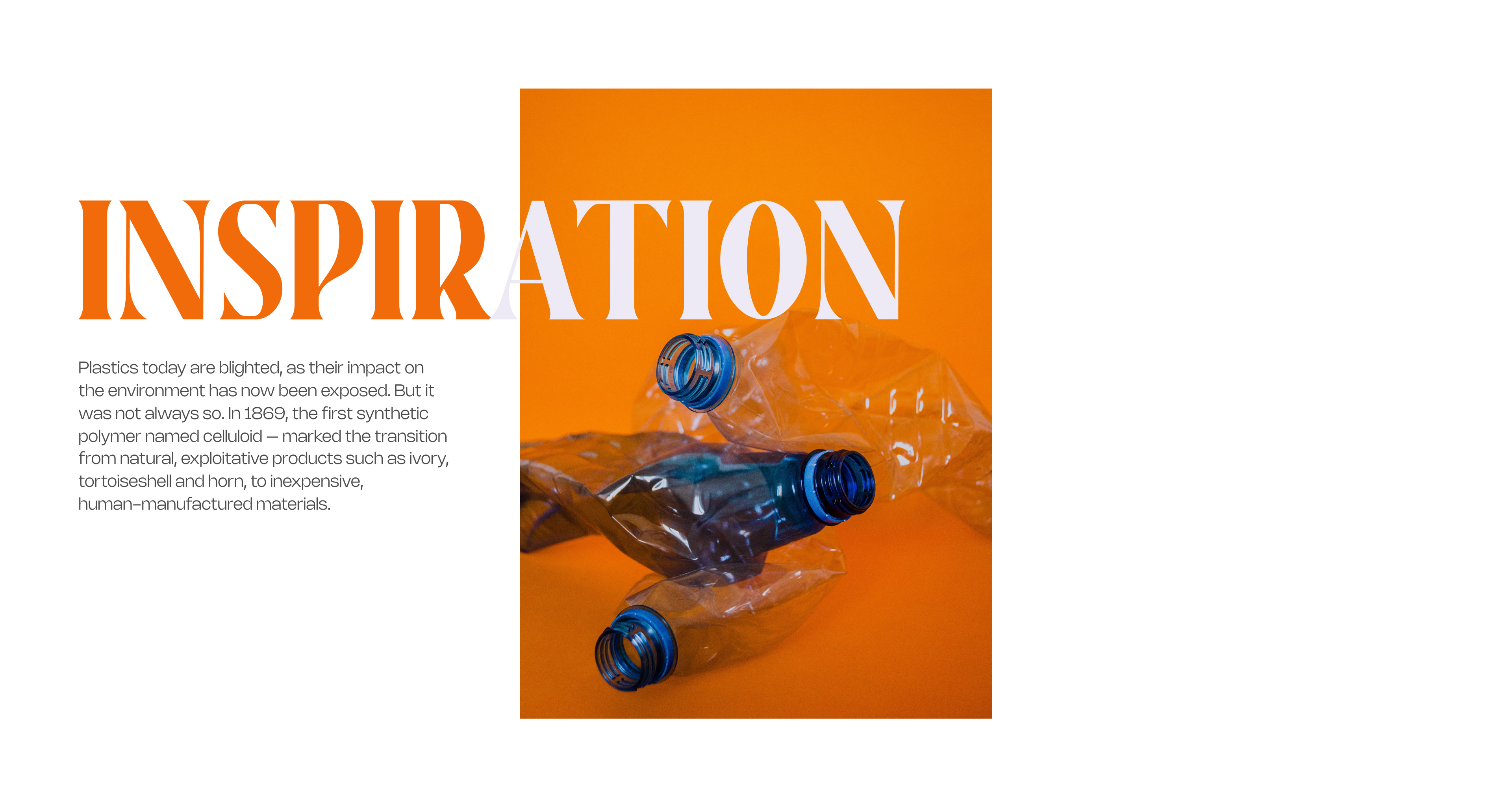
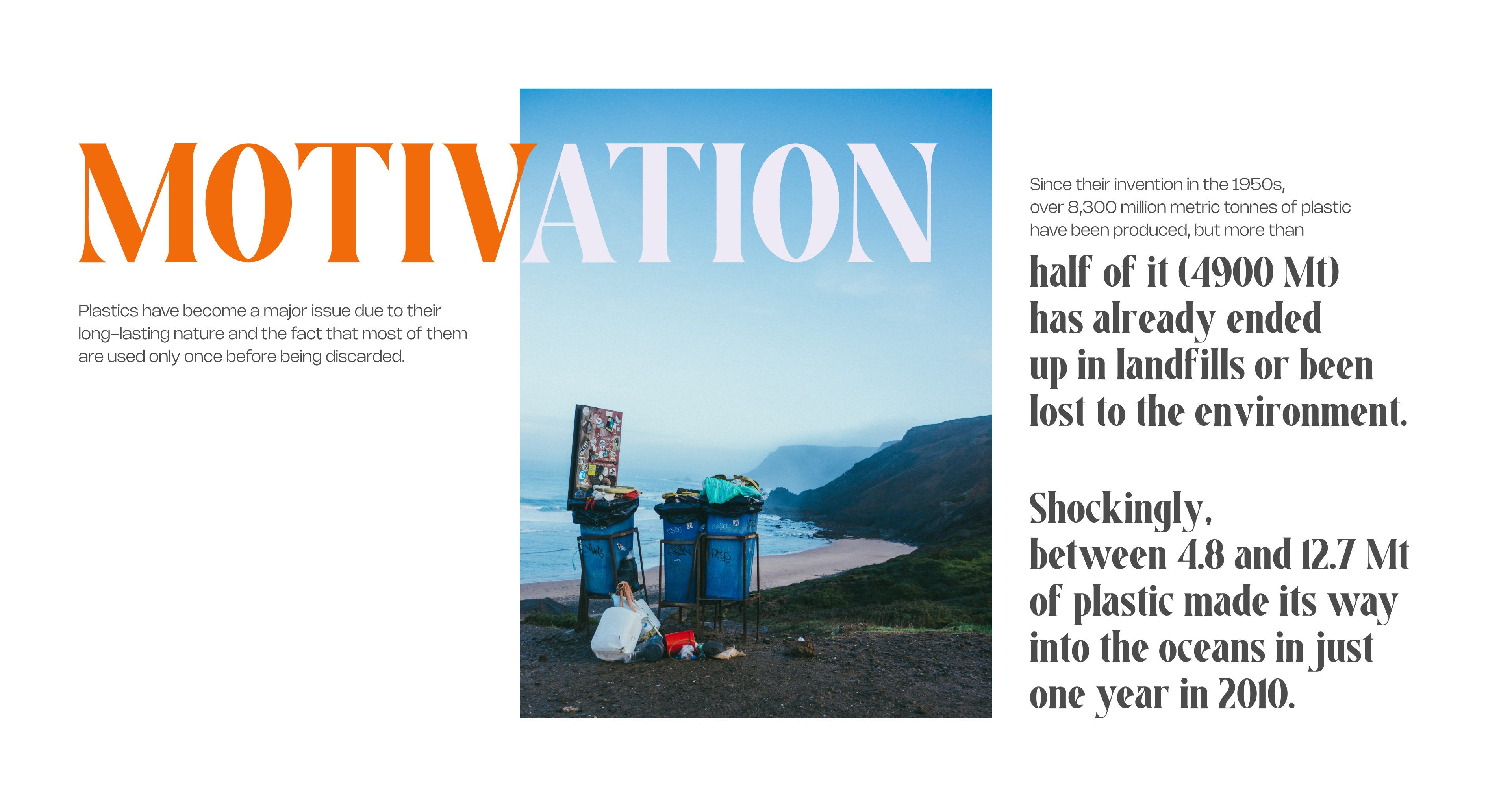
Plastics have become a major issue due to their long-lasting nature and the fact that most of them are used only once before being discarded. Since their invention in the 1950s, over 8,300 million metric tonnes of plastic have been produced, but more than half of it (4900 Mt) has already ended up in landfills or been lost to the environment. Shockingly, between 4.8 and 12.7 Mt of plastic made its way into the oceans in just one year in 2010.
What it does
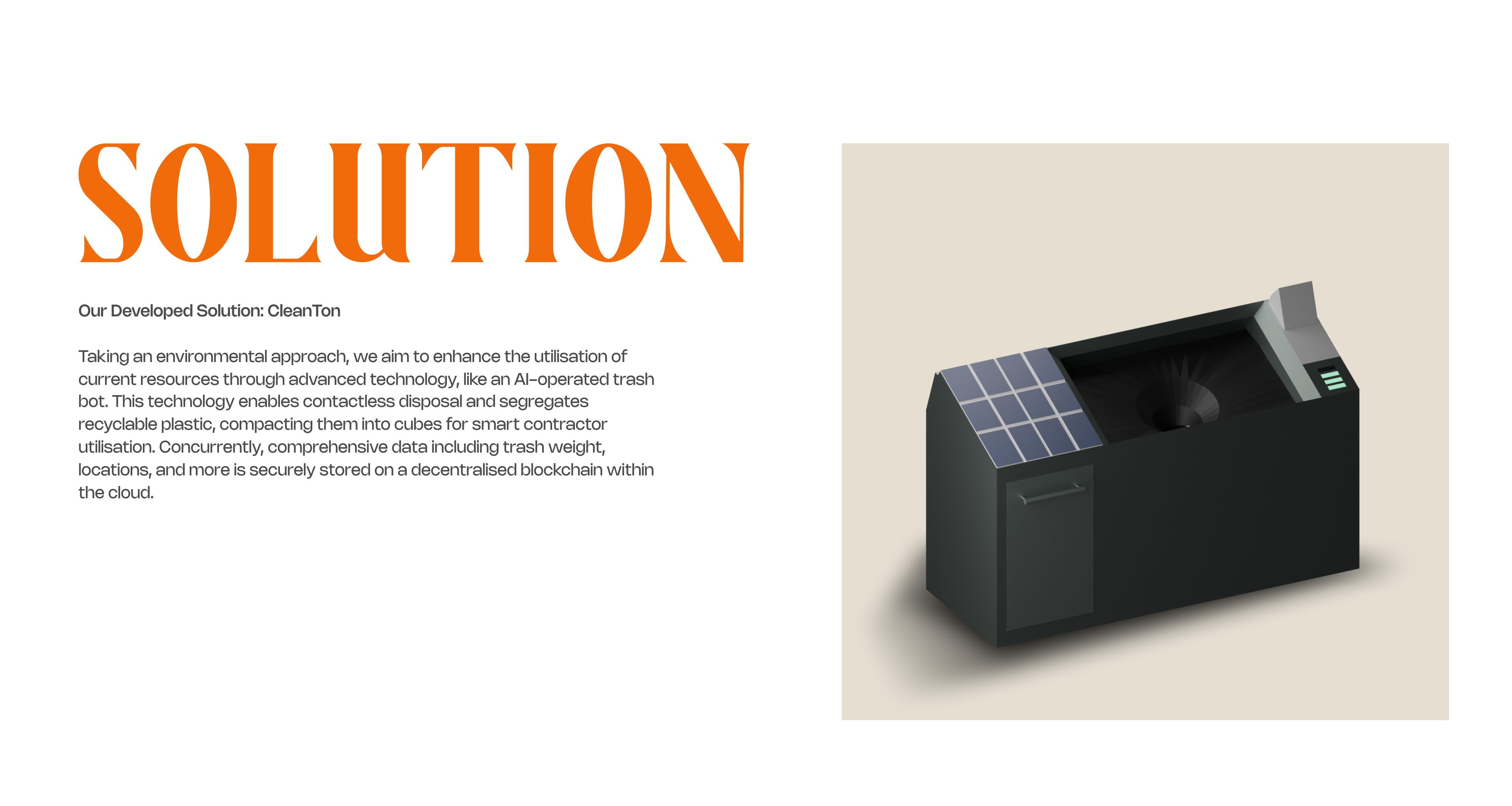
Our Developed Solution:
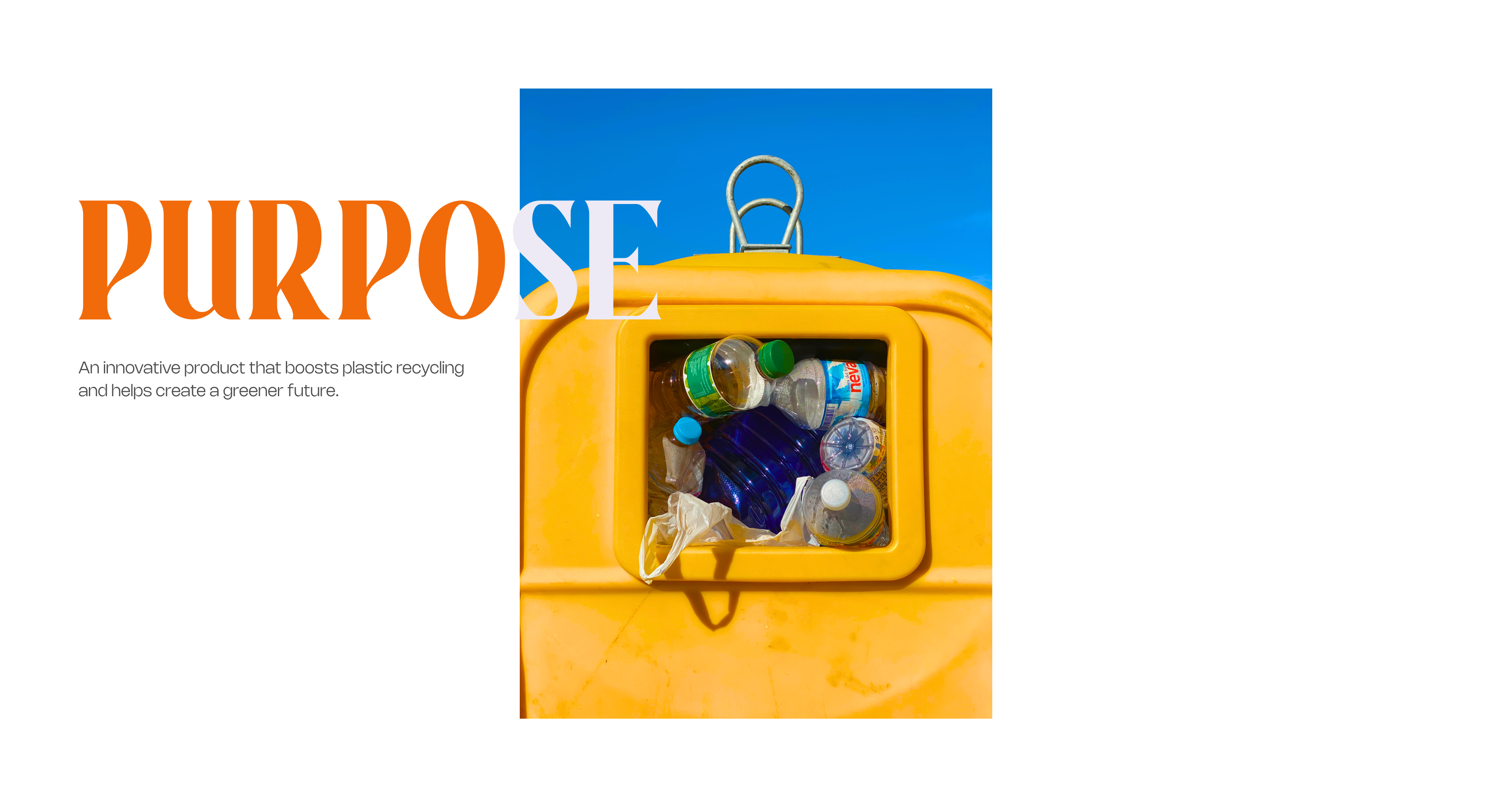
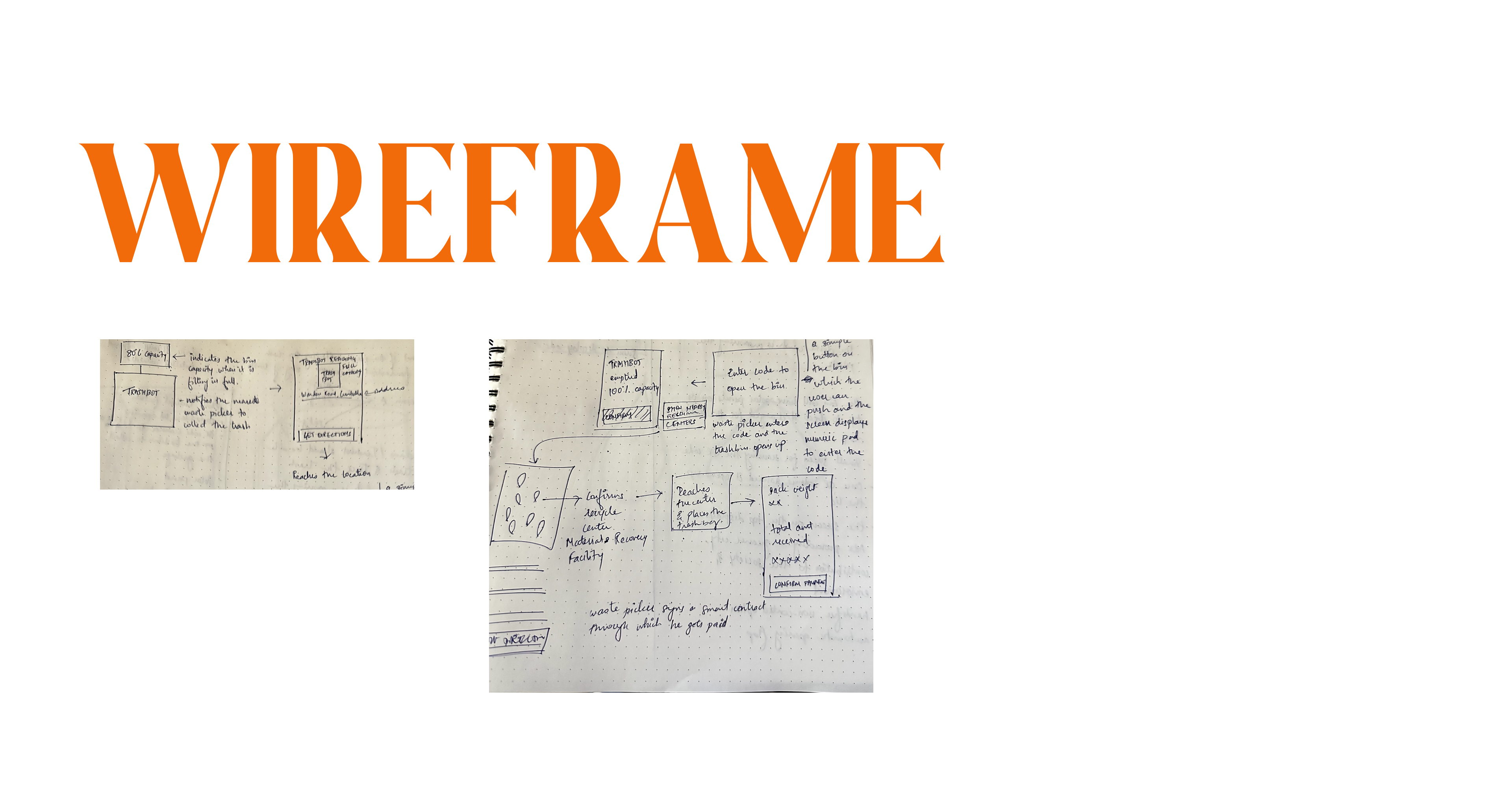
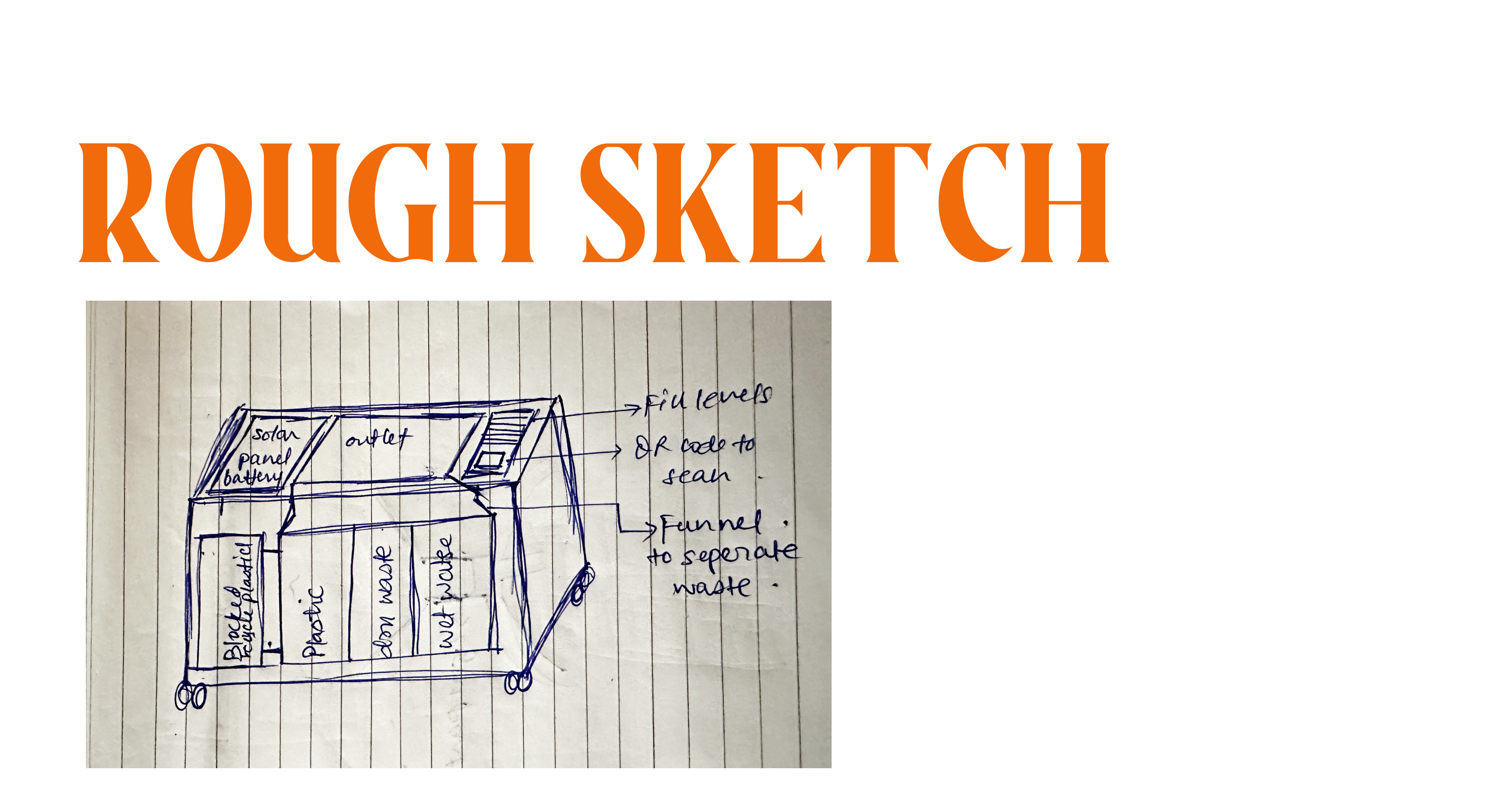
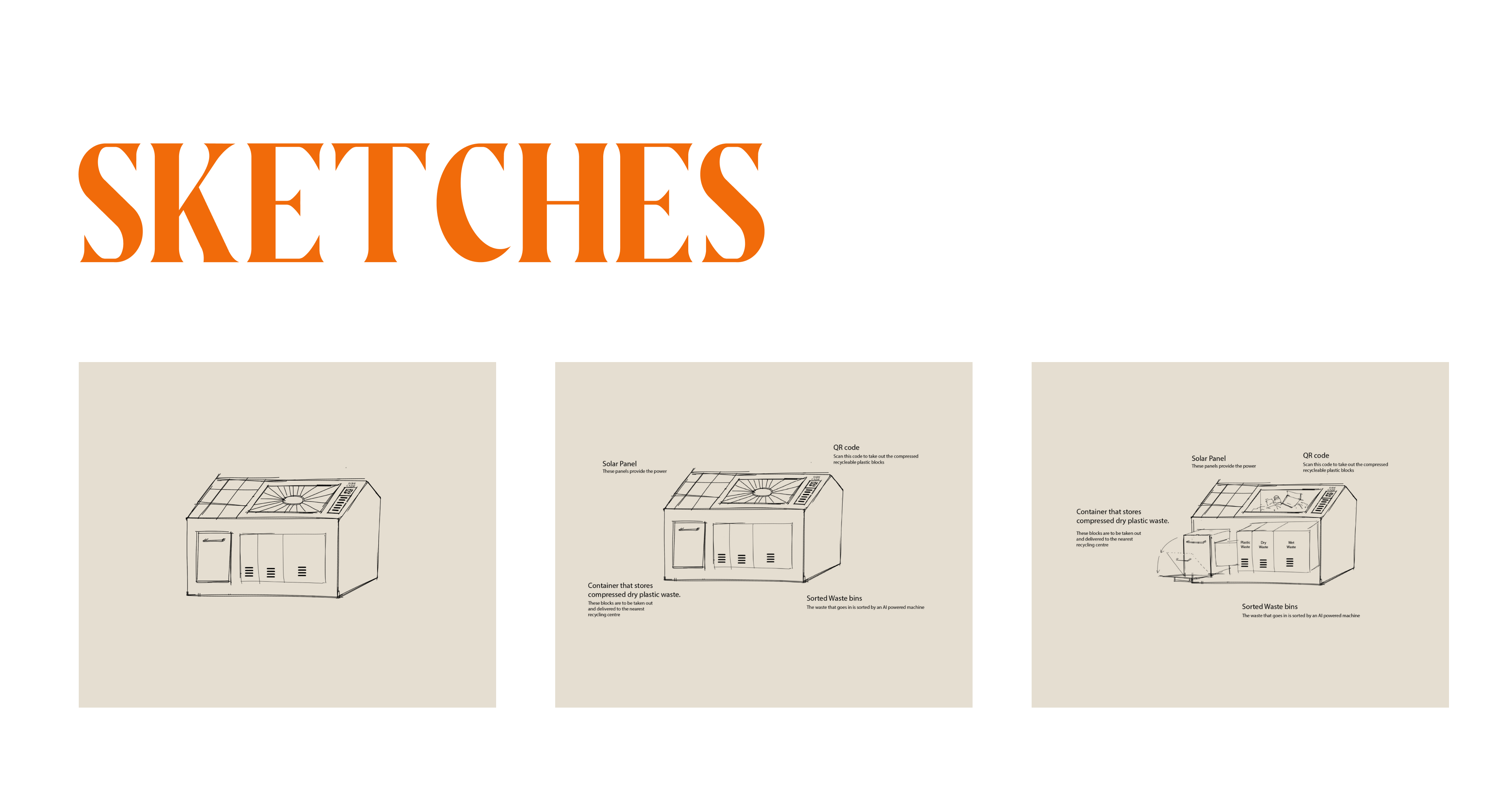
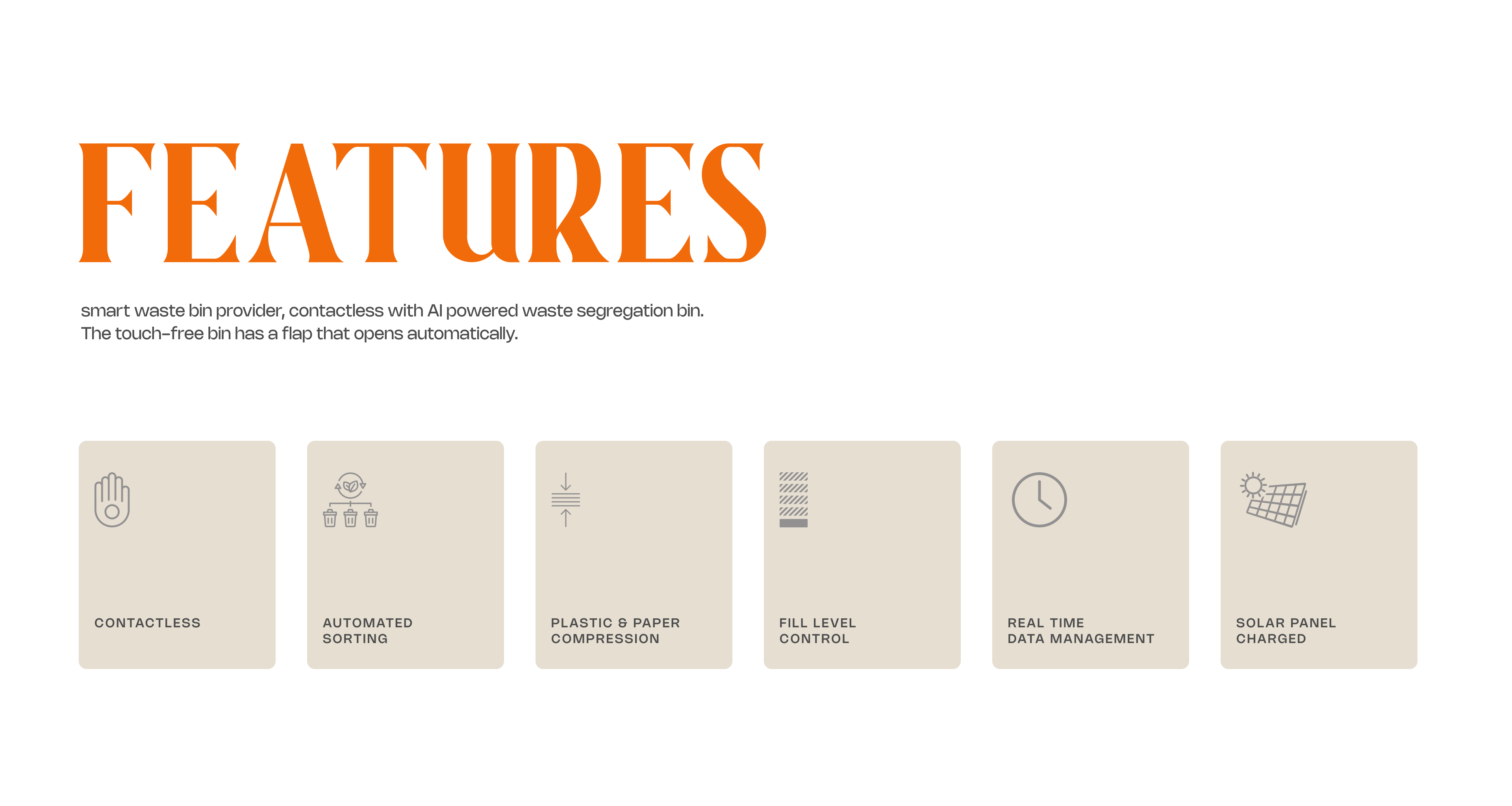
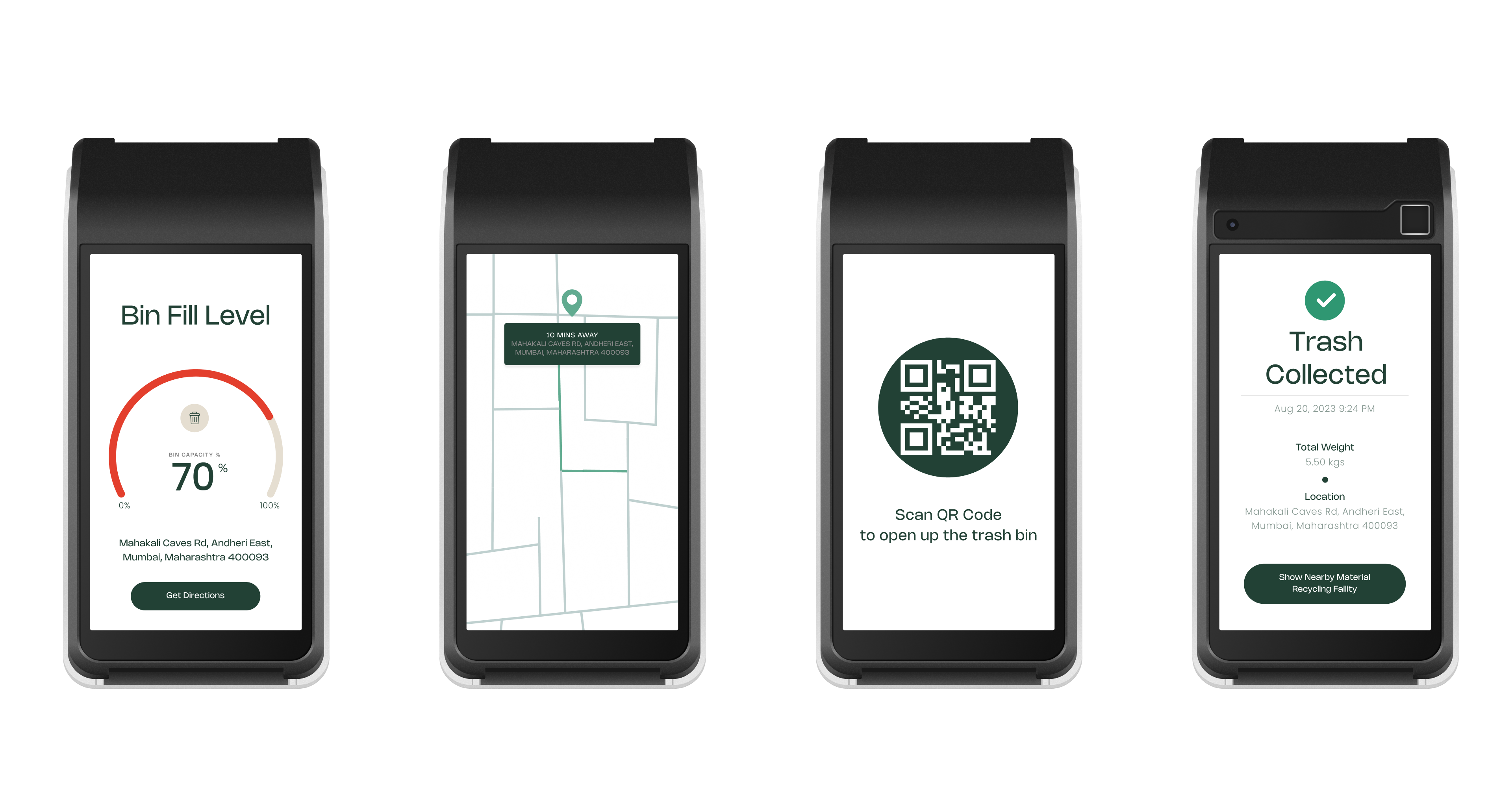
Taking an environmental approach, we aim to enhance the utilisation of current resources through advanced technology, like an AI-operated trash bot. This technology enables contactless disposal and segregates recyclable plastic, compacting them into cubes for smart contractor utilisation. Concurrently, comprehensive data including trash weight, locations, and more is securely stored on a decentralised blockchain within the cloud.
How we built it
Our Inspiration for building this product was derived from the need to build a sustainable future worth looking forward to.
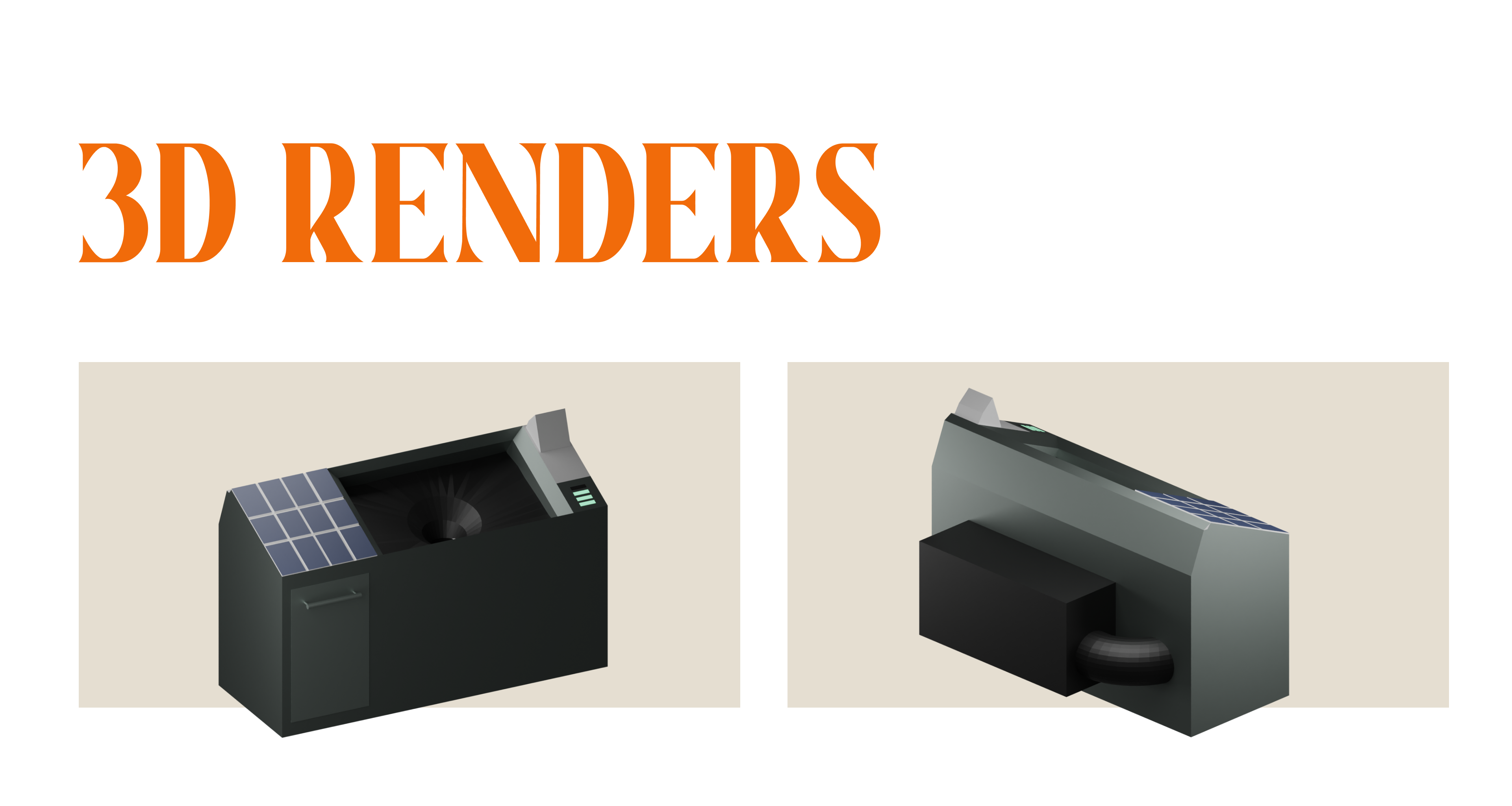
To develop this product further, we used multiple software such as Adobe Creative Suite, Blender for rendering the 3D version of the trash bot (CleanTon), Figma to create a PitchDeck, and Canva to create a Video to name a few. We used Devpost as one of our main reference tools in terms of formatting and building our material and many other online tools to learn more about AI, blockchain, Smart contracts, sustainable ecosystems and many more videos over the internet.
Users
Waste Pickers
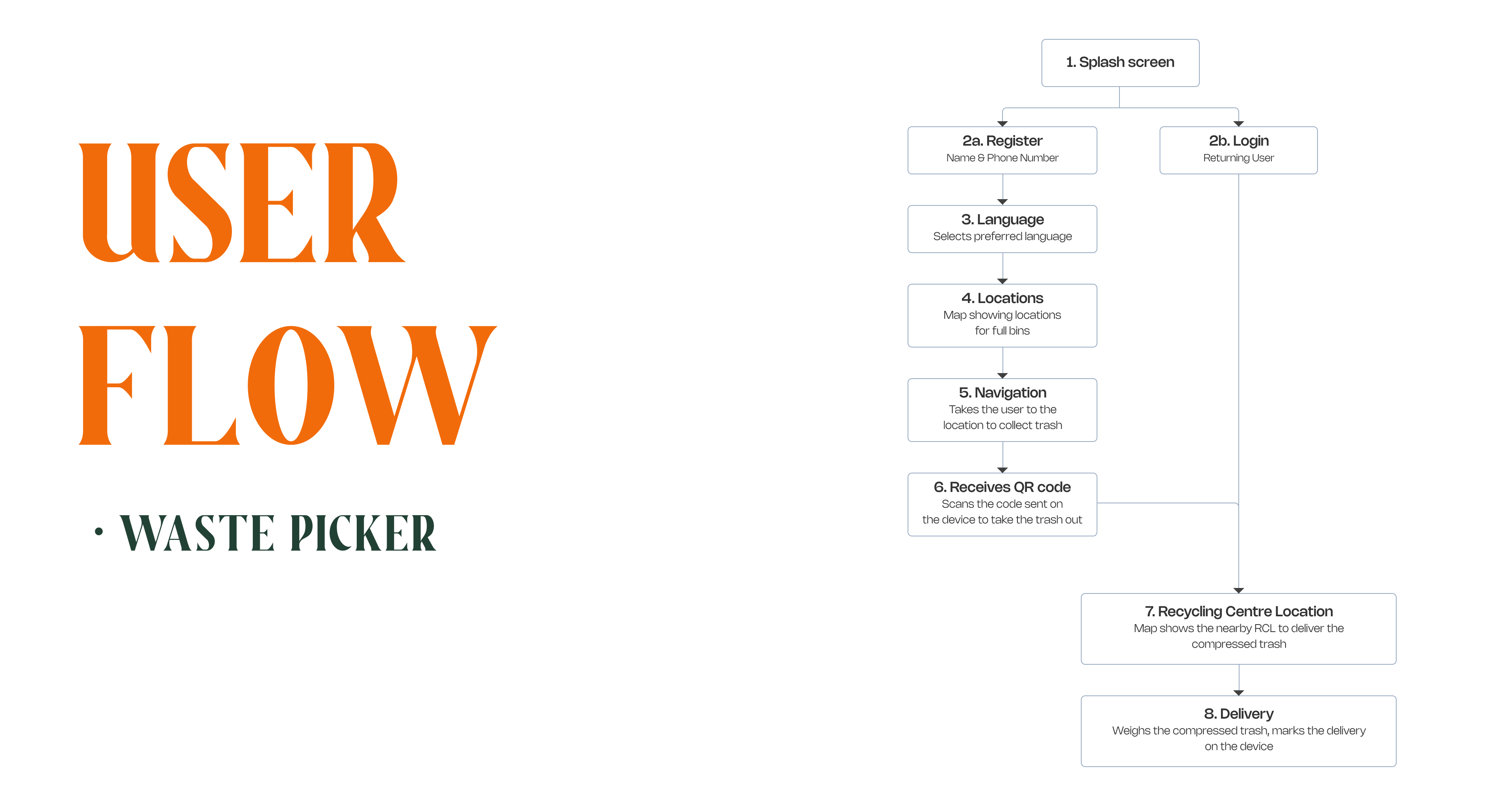
We interviewed 10 waste pickers about their day-to-day duties and pain points while collecting waste from across the city. We found there was a lack of knowledge about proper plastic waste sorting and recycling management. An inefficient waste collection system led to hours of manual sorting of the plastic waste increasing the rate of unidentified recyclable items into the landfill.
BMC staff
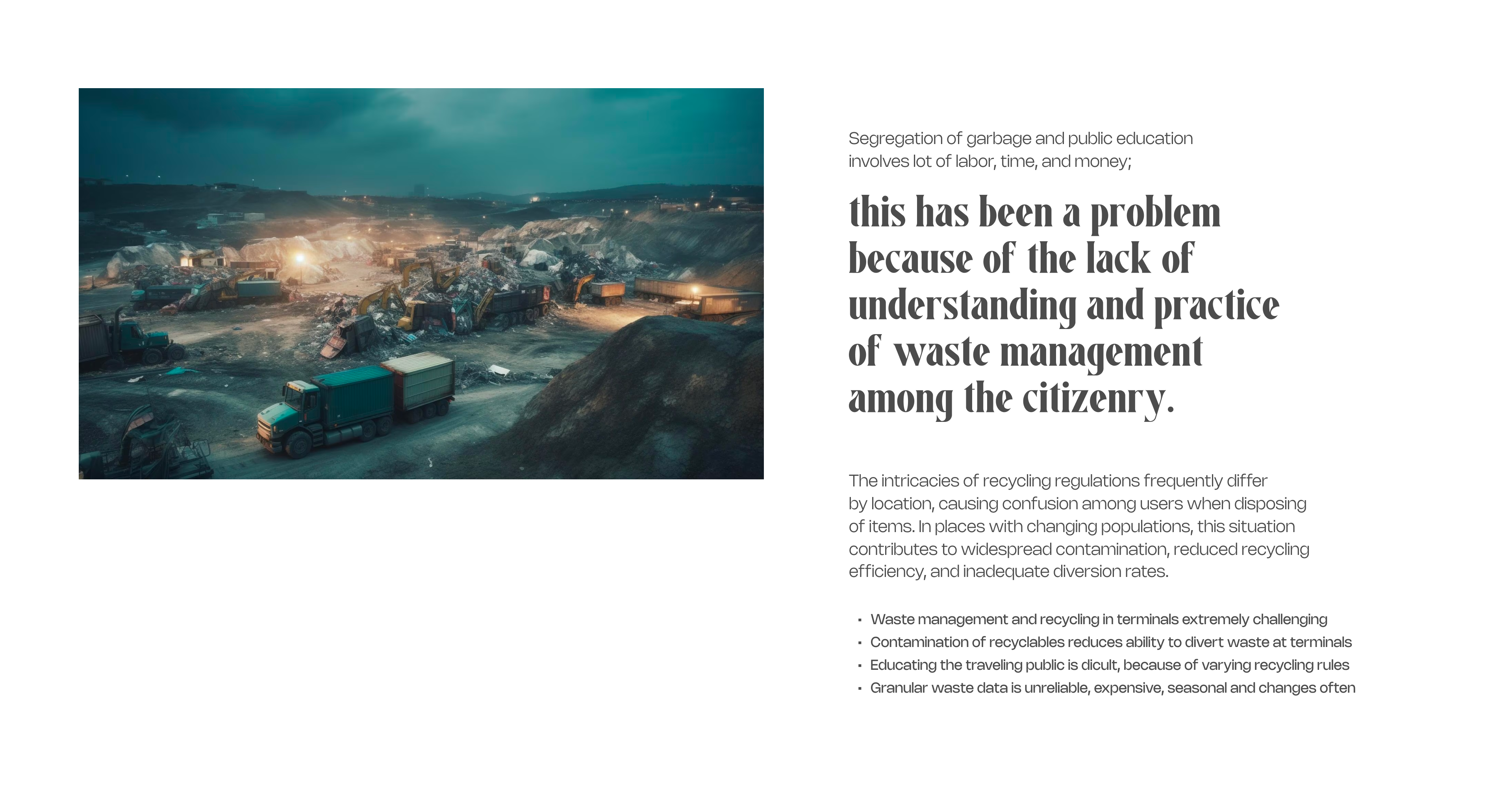
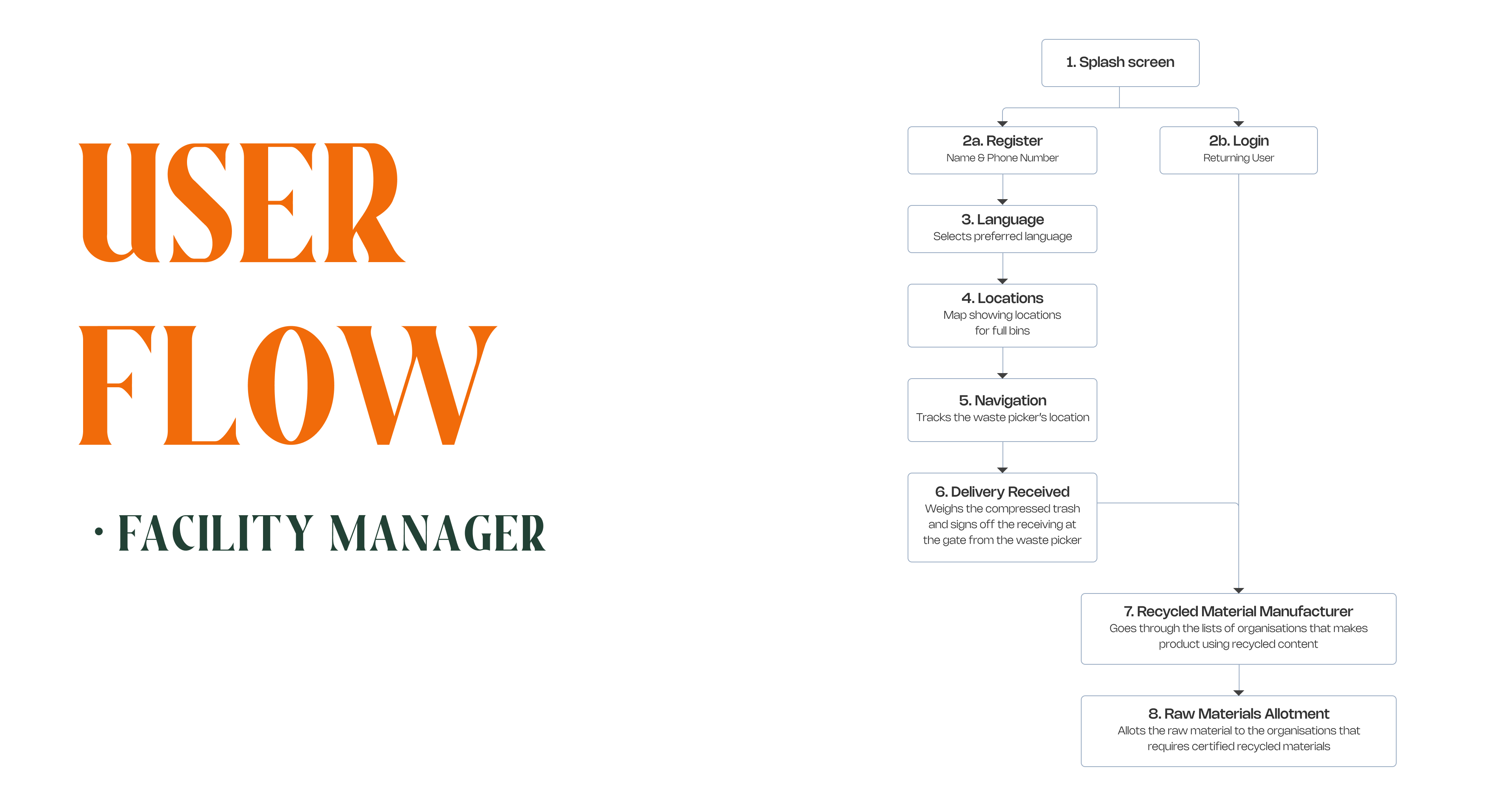
We interviewed 3 BMC personnel regarding improvements to plastic waste management. Respondents stated that plastic waste management and recycling in public spaces is extremely challenging. Educating the public is difficult, because of varying recycling rules. Hence, leading to a larger number of garbage ending up in landfills.
Accomplishments that we're proud of
Despite our demanding work schedules and busy routines, we managed to accomplish the submission within a mere 2 days.
What we learned
After working on this project for over 48 hours straight while carrying on with a full-time job and learning about how to boost the rate of recycling plastic, it was a crucial detail that stuck in our heads. This isn't a topic to be taken lightly and how urgent it is for us humans to realize and learn more about things that can affect our and our family's future. Lastly, it isn't just about doing your daily job but also adding extra value to your life and others by learning and letting others learn from it.
What's next for Cycleit Up
A proposal be put forth to the Indian Government and BMC (Brihanmumbai Municipal Corporation) to implement smart bins throughout the city with the aim of enhancing plastic recycling rates. Moreover, it is suggested that BMC personnel and waste pickers be educated on plastic waste management at the granular level to increase awareness, which eventually translates to a cleaner environment.
Built With
- adobe-creative-suite
- adobe-illustrator
- ai
- blender
- blockchain
- canva
- cloud
- figma
- iot

Log in or sign up for Devpost to join the conversation.