-
-
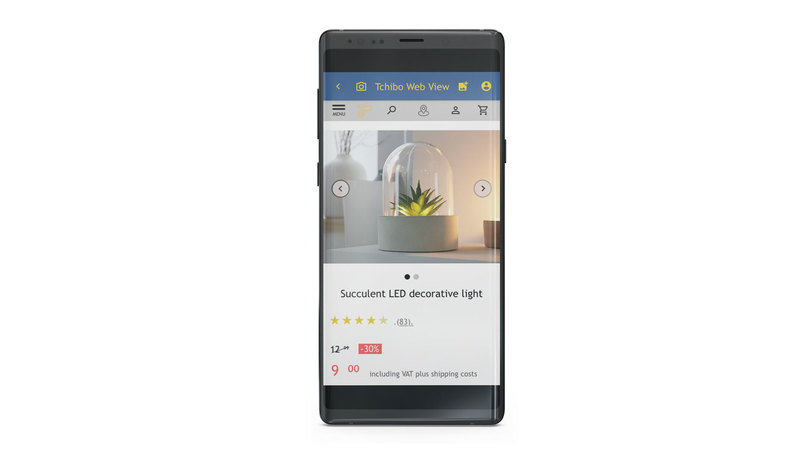
Webview
-
Splash Screen
-
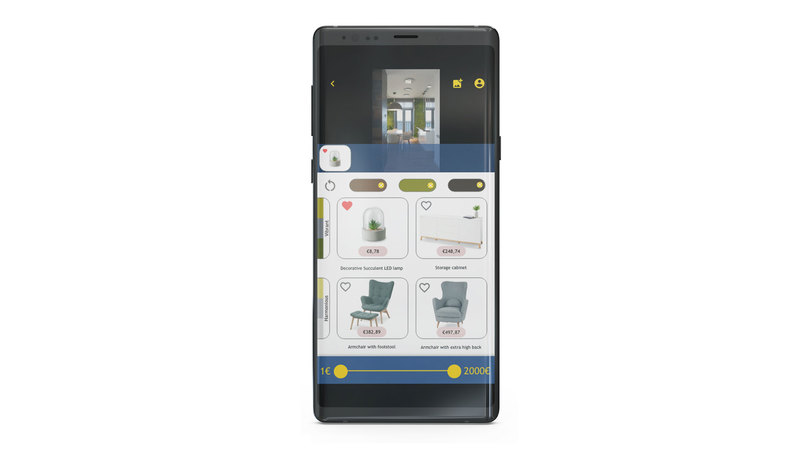
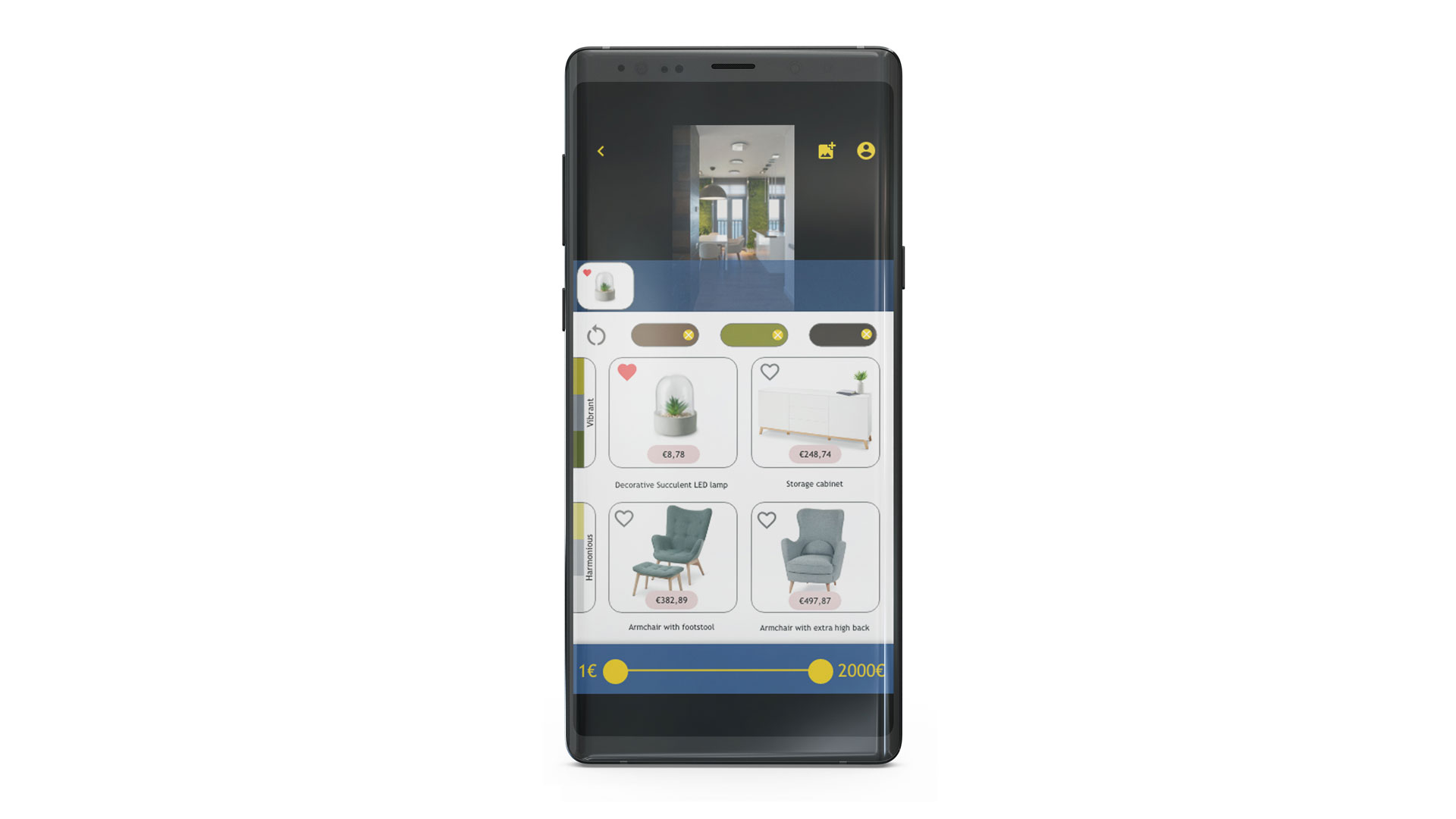
Search Results
-
Inspiration boards
-
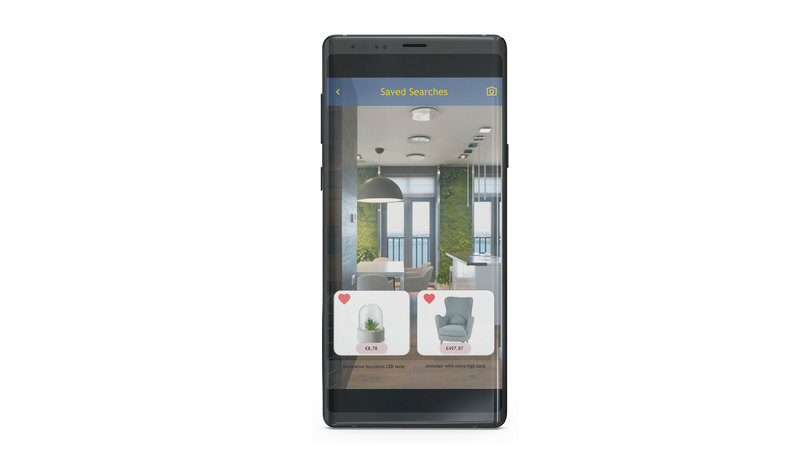
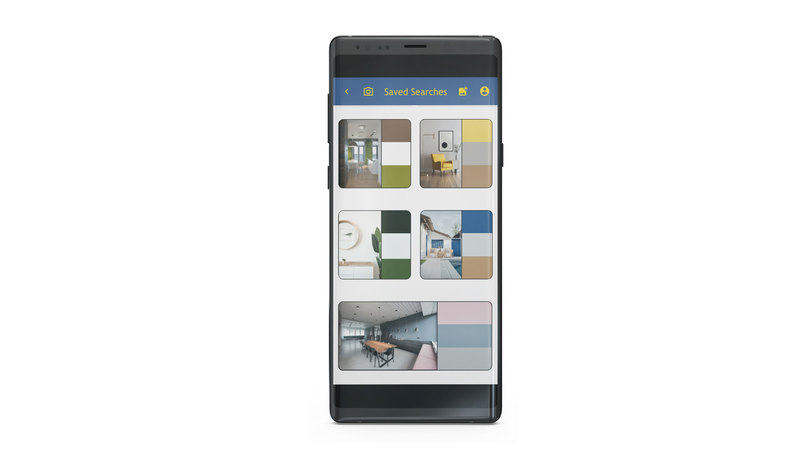
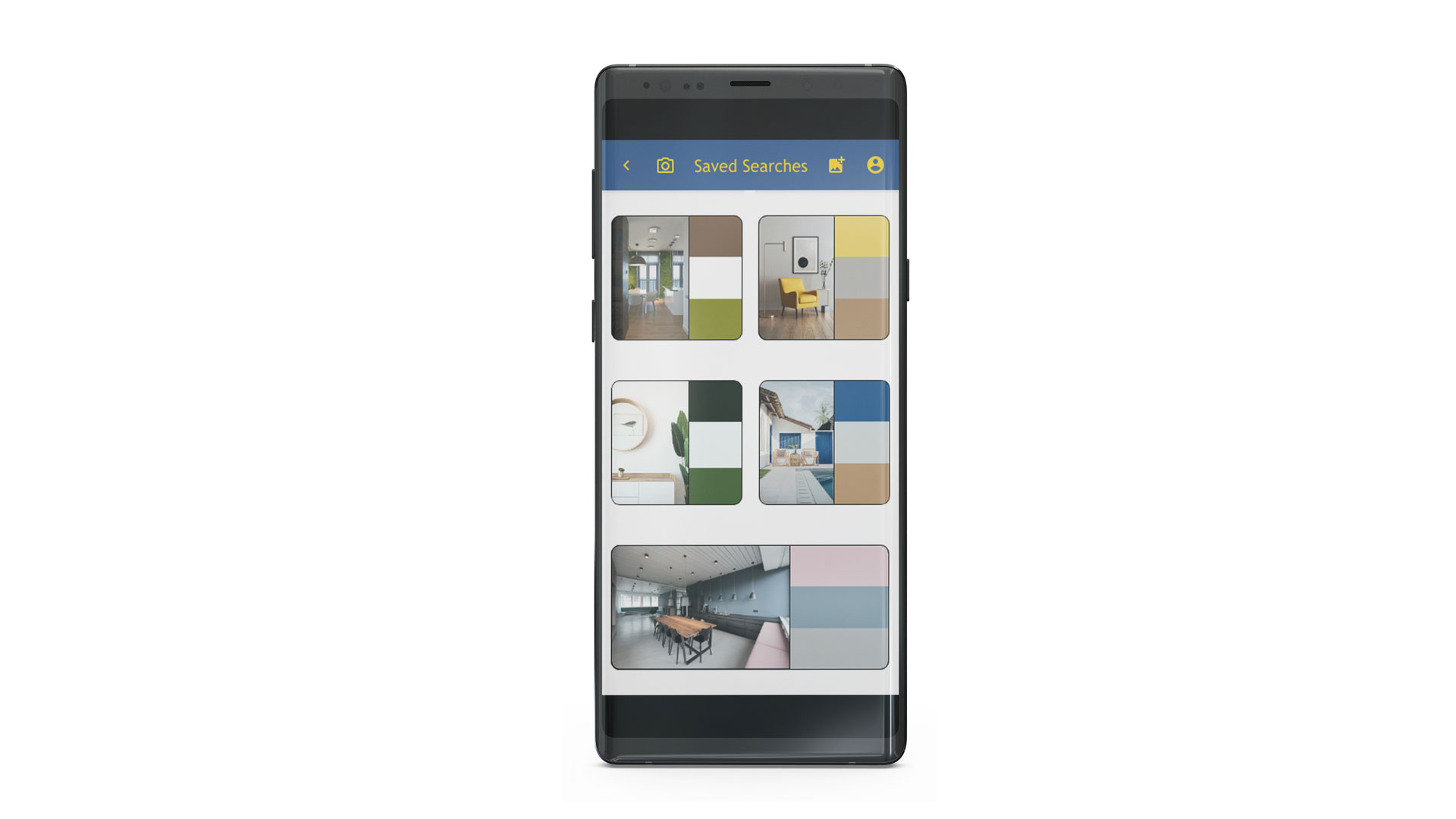
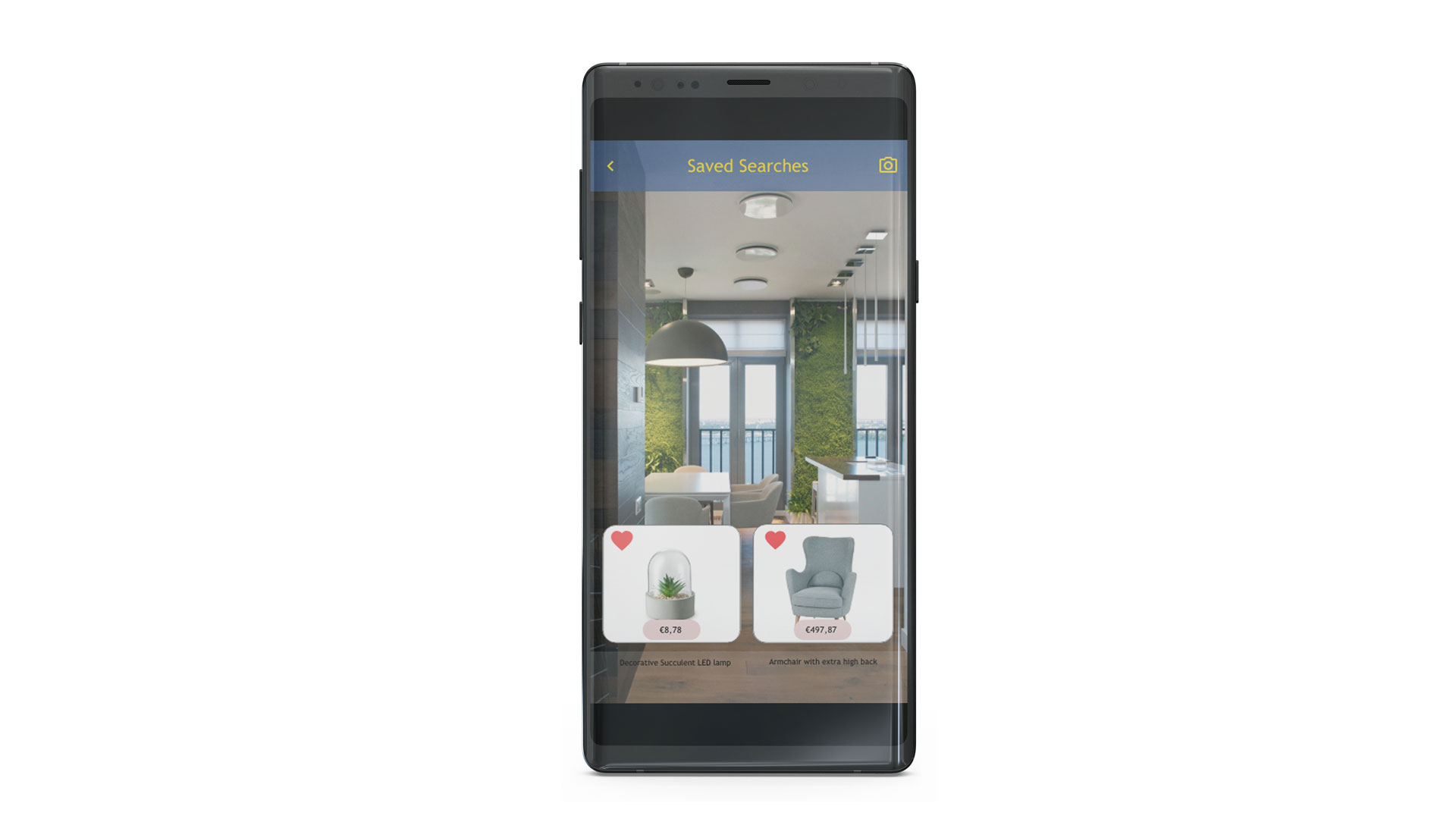
Saved Searches
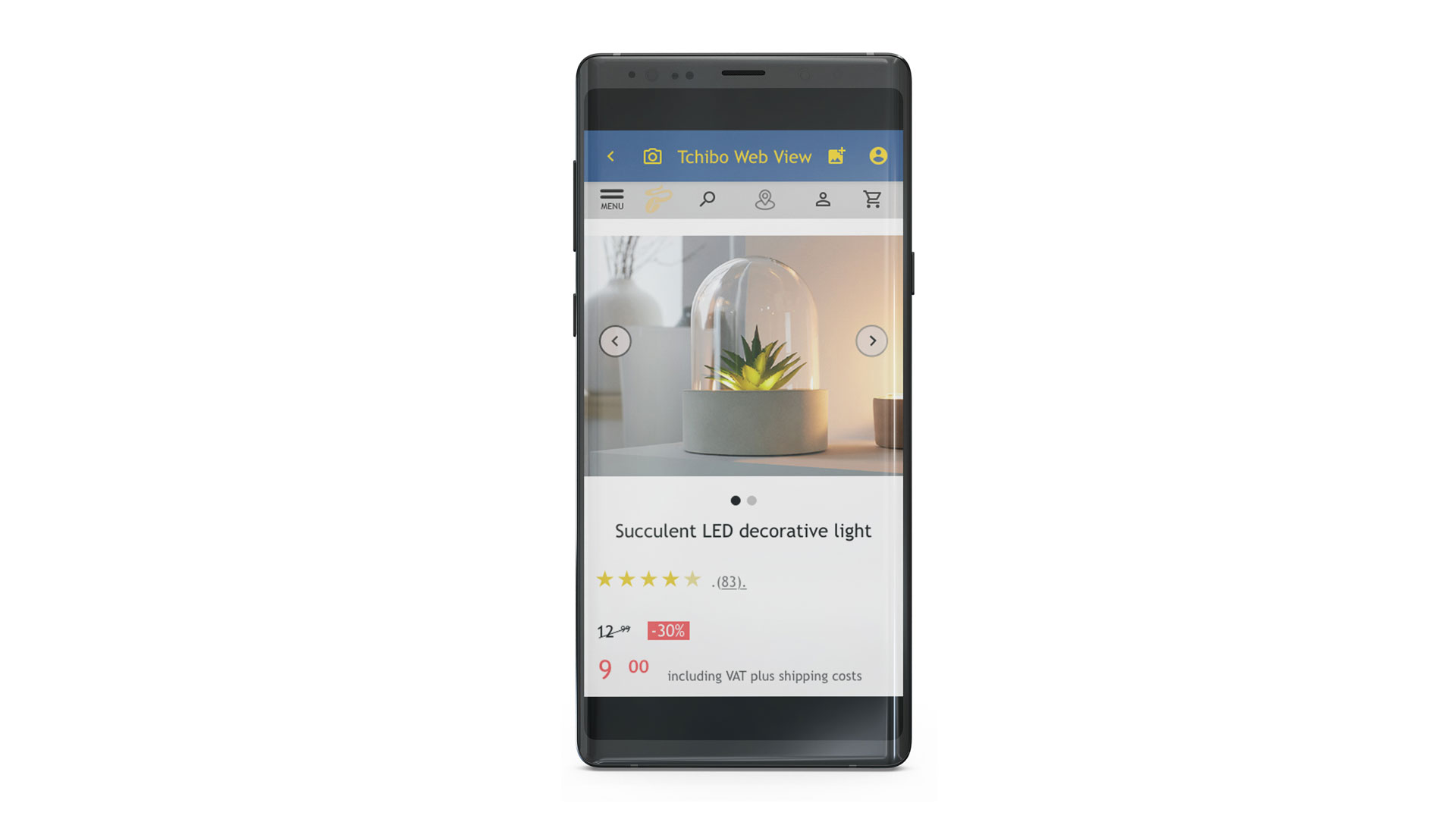
Inspiration
In recent years, the camera has risen as the main input in mobile apps, replacing text. Snapchat, Google Lens, Pinterest, AliExpress, and eBay are examples of this, realizing that users are interested in new forms of interaction with the digital world through their mobiles. Snap, no need to type! Let AI do the work on your behalf.
What it Does
Color Match allows you to snap a picture of any room or space and easily provides you with relevant product results that match the color scheme of your space.
Color Match attaches your favorite product results to the picture, which are saved in your profile for later viewing and editing.
How We Built It
The Tchibo Color Match App was built using Java Spring, the Google Vision API & Firebase for the backend, and Flutter for the mobile app. Our team has been using Zoom, Slack, Trello, Google Drive and Github for easy and agile project management.
Challenges We Ran Into
Dealing with color and color theory can be a bit tricky. Initially, we had to research the matter and interview several designers in order to get a good direction for our matchmaking API.
Building a crude prototype to test our initial color API gave us a good indication that we were on the right path, and we excitedly moved deeper into the development of both the backend and frontend of the mobile app.
Collaborating with team members over different time zones, sometimes facing language barriers, can be challenging. We had to utilize lots of dynamic documentation and presentations in order to make our communication with each other clear and fluid.
Accomplishments We Are Proud Of
As a team, we are proud of and amazed at the collaborative efforts and abilities of our virtual work during these unusual times. Effective communication with other team members (through our “daily scrums” and online team meetings), and overall good organization and assignment of tasks helped ensure we stayed on top of our workflow in the development of this app.
What We Learned
We gained knowledge of what add-on services we could build in the future to increase significance of user results.
Technically, we each improved our existing skills and acquired new ones. Andrew, for example, our team's junior Flutter dev whose previous experience was typing code from video tutorials, pushed himself into writing his own code and solving real-life problems with the support of our team. He will actually be releasing his first package on pub.dev soon!
We ran into many technical issues and learned that sometimes problems can be solved by talking to non-technical team members or junior team members without much prior knowledge by promoting creativity and open teamwork. Team support is significant. We solved challenging issues together.
Running a daily-scrum channel on Slack where team members share their progress, challenges, and working solutions to these is a MUST in a remote team setting. Do it!
What's Next for Color Match
In this hackathon, we focused on the most basic user journey - snap, get product results, filter and save. Playing with the app has given us many new ideas about how this concept can evolve. We plan to continue experimenting after the hackathon and incorporating more ideas according to user feedback.
We believe the concept of visual search is going to become the leading category in mobile app development, especially as we shift further into the 5G and Augmented Reality era. We are excited about further exploring the development of added value services within the visual search paradigm.


Log in or sign up for Devpost to join the conversation.