-
-
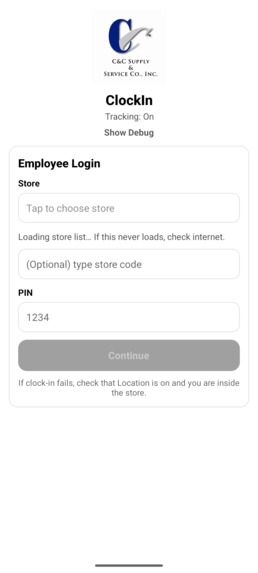
homepage
-
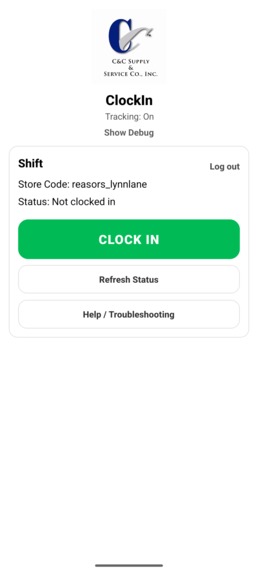
clock in screen
-
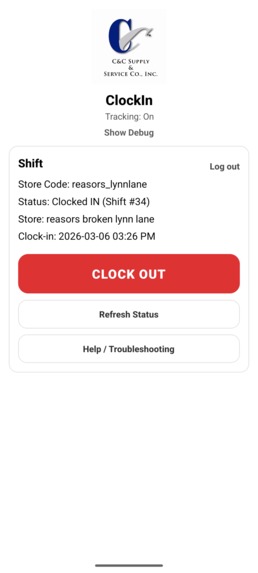
clock out screen
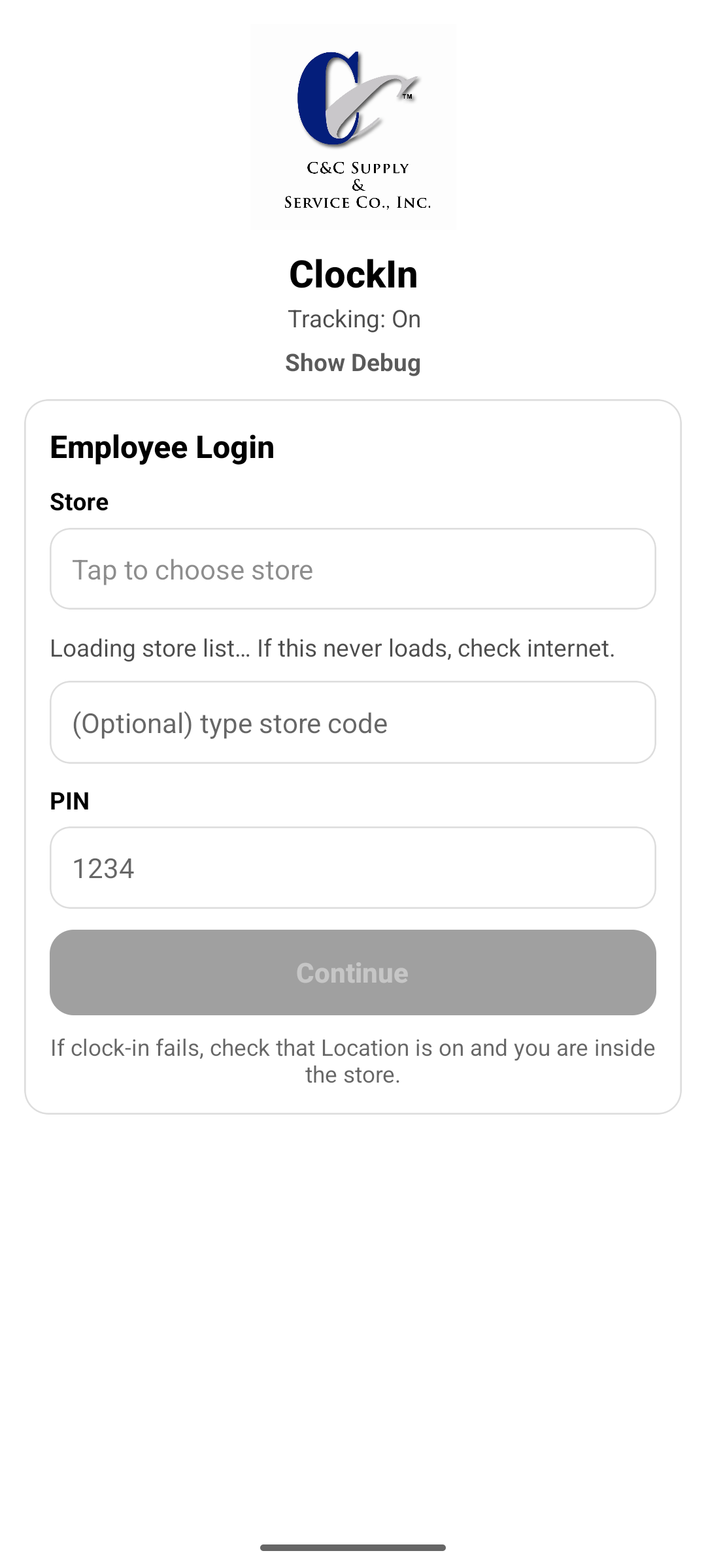
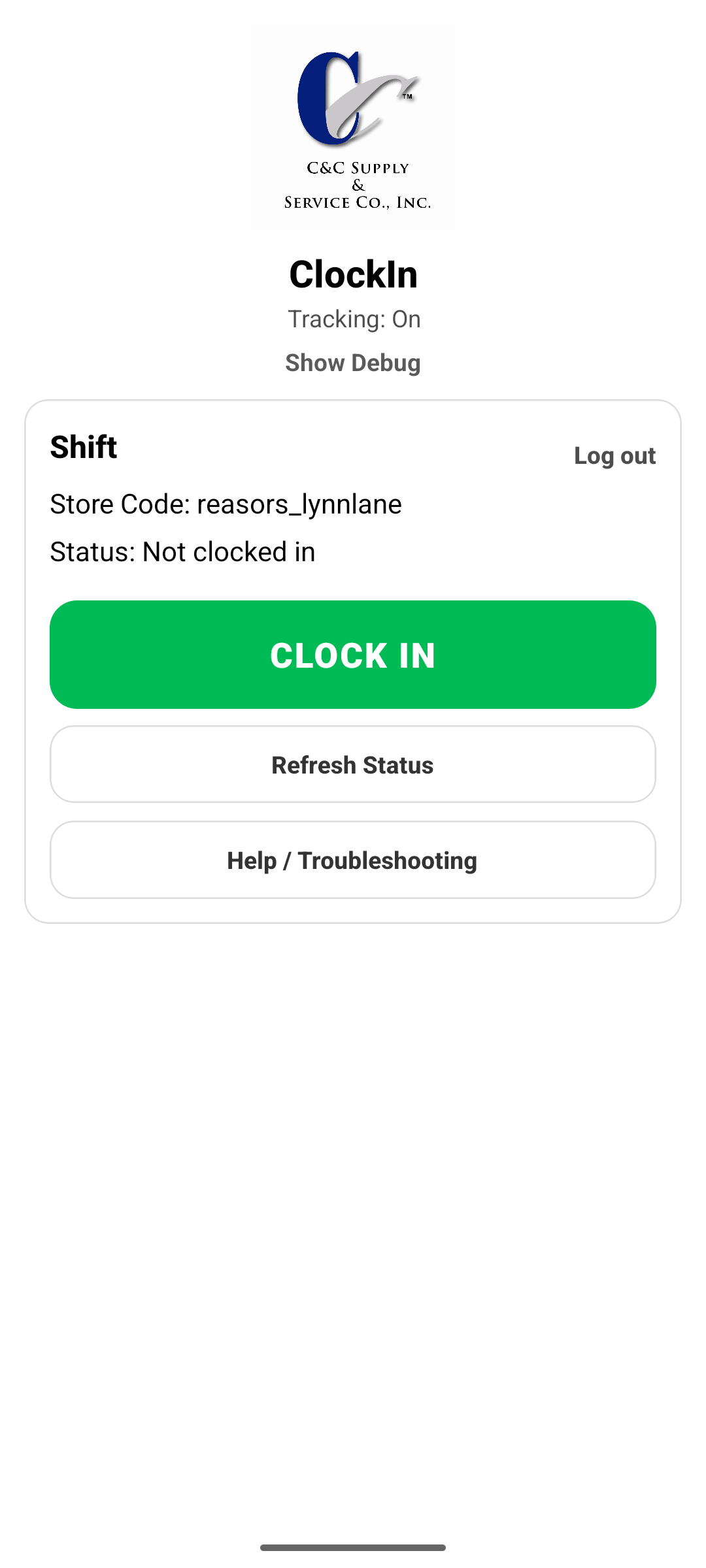
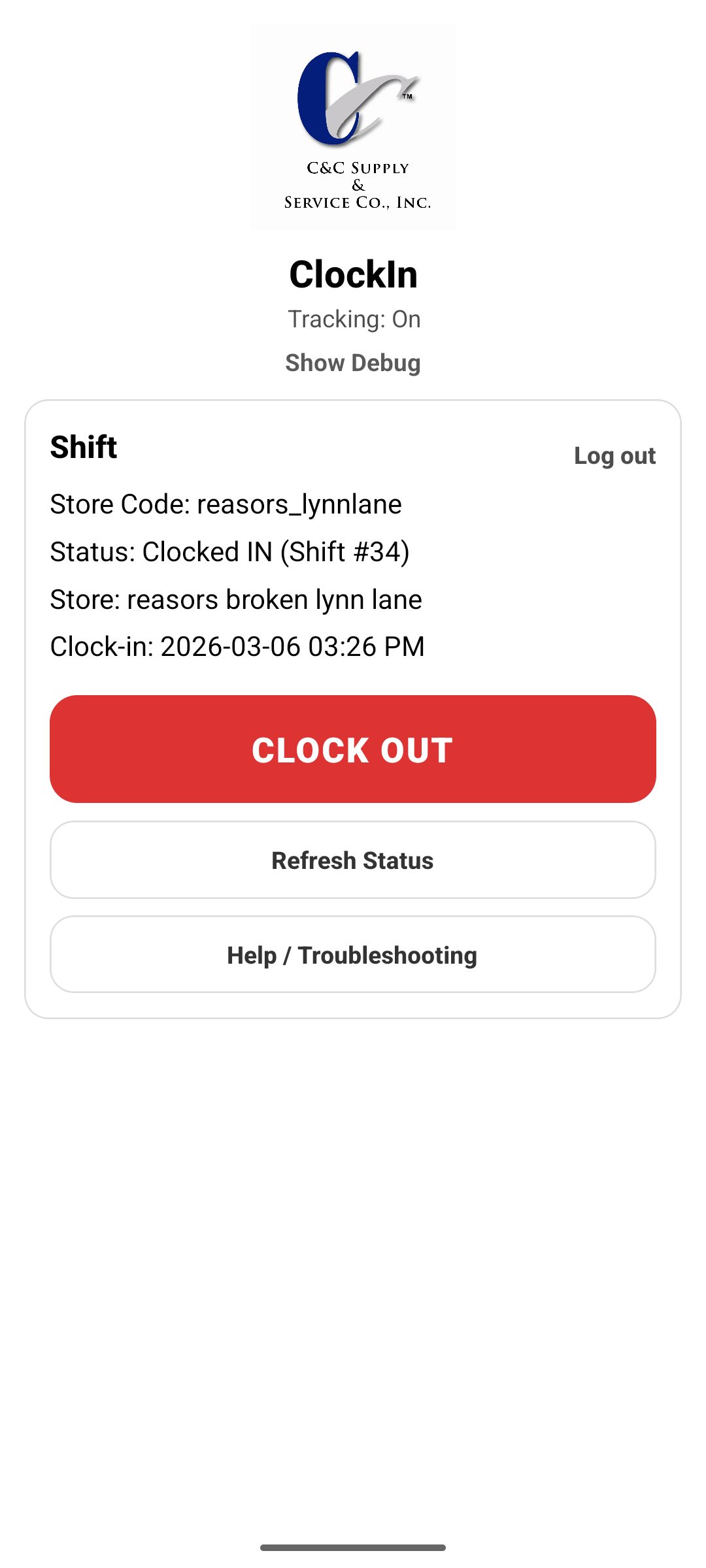
ClockIn Mobile
Inspiration
ClockIn Mobile was inspired by a real business problem at my workplace. Employees work across multiple customer locations, making it difficult to verify where they clock in and out. Traditional timekeeping often leads to forgotten clock-outs, inaccurate time records, and time-consuming payroll corrections. I wanted to build a solution that makes time tracking easier for employees while giving managers confidence that shifts are accurate.
What it does
ClockIn Mobile is an Android workforce timekeeping application that uses geofencing and background location tracking to verify employees are at an approved work site when they clock in. The app automatically detects when an employee leaves a job site, starts a configurable grace period, and can automatically clock them out if they don't return.
For Build Week, I integrated GPT-5.6 to help administrators review shift activity. Instead of manually interpreting location events, managers receive clear summaries of a shift, along with potential exceptions that may require attention. The AI assists with decision-making while leaving the final payroll decision to a human.
How I built it
The mobile application is built with React Native and uses the Transistorsoft Background Geolocation SDK for reliable location monitoring. The backend is a Flask API hosted on Render, with PostgreSQL for persistent data storage.
I used Codex extensively throughout development to accelerate implementation, debug issues, refactor code, and build new GPT-5.6 powered features. Codex was particularly valuable for navigating a growing codebase, implementing API endpoints, improving UI components, and generating tests and documentation.
Challenges I ran into
The biggest challenge was balancing accurate location verification with a good user experience. GPS accuracy varies considerably, so the app needed safeguards to avoid false clock-outs while still preventing abuse. Handling background location events consistently across Android devices also required significant testing and refinement.
Another challenge was integrating AI in a way that adds real business value. Rather than allowing AI to make payroll decisions, GPT-5.6 summarizes evidence, identifies unusual activity, and helps managers review shifts more efficiently while keeping humans in control.
What I learned
This project taught me how to build a production-style mobile application that combines mobile development, backend APIs, geofencing, cloud infrastructure, and AI. I also learned how powerful Codex can be as a development partner for accelerating implementation, troubleshooting difficult bugs, and rapidly iterating on new ideas.
What's next
Future plans include expanding iOS support, adding richer analytics and reporting, improving administrator dashboards, and using AI to identify attendance trends, recurring issues, and operational insights while maintaining employee privacy and transparency.
Built With
- ai
- android
- automation
- background-location
- cloud
- codex
- employee-management
- enterprise
- flask
- geofencing
- gps
- gpt-5.6
- javascript
- location-services
- mobile-app
- openai
- postgresql
- productivity
- python
- react-native
- render
- rest-api
- sqlalchemy
- time-tracking
- workforce-management

Log in or sign up for Devpost to join the conversation.