-
-

Green-cool planet
-
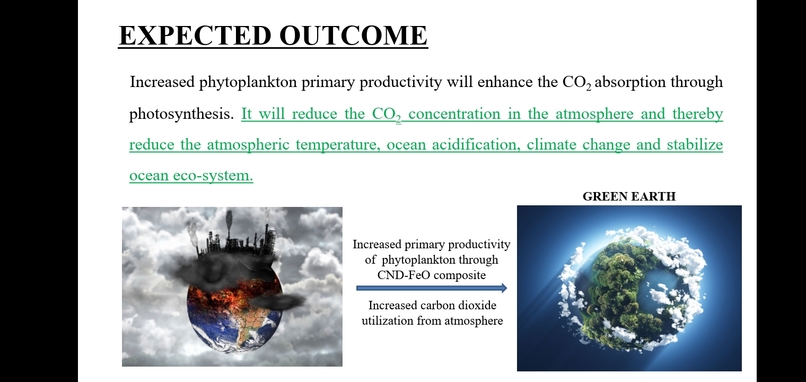
Expected Outcome
-
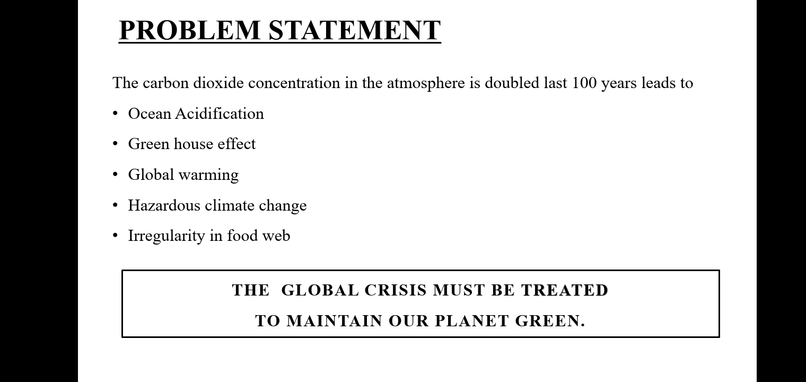
Problem Statement
-
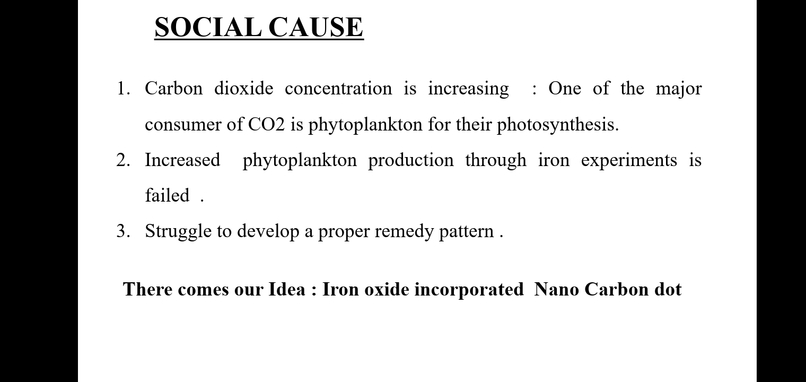
Social Cause
-
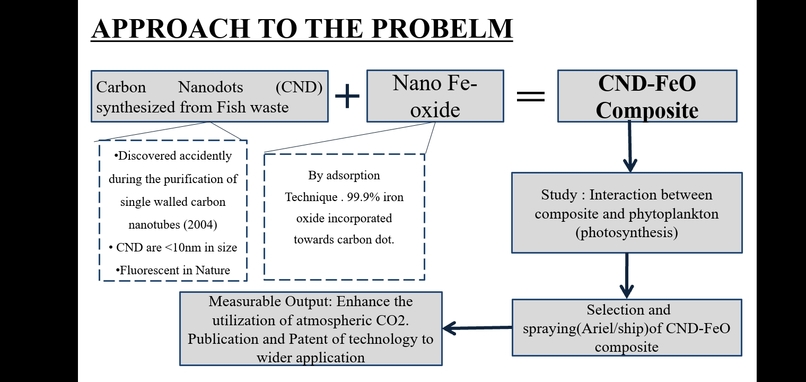
Approach to the problem
-
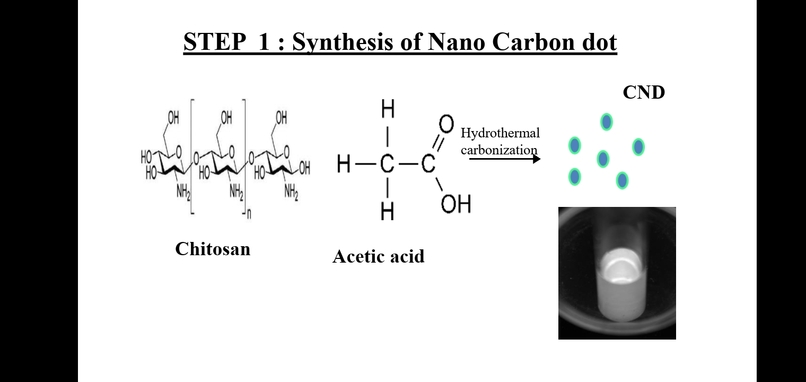
Step 1
-
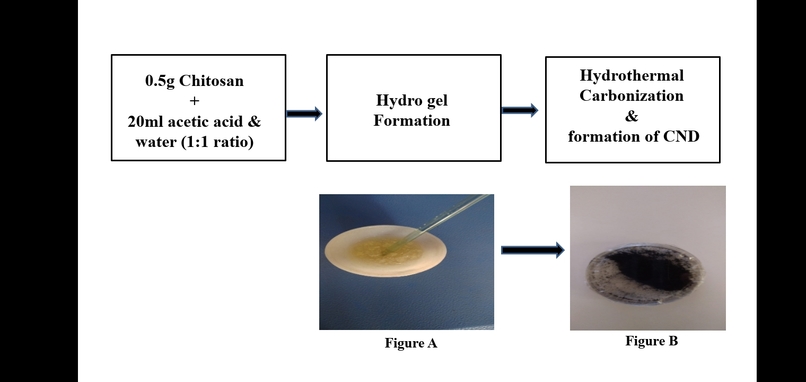
step 1 a
-
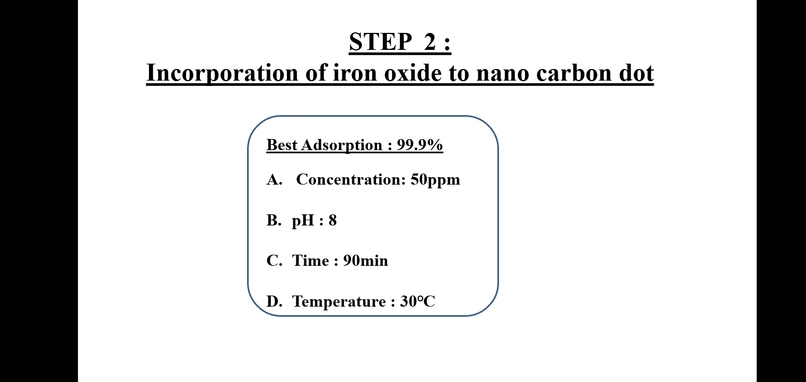
Step 2
-
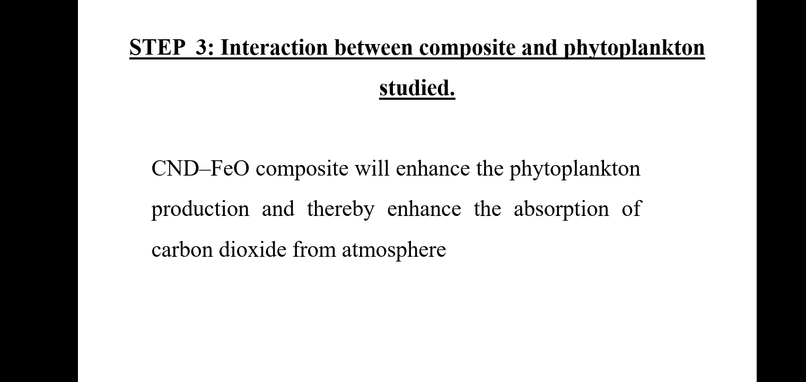
Step 3
-
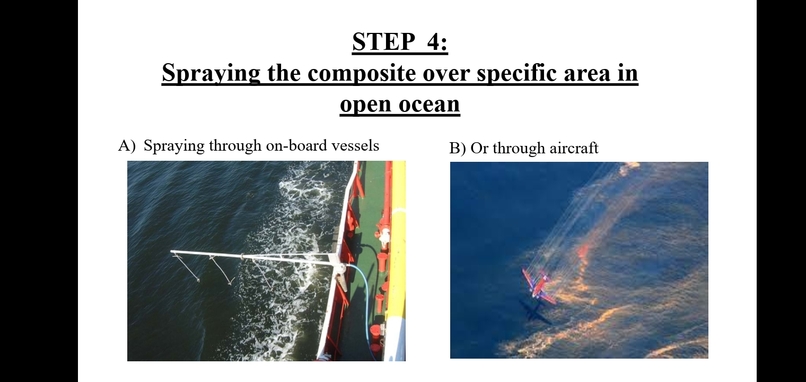
Step 4
-
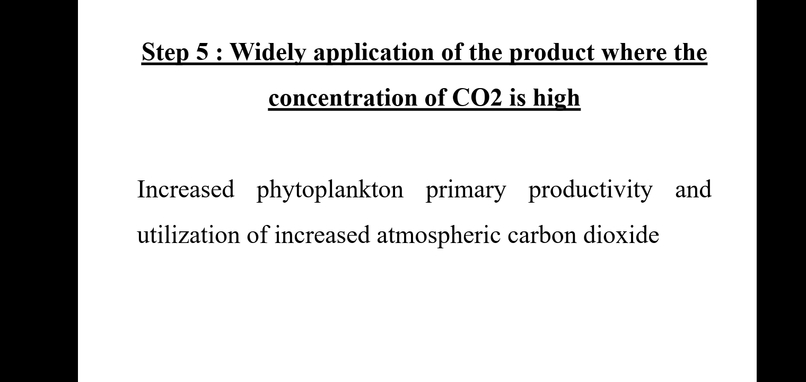
Step 5
-
Research
-
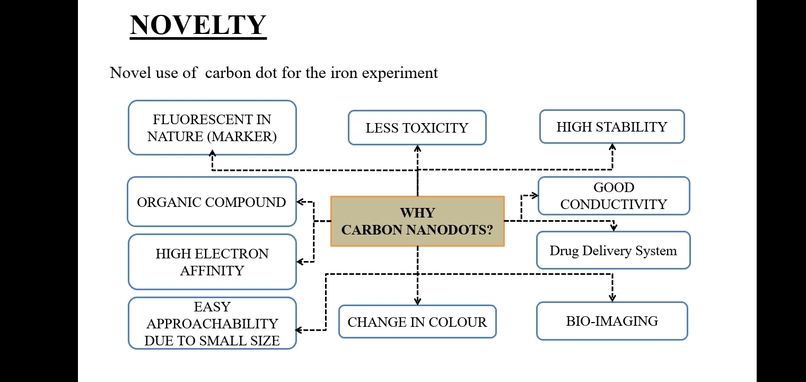
Novelty
-
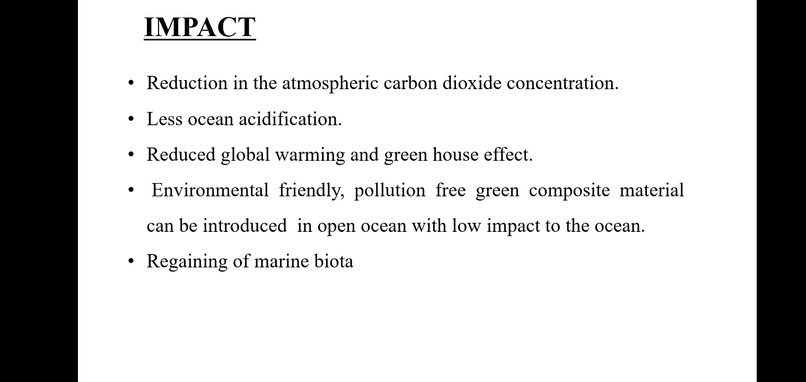
Impact


Inspiration
For eons, the world's oceans have been sucking carbon dioxide out of the atmosphere and releasing it again in a steady inhale and exhale. The ocean takes up carbon dioxide through photosynthesis by plant-like organisms (phytoplankton), as well as by simple chemistry: carbon dioxide dissolves in water. Carbon dioxide is currently emitted at 10 GtC per year and the oceans currently absorb 2.4 Gt carbon dioxide per year. The ocean is an enormous carbon sink with the capacity to hold thousands more gigatons of carbon dioxide which leads to long-term warming of the atmosphere, melting of ice, higher sea levels and acidification and dead zones in the ocean. As carbon dioxide enters the ocean, it reacts with sea water to form carbonic acid. Changes in ocean acidity are undeniably linked to human activities. The acidification results in change in pH which harmfully effects on marine life, impacting chemical communication, reproduction and growth, limit coral growth, shelled animals have trouble building their shells: undergo massive growth spurt, rise in temperature results in green house effect and leads to global warming. So we feel this is the right time to work on this idea to make good impact on our planet to remain it as cool and safe.
What it does
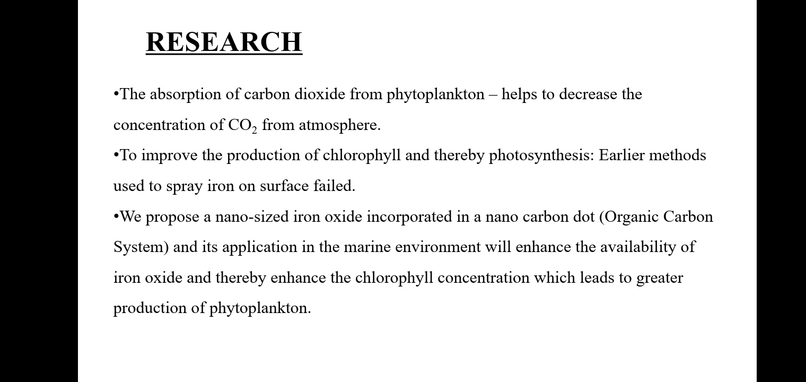
- The absorption of carbon dioxide from phytoplankton – helps to decrease the concentration of CO2 from atmosphere.
- To improve the production of chlorophyll and thereby photosynthesis: Earlier methods used to spray iron on surface failed.
- We propose a nano-sized iron oxide incorporated in a carbon dot (Organic Carbon System) and its application in the marine environment will enhance the availability of iron oxide and thereby enhance the chlorophyll concentration which leads to greater production of phytoplankton.
How we built it
From studies conducted over different oceanic regions it can be observed that global ocean act as CO2 sink. Researchers worldwide have conducted 13 major iron fertilization experiments in the open ocean since 1990. They test whether stimulating phytoplankton growth can increase the amount of CO2 that the organism pull out the atmosphere and deposit in deep ocean. Adding iron to the oceans can cause blooms of algae which have the potential to take huge amount of CO2 out of the air and so doing cool the planet. But this plan doesn’t work properly. So we planned to put carbon nano dot incorporated with iron oxide as alternative method for iron fertilization experiments. https://www.slideshare.net/AmalaDavid2/oceanthon-2021
Challenges we ran into
Studying the interaction between composite and phytoplankton
Accomplishments that we're proud of
Successfully synthesized nano carbon dot and incorporation of FeO to nano dot was successfully done by 99.9% adsorption rate
What we learned
Failures of previous iron fertilization experiements and how to overcome and successfully implement our idea as an alternative technique
What's next for Iron oxide incorporated carbon dot : Team Doris
Laboratory evaluation and Spraying of the composite


Log in or sign up for Devpost to join the conversation.