-
-
Cálculo Trivial home screen — learning progress, XP, virtual gold and available activities.
-
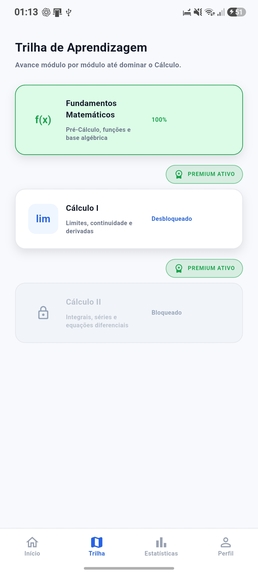
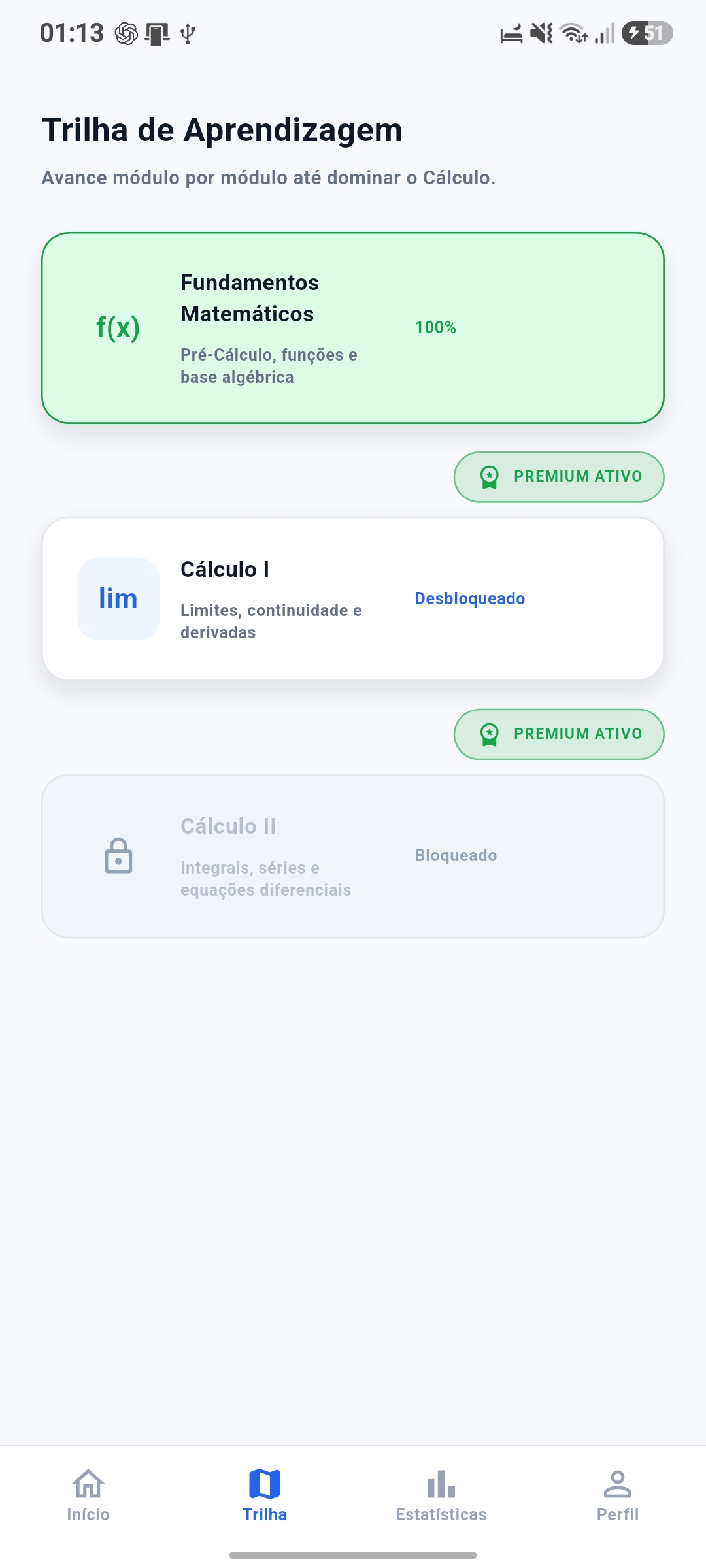
Cálculo Trivial learning path — progressive module unlocking, completed fundamentals and active Premium access.
-
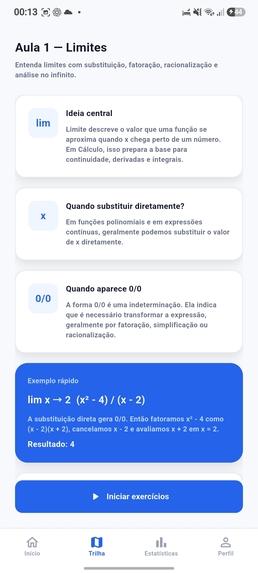
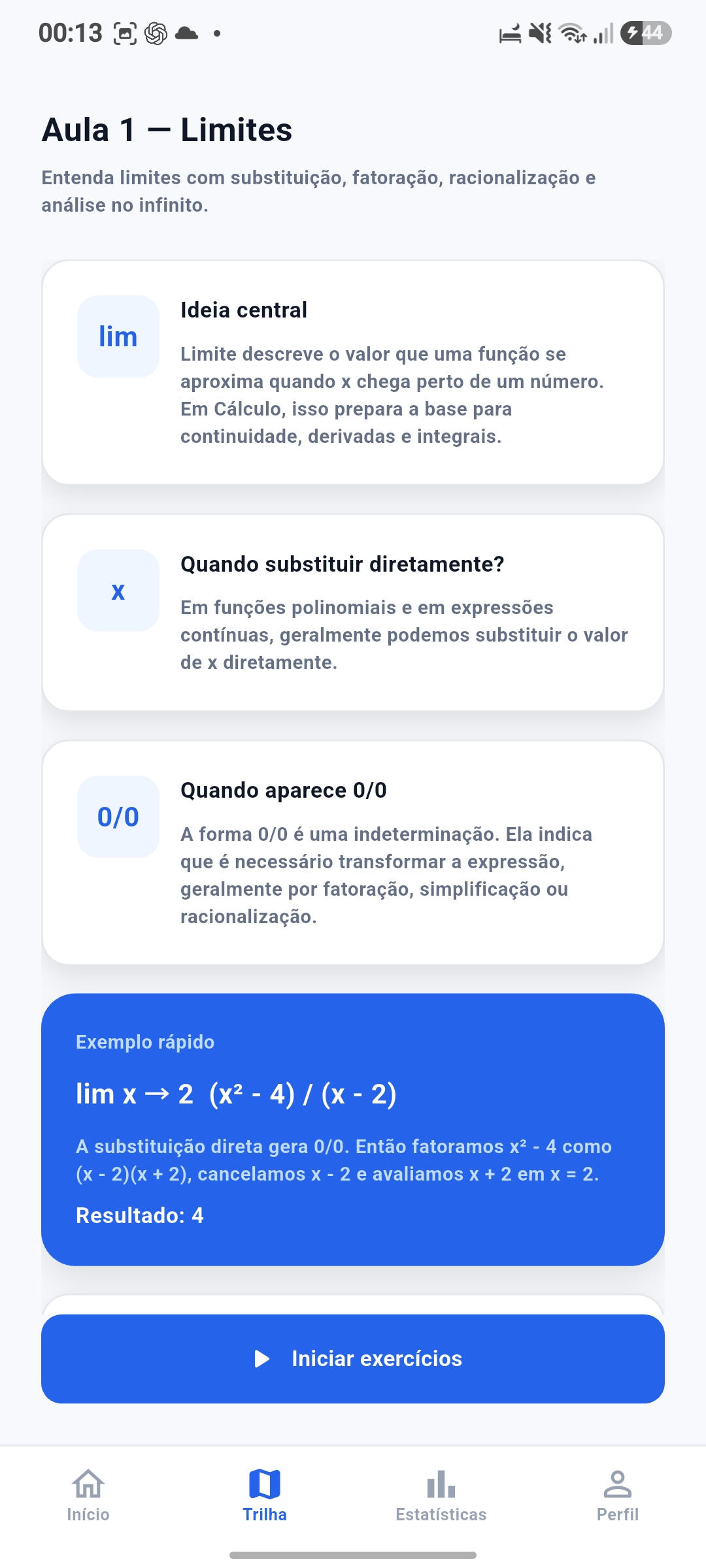
Cálculo Trivial lesson screen — concise explanations, key concepts and a guided Limits example before practice.
-
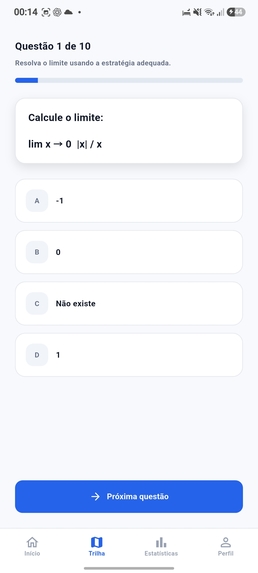
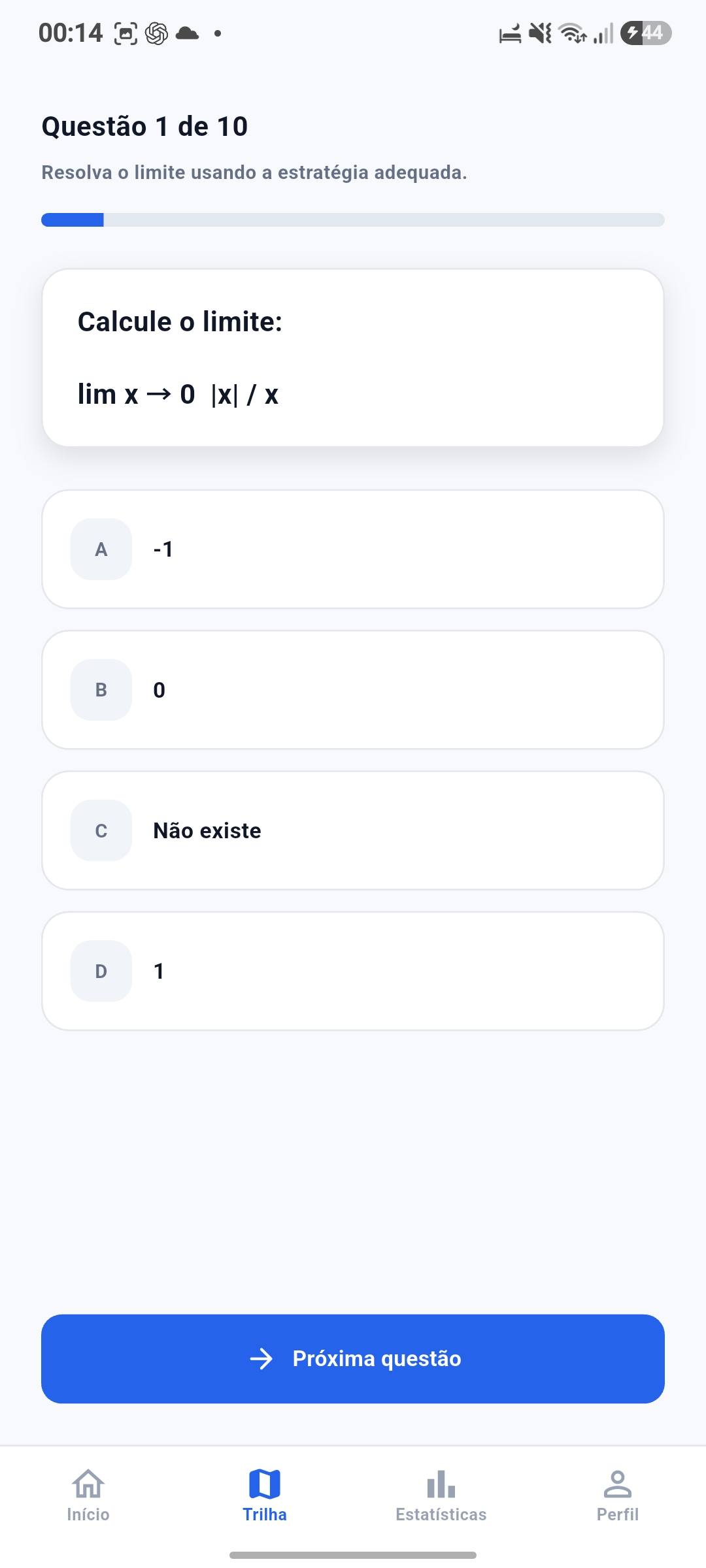
Cálculo Trivial practice session — randomized questions, clear answer options and visible session progress.
-
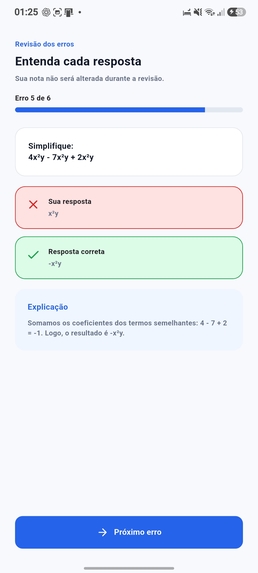
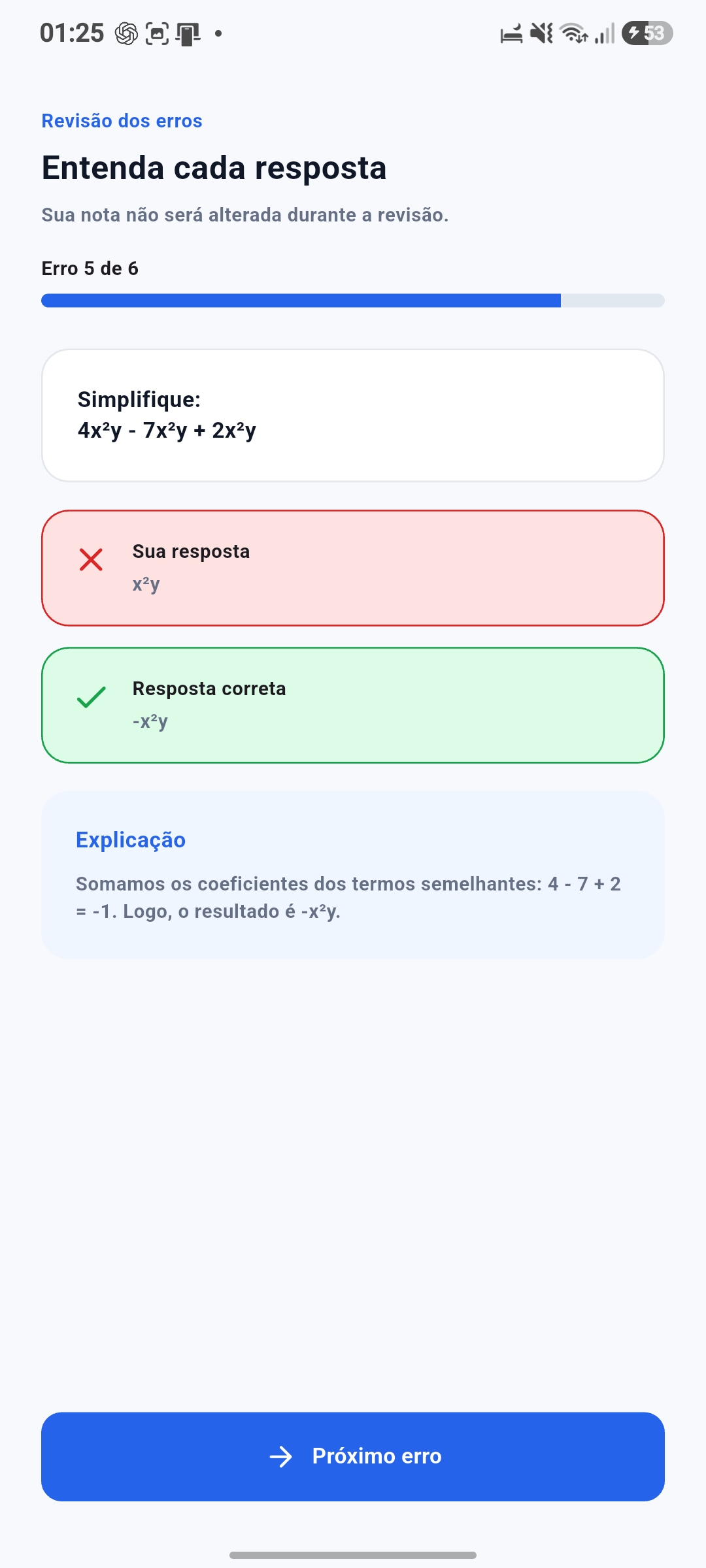
Cálculo Trivial error review — students compare their answer with the correct solution and learn through a clear explanation without
-
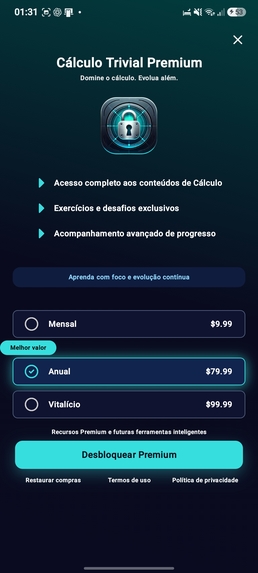
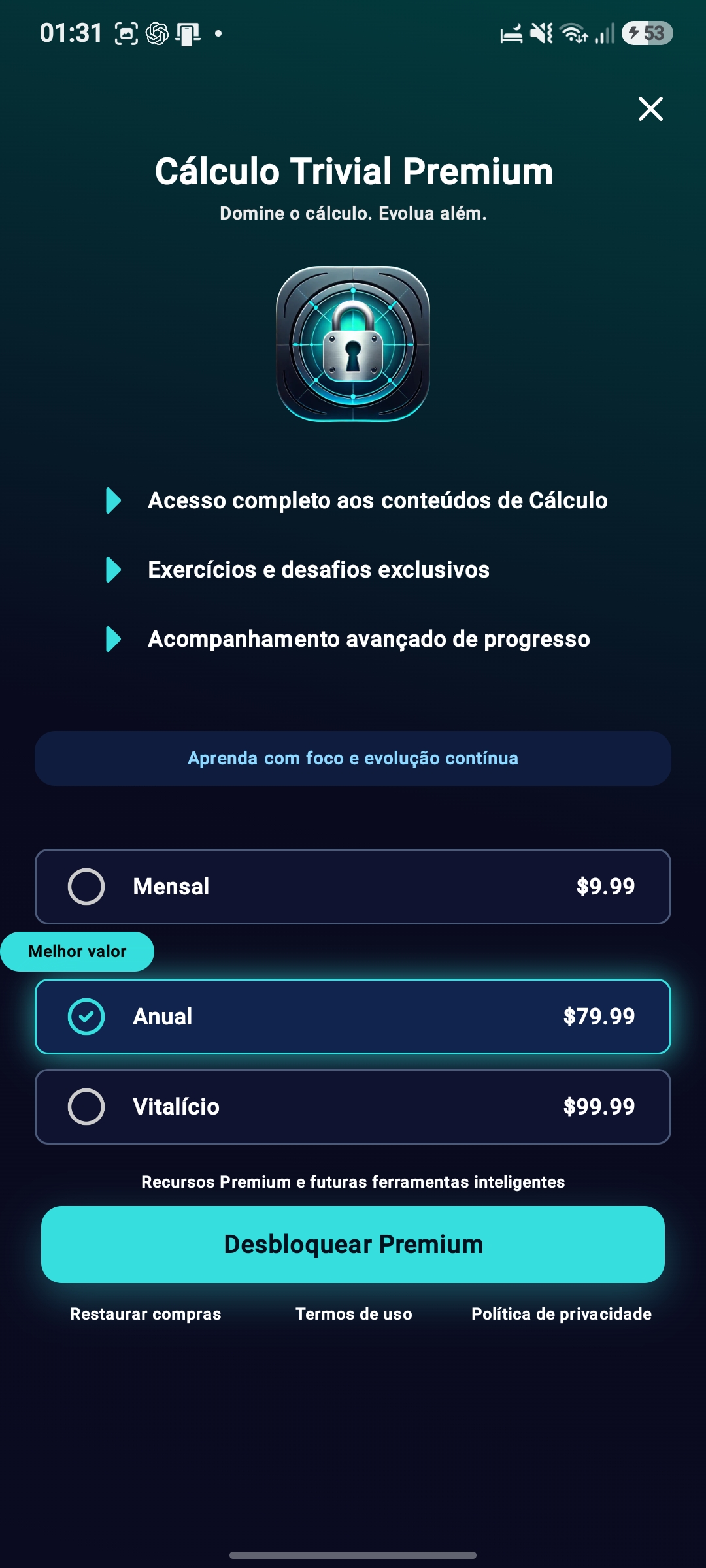
Cálculo Trivial Premium paywall — monthly, yearly and lifetime access managed through RevenueCat.
-
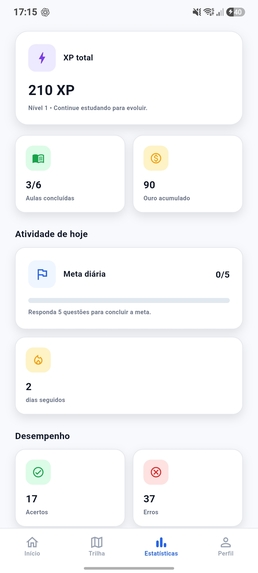
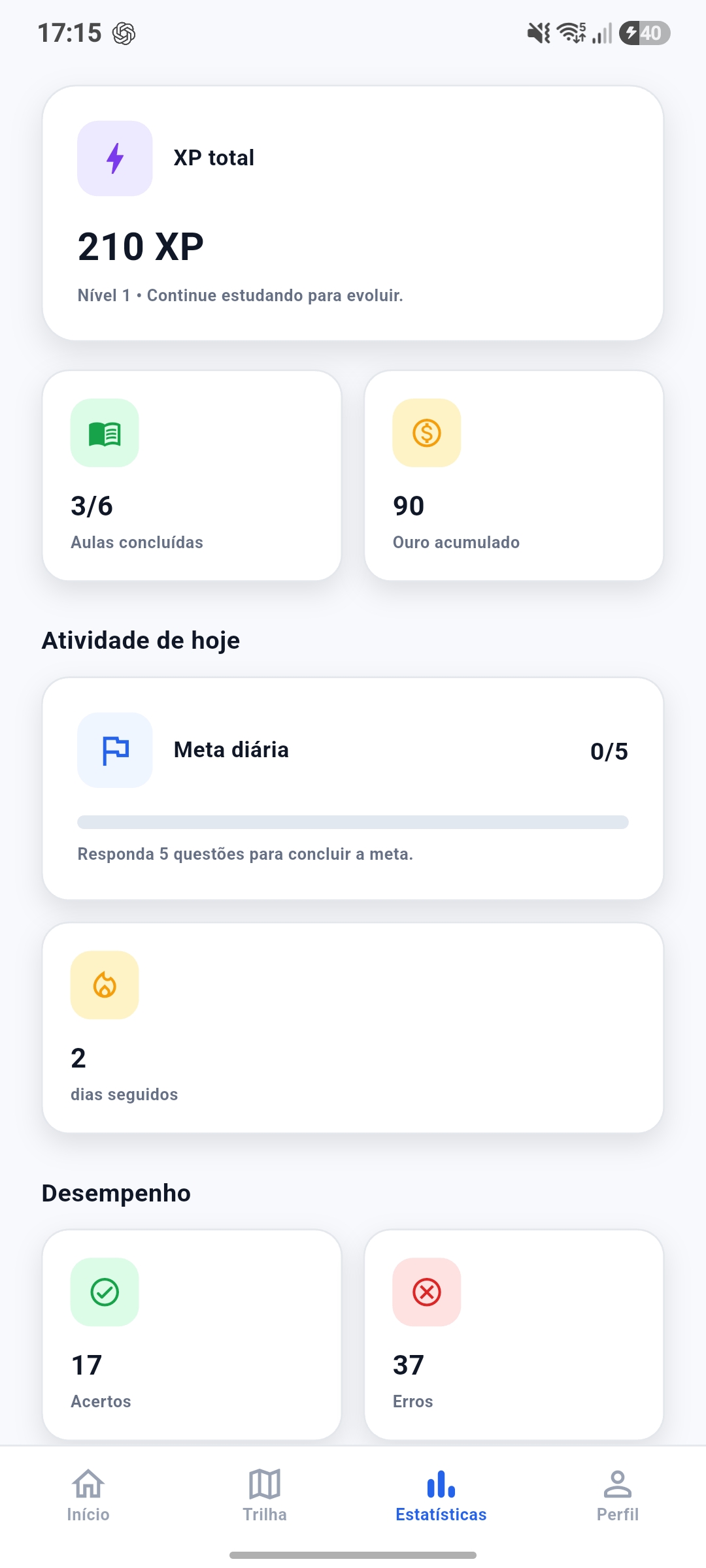
Cálculo Trivial statistics dashboard — performance metrics and topic progress synchronized with the student account.
-
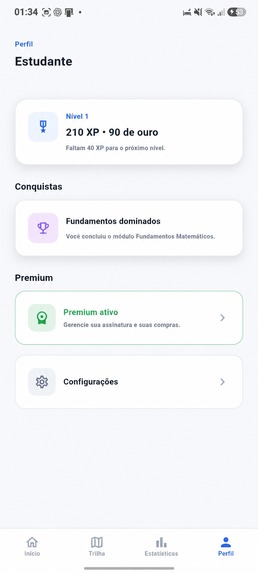
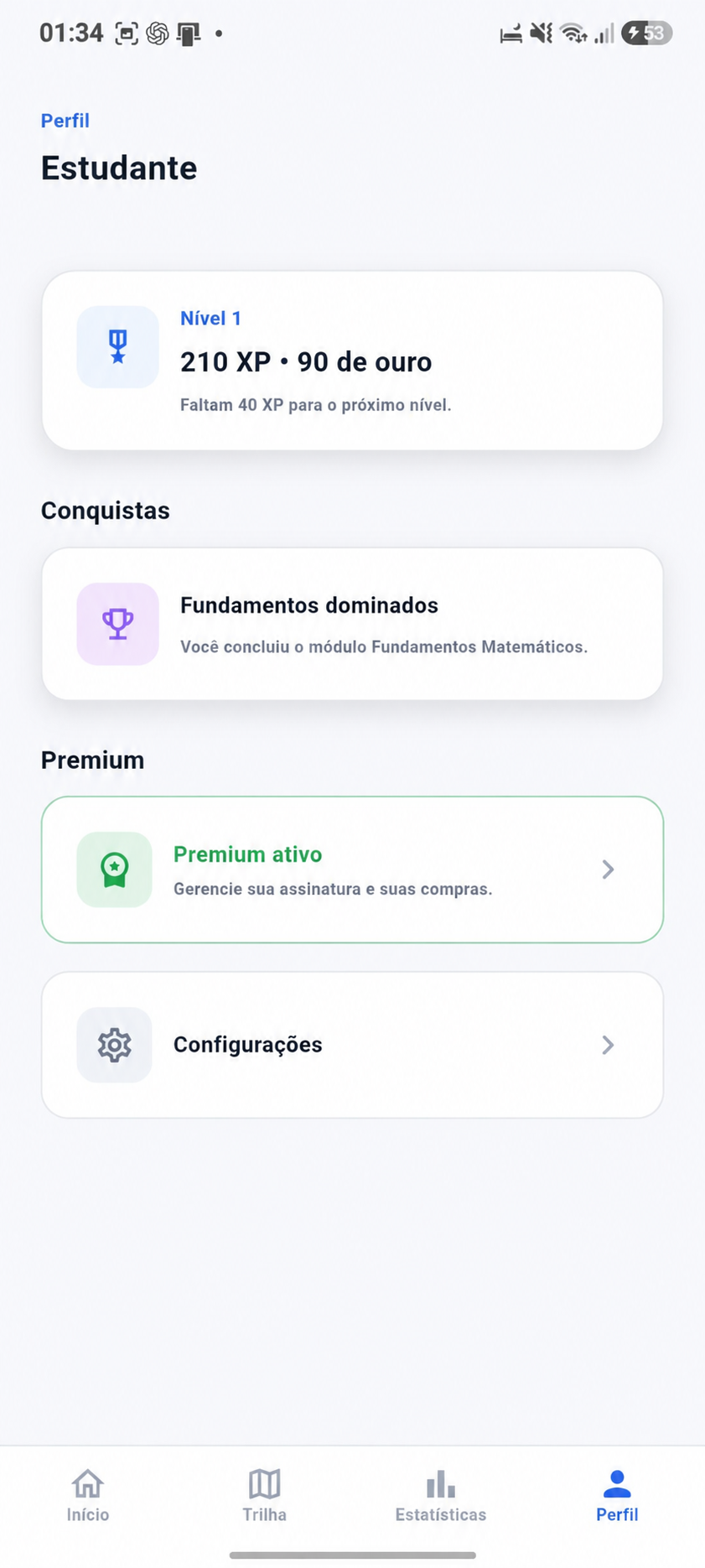
Cálculo Trivial student profile — personal level, XP, achievements and active Premium access.
-

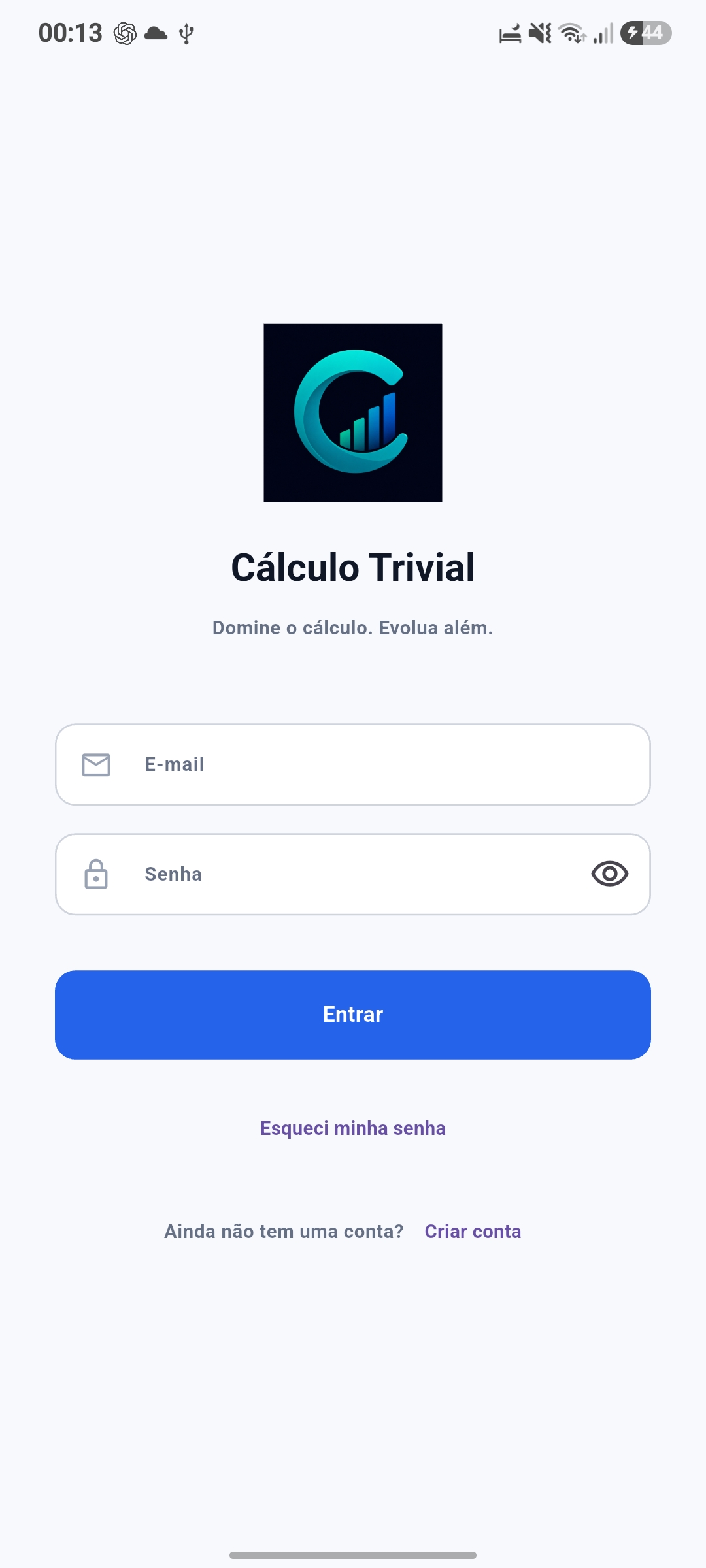
Official Cálculo Trivial app icon — representing learning, progress and achievement.

Cálculo Trivial
Master Calculus. Level up.
Development status: Cálculo Trivial is currently under active development for RevenueCat Shipaton 2026. The core learning experience is functional, but the app has not yet been officially released.
Inspiration
Cálculo Trivial was born from a problem I experienced personally as a university student.
Calculus can be frustrating. Sometimes I could follow a solved example but felt completely lost as soon as the problem changed. When this happens repeatedly, students may begin to believe that they are simply not capable of learning the subject.
Struggling with Calculus does not mean that a student lacks ability. Sometimes an explanation was too fast, a previous concept was not fully understood, or the student simply needs another example and an opportunity to try again without feeling judged.
I started building Cálculo Trivial because I wanted to create the kind of learning tool I would have liked to use during those moments.
What it does
Cálculo Trivial is a gamified Android learning app designed to help university students practise Calculus through a structured and progressive experience.
Instead of presenting a disconnected collection of formulas, the app organizes learning into lessons, exercises, feedback, review and visible progression.
The current version includes:
- 120 questions distributed across six Calculus topics;
- Randomized practice sessions containing 10 questions;
- A minimum score of 80% to pass;
- Different questions when starting a new attempt;
- A review stage for incorrectly answered questions;
- Explanations that help students understand their mistakes;
- XP, virtual gold and content unlocking only after passing;
- User authentication and password recovery;
- Local progress persistence and cloud synchronization;
- Separate progress for each user;
- Free and Premium content;
- Monthly, yearly and lifetime Premium options;
- Purchase restoration and Premium access protection.
The objective is not to provide answers without requiring students to think. Cálculo Trivial is designed to help students understand why a solution works, learn from mistakes and gradually become more confident when solving problems independently.
How I built it
I am developing Cálculo Trivial with Flutter and Dart, initially targeting Android.
Firebase Authentication manages user accounts, while Cloud Firestore stores and synchronizes student progress. Firebase App Check helps protect access to the backend.
RevenueCat manages the Premium entitlement, product offerings, paywall, purchase restoration and access control. Monthly, yearly and lifetime products are currently working through RevenueCat's Test Store. The production configuration will be connected to Google Play before the official release.
The project currently includes automated tests for critical learning rules. Thirty automated tests are passing, including tests that verify:
- Rewards are only granted after approval;
- Content is only unlocked after approval;
- Reviewing mistakes does not modify the final score;
- New attempts use different questions;
- User progress remains separated and synchronized.
Debug APK and release AAB builds have also been successfully compiled. The Android signing configuration is protected, and the project targets Android API 36.
Challenges
One of the greatest challenges has been balancing accessibility, academic value and gamification.
Rewards can motivate students, but they should not replace learning. For this reason, XP, virtual gold and new content are only granted when the student achieves the required score.
Another challenge was designing the error-review flow. Students need an opportunity to understand their mistakes, but reviewing an answer must not modify the score already earned during the session.
Integrating authentication, cloud synchronization and Premium access also required careful testing. The application must preserve each user's progress, behave correctly with unstable internet access and prevent Premium content from being unlocked incorrectly.
What I learned
Building Cálculo Trivial has taught me that creating an educational application involves much more than writing code.
I have learned about mobile development, software architecture, authentication, cloud databases, security, monetization, automated testing, interface design, accessibility and educational content organization.
Most importantly, I learned that a personal academic difficulty can become the starting point for something useful. Instead of viewing that experience only as a failure, I can use it to build a tool that may help other students persist.
Sharing the project publicly through #Shipaton and #BuildInPublic also gives me an opportunity to collect feedback, document lessons learned and improve the application before launch.
What's next
Cálculo Trivial is still in development. The next steps are:
- Complete functional testing on physical Android devices;
- Review all 120 questions and explanations;
- Improve the interface, splash screen and accessibility;
- Test offline and unstable-network behavior;
- Configure production products through Google Play and RevenueCat;
- Run the required Google Play testing process;
- Record the final demonstration video;
- Gather feedback from university students;
- Publish the first official Android version.
My goal is not to eliminate every difficulty associated with Calculus. It is to make the subject clearer, less intimidating and more possible to learn—one step at a time.
Open source
The source code is publicly available under the Apache License 2.0.


Log in or sign up for Devpost to join the conversation.