-
-
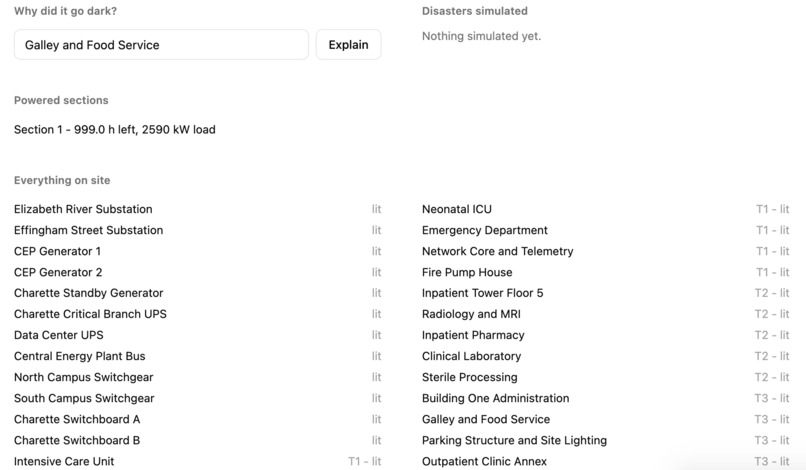
power grids changing based on attacks.
-
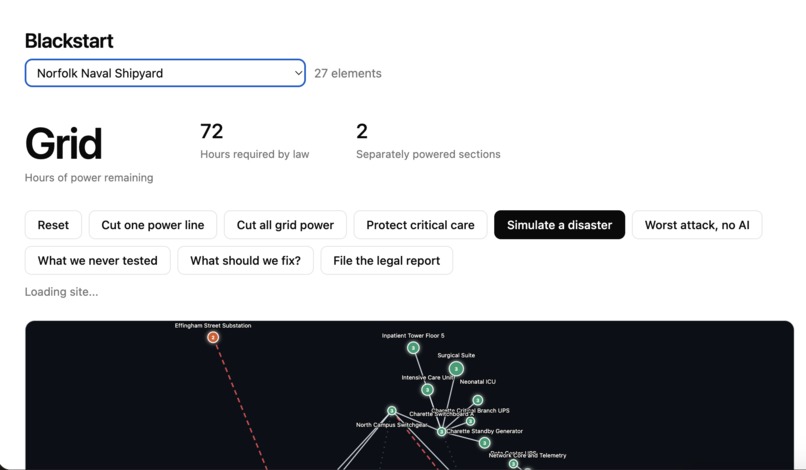
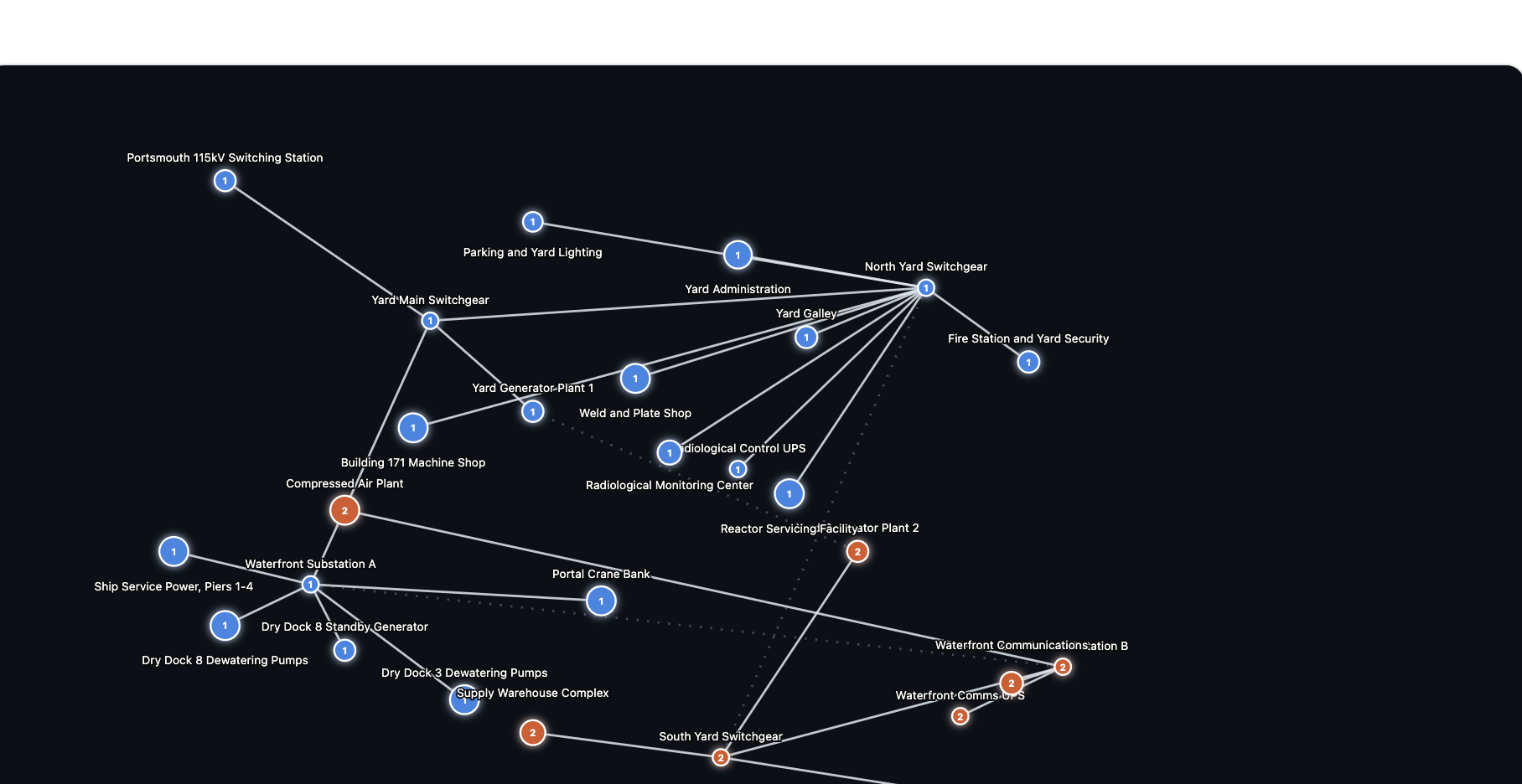
Grid for the naval stuff
-
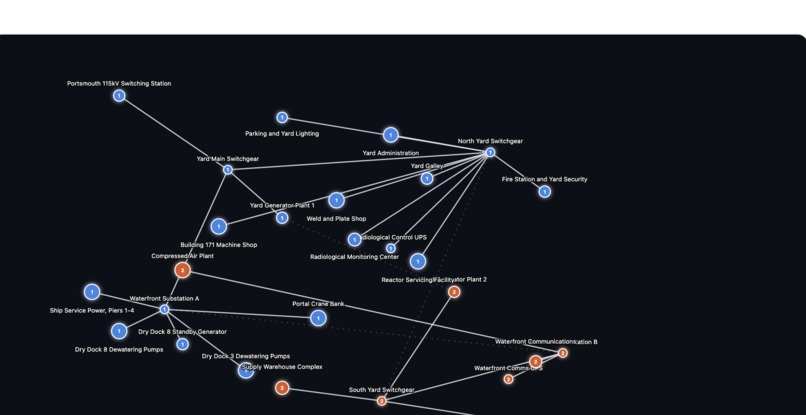
3d simulation for naval
-
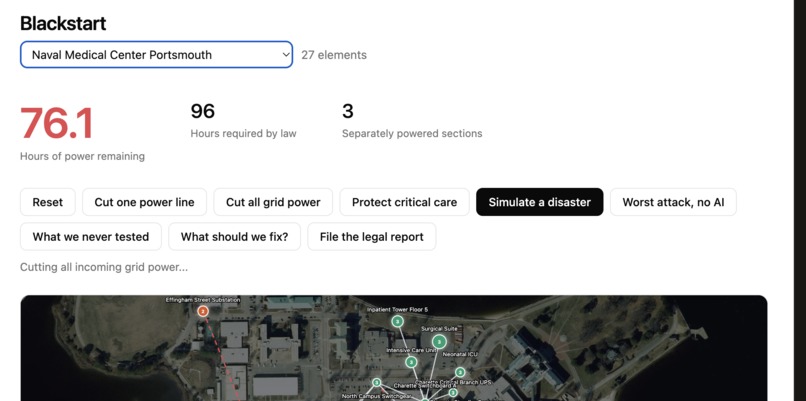
Different hospitals
-
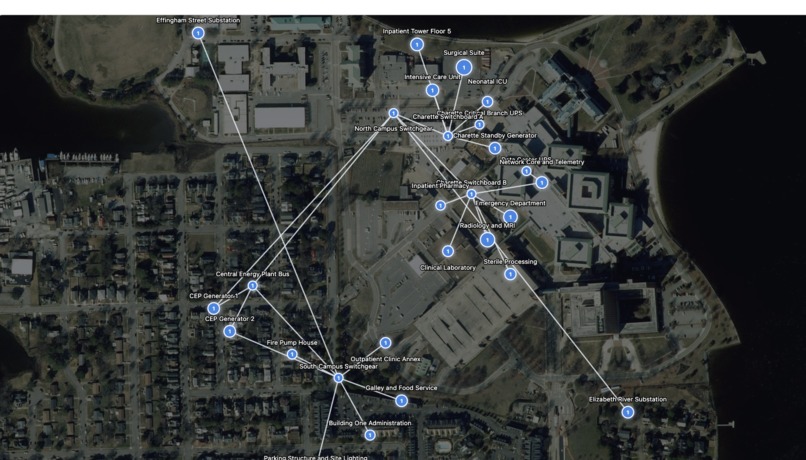
Hospital 3d simulation
Inspiration
Hospitals should not learn the hard way that their power system will fail during a storm. We wanted to turn resilience planning from reeling back from the worst natural disaster and having to do late paperwork exercises into a live, adversarial rehearsal.
What it does
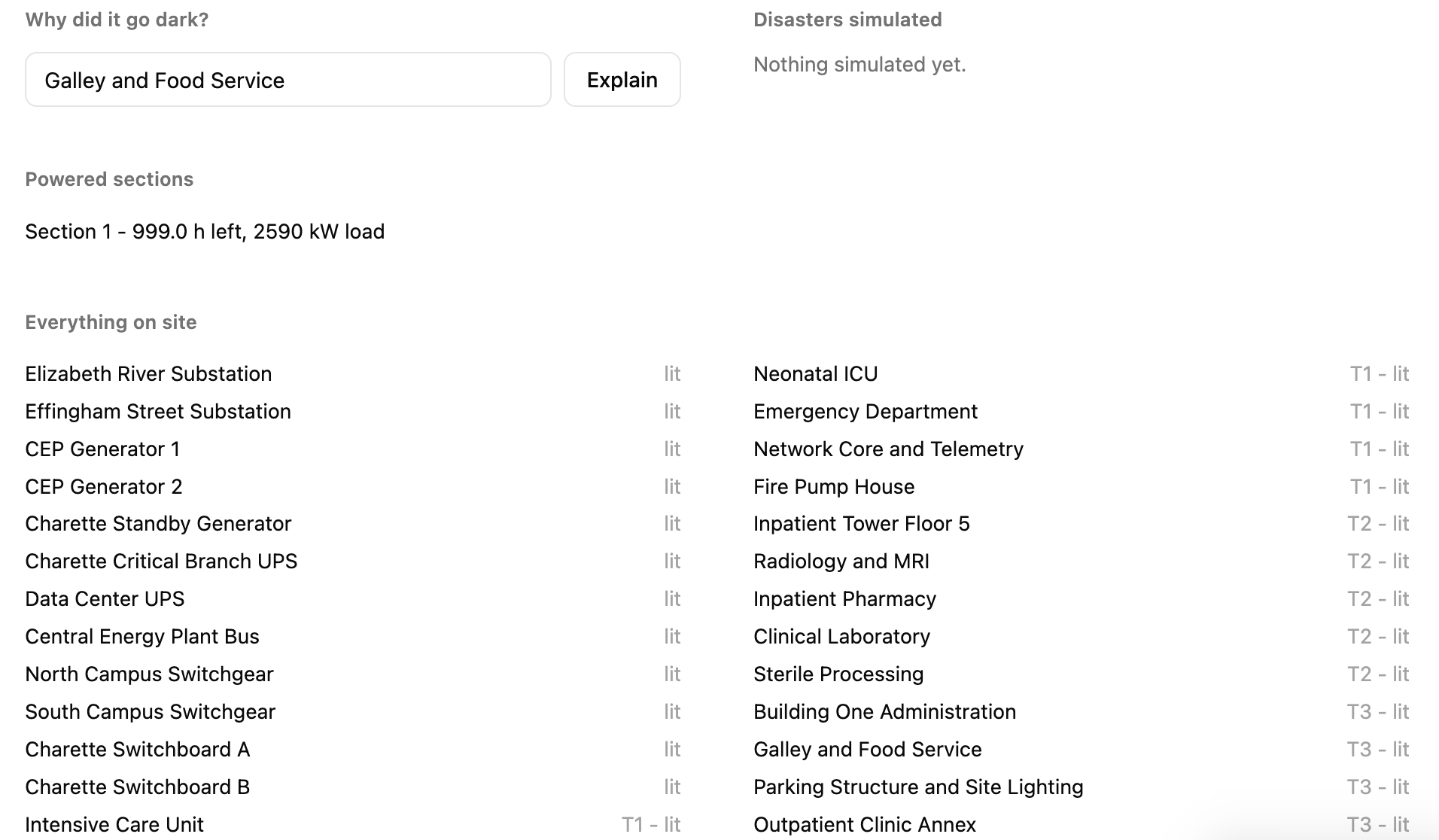
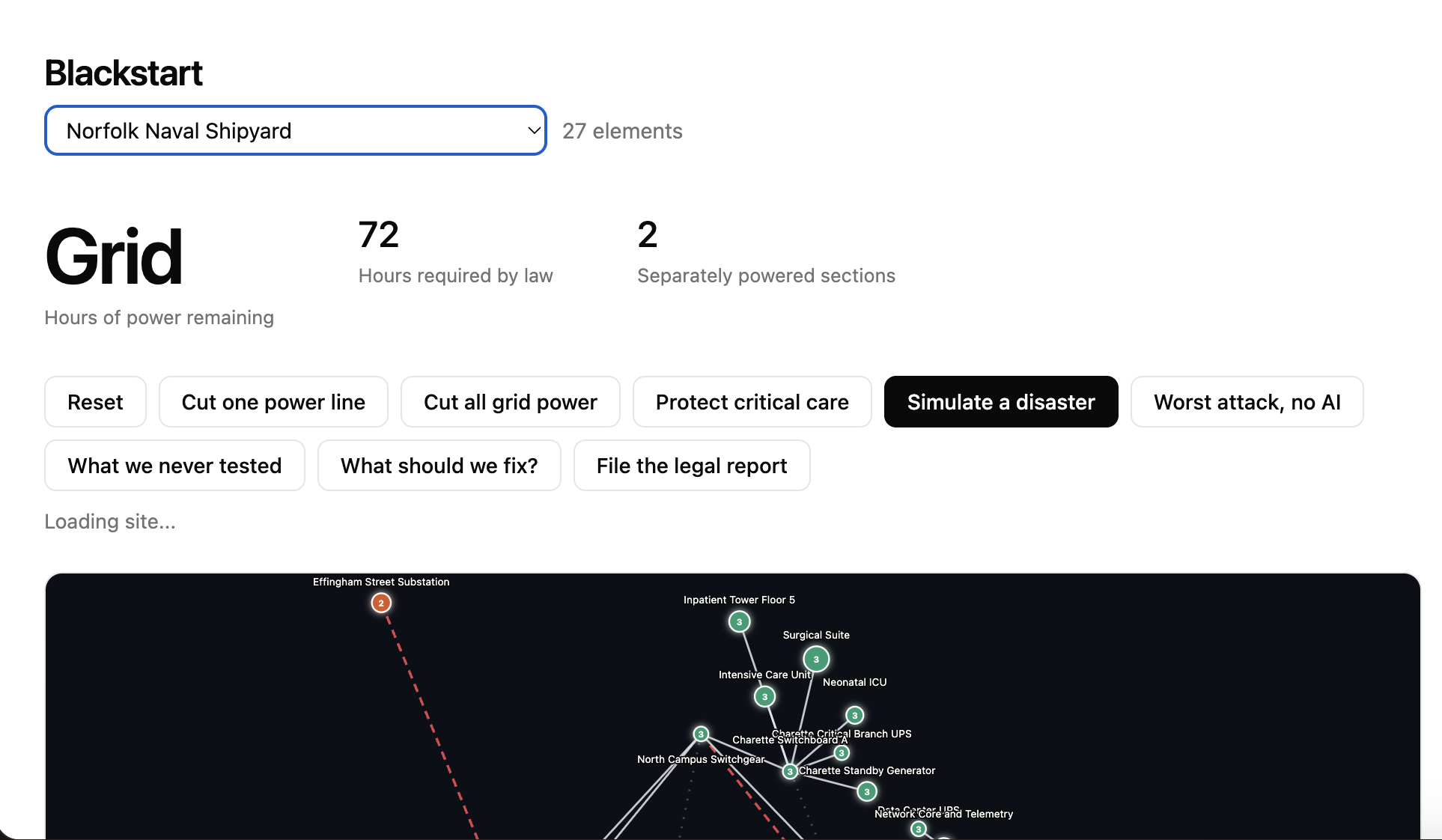
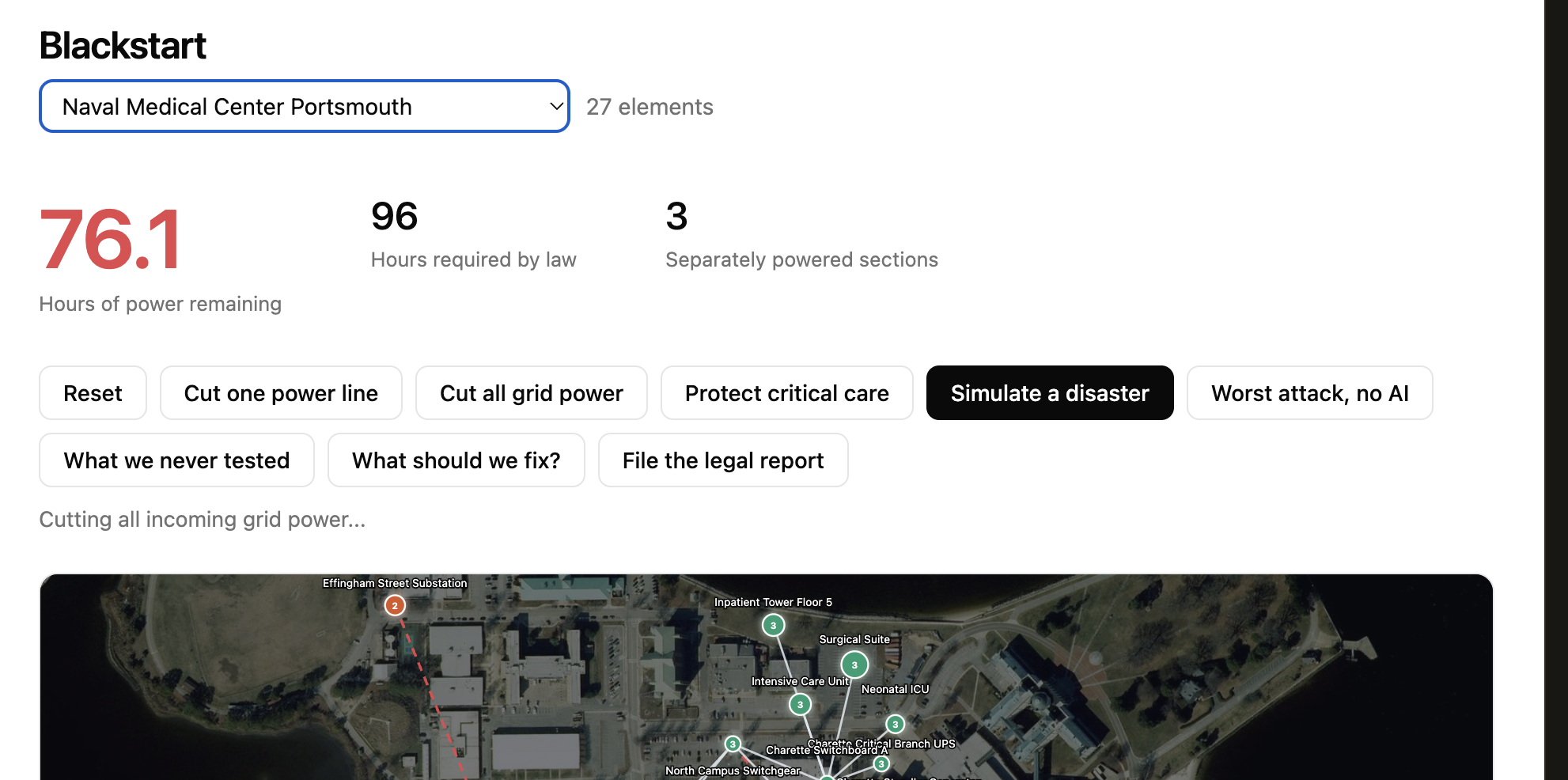
BlackStar models a hospital electrical grid, simulates cascading failures, computes how long critical care can survive in times of power outages. It sheds non-critical load deterministically, and produces an auditable hardening plan and compliance report.
How we built it
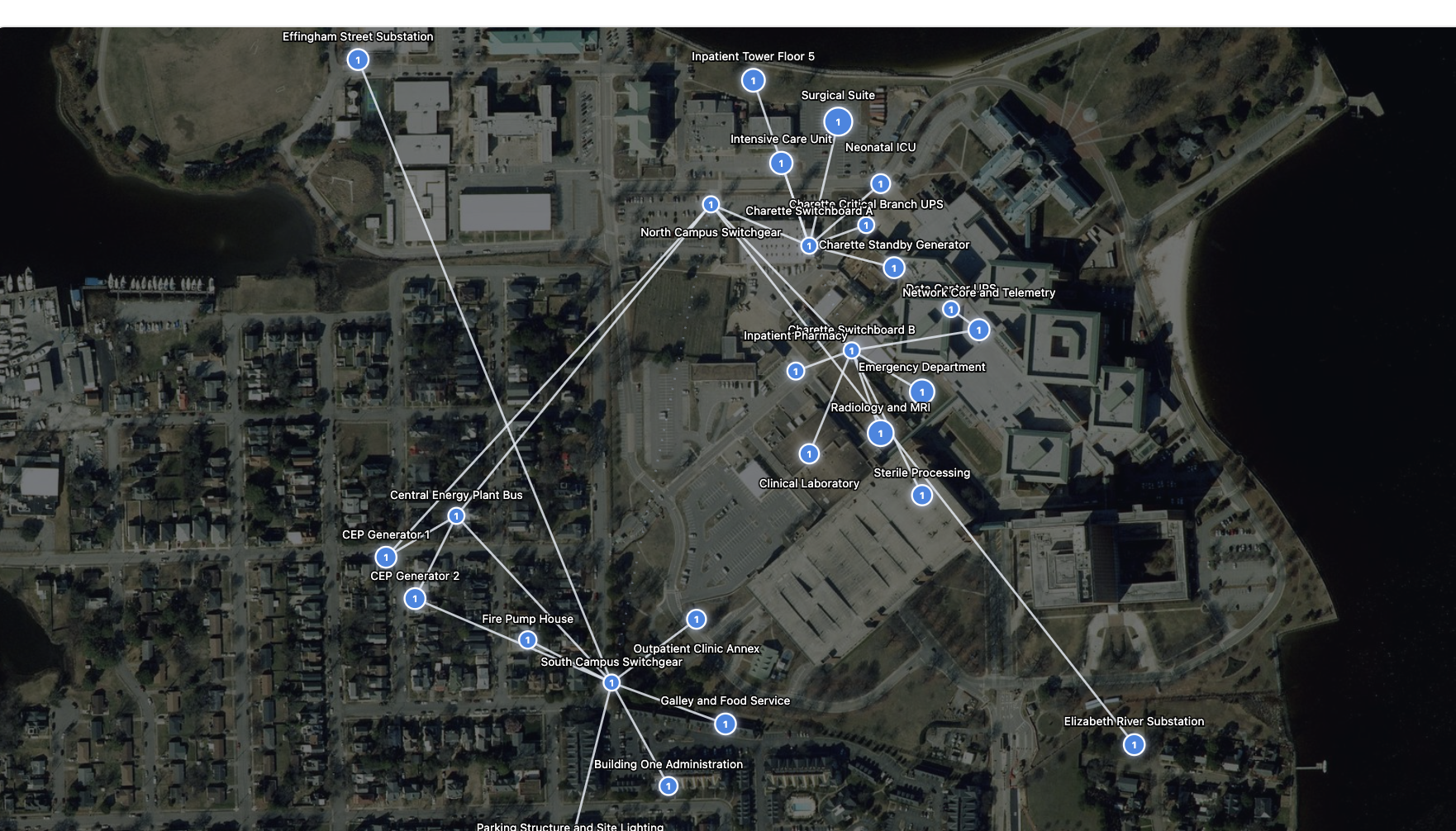
We built BlackStar in Jac as a live graph: campus assets are nodes, electrical connections are edges, and outages create emergent electrical islands. RED uses an LLM to propose plausible attack chains that could create huge issues for hospitals in reality; BLUE uses deterministic rules to protect tier-one care.
Challenges we ran into
The hardest part was making AI useful without putting it in a safety-critical control loop. We also had to prevent RED from seeing hidden grid topology, keep every decision explainable, and make the simulation honest when the hospital cannot be saved.
Accomplishments that we're proud of
We built a complete loop where we designed agents that could autonomously attack real grids. And a project that simulates, defends, explains, and reports major power outage issues that could harden hospital energy management infrastructure. BlackStar can identify a one-strike failure, show why a load was shed, generate cited resilience filings, and recommend what to build next.
What we learned
As much as AI is great for improving personal efficiency. It can make a major impact on points where judgment and world knowledge matter. Especially in stress testing scenarios for simulations like Blackstar. Which, if done right, could save so many lives from medical collapse from breaking infrastructure in times of need. The most compelling systems make that boundary visible: RED can imagine threats; BLUE never improvises with critical care.
What's next for Black Star
We plan to go on expanding to more facility types and richer site data, adding restoration and reconfiguration planning, and then we want to validate models with facility engineers and turn BlackStar into the resilience command center teams use to prepare for the next major outage.
Built With
- anthropic-api
- claude
- critical-infrastructure
- cybersecurity
- disaster-response
- docker
- energy-resilience
- generative-ai
- gis
- graph-database
- healthcare
- jac
- javascript
- llm
- machine-learning
- multi-agent-systems
- openstreetmap
- python
- react
- simulation
- vercel

Log in or sign up for Devpost to join the conversation.