-
-
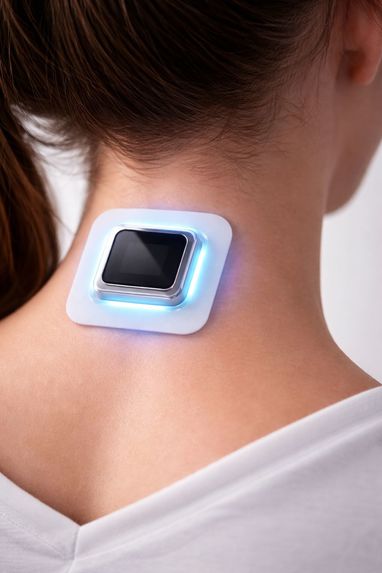
BOD Biosensor Patch | AI Triage System for Interpreting Body Signals | FIGBUILD 2026
Inspiration
Many emergency room visits begin with ambiguous symptoms like chest pain, dizziness, or nausea. Clinicians must quickly decide whether these signals indicate a serious medical emergency or a stress-driven response. Our inspiration came from interoception—the body’s ability to sense its internal state. While our bodies constantly generate signals like heart rate variability, skin conductance, and temperature shifts, most people cannot interpret them. We wanted to design a system that makes these invisible internal signals understandable to both patients and clinicians.
What it does
Benefit of Doubt (BOD) is a wearable triage-support system that reads real-time physiological signals and combines them with patient-reported symptoms to generate a probabilistic insight score. This helps clinicians distinguish between stress-driven symptoms and potential medical emergencies, allowing emergency rooms to prioritize patients faster while giving individuals clearer insight into what their body may be experiencing.
How we built it
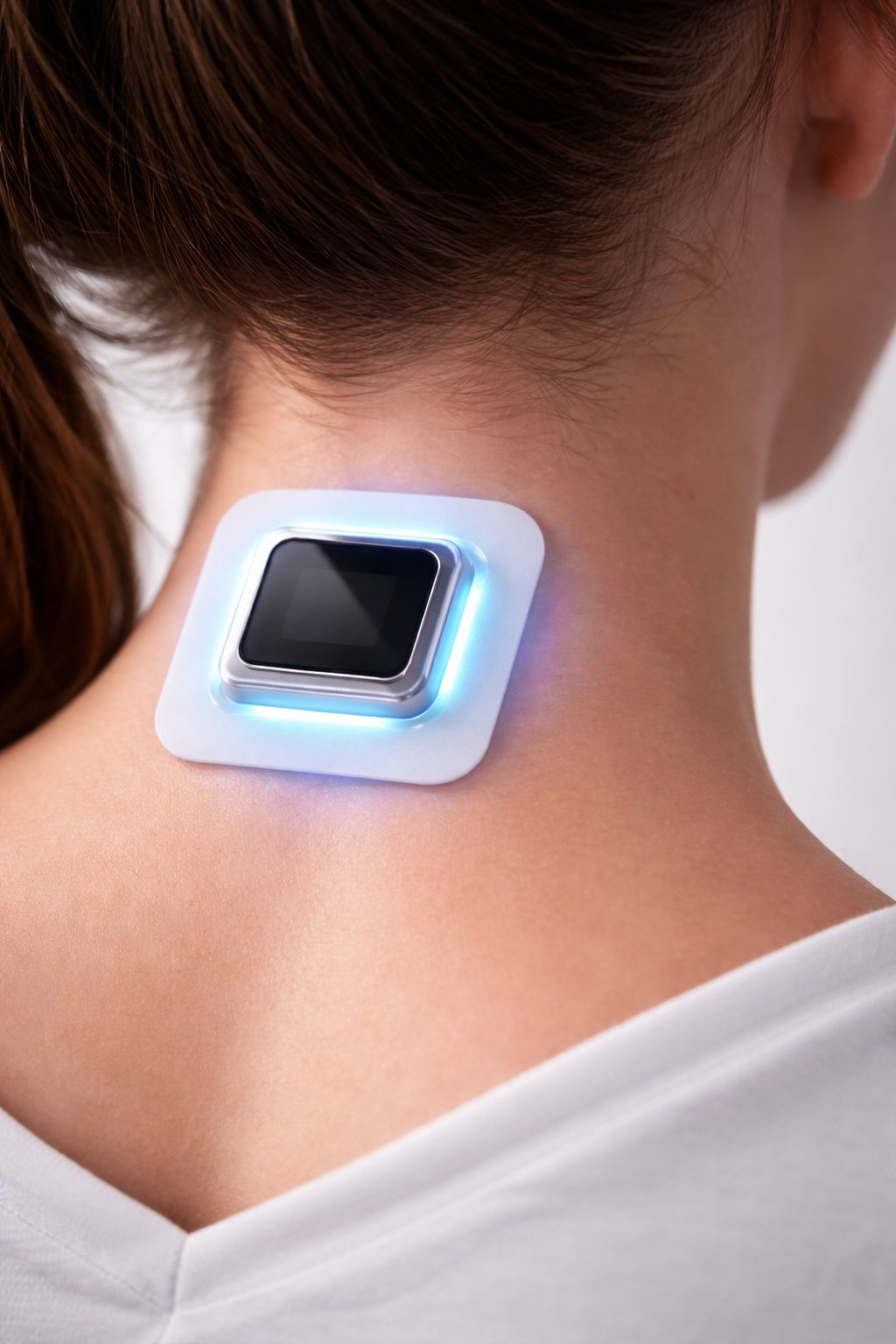
We designed BOD as a biosensor patch paired with two digital interfaces: a patient-facing interface and a clinician dashboard. The system concept reads signals such as heart rate variability, skin conductance, body temperature, and micro-tremors, and interprets them using an AI model trained on patterns associated with stress responses and cardiac or other organic events. The results are translated into clear visualizations and simple language so both clinicians and patients can quickly understand what the body’s signals might indicate.
Challenges we ran into
One major challenge was ensuring the system supports clinicians without replacing their expertise. In healthcare, AI tools must avoid false certainty or the dismissal of patient concerns. We therefore designed BOD as a probabilistic aid rather than a diagnostic tool, ensuring that all final medical decisions remain with clinicians and patients. We also considered ethical issues such as bias in medical datasets, patient consent, and ensuring that stress-related signals cannot be used to deny care.
Accomplishments that we're proud of
We’re proud that BOD is designed to support both patients and the healthcare system at the same time. By helping clinicians interpret physiological signals faster, BOD can reduce unnecessary ER congestion and allow critical patients to be identified sooner. At the same time, many patients with recurring or medically unexplained symptoms often feel dismissed or unheard. BOD gives these patients a voice by translating their body’s internal signals into understandable data, offering reassurance and validation rather than uncertainty. Our goal was to design a system that improves efficiency without losing empathy.
What we learned
This project taught us how powerful interoception data can be when translated into accessible information. We learned that many healthcare challenges are not just technological but experiential, patients often fear what they cannot understand about their own bodies. Designing interfaces that make complex physiological data readable and reassuring is just as important as the sensing technology itself.
What's next for Benefit of Doubt (BOD)
Next, we would explore integrating BOD with existing biosensing technologies and validating its signal interpretation models with real clinical datasets and make them efficient for hospital workflows. Beyond emergency rooms, BOD could expand into pediatric care, where infants and young children cannot clearly communicate their symptoms, allowing clinicians to better interpret physiological signals. It could also support psychiatric and behavioral health settings, where clinicians could use physiological insights to better understand stress responses and help differentiate anxiety-driven symptoms or conditions such as hypochondria. By extending BOD into these areas, the system could help clinicians interpret internal bodily signals in contexts where patients often struggle to express what they are experiencing.
Built With
- adobe-illustrator
- ai-inference-models
- ai/ml-inference
- and-ai-based-physiological-pattern-modeling-concepts-to-simulate-the-biosignal-interpretation-system.-the-concept-integrates-potential-biosensor-wearables
- fhir/hl7-apis
- figma
- figma-make-for-ai-assisted-interface-generation
- figmamake
- higgsfield
- interoceptive-sensing
- klingai
- photoshop
- sora
- wearable-biosensors

Log in or sign up for Devpost to join the conversation.