-
-
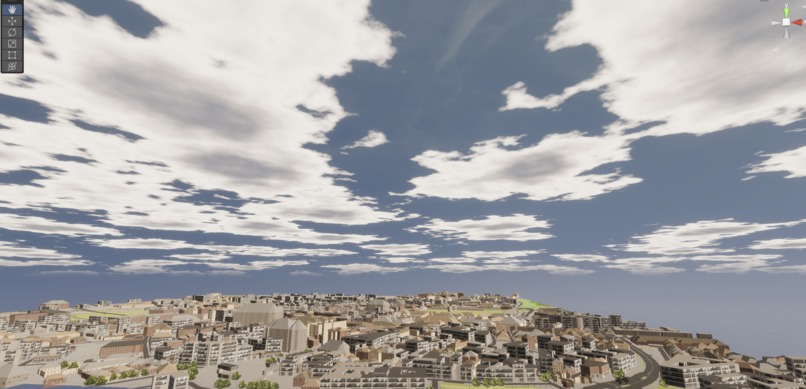
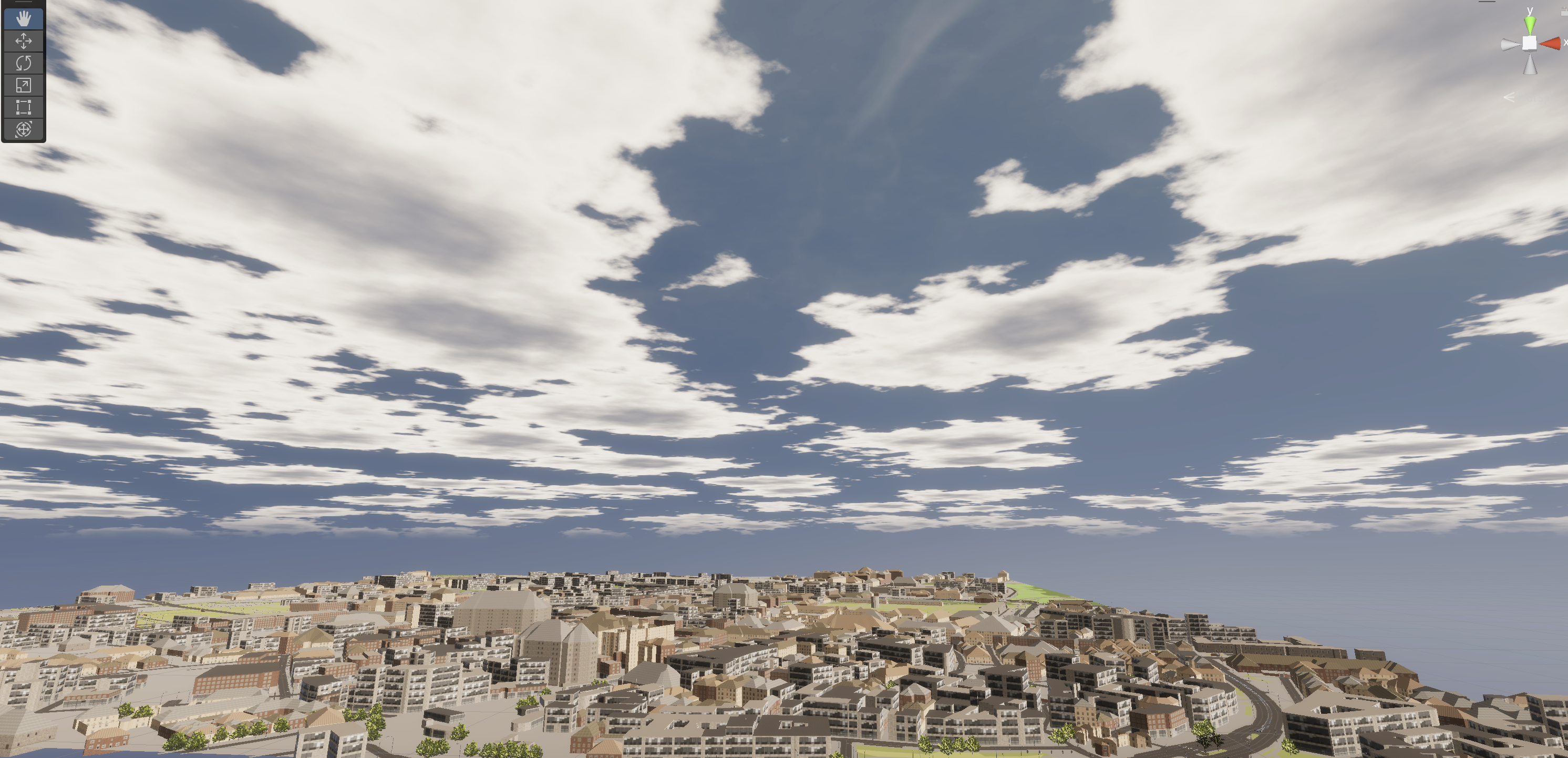
Digital 3D Munich
-
Inspiration
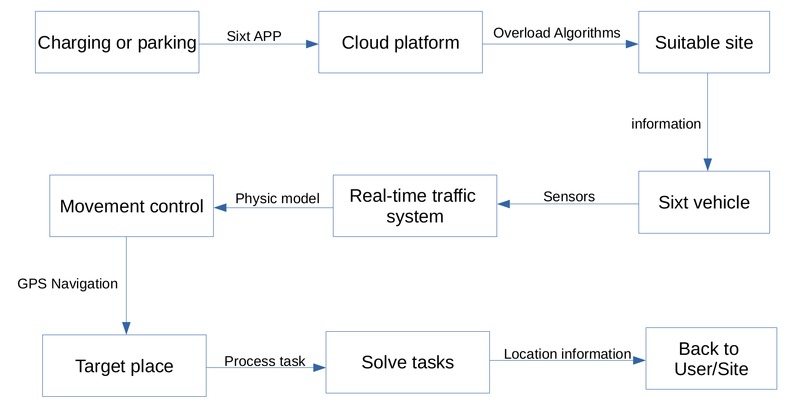
Traffic jams caused by the mishandling of human drivers often result in more CO2 emissions. We think the solution to this problem is to apply more AI algorithms to the traffic system. For example autonomous driving, smart path planning, and intelligent traffic management. However, the development of AI algorithms needs big data. Hence, we plan to build a high-quality digital Munich with a dynamic engine, which can produce big data for developing and validating various AI algorithms.
What it does
Simulate a 1:1 Munich city. The city can run intelligent traffic systems and autonomous vehicles as well as other AI systems. The city has a road network as complex and varied as reality, which can be used to develop AI-based path planning and traffic dispatching algorithms. The city's road landscape and objects are photorealistic and varied, which can be used as data for developing and validating autonomous driving perception algorithms. The city has seasonal, weather, and diurnal variations that can be used to develop and validate robust AI algorithms.
How we built it
Create high-quality 3D scene and object models using Open Street Map, Blender, and Photoshop. Render 3D scenes with an HD 3D animation engine. Connect 3D scenes with the NEUROROBOTICS PLATFORM.
Challenges we ran into
Lack of high-performance computers to quickly develop and run the system smoothly. Lack of art skills to make more realistic and varied 3D objects.
Accomplishments that we're proud of
Four teammates worked together to realize such a complex system in a short period of time.
What we learned
Teamwork is important, and diversity of skills and ideas is important.
What's next for the digital Munich
This system will serve as an AI infrastructure for global researchers to promote the rapid development of intelligent traffic algorithms. In the near future, we will be hosting an autonomous driving car race in Digital Munich. Imagine that you can race your competitors in a busy city to test your latest AI algorithm.


Log in or sign up for Devpost to join the conversation.