-
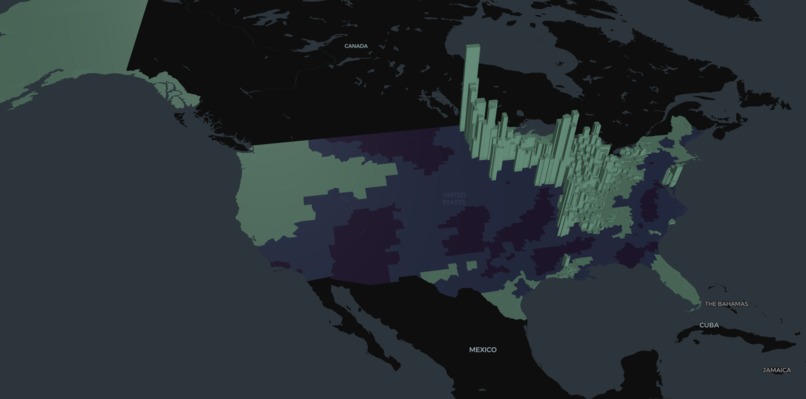
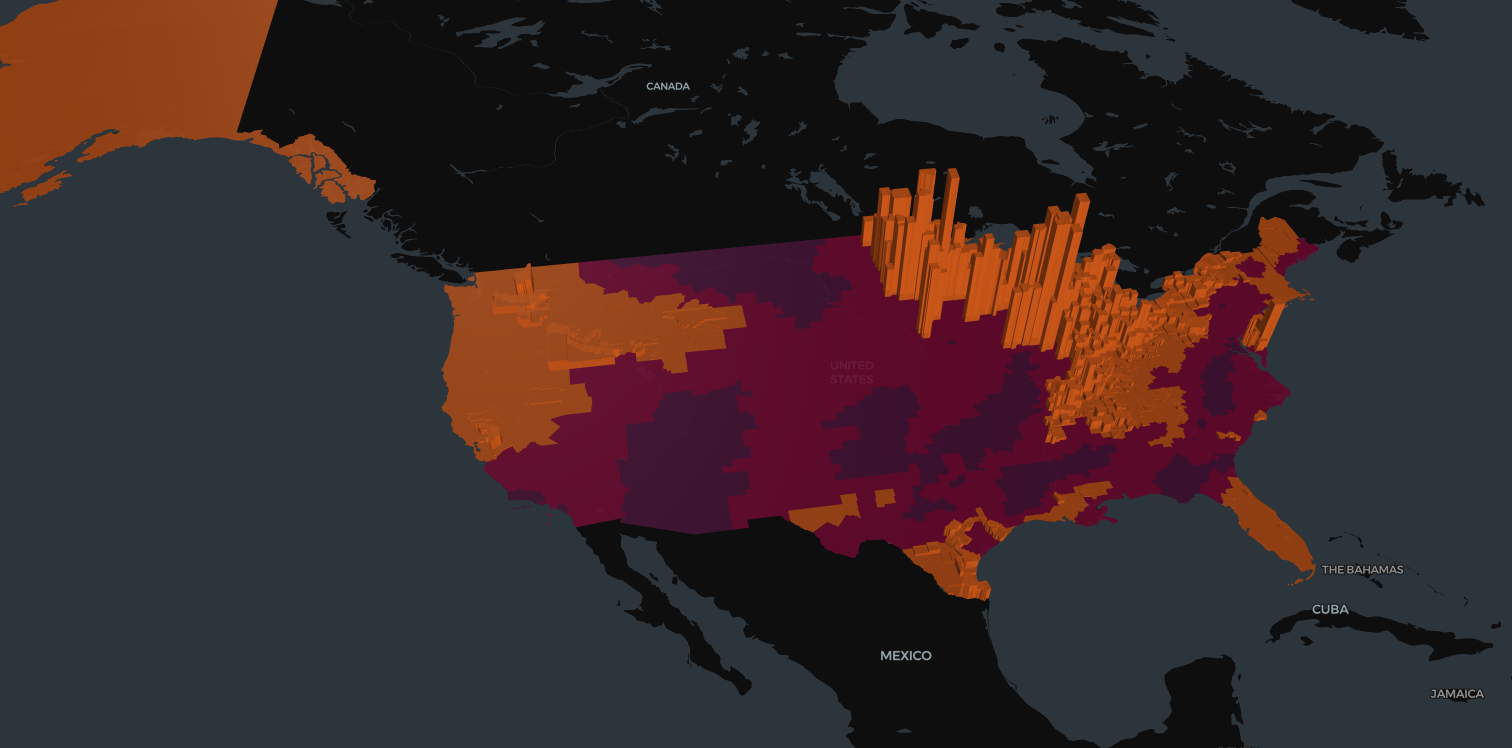
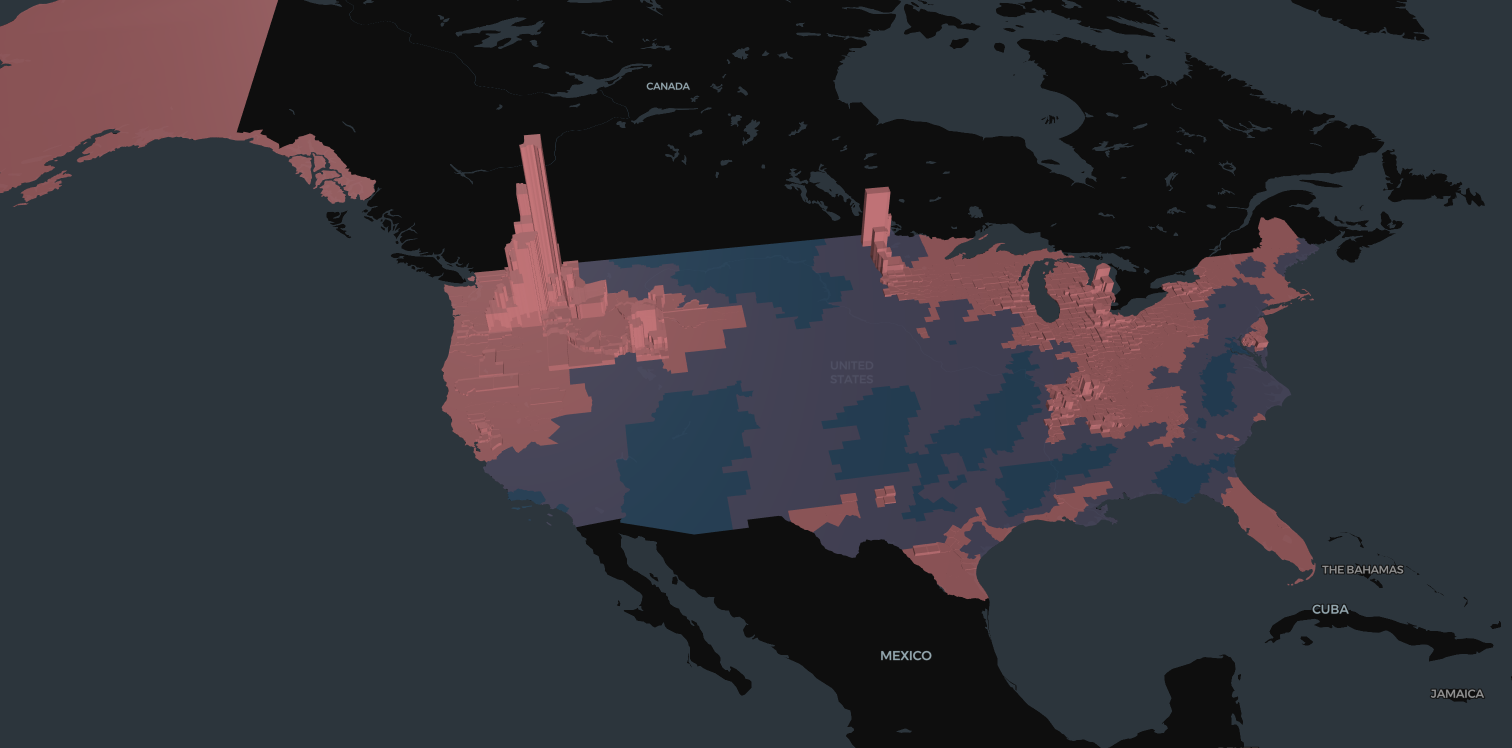
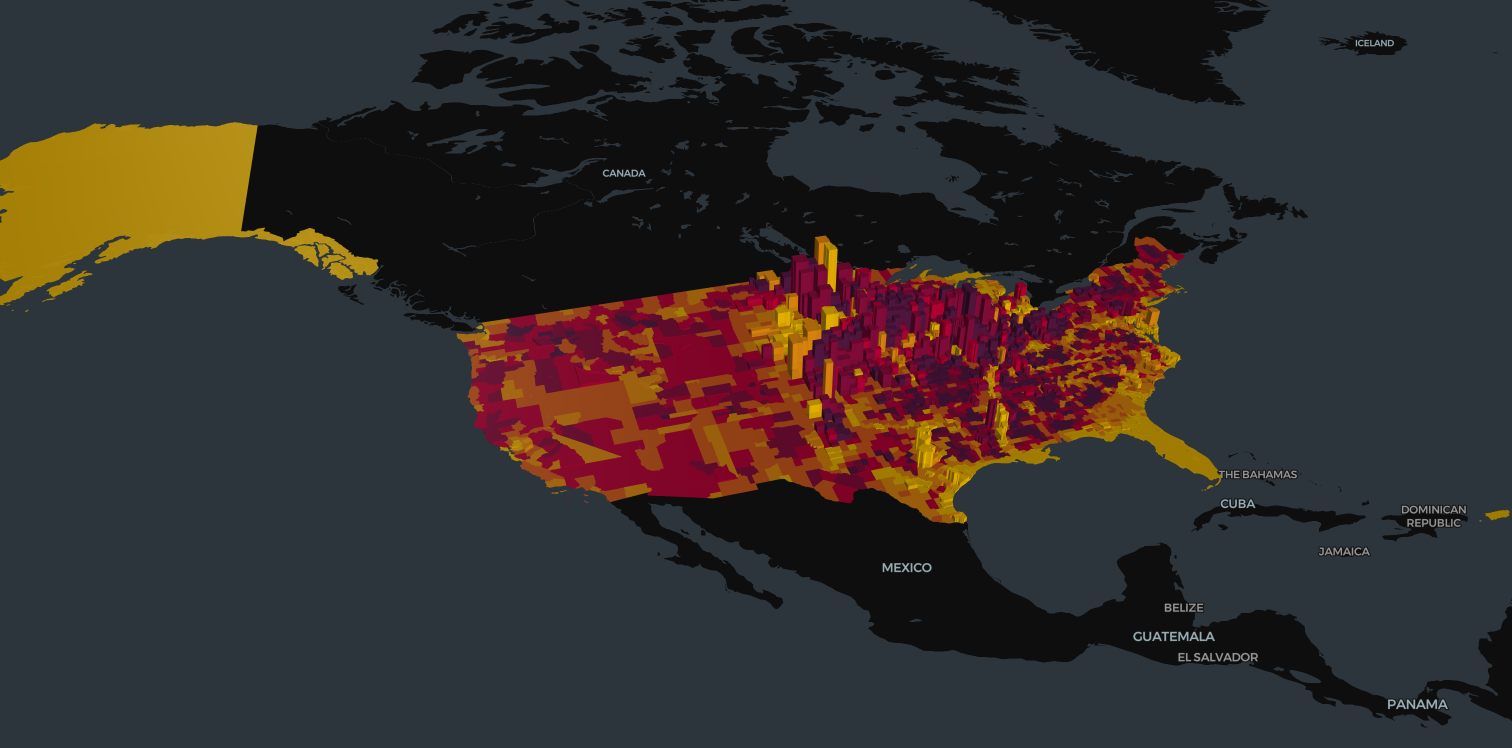
Marginal benefit of restoring land for soybean based on drought
-
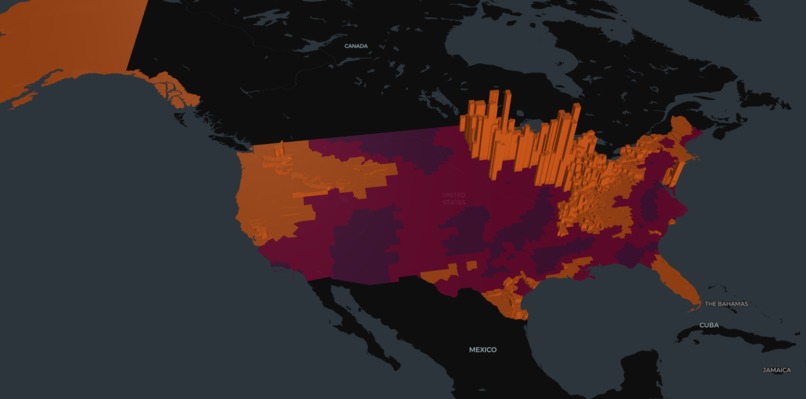
Marginal benefit of restoring land for corn based on drought
-
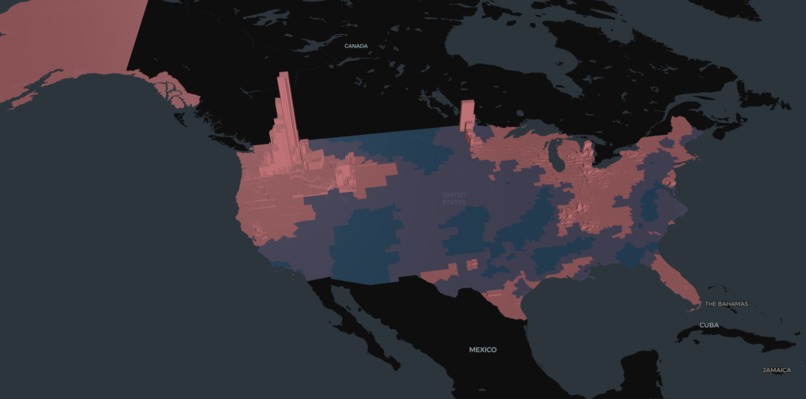
Marginal benefit of restoring land for wheat based on drought
-
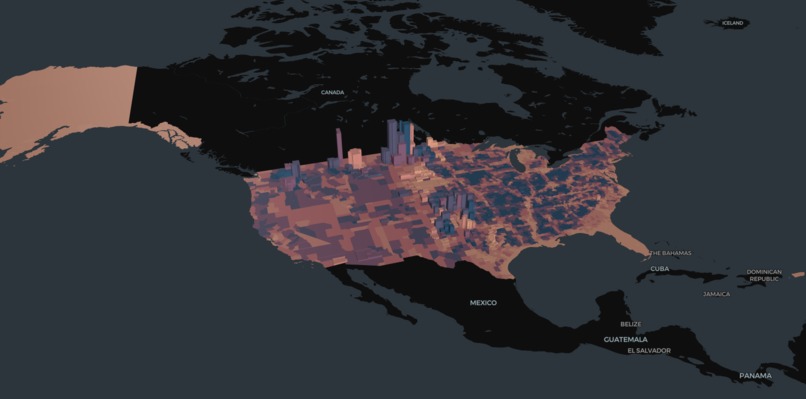
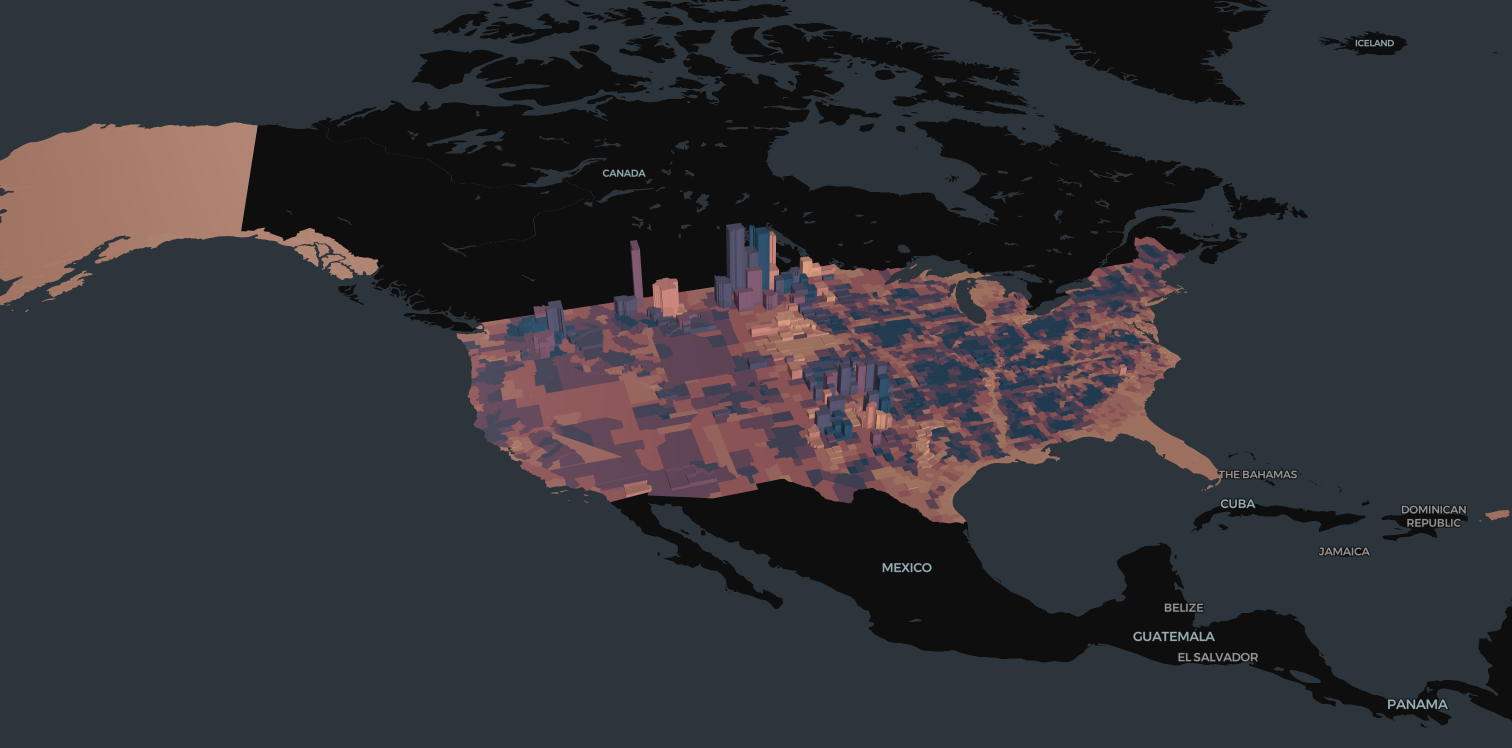
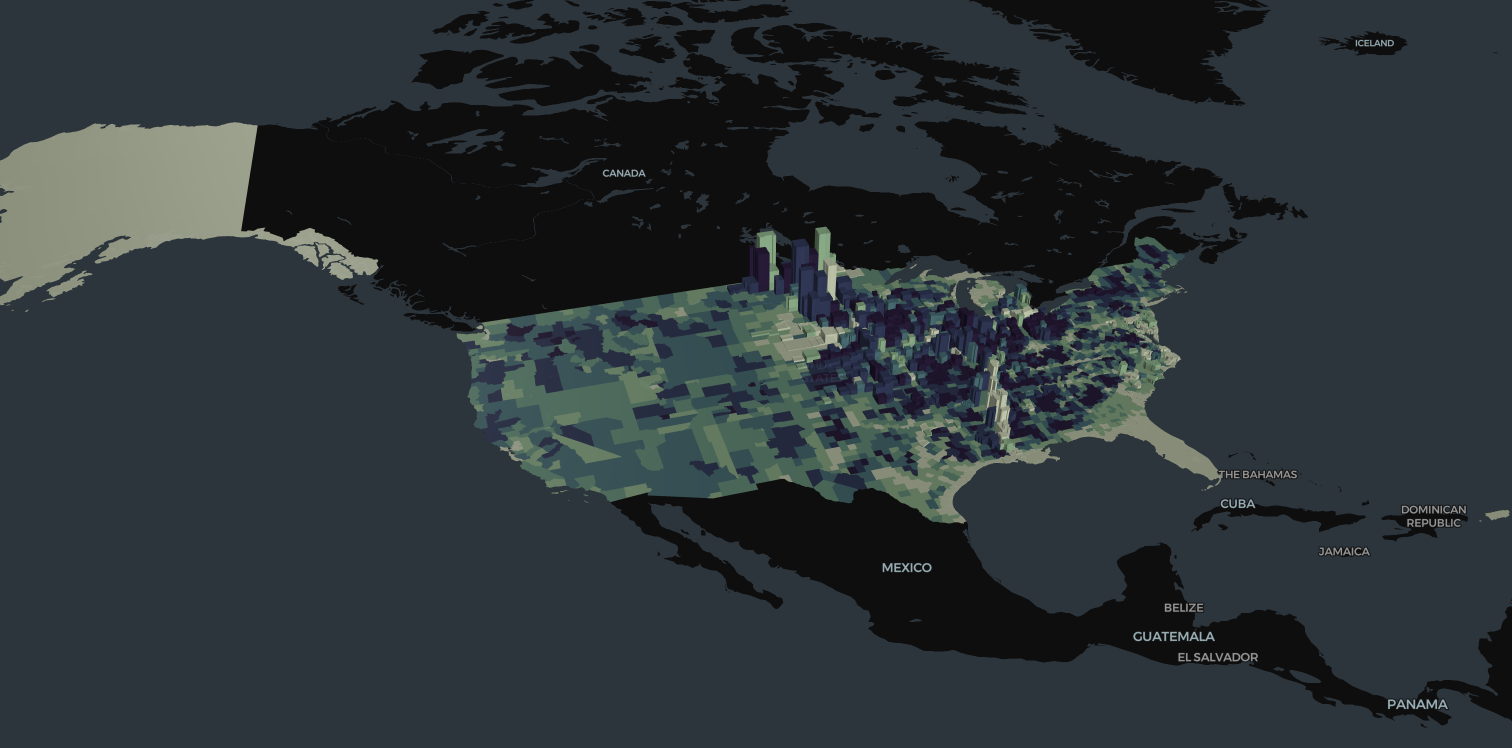
Marginal benefit of restoring land for wheat based on soil
-
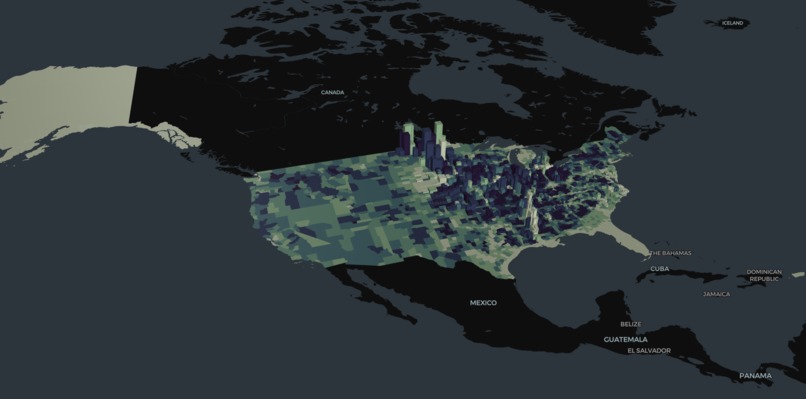
Marginal benefit of restoring land for soybean based on soil
-
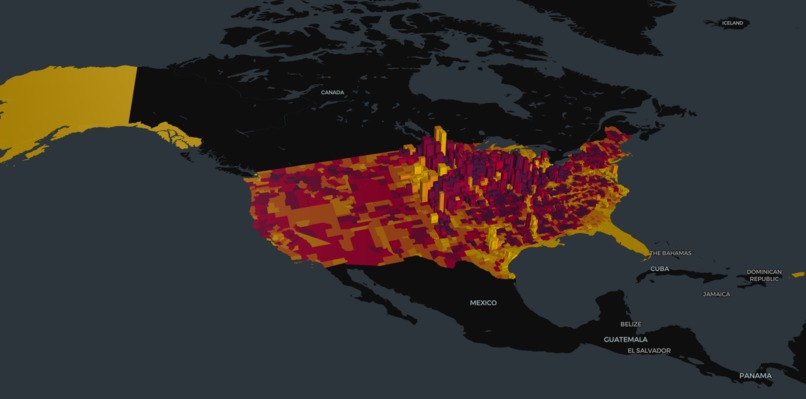
Marginal benefit of restoring land for corn based on soil
-
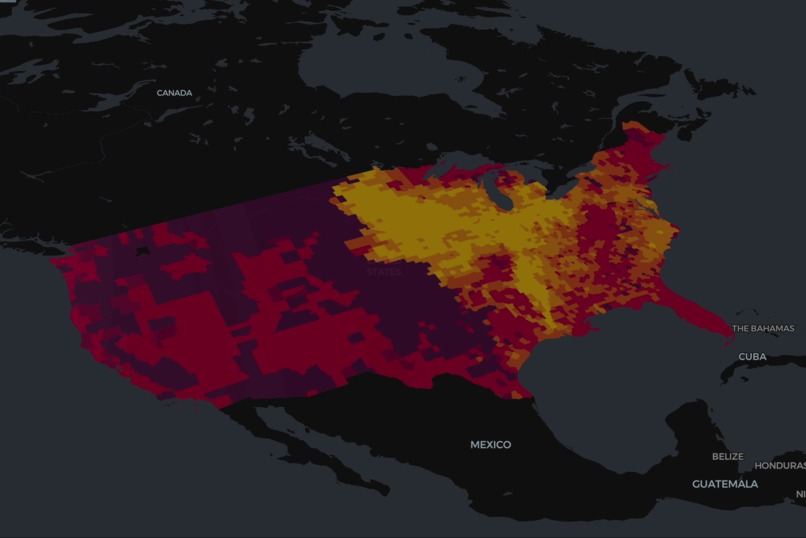 GIF
GIF
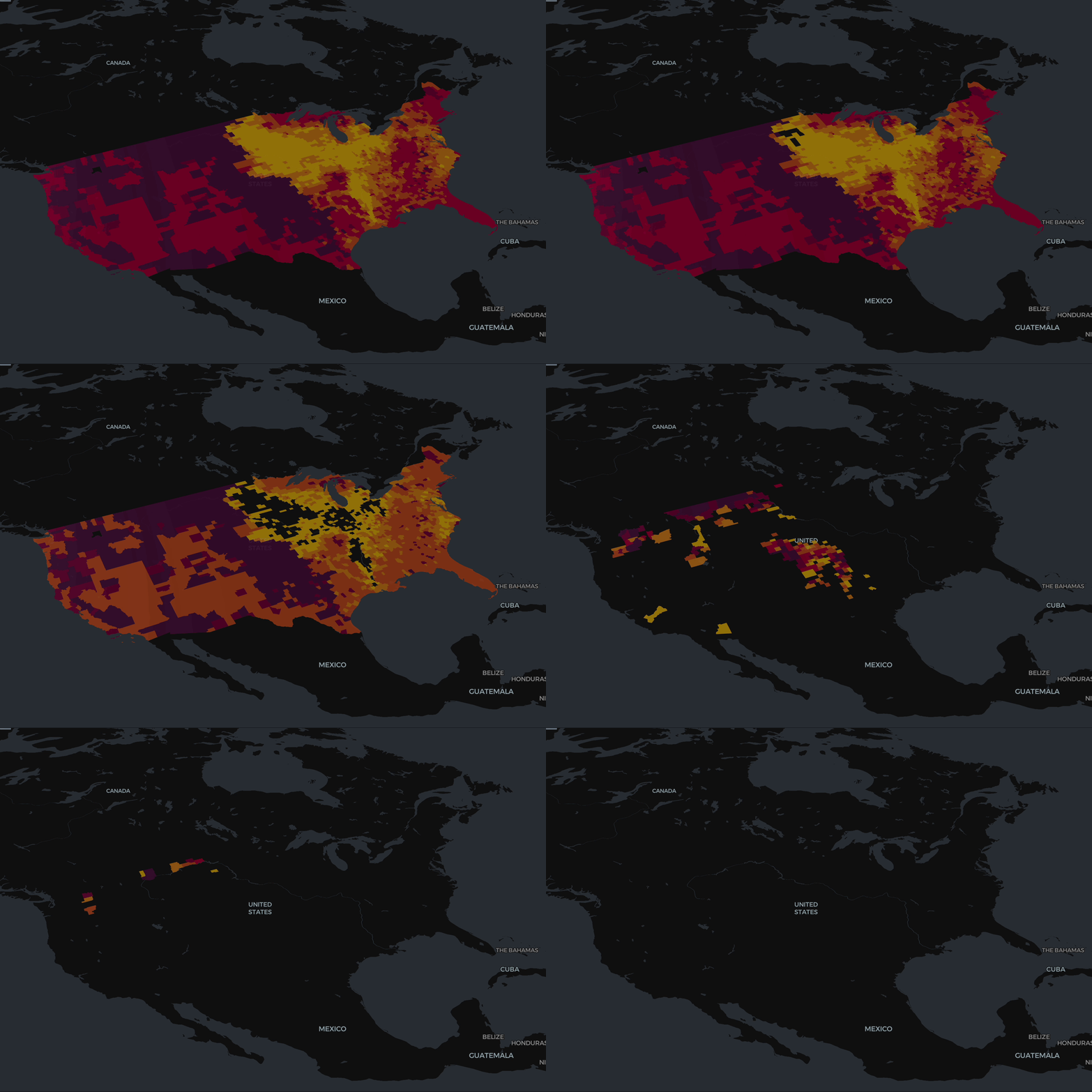
Rolling filter for county projected crop future value from least to most valuable
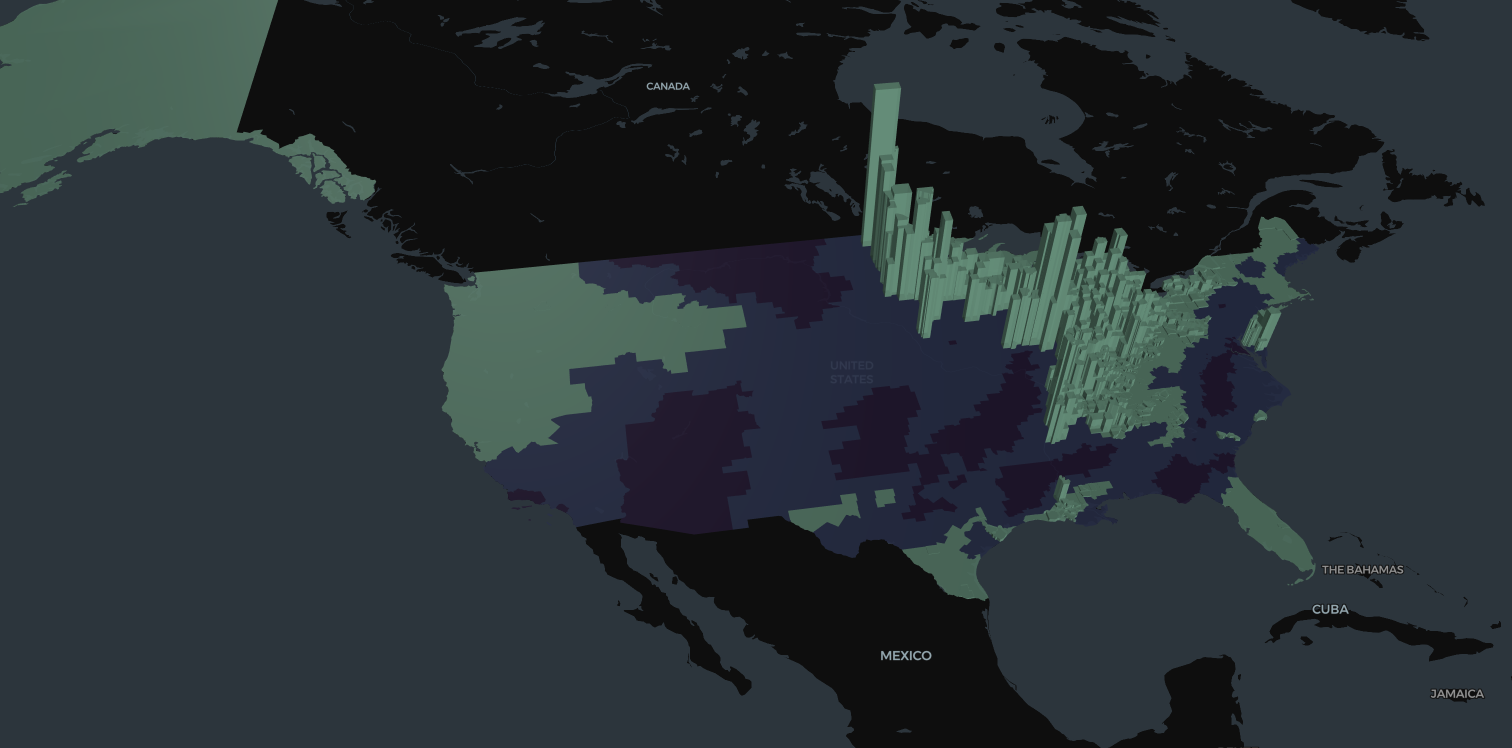
Attilan: Financial Data-Driven Land Reclamation for Economic and Environmental Benefit
Inspiration
Our inspiration came from the challenges developing countries face in utilizing underproductive land for agriculture. We recognized that decision-makers often lack access to comprehensive, real-time financial data for assessing the economic viability of land reclamation projects. Given the global impact of land degradation and the growing need to make sustainable land-use decisions, we wanted to create a platform that empowers governments to make data-driven choices to maximize economic returns while preserving environmental health.
What it does
Attilan is a platform that automatically sources, analyzes, and visualizes key metrics to assist governments in making informed land reclamation decisions. It provides a cost-benefit analysis based on crop feasibility and potential economic gain. By integrating financial data, such as commodity futures prices, with environmental factors like drought and degradation risk, Attilan enables policymakers to forecast revenue, assess risks, and select optimal land-use strategies.
How we built it
We started by identifying critical data sources, including commodity futures prices from platforms like Yahoo Finance API and economic indicators related to food prices and water scarcity. Using geospatial analysis, we integrated this financial data with environmental datasets such as drought, soil, and crop yields to create decision models. Our prototype features an interactive dashboard using KeplerGL where users can visualize potential land-use scenarios and draw areas affected by drought or land degradation. We leveraged prediction markets and optimization models to forecast returns and present recommendations in an easily understandable format.
Challenges we ran into
Combining financial and environmental data posed significant challenges, especially when it came to creating an intuitive and low-barrier interface for government officials. We also struggled with modeling risk-adjusted returns in regions with varying environmental conditions. Another obstacle was ensuring the accuracy and reliability of our data sources, particularly in regions where comprehensive information is limited or unavailable.
Accomplishments that we're proud of
We’re proud of creating a robust, user-friendly platform that brings together complex datasets to deliver actionable insights. Developing a system that could provide real-time updates based on changing market conditions was a significant milestone. Additionally, our approach to leveraging prediction markets has the potential to improve the accuracy of our economic forecasts compared to traditional models.
What we learned
We gained valuable insights into the importance of interdisciplinary data integration and the complexities of modeling economic returns in volatile environments. We also deepened our understanding of how financial and environmental metrics can work together to inform sustainable land-use decisions. Our team honed skills in geospatial analysis, predictive modeling, and user-centric design.
What's next for Attilan
Our next steps include expanding our data sources to incorporate more localized environmental metrics such as livestock future tracking. We aim to develop a feature that allows for even more dynamic updates by tracking natural disaster prediction proxies as well as adding support for all global crops. We also plan to pilot Attilan with governments in developing countries and international organizations to further validate and enhance our platform, ensuring it meets the diverse needs of stakeholders in land management.

Log in or sign up for Devpost to join the conversation.