-
-
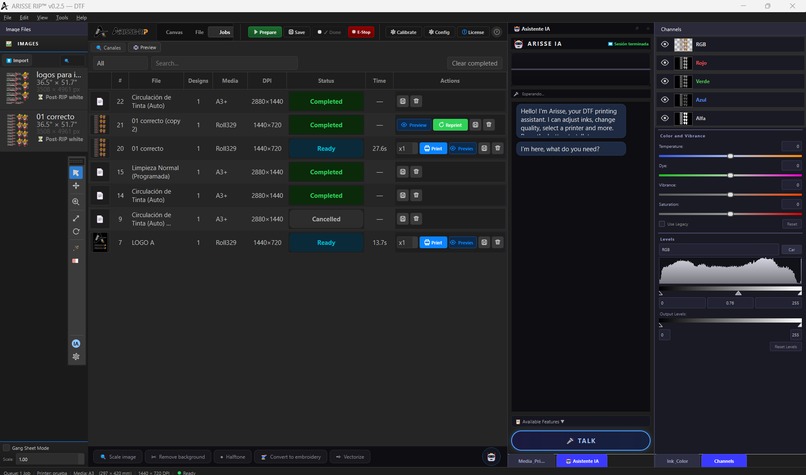
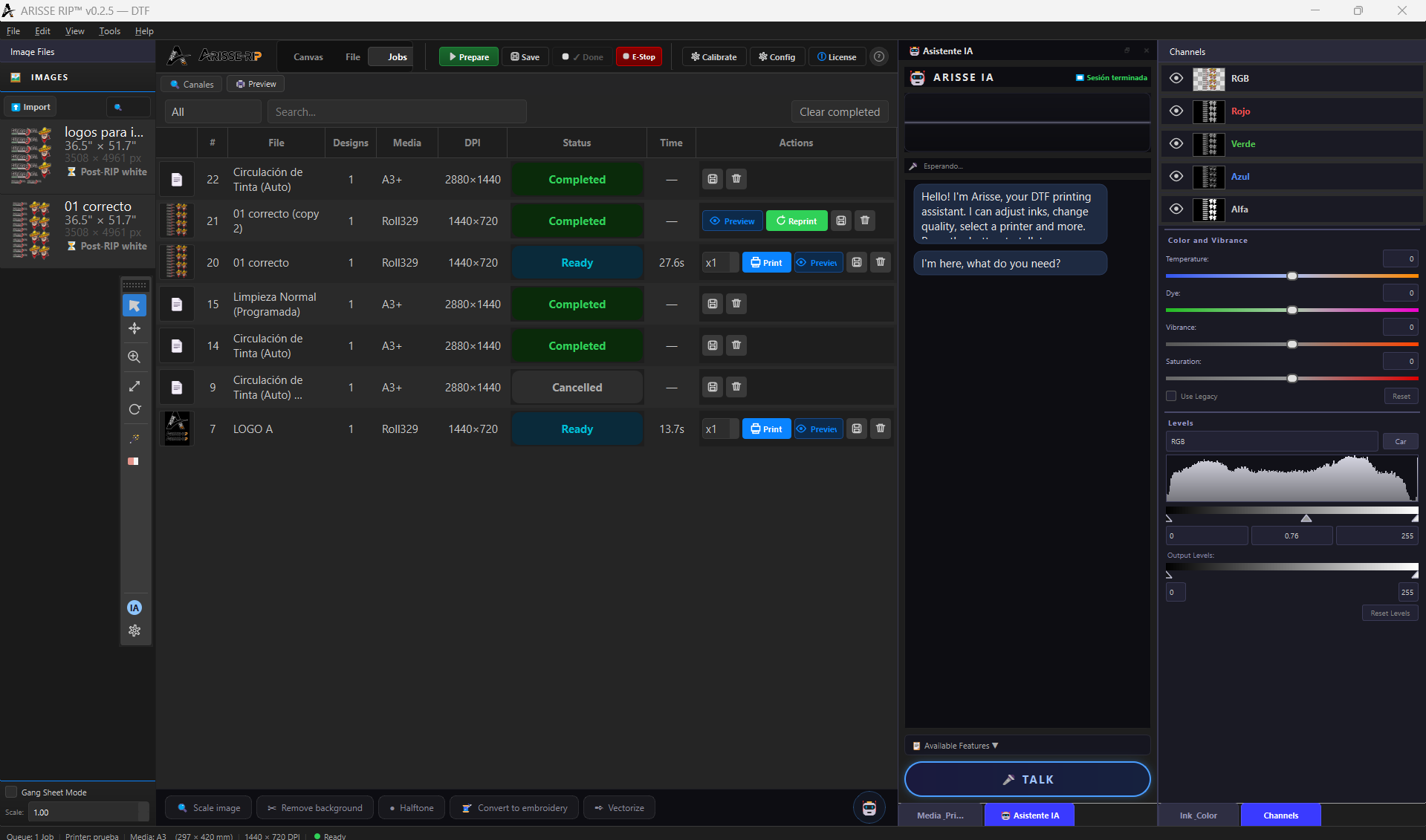
JOBS
-
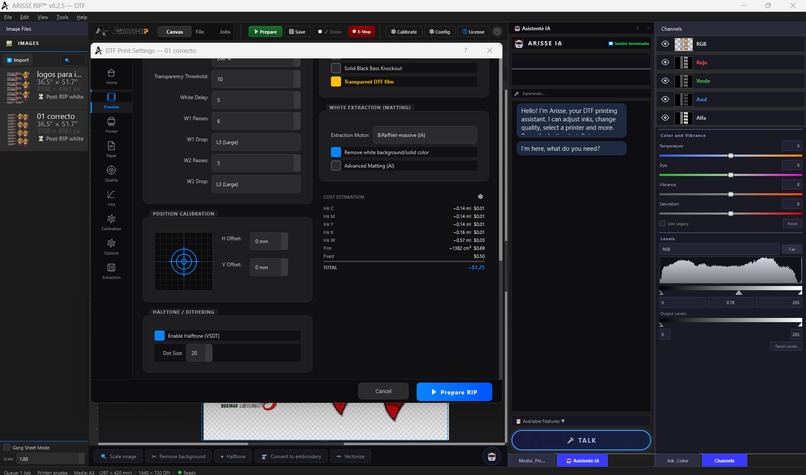
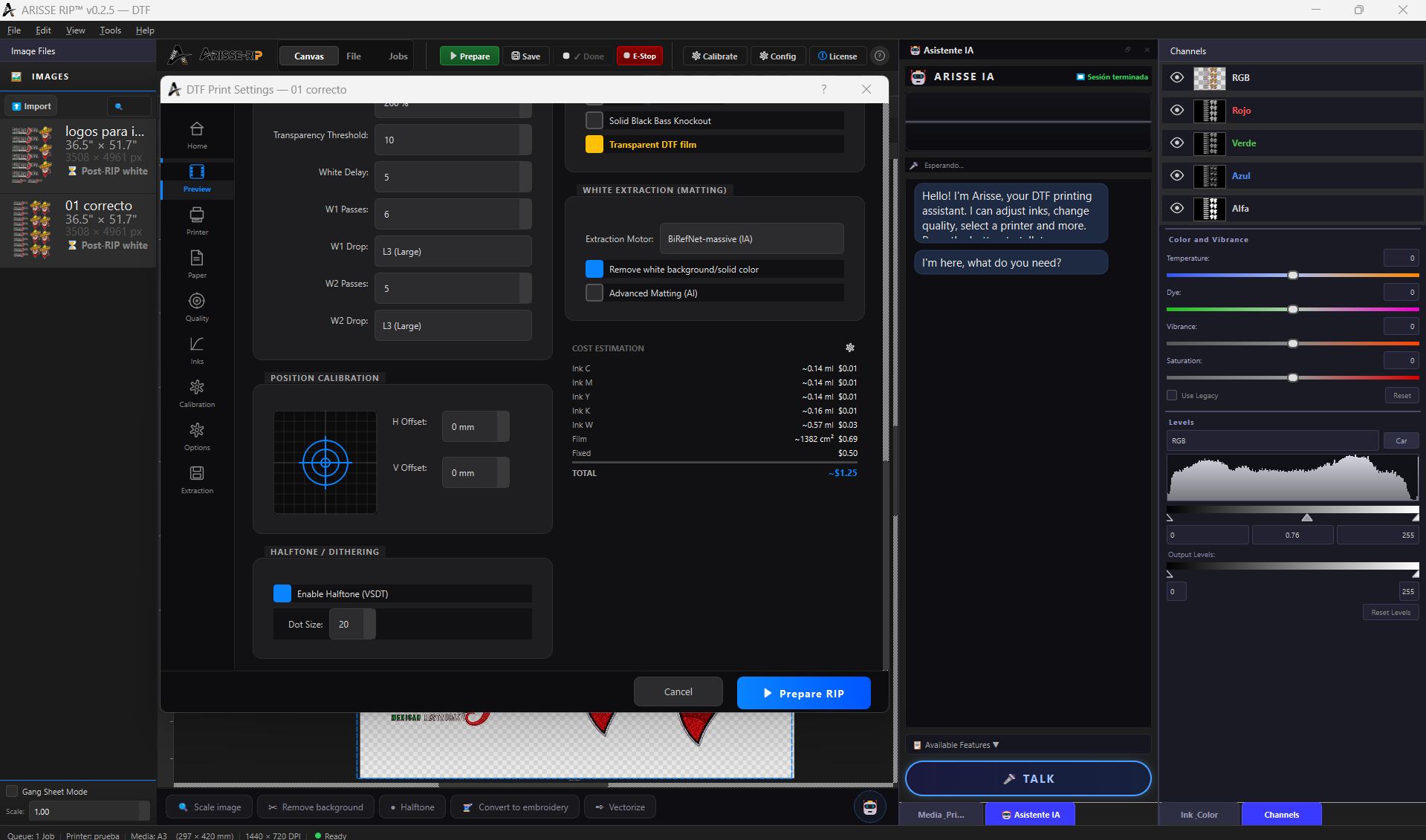
DTF Print settings
-
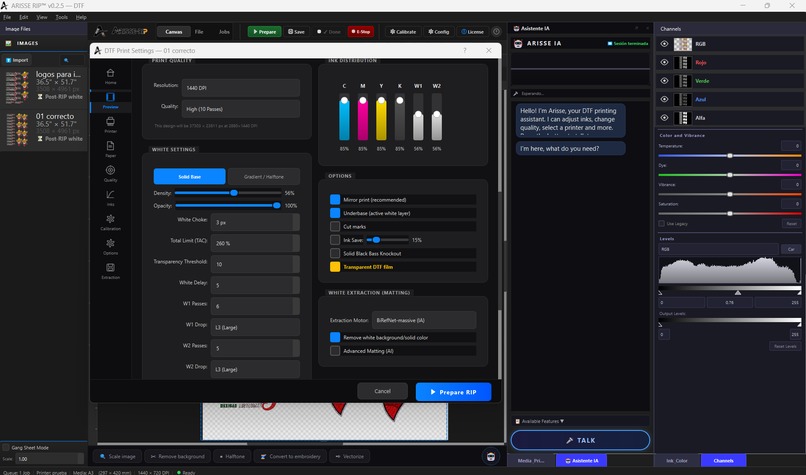
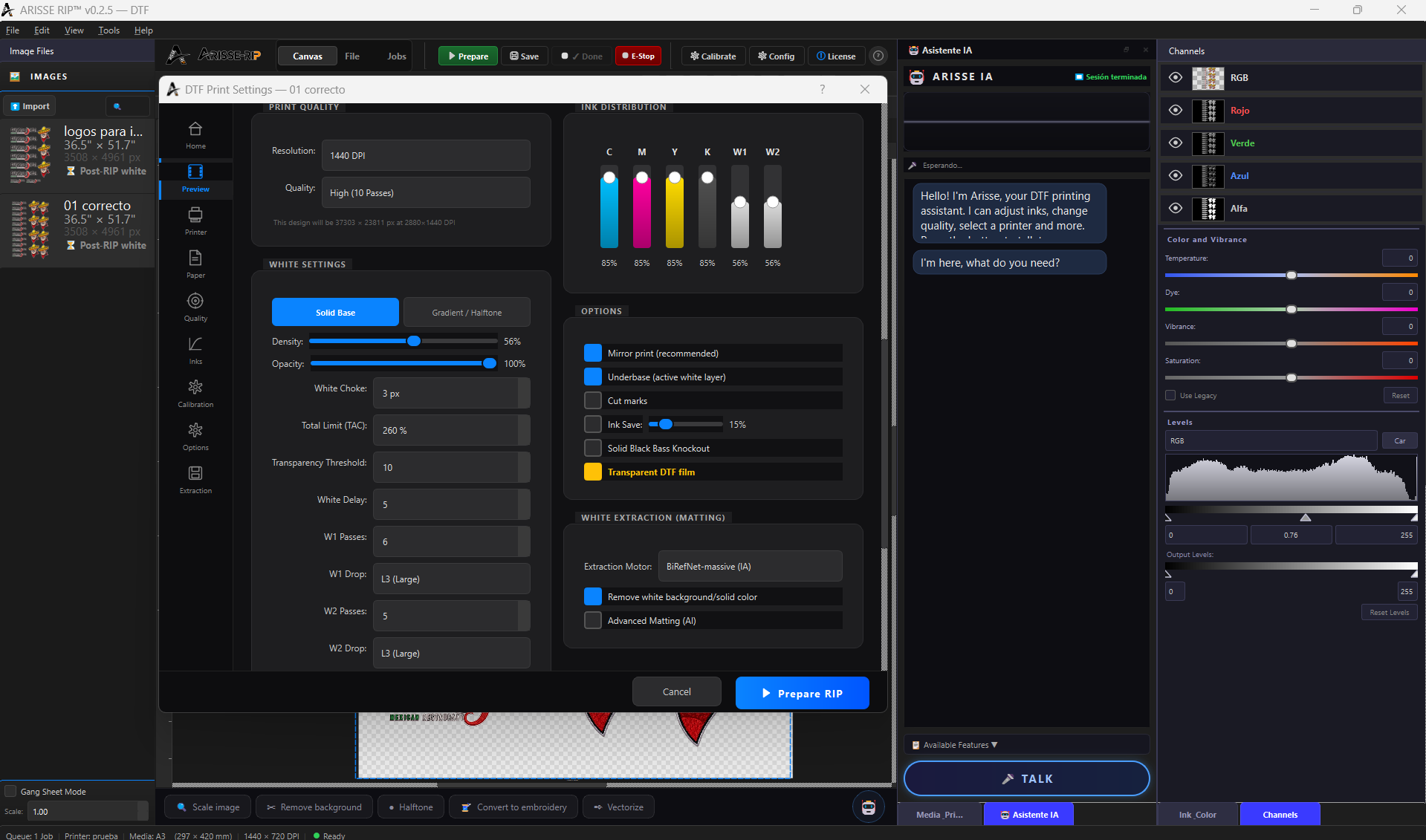
DTF Print settings
-
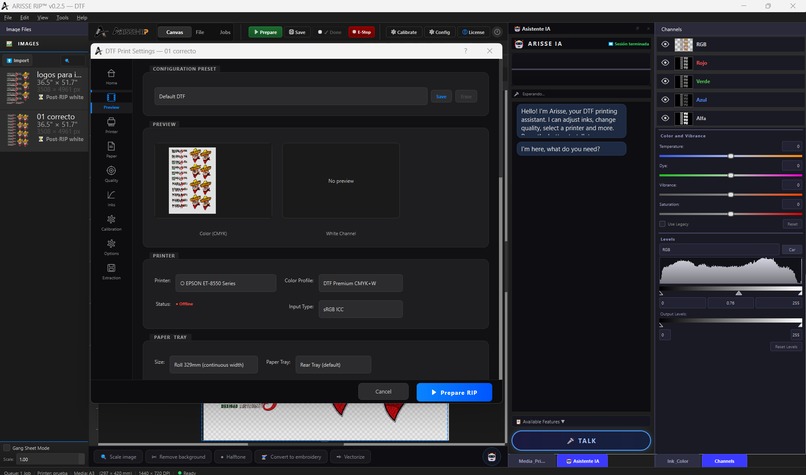
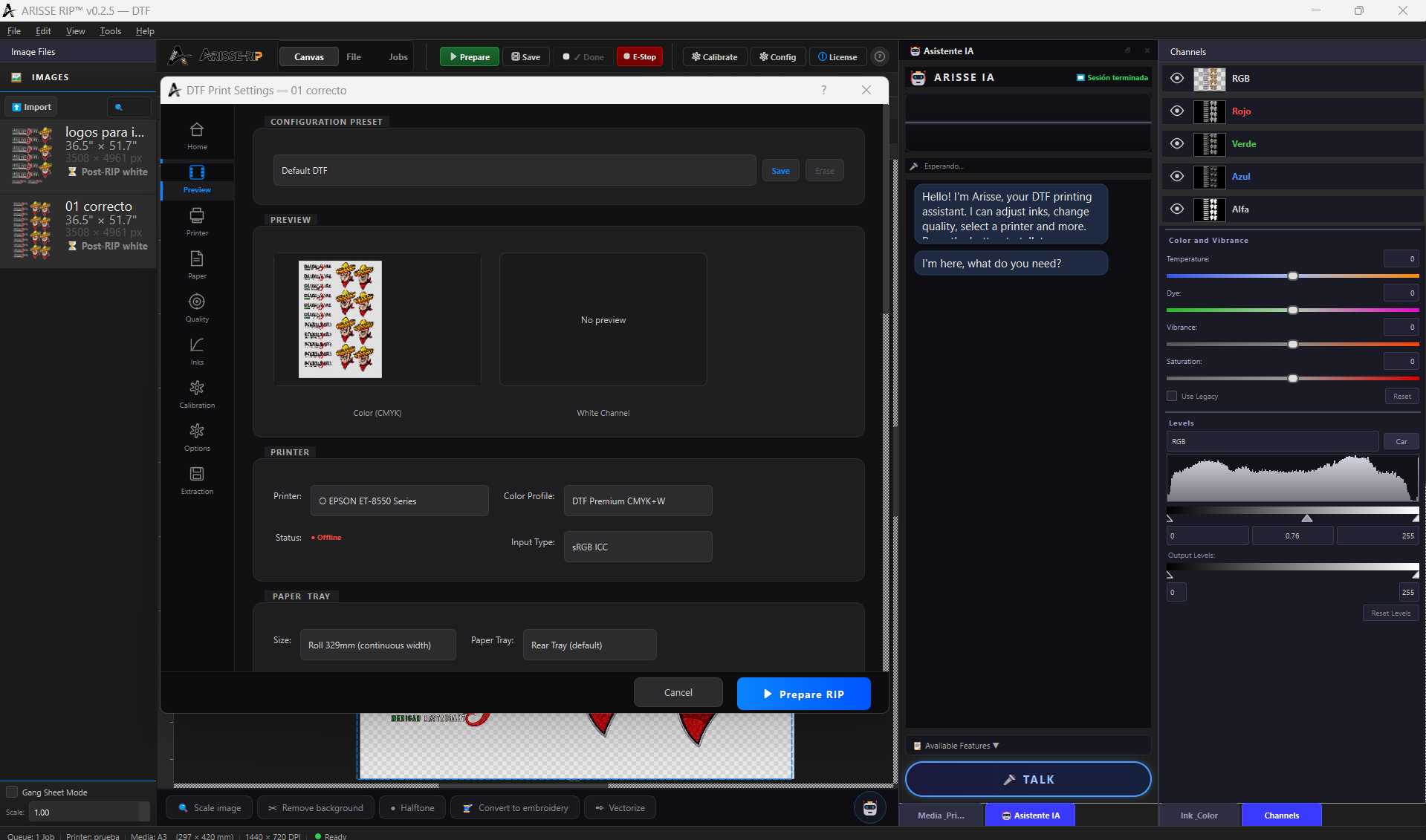
DTF Print settings
-
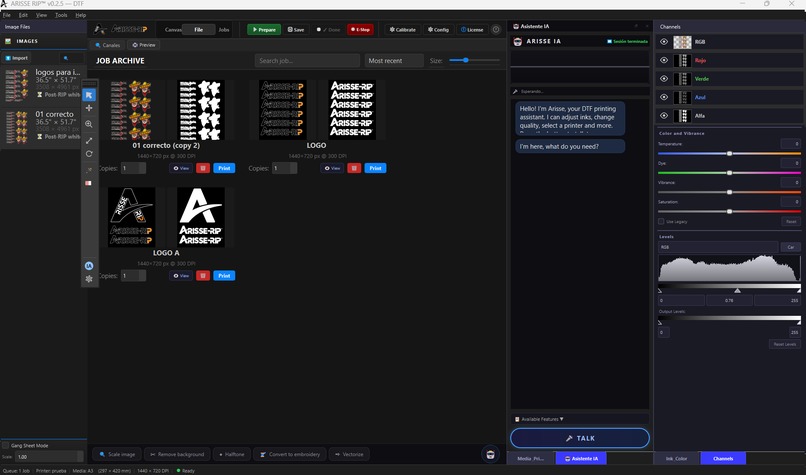
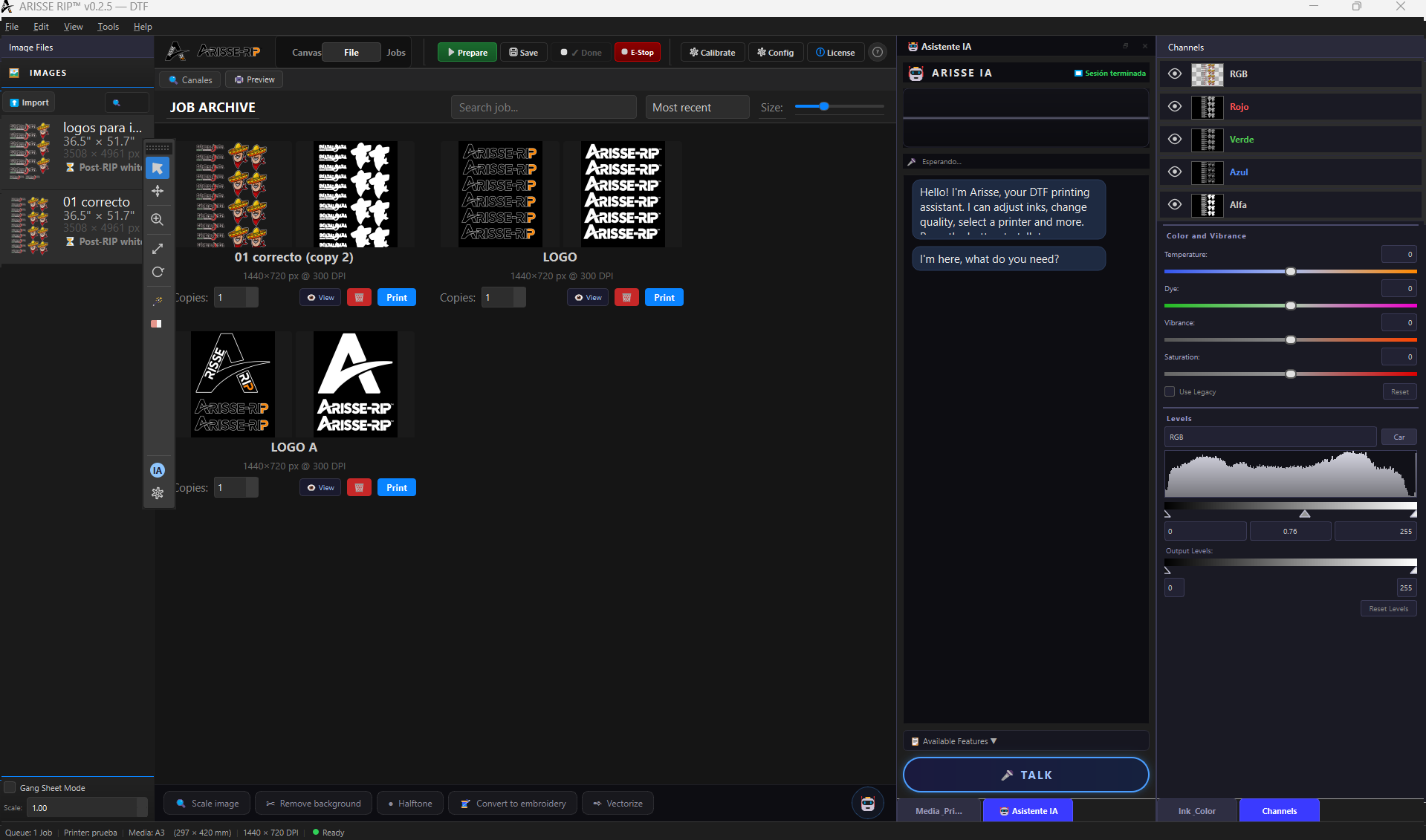
Job Archive
-
-
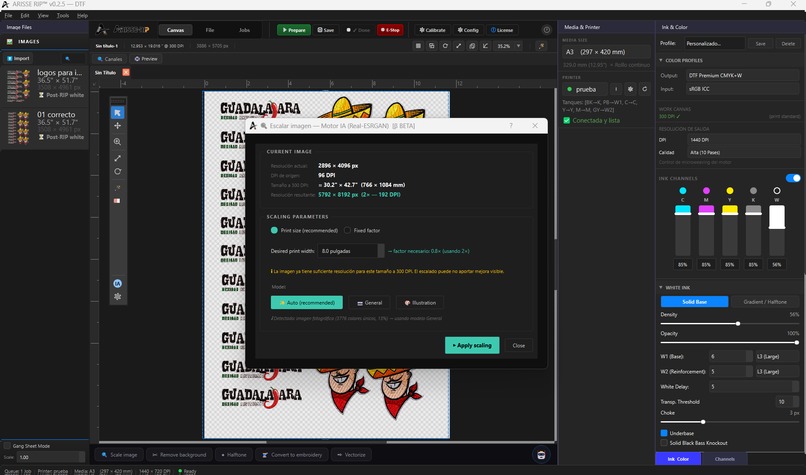
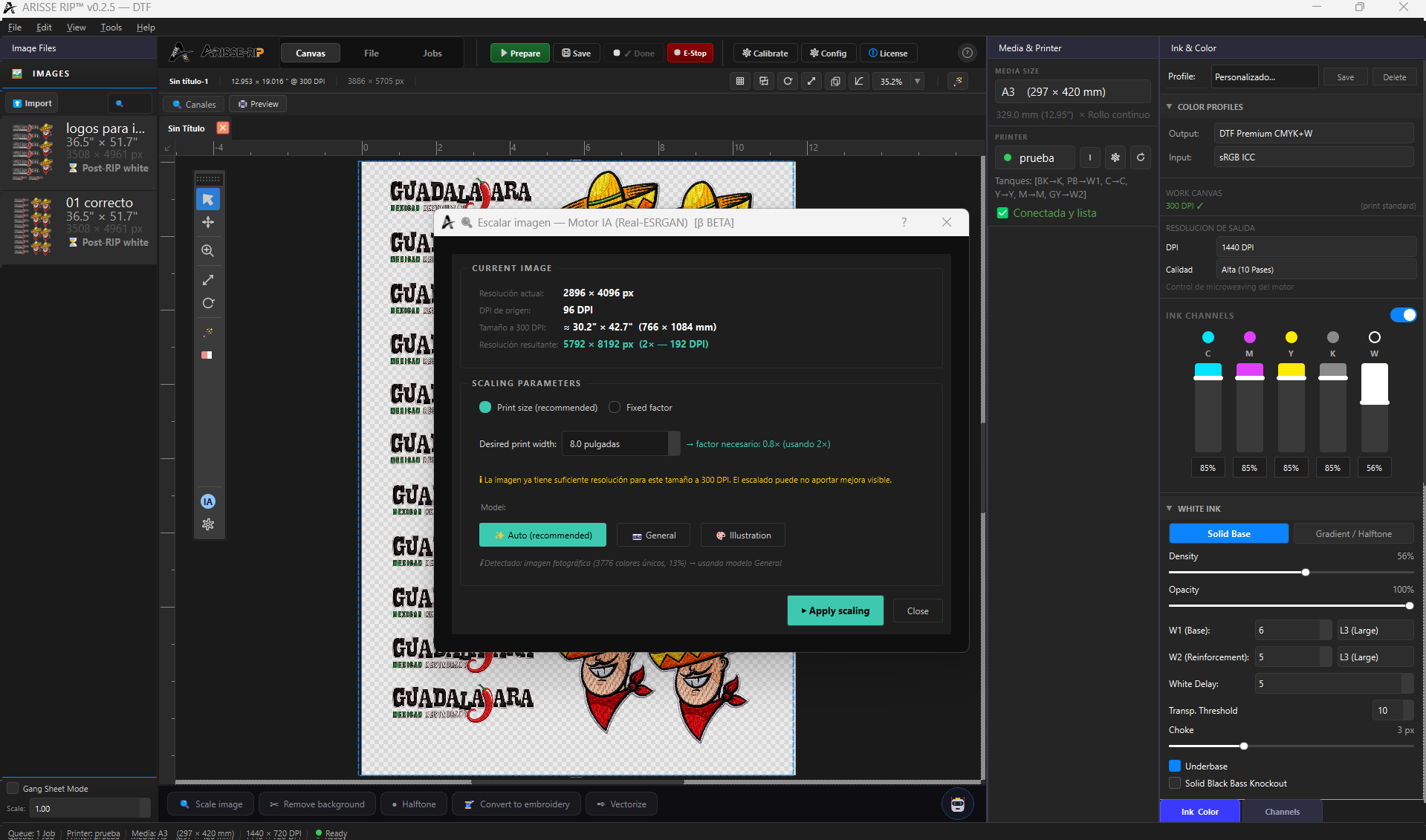
Imagen Upscale
-
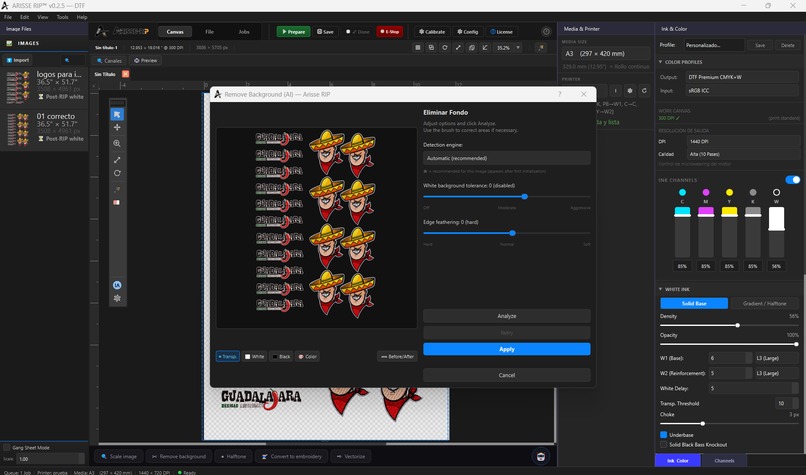
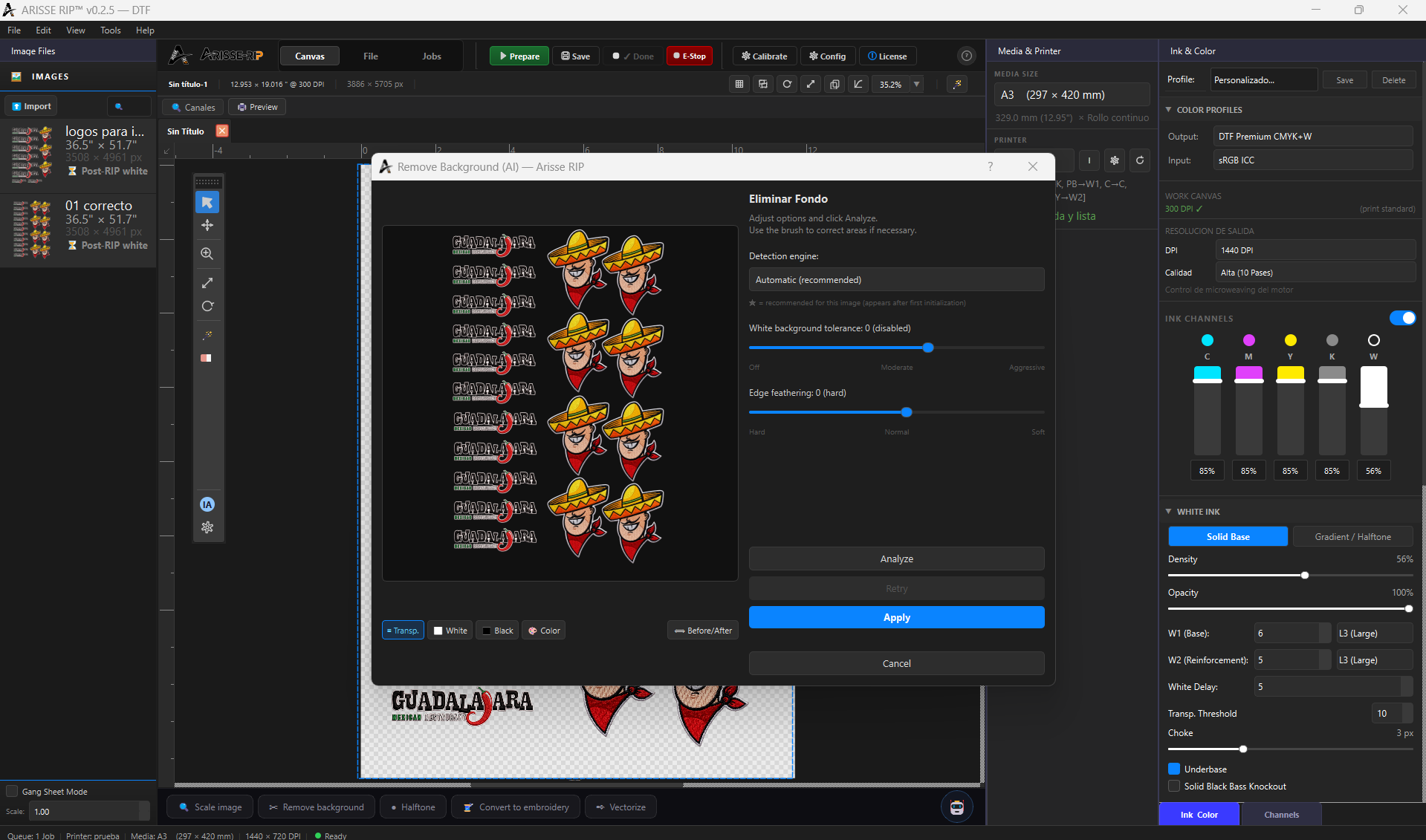
Remove background IA
-
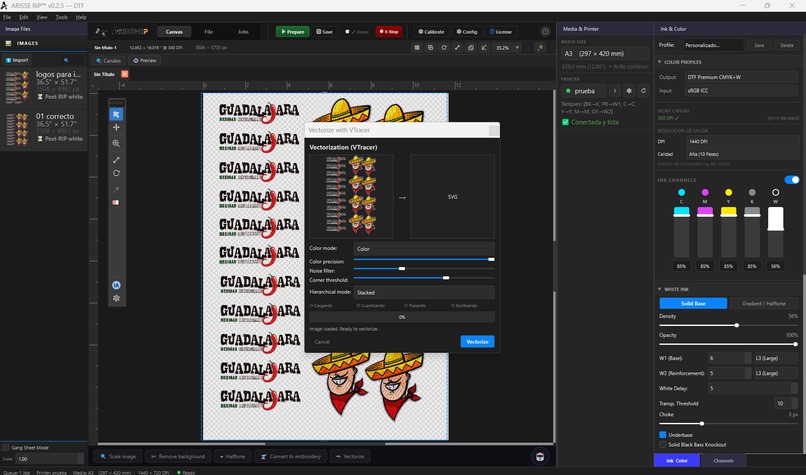
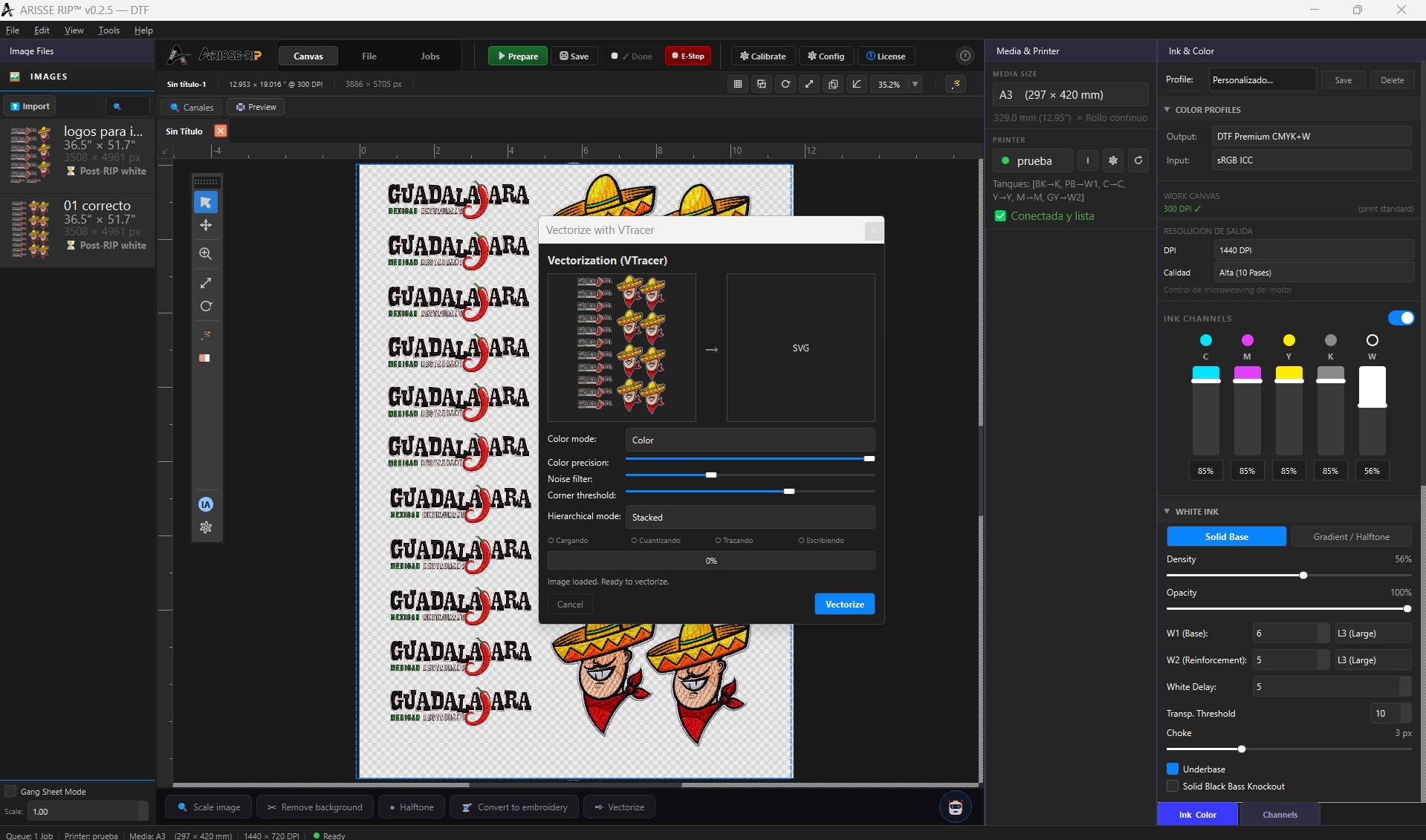
Vectorize
-
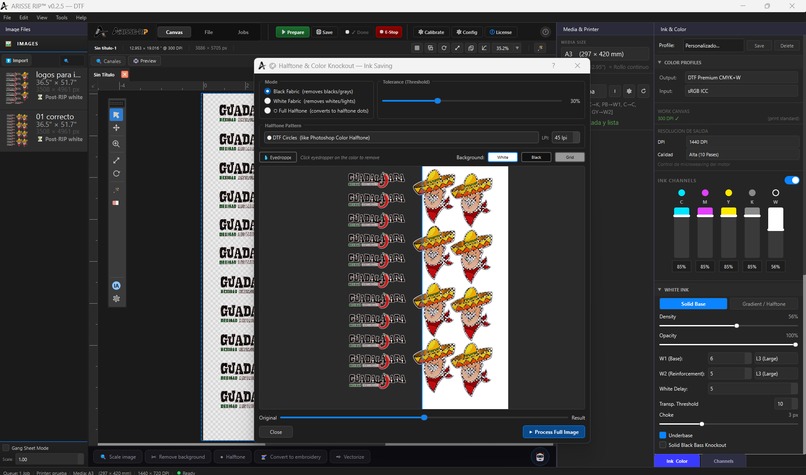
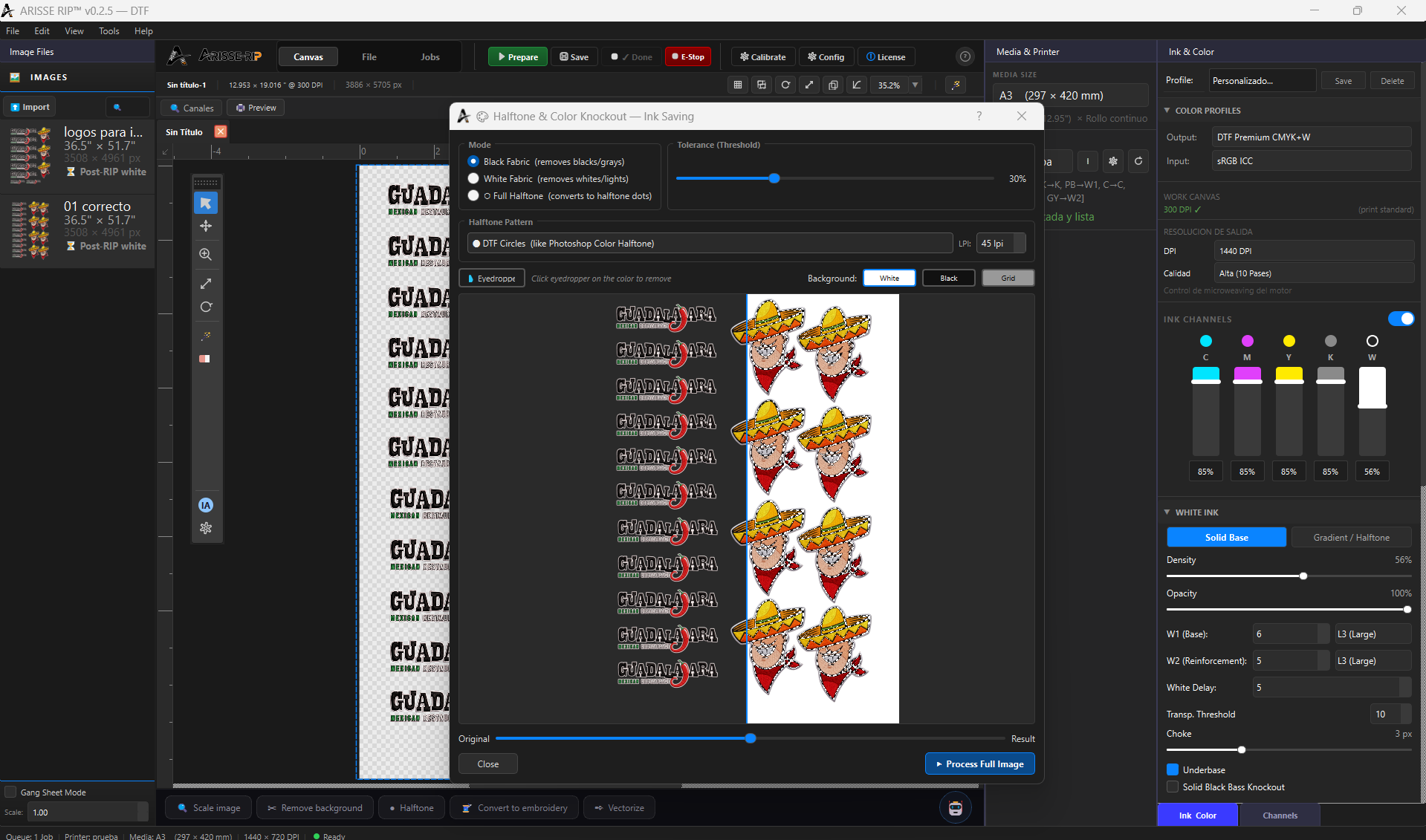
Halftone & color knockout, ink save
-
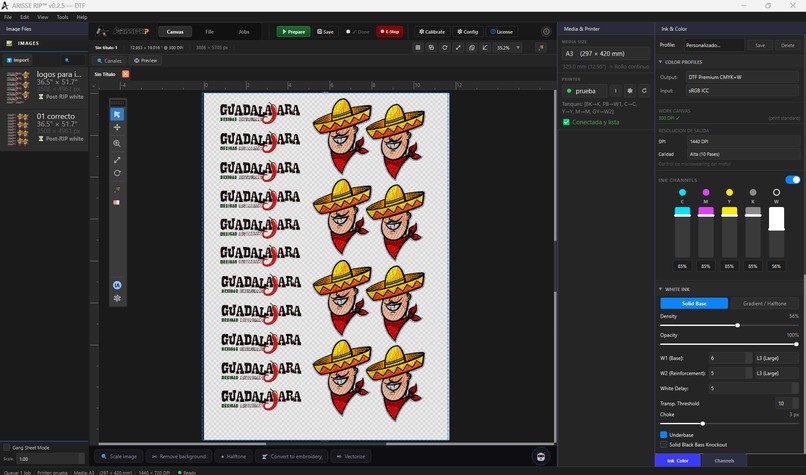
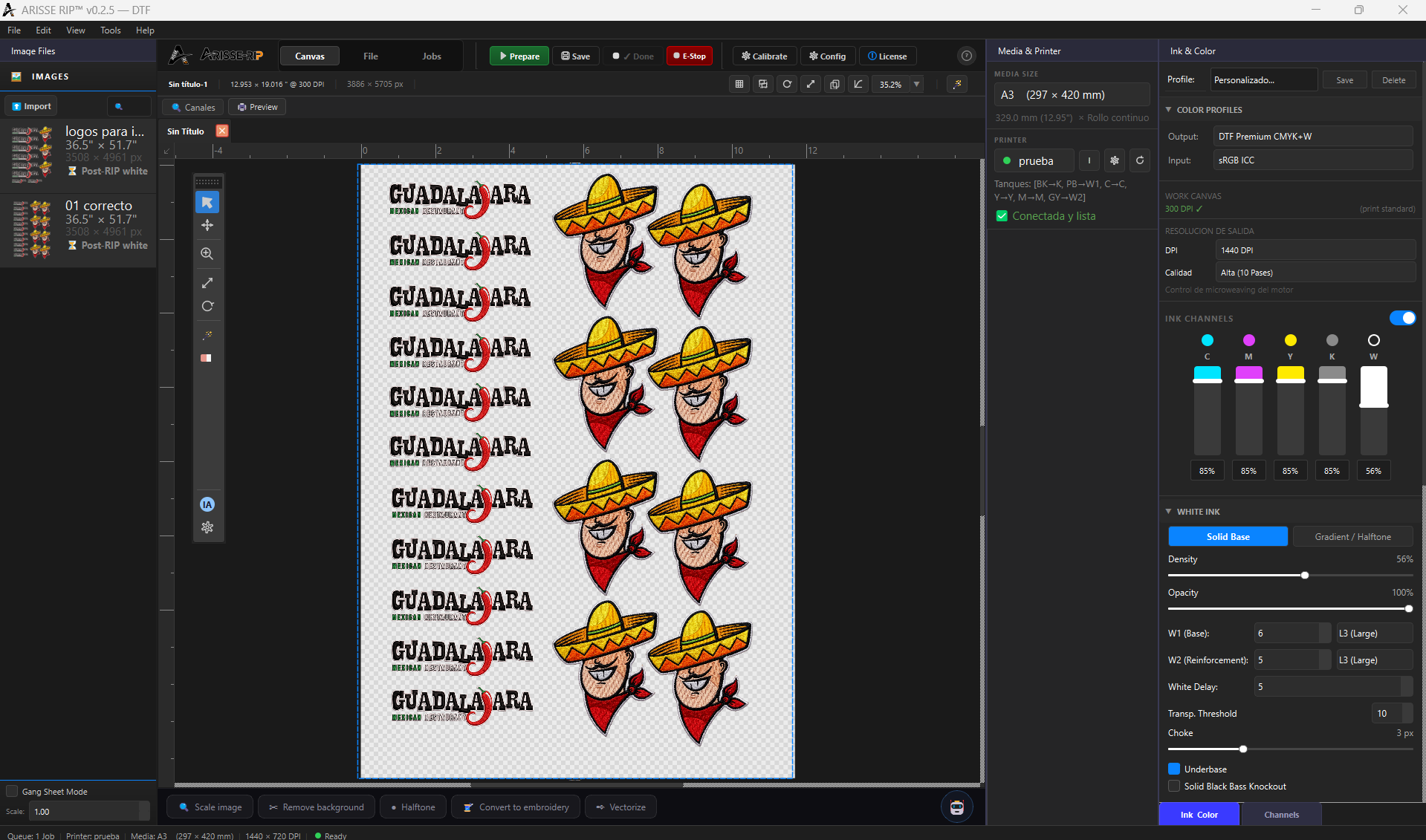
main view
-
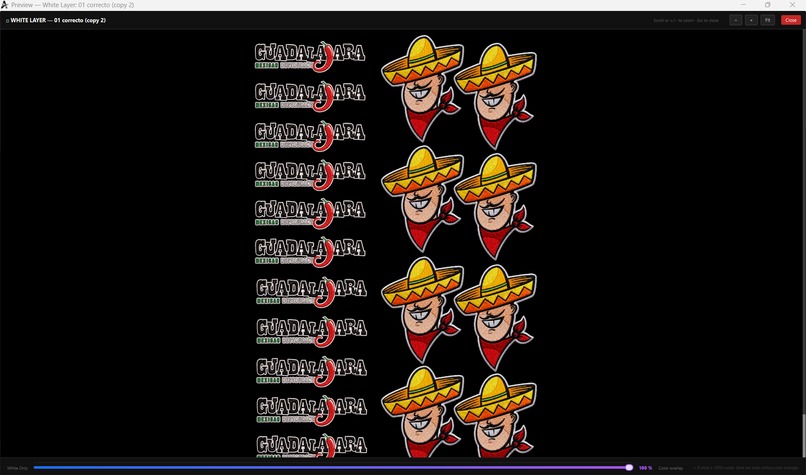
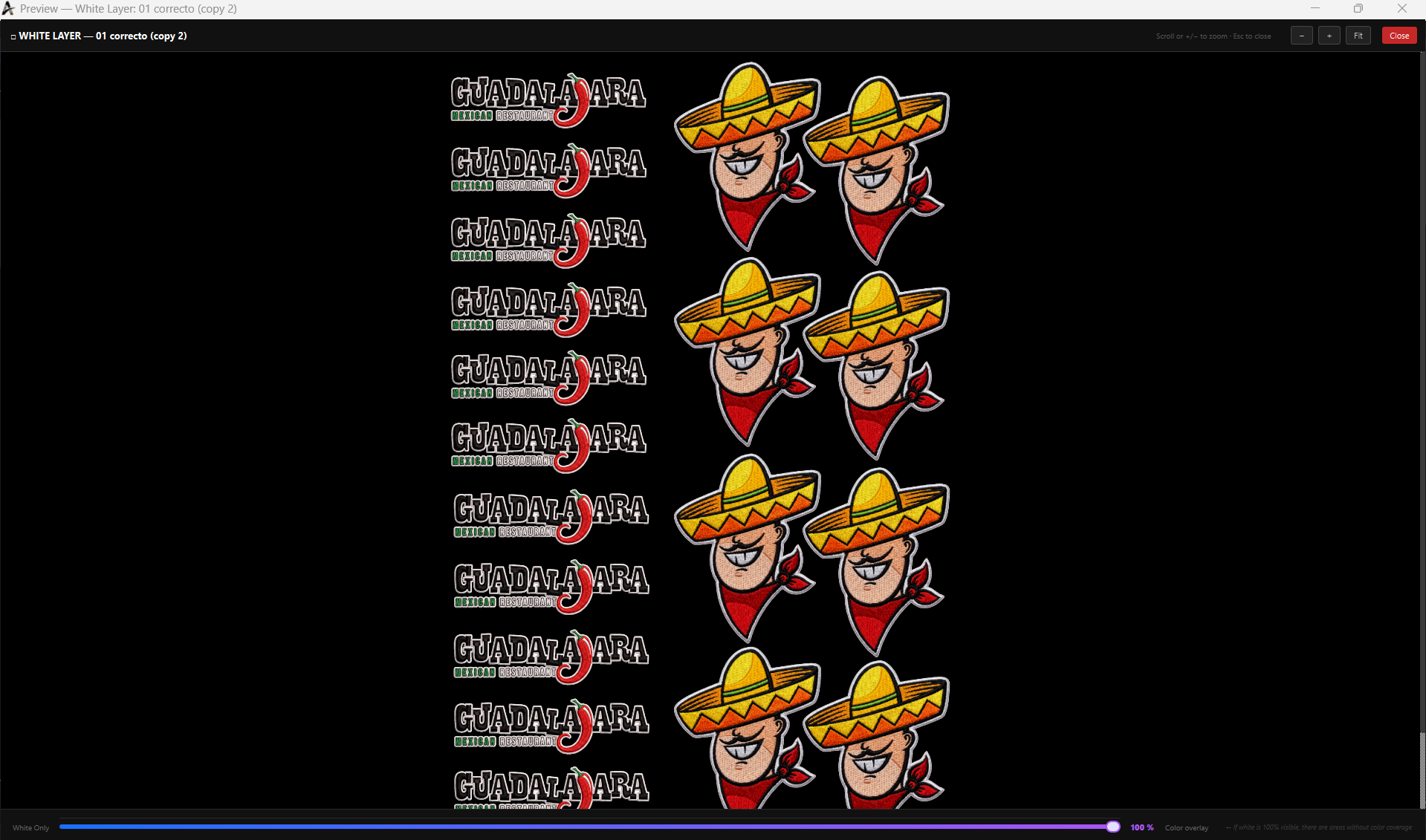
DTF laboratory
Inspiration
My name is Yasmany Borjas Silva, a Cuban software engineer who graduated in 2012 from the University of Informatics Sciences (UCI) in Cuba. After graduating, life took unexpected turns, and I didn't write a single line of code for 13 long years.
After experiencing severe business losses where I lost all my financial savings, followed by a debilitating sports accident with a broken leg, I decided to rebuild my life from scratch. I invested my family’s remaining savings, all my energy, and 100% of my time into creating Wizard Multiservice.
In November 2025, Google unveiled Google Antigravity IDE, powered by Gemini (which, serendipitously, shares my zodiac sign). Google brought me back to the world of software development. Gemini became my co-pilot, mentor, and gateway back into engineering.
In late May 2026, while watching an Instagram reel about the Build with Gemini XPRIZE, a spark ignited. The challenge asked for a brand-new, real-world business built during the 3-month contest window. I asked myself: "What can I build in 3 months where I possess deep domain expertise, solve a massive real-world problem, and change an entire industry?"
That precise moment marked the birth of Arisse-RIP.
What it does
Arisse-RIP is a next-generation Raster Image Processor (RIP) and DTF micro-factory platform. It encapsulates 15 years of my personal human experience in digital printing and graphic design, fusing human craftsmanship with the advanced agentic capabilities of Google Gemini.
Before Arisse-RIP, operating a Direct-to-Film (DTF) printer required hundreds of dollars in software subscriptions, hours of manual artwork cleaning in Photoshop to isolate alpha channels, complex color separations, and constant white ink waste due to archaic software calibration.
Arisse-RIP solves this with an AI-native end-to-end pipeline:
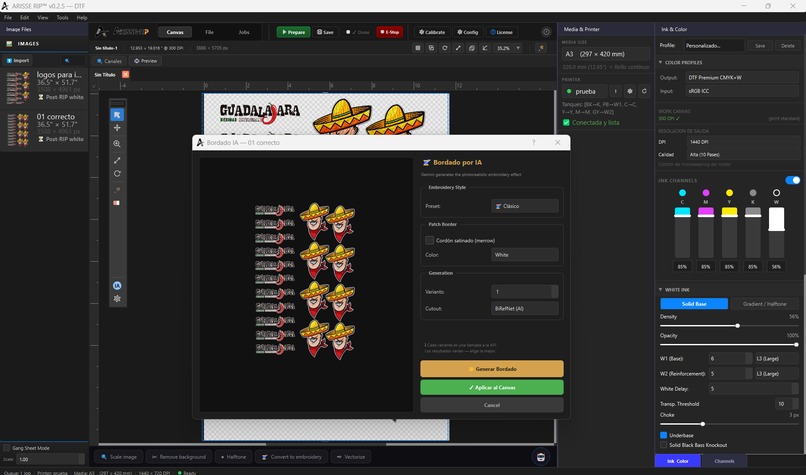
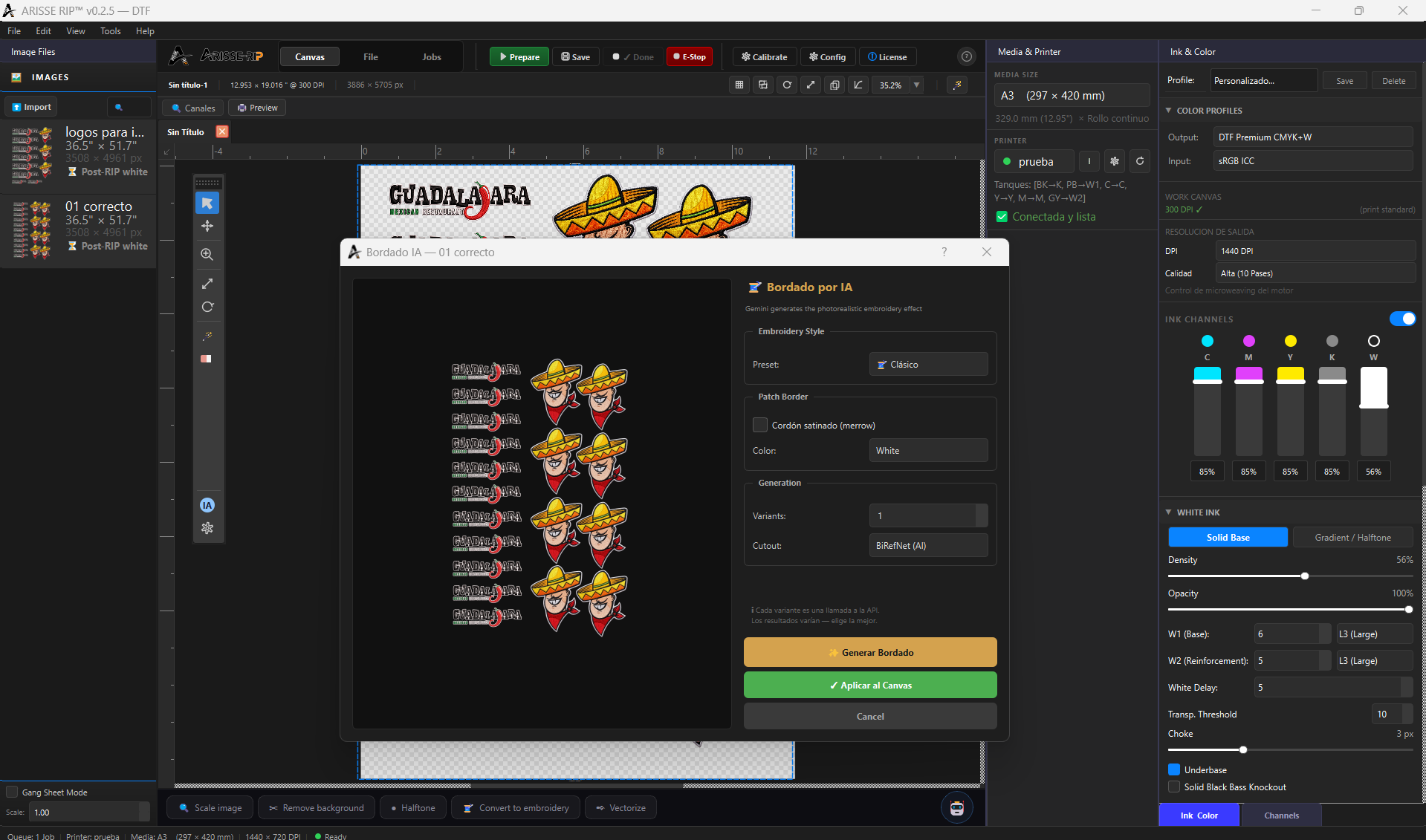
- Zero Learning Curve via Gemini Live API: Operators talk naturally to Gemini Live in plain conversational language. Gemini interprets user intent and executes backend Tool Calls autonomously—handling raster processing, alpha mask isolation, high-definition 300 DPI upscaling, background removal, embroidery effect generation, and pre-print laboratory analysis.
- Ink & Droplet Optimization: Automatically calculates white ink underbase coverage and generates soft-hand halftone dot distributions. Operators have granular control over CMYK and White channels, adjusting print passes and droplet sizes from L1 to L3 for pure ink savings.
- Turn-Key Business Model: Pairs with a $2,000 USD complete DTF hardware kit (converted Epson printer, CISS white ink circulation, consumables, and onboarding support) yielding a ~55% gross margin ($1,040–$1,140 per unit).
- Direct Financial ROI: Saves small business owners $445 in CADLINK RIP licenses, $700+ in Photoshop subscriptions, and thousands in prevented ink waste.
How we built it
When I pitched this architecture to professional developers, nobody dared to take it on due to its complex low-level raster drivers and real-time processing demands. Undeterred, I dedicated over 500 hours of solo Vibe Coding using Google Antigravity IDE. Over 3 intense months, Antigravity’s agentic orchestration enabled a developer who hadn't coded in 13 years to single-handedly engineer an enterprise-grade RIP engine.
Tech Stack:
- Core Engine & Processing: C++, Python, OpenCV, WebAssembly.
- Frontend & App Interface: Electron, Node.js, TailwindCSS.
- AI Core: Google Gemini Live API, Gemini Vision Multimodal, Gemini Tool Calling.
- E-Commerce & Logistics: Stripe Tax API (dynamic checkout) & EasyPost API (automated shipping).
Mathematical & Engineering Foundation:
White underbase halftone density ($\text{Density}_{\text{white}}$) is dynamically calculated as:
$$\text{Density}{\text{white}}(x, y) = \alpha{\text{isolated}}(x,y) \cdot \left(1 - \text{Bleed}{\text{choke}}\right) \cdot \Phi{\text{halftone}}(\text{LPI}, \theta)$$
Where $\alpha_{\text{isolated}}$ is the background-removed alpha mask generated via Gemini vision tool calls, $\text{Bleed}_{\text{choke}}$ prevents white ink outline bleed, and $\Phi$ applies halftone screens.
Granular ink droplet volume ($V_{\text{ink}}$) across CMYK and White ($W$) channels is controlled via:
$$V_{\text{ink}} = \sum_{c \in {\text{CMYK, W}}} \text{Passes}c \times f(\text{DropSize}{L1..L3}) \times \text{DPI}_{300}$$
Where droplet modes ($L1..L3$) eliminate nozzle flooding and cut white ink costs by up to 40%.
Challenges we ran into
- Sub-Pixel Real-Time Masking: Connecting low-level C++/Python image processing scripts with Gemini Live tool calls inside Electron without introducing latency.
- White Ink Sedimentation & Hardware Care: Preventing titanium dioxide clogging in DTF nozzles required balancing physical CISS circulation dampers with software-automated purge schedules.
- Digitizing 15 Years of Print Expertise: Translating decade-long human visual instincts into deterministic algorithms and Gemini vision prompts for laboratory pre-flight checks.
Accomplishments that we're proud of
- Returning to software development after a 13-year hiatus and single-handedly building an industrial-grade RIP engine in 500+ hours with Google Antigravity.
- Creating an AI-native solution that reduces the operator learning curve to zero through Gemini Live conversational tool calls.
- Launching a fully operational, live product available for download right now, empowering entrepreneurs to launch a DTF business for $2,000 USD instead of $5,000–$15,000.
What we learned
- Gemini can build anything if the operator possesses the vision. Antigravity IDE and Gemini democratize software creation in the exact same way Arisse-RIP democratizes custom garment manufacturing.
- Fusing deep domain knowledge (15 years in printing and design) with agentic AI creates products that legacy software monoliths cannot match.
What's next for Arisse-RIP
- Scaling turn-key kit manufacturing and US nationwide fulfillment.
- Reinvesting competition prize funds into mass marketing campaigns and expanding our developer team.
- Introducing AI multi-printer batch management, automatic layout nesting, and native vector upscaling.
- Bringing AI-powered micro-manufacturing to thousands of independent creators worldwide.
Note on Repository Access: Due to proprietary trade secrets and pending patents on our DTF white-ink halftone engine, the GitHub repository is private. Access has been granted specifically to XPRIZE / Devpost judges.


Log in or sign up for Devpost to join the conversation.