-
AquaLab
-
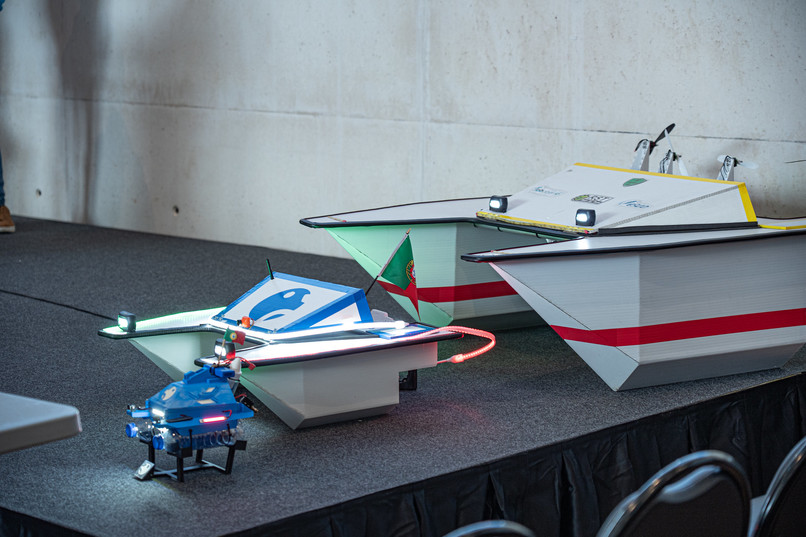
Image gallery (Number 1)
-
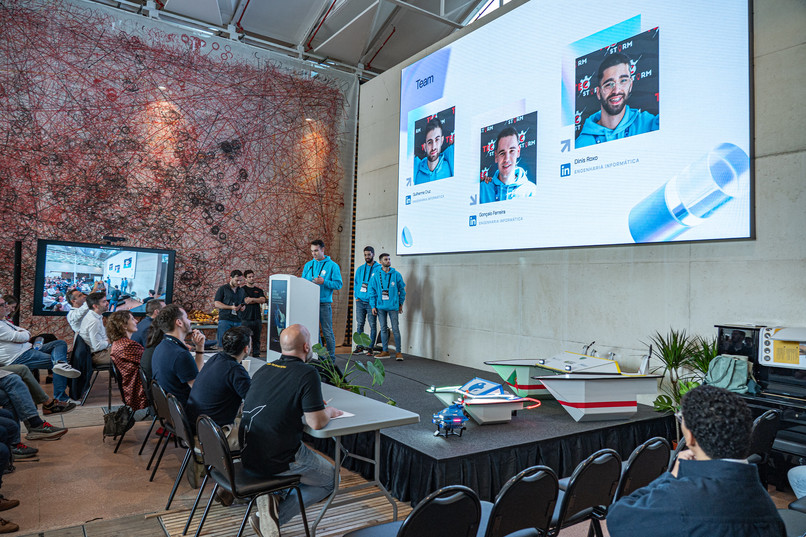
Image gallery (Number 2)
-

Image gallery (Number 3)
-

Image gallery (Number 4)
-
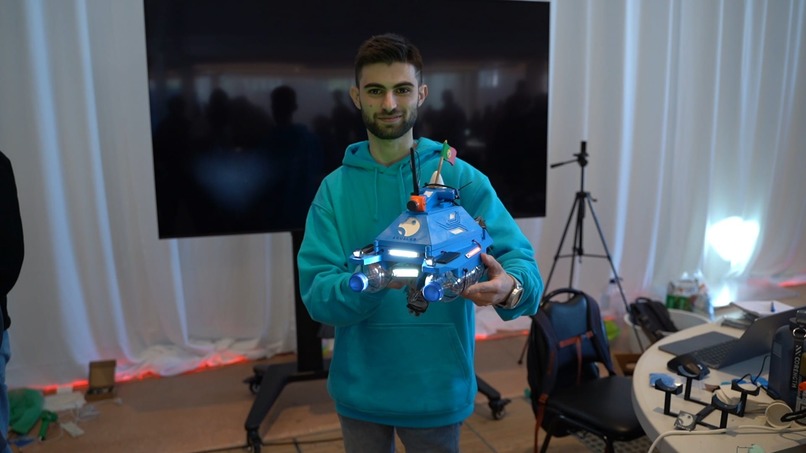
Image gallery (Number 5)
-
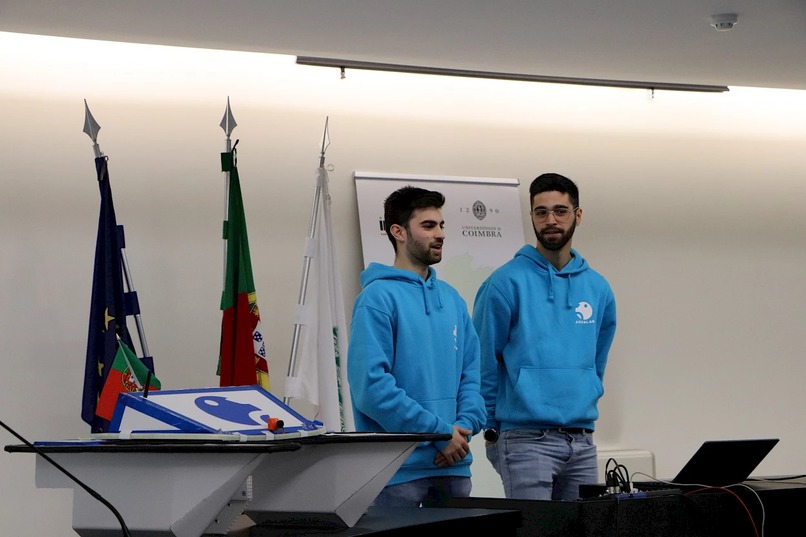
Image gallery (Number 6)
-
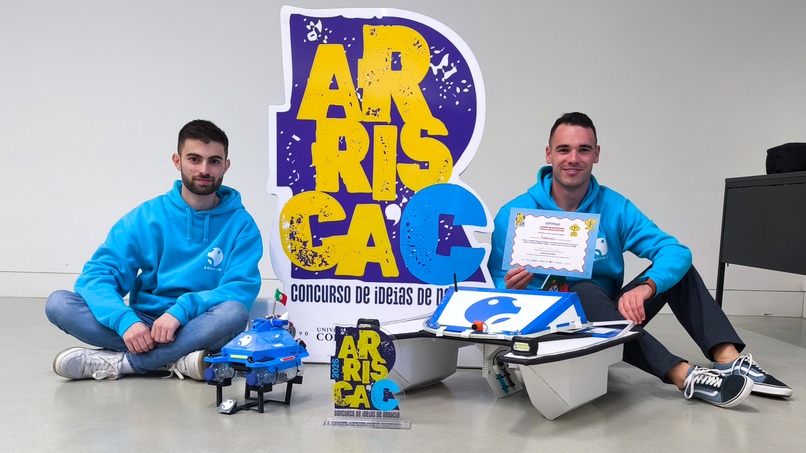
Image gallery (Number 7)
-
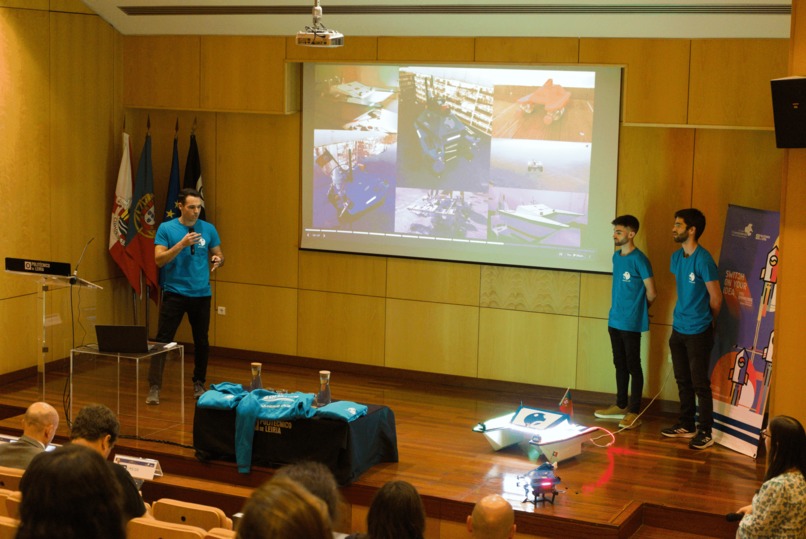
Image gallery (Number 8)
-
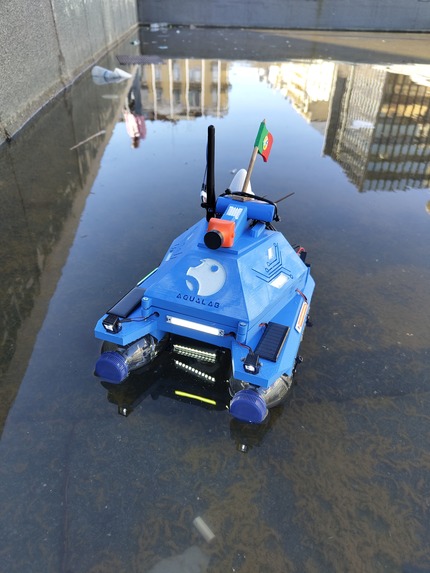
Image gallery (Number 9)
-
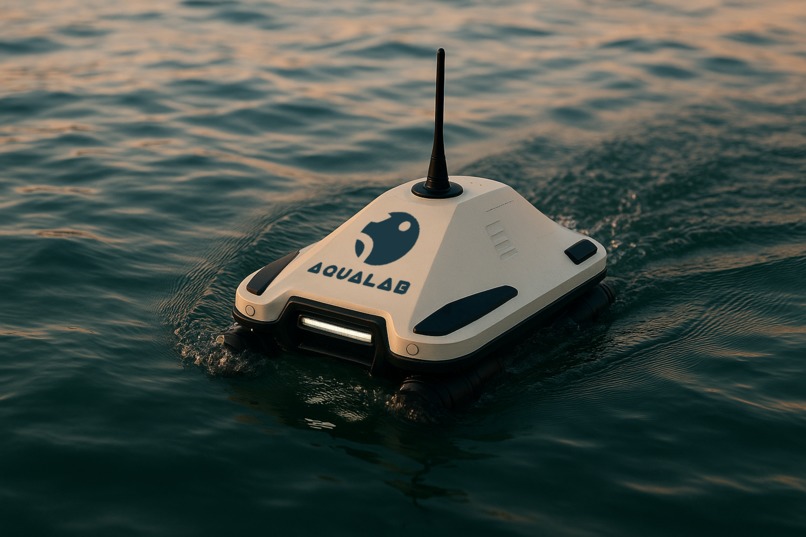
Image gallery (Number 10)


AquaLab
Smart Water Quality Monitoring
Autonomous aquatic drones detecting water pollution in real time at a fraction of the cost.
Problem
Water quality monitoring today is expensive, slow, and heavily dependent on manual sampling and laboratory analysis.
This means contamination is often detected too late, when environmental damage has already occurred. In Europe, many rivers and lakes remain polluted, and in Portugal the consequences of contaminated water have become increasingly serious.
Without continuous and accessible monitoring, decision-makers lack the real-time data they need to act quickly and prevent irreversible damage.
Inspiration
Water is one of the most critical resources on our planet, yet it remains largely unmonitored and unprotected. Across Europe, 50% of rivers and lakes are polluted, and in Portugal, deaths linked to contaminated water have significantly increased.
We were particularly struck by cases like the Alviela River, where decades of investment failed to fully restore the ecosystem. This showed us a harsh reality: reacting is not enough, we need to prevent.
AquaLab was born from the belief that technology can give a voice to water, enabling us to detect problems early, act faster, and protect ecosystems before it’s too late.
What it does
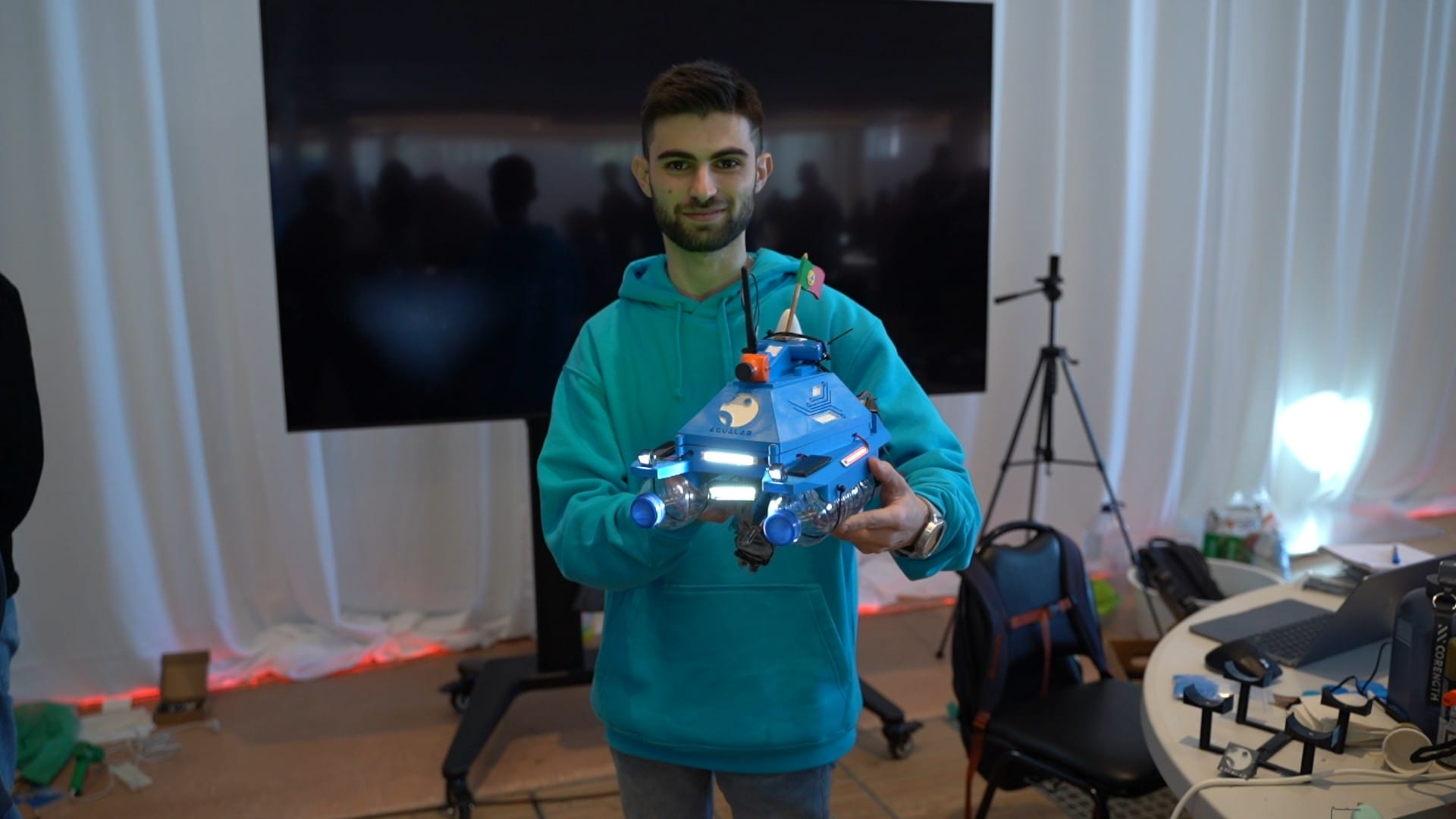
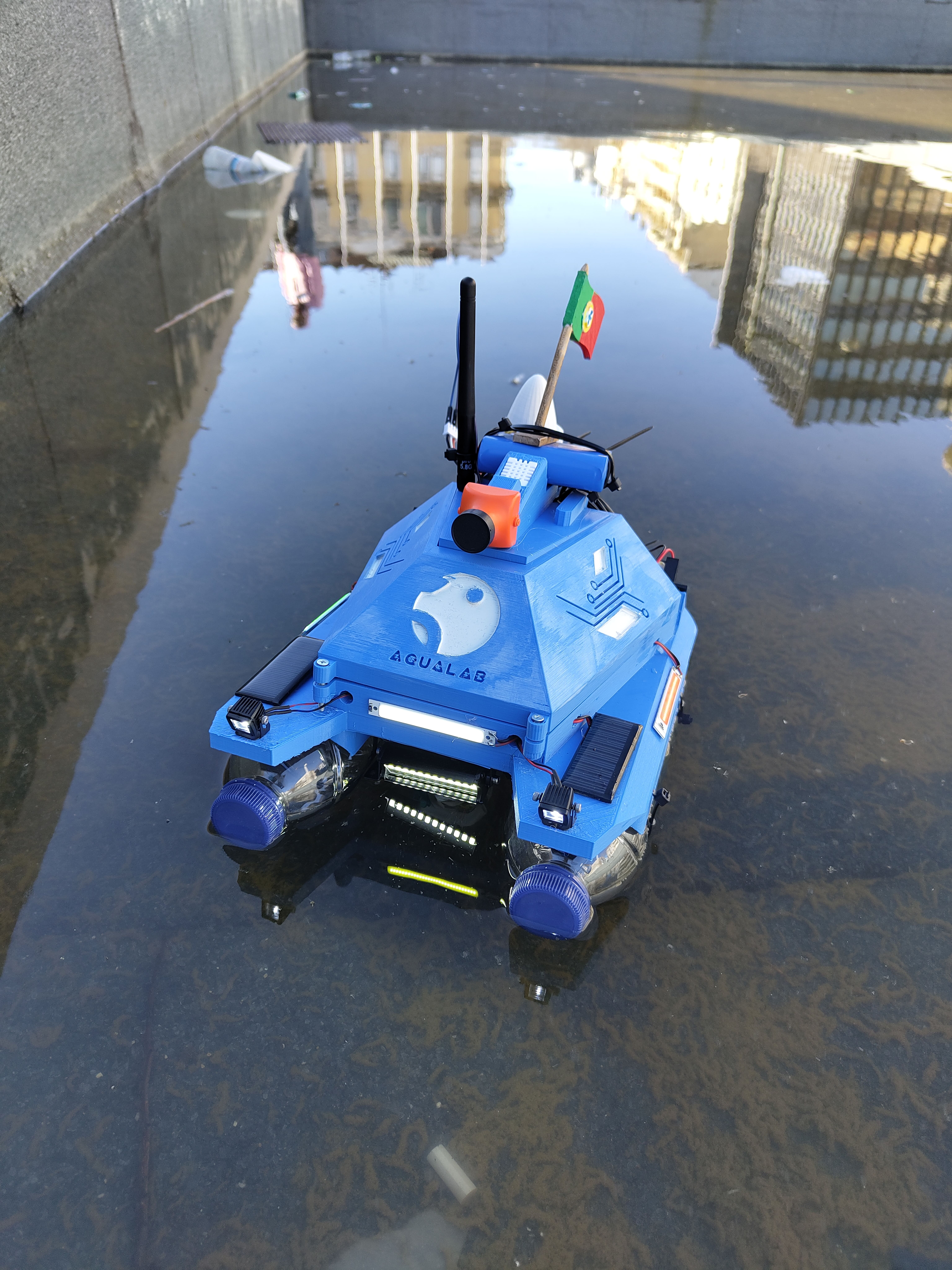
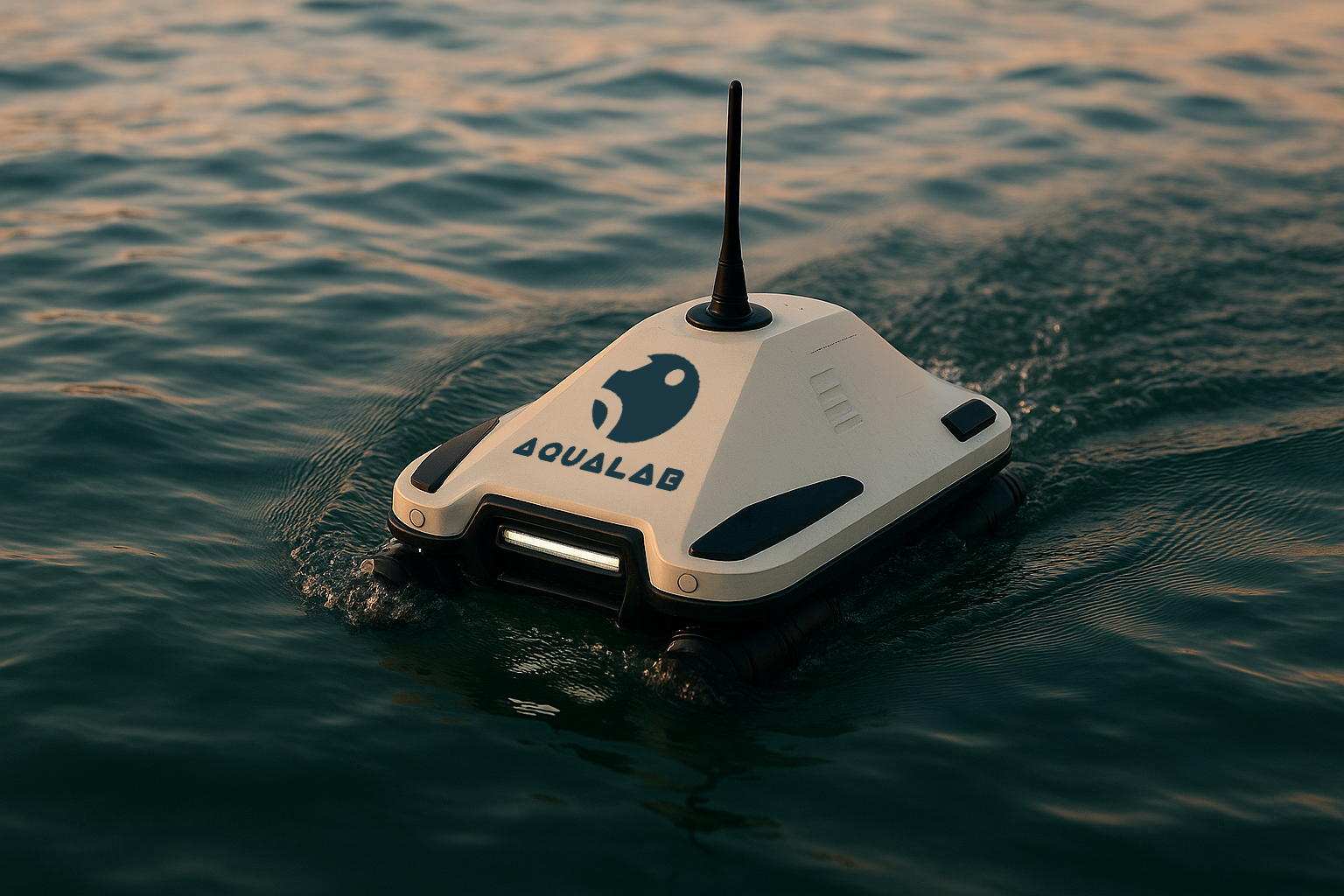
AquaLab is a modular platform of autonomous aquatic drones designed to monitor water quality in real time.
It collects key environmental data such as pH, temperature, turbidity, and salinity and others, while also capturing video and enabling sample collection for deeper analysis.
Using AI, the system detects anomalies and pollution patterns instantly, sending real-time insights to a digital platform with visual dashboards and automated reports.
From rivers and reservoirs to coastal areas and industrial sites, AquaLab provides continuous, scalable, and intelligent monitoring.
How we built it
We designed AquaLab as a modular and scalable system, combining hardware and software into a unified solution.
On the hardware side, we developed a aquatic drone optimized for stability, efficiency, and adaptability. It integrates multiple sensors, communication systems, and solar-powered autonomy for long missions.
On the software side, we built a platform capable of receiving, processing, and visualizing data in real time. AI algorithms analyze environmental patterns and detect anomalies, turning raw data into actionable insights.
We also focused on accessibility by creating different product tiers, from educational kits to industrial-grade systems.
Challenges we ran into
One of the biggest challenges was ensuring reliable communication and data transmission in harsh and remote aquatic environments.
Another major difficulty was designing a waterproof yet functional system that allows sensors to interact with water without compromising the internal electronics.
Balancing cost and performance was also critical, we wanted to create a solution significantly more affordable than existing alternatives without sacrificing quality or reliability.
Finally, integrating hardware, software, and AI into a seamless ecosystem required constant iteration and testing.
Accomplishments that we're proud of
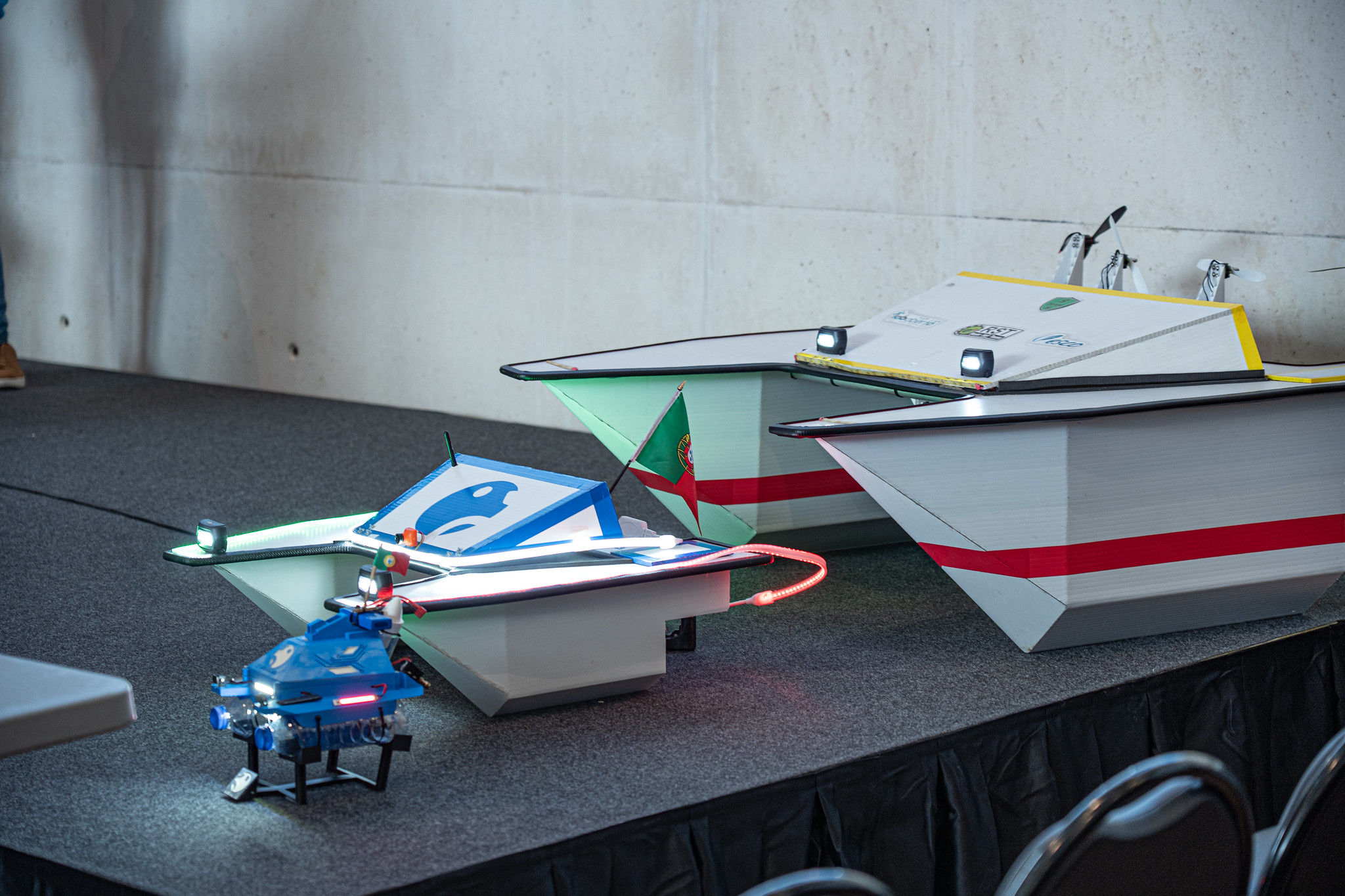
We successfully developed a working prototype capable of real-time environmental monitoring.
We designed a scalable product line that can serve different markets, from education to industry.
We positioned AquaLab as a significantly more affordable solution compared to competitors, lowering the barrier to entry for water monitoring.
We also validated our idea through competitions and recognition, proving its relevance and impact potential.
Why AquaLab
Unlike traditional solutions, AquaLab combines mobility, modularity, real-time data, and AI in a single platform.
Instead of relying on slow, manual, and isolated measurements, AquaLab enables continuous monitoring with faster response and greater flexibility.
We do not just measure water. We help protect it.
Competitive Landscape
| Competitor | Product | Price |
|---|---|---|
| CEiiA | ORCA Drone | €100,000 |
| Hensistemas | Probe | €15,000 |
| Maranata-Madrid | pH Analyzer | €1,225 |
AquaLab stands out by combining mobility, modular sensors, real-time data transmission, and AI-driven insights in one accessible solution.
Product Line
| Model | Size | Price |
|---|---|---|
| Industrial | 1.7m x 1.5m | €3,500 |
| Professional | 80cm x 70cm | €850 |
| Educational | 27cm x 20cm | €250 |
This structure allows AquaLab to serve multiple markets with different needs, budgets, and use cases.
Target Users
- Municipalities and local governments
- Environmental agencies
- Water and sanitation companies
- Ports and maritime authorities
- Industrial companies with environmental impact
- Universities and research centers
- NGOs and environmental organizations
- Schools and educational institutions
Business Model
- Sale of aquatic drones
- Rental of monitoring systems
- Subscription-based monitoring platform
- Data-as-a-Service for environmental insights
- Educational kits for schools and universities
- Partnerships with public and private entities
Validation / Traction
- Working prototype developed and tested
- Real-time environmental monitoring demonstrated
- Winner of TecStorm 2025 (one of the largest university hackathons in Portugal)
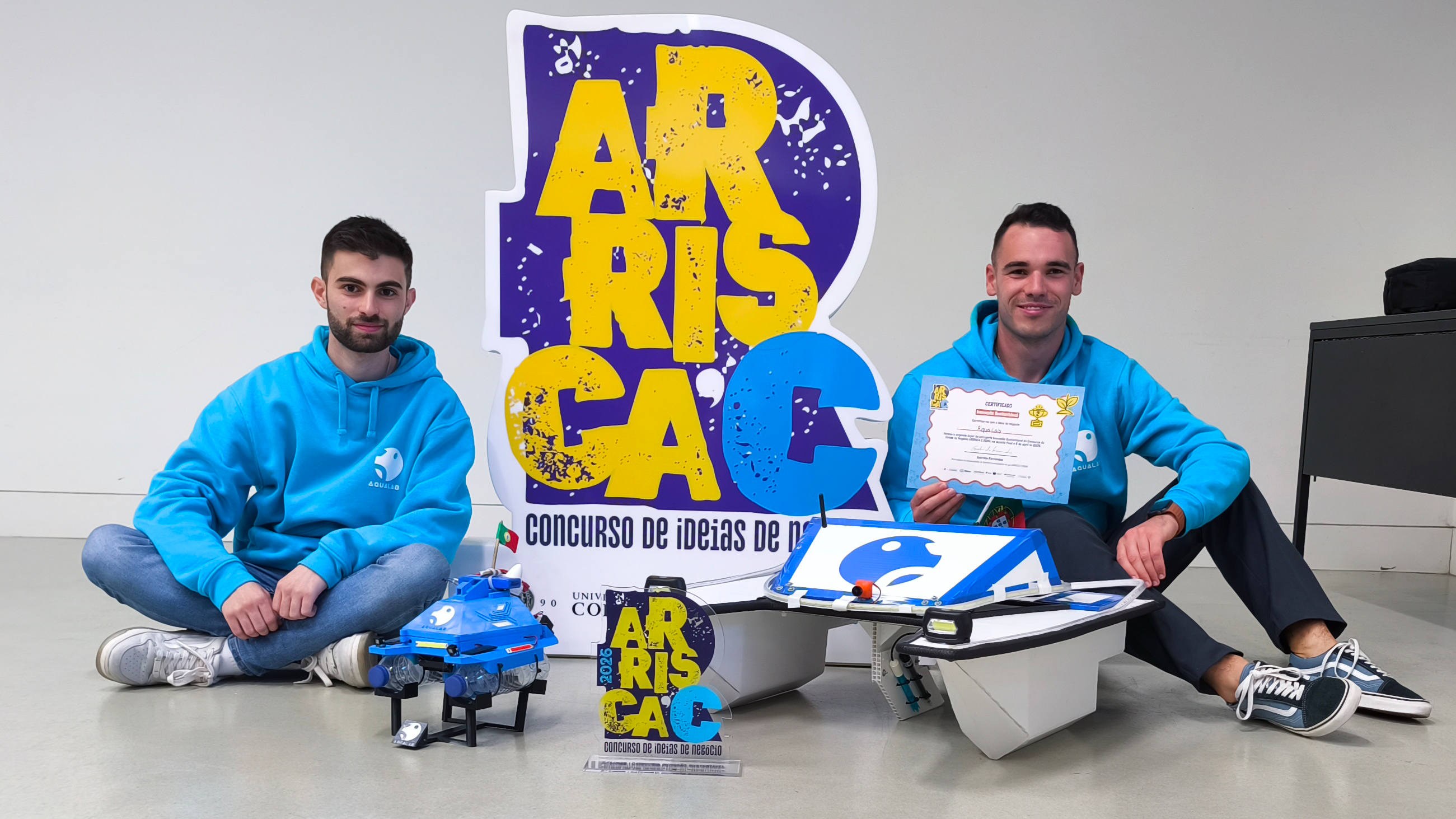
- 2nd place in Arrisca C (one of Portugal’s leading innovation competitions)
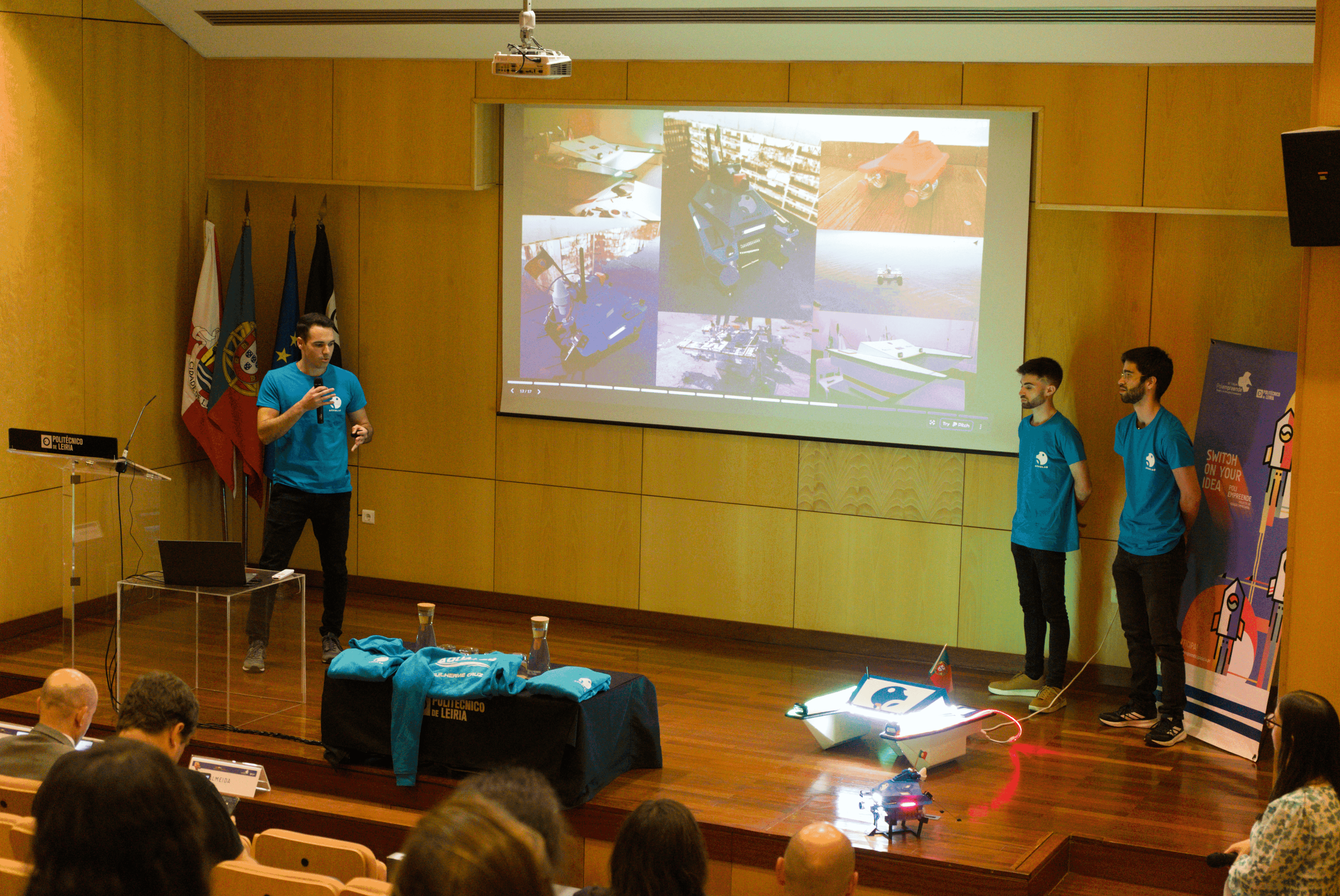
- 3rd place in Poliempreende (regional stage)
- Strong validation through competitions and real-world use cases
Roadmap
| Quarter | Focus |
|---|---|
| Q1 | Improve prototype robustness, autonomy, and accuracy |
| Q2 | Test in controlled and real-world environments |
| Q3 | Launch educational kits and build partnerships |
| Q4 | Commercial launch, feedback integration, AI improvements |
Impact
AquaLab contributes to the protection of aquatic ecosystems through continuous monitoring and early pollution detection.
It helps reduce environmental damage, supports faster and better-informed decision-making, and promotes the sustainable management of water resources.
By making water monitoring more accessible and efficient, AquaLab creates both environmental and economic value.
What we learned
We learned that real-world problems require multidisciplinary solutions, combining engineering, environmental science, and data analysis.
We also realized that accessibility is key: a solution only creates impact if people can actually use it.
Another important lesson was the value of iteration, every test, failure, and adjustment brought us closer to a robust and viable product.
Most importantly, we learned that prevention-driven innovation can create both environmental and economic value.
What's next for AquaLab
Our next step is to refine the prototype and increase its robustness, autonomy, and accuracy through real-world testing.
We aim to launch our educational kits first, building awareness and adoption while generating early revenue.
At the same time, we will pursue certifications and partnerships with public entities, companies, and research institutions.
We are also focused on advancing our AI capabilities, enabling predictive analysis and smarter environmental insights.
Ultimately, our goal is to scale AquaLab globally and become a key player in protecting water resources through intelligent monitoring.
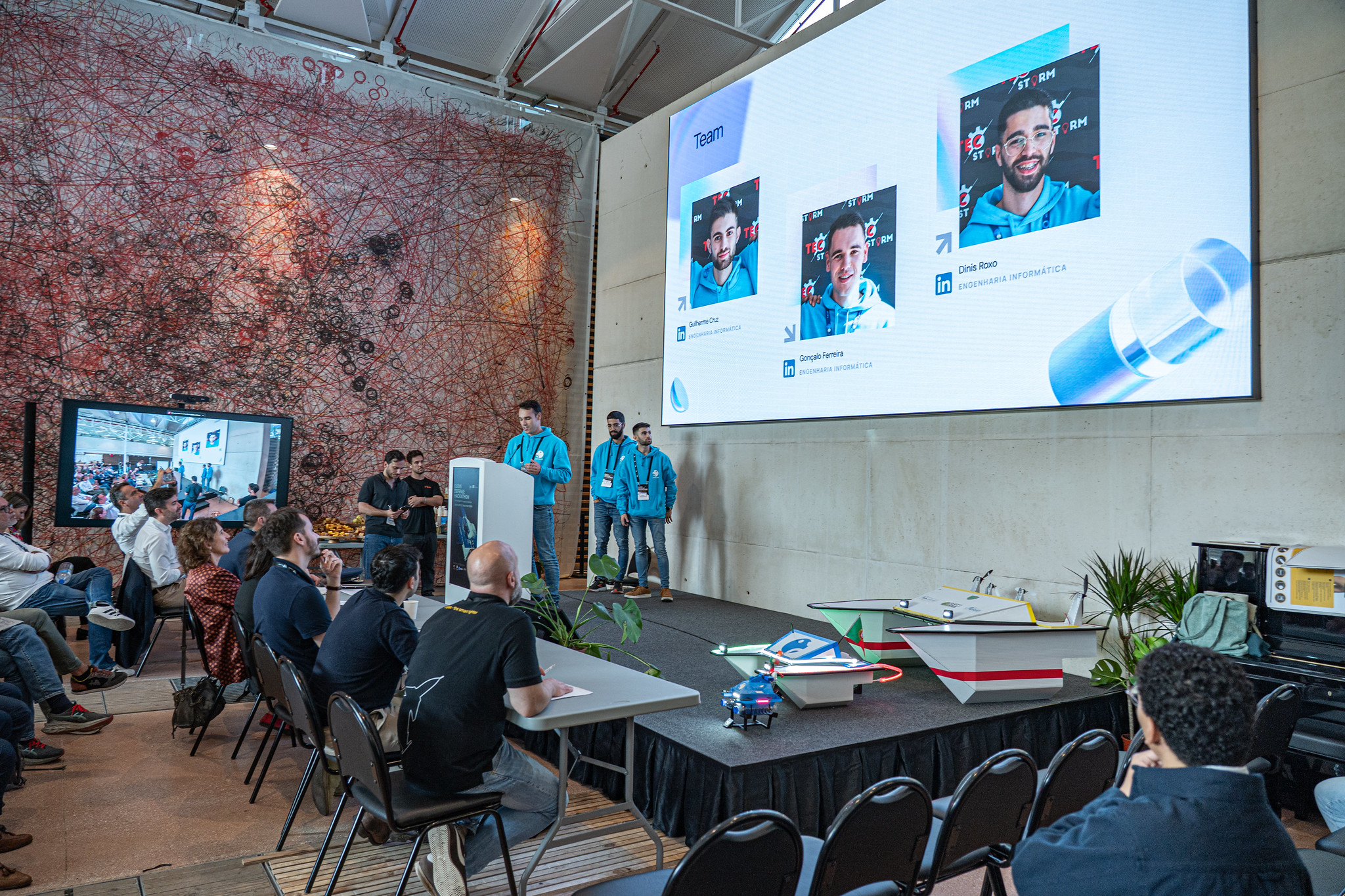
Team
- Guilherme Cruz - Computer Engineering
- Gonçalo Ferreira - Computer Engineering
- Dinis Roxo - Computer Engineering (Will not participate in this Hackathon)
- Érica Cruz - Marketing
Built With
- 3dprinting
- c
- esp32
- gps
- html
- iot
- javascript
- lora
- mqtt
- ph
- real-time
- salinity
- temperature
- turbidity
- wi-fi


Log in or sign up for Devpost to join the conversation.