-
-
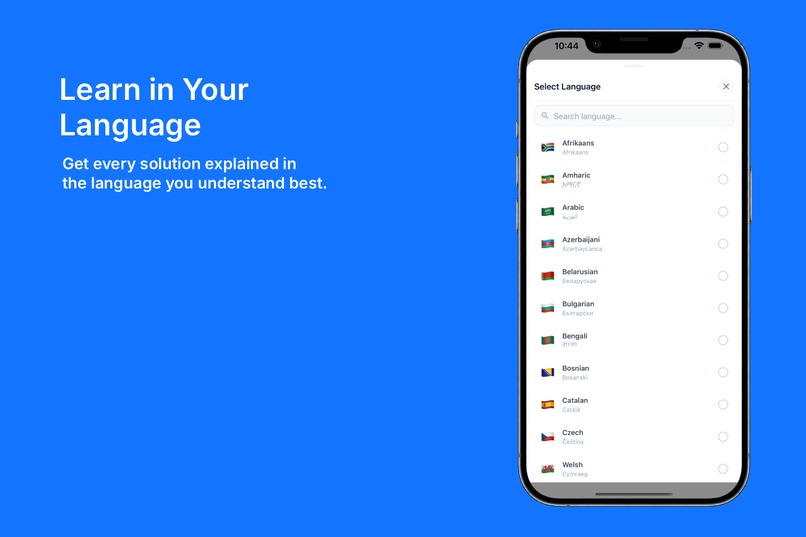
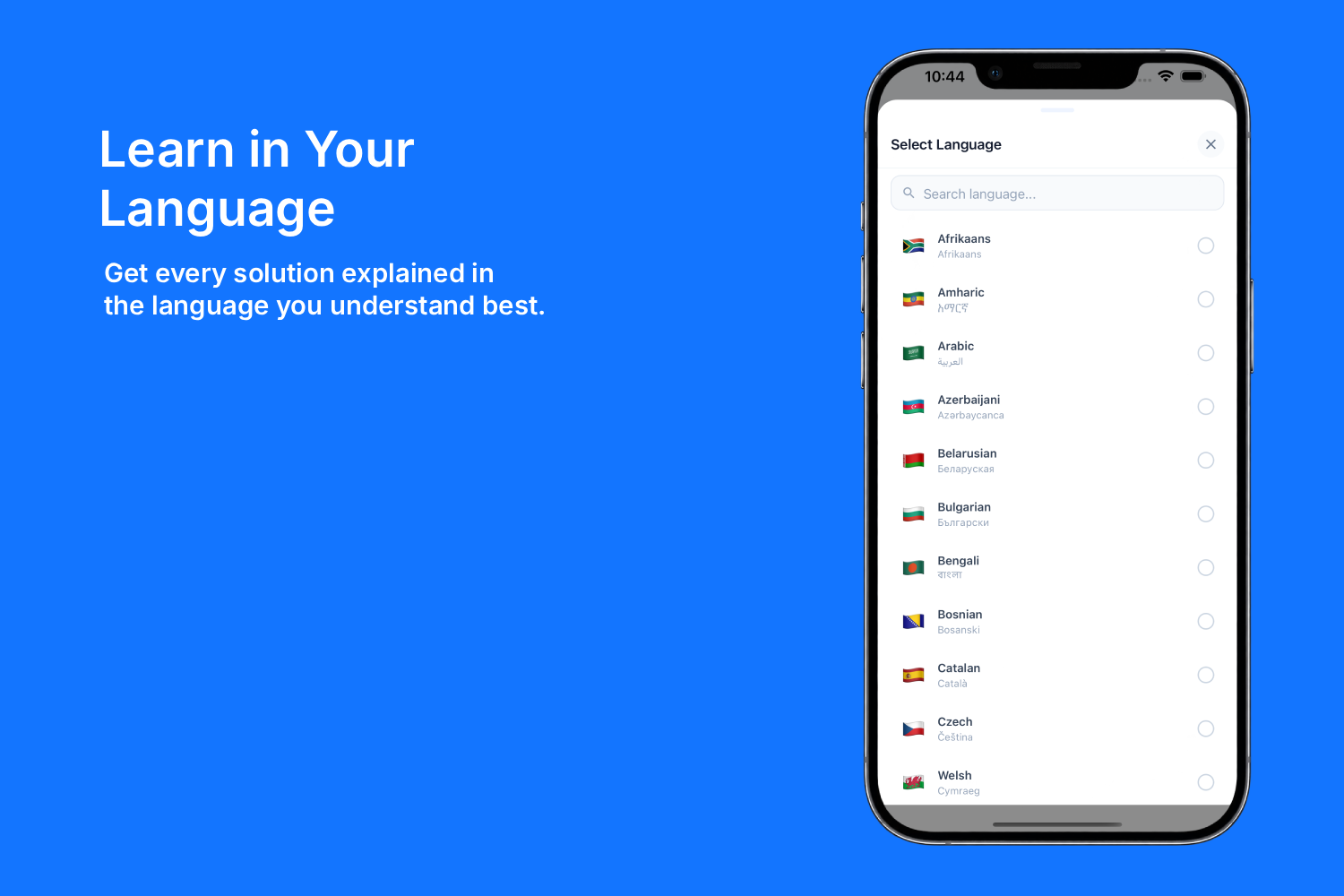
Learn in Your Language
-
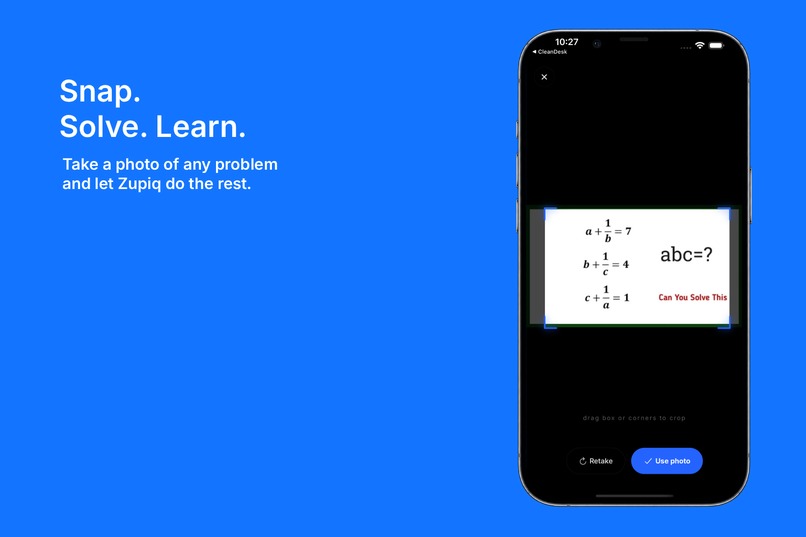
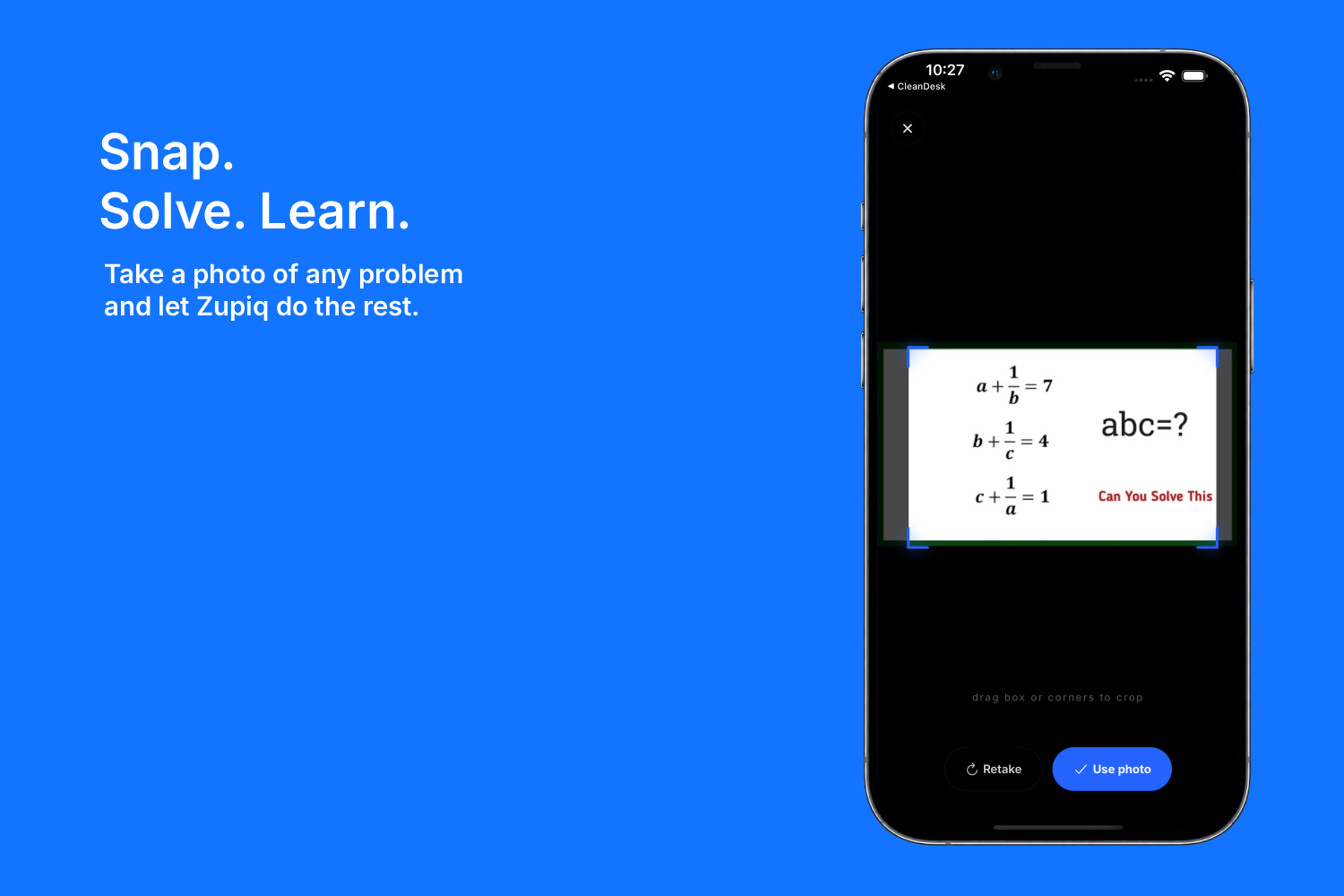
Snap. Solve. Learn.
-
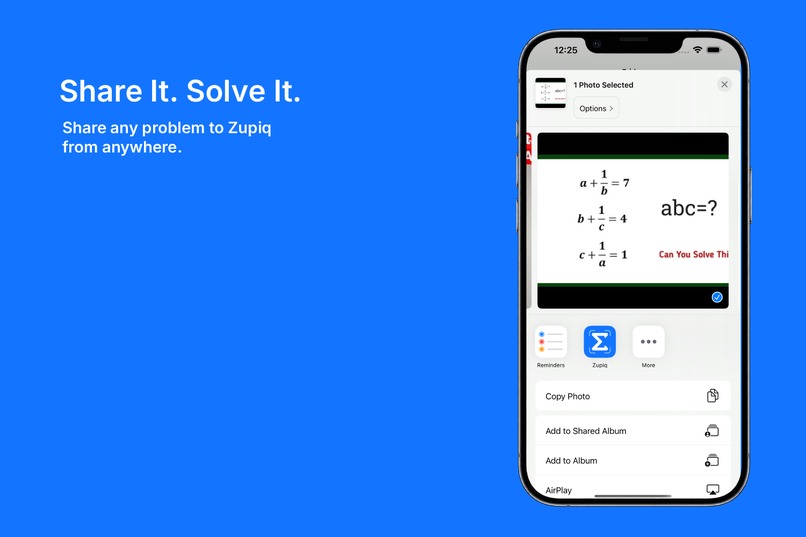
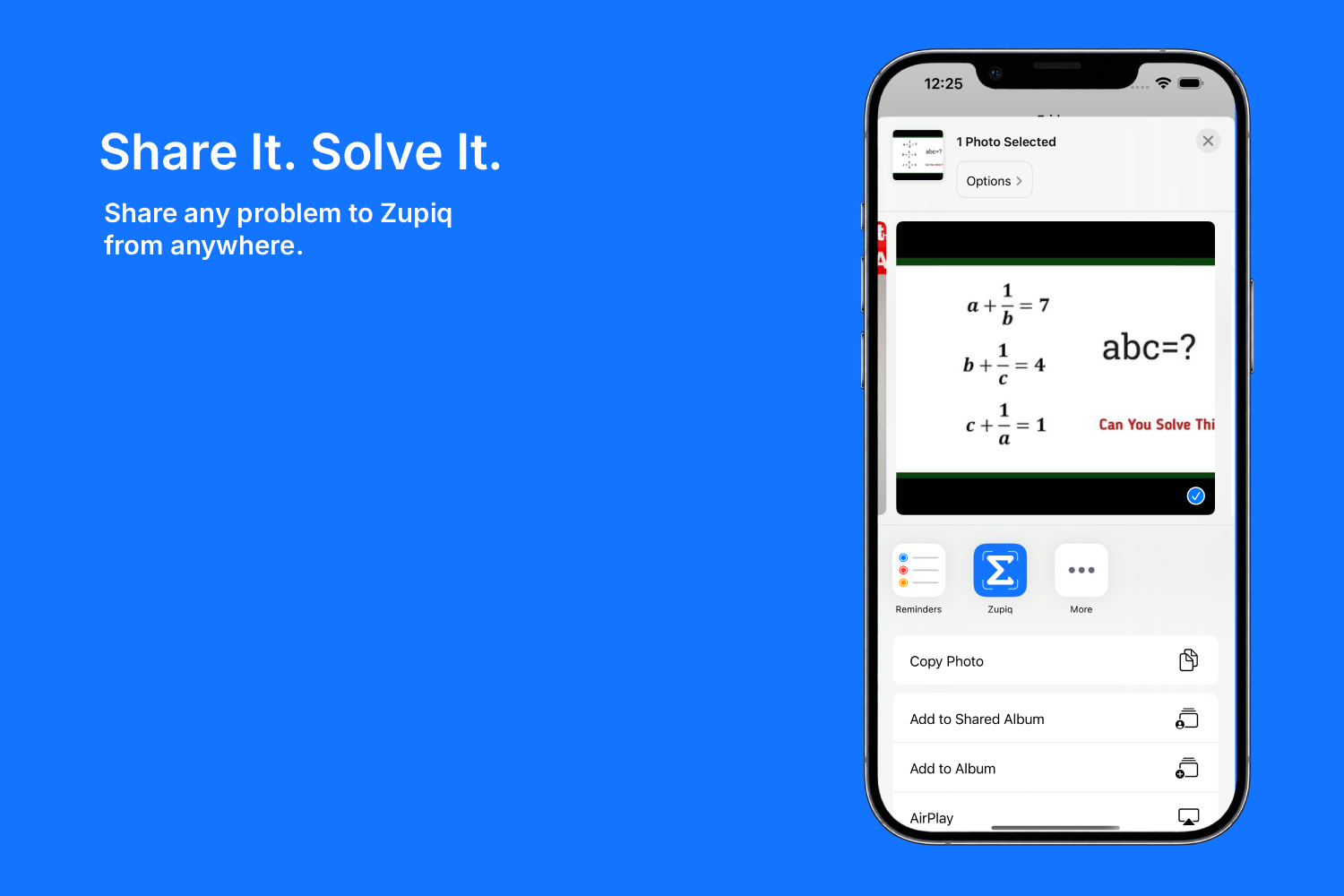
Share It. Solve It.
-
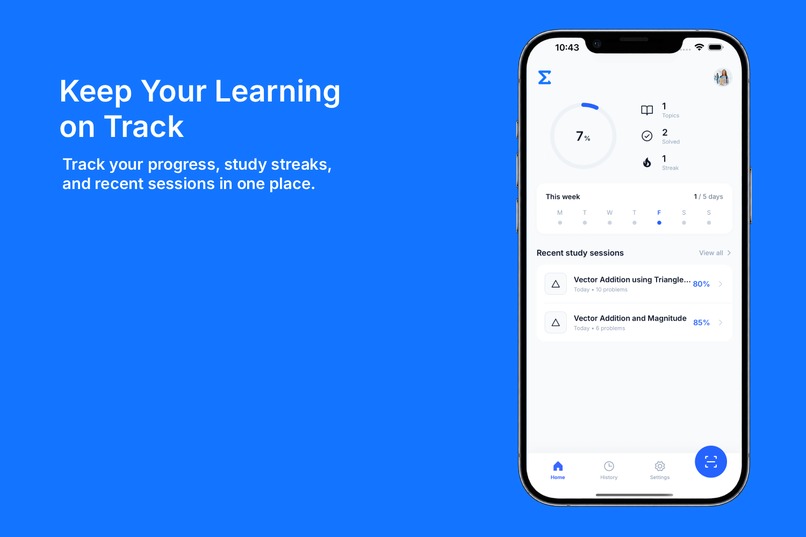
Keep Your Learning on Track
-
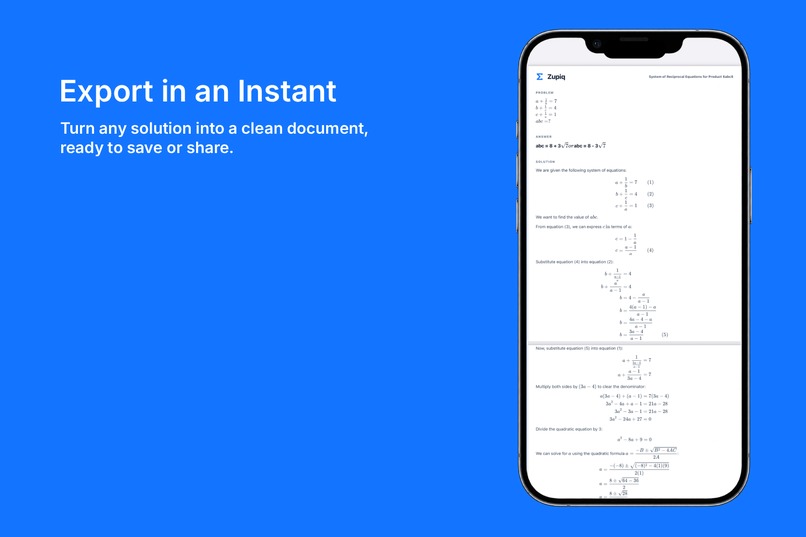
Export in an Instant
-
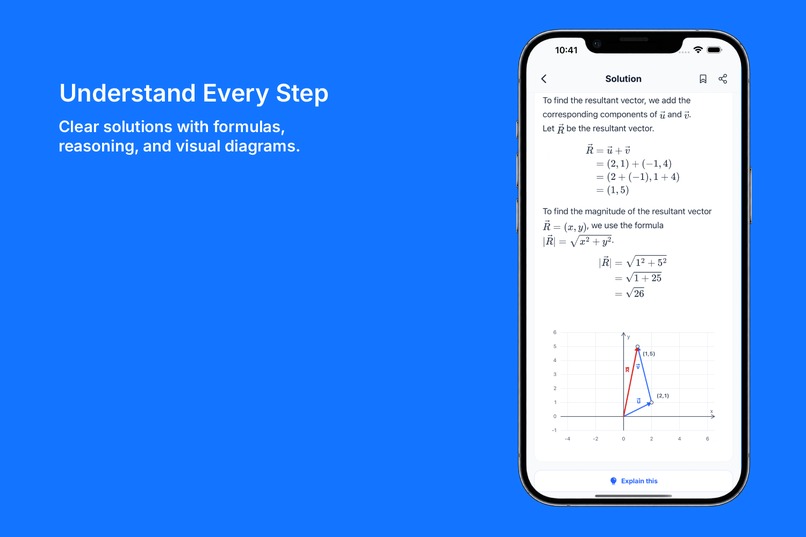
Understand Every Step
-
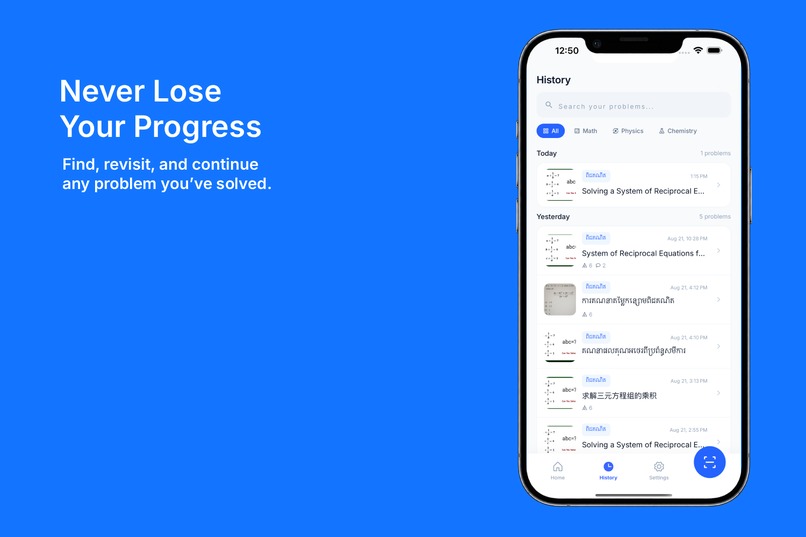
Never Lose Your Progress
-
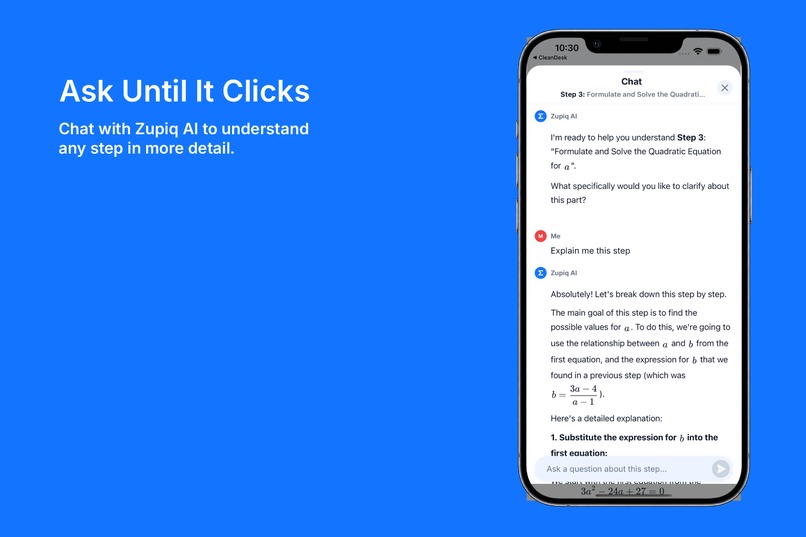
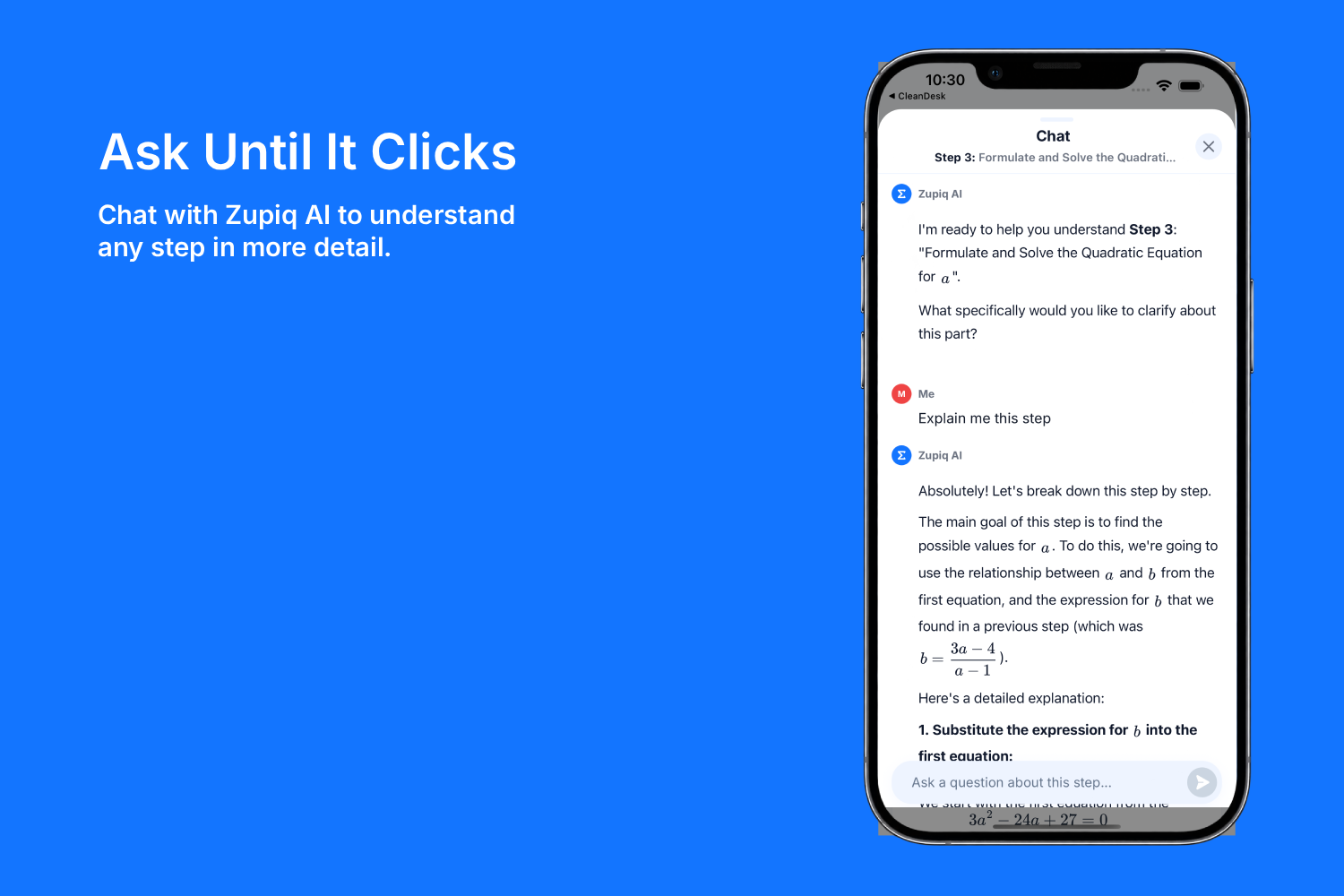
Ask Until It Clicks
-
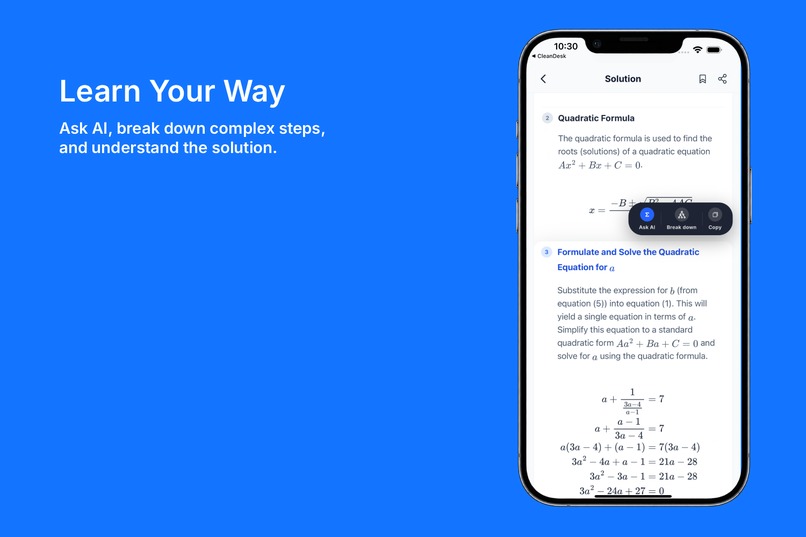
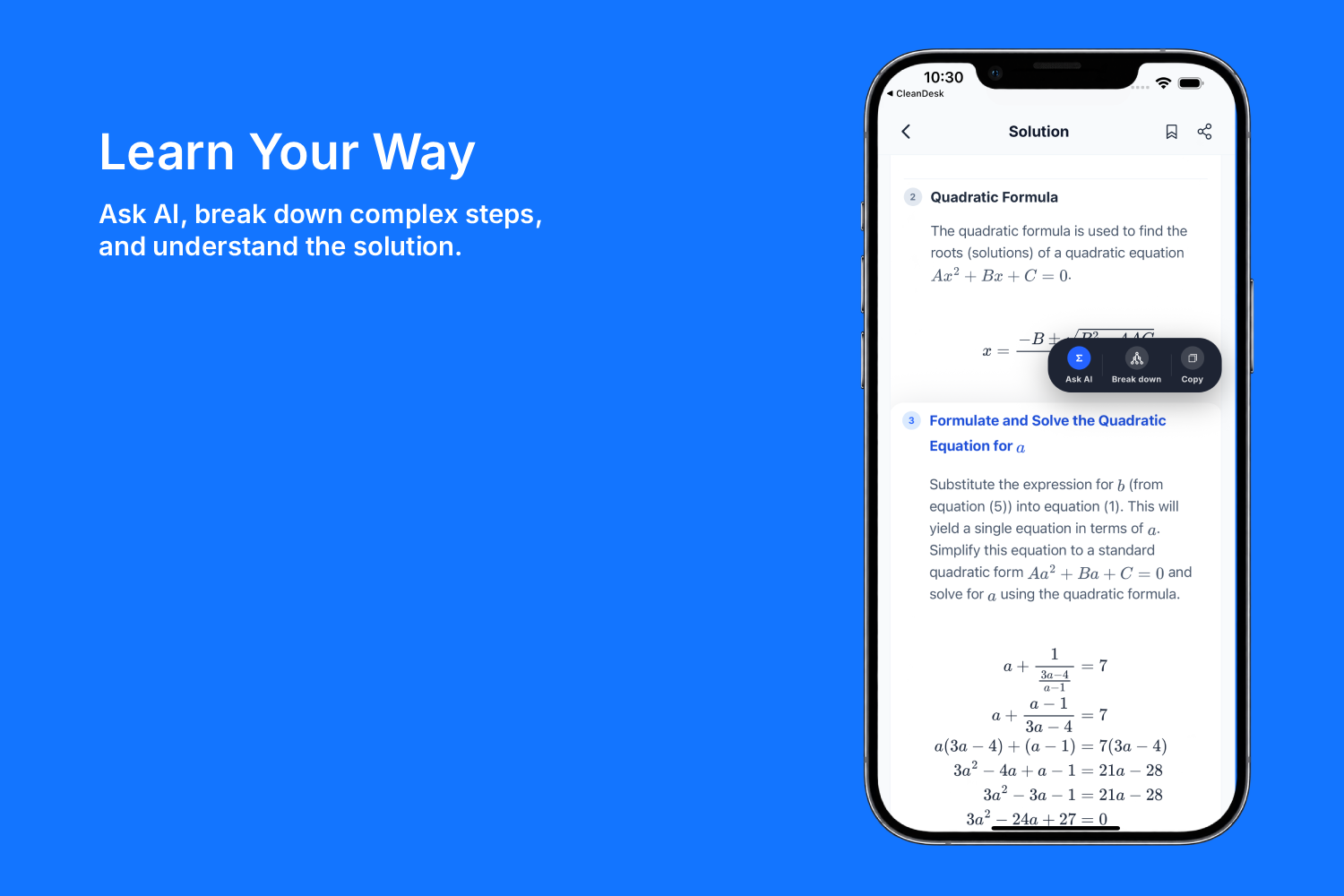
Learn Your Way
-

Understand Every Step
-


Inspiration
Learning often gets interrupted by a simple problem: you’re stuck, but getting help takes too many steps. You might need to type a complicated equation, redraw a diagram, search through multiple websites, or explain the problem to an AI.
We built Zupiq to make that process almost instant.
The idea is simple: see a problem, send it to Zupiq, and learn how to solve it.
Students can capture a problem with their camera, upload an image, or share content directly to Zupiq from another app or source. Zupiq analyzes the problem and provides a clear, step-by-step explanation.
What it does
Zupiq is an AI-powered learning companion designed to help students understand problems instead of simply returning an answer.
With Zupiq, students can:
- Capture or upload a problem
- Share problems directly from other apps and sources
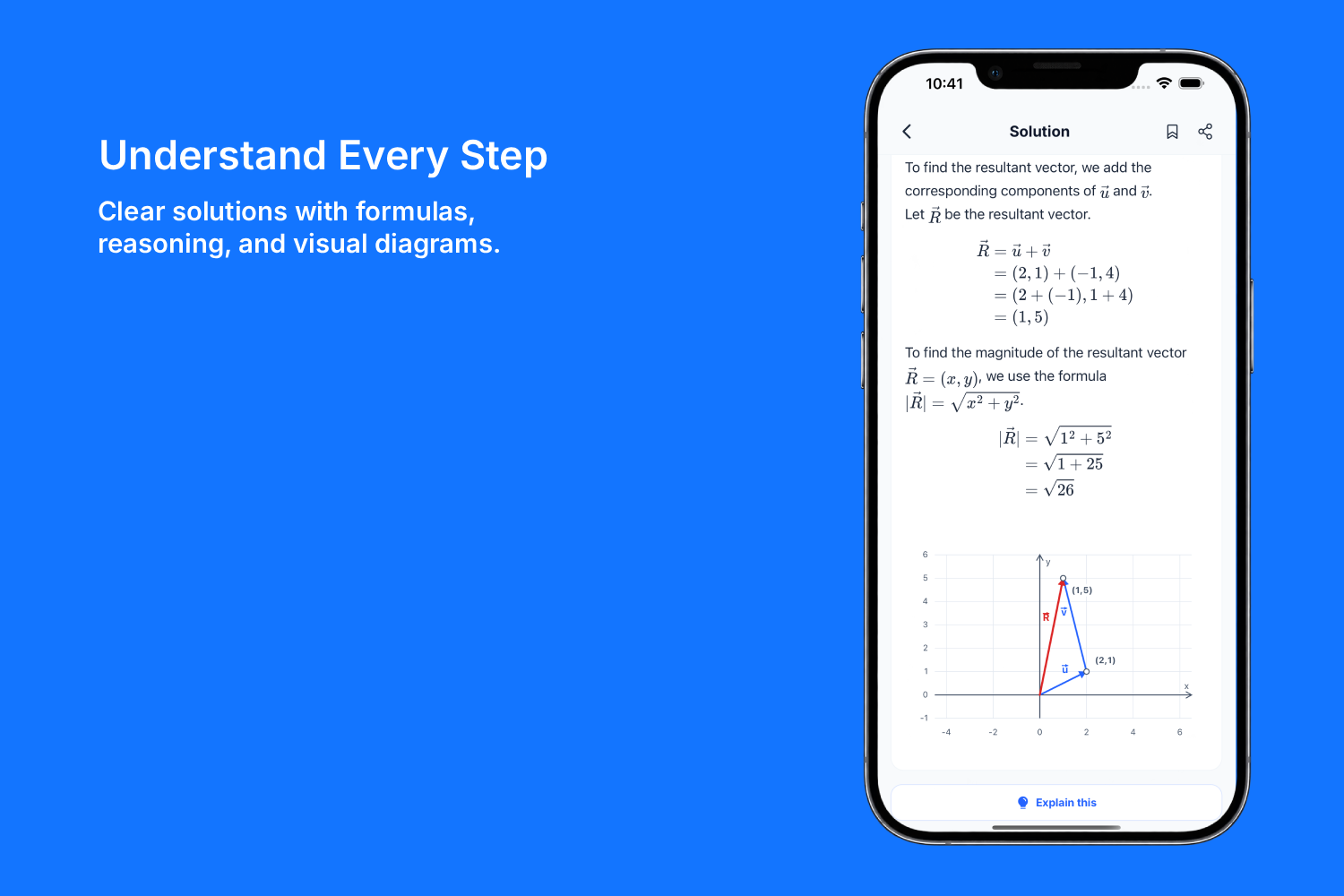
- Receive clear step-by-step solutions
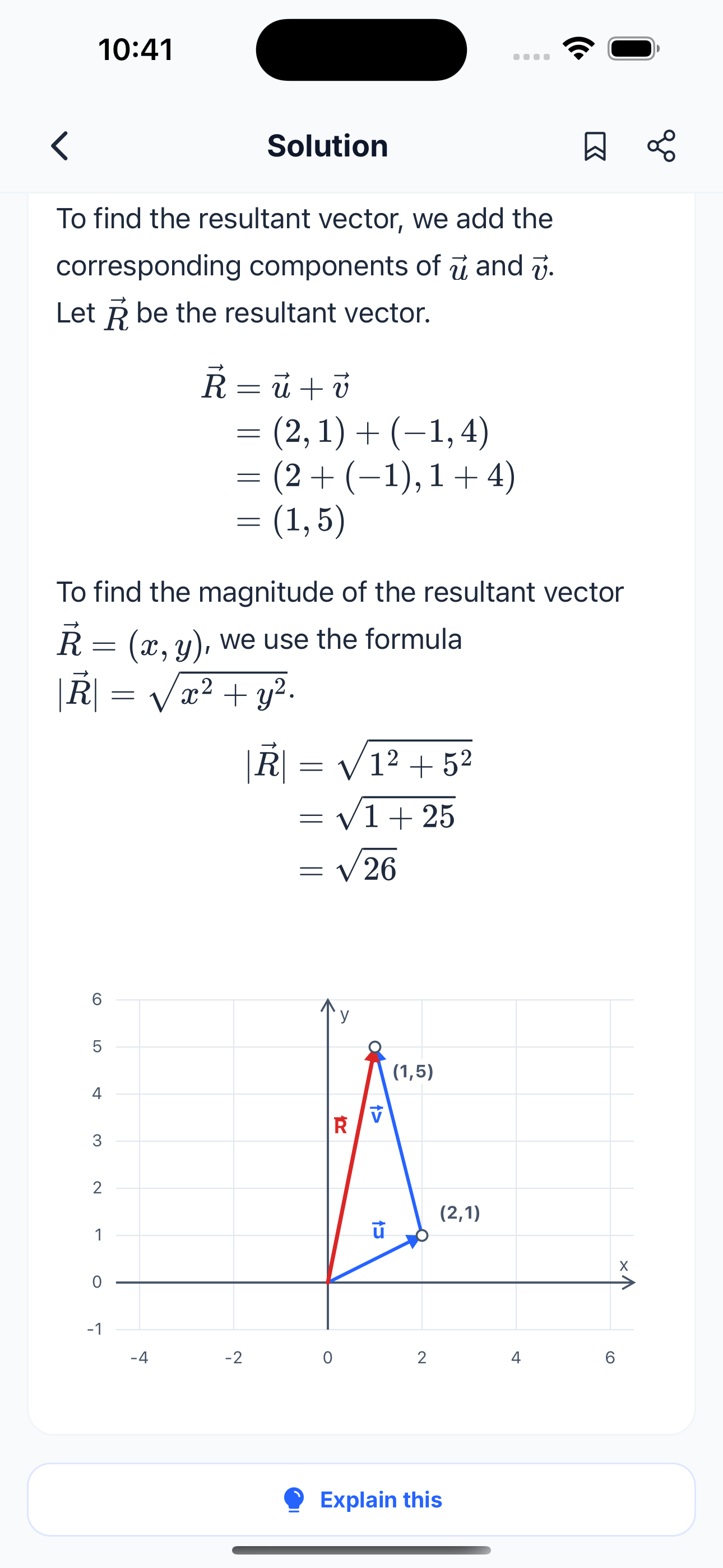
- Automatically generate diagrams and graphs when they help explain the solution
- Choose their preferred language and receive localized explanations
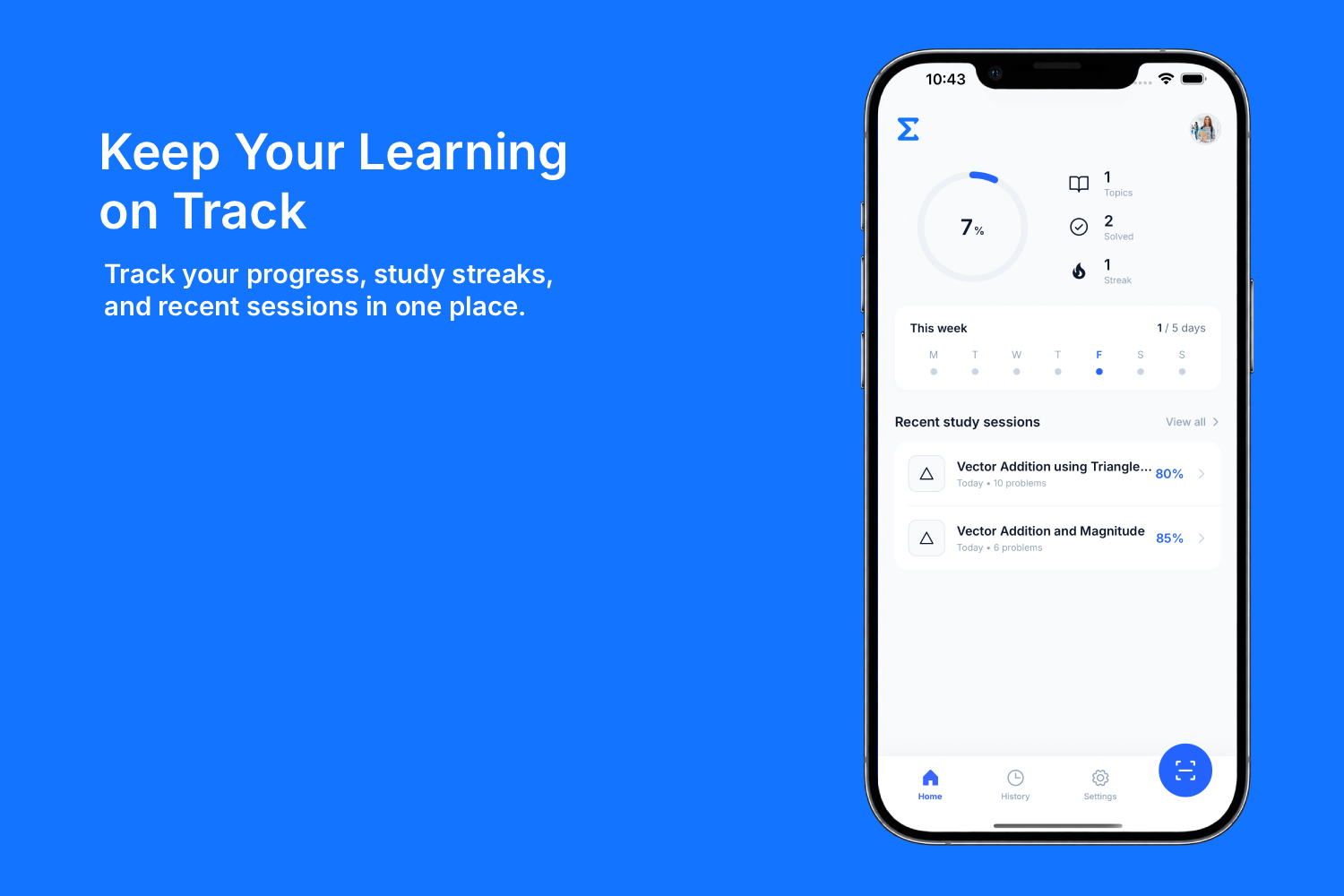
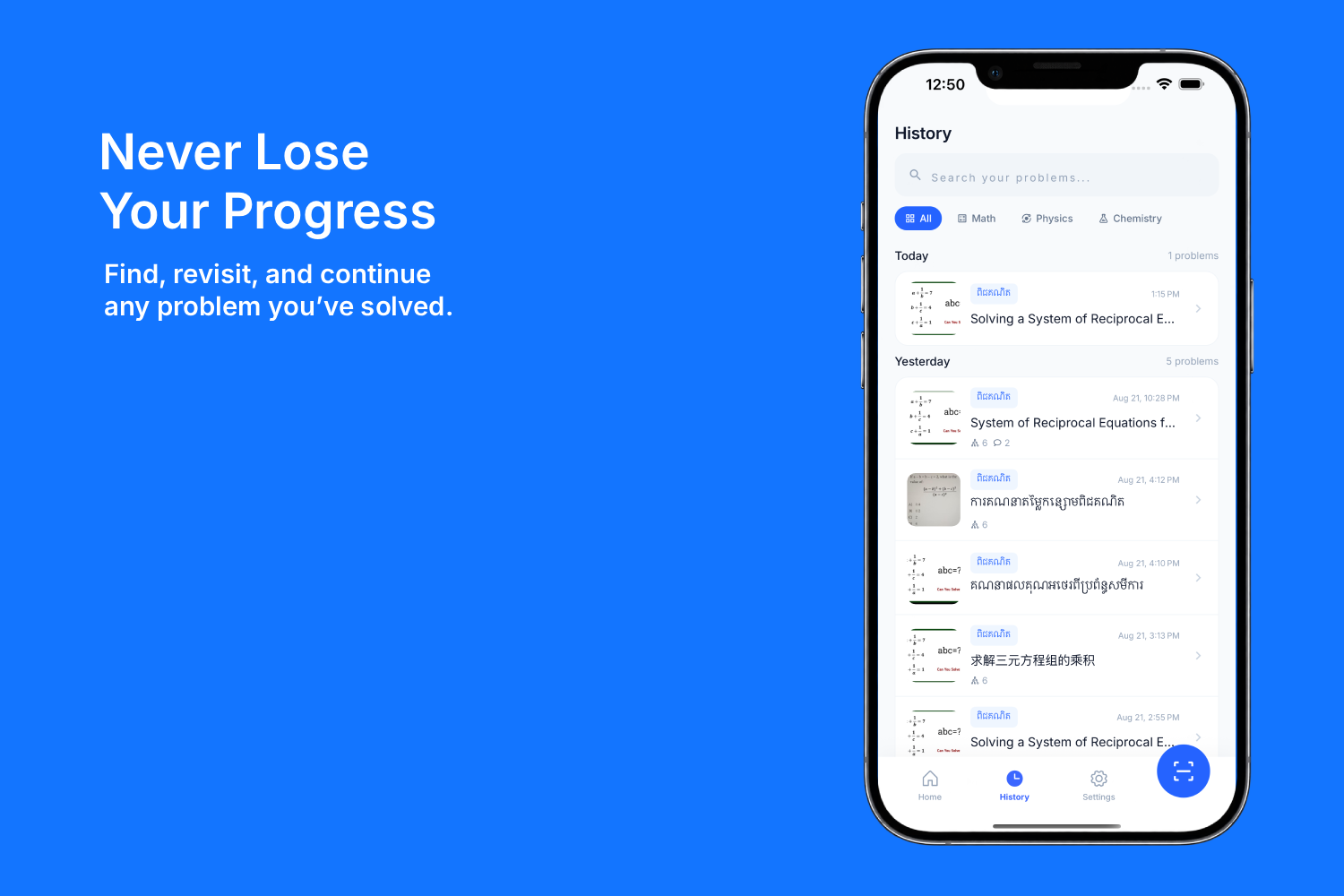
- Review previous problems and study sessions
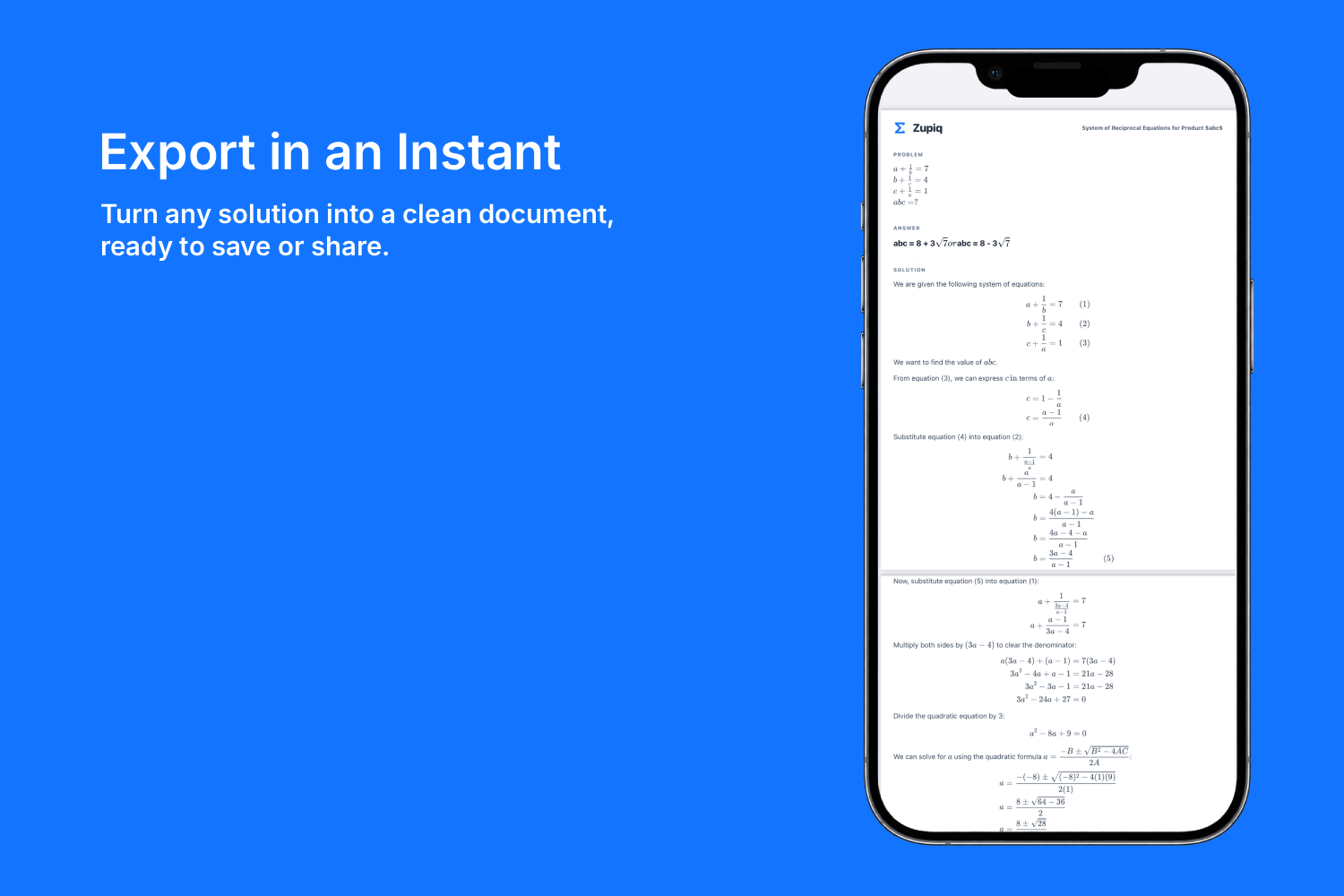
- Export and share solutions instantly
The goal is to turn almost anything a student encounters into a learning opportunity.
How we built it
Zupiq was designed as a mobile-first experience with a strong focus on speed and simplicity.
The app combines AI reasoning, image understanding, structured mathematical output, and dynamically generated visual explanations. Instead of forcing every problem into the same response format, Zupiq determines when equations, diagrams, graphs, or other visual elements can make a solution easier to understand.
We also integrated RevenueCat to manage Zupiq’s premium subscription and entitlements across mobile platforms, allowing us to offer unlimited generation through Zupiq Premium.
Challenges we ran into
One of the biggest challenges was creating an experience that works across very different types of problems.
A simple algebra question may only need a few equations, while geometry may require a diagram and another problem may be easier to understand with a graph. We had to design Zupiq so that the solution experience could adapt without making the interface complicated.
We also focused heavily on reducing friction. Capturing, sharing, solving, reading, and exporting a problem should feel like one continuous workflow rather than a collection of separate AI tools.
Accomplishments that we’re proud of
We’re especially proud that Zupiq has evolved beyond a basic “photo-to-answer” application.
It can create structured explanations, automatically include visual elements when appropriate, localize solutions into the student’s selected language, accept problems shared from external sources, and preserve previous learning sessions.
All of this is delivered through a deliberately minimal interface designed to keep attention on the problem and its explanation.
What we learned
Building Zupiq reinforced an important lesson: powerful AI doesn’t automatically create a great learning experience.
How the answer is structured, how quickly students can provide a problem, when visual explanations appear, and how much interface surrounds the content all matter.
We learned to treat AI as part of the learning experience rather than making the AI itself the product.
What’s next for Zupiq
Our goal is to continue developing Zupiq into a simple, universal learning companion.
We want students to be able to encounter a problem anywhere, send it to Zupiq, understand it visually and step by step, and continue learning — regardless of the subject, source, or language.
Built With
- ai
- computer
- expo.io
- llm
- postgresql
- react-native
- revenuecat
- typescript
- vision

Log in or sign up for Devpost to join the conversation.