Inspiration
Zunset was born from a personal challenge: I found myself using my phone far too much, and I wanted to take a step back, to detox and rediscover the joy of being present. But I didn’t want that process to feel boring or like a punishment. I wanted it to be creative, fun, and rewarding.
In today’s world, we’re constantly connected, scrolling, checking, comparing. That endless digital noise often brings anxiety and sadness, making it hard to truly disconnect. Zunset is my answer to that: a gentle push toward mindful disconnection.
I chose a Japanese-inspired art style to bring in the calm, peaceful energy I associate with Zen culture. And I leaned into pixel art and retro visuals because I believe a gamified app shouldn't just have game mechanics like XP and rewards, it should feel like a game. And what better way to do that than with the nostalgic charm of classic pixel art?
What it does
Zunset helps you disconnect from your phone during the moments that matter most, whether you're meditating, working, sharing dinner, or simply being present in a social moment.
When you put your phone down, Zunset rewards you. The longer you stay offline, the more points you collect. These points can be used to customize your app, unlocking tranquil new backgrounds, atmospheric scenes, and evolving visuals that reflect your digital discipline.
But Zunset goes further than other wellness apps. It’s not just about silence and timers, it’s about presence and companionship. When you disconnect, you're met by a pixelated temple master, watching over you as you breathe and pause. This subtle interaction gives users the feeling that they’re not alone in their journey, a touch of humanity most digital detox tools overlook.
With its Japanese-inspired design, Zunset embodies both calm and discipline, offering an experience rooted in a culture known for its stillness, clarity, and intention.
How we built it
Zunset was built using a combination of Bolt.new and ChatGPT, bringing together rapid prototyping and AI-powered creativity.
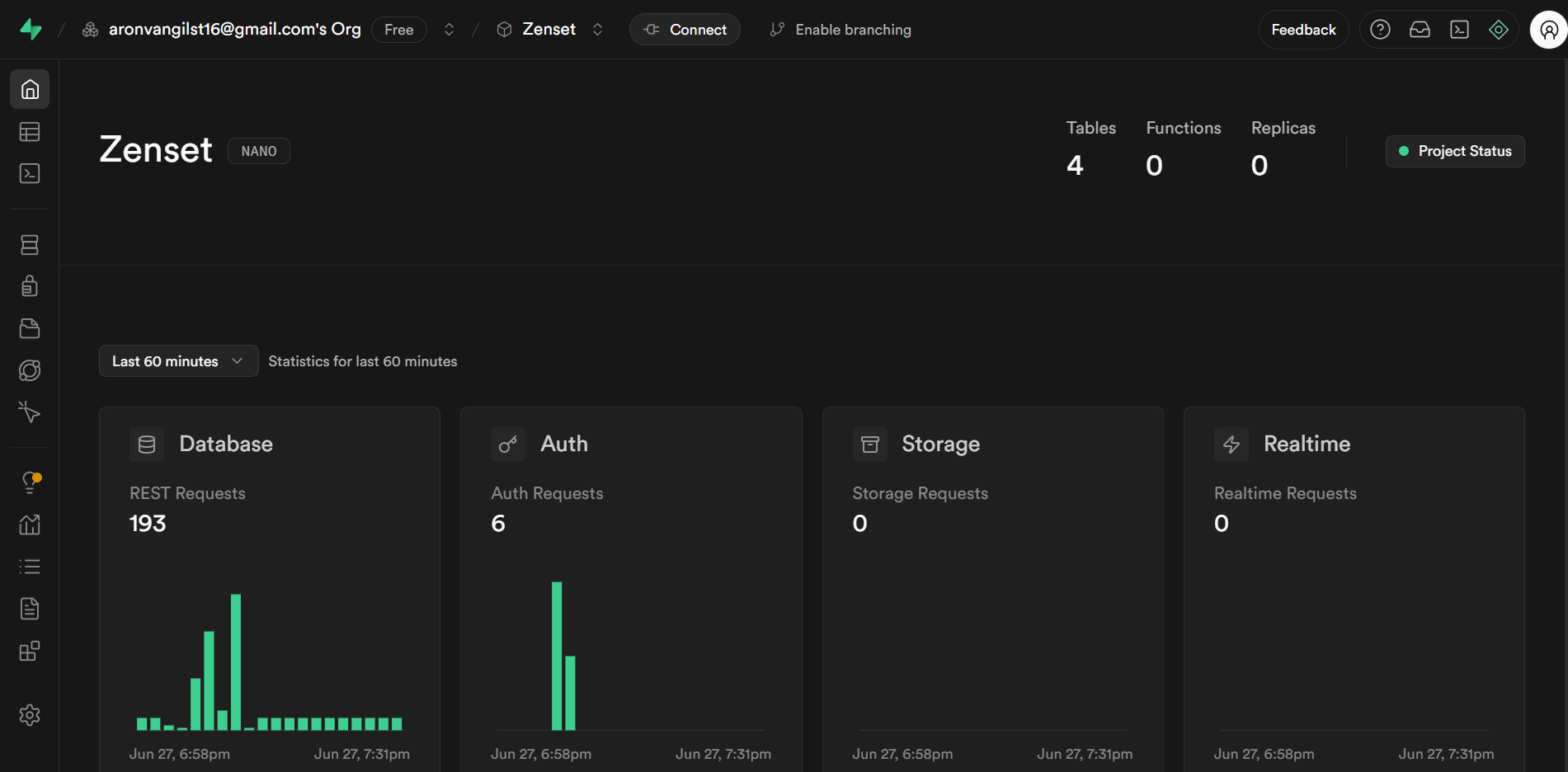
I started by using Bolt.new to create the core mechanic: a simple screen where, if you touch your phone during a break, the timer is lost. Once that initial prototype was functional, I integrated Supabase to handle user authentication and data tracking, making sure progress and activity could be stored securely.
To shape the visual identity of Zunset, I used ChatGPT to brainstorm ideas for the art style and user experience. While no single suggestion fully captured the feeling I wanted, it helped clarify my direction. I leaned into my original inspiration, pixel art combined with traditional Japanese aesthetics, to give the app a retro-yet-zen look. ChatGPT validated the concept and helped me plan out how many screens the app would need and what content should go on each one.
From there, I began generating background images using prompts refined with AI, and once I had all my visual assets, I returned to Bolt.new to implement the complete design, integrating fonts, color palettes, quotes, and imagery to make the app feel cohesive and on-brand.
The entire app was created with the support of AI, and I was able to complete the first working version in just three afternoons.
Challenges we ran into
While Bolt.new made rapid development possible, getting comfortable with its prompt builder came with unexpected friction. Initially, it felt intuitive, but as the project grew, certain elements started disappearing or misbehaving, especially when adjusting layouts or connecting logic. Errors began to appear, particularly when integrating the Supabase expansion, which added complexity I hadn’t anticipated.
That said, the tool ended up surpassing my expectations. I assumed I'd have to rewrite sections of code manually to make Zunset functional, but that wasn’t the case, AI handled more than I expected, saving time and effort.
On the creative side, the concept itself evolved. At first, Zunset was going to be a kind of steering-based conquest game with characters. But the more I worked on it, the more I felt it needed to align with the goal of digital detox. That’s when I pivoted toward a more meditative experienc, introducing the idea of a temple master guiding your offline moments. Not only did it fit the theme better, it also enhanced the calm, minimalist UI I wanted to create.
Accomplishments that we're proud of
One of the things I’m most proud of in Zunset is the store and gamification system. It transforms the experience from just a digital detox tool into something genuinely fun and rewarding. Earning points for staying offline and using them to unlock new pixel art backgrounds makes the entire journey feel more like a game, and less like a limitation.
Another major highlight is the visual style. The combination of pixel art and traditional Japanese aesthetics gives the app a peaceful, retro charm that feels both nostalgic and calming. Every time I open the app, I genuinely enjoy how it looks.
I remember testing the app for the first time, just a one-minute trial, and feeling excited to not use my phone. Knowing I was earning points and could spend them later in the store made that short break feel meaningful and engaging.
What makes it even more special is that Zunset is fully built using AI. I had played around with basic app ideas before, but they always felt flat. This is the first time I created something that feels beautiful, thoughtful, and truly alive, and realizing that AI made it all possible still blows my mind.
What we learned
Building Zunset was a crash course in the power of AI, and it completely changed the way I think about creating digital products. I learned that you can build almost anything that comes to mind if you combine the right tools with strong problem-solving skills.
One of the biggest lessons was the importance of prompting properly. Crafting clear, focused instructions for AI made a huge difference in getting the results I wanted. I also realized how crucial it is to stay flexible and open-minded during development. Zunset shifted directions more than once, and each pivot made it stronger.
This was my first time working on a gamified app, and I discovered how fun, and deep, that process is. Designing levels, rewards, points, and a sort of “gameplay loop” taught me that gamification isn’t just a gimmick, it’s a powerful tool to motivate and engage users.
I also came to appreciate how important good design and user feedback are. The look and feel of an app, and how people interact with it, can make or break the experience. Listening and adapting helped Zunset go from a basic idea to something truly special.
If I were to start over, I’d plan out the gamification elements and design system from the beginning, it would have saved time and allowed for an even more cohesive experience. That said, this definitely won’t be the last app I build with AI. The possibilities are truly endless.
What's next for Zunset
The next big feature I’m working on is an instant rewards system, so instead of only earning points over time, users will also unlock immediate surprises during each session. These could be collectible art pieces, achievements, or other interactive elements to deepen the gamification and make every screen-free moment feel like a win.
After the hackathon, I plan to launch Zunset publicly and open it up to early users. The goal is to gather real feedback and continue improving the experience based on how people interact with the app.
I’m currently looking for feedback on the UI, UX, and any bugs users may encounter. Whether you're into digital wellness, gamification, or just love beautiful, pixel-style design, I'd love your thoughts.
This is only the beginning, and I’m excited to see how far Zunset can go.
PS I am going for the start-up challenge prize, I added a screenshot of my Supabase integration as proof.
Built With
- bolt.new
- chatgpt
- supabase


Log in or sign up for Devpost to join the conversation.