-
-
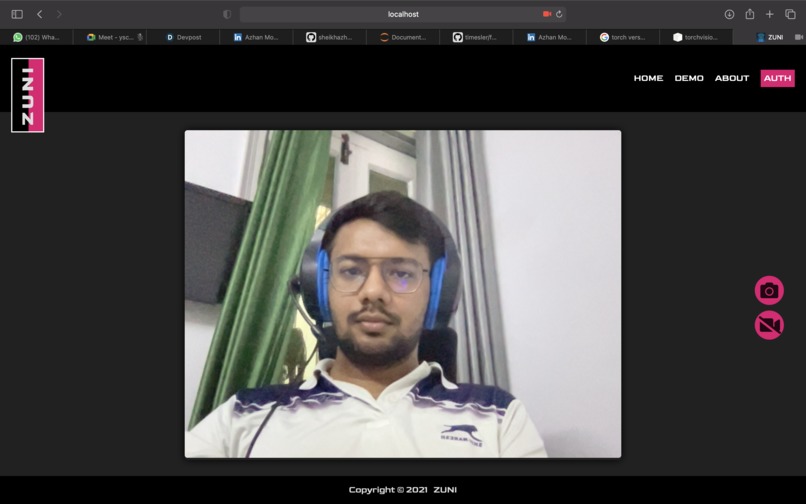
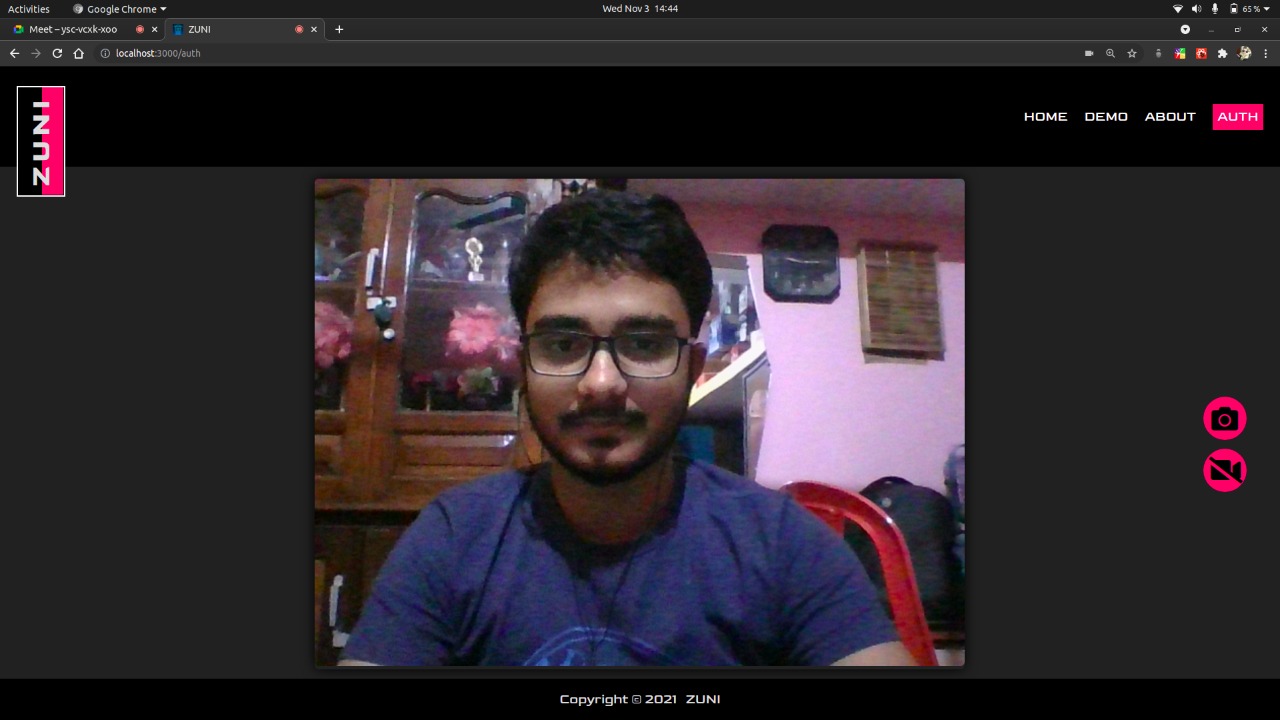
User Authentication
-
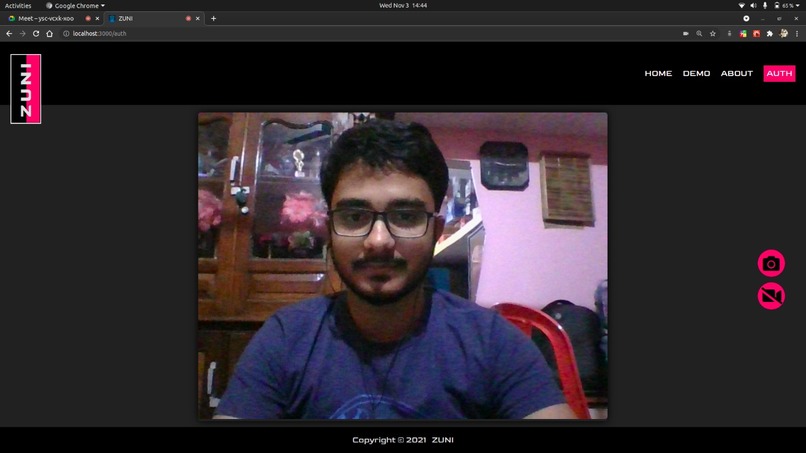
User Authentication
-
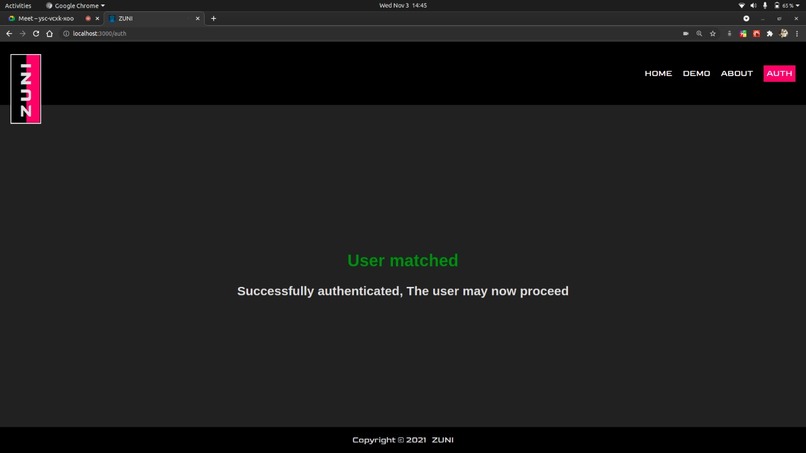
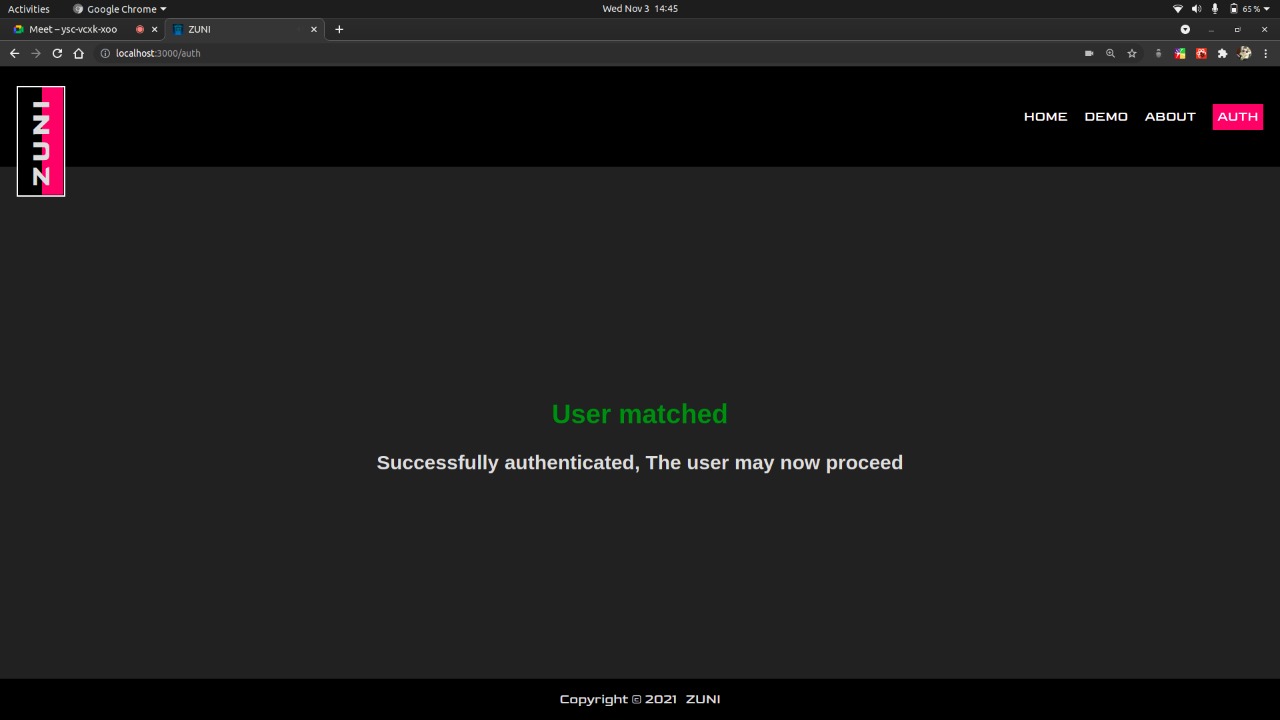
User Authentication Successful
Inspiration
Facial spoof attacks during the advancement of Touchless technologies saw a great boom, the main inspiration behind this project is to stop these spoof attacks for facial authentication services. Our service can be built on top of any authentication application to stop facial attacks like print attacks or face on screen attack.
What it does
Our interface comes with a face spoof detection system, which can recognize:
- Printed face attack
- Face being showed on a device's screen
- Multiple faces In case any of the above attacks is detected, the system distrupts the login process and the user needs to start again.
How we built it
The PyTorch model was trained using the NUAA Dataset which was mixed with a few images of our own. We then used MTCNN model to extract faces and an InceptionResNet model to extract features for facial verification.
Challenges we ran into
A major challenge was deploying the project on Heroku given the space limitations. We tackled it using various stack overflow threads and finally deployed the model.
Accomplishments that we're proud of
We got a 100% accuracy on the validation set of NUAA Dataset, something we wish to publish as a research paper and test on other spoof datasets as well.
What we learned
When we started the project we knew nothing about deploying deep learning models on the web, this project gave us a chance to learn deployment of deep learning models.
What's next for ZUNI Zillion Utility purpose Neural authentication Interface
Next we plan to get a desktop and mobile application deployment of the service, so that it can be used in these applications as well. We also plan to create a python library of the service so people can install it using pip and use it directly.


Log in or sign up for Devpost to join the conversation.