-
-

UI
-

Dashboard
-
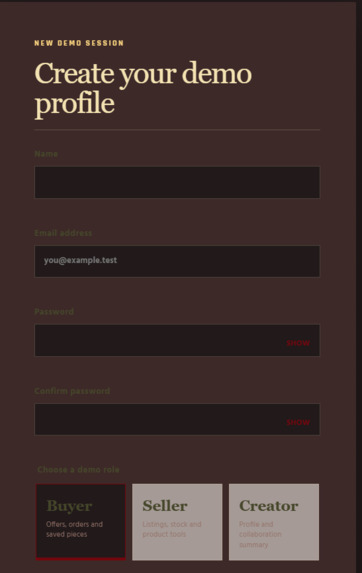
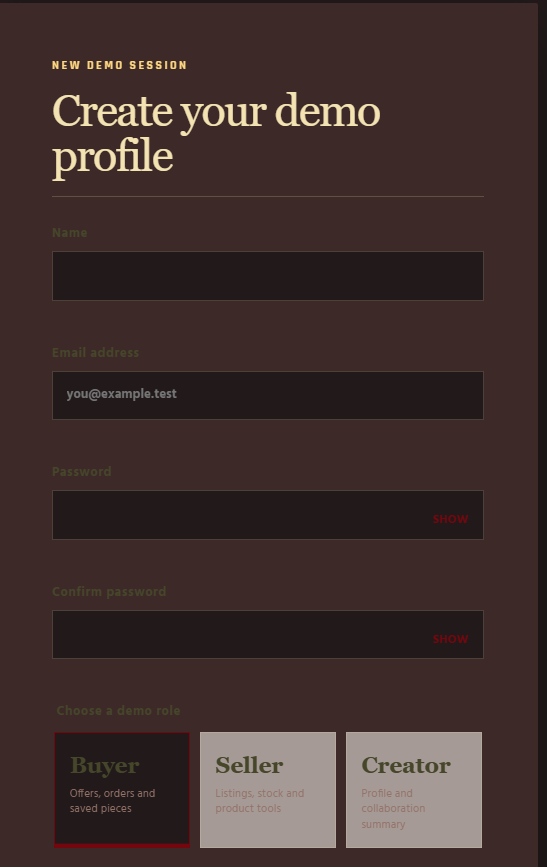
login section
-

negotiation section
-

marketplace section
-

product details





Inspiration: Local artisans and MSMEs frequently encounter significant friction when transitioning to digital commerce—underpricing erodes profitability, whereas overpricing deters prospective buyers. Simultaneously, online shoppers are constrained by rigid, fixed-price models with no structured mechanism to negotiate. We engineered Zuna to bridge this gap by creating an intelligent, flexible, and accessible marketplace tailored for small businesses.
What It Does: Zuna unifies four core modules into a cohesive commerce ecosystem:
- AI-Assisted Smart Pricing: Computes optimal listing prices using material, labour, packaging, and overhead inputs alongside inventory age, leveraging generative AI to deliver clear, human-readable pricing rationale.
- Dynamic Price Negotiation: Enables buyers to submit structured offers while empowering sellers to accept, reject, or counter within a protected minimum price floor.
- Creator-Driven Social Commerce: Connects sellers with content creators to promote listings through unique, performance-tracked referral links.
- Verified Razorpay Checkout: Locks mutually agreed prices server-side and routes transactions through Razorpay with cryptographic signature verification.
How We Built It: We developed a responsive frontend using HTML5, CSS3, and Vanilla JavaScript, supported by a RESTful Python and FastAPI backend with an SQLite relational database. We integrated a deterministic pricing engine with the Gemini API for contextual explanations and implemented Razorpay Standard Checkout (Test Mode) for secure payment processing.
Challenges & Key Learnings: A primary engineering challenge was preventing client-side price manipulation during post-negotiation checkout. Solving this reinforced the necessity of strict server-side trust boundaries—enforcing database-locked pricing and cryptographic payment verification—while demonstrating that transparent, explainable recommendations foster far greater seller confidence than opaque automation.
What's Next: Future iterations will introduce multilingual interfaces in Hindi and regional Indian languages, machine learning models trained on real transaction data for demand forecasting, and automated marketplace seller settlements.
Built With
- css3
- fastapi
- gemini-api
- git
- github
- html5
- javascript
- postman
- python
- razorpay
- sqlalchemy
- sqlite
- uvicorn