-
-
Logo
-
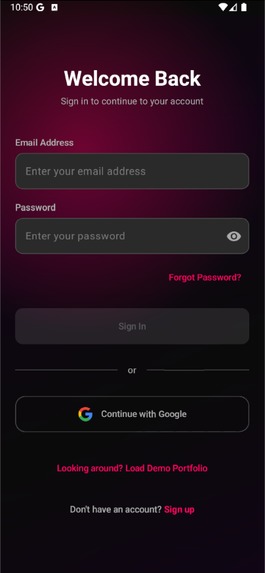
Login
-
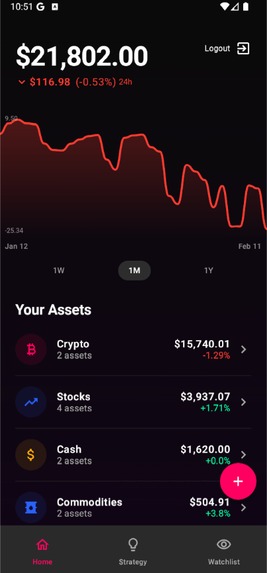
Dashboard
-
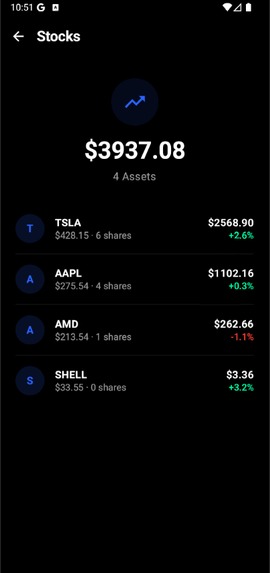
Stocks list with live udpates
-
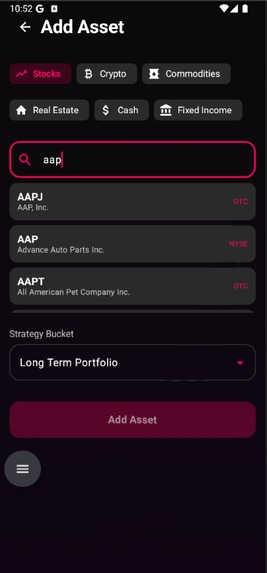
Add asset
-
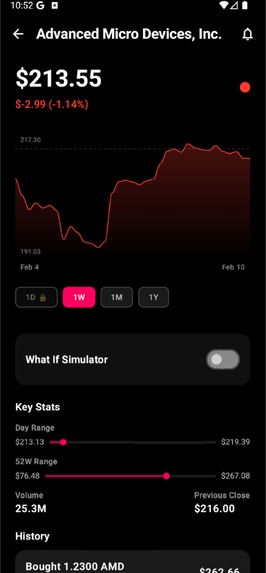
Asset details
-
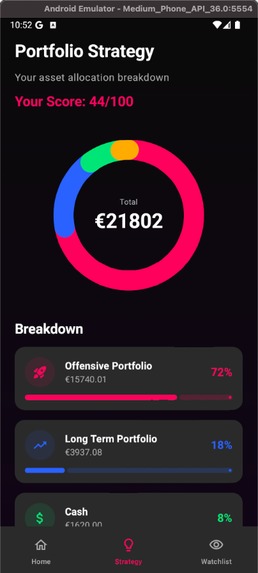
Strategy
-
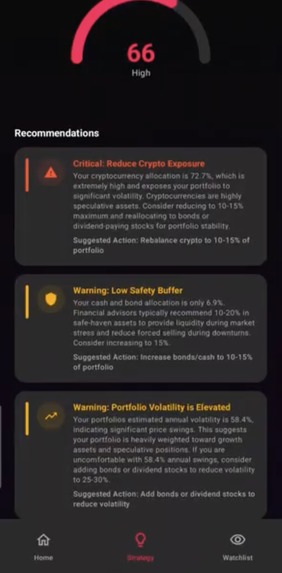
Risk analysis
-
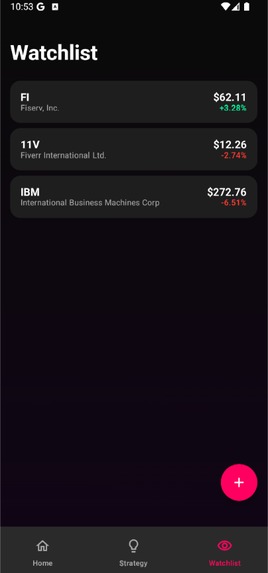
Watchlist


Inspiration
The problem described in the hackathon brief hit close to home. Like many investors, my portfolio is a fragmented mess: stocks in one app, crypto in a wallet, and physical gold tracked... nowhere. I was tired of "Excel Hell" - manually updating spreadsheets to figure out my net worth.
When I saw the challenge, I knew Visual Portfolio was the product I needed to build. I didn't just want to make a UI wrapper; I wanted to solve the technical challenge of normalizing data across vastly different asset classes into a single, cohesive "Source of Truth."
What it does
Visual Portfolio is a unified investment command center. It breaks down the silos between asset classes, allowing users to:
- Track Everything: Seamlessly combine Stocks, Crypto, Funds, and Physical Assets (Gold/Real Estate) in one view.
- Real-Time Intelligence: View live price updates and performance metrics without reliance on static mocks - this is real market data.
- Risk Engine: Access a sophisticated diversification analysis that warns users about overexposure to specific sectors or geographies.
- Smart Watchlist: Monitor potential investments alongside owned assets.
- Reminders: Set reminders to not forget about assets you are willing to buy.
How I built it
Building a production-grade app while working a full-time job required ruthless optimization. I treated this not just as a coding challenge, but as an exercise in AI-Augmented Engineering.
- The Core: I am an Android Developer, so Kotlin Multiplatform (KMP) was the natural choice. I architected the app with a shared UI and business logic module, meaning the Risk Engine and Data Layer are ready for iOS deployment immediately.
- The "AI Agency": I utilized Gemini Enterprise as my central "Brain," simulating a full product team. I had specific agents for Backend Architecture, UI/UX Design, and Project Management.
- The Orchestration:
- UI/UX: I used FastShot to rapidly prototype flows. I fed these mockups together with React Native code to guide my Kotlin Compose implementation.
- Strategy: I used Manus to architect complex systems, specifically the Risk Engine and market data synchronization.
- Backend: With limited backend experience, I used AI to design a robust Supabase schema, handling complex relations between user portfolios and global asset data.
Challenges I ran into
The biggest hurdle was the Data Dilemma.
My initial AI advisor suggested using yfinance. However, upon manual review, I realized this violated their ToS for commercial/public applications. I pivoted to FMP (Financial Modeling Prep), only to hit a paywall that was unsustainable for a free hackathon project.
I had to stop coding and put on my Product Manager hat. I spent significant time researching compliant, affordable alternatives. I eventually identified Twelve Data, which offered the right balance of low tier subscription access, real time and "Gold/Silver" support. This pivot cost me time but saved the project's integrity.
Accomplishments that I'm proud of
- No Mocks: Every number on the dashboard is real. The app fetches live market data via a proxy middleware I built to handle rate limiting.
- Hybrid Risk Architecture: I built a system where risk rules are stored in the backend (allowing me to tweak the formula without app updates) but executed on the client side.
- Nightly Sync: I implemented a backend trigger that snapshots historical assets data so it's ready to use without issues with API limits.
- KMP Validation: Proving that UI can be shared seamlessly between platforms. It's also ready to support both light mode and localized strings.
What I learned
I'm already using AI in my daily work but I could use it from different perspective, as a creator from the beginning. It helped my design, architect and make it into the action. Testing and combining different tools was really fun experience. I also had a chance to develop and integrate real backend even though it was BaaS. Finally, I could verify Kotlin multiplatform in action for something more than simple TODO app and integrate it with real payments!
What's next for Visual Portfolio
As every developer knows, the roadmap is always longer than the deadline. Future plans include:
- Ghost Portfolio: A "Paper Trading" feature where users can build a fantasy portfolio from their watchlist to test strategies risk-free.
- Smart Alerts: Push notifications for price movements and volatility spikes.
- Content Integration: An "Articles" section delivering news relevant to the user's specific holdings.
- Market Calendar: Leveraging the Twelve Data API to show upcoming market opportunities like IPO and earnings.
- Communication Channel: Announcments and interesting staff from Josh!
- Currency support: Currently, apps supports USD by default. Adding more currencies would bring more audience.
Built With
- android
- android-studio
- claudecode
- cleanarchitecture
- compose
- fastshot.ai
- gemini
- kotlin
- manus
- mvi
- postgresql
- revenuecat
- sql
- supabase
- twelvedata
- typescript
- voyager

Log in or sign up for Devpost to join the conversation.