Inspiration: The inspiration for the StartML Zoo Animal Classification project was born out of a desire to bridge the gap between technology and wildlife conservation. We were motivated by the pressing need to monitor and protect endangered species and the broader ecosystem.
What We Learned: As we delved into this project, we gained a profound appreciation for the power of machine learning in addressing complex conservation challenges. We discovered the potential of AI in automating the monitoring of zoo animals, which could enhance their well-being, and contribute to our understanding of animal behavior, health, and reproduction.
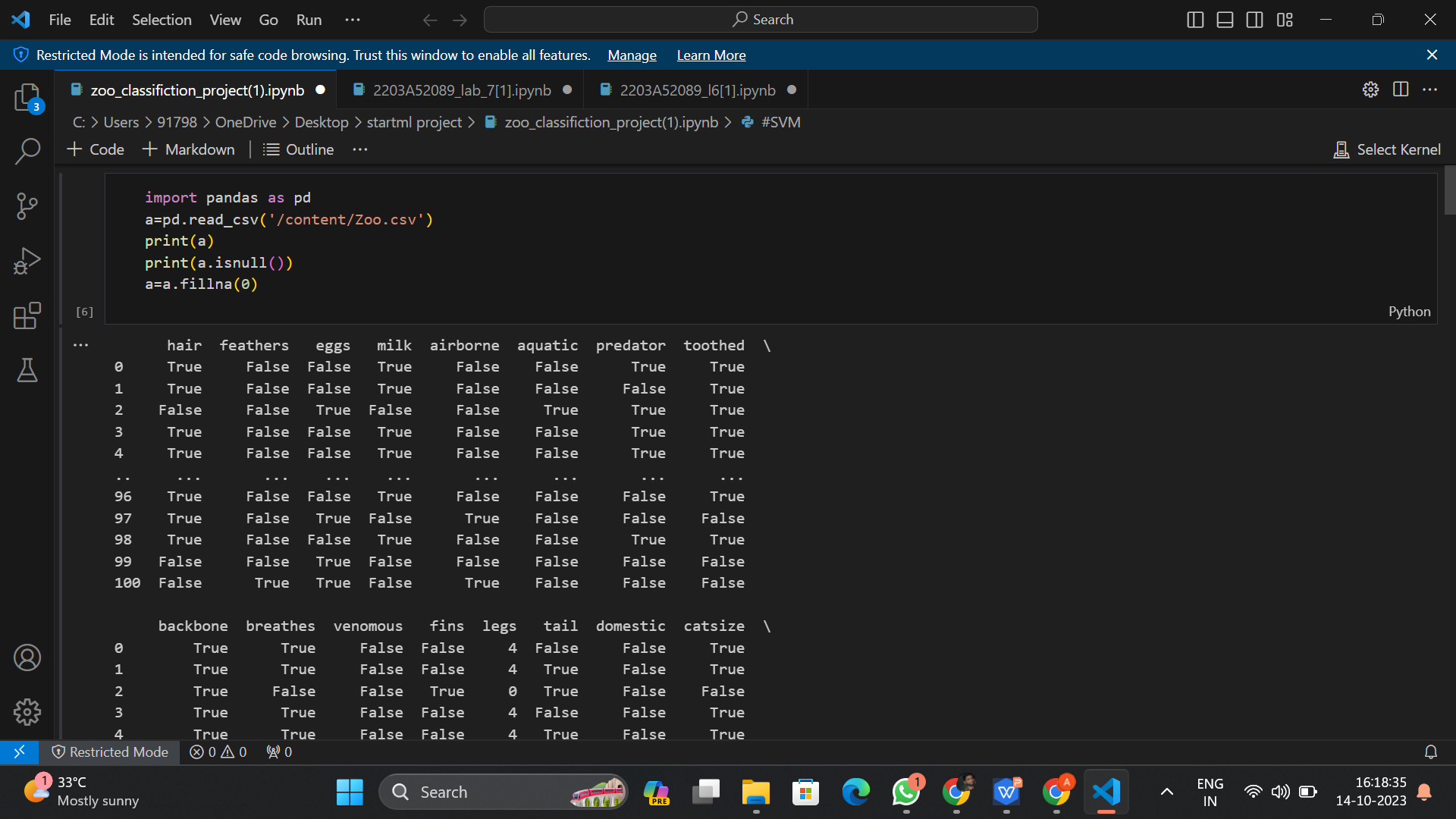
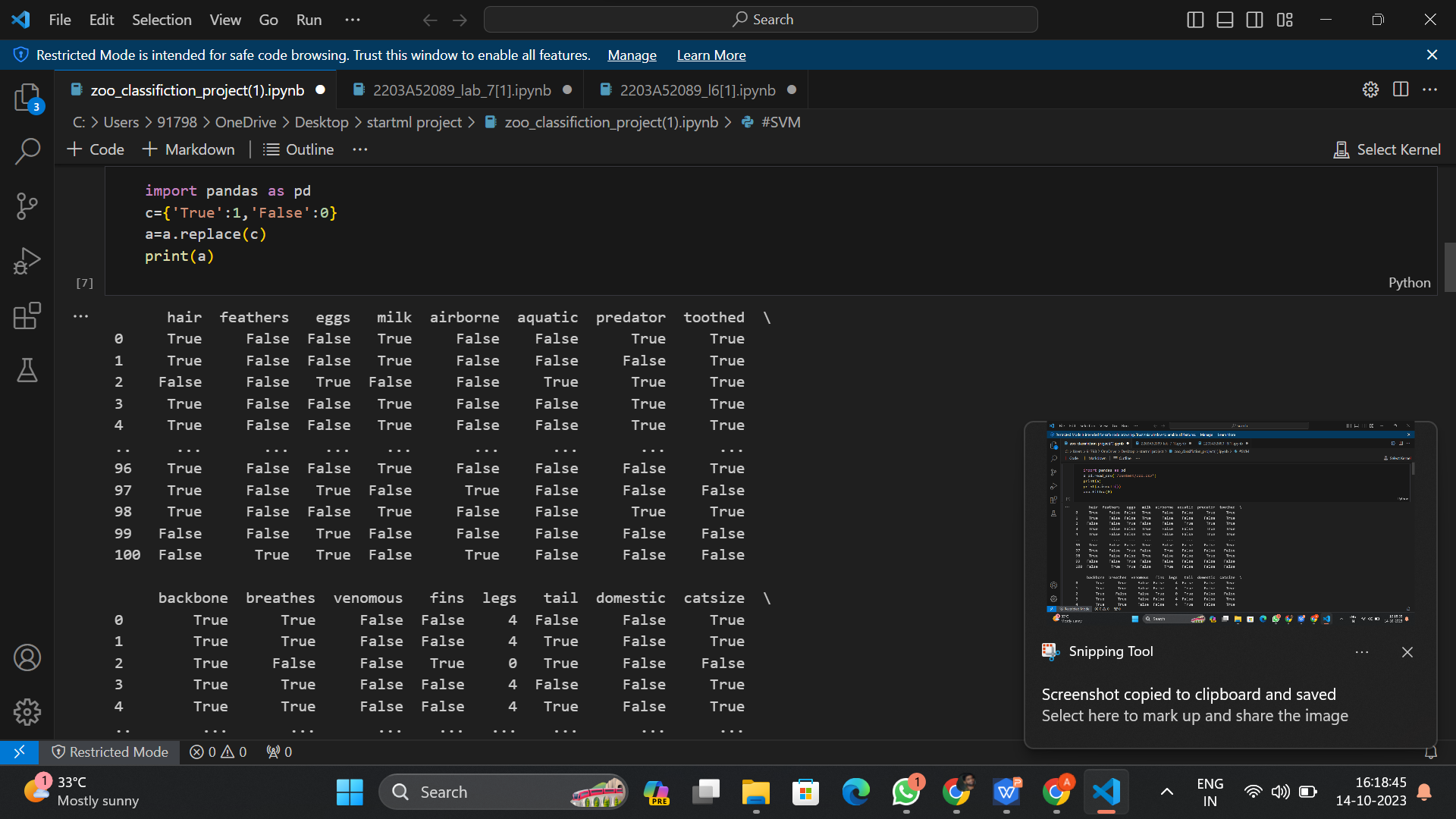
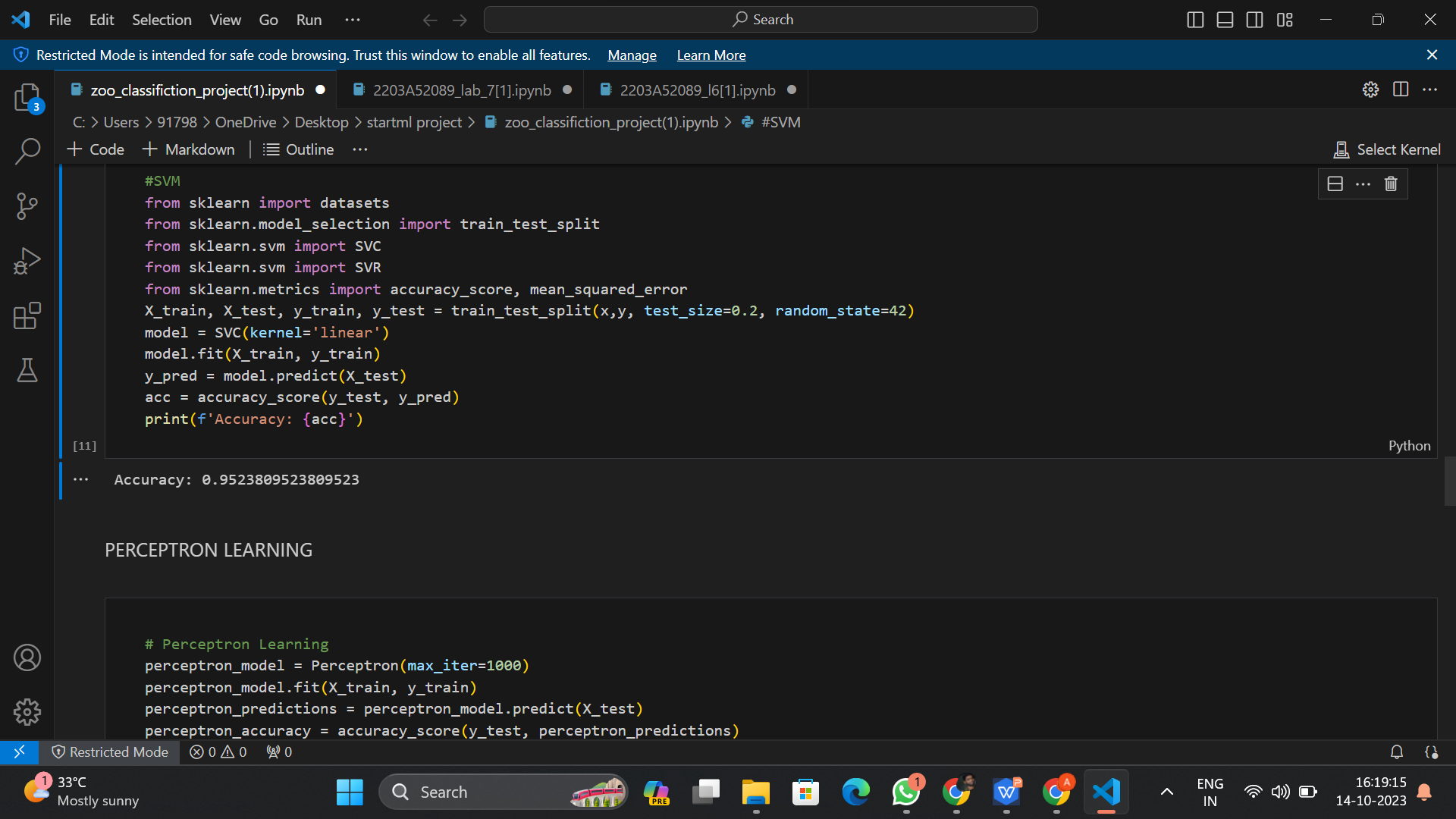
How We Built the Project: The project was built on a foundation of data acquisition, feature engineering, and machine learning. We collected data from various zoo facilities, including images and accompanying metadata about the animals. After cleaning and organizing the data, we used deep learning techniques, including convolutional neural networks (CNNs), to create a model capable of classifying animals. The CNNs were trained on thousands of images to recognize unique patterns and features that distinguish one animal from another.
We also integrated real-time monitoring systems in some zoos, using cameras and sensors to collect data. This real-world data helped improve the accuracy and efficiency of our models. We developed a user-friendly interface for zookeepers and researchers to access the classification results and other insights derived from the project.
Challenges Faced: The project came with its fair share of challenges. First, collecting and labeling a diverse and extensive dataset was a labor-intensive task. We had to work closely with zoos and research institutions to obtain access to the necessary data.
Second, fine-tuning machine learning models to perform accurately on a wide range of animal species was complex. Ensuring the model could differentiate between similar-looking species was particularly challenging. We employed transfer learning techniques and continually updated the model with new data to address these issues.
Furthermore, implementing real-time monitoring systems in some zoos required extensive coordination with zoo staff, as well as addressing technical challenges related to connectivity and data synchronization.
In the end, StartML Zoo Animal Classification became a powerful tool in conservation efforts, contributing to our understanding of animal behavior, health, and population dynamics. The project showcased the remarkable capabilities of machine learning in protecting and preserving wildlife, which not only fascinated us but also aligned with our commitment to making the world a better place for all living creatures.

Log in or sign up for Devpost to join the conversation.