Inspiration
Bring Back Gladys started with a simple but heavy idea: What would you do if your kid went missing inside a place everyone else is trying to escape from?
We wanted to mix that emotional punch with the intensity of old-school horror shooters. Dark hallways, things moving in the vents, that constant “I’m not alone” feeling — all wrapped around a story about a father who refuses to give up.
What it does
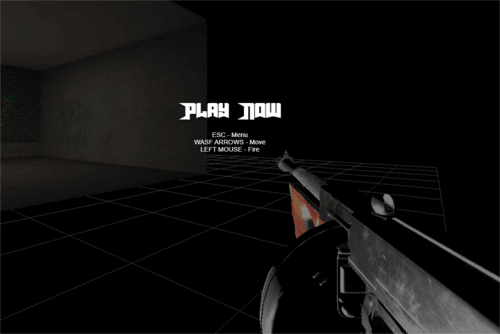
Bring Back Gladys is a fast-paced FPS RPG set inside an 8-floor medical facility where an experiment went horribly wrong. Everything is falling apart — power failures, smashed labs, emergency lights flickering — and the staff have mutated into things called Lurkers and Screamers.
As the player, you’ll:
Fight through each floor in real-time FPS combat
Explore rooms, labs, and hidden passages
Find test samples, keycards, and gear
Upgrade weapons and abilities
Slowly piece together what happened
Push toward Gladys before she becomes part of the nightmare
It’s a mix of fear, urgency, and that “one more room” curiosity.
How we built it
We built Bring Back Gladys like a straight-up FPS RPG — responsive shooting, fast movement, and enemies that don’t politely wait their turn.
Some of the main pieces under the hood:
Real-time first-person combat
Enemy behavior that keeps you on edge (stalking, rushing, screaming, ambushing)
RPG elements like skill upgrades, weapon mods, and survival tools
Level design that changes the vibe of each floor — from clean labs to pitch-black quarantine zones
Environmental storytelling using notes, recordings, and visual clues
Atmosphere-driven audio: distant screams, metal scraping, alarms echoing through vents
Everything is built without blockchain or any outside tech — just a pure game.
Challenges we ran into
A few things gave us a headache (in a fun way):
Making FPS combat feel fast and dangerous without turning it into pure chaos
Designing enemies that are scary and challenging, not just bullet sponges
Balancing darkness so it’s creepy, not frustrating
Keeping tension up across eight whole floors
Making the story hit emotionally while still giving players room to breathe
Making sure players always feel like they’re discovering something new
Horror is all about timing and atmosphere — getting that right took a lot of trial and error.
Accomplishments we’re proud of
Creating enemies like the Lurker and Screamer that genuinely creep people out
Building a world that feels alive, ruined, and dangerous
Making the father–daughter story the emotional core of the game
Getting FPS combat and horror to play nicely together
Giving each floor its own personality instead of recycling assets
Crafting a progression system that rewards exploration instead of just shooting everything that moves
What we learned
A lot, honestly:
Good horror relies on sound more than visuals
Lighting can make or break a scary moment
Players love discovering story pieces themselves instead of having it handed to them
Enemy behavior matters more than enemy quantity
RPG systems can turn a simple shooter into something deeper and more personal
Even in a high-action game, pacing and silence matter
What’s next for Bring Back Gladys
We’re already looking at:
New mutant types that behave differently and mess with your expectations
Additional weapons and creative upgrade paths
Hidden lore, collector items, and story expansions
Optional missions and alternate endings
A survival mode for players who want nonstop action
More environmental variety and even creepier levels
There’s a lot more we want to build on top of the core game.

Log in or sign up for Devpost to join the conversation.