-
-
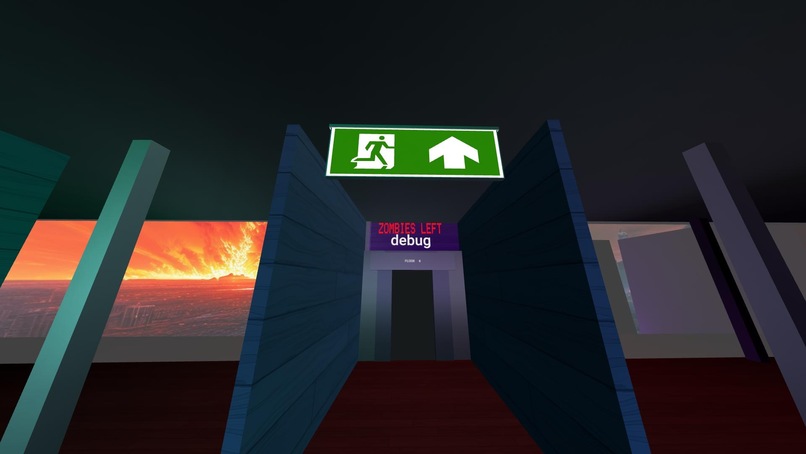
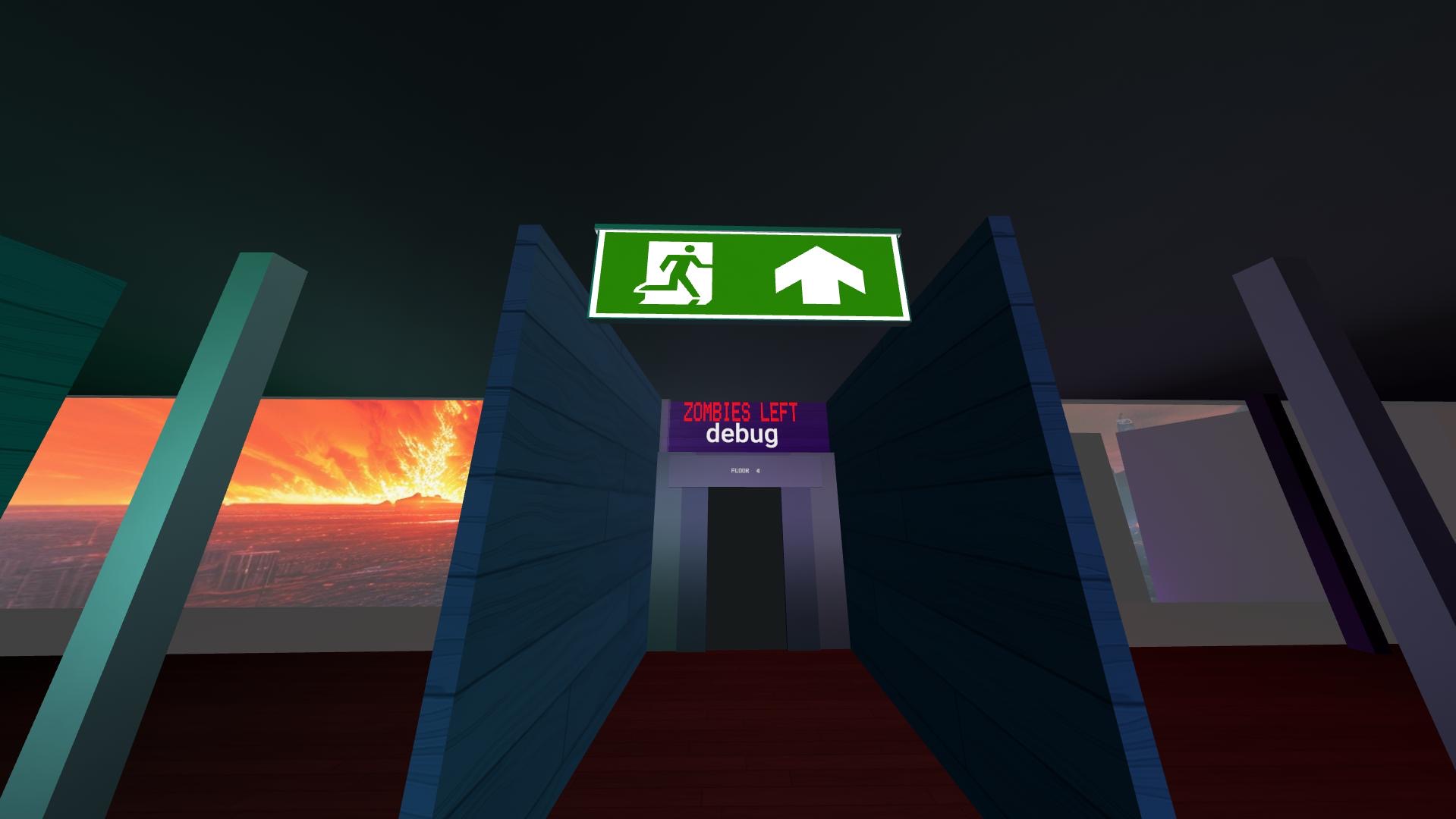
visually bigger updated escape paths
-
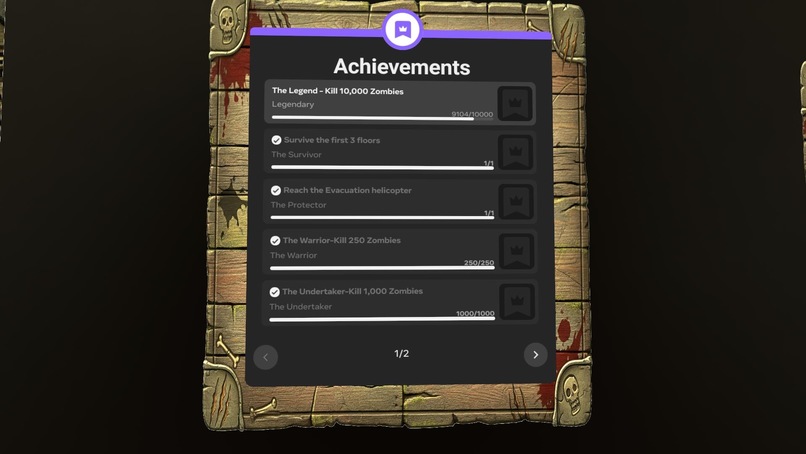
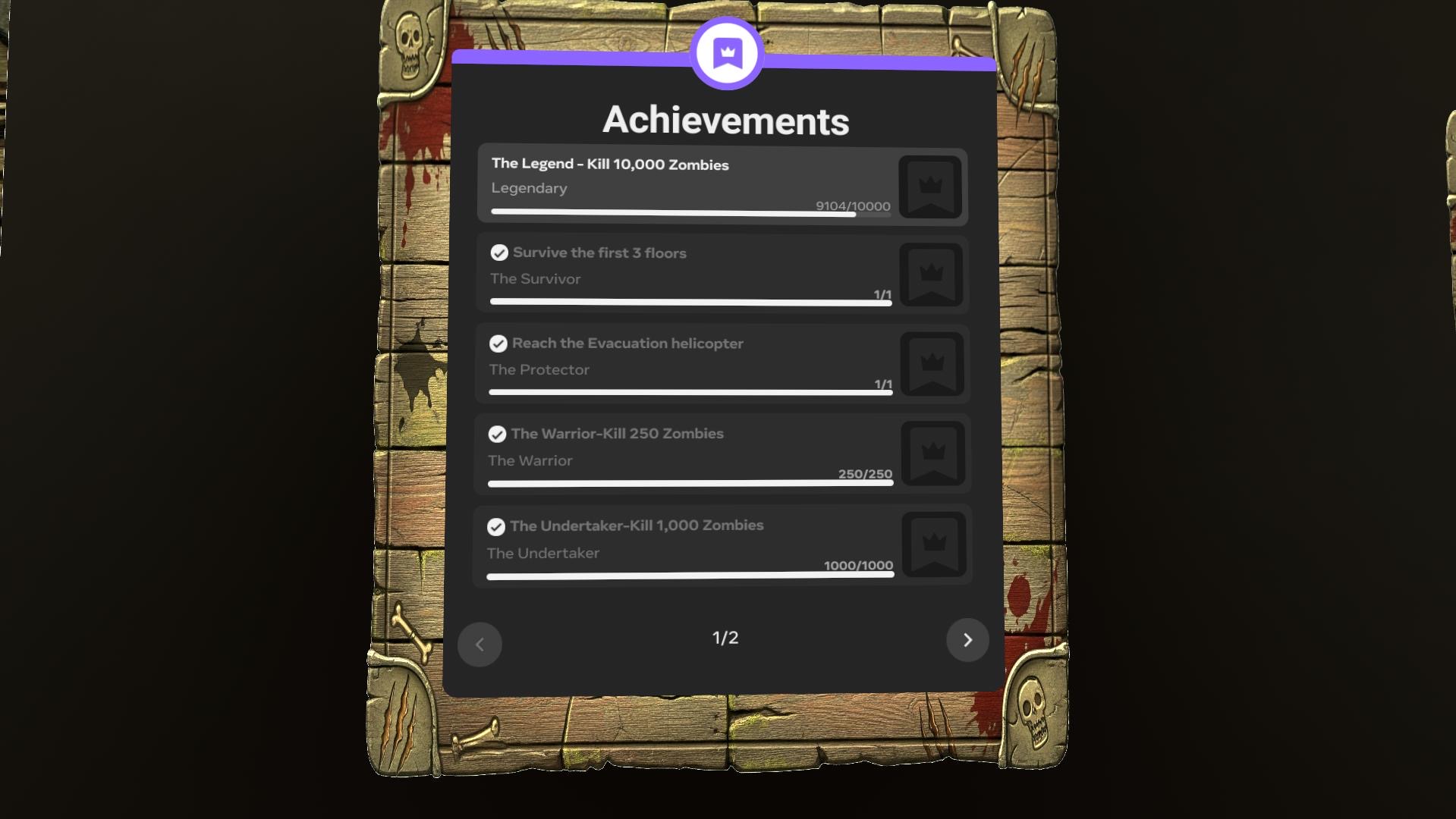
New Achievements UI and quests
-
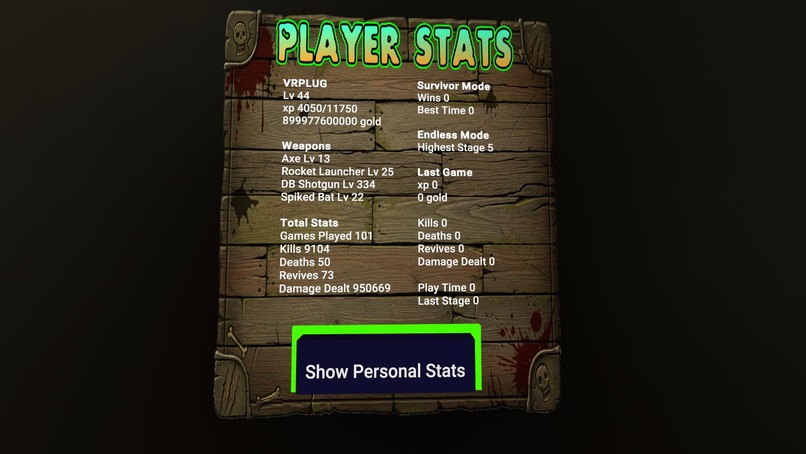
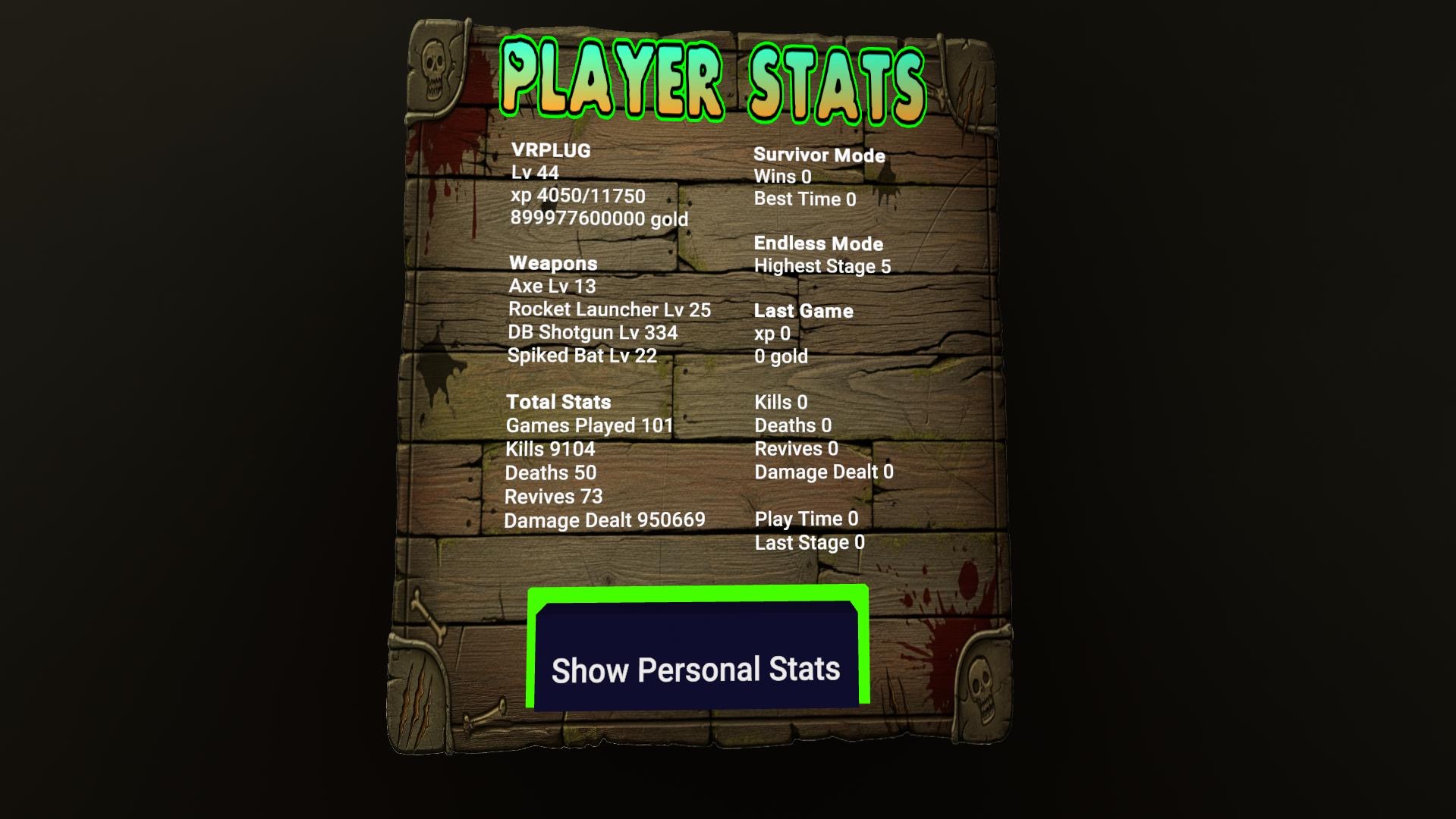
New Player personal stats UI board
-
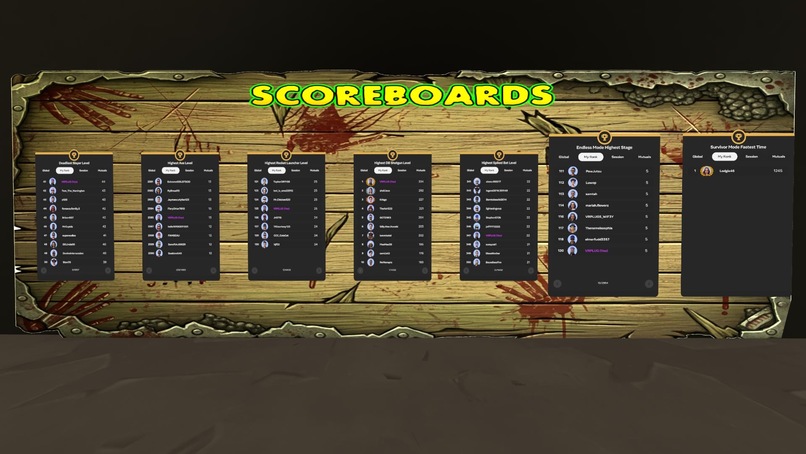
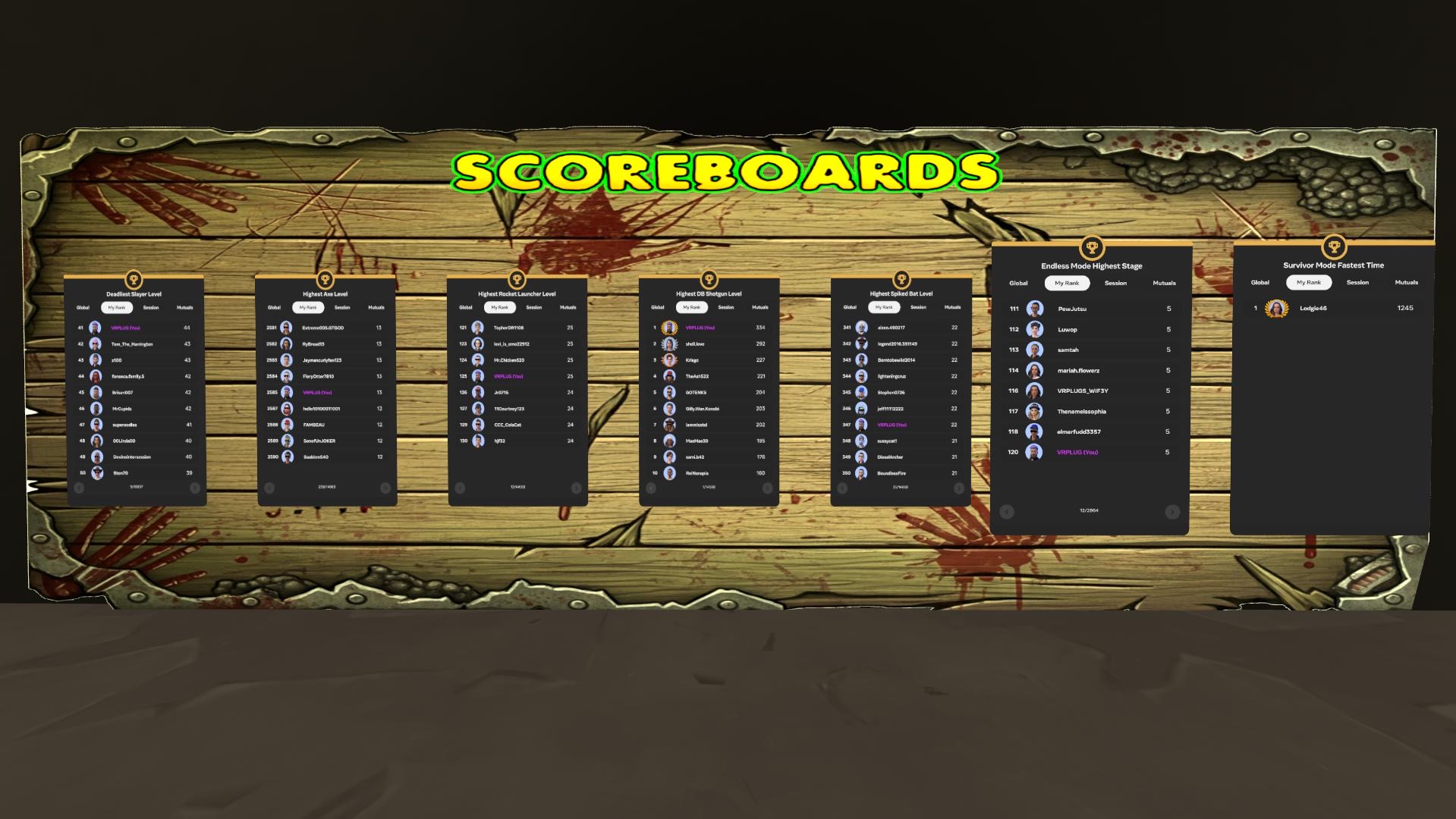
New Scoreboards UI
-
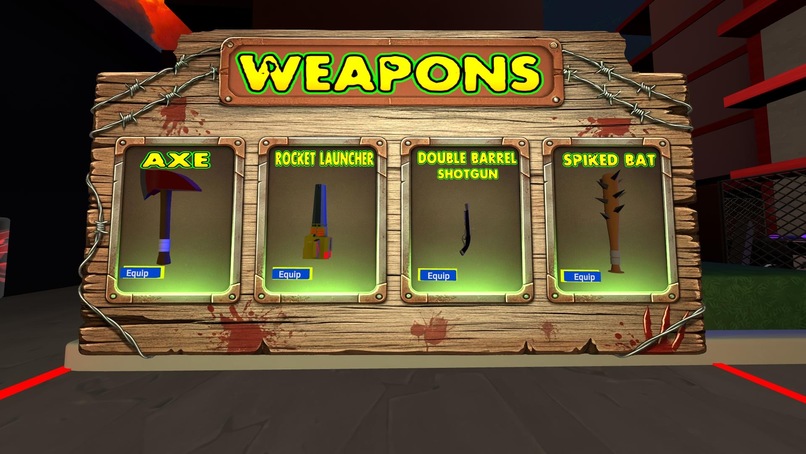
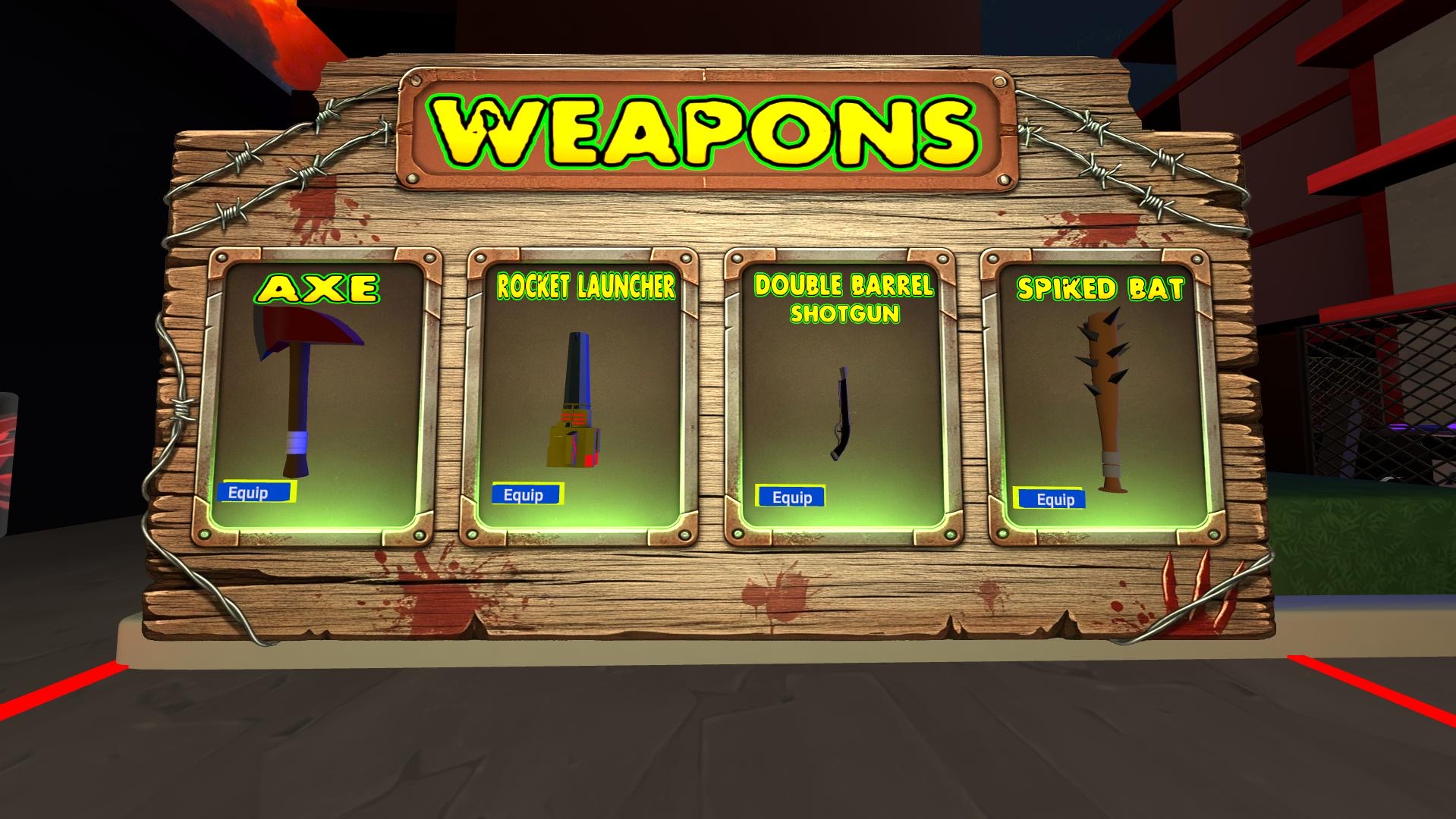
New weapons UI menu
-
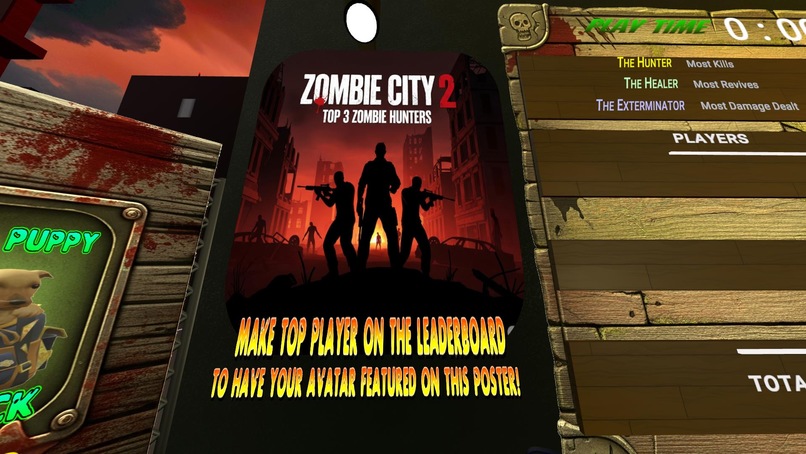
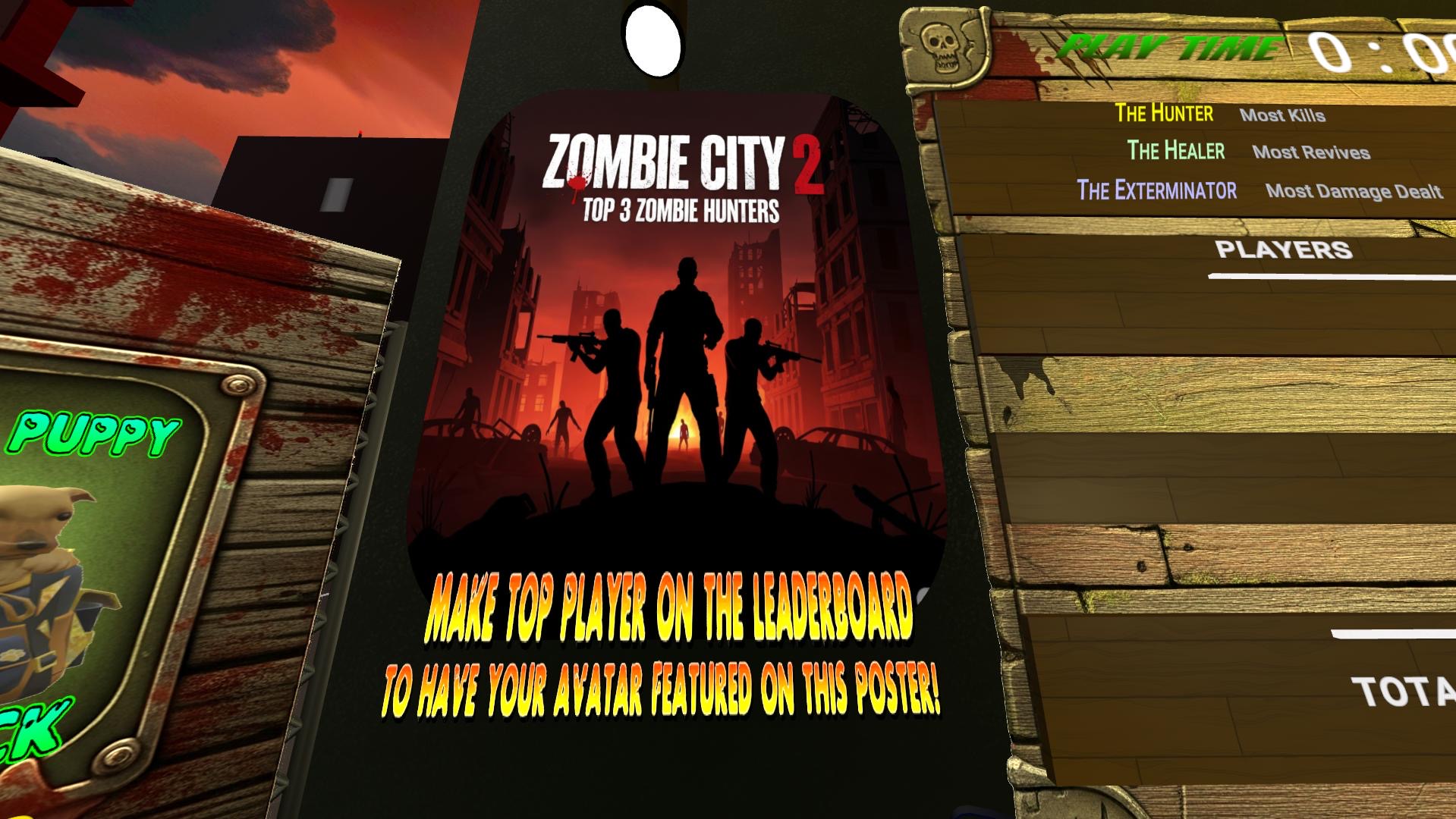
New top 3 player avatars poster
-
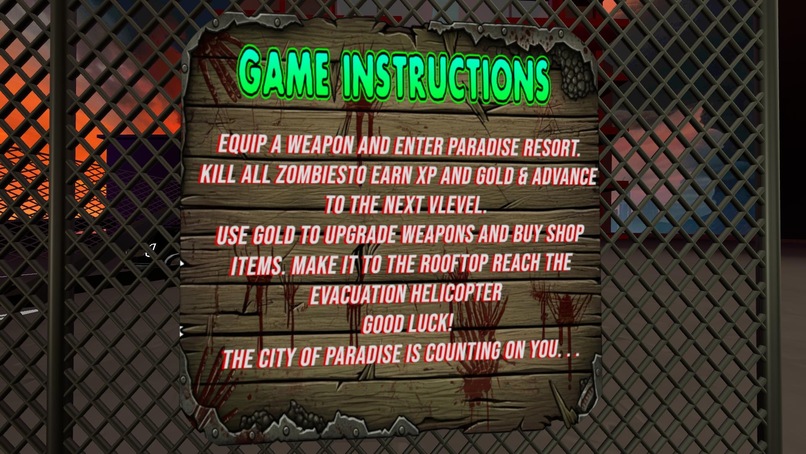
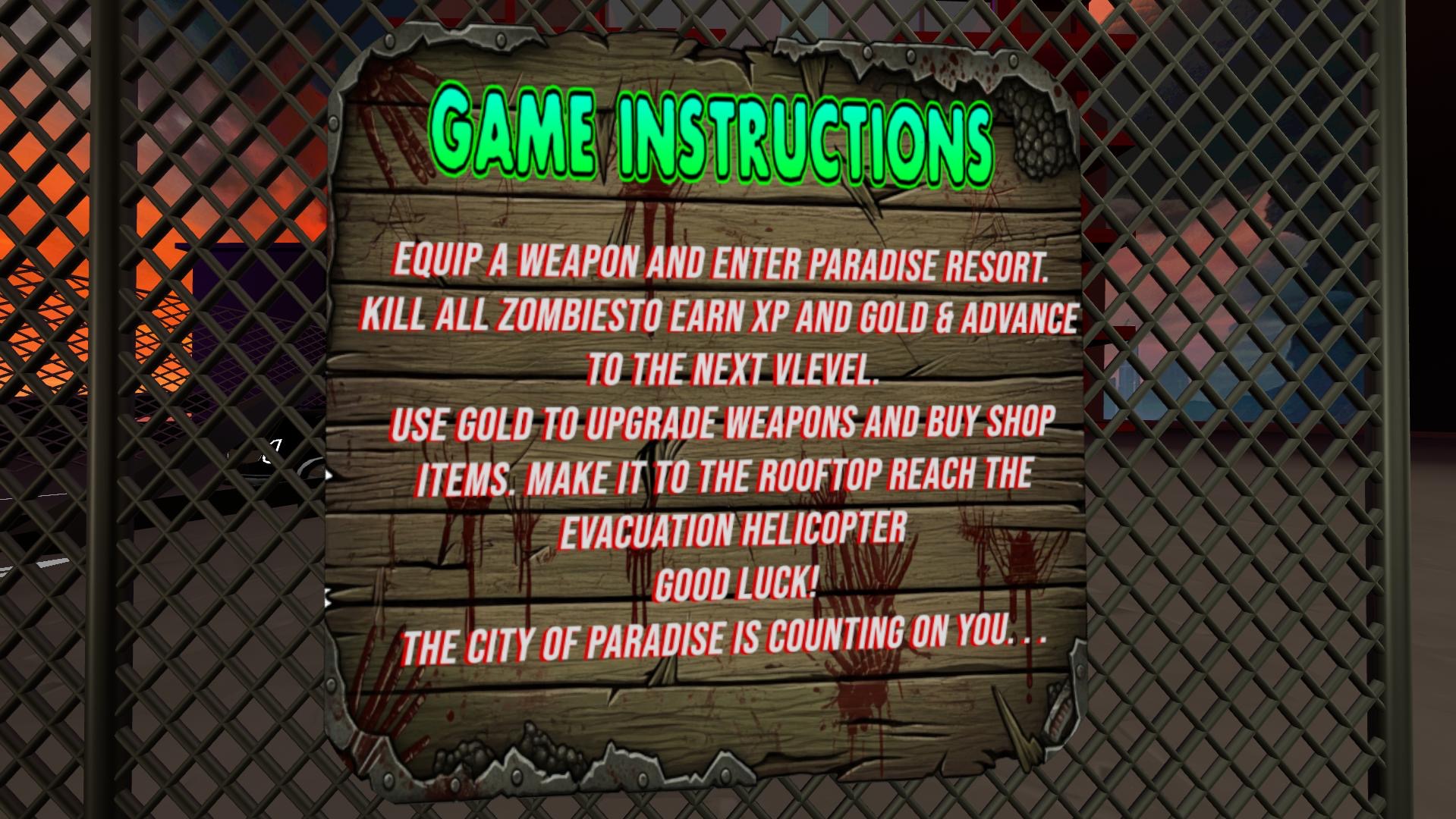
New game instructions UI
-
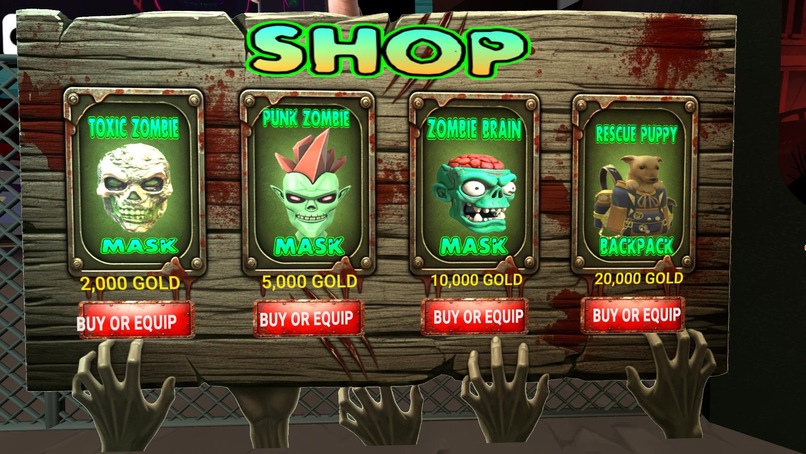
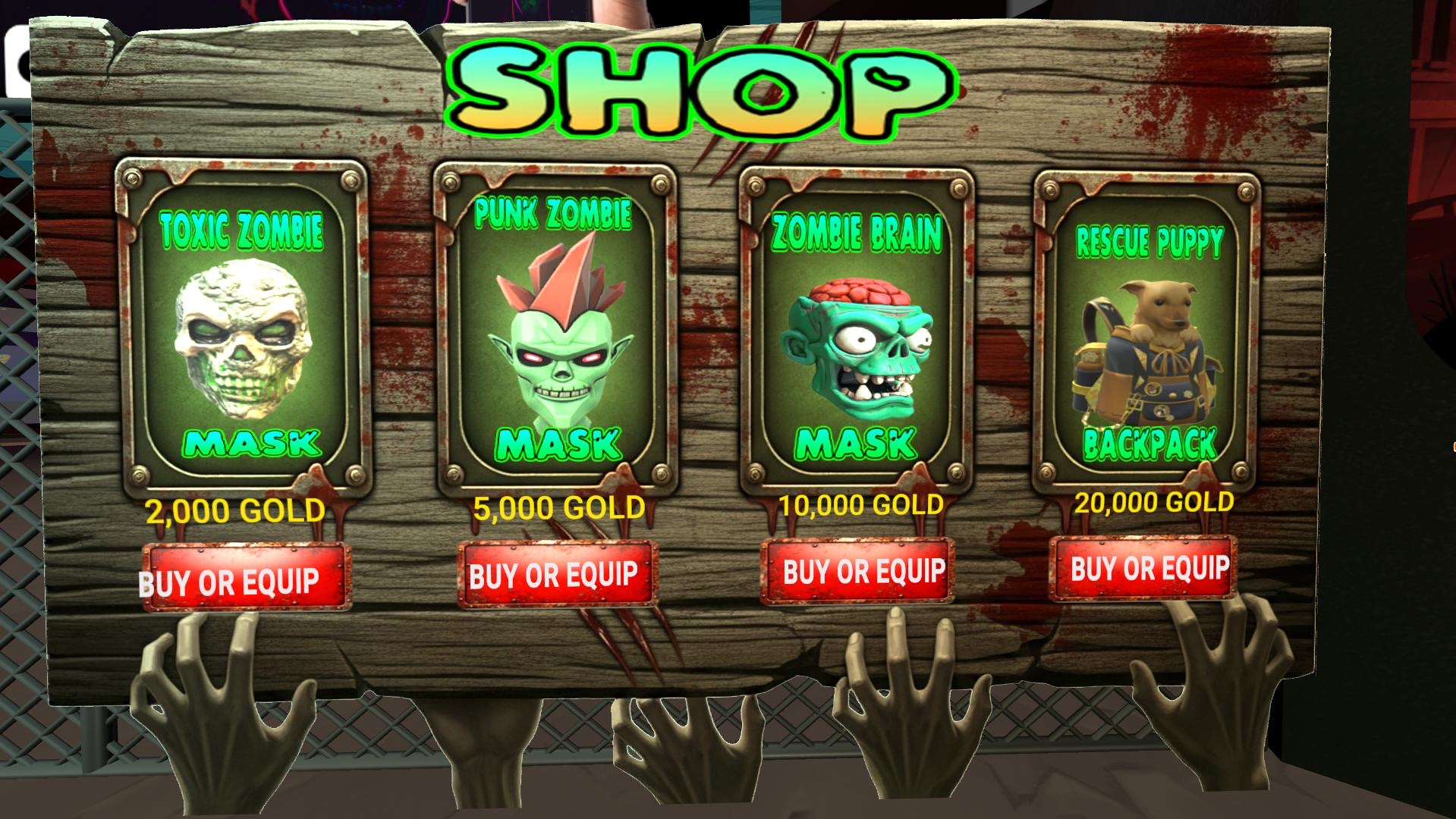
Newly added player Item shop store UI
Inspiration
"Zombie City 2" is a passion project born directly from my deep love for the zombie genre, particularly my favorite show, The Walking Dead, and the iconic Xbox game, Left 4 Dead. The Walking Dead provided an incredible blueprint for narrative depth, character survival, and the constant tension of a world overrun. I was always captivated by the show's ability to create compelling human drama amidst the horror, and I wanted to capture that feeling of desperate survival and strategic resourcefulness in a mobile format.
From Left 4 Dead, I drew immense inspiration for the core gameplay loop: intense, cooperative horde combat, distinct special infected types, and the thrilling rush of narrowly escaping overwhelming odds. The way Left 4 Dead balanced frantic action with moments of strategic teamwork was something I deeply admired and aimed to translate into "Zombie City 2." My favorite scenes from Left 4 Dead, like the vacant apartments or the desperate scavenger hunts, heavily influenced the mission design and environmental storytelling within the game. I imagined players navigating similar perilous scenarios, making tough choices, and fighting their way through hordes, just like Rick and his group from The Walking Dead.
What it does
Zombie City 2, is an immersive 4-player co-op adventure story based Progression-focused game where strategy and teamwork are key to survival! Battle hordes of the undead, earn XP and gold to upgrade your weapons, and unleash devastating damage to overcome increasingly powerful zombies. Progress through challenging levels, push back the infection, and ultimately save the city. Team up with friends for a truly social gaming experience. When the zombie apocalypse knocks you down, your allies can revive you and help you get back in the fight. Work together, devise strategies, and conquer stages more easily, bringing you one step closer to victory
How we built it
The development of "Zombie City 2" began with extensive brainstorming and concept art, sketching out character types, enemy designs, and potential level layouts, all while rewatching my favorite Walking Dead episodes and replaying Left 4 Dead for fresh ideas. I started by prototyping core mechanics, such as shooting, movement, and basic zombie animations made by hand, to ensure the fundamental gameplay felt satisfying on a touchscreen.
I focused on creating a robust level design that reflected the decaying urban environments seen in The Walking Dead, incorporating elements like abandoned cars, crumbling buildings, and narrow alleys that could lead to ambushes or provide cover. The special infected types were designed to mirror the strategic challenges posed by Left 4 Dead's unique zombies, forcing players to adapt their tactics. I also paid close attention to the sound design, using the most cinematic audio music and impactful sound effects to enhance the immersive, post-apocalyptic feel.
Challenges we ran into
One of the biggest challenges was optimizing for mobile performance. Translating the intense, high-fidelity action of a zombie shooter game onto a mobile device without sacrificing visual quality or frame rate was a constant battle. This involved careful asset management, efficient coding practices, and clever use of mobile-friendly rendering techniques.
Another significant hurdle was making sure the mobile button controls could handle the complexity of a fast-paced shooter. It took numerous iterations to find the right balance between responsiveness, accuracy, and player comfort, ensuring that players felt in control rather than fighting the interface.
Finally, balancing gameplay difficulty and progression proved to be a delicate act. I wanted the game to be challenging, reflecting the harsh reality of a zombie apocalypse, but not so frustrating that players would give up. This required extensive playtesting with different user groups and continuous adjustments to enemy health, weapon damage, and mission objectives to create a rewarding and engaging experience.
Accomplishments that we're proud of
One of my proudest accomplishments with "Zombie City 2" is being able to bring my imagination and the story I envisioned to life. Utilizing the powerful mobile development tools provided by Meta Horizon, I was able to transform my creative concepts and narrative ideas into a tangible, interactive game experience that truly reflects the apocalyptic world I envisioned.
What we learned
Building "Zombie City 2" was an immense learning experience. Technically, I delved much deeper into mobile game development frameworks, optimizing performance for various devices, and managing asset pipelines efficiently. I learned the critical importance of touch controls and how to make them intuitive and responsive for fast-paced action.
Beyond the technical aspects, I gained a profound understanding of game design principles, particularly balancing difficulty, progression, and player engagement. I learned that even with a strong inspiration, direct replication isn't enough; you need to adapt mechanics to suit the mobile platform and create a unique experience. Iteration was key – constantly testing, gathering feedback, and refining gameplay elements. Most importantly, I learned the value of perseverance and breaking down a large project into manageable tasks.
What's next for Zombie City 2 Mobile
Looking ahead, I'm excited to announce that I'm planning to evolve "Zombie City 2" into a top-down view mobile game, introducing even more zombie-themed maps and adding a variety of small missions and quests for players to complete within each stage level, and also creating new, more horrifying zombie characters.
Built With
- api
- camera
- codeblocks
- horizon
- typescript


Log in or sign up for Devpost to join the conversation.