-
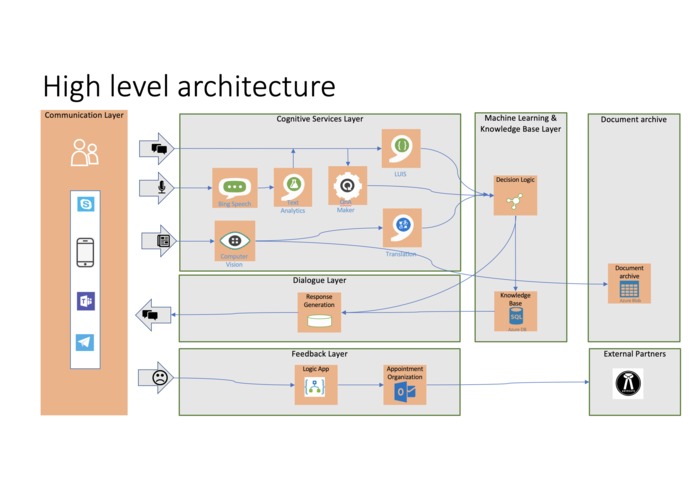
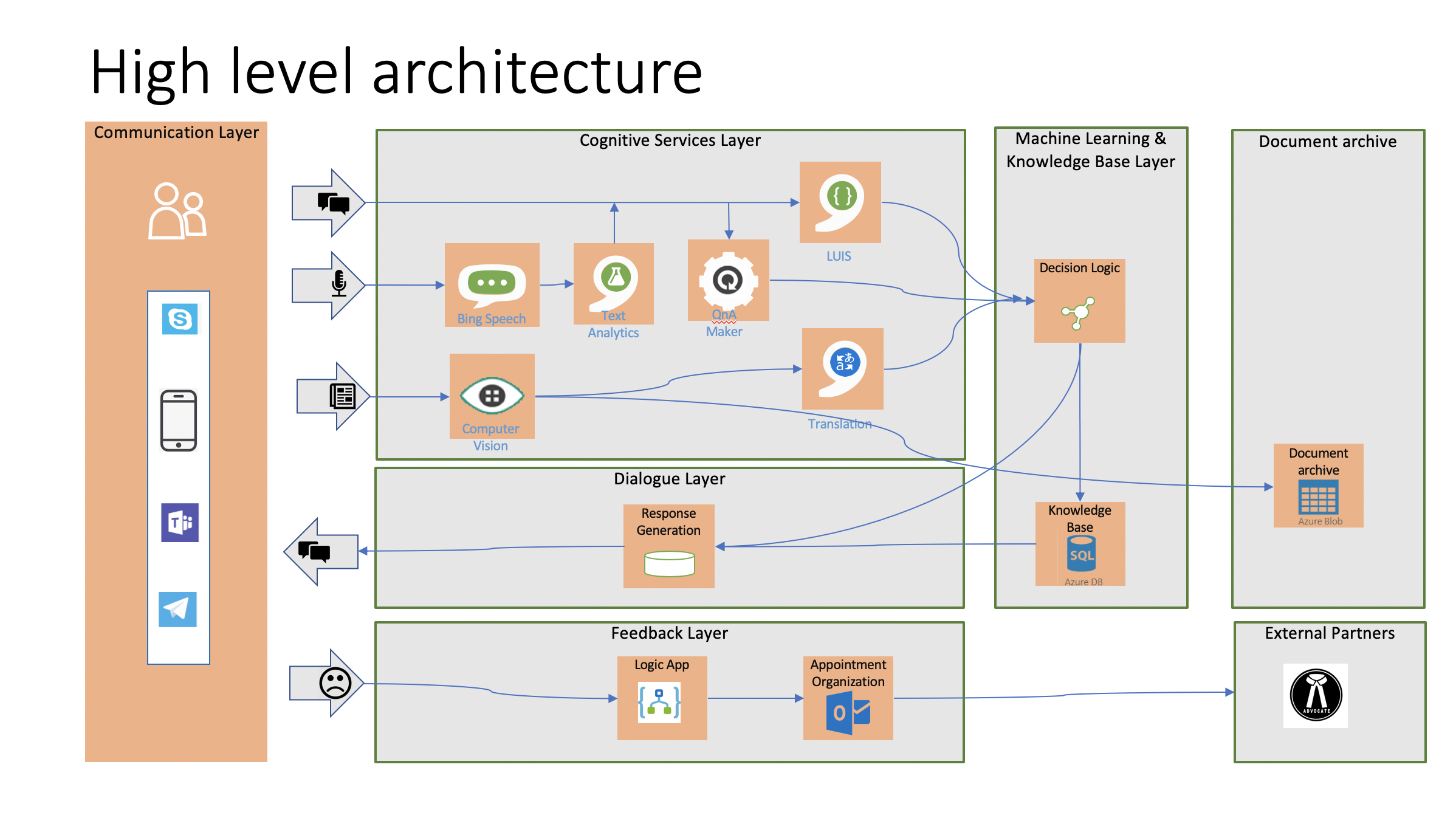
Azure Cloud Architecture
-
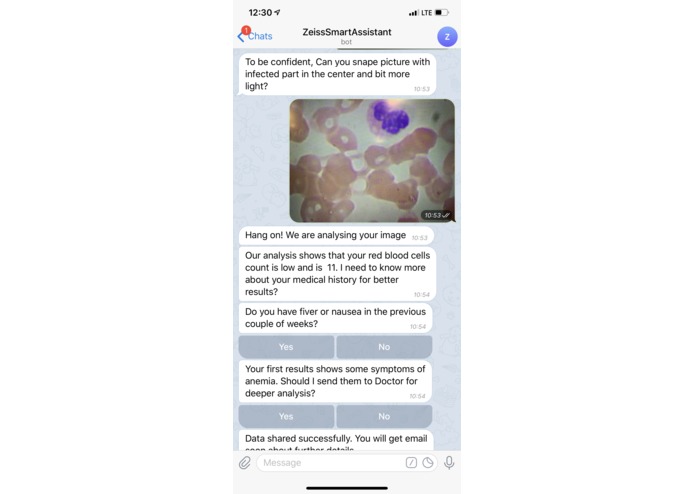
Chatbot Image Analysis on Cloud using AI
-
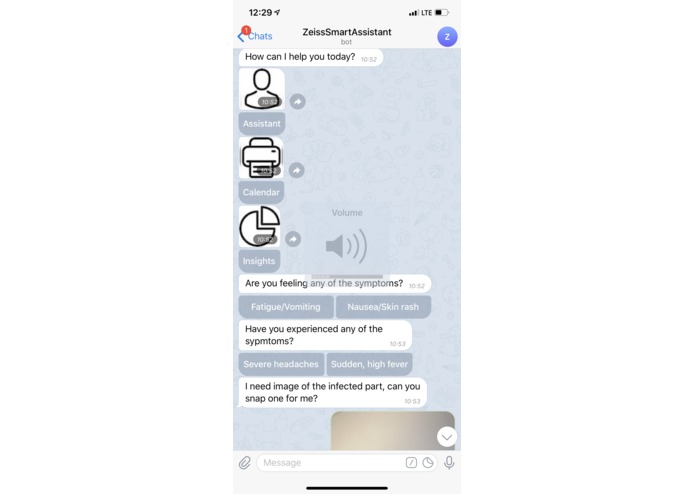
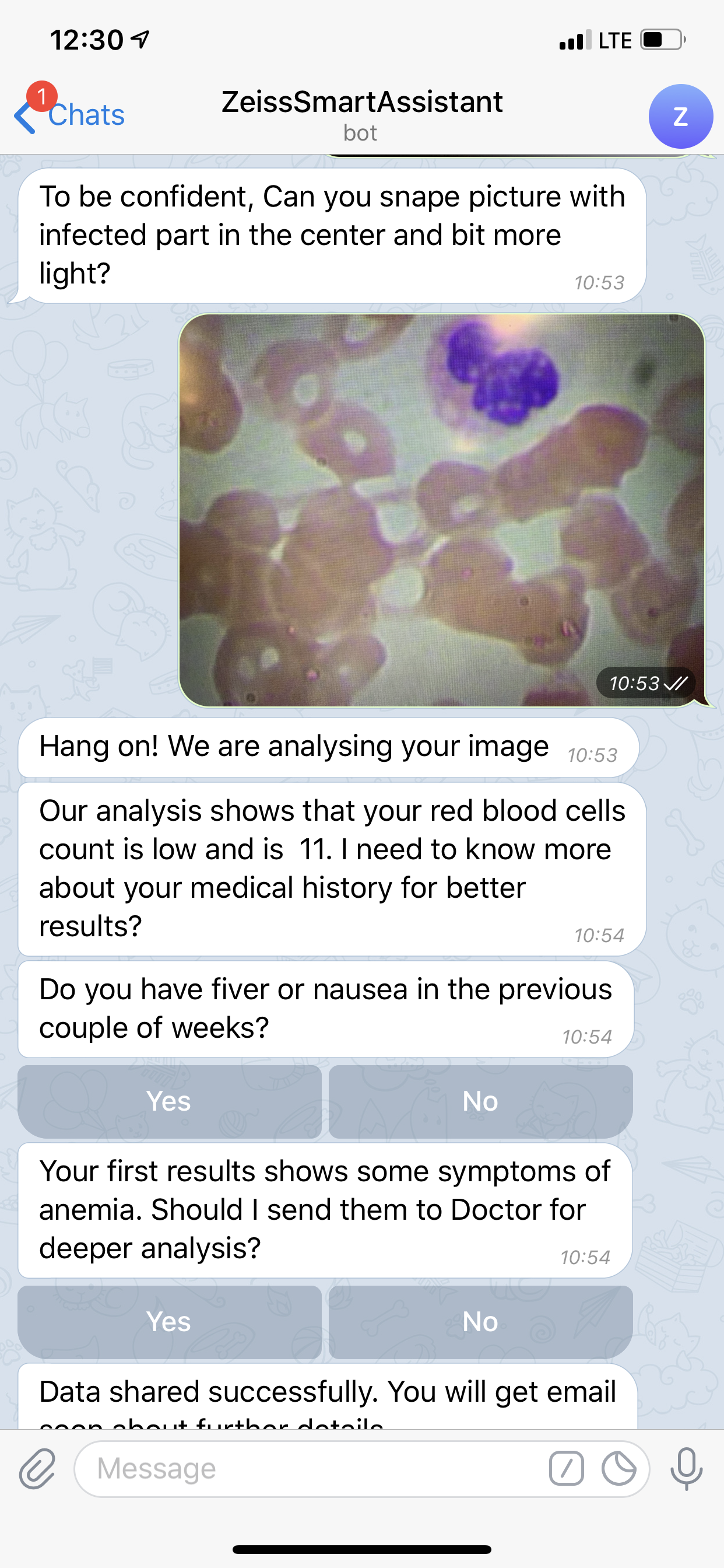
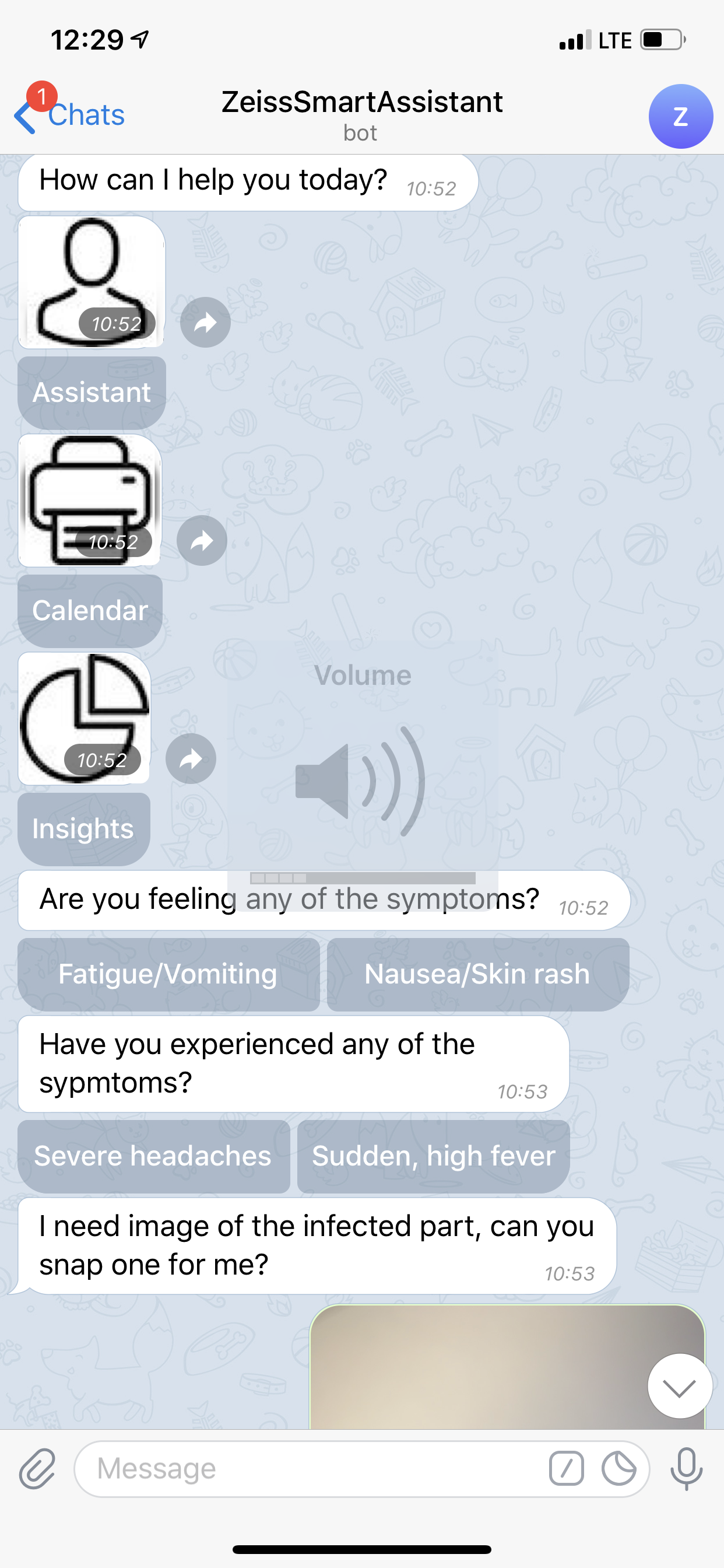
Chatbot Interaction
-
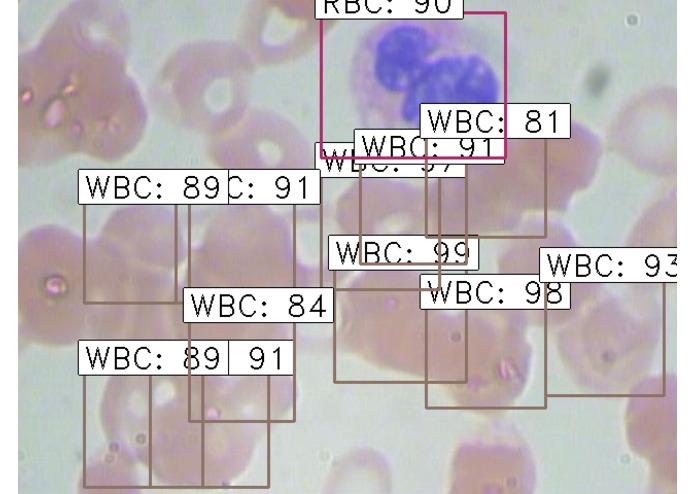
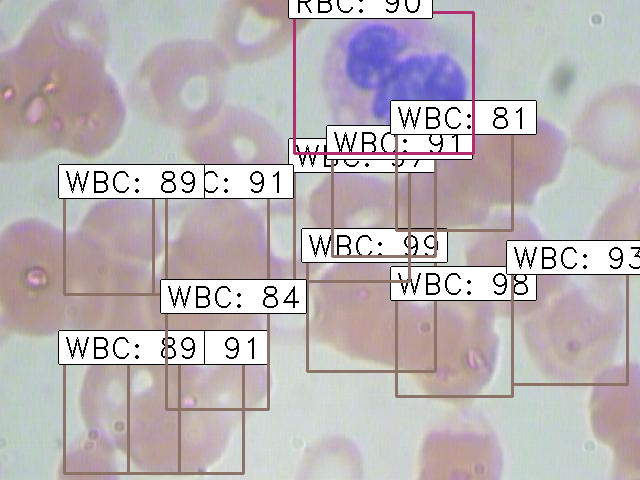
Image Segmentation Results
-
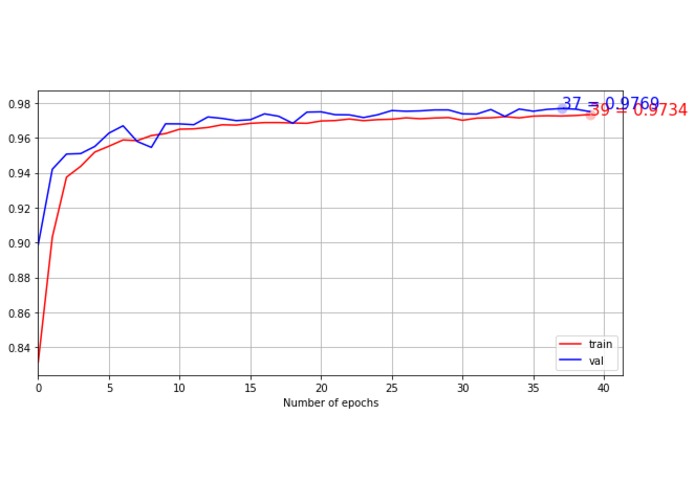
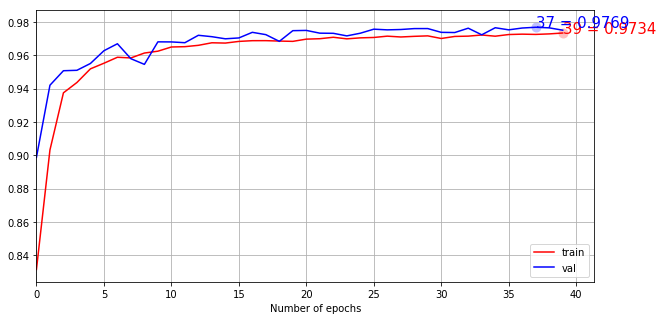
Deep Learning Model Accuracy
Inspiration
Tropical countries suffer from sudden outbreak of diseases and having limited number of medical facilities resulted in congested and poor medical services and dengue is one of the most common infection disease among them. According to WHO, 390 million people suffer from dengue and only 90 million people have access to right medical facilities. Having team members from tropical countries already experienced the challenges of poor medical facilities, we took steps to innovate this medical experience.
What it does
Our solution enables the medical practitioners and patients to perform self-service virtual assistance regarding the cure of the dengue disease with the application of artificial intelligence, natural language processing, and computer vision. Having self-service capabilities, our innovative solution enable the patients to chat with the virtual assistant and get the medical scanned by the artificial intelligence models for several diseases detection.
How we built it
This digital virtual assistant is realised on Microsoft Azure using various cognitive and AI services including Azure Bot Framework, Azure cognitive vision/speech services, Azure Blob Storage, Azure LUIS, Azure QNA, and deep learning models using pyTorch and openCV. The deep learning models are deployed on the Azure cloud with virtual machines having the GPU compute power to reduce the time of analysis. We used Apeer framework from Zeiss to assist data collection, annotation, and reproducible research for researchers and doctors for future research.
Challenges we ran into
We ran into several scalability challenges from training deep convolutional neural networks to running data pipeline on the Azure cloud. We faced compatibility challenges while integration various services including communication between bot framework, cognitive services, Apeer framework, and model deployments. Apart from that, we did some boring data labelling and transformation, along with scraping external datasets from outside sources.
Accomplishments that we're proud of
98% Accuracy with balanced Recall and Precision for Deep learning models for blood cells detection and diseases classification. Running end to end scalable solution on Azure cloud and the integration with various cognitive and deep learning models. Running models in the inference mode on the GPU compute virtual machines and integrating with chabot backend.
What we learned
Running artificial intelligence model in scalable manner along with hacking the model training time Integrating multiple micro services including cognitive services and deep learning models. Team work and working in intercultural team.
What's next for Zietle
Form a Start-up with the focus on helping tropical countries and structuring the Chaos! Start working on full-time as all of us are at the end of studies and looking for forming our startup.


Log in or sign up for Devpost to join the conversation.