-
-
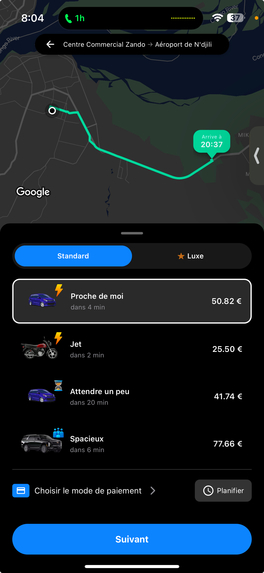
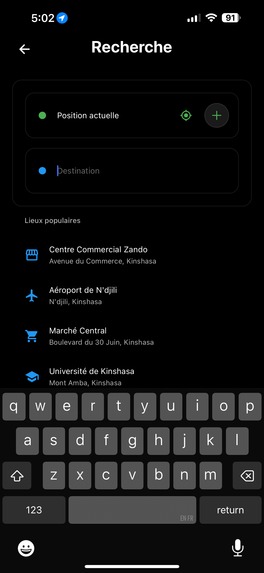
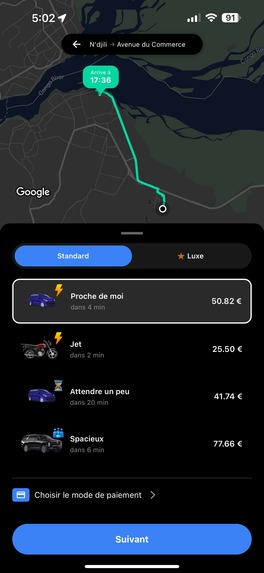
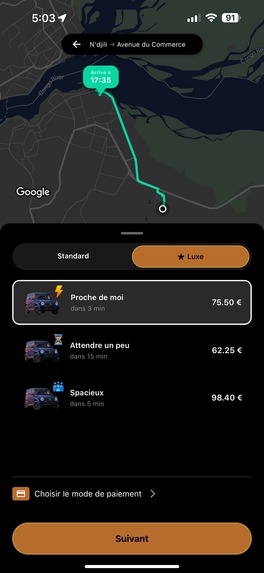
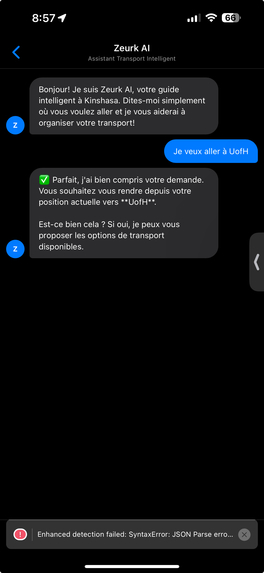
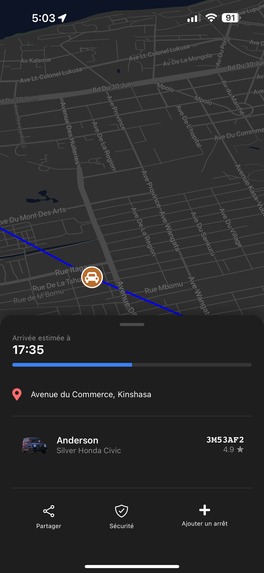
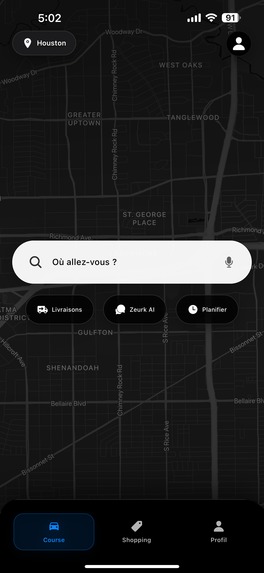
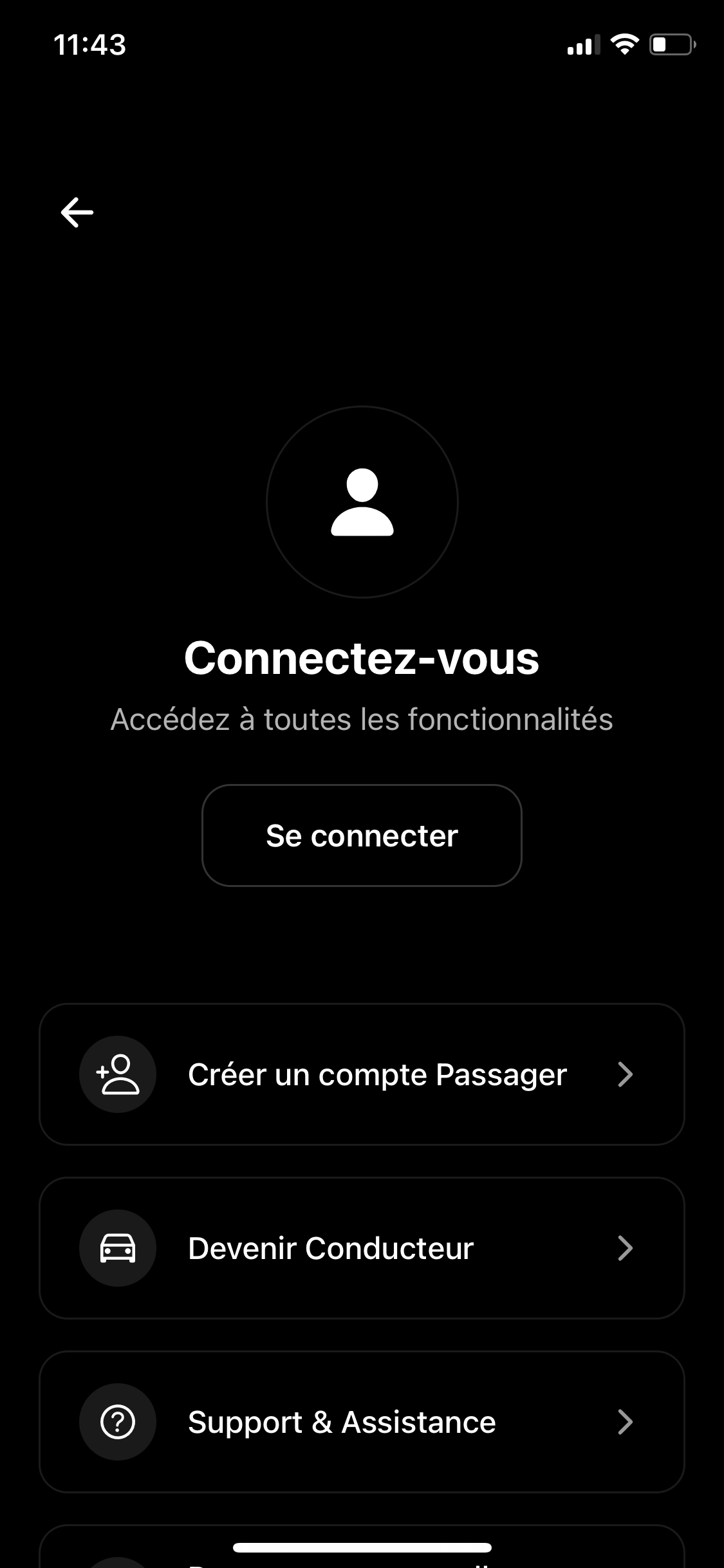
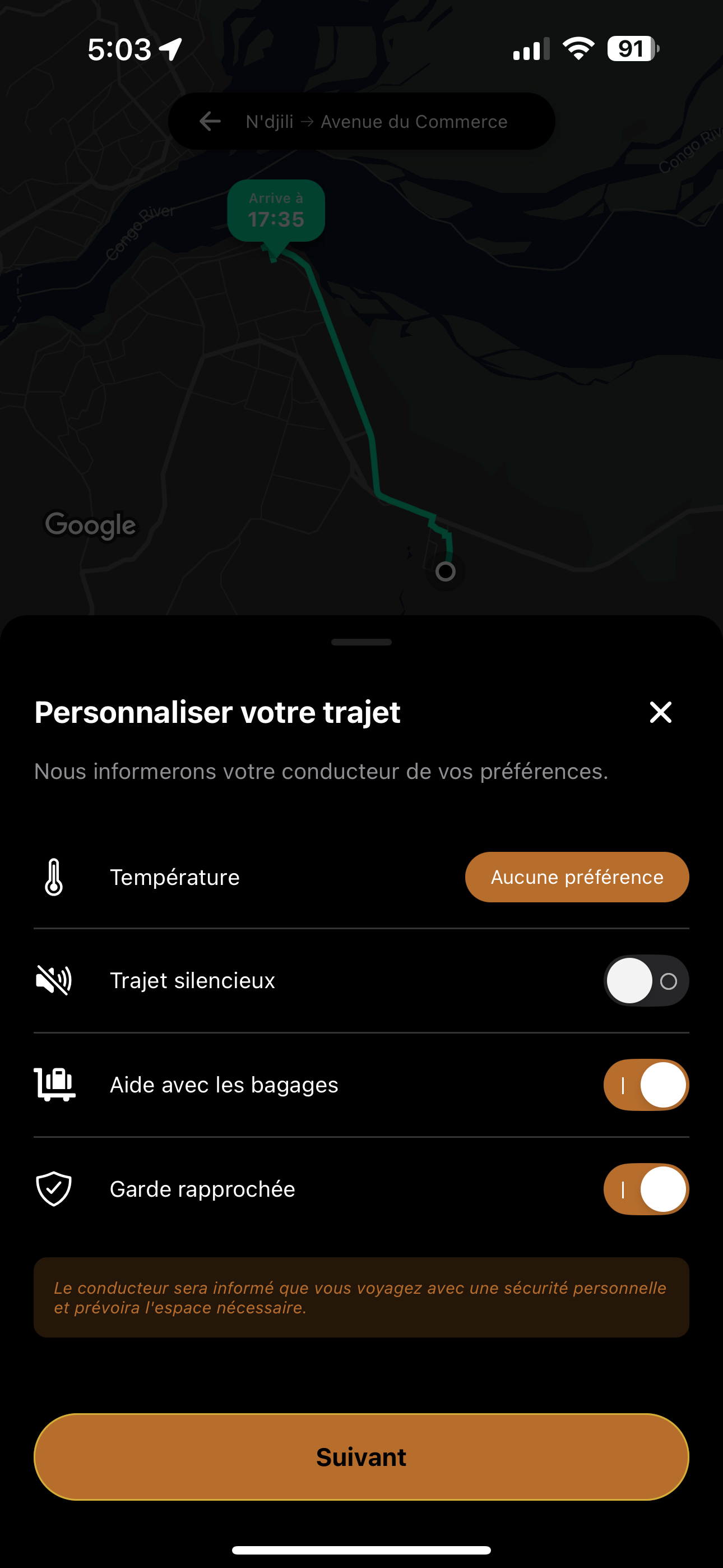
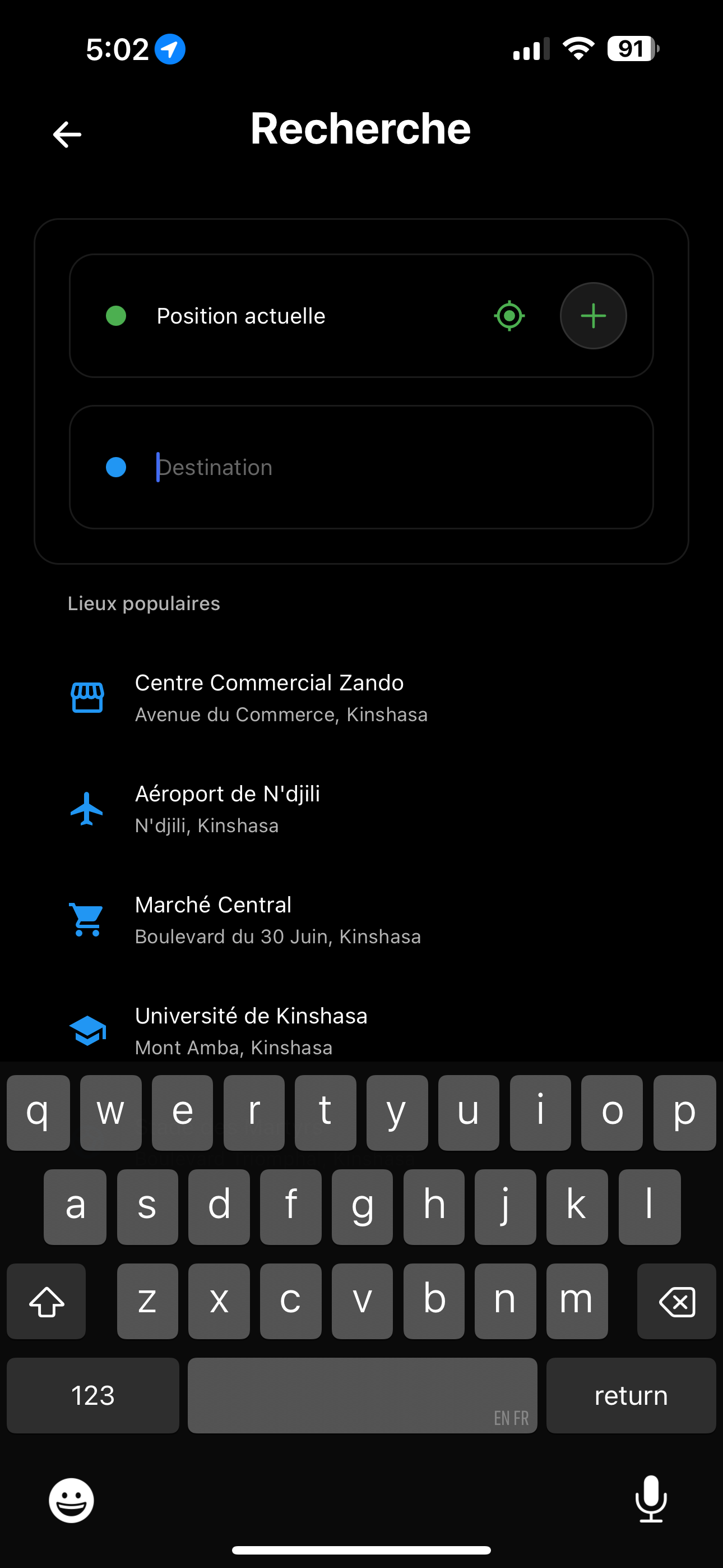
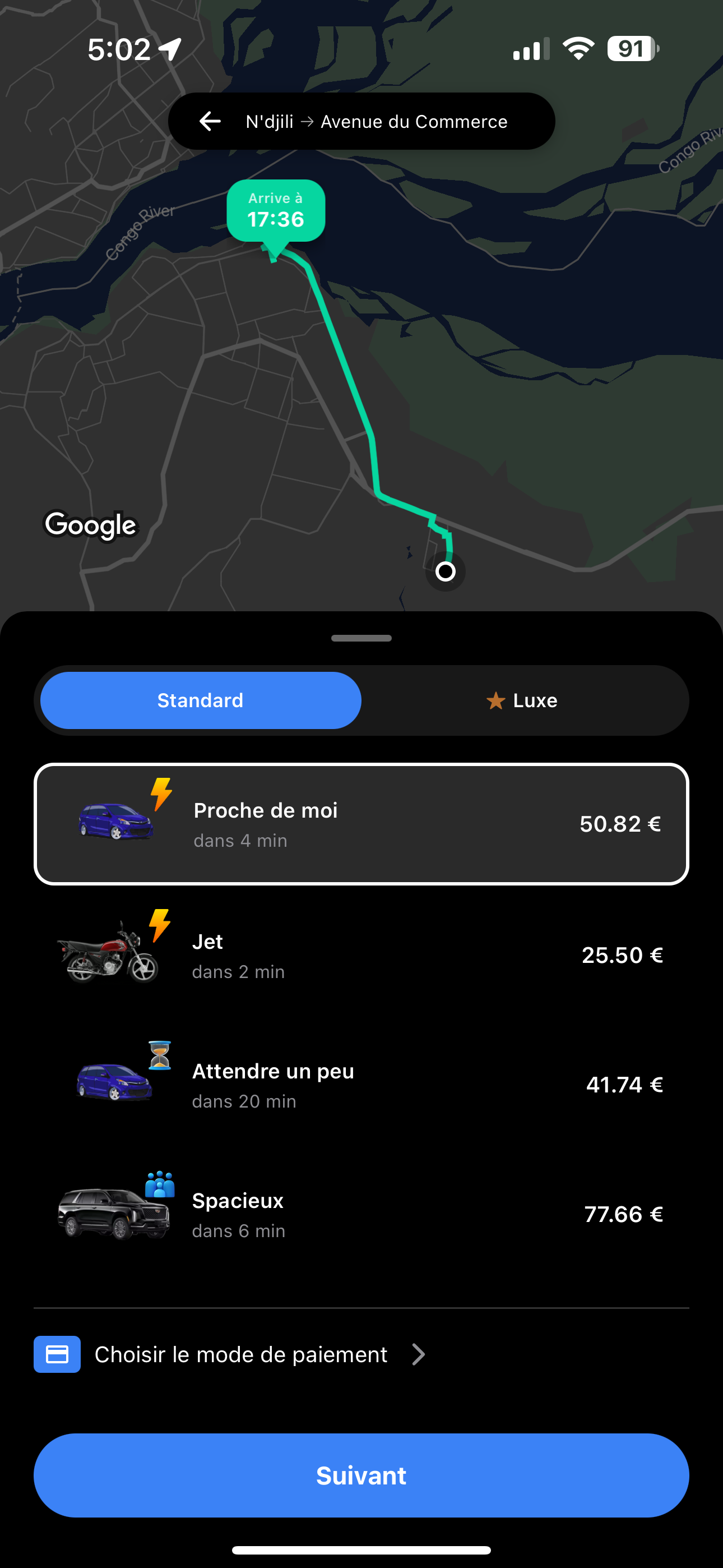
Booking a ride
-
-
-
-
-
-
-
-
-
-
-
-
-
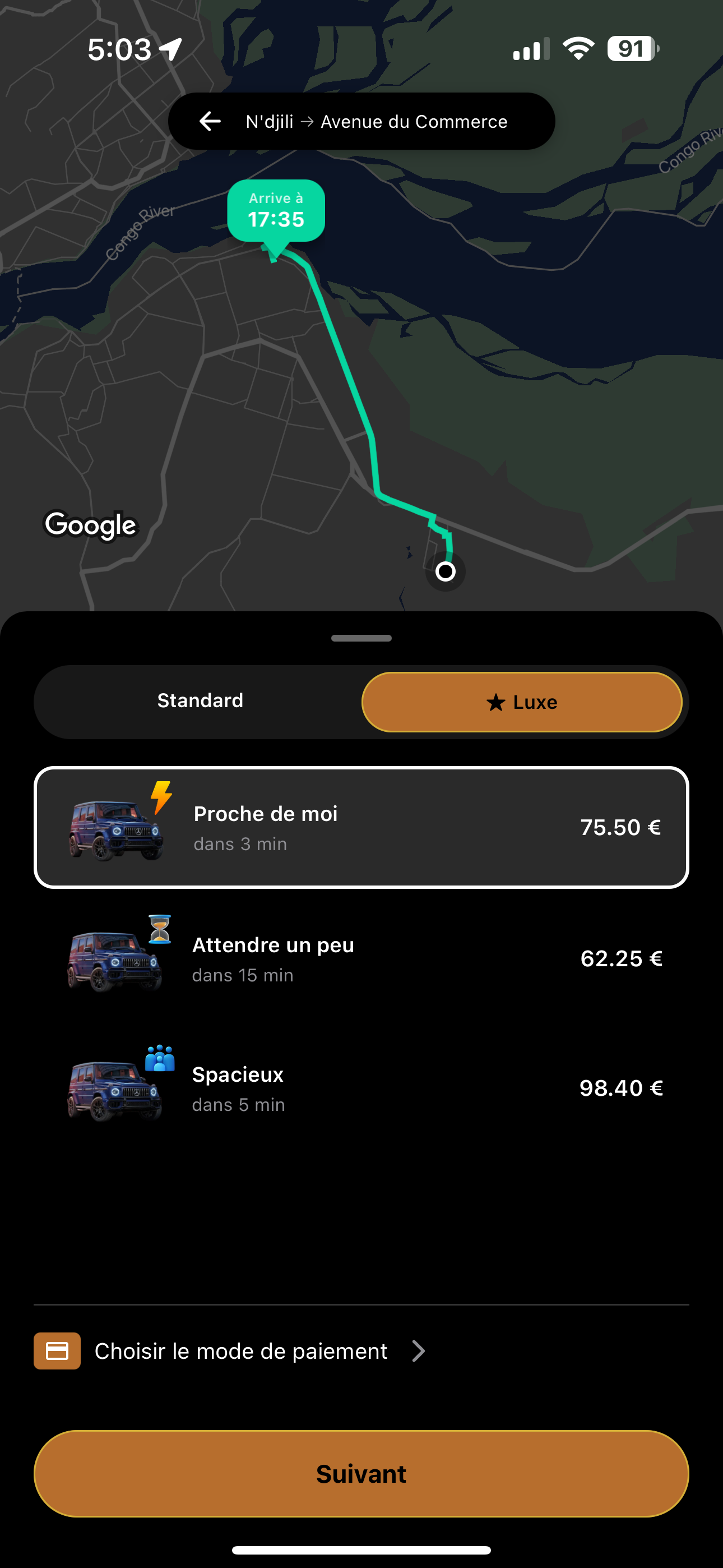
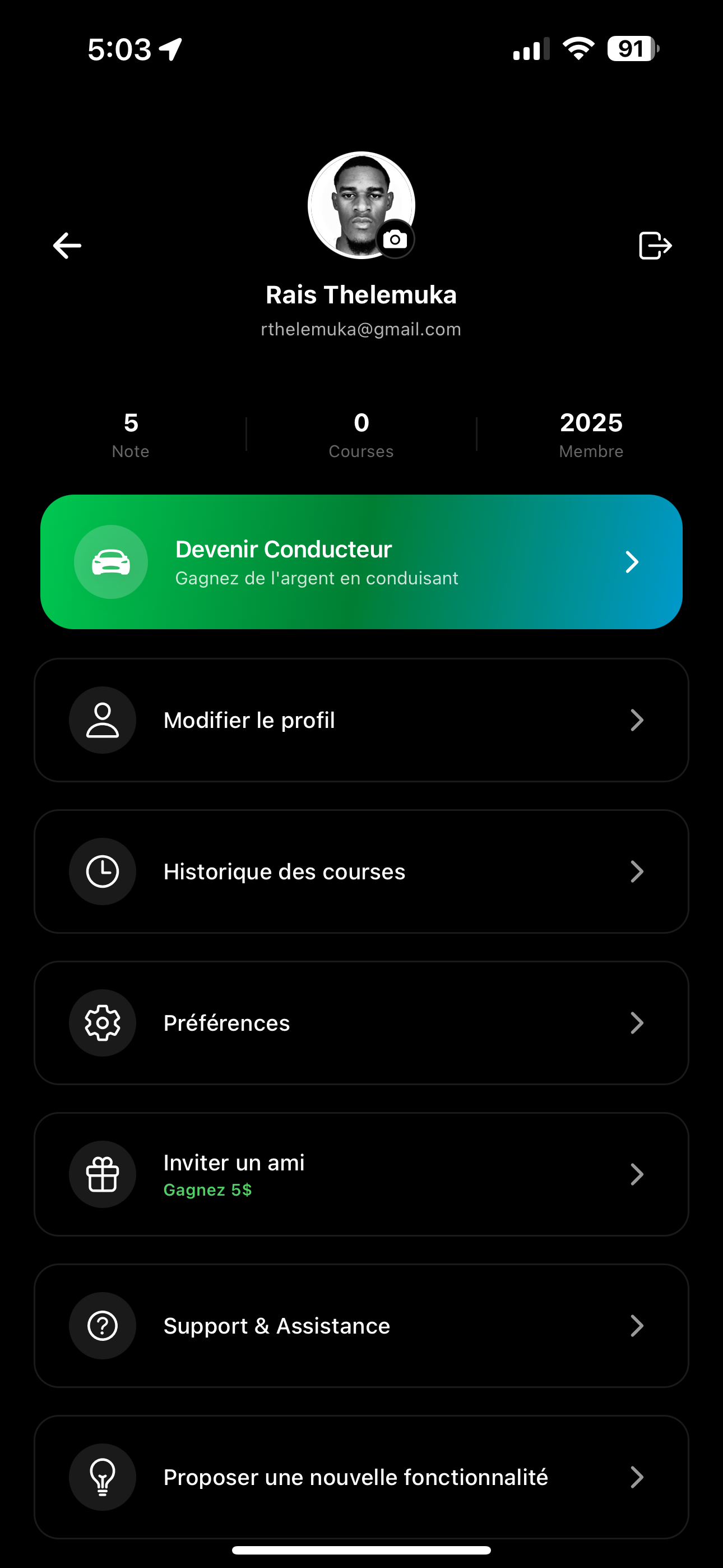
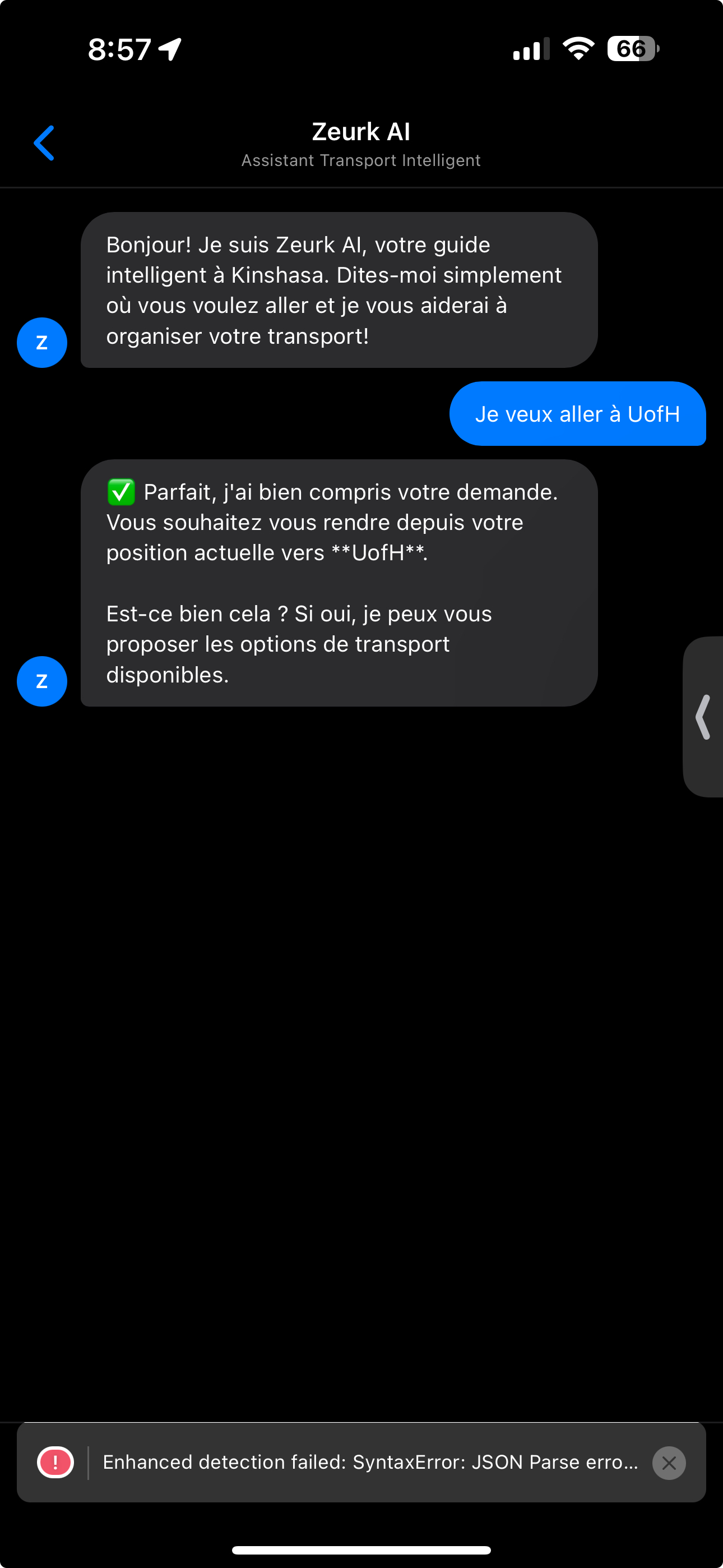
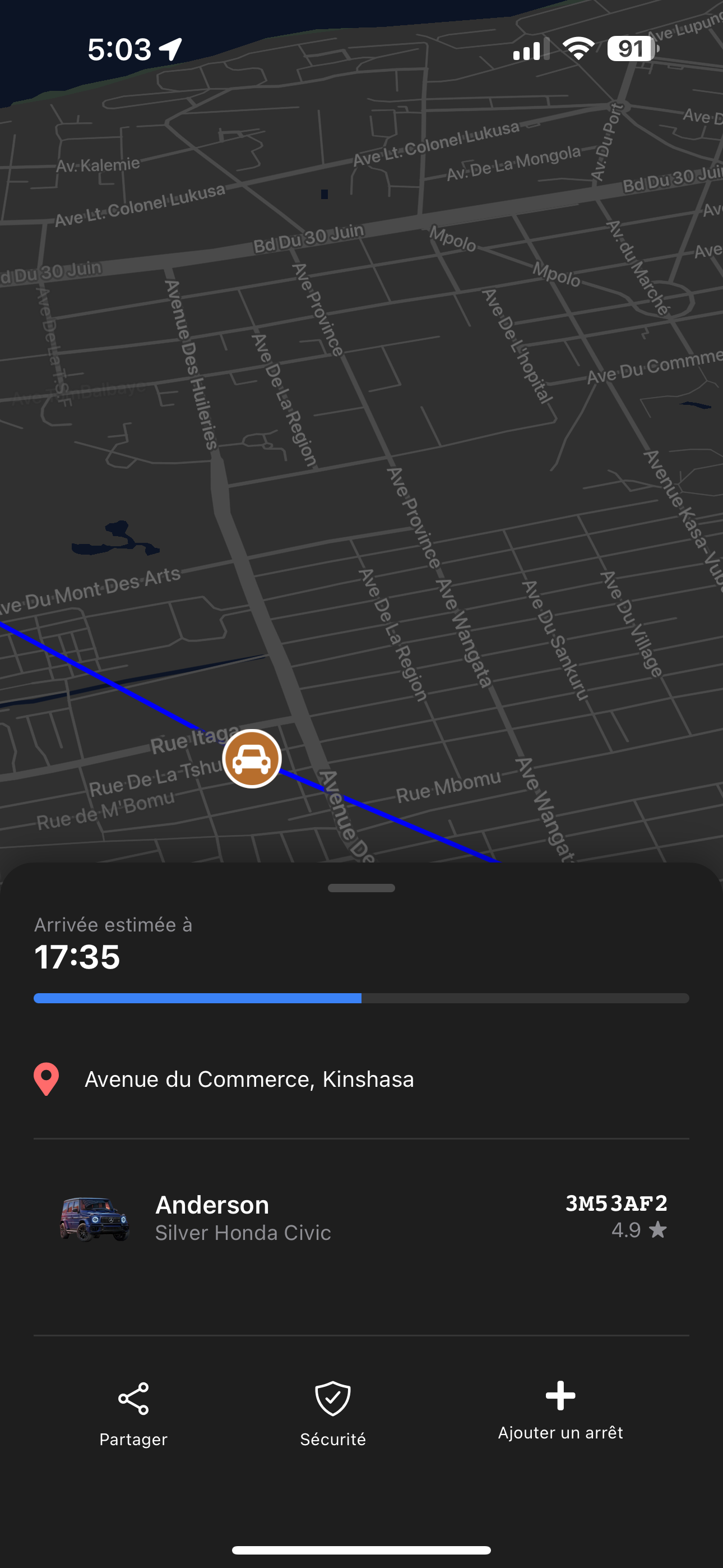
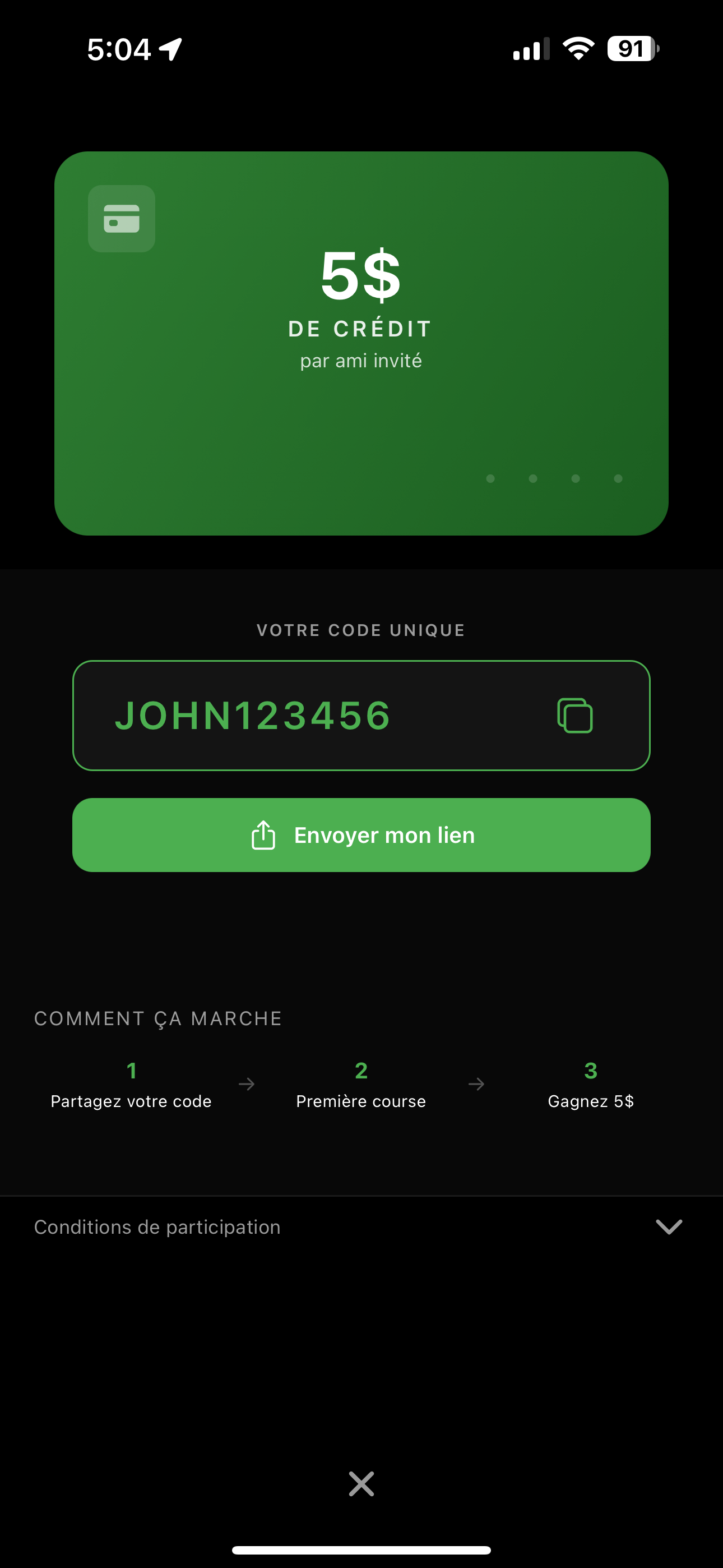
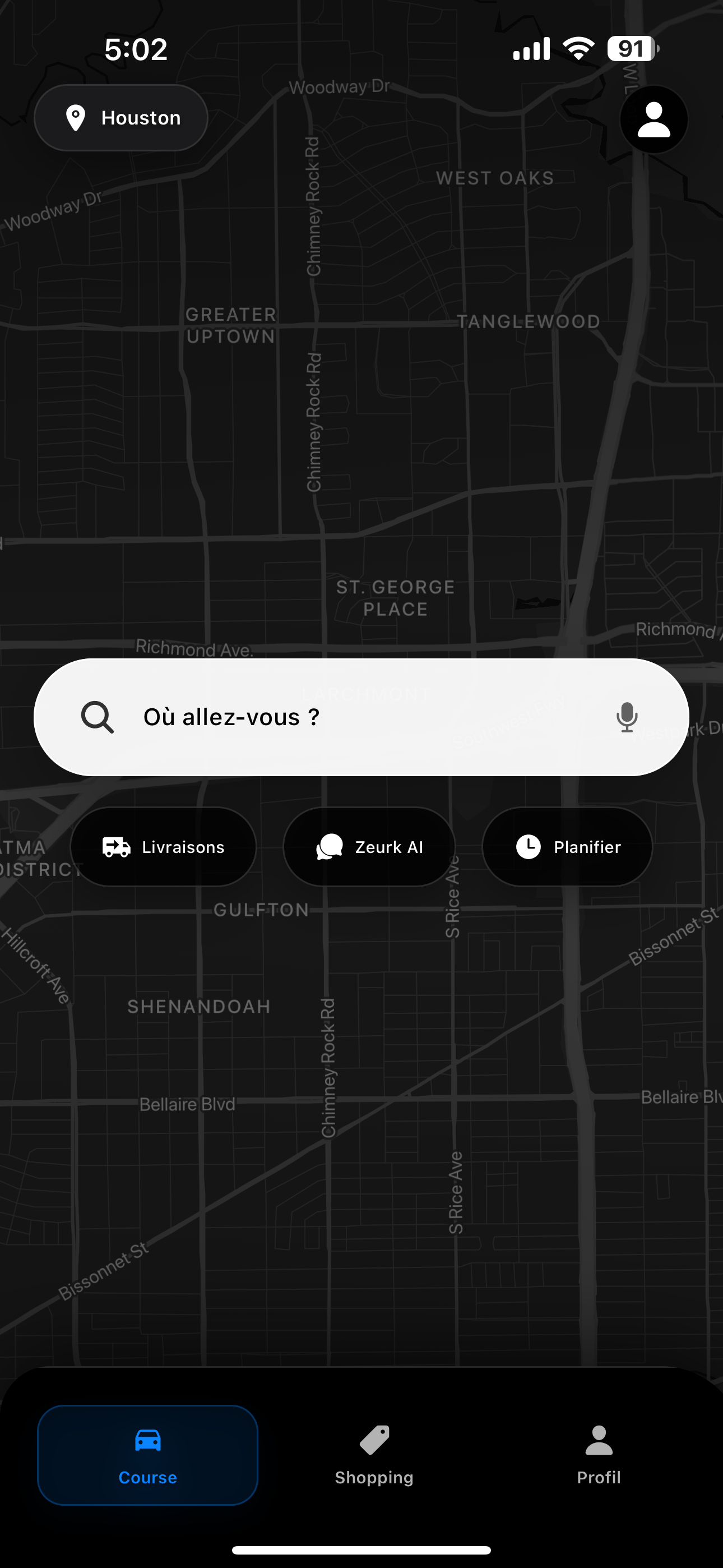
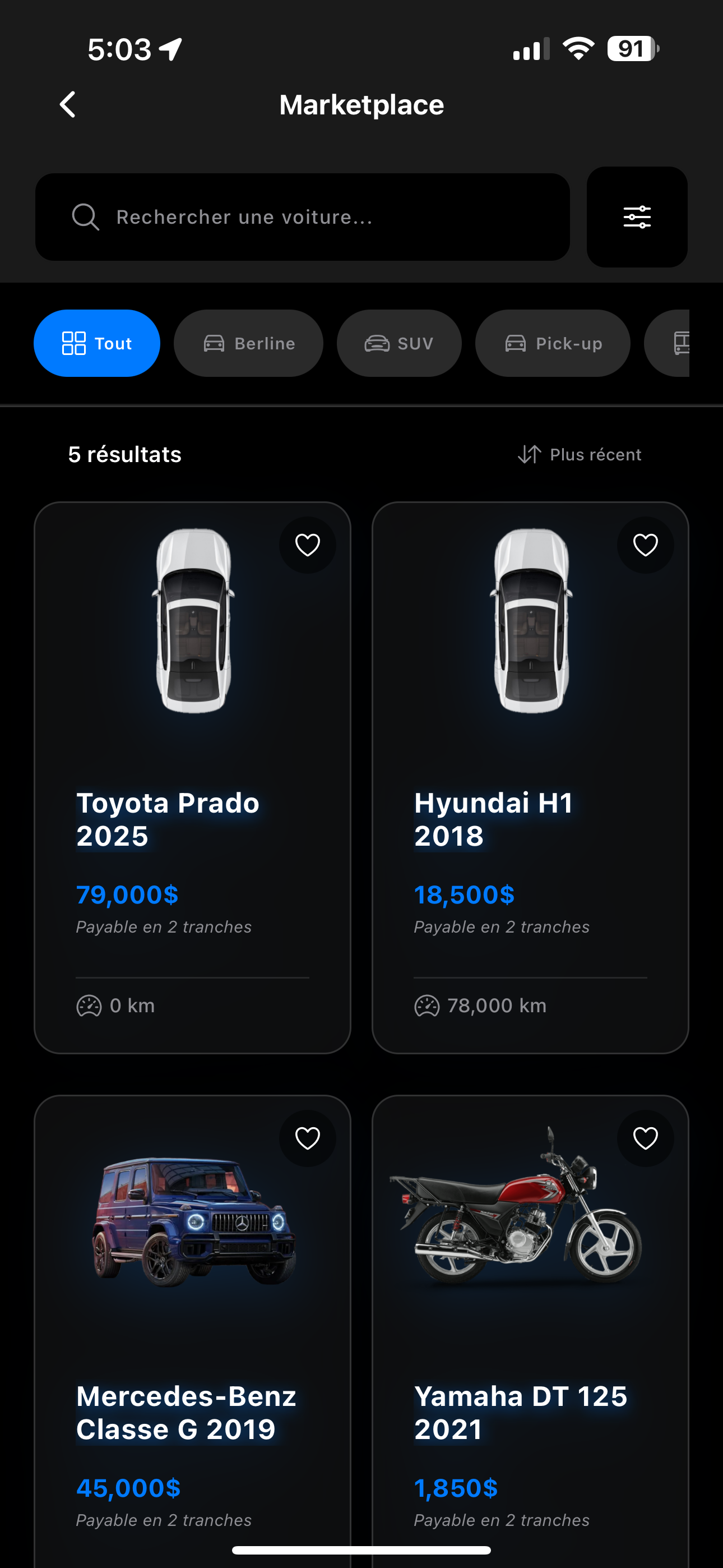
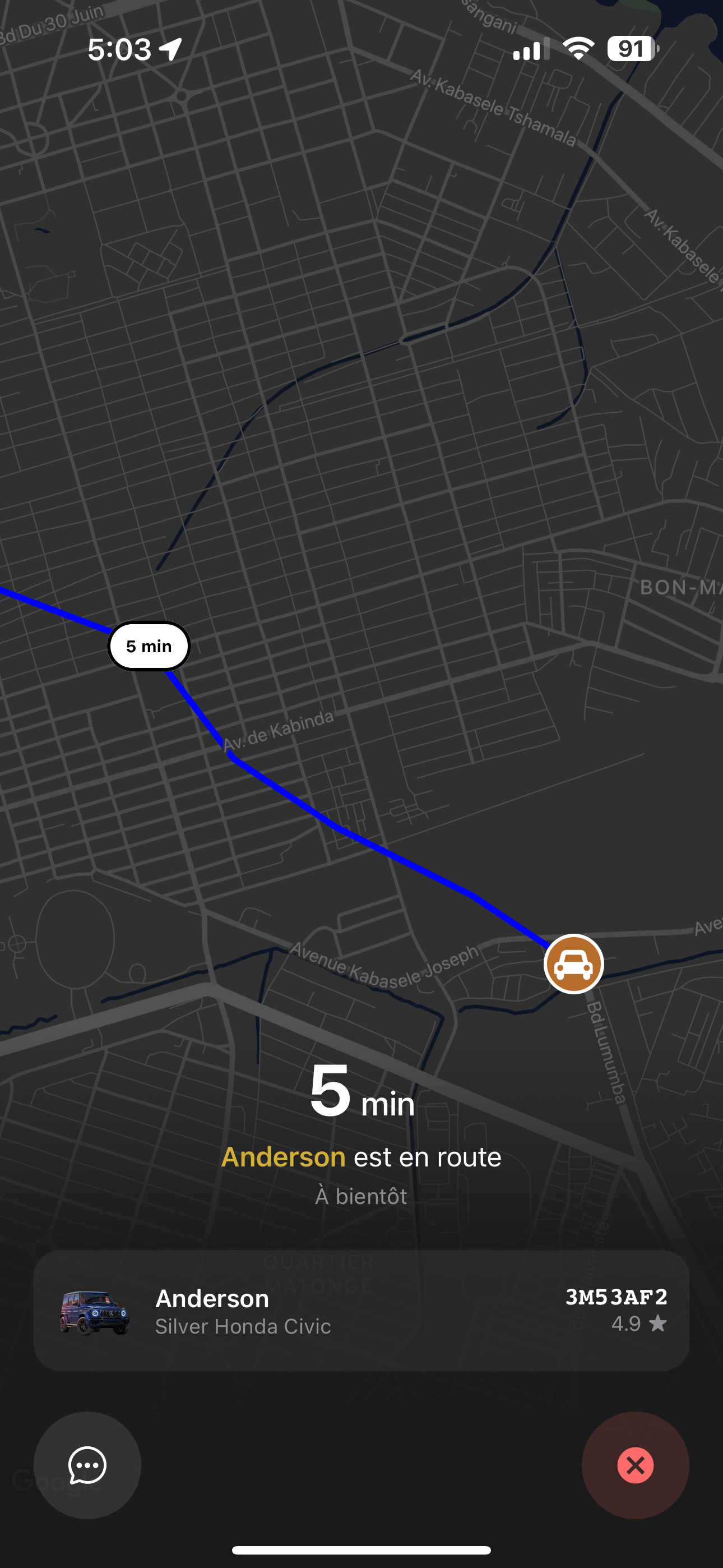
About the Project
What Inspired Us
Zeurk was born from a desire to build something useful for the real people of Kinshasa. Every day, thousands of people rely on unreliable, inconsistent transportation. I’ve personally witnessed the frustration of waiting under the sun for taxis that never arrive. Combining tech with real-world conditions was the only way forward.
What We Learned
We learned the importance of balancing technical ambition with real-world constraints. We experimented with large AI models, open-source map stacks, and multi-app structures—only to learn that simplicity wins when building for low-resource environments. We also learned how much of an impact a 10MB difference can have on user accessibility.
How We Built It
We used:
ExpowithReact Nativefor cross-platform supportFirebasefor the real-time backend and cloud syncSQLitefor on-device cachingOpenRouter (Mistral)for lightweight AI interactionsCursor AIfor development speed and refactoring
All UI was optimized for fast rendering and minimal memory usage. We leveraged offline queuing, local caching, and preloaded content.
Challenges We Faced
- Storage: Integrating Gemma 2B increased the app size to 4 GB. We pivoted to OpenRouter APIs with distilled logic.
- Connectivity: We had to ensure the app could fully function in offline or unstable internet conditions.
- Mapping: Offline open-source maps were considered but dropped due to size and complexity.
- Backend complexity: Supabase caused too many setup issues and was replaced.
- User confusion: Separating the driver and rider apps confused users—we unified them.
Every challenge pushed us to innovate for constraint—not against it.
Built With
- expo.io
- firebase
- javascript
- mistral
- openrouter
- react-native


Log in or sign up for Devpost to join the conversation.