-
-
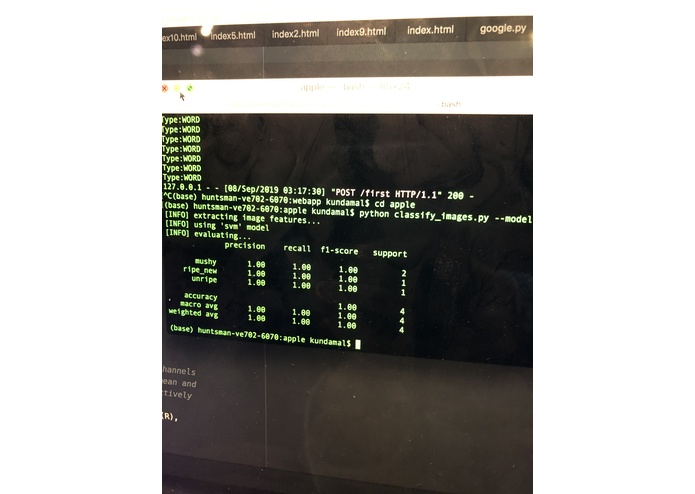
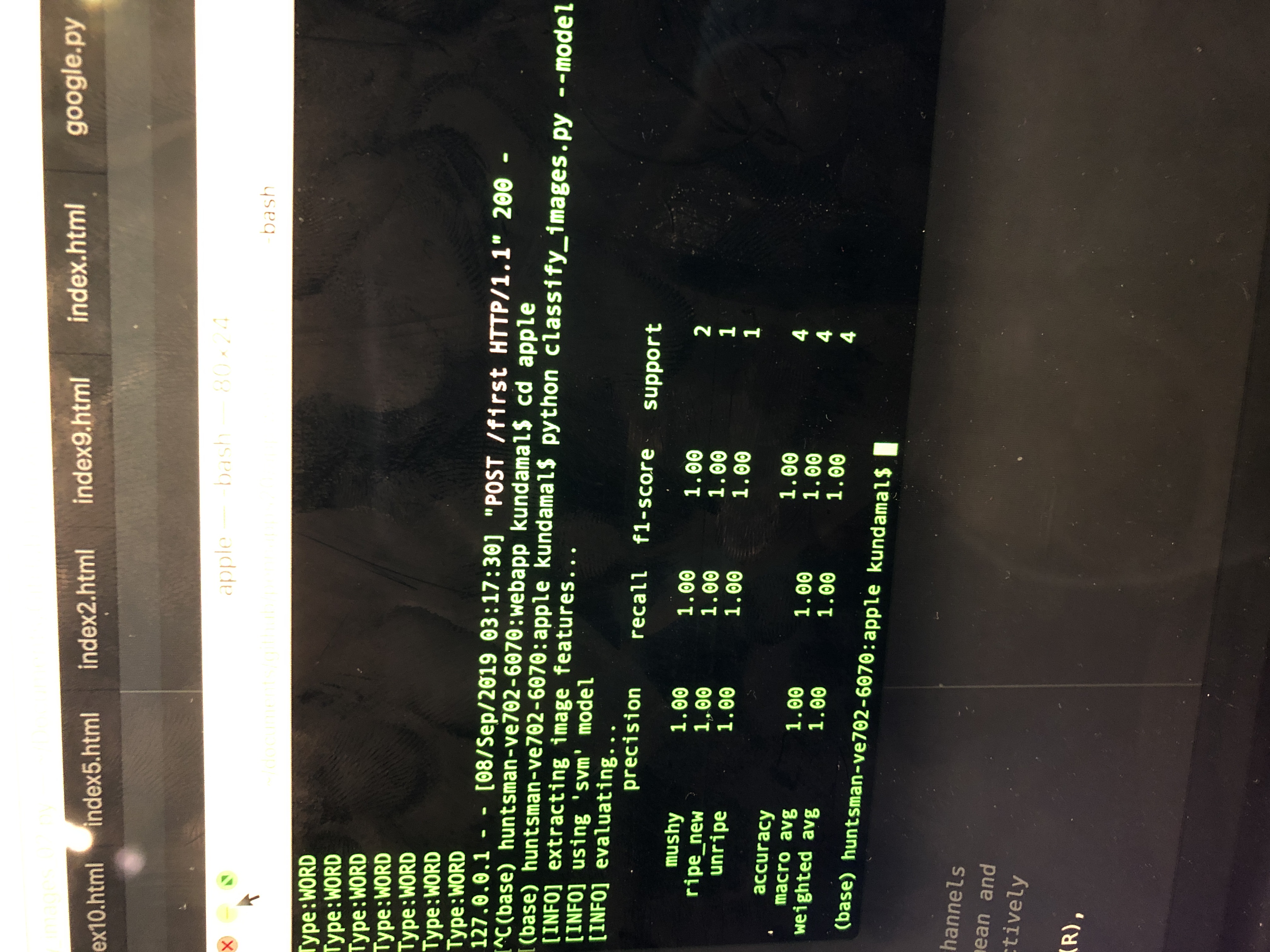
Code we made to detect spoiled produce with 100% accuracy
-
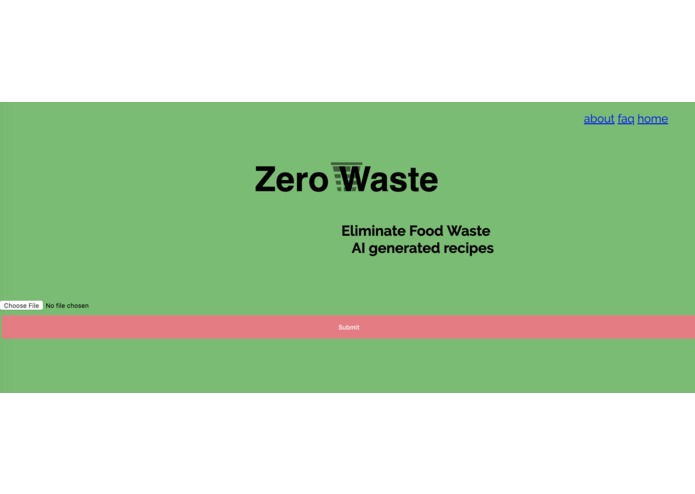
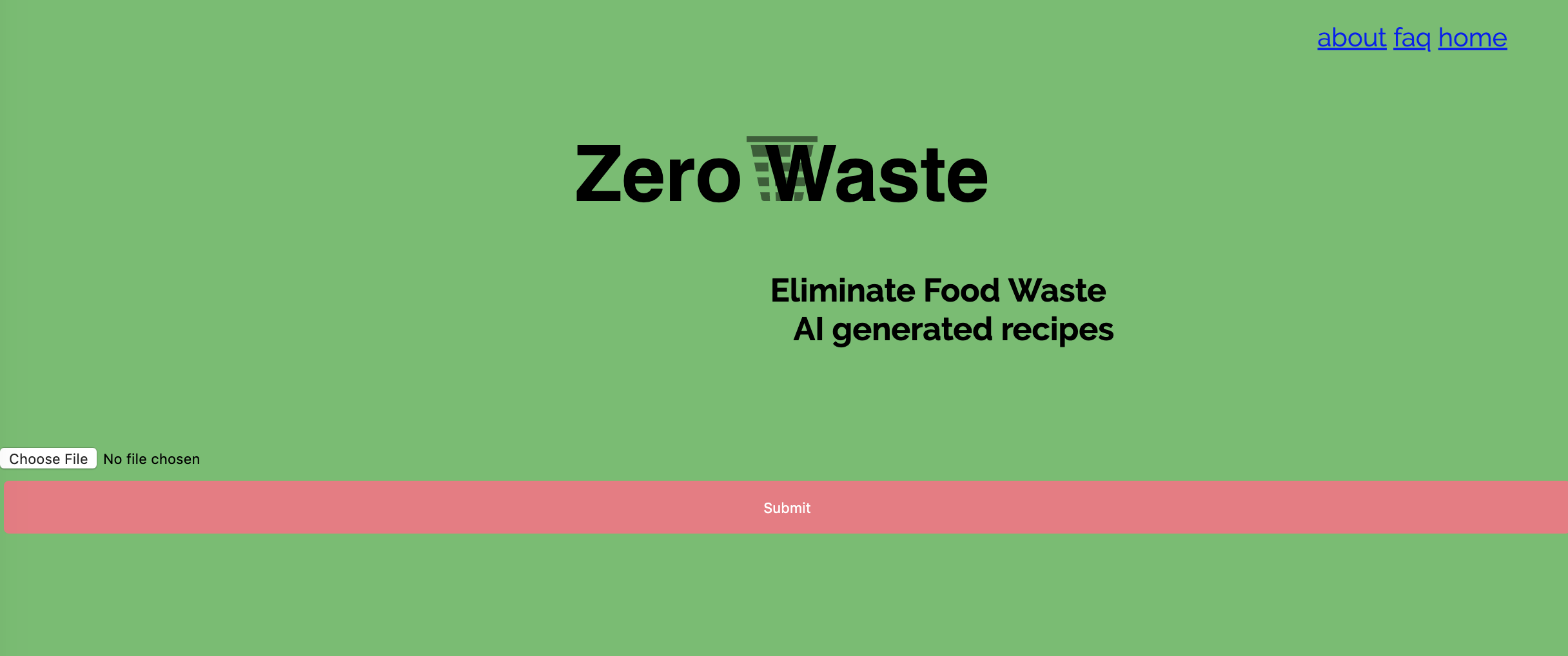
Landing page
-
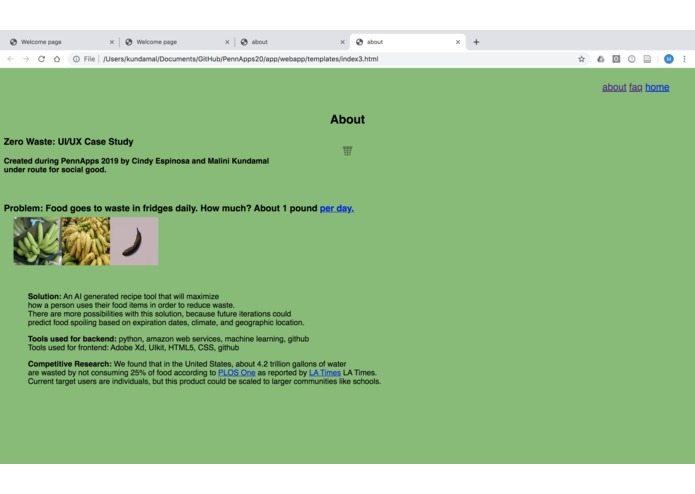
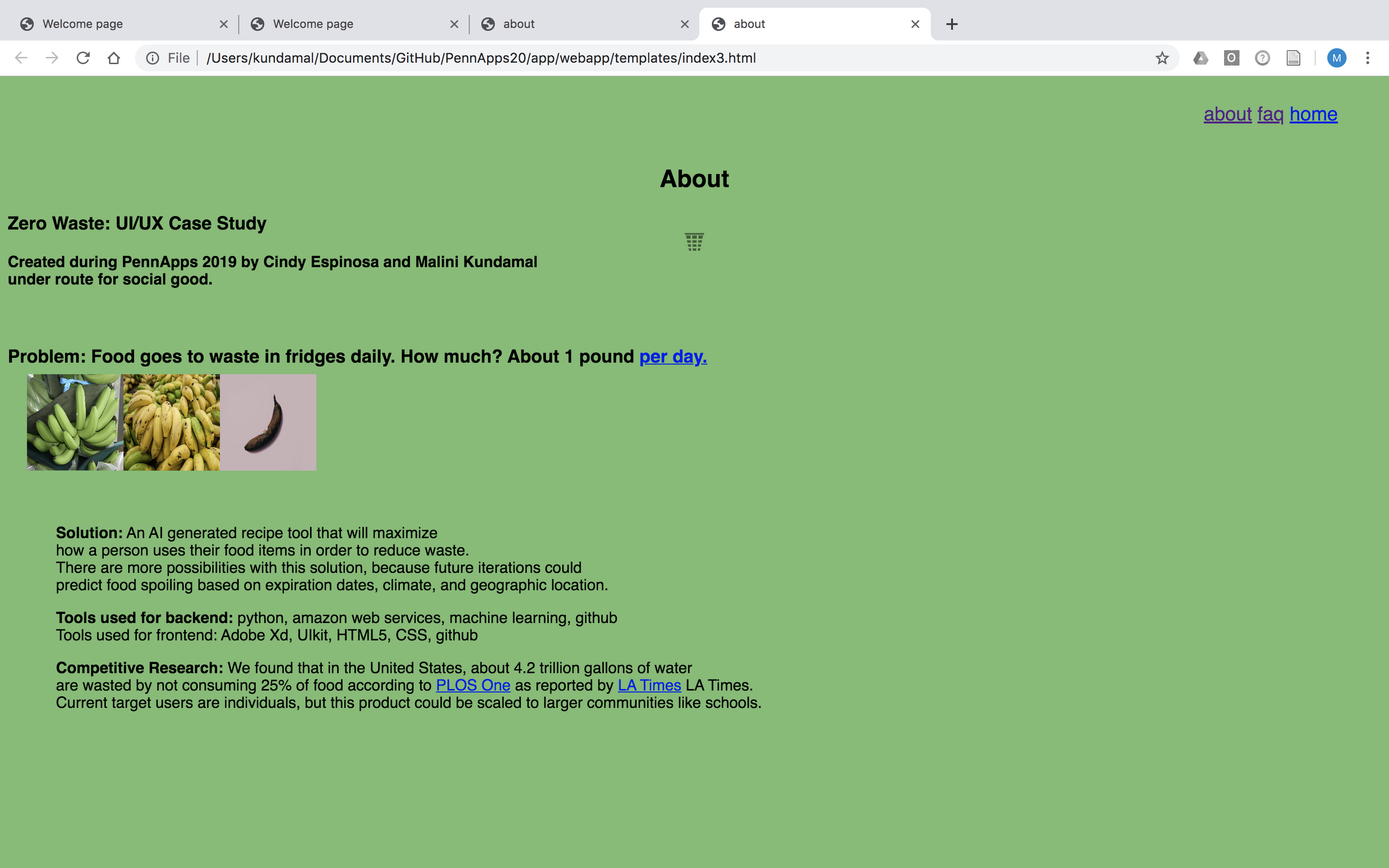
About page UX/UI case study of our product
Inspiration
The both of us study in NYC and take subways almost everyday, and we notice the rampant food insecurity and poverty in an urban area. In 2017 40 million people struggled with hunger (source Feeding America) yet food waste levels remain at an all time high (“50% of all produce in the United States is thrown away” source The Guardian). We wanted to tackle this problem, because it affects a huge population, and we see these effects in and around the city.
What it does
Our webapp uses machine learning to detect produce and labels of packaged foods. The webapp collects this data, and stores it into a user's ingredients list. Recipes are automatically found using google search API from the ingredients list. Our code parses through the list of ingredients and generates the recipe that would maximize the amount of food items (also based on spoilage).The user may also upload their receipt or grocery list to the webapp. With these features, the goal of our product is to reduce food waste by maximizing the ingredients a user has at home. With our trained datasets that detect varying levels of spoiled produce, a user is able to make more informed choices based on the webapp's recommendation.
How we built it
We first tried to detect images of different types of food using various platforms like open-cv and AWS. After we had this detection working, we used Flask to display the data onto a webapp. Once the information was stored on the webapp, we automatically generated recipes based on the list of ingredients. Then, we built the front-end (HTML5, CSS3) including UX/UI design into the implementation. We shifted our focus to the back-end, and we decided to detect text from receipts, grocery lists, and labels (packaged foods) that we also displayed onto our webapp. On the webapp we also included an faq page to educate our users on this epidemic. On the webapp we also posted a case study on the product in terms of UX and UI design.
Challenges we ran
We first used open-cv for image recognition, but we learned about amazon web services, specifically, Amazon Rekognition to identify text and objects to detect expiration dates, labels, produce, and grocery lists. We trained models in sci-kit python to detect levels of spoilage/rotten produce. We encountered merge conflicts with GitHub, so we had to troubleshoot with the terminal in order to resolve them. We were new to using Flask, which we used to connect our python files to display in a webpage. We also had to choose certain features over others that would best fit the needs of the users. This was also our first hackathon ever!
Accomplishments that we're proud of
We feel proud to have learned new tools in different areas of technology (computer vision, machine learning, different languages) in a short period of time. We also made use of the mentor room early on, which was helpful. We learned different methods to implement similar ideas, and we were able to choose the most efficient one (example: AWS was more efficient for us than open-cv). We also used different functions in order to not repeat lines of code.
What we learned
New technologies and different ways of implementing them. We both had no experience in ML and computer vision prior to this hackathon. We learned how to divide an engineering project into smaller tasks that we could complete. We managed our time well, so we could choose workshops to attend, but also focus on our project, and get rest.
What's next for ZeroWaste
In a later version, ZeroWaste would store and analyze the user's history of food items, and recommend recipes (which max out the ingredients that are about to expire using computer vision) as well as other nutritional items similar to what the user consistently eats through ML. In order to tackle food insecurity at colleges and schools ZeroWaste would detect when fresh produce would expire, and predict when an item may expire based on climate/geographic region of community. We had hardware (raspberry PI), which we could have used with a software ML method, so in the future we would want to test the accuracy of our code with the hardware.

Log in or sign up for Devpost to join the conversation.