-
-
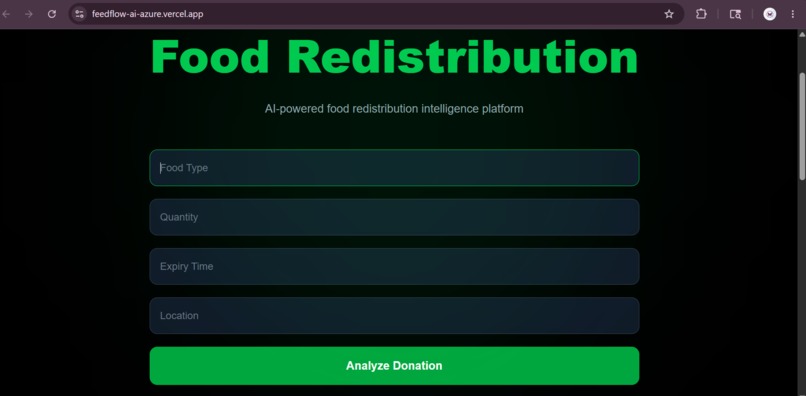
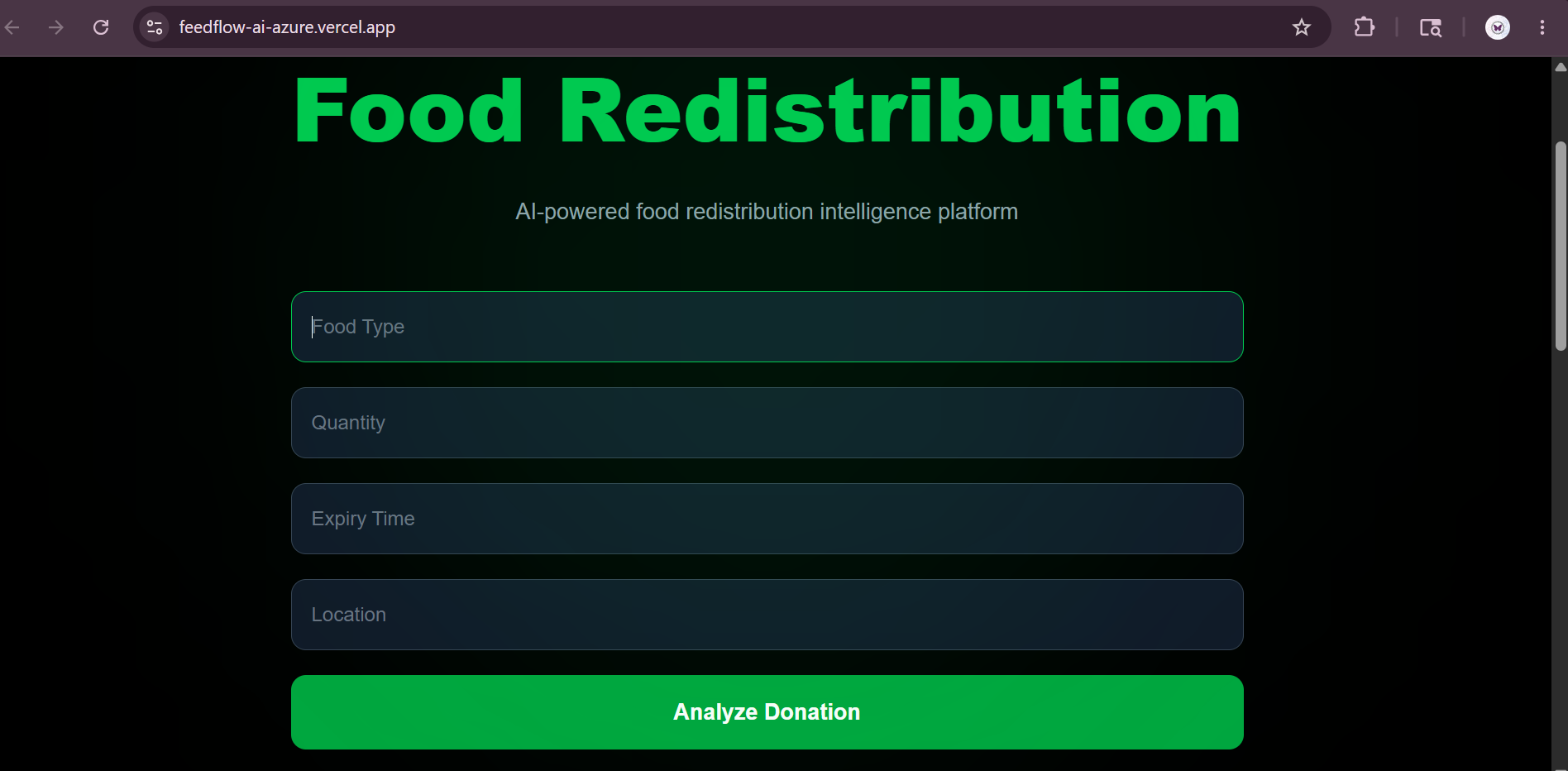
AI-powered food donation analysis dashboard with intelligent redistribution insights and spoilage risk prediction.
Inspiration
Millions of tons of food are wasted every day while nearby communities and shelters continue to struggle with hunger. We wanted to build a smarter and more intelligent food redistribution system that could help connect excess food with people in need before it goes to waste.
The idea behindZeroWaste AI was to create an AI-powered platform that analyzes food donations, predicts urgency and spoilage risk, and helps improve redistribution efficiency using intelligent recommendations.
What it does
Zerowaste AI is an AI-powered food redistribution intelligence platform.
The platform allows users to:
- Enter food donation details
- Analyze urgency levels using AI
- Predict spoilage risks
- Generate redistribution recommendations
- Simulate NGO coordination workflows
The goal is to reduce food waste while improving food accessibility for communities in need.
How we built it
We builtZeroWaste AI using:
- Next.js
- TypeScript
- Tailwind CSS
- OpenRouter API
- Vercel
The frontend was designed as a modern AI dashboard with responsive UI components and real-time AI analysis generation.
We integrated AI APIs to generate intelligent redistribution insights based on food quantity, expiry time, and location details.
Challenges we ran into
Some challenges we faced included:
- Integrating AI APIs and handling quota issues
- Structuring AI prompts for meaningful analysis
- Designing a clean and responsive dashboard UI
- Deploying and configuring environment variables correctly
We also worked on improving the clarity and presentation of AI-generated responses to make the platform feel more interactive and realistic.
Accomplishments that we're proud of
We are proud of:
- Building a fully deployed AI-powered web application
- Creating a real-world social impact solution
- Successfully integrating AI analysis workflows
- Designing a polished and modern user experience
- Completing a functional MVP within the hackathon timeframe
What we learned
Through this project we learned:
- AI API integration workflows
- Prompt engineering basics
- Deployment using Vercel
- Frontend system design
- Building and presenting a hackathon-ready MVP quickly
We also learned how AI can be applied to real-world social good and sustainability problems.
What's next for Zerowaste AI
Future improvements include:
- Real NGO database integration
- Live food tracking and logistics
- Authentication and user dashboards
- AI-based delivery route optimization
- Real-time food rescue coordination
- Expansion to restaurants, events, and smart city systems
Our long-term vision is to build a scalable AI-powered food rescue ecosystem that minimizes food waste globally.
Built With
- ai
- css
- next.js
- openrouter
- tailwind
- typescript
- vercel

