-
-
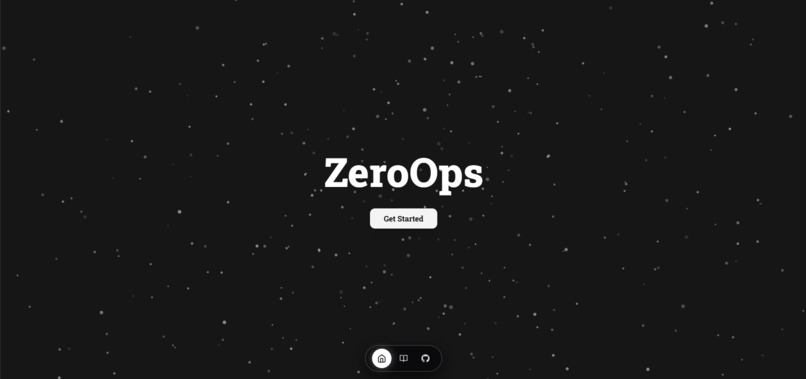
Home Screen
-
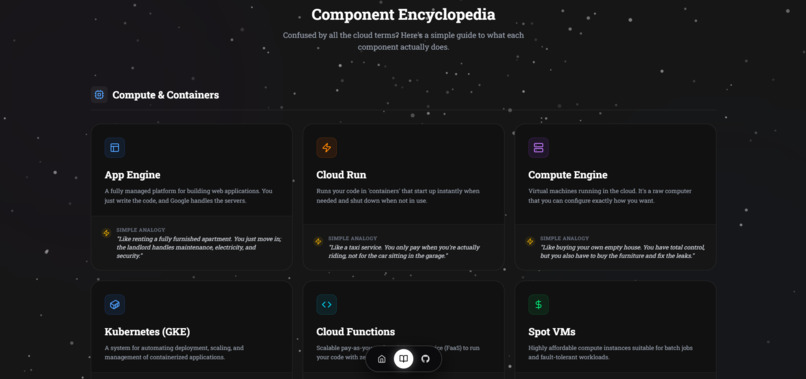
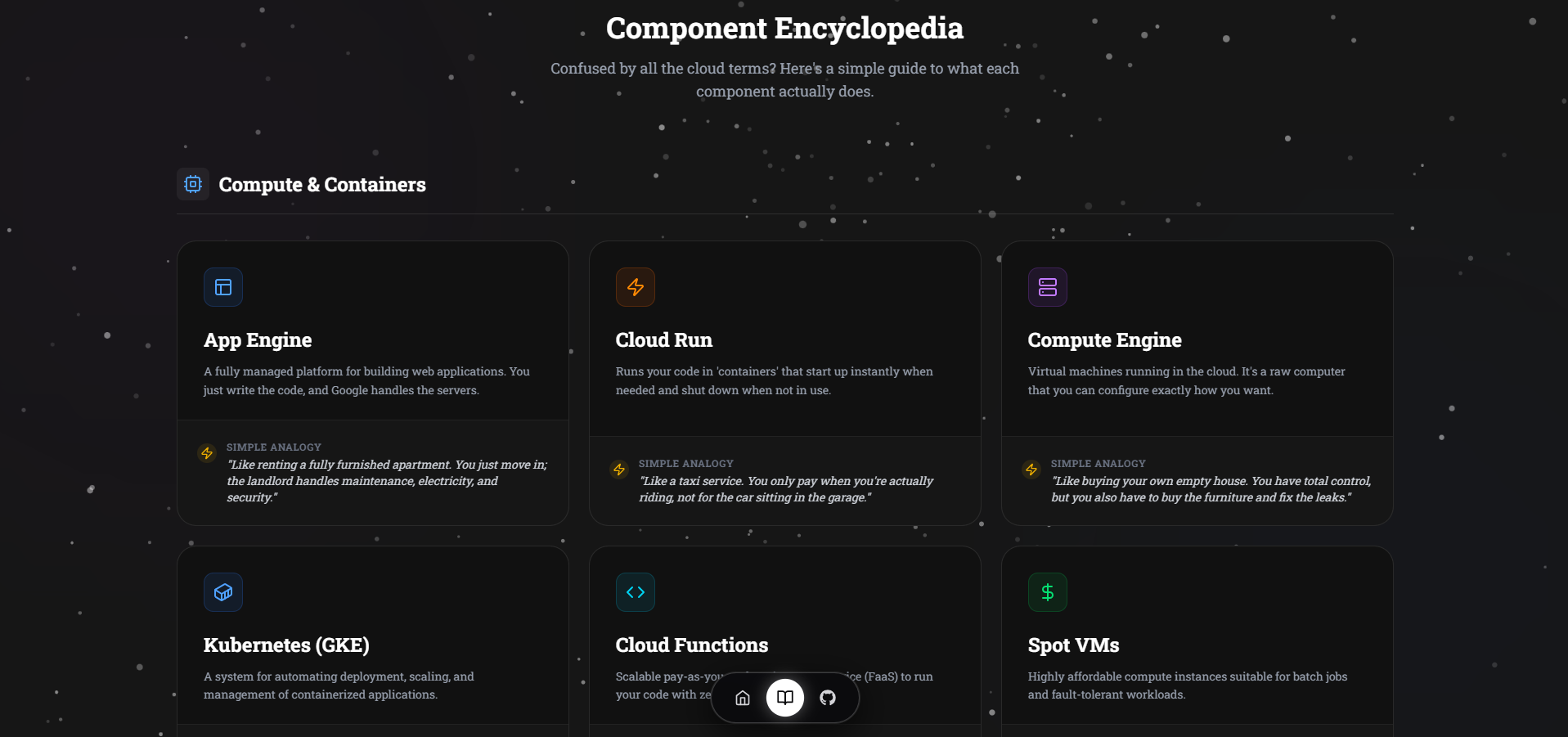
Docs Page
-
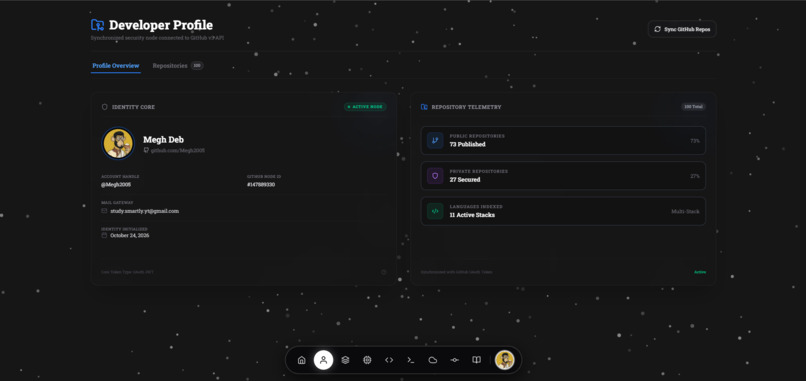
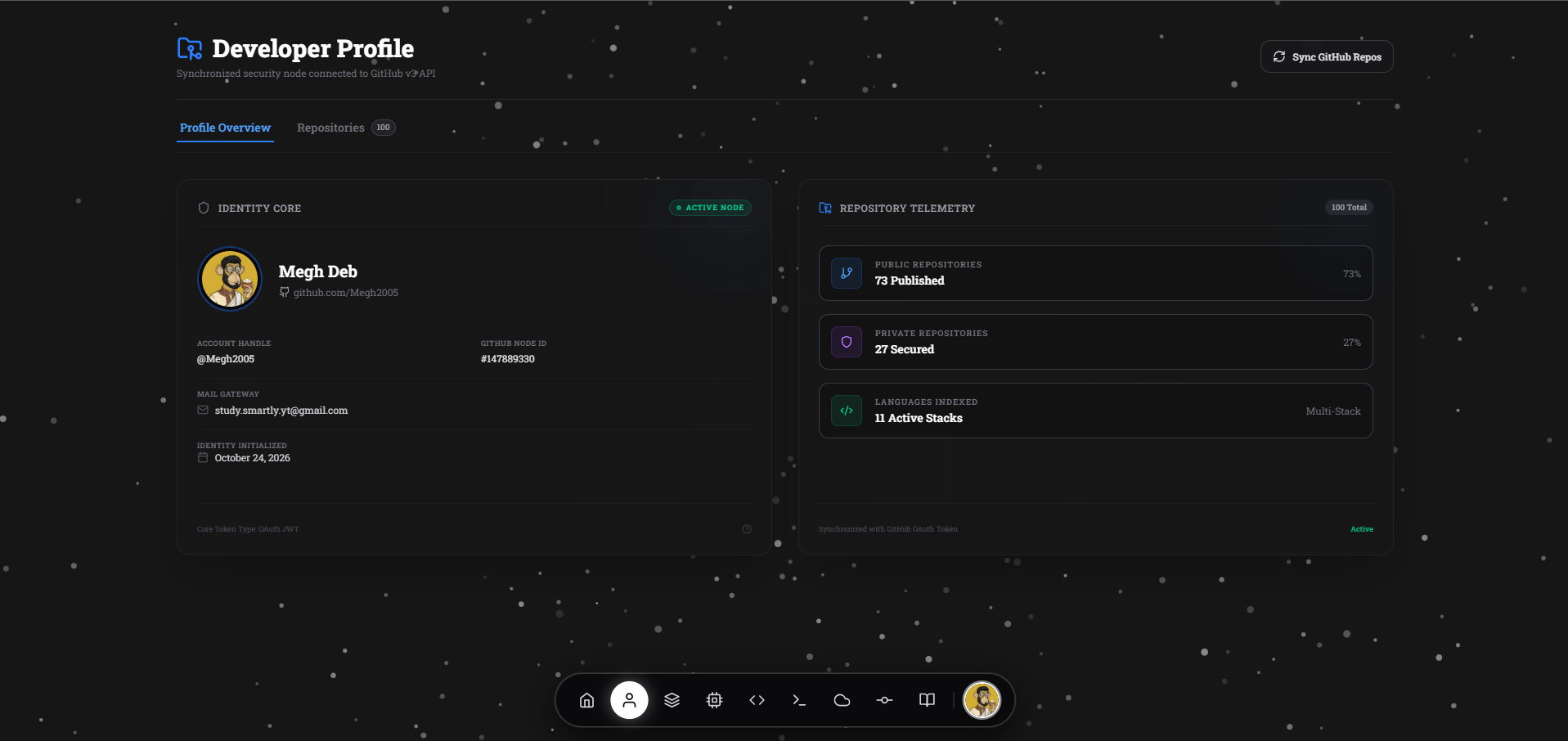
Profile Page
-
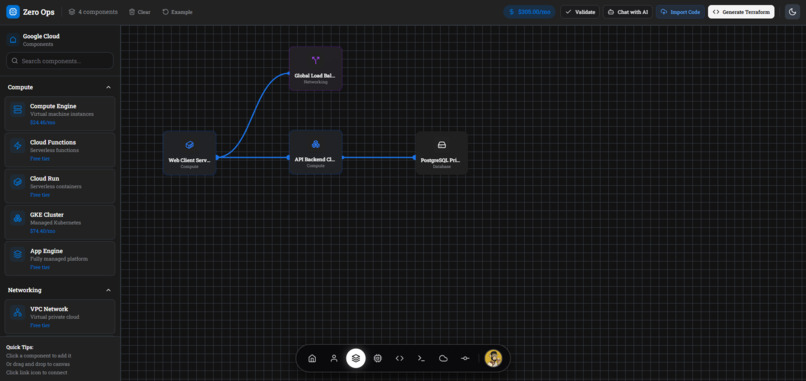
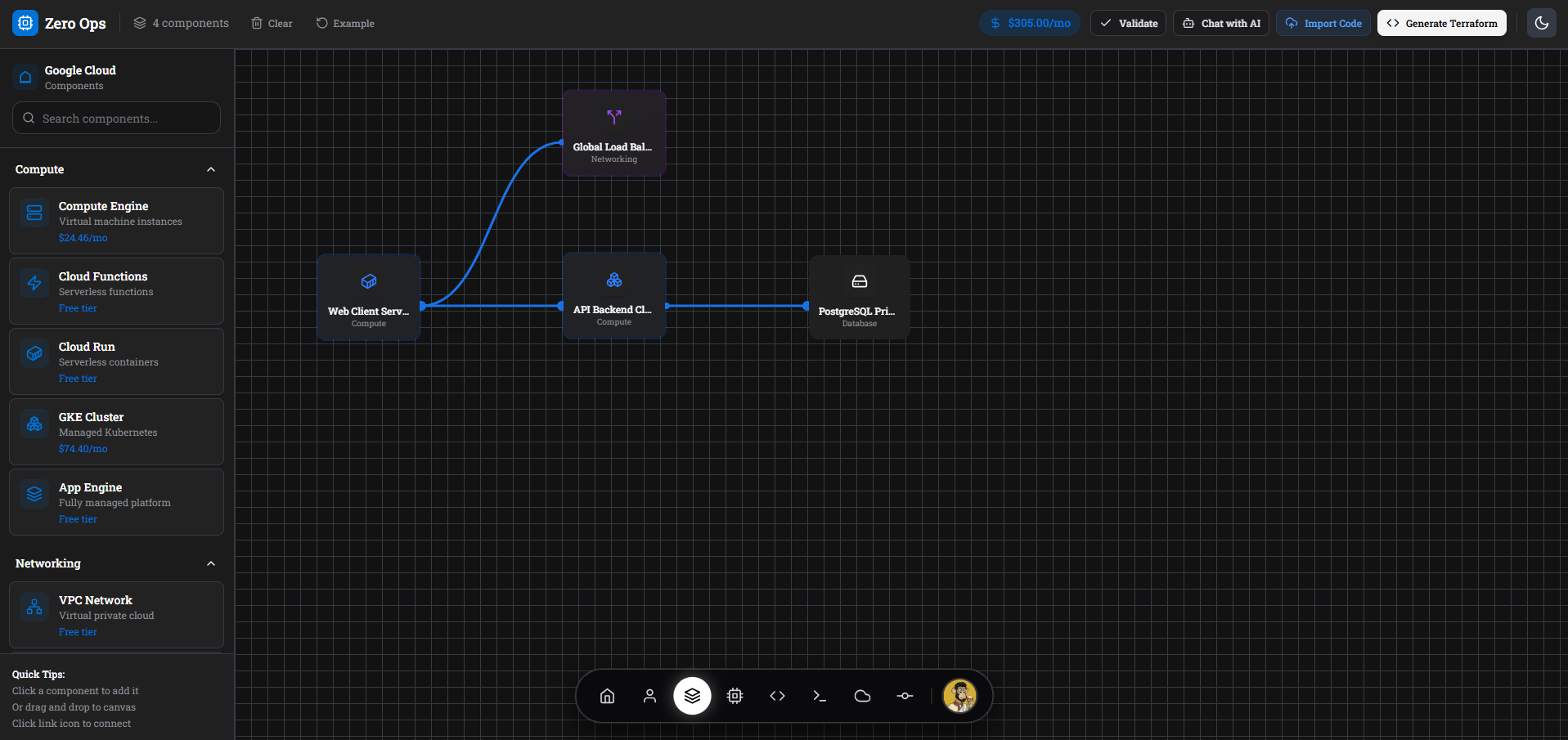
Visual Cloud Builder
-
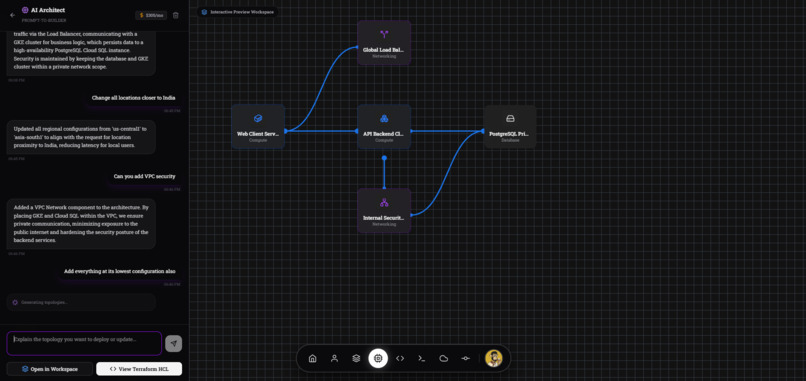
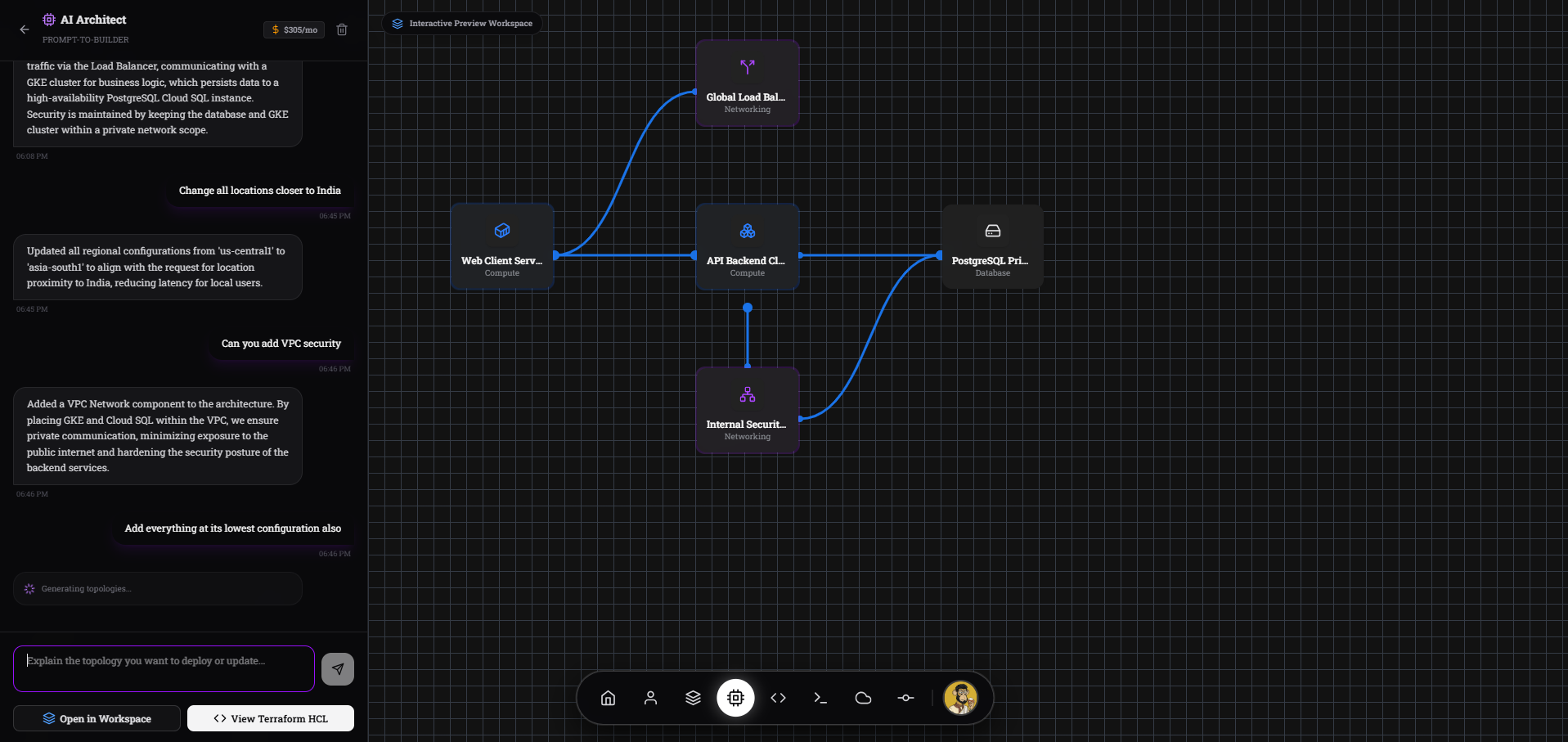
Chat to Architecture Builder
-
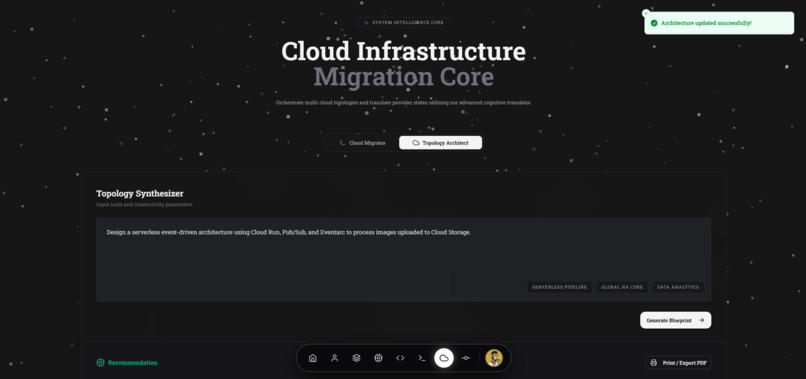
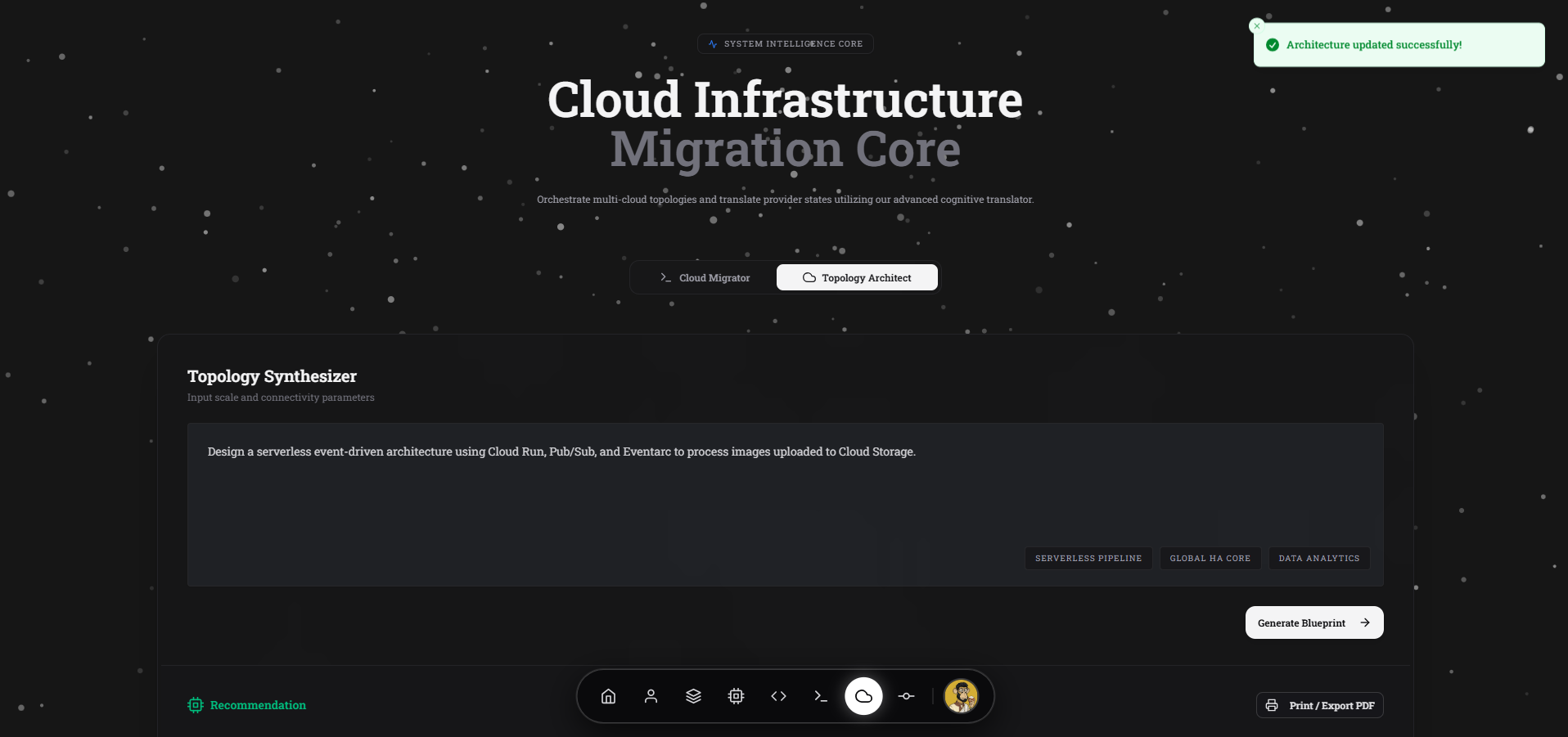
Architecture Planner
-
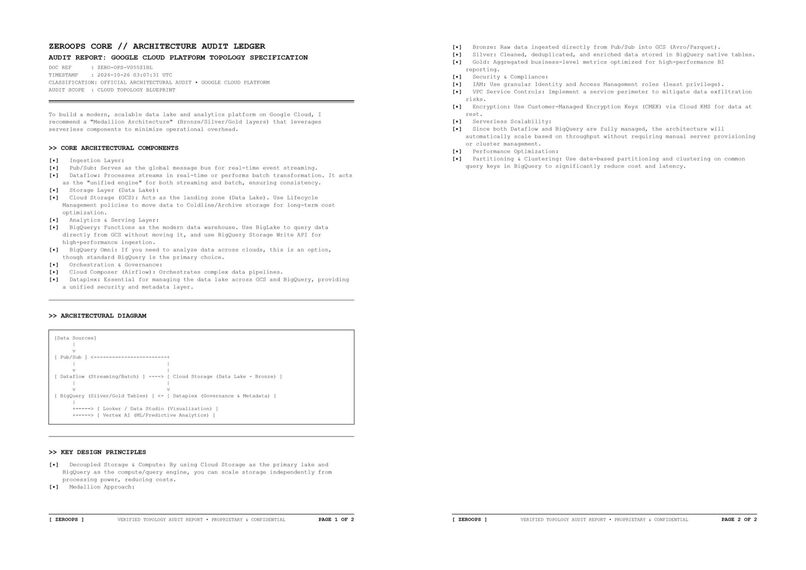
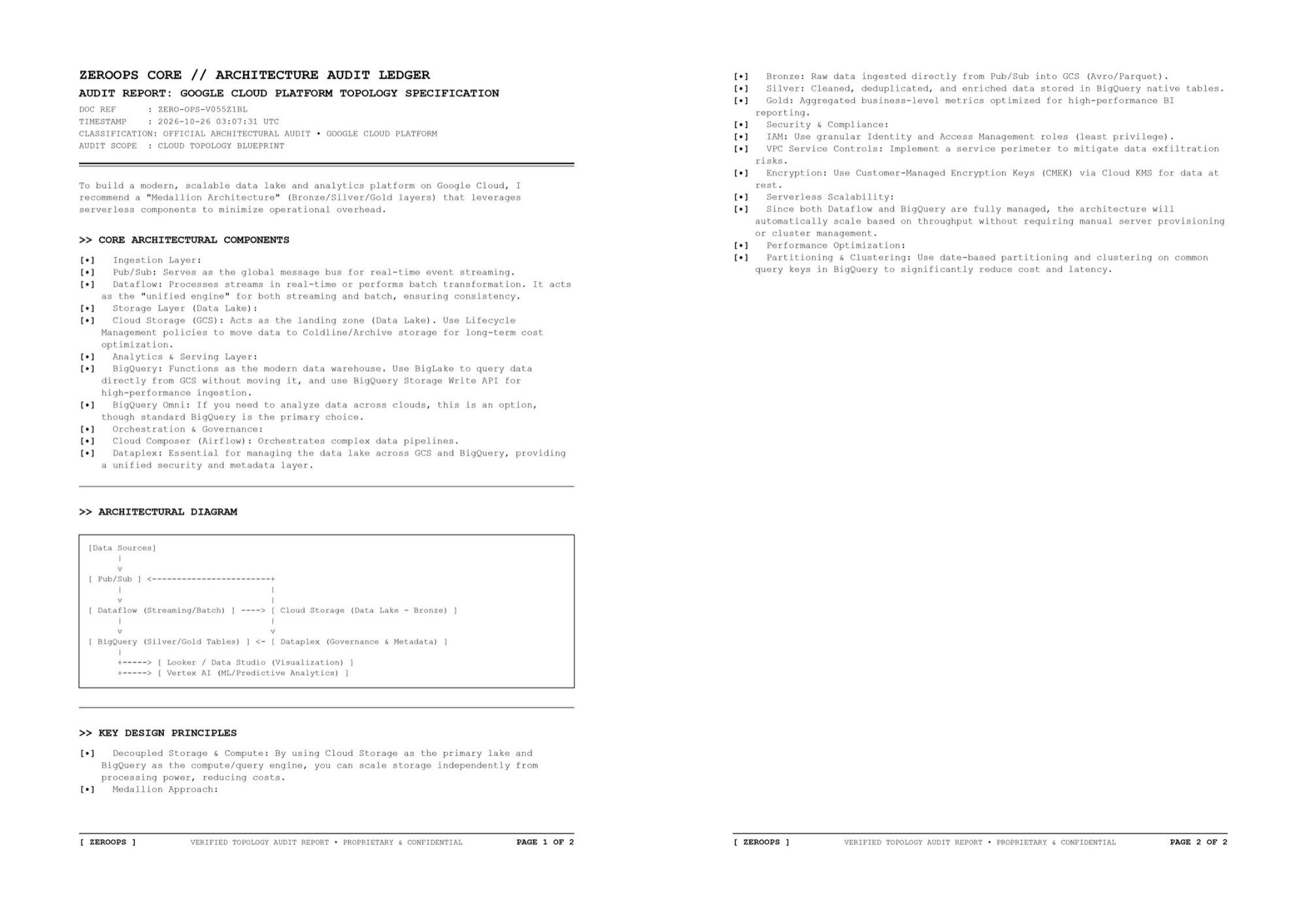
Exported Report
Inspiration
Cloud infrastructure is powerful, but designing, testing, and deploying it can be expensive and complicated. Early stage startups often cannot afford dedicated DevOps engineers, while developers must spend valuable time learning cloud services, networking, deployment pipelines, and Infrastructure as Code (IaC) instead of building their products.
Aspiring DevOps engineers face another challenge: learning concepts is not the same as practicing them. Setting up realistic environments, experimenting with Terraform, and testing infrastructure can require technical expertise and potentially incur cloud costs. Meanwhile, migrating legacy infrastructure between cloud providers can be difficult because of provider-specific configurations, resource dependencies, and compatibility issues.
These challenges inspired us to build ZeroOps, with the goal of making cloud infrastructure engineering as accessible as visually building an application.
The Problem We Solve
ZeroOps addresses four major challenges in modern infrastructure engineering.
Expensive DevOps Expertise: Startups and small development teams often lack the budget to hire dedicated infrastructure specialists. Manual configuration and deployment tasks increase development time and operational overhead.
Limited Practical Learning: Developers and aspiring DevOps engineers need accessible ways to experiment with Terraform, understand infrastructure dependencies, and troubleshoot configurations without relying entirely on live cloud deployments.
Complex Infrastructure Management: Creating cloud architectures, writing Terraform, validating configurations, optimizing costs, and deploying resources often require separate tools and specialized knowledge.
Difficult Cloud Migration: Moving existing applications between cloud providers requires understanding current infrastructure, resource dependencies, and provider compatibility. This can make migration expensive, risky, and time-consuming.
If these problems remain unresolved, startups may spend scarce capital on repetitive infrastructure work, developers may struggle to gain practical DevOps experience, and organizations may postpone infrastructure improvements or remain tied to existing cloud architectures.
What ZeroOps Does
ZeroOps is an AI-powered, cloud-independent DevOps builder that combines visual infrastructure design, conversational AI, Terraform generation, local testing, cost optimization, and cloud deployment into one workflow.
Users can describe their infrastructure requirements in natural language, import an existing codebase or Terraform configuration, or create architectures using a drag-and-drop visual designer. The AI assistant helps users generate architectures, understand resource relationships, and modify infrastructure through conversation.
The platform converts infrastructure designs into editable Terraform configurations. Before deployment, users can test these configurations inside a lightweight Linux environment running through Docker, helping identify configuration problems before provisioning cloud resources.
ZeroOps also provides cost optimization to identify unnecessary resources, potential overprovisioning, removable infrastructure components, and opportunities to simplify configurations. Users can integrate their work with Git and deploy supported infrastructure directly to Google Cloud Platform (GCP) through a one-click deployment workflow.
Our objective is to connect infrastructure design, code generation, testing, optimization, and deployment rather than forcing developers to assemble these capabilities across disconnected tools.
How We Built It
ZeroOps combines an open-source AI model, MongoDB, a visual infrastructure designer, Terraform, Docker, Git integration, and cloud deployment capabilities.
AI Model: We use Google DeepMind's Gemma 4 2B open-source model for AI-assisted infrastructure reasoning, architecture generation, conversational editing, and optimization workflows.
Database: MongoDB provides persistent application data storage and supports flexible data structures as the platform evolves.
Visual Builder: The drag-and-drop designer enables users to create and modify cloud architectures visually while maintaining relationships between infrastructure resources.
Infrastructure as Code: Terraform converts infrastructure designs into editable and reproducible configurations.
Local Testing: A lightweight Linux environment running inside Docker provides an isolated environment for preliminary Terraform initialization, planning, and validation before cloud deployment. Local testing helps identify issues early, although it cannot guarantee that every real-world deployment will succeed.
Cloud Deployment: The current deployment workflow supports one-click provisioning of supported infrastructure on Google Cloud Platform.
Cost Optimization: AI-assisted analysis helps identify potential infrastructure waste, unnecessary components, and opportunities for more efficient resource configurations.
Version Control: Git integration supports version-controlled infrastructure changes and organized development workflows.
Our technical approach combines AI-assisted reasoning with established infrastructure tools, keeping generated configurations inspectable and editable rather than treating AI output as automatically production-ready.
What Makes ZeroOps Different
ZeroOps is designed around the complete infrastructure workflow, not just infrastructure code generation.
Visual-first DevOps: Users can build infrastructure through drag-and-drop interactions instead of manually writing every configuration.
Conversational Editing: Users can communicate with the AI assistant to understand and modify their architectures.
Terraform Integration: Visual designs connect to actual Infrastructure as Code, making the output editable, reproducible, and suitable for established infrastructure workflows.
Local Validation: Docker-based Linux testing provides an opportunity to validate Terraform configurations before cloud deployment.
Integrated Cost Optimization: Infrastructure optimization is incorporated into the workflow rather than treated as a separate activity.
Simplified Deployment: Supported infrastructure can be deployed directly to GCP through a one-click workflow.
Accessibility: The platform aims to make infrastructure engineering more approachable for startups, individual developers, and aspiring DevOps engineers while remaining useful to experienced practitioners.
Competitor Analysis
ZeroOps operates in an established infrastructure automation ecosystem. Its differentiation comes from combining visual infrastructure design, conversational AI, Terraform generation, local testing, cost optimization, and simplified deployment.
Terraform: Terraform provides a widely adopted Infrastructure as Code engine for defining and provisioning infrastructure across multiple providers. ZeroOps builds an accessible visual and AI-assisted workflow around Terraform rather than attempting to replace it.
Pulumi: Pulumi enables infrastructure management through programming languages and configuration-based workflows. ZeroOps emphasizes drag-and-drop architecture design, conversational editing, and Terraform-centered deployment.
env zero: env zero focuses on Infrastructure as Code automation, GitOps, governance, and deployment management. ZeroOps focuses more directly on making infrastructure creation and modification accessible through a visual, AI-assisted workflow.
Cloudify: Cloudify provides infrastructure orchestration and lifecycle automation. ZeroOps emphasizes the journey from requirements to visual architecture, Terraform generation, local testing, optimization, and deployment.
These products have different capabilities and levels of maturity, and some already provide advanced automation and AI features. ZeroOps does not claim that every individual feature is unique. Its intended advantage is bringing these capabilities together in one developer-friendly workflow.
Economic and Practical Value
For startups, ZeroOps aims to reduce repetitive infrastructure work and help developers manage common deployment tasks without requiring specialist intervention at every stage.
For aspiring DevOps engineers, it provides a practical workflow for experimenting with infrastructure designs and validating Terraform configurations locally before using real cloud resources.
For development teams, visual architecture design, version-controlled Terraform, and integrated optimization can improve consistency and reduce avoidable manual effort.
The expected benefits include lower operational overhead, faster infrastructure development, better cost awareness, and more accessible DevOps learning. Actual savings and productivity improvements depend on the workload, implementation, and infrastructure being managed.
Accomplishments We're Proud Of
We are proud to bring visual architecture design, AI-assisted generation, conversational editing, Terraform generation, Docker-based local testing, cost optimization, Git integration, and direct cloud deployment into a unified product experience.
Our key focus is connecting the visual architecture to the actual infrastructure code that users can inspect, test, modify, and deploy. This makes ZeroOps more than an architecture diagramming tool: it is designed to connect infrastructure planning with practical deployment workflows.
What We Learned
Building ZeroOps reinforced that AI-generated infrastructure must be validated rather than assumed correct. Maintaining consistency between visual architecture, Terraform configurations, resource dependencies, and deployment behavior requires careful engineering.
We also learned that local validation, real-cloud testing, security checks, and cost analysis serve different purposes. A reliable infrastructure workflow must combine AI assistance with established tooling and meaningful validation.
Most importantly, simplifying DevOps requires more than an intuitive interface. The underlying infrastructure must remain understandable, editable, reproducible, and compatible with established engineering practices.
What's Next for ZeroOps
Our long-term goal is to evolve ZeroOps into a unified, cloud-independent infrastructure automation and management platform.
Multi-Cloud One-Click Deployment: We plan to expand beyond GCP and introduce one-click deployment across Google Cloud Platform, Amazon Web Services (AWS), and DigitalOcean, followed by additional cloud providers. The goal is to simplify infrastructure deployment across different environments while minimizing provider-specific complexity.
Automated Terraform Management: We plan to develop an automated Terraform management system that can generate, update, validate, and maintain configurations as infrastructure requirements change. This will help keep infrastructure code aligned with evolving architectures.
Unified Cloud Monitoring: We aim to build a cloud monitoring agent and centralized dashboard that allows users to monitor infrastructure across supported cloud providers from one interface. Planned capabilities include resource utilization, service health, operational metrics, logs, anomaly detection, and alerts.
Infrastructure Migration and Reliability: We plan to improve infrastructure discovery, legacy cloud migration assistance, configuration repair, security validation, and infrastructure drift detection.
More Autonomous DevOps: Over time, we aim to introduce more advanced AI-assisted debugging, optimization, and controlled remediation, allowing ZeroOps to help users manage infrastructure throughout its lifecycle while retaining human oversight of critical decisions.
Our ultimate vision is to make ZeroOps a single intelligent control plane for cloud infrastructure, enabling developers and organizations to design, generate, test, deploy, monitor, optimize, and maintain infrastructure across multiple cloud platforms through one cohesive experience.
Built With
- gemini
- next
- terraform
- typescript

Log in or sign up for Devpost to join the conversation.